Article written by: CEZAR TOMESCU, Medic specialist ortopedie pediatrica
Actualizat: 02-03-2021 / Publicat: 28-06-2019
A greenstick fracture occurs when a bone bends, instead of breaking completely into separate pieces. The fracture looks similar to what happens when you try to break a small, green branch off a tree. Most greenstick fractures occur in children under the age of 10.
This type of broken bone occurs most often in children because their bones are softer and more flexible than adult bones.
Even mild greenstick fractures are usually immobilized in a cast, to help prevent the situation from getting worse, in case the child falls on it again.
Fractures in children most often occur due to a fall injury. Arm fractures are more common than leg fractures, since children try to catch themselves as they fall.
Although a greenstick fracture can result from a fall or an impact on the tibia or forearm, the fracture pattern often suggests a bending or twisting of a limb. This can occur when the child's arm is twisted too hard, either intentionally or unintentionally.
Greenstick fractures most often occur after a fall onto an outstretched arm; however, they can also occur due to other types of trauma, including motor vehicle collisions, sports injuries, or accidental trauma in which the child is struck with an object. Malnutrition, especially vitamin D deficiency, increases the risk of fractures of the long bones after trauma.
Vitamin D deficiency, which can cause rickets, is a deficiency disease of infants and children, in which the bones are not mineralized. Children between the ages of 3 and 36 months are at greatest risk. In rickets, the bones become soft (producing osteomalacia) and can bend, become distorted, and/or fracture. Vitamin D acts as a hormone that regulates calcium and phosphorus levels in the bones. Without enough vitamin D, the body does not absorb enough calcium and phosphorus. When the body detects the calcium and phosphorus imbalance in the blood, calcium and phosphorus are drawn from the bones to raise blood levels. As a result, the bones become soft and weak.
While fractures can be extremely painful, most greenstick fractures do not cause severe pain. Some greenstick fractures have no immediate symptoms, while others cause swelling. The most common sign of a greenstick fracture is limb deformity. Report any pain or stiffness in the limbs after a fall to an orthopedic doctor, so that they can perform X-rays and determine whether a greenstick fracture is present.
The symptoms of a greenstick fracture depend on the severity of the break and include:
- Pain
- Bruising
- Tenderness
- Swelling
- Deformity (a bend or twist) of the affected part of the body
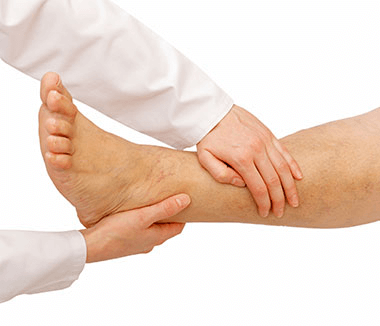
To diagnose a greenstick fracture, the doctor will perform a physical examination and ask how the injury occurred. The doctor will also examine the affected area for signs of a fracture, including pain and swelling. During the physical examination, your doctor will examine the affected area for tenderness, swelling, deformity, numbness, or an open wound. Your child may be asked to move their fingers in certain patterns or movements, to check for nerve damage.
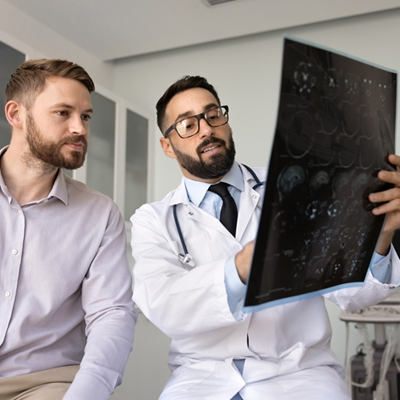
The doctor may also examine the joints above and below the fracture. X-rays can reveal most greenstick fractures. Your doctor may take X-rays of the healthy limb, for comparison purposes.
The diagnosis of a greenstick fracture is largely based on the patient's medical history. The doctor will want to know whether trauma occurred, whether the fracture happened as a result of an accident, or as a result of forced bending of the affected limb. Through the medical history, all symptoms can be narrowed down if the doctor asks specific questions. The type of pain, the location of the pain, and the child's age can make the difference between an ordinary fracture and a greenstick fracture.
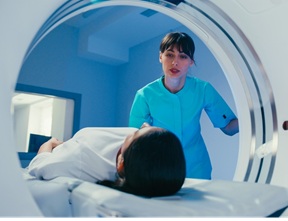
If necessary, the doctor will perform X-rays to make sure the bone is fractured. A CT scan (computed tomography) or an MRI scan (magnetic resonance imaging) can confirm the diagnosis and rule out other injuries. The doctor will most likely perform these imaging tests if the fracture occurred due to major trauma.
Centrokinetic has a state-of-the-art MRI machine, dedicated to musculoskeletal conditions of the upper and lower limbs. The MRI machine is open, so that even people who suffer from claustrophobia can undergo this investigation. The examination time is, on average, 20 minutes, and the patient receives the investigation result the day after the investigation.
Depending on the severity of the greenstick fracture, the doctor may try to straighten the bone manually, so that it heals properly. Your child will receive pain medication and, possibly, sedation medication for this procedure.
Greenstick fractures have a high risk of breaking completely, so most of these types of fractures are immobilized in a cast during healing.
Occasionally, your doctor may decide whether a removable splint could work just as well, especially if the break has largely healed. The advantage of a splint is that the patient could remove it for a short time, for a bath or a shower.
For injuries involving the wrist, a removable splint tends to work better, since it allows reasonable movement, as the bone begins to heal. This can prevent the stiffness and restriction of movement that can occur when the wrist is completely immobilized.
X-rays are needed within a few weeks so that the doctor can make sure the fracture is healing properly, to check the alignment of the bone, and to determine when the cast is no longer needed. Most greenstick fractures require between four and eight weeks for complete healing, depending on the break and the child's age.
It is essential for the patient to wear the splint as instructed, otherwise the bone will not heal.
Most greenstick fractures heal in four to eight weeks, although it is also necessary to avoid high-impact activities for a few weeks after the cast or splint is removed. All greenstick fractures require treatment, regardless of their severity, because fractures left untreated can cause further damage and can cause a complete break of the bone.
Trauma and sports injuries can lead to fractures and require immediate evaluation to prevent complications. Greenstick fractures require immediate immobilization to prevent recurring fractures, complete fracturing, or displacement.
IF YOU DON'T ALREADY KNOW US
Centrokinetic is the most advanced medical clinic dedicated to osteoarticular conditions, organized into several dedicated departments:
- Orthopedics: made up of a highly experienced team of orthopedic doctors, led by Dr. Andrei Ioan Bogdan, senior physician in orthopedics-traumatology with surgical activity at Floreasca Emergency Clinical Hospital and at Medlife Orthopedic Hospital, specialized in sports traumatology and in ankle and foot surgery.
- Pediatric orthopedics, where we treat children's sports conditions (ligament and meniscus injuries), spinal deformities (scoliosis, kyphosis, hyperlordosis), and foot deformities (hallux valgus, hallux rigidus, clubfoot, flat valgus foot, cavus foot).
- Neurology, performing consultations and EMG within the department. The medical team is completed by dr. Mardare, who specialized further at the University of Oxford in spinal surgery.
- Medical recovery, for children and adults, the department being led by one of the most experienced doctors in the field, senior lecturer dr. Tache Georgiana. The department specializes in the recovery of performance athletes, in spinal conditions, in the recovery of children with neurological and traumatic conditions.
- Medical imaging, the clinic being equipped with ultrasound and MRI, dedicated to musculoskeletal conditions. We are proud of our medical team of radiologists, made up of dr. Ghiea Sorin, dr. Pantu Cosmin, dr. Florescu Nicoleta, specialized in musculoskeletal imaging.
Find out the latest news about us by following the Facebook and YouTube accounts of Centrokinetic clinic.