What Are the Signs That Hand Numbness Needs a Neurology Consult, Not Just Physical Therapy?



Hand numbness occurs frequently in active adults, in people who work a lot at a desk, in athletes, or in patients recovering after a procedure. Often, the tingling sensation goes away after you move your arm or change position. Other times, it may indicate a neurological condition that requires specialist investigations.
The difference between a problem that responds to physical therapy and one that requires a neurology consult depends on context, duration, and associated symptoms. Below you'll find information about the signs that should send you to a neurologist.
What does hand numbness actually mean?
Numbness, or paresthesia, describes a sensation of tingling, fine pricking, or partial loss of sensation. The peripheral nerves – median, ulnar, and radial – transmit information between the brain and the hand. When a nerve is compressed or irritated, these sensations appear.
For example, if you fall asleep with your hand under your head, you temporarily compress a nerve. After a few minutes of movement, the symptoms go away. In most cases, this situation isn't a cause for concern.
On the other hand, if the numbness persists, worsens, or is associated with muscle weakness, you need to look for a deeper cause. The cervical spine, spinal cord, or even the brain may be involved.
When can physical therapy help with hand numbness?
There are situations in which physical therapy helps and provides good results. Usually, the symptoms are related to posture, overuse, or mild nerve compressions.
Some common examples:
- carpal tunnel syndrome, associated with nighttime numbness that improves when you move your hand;
- mild cervical radiculopathy, associated with neck pain after prolonged sitting at a desk;
- muscle cramps in athletes after intense training;
- poor posture maintained for hours at the computer.
If the tingling appears in certain positions and disappears quickly, without other neurological symptoms, the physical therapy doctor can manage the problem effectively. Still, a correct initial evaluation remains important to rule out more complex conditions.
5 signs that you need a neurology consult

1. Sudden numbness on only one side of the body
If you suddenly feel your right hand go numb and, almost simultaneously, notice weakness in the leg on the same side or difficulty speaking, don't delay the consult. These manifestations may suggest a stroke. In such situations, time directly influences the outcome. Call emergency services (112) or go to the ER!
2. Progressive muscle weakness
If you start dropping objects from your hand, can no longer make a fist, or notice that your strength is gradually decreasing, the situation is no longer just about posture. Motor nerves, which control movement, may be affected.
This type of symptom appears in peripheral neuropathies, spinal cord conditions, or severe nerve compressions. For example, a cervical herniated disc can compress the nerve root and produce both numbness and decreased strength. Early intervention limits worsening and gives you better chances of recovery.
3. Persistent numbness, unrelated to position
If the tingling lasts for days or weeks and doesn't change when you change position, you need to investigate the cause. In such cases, the neurologist may recommend an electromyography (EMG), an investigation that measures the electrical activity of muscles and nerve conduction speed.
EMG helps pinpoint the exact location of the injury and determine its severity. The procedure may cause mild discomfort, but it provides useful information for establishing the treatment plan.
4. Numbness associated with dizziness, vision problems, or balance issues
If, in addition to tingling, you experience double vision, unsteadiness while walking, or unusual headaches, the doctor needs to evaluate the central nervous system. The brain and spinal cord can generate such symptoms when there are inflammatory, vascular, or compressive lesions.
In these situations, the neurologist may recommend a brain or cervical MRI. The investigation uses a magnetic field to obtain detailed images of the nervous structures and helps identify the cause. MRI doesn't use ionizing radiation, but it may have contraindications for patients with certain implanted metal devices.
5. Bilateral numbness in hands and feet
The sensation of numbness in a "glove and stocking" pattern, affecting the hands and feet at the same time, often suggests polyneuropathy. Diabetes, vitamin B12 deficiency, certain autoimmune diseases, or side effects of some medications can underlie these symptoms.
In these cases, you need blood tests, a neurological evaluation, and treatment directed at the underlying condition.
When do you need physical therapy, and when do you need a neurology consult?
The table below helps you understand the main differences. Don't use it for self-diagnosis, but as a general guide until you get to the doctor.
| Characteristic | More likely physical therapy | More likely neurology consult |
|---|---|---|
| Clear connection to posture | Yes | No |
| Disappears quickly with movement | Yes | No |
| Muscle weakness | Rare | Frequent |
| Sudden symptoms on one side only | No | Yes |
| Associated with dizziness or double vision | No | Yes |
| Duration over 2 weeks | Rare | Yes |
If you find yourself in the right-hand column, schedule a neurological evaluation.
What does a neurological evaluation involve?
During a consultation, the neurology specialist reviews your medical history, the type of symptoms, and risk factors. This is followed by the clinical exam: testing reflexes, muscle strength, and sensation.
Depending on the results, you may be recommended for:
- EMG and nerve conduction studies;
- brain or cervical MRI;
- blood tests for blood sugar, thyroid function, B-group vitamins;
- other investigations tailored to your case.
Why does early intervention matter?
Many patients delay the consult, hoping the symptoms will pass. In some situations, delaying can allow the condition to progress. For example, a severe nerve compression treated late can leave a residual motor deficit.
Early intervention gives you:
- better chances of full recovery;
- a treatment plan adapted to your lifestyle;
- proper monitoring of progress;
- prevention of complications.
A personalized approach for every patient at Centrokinetic
A high-performance athlete with numbness after a cervical trauma needs a different strategy than a patient with diabetes and polyneuropathy. Likewise, a patient in post-operative recovery needs coordination between the neurologist and the physical therapy doctor.
The plan may include medication, injections, recommendations to modify activity, or a tailored physical therapy program. Periodic monitoring allows the therapy to be adjusted based on the response.
Don't ignore your body's signals. A correct evaluation helps establish the right direction of treatment. Schedule a specialist consultation at Centrokinetic now.
Frequently asked questions about hand numbness
How long can I wait if the numbness isn't painful?
If the numbness persists for more than two weeks or recurs frequently without a clear cause, seek a medical evaluation. Even if it doesn't hurt, it may indicate progressive nerve damage.
Can I take vitamins without a doctor's recommendation?
It's not advisable to take supplements without testing. Excess of certain vitamins, such as B6, can worsen neurological symptoms. Talk to your doctor and get the necessary tests done.
Is EMG a painful investigation?
EMG can cause mild discomfort, since it involves fine needles inserted into the muscles. Most patients tolerate the procedure well, and the information obtained is very useful for diagnosis.
Can numbness occur after surgery?
Yes, sometimes nerves can be irritated during the procedure or during the recovery period. If symptoms don't gradually improve, notify the doctor for further evaluation.
Disclaimer: This article is for informational purposes only and does not replace a medical consultation.
Sources:
- "Numbness in Hands Causes." Mayo Clinic, 2025. Accessed July 7, 2026.
- "Numbness in Hands: Causes & Treatment." Cleveland Clinic, 31 Aug. 2023. Accessed July 7, 2026.
- "Why Are My Hands Numb When I Wake Up and How Can I Treat This?" Santos-Longhurst, Adrienne. Healthline, Healthline Media, 19 Mar. 2019. Accessed July 7, 2026.
BUCHAREST TEAM


































































CLUJ NAPOCA TEAM


































BRASOV TEAM



















MAKE AN APPOINTMENT
FOR AN EXAMINATION
See here how you can make an appointment and the location of our clinics.
MAKE AN APPOINTMENT
Asiguratori privati





Parteneriate



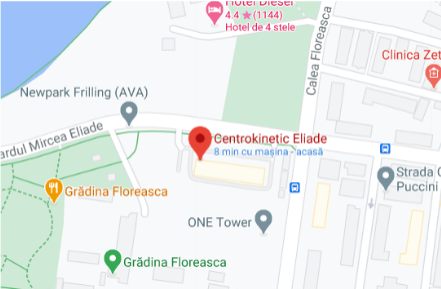
CENTROKINETIC FLOREASCA
Bucharest, 1st District,
Mircea Eliade Street, no. 18,
Eliade Tower, Entrance A, Floor 3
| Navigation | Explore 3D |
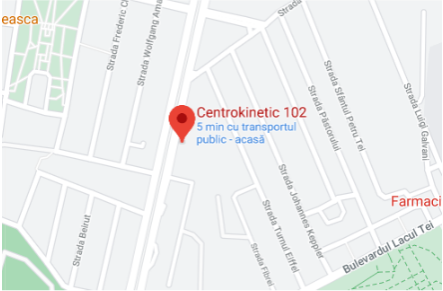
CENTROKINETIC Barbu Vacarescu
Bucharest, 2nd District,
Barbu Vacarescu Street, no. 102,
102 The Address, ground floor.
| Navigation | Explore 3D |
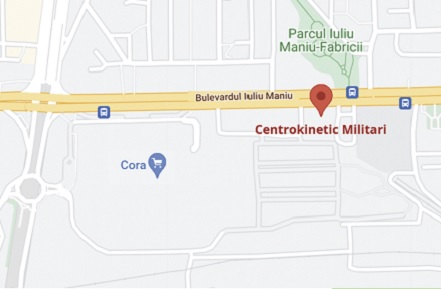
CENTROKINETIC MILITARI
Bucuresti, Sector 6,
Bld. Iuliu Maniu, nr. 15G,
Cladirea PBT, etaj 3.
| Navigation |
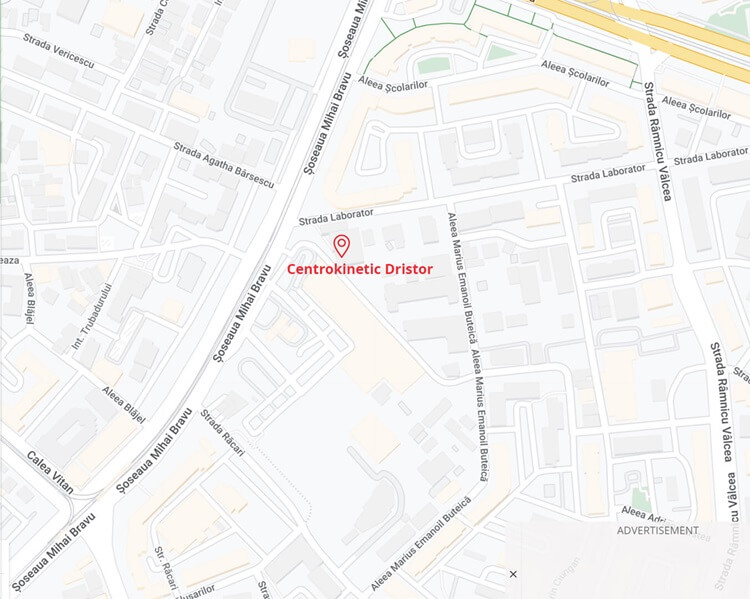
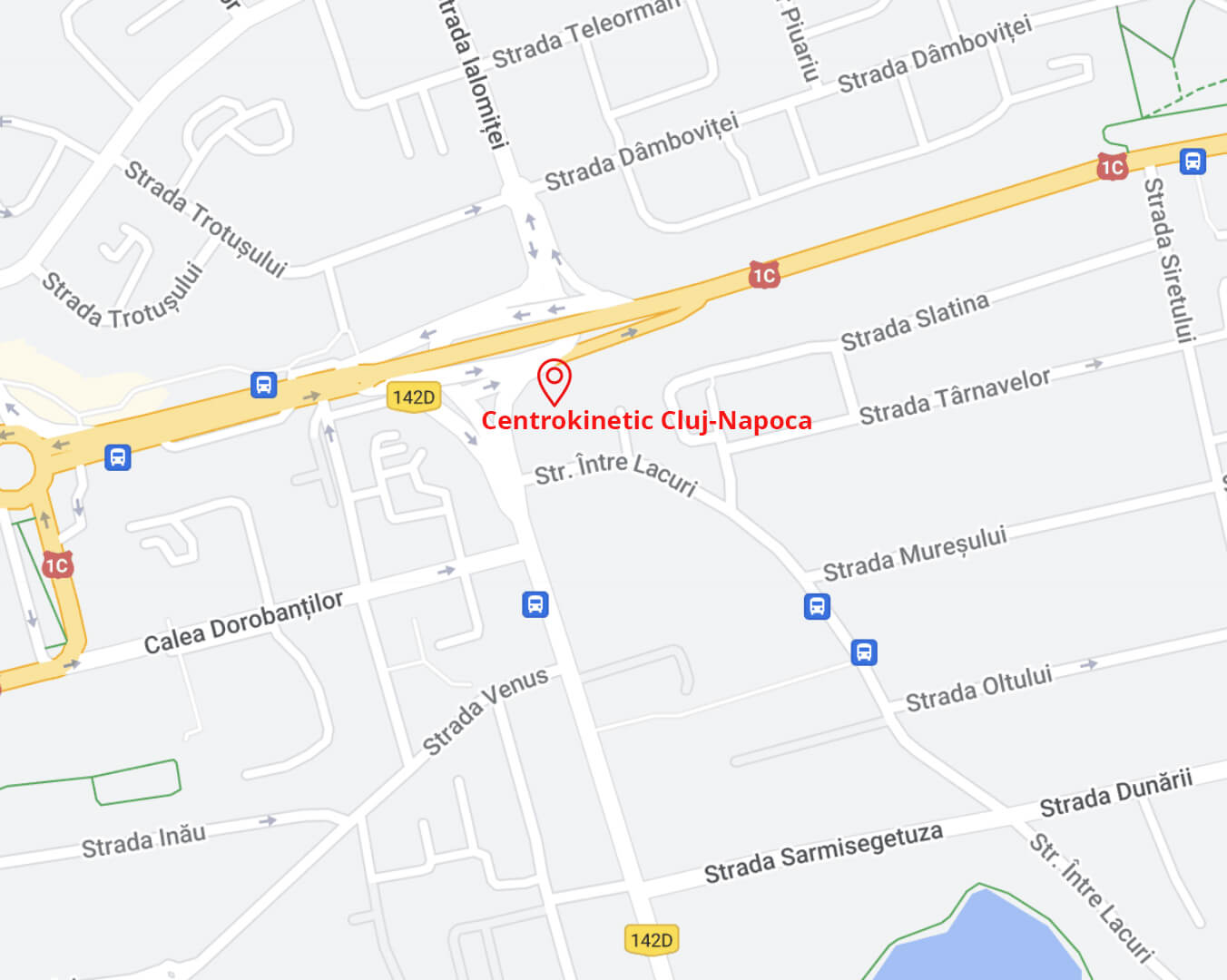
CENTROKINETIC CLUJ-NAPOCA
Cluj-Napoca,
Str. Intre Lacuri, nr.1
Intrarea este in spatele cladirii.
| Navigation |
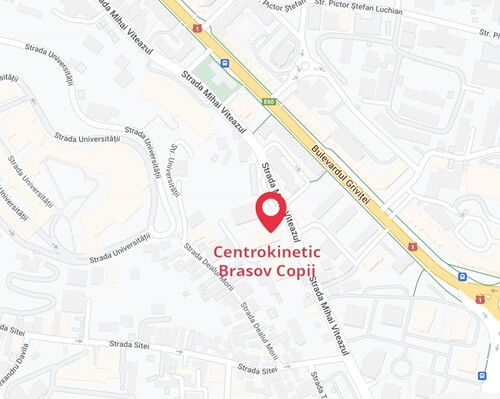
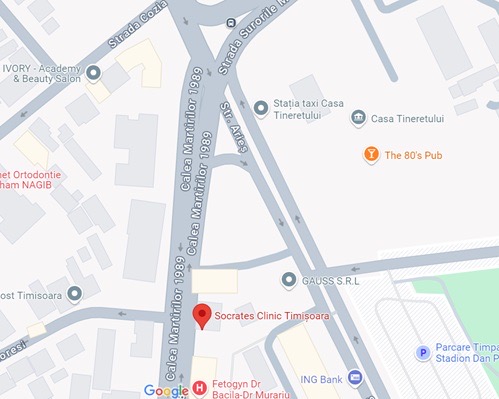
SOCRATES CLINIC TIMISOARA
Timisoara, Calea Martirilor 1989,
nr. 1.
Telefon: 0371 785 374.
| Navigation |
CONTACT
Phone: 0319693
E-mail: programari@centrokinetic.ro
Operating hours:
Monday – Friday: 07:00 – 21:00
Saturday: 09:00 – 14:00
Sunday: closed.
MAKE AN APPOINTMENT