Hand numbness: causes and when medical rehabilitation is needed



Hand numbness most often occurs after an awkward position that temporarily compresses a nerve, and it disappears within a few minutes. When it returns frequently, it may indicate carpal tunnel syndrome, ulnar nerve compression, cervical radiculopathy or peripheral neuropathy. The location of the tingling, the clinical examination and targeted investigations determine the cause, and medical rehabilitation helps you regain mobility and strength.
What you need to know about hand numbness:
- the affected fingers offer clues about the nerve involved;
- sudden numbness on one side of the body, accompanied by weakness or speech disorders, requires a call to 112;
- reduced strength or dropping objects from your hand call for a consultation as soon as possible;
- medical rehabilitation begins after the cause has been determined.
Contents:
- What does hand numbness mean?
- Why do hands go numb?
- What does the location of the numbness indicate?
- When should you seek emergency medical help?
- When should you schedule a medical consultation?
- How does the doctor determine the cause of the numbness?
- When do you need medical rehabilitation?
- What can you do at home until the consultation?
- When do injections or surgery become necessary?
- What are the next steps if your hands go numb?
- Frequently asked questions about hand numbness
What does hand numbness mean?
Numbness means reduced sensitivity to touch, temperature or pain. Some people feel mild tingling, while others describe prickling or the sensation of a heavy hand. The manifestations can affect one hand, both hands or only certain fingers.
Symptoms may include:
- tingling or a pins-and-needles sensation;
- a burning sensation in the palm, fingers or forearm;
- pain that travels up towards the elbow, shoulder or neck;
- difficulty writing, typing or buttoning clothes;
- reduced strength and dropping objects from your hand.
When weakness accompanies the numbness, schedule an evaluation before the problem limits your activities.
Why do hands go numb?
Hands usually go numb because of compression or irritation of a nerve at the level of the wrist, the elbow or the neck. More rarely, the cause is a general condition that affects the peripheral nerves.
Temporary nerve compression
Sleeping with your arm under your body, resting on your elbow for a long time and keeping your wrist bent can temporarily compress the nerves. In most cases, the sensation disappears a few minutes after you change position.
Carpal tunnel syndrome
The median nerve passes through a narrow canal at the level of the wrist. Increased pressure on it can cause tingling in the thumb, index finger, middle finger and part of the ring finger. The symptoms frequently appear at night and can reduce grip strength.
Repetitive or forceful wrist movements, diabetes, pregnancy, hypothyroidism, arthritis and excess weight increase the risk. Learn more about the manifestations and therapeutic options in the dedicated guide on carpal tunnel syndrome.
Ulnar or radial nerve compression
The ulnar nerve can be compressed at the elbow, especially if you work leaning on your elbows or sleep with your arm bent. In such situations, tingling appears in the little finger and in the nearby side of the ring finger, sometimes associated with weaker fine coordination.
Radial nerve compression causes numbness on the back of the hand, especially between the thumb and the index finger. If the involvement progresses, weakness may appear when lifting the wrist and fingers.
Cervical spine problems
The nerves that control the hand originate in the neck region. A herniated disc or degenerative changes can irritate a nerve root, and this condition is called cervical radiculopathy. The pain starts in the neck and travels down towards the shoulder, arm and fingers, and certain head movements can make it worse.
Most patients feel an improvement within a few weeks with conservative treatment. The doctor may recommend a programme for cervical radiculopathy recovery, adapted to the affected root and to your exercise capacity.
Peripheral neuropathy
Peripheral neuropathy means damage to the nerves outside the brain and the spinal cord. As a rule, numbness and burning begin in the feet and may later reach the hands. Causes include diabetes, vitamin B12 deficiency, kidney disease, excessive alcohol consumption and certain medications.
What does the location of the numbness indicate?
The affected area offers clues about the structure involved, according to the table below:
| Affected area | Structure possibly involved | Associated signs |
|---|---|---|
| Thumb, index finger and middle finger | Median nerve | Night-time symptoms, weakened grip |
| Little finger and part of the ring finger | Ulnar nerve | Tingling when bending the elbow |
| Back of the hand, near the thumb | Radial nerve | Weakness when extending the wrist |
| Hand, arm and shoulder | Cervical nerve root | Neck pain, radiating down the arm |
| Both hands and feet | Peripheral nerves | Burning, reduced sensitivity |
| One side of the body, sudden onset | Central nervous system | Facial asymmetry, difficulty speaking |
When should you seek emergency medical help?
Call 112 if the numbness begins suddenly, especially on one side of the body, and appears together with:
- weakness of the face, arm or leg;
- facial asymmetry or difficulty speaking;
- confusion, vision disturbances or loss of balance;
- a sudden and unusual headache;
- chest pain, shortness of breath, nausea or cold sweats;
- significant trauma, deformity, pallor or a cold hand.
Numbness in the left hand does not automatically indicate a heart condition, but the associated symptoms and the sudden onset require an emergency evaluation.
When should you schedule a medical consultation?

Schedule a consultation if the numbness lasts for several days, returns often or wakes you up at night. Do the same if the tingling travels up the arm, pain and burning appear or you notice that your strength is decreasing.
Do not delay the consultation if you drop objects, can no longer perform fine movements or the muscles at the base of the thumb are thinning. Early intervention can limit nerve damage and can support the recovery of function.
Benefits of a proper evaluation:
- identifies the source of the symptoms and distinguishes a passing compression from a nerve injury;
- protects the strength and dexterity of the hand;
- guides the choice of the appropriate investigations;
- allows treatment to start at the indicated time;
- reduces the factors that favour recurrences.
How does the doctor determine the cause of the numbness?
The doctor determines the cause through a clinical consultation, and the investigations are chosen according to the suspicion. In many typical cases of carpal tunnel, the clinical examination is enough for the diagnosis.
The clinical consultation
The doctor asks when the symptoms appear, how long they last and which positions make them worse. Then they check the sensitivity, reflexes, strength and mobility of the neck, shoulder, elbow and wrist.
Recommended investigations
Electromyography and nerve conduction studies show how the nerves and muscles work. They can locate the compression, estimate the severity of the involvement and rule out other causes, especially in atypical cases. The test may cause temporary discomfort. Tell the doctor if you are taking anticoagulant treatment.
Depending on the suspicion, the specialist may recommend:
- musculoskeletal ultrasound, which examines the nerves and tendons;
- X-ray, especially after trauma;
- cervical MRI, if the symptoms persist or neurological deficits appear;
- tests for blood glucose, vitamin B12 and thyroid function.
When do you need medical rehabilitation?
The doctor may recommend rehabilitation after determining the cause and ruling out an emergency. It frequently helps in mild or moderate nerve compressions, in cervical radiculopathy and after immobilisation.
The programme aims to reduce nerve irritation, restore mobility and gradually increase strength, with a personalised approach based on your age, associated conditions and activity.
Personalised physiotherapy
A physiotherapy programme can include exercises for the neck, shoulder, elbow and wrist, progressive strengthening and nerve mobilisation. The specialist adapts the movements after the evaluation. Do not increase the intensity on your own if the pain or tingling gets worse.
Physical therapy, manual therapy and ergonomics
Physical therapy procedures can support pain control, but they do not replace exercise and treating the cause, and the doctor checks for possible contraindications.
Manual therapy can improve mobility, and ergonomic education helps you adjust your desk, monitor and forearm support. In mild or moderate carpal tunnel, a wrist splint in a neutral position, worn mainly at night, can reduce the symptoms.
What can you do at home until the consultation?
Change position when tingling appears, avoid prolonged resting on your elbow and keep your wrist in a neutral position at the computer. Temporarily reduce repetitive movements, avoid aggressive massage and ask your doctor for advice before using anti-inflammatories, supplements or splints.
When do injections or surgery become necessary?
The doctor considers injections after the diagnosis is confirmed, if conservative treatment does not help enough. Corticosteroids can reduce symptoms temporarily, and the risks include a rise in blood glucose and infection.
Surgery may become an option in severe compression, in progressive weakness, in muscle atrophy or in symptoms that persist despite treatment. After the procedure, the doctor determines whether you need a rehabilitation programme.
What are the next steps if your hands go numb?
Note the affected fingers and the moments when the symptoms appear, then schedule an evaluation if the episodes return or your strength decreases. At Centrokinetic, neurologists, orthopaedists, rehabilitation doctors and physiotherapists work together on a plan adapted to the cause and your goals. Book a specialist consultation now!
Frequently asked questions about hand numbness
Why do my hands go numb at night?
During sleep you may keep your elbow or wrist bent, which increases pressure on the nerves. Repeated episodes frequently occur in carpal tunnel syndrome or in ulnar nerve compression and require evaluation.
Can the cervical spine cause numbness in the fingers?
Yes. Irritation of a cervical nerve root can send pain and tingling from the neck towards the arm and fingers. The clinical examination determines whether the symptoms originate in the spine.
Does physiotherapy treat hand numbness?
Physiotherapy can help in certain nerve compressions, in cervical problems and after surgery. Its effectiveness depends on the diagnosis and the stage, and the doctor confirms the indication.
Which specialist should I see for hand numbness?
You can start with the neurologist or the rehabilitation doctor. Depending on the cause, the team may include the orthopaedist, the neurosurgeon and the physiotherapist.
Disclaimer: The information presented is for informational purposes only and does not replace a specialist medical consultation.
Sources:
- Wipperman, Jennifer, and Mark L. Penny. "Carpal Tunnel Syndrome: Rapid Evidence Review." American Family Physician, vol. 110, no. 1, 2024, pp. 52-57. Accessed 19 Nov. 2026.
- Childress, Marc A., and Blair A. Becker. "Nonoperative Management of Cervical Radiculopathy." American Family Physician, vol. 93, no. 9, 2016, pp. 746-754. Accessed 19 Nov. 2026.
BUCHAREST TEAM









































































CLUJ NAPOCA TEAM



































BRASOV TEAM


















MAKE AN APPOINTMENT
FOR AN EXAMINATION
See here how you can make an appointment and the location of our clinics.
MAKE AN APPOINTMENT
Asiguratori privati





Parteneriate



CENTROKINETIC FLOREASCA
Bucharest, 1st District,
Mircea Eliade Street, no. 18,
Eliade Tower, Entrance A, Floor 3
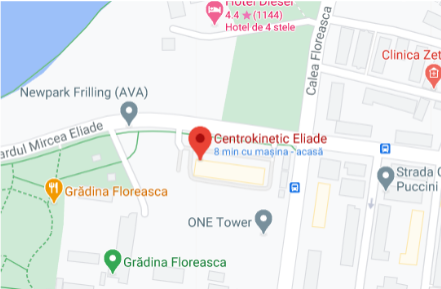
| Navigation | Explore 3D |
CENTROKINETIC Barbu Vacarescu
Bucharest, 2nd District,
Barbu Vacarescu Street, no. 102,
102 The Address, ground floor.
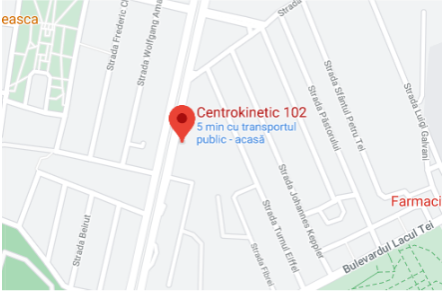
| Navigation | Explore 3D |
CENTROKINETIC MILITARI
Bucuresti, Sector 6,
Bld. Iuliu Maniu, nr. 15G,
Cladirea PBT, etaj 3.
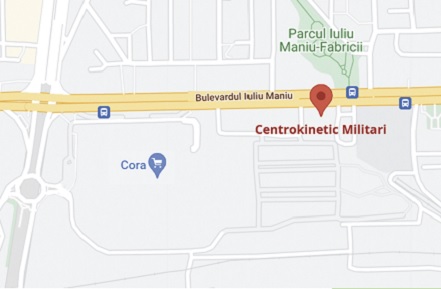
| Navigation |
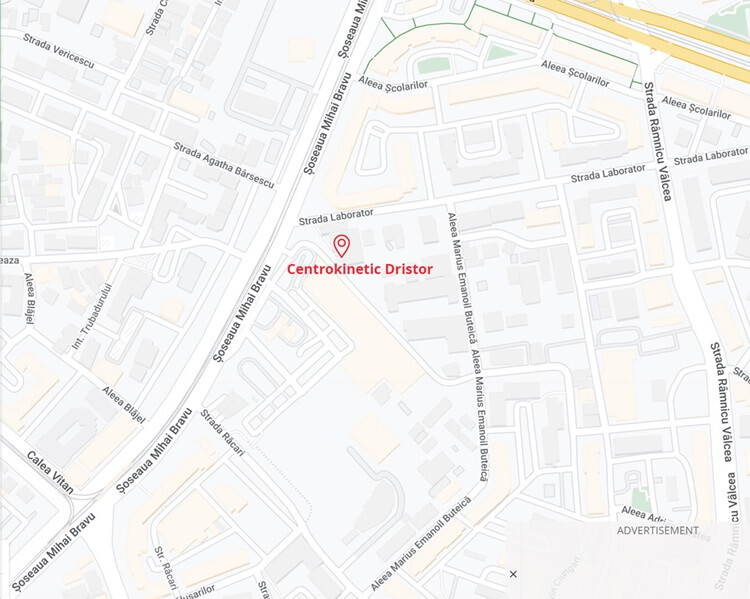
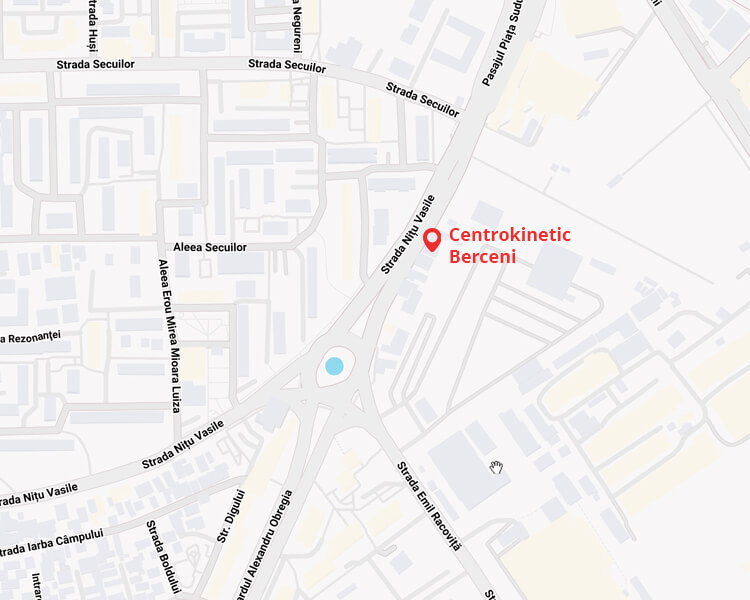
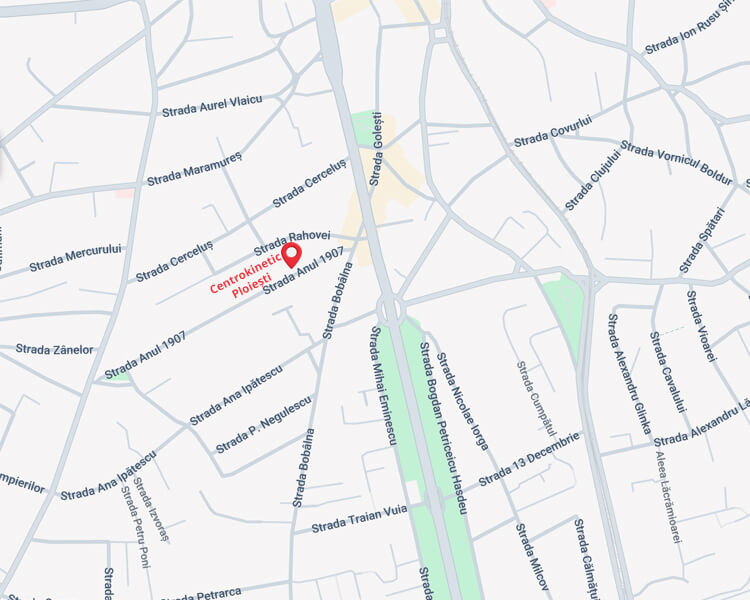
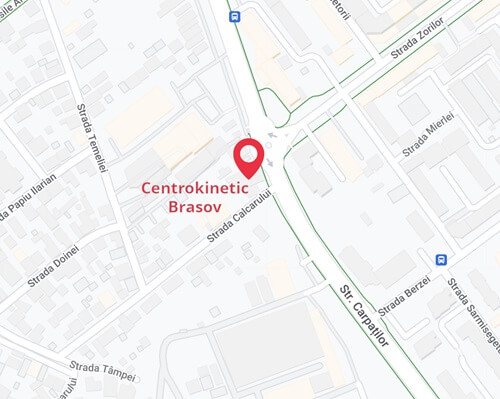
CENTROKINETIC CLUJ-NAPOCA
Cluj-Napoca,
Str. Intre Lacuri, nr.1
Intrarea este in spatele cladirii.

| Navigation |

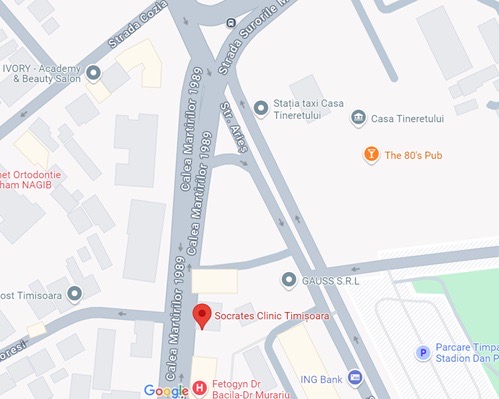
SOCRATES CLINIC TIMISOARA
Timisoara, Calea Martirilor 1989,
nr. 1.
Telefon: 0371 785 374.
| Navigation |
CONTACT
Phone: 0319693
E-mail: programari@centrokinetic.ro
Operating hours:
Monday – Friday: 07:00 – 21:00
Saturday: 09:00 – 14:00
Sunday: closed.
MAKE AN APPOINTMENT