HEEL PAIN


This article was written by Dr. Crintea Alexandru, orthopedic specialist physician, with over 10 years of experience, highly specialized through numerous national and international courses.
About heel pain
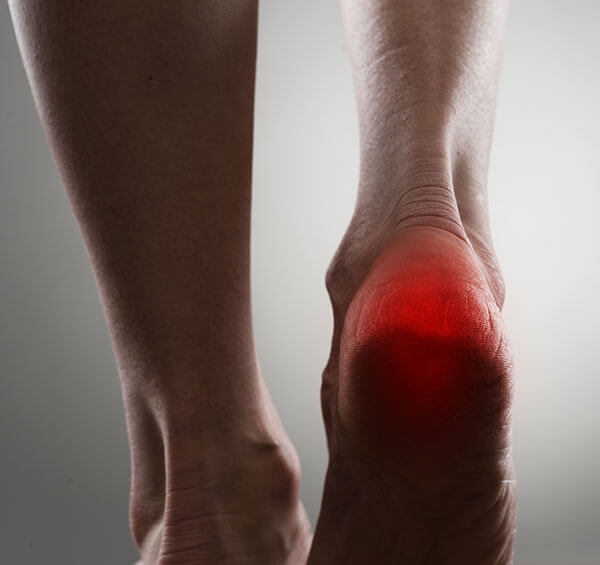
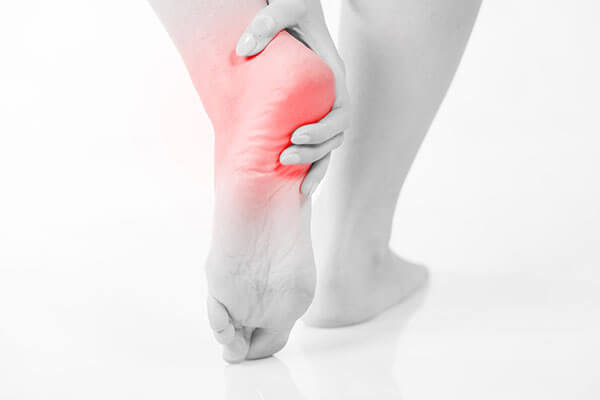
Heel pain usually affects the bottom or the back of the heel. Although heel pain is rarely a symptom of a serious condition, it can interfere with your normal activities, especially exercise. Heel pain is a common foot problem. The pain usually appears under the heel or right behind it, where the Achilles tendon connects to the heel bone. Sometimes it can affect the side of the heel.Pain that appears under the heel is known as plantar fasciitis. This is the most common cause of heel pain.
Pain at the back of the heel is Achilles tendinitis. The pain can also affect the inner or outer side of the heel and foot.
In most cases, the pain is not caused by an injury. At first, it is usually mild, but it can become severe and sometimes disabling. It usually goes away without treatment, but sometimes it can persist and become chronic.
Causes include arthritis, infection, an autoimmune problem, trauma, or a neurological problem.
Heel anatomy
The heel is the part of the human body located at the back of each foot. Its outer shape is formed by the calcaneus, also known as the heel bone. The heel bone is the largest bone in the foot. The back part of the heel bone is known as the calcaneal tuberosity. It is responsible for the visible projection of the foot that forms the heel.Two muscles of the foot, the abductor hallucis and the abductor digiti minimi, extend from the sides of the heel bone. These muscles move and flex the big toe and the fifth toe.
The heel bones also contain the starting point of the Achilles tendon, which connects the calf and its muscles to the heel.
The positioning of the ankle and heel helps shape the area of the foot called the arch. The arch and heel together allow the foot to evenly distribute the forces exerted on it, especially on terrain that is not completely flat.
Types of heel pain
There are many types of heel pain that most of the population faces at some point in their life. Heel pain can affect many people, including those who stand for long periods of time, overweight people, and pregnant women whose heels bear extra weight. There can be specific disorders that may contribute to heel pain, including diabetes, arthritis, or enlarged nerves, often called a neuroma. If heel pain is evident, it may be an indication of a condition known as plantar fasciitis, which can occur as a result of an injury affecting the tissue that connects the heel to the foot. Heel pain can also represent other conditions such as heel spurs or Sever's disease, in which the heel's growth plate is inhibited, commonly affecting children aged 8 to 16.Pain under the heel or plantar fasciitis
Plantar fasciitis is a painful inflammation of the plantar fascia, a fibrous band of tissue on the sole of the foot that helps support the arch. Plantar fasciitis occurs when the plantar fascia is overloaded or overstretched. This causes small tears in the fibers of the fascia, especially where the fascia meets the heel bone. Plantar fasciitis can develop in almost anyone, but it is especially common in the following groups of people: people with diabetes, obese people, pregnant women, runners, volleyball players, tennis players, and those who take part in aerobics or stair climbing. You can also trigger plantar fasciitis by pushing a large appliance or piece of furniture, or by wearing worn-out or poorly built shoes. In athletes, plantar fasciitis can appear after a period of intense training, especially in runners who push themselves to run longer distances. People with flat feet have a higher risk of developing plantar fasciitis.Pain behind the heel or Achilles tendinitis
In most cases, Achilles tendinitis (inflammation of the Achilles tendon) is triggered by overuse, especially through excessive jumping during sports. However, it can also be related to poorly fitting shoes, if the upper back part of a shoe rubs against the Achilles tendon behind the heel. More rarely, it is caused by an inflammatory disease, such as ankylosing spondylitis (also called axial spondyloarthritis), reactive arthritis, gout, or rheumatoid arthritis.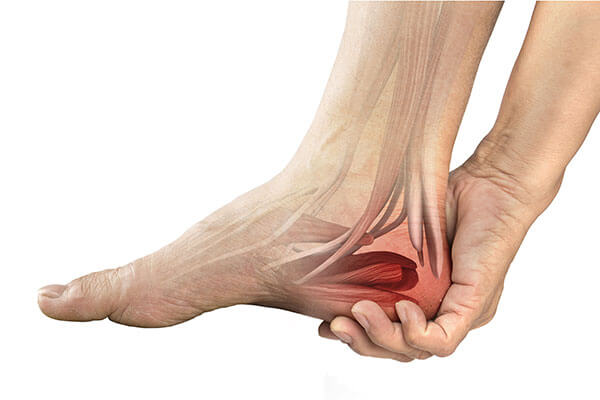
Causes of heel pain
There are several common causes of heel pain:- Plantar fasciitis. Plantar fasciitis occurs when too much pressure on the feet damages the plantar fascia ligament, causing pain and stiffness.
- Sprains and dislocations. Sprains and dislocations are injuries to the body, often resulting from physical activity. These injuries are common and can range from minor to severe, depending on the incident.
- Fracture. A fracture is a broken bone. This condition is considered a medical emergency. Urgent care may be required.
- Achilles tendinitis. Achilles tendinitis occurs when the tendon that attaches the calf muscles to the heel becomes painful or inflamed due to excessive strain.
- Bursitis. Bursae are fluid-filled sacs found around joints. They surround the areas where tendons, skin, and muscle tissue meet bones.
- Ankylosing spondylitis. This form of arthritis primarily affects the spine. It causes severe inflammation of the vertebrae, which could eventually lead to chronic pain and disability.
- Osteochondrosis. This condition directly affects bone growth in children and adolescents.
- Reactive arthritis. An infection in the body triggers this type of arthritis.
Mechanical causes
Most cases of heel pain have a mechanical cause. Other causes include trauma, neurological, arthritic, infectious, neoplastic, and autoimmune causes, as well as other systemic conditions.Plantar fasciitis - the most common cause in adults, Achilles tendinitis, which is considered a chronic process that weakens the tendon and can lead to tendon rupture, and Sever's disease, which most often occurs in adolescents, are examples of mechanical causes leading to heel pain.
Arthritis
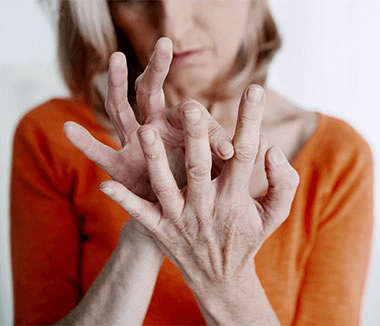
Osteoarthritis is a common degenerative condition in older people. Usually affecting one or more joints, osteoarthritis can be caused by obesity, age, and certain types of trauma. Other types of bone changes can occur in conjunction with osteoarthritis, such as bone disease, cartilage destruction, and narrowing of the joint space.Rheumatoid arthritis is a systemic disease that is most widespread in the hands and feet. Causing other foot problems, such as hammer toe, bunions, metatarsalgia, and other bone-related issues, severe foot pain is observed. Rheumatoid polyarthritis is a chronic disease that leads to permanent joint destruction if not properly treated.
Common symptoms of heel arthritis:
- Morning stiffness
- Recurring pain in any joint
- Redness or warmth in the joint
- Joint swelling
- Limited movement
- Skin changes including rashes or growths
Infections
Heel infection is usually caused by any secondary infectious disorder.Calcaneal osteomyelitis is a complicated clinical scenario that is often very difficult to treat. It can occur in people of any age who are injured or immunocompromised and requires aggressive care.
Treatment ranges from antibiotics to radical debridement or amputation. If there is a delay in either diagnosis or treatment, calcaneal osteomyelitis can become threatening or life-threatening. With calcaneal osteomyelitis, pus perforates the periosteum without destroying much of its cortex.
Osteomyelitis is an infection involving the bone, caused by various microorganisms, such as bacteria and fungi. These microorganisms can infect bones in several ways:
- injury (bacteria enter the bone through a traumatic wound)
- direct extension (spread to the bone from an adjacent wound or infection)
- hematogenous (enters the bone through the bloodstream)
The following medical conditions are some of the possible causes of heel infection:
- Achilles tendinitis
- Heel spurs
- Bursitis
- Calcaneal fracture
- Myositis
- Stress fractures
- Diabetes mellitus
- Peripheral vascular disease
Neurological causes
Examples of neurological causes include: tarsal tunnel syndrome, entrapment of the abductor digiti quinti nerve, and sciatica (S1 dermatome).Diseases such as diabetes, which can cause peripheral neuropathy, can lead to heel pain. The most common cause of heel pain, however, is tarsal tunnel syndrome, a condition in which the posterior tibial nerve travels down the leg, splitting into several branches as it passes through the ankle region. The space in the ankle region through which these branches pass is called the tarsal tunnel and is formed by the calcaneus, another foot bone called the talus, and a fibrous band of tissue. Damage to the branches of these nerves, often caused by compression and entrapment in this tunnel or by nerve stretching from the collapse of the foot arch, can cause numbness, pain, or tingling in the heels.
Systemic conditions
A variety of different systemic diseases can be sources of heel pain. Among these: rheumatoid arthritis and gout. Osteoarthritis, the most common form of arthritis, rarely causes heel pain; it is more likely to cause pain in the foot or midfoot.Rheumatoid polyarthritis can cause debilitating pain and, eventually, structural deformities of the foot. More than 90% of people with rheumatoid polyarthritis will have foot symptoms during the course of the disease.
Gout is a disease characterized by the buildup of uric acid crystals in the joints, causing intense pain and swelling. While the big toe is the joint most often affected by gout, the heel can be affected as well. Therapy involves treating the disease that causes the pain.

Diseases that cause heel pain
Heel pain is often associated with plantar fasciitis. The plantar fascia is a band of tissue that extends along the sole of the foot. A tear in this ligament can cause tissue inflammation. Achilles tendinitis is another cause of heel pain. Inflammation of the Achilles tendon will cause pain caused by fractures and muscle tearing. Lack of flexibility is also another symptom. Heel spurs are another cause of pain. When the tissues of the plantar fascia undergo great stress, this can lead to the separation of the ligaments from the heel bone, causing spurs to appear.Plantar fasciitis
Plantar fasciitis is one of the most common causes of heel pain. Inflammation of the plantar fascia causes sharp pain. The pain usually appears with the first steps of the day and decreases as the foot muscles become more flexible. Long periods of rest and switching from a sitting to a standing position can trigger the pain. Runners, overweight people, pregnant women, and people who wear shoes without adequate arch support are all at risk of developing plantar fasciitis.Heel spurs
Heel spurs are bony protrusions on the heel bone. Calcium deposits form when the plantar fascia pulls away from the bone. People with flat feet, unusually high arches, and women who wear high-heeled shoes are prone to developing heel spurs. The pressure of the spurs on the surrounding muscles and tendons causes pain.Tarsal tunnel syndrome
Compression of the posterior tibial nerve causes tarsal tunnel syndrome. The tibial nerve curves down from the back of the leg to the ankle. This part of the body includes the muscles, the tibial nerve, and the posterior tibial vein and artery. Compression can result from a soft tissue mass, scar tissue from a previous fracture, or inflammation of an adjacent tendon.Risk groups for heel pain
Imbalances caused by abnormalities in foot structure increase the risk of heel pain. Other risk factors include the following:- Involvement in intense physical exercise (especially repeated jumping and running)
- Obesity
- Standing for prolonged periods
- Wearing improper shoes
- Achilles tendinitis
- Bone bruises
- Excessive pronation (the tendency of the foot to roll inward)
- Haglund's deformity (bone growth behind the heel, which usually occurs when shoes repeatedly aggravate the underlying tissue and bone)
- Bone spurs
- Inflammatory conditions (e.g., ankylosing spondylitis, diffuse idiopathic skeletal hyperostosis, rheumatoid arthritis, bursitis)
- Sever's disease (a relatively common condition in actively growing children and adolescents)
- Soft tissue sarcoma of the foot (rare)
- Stress fractures
- Tarsal tunnel syndrome (nerve entrapment that can cause pain on the sole of the foot)
When you should see a doctor because of heel pain
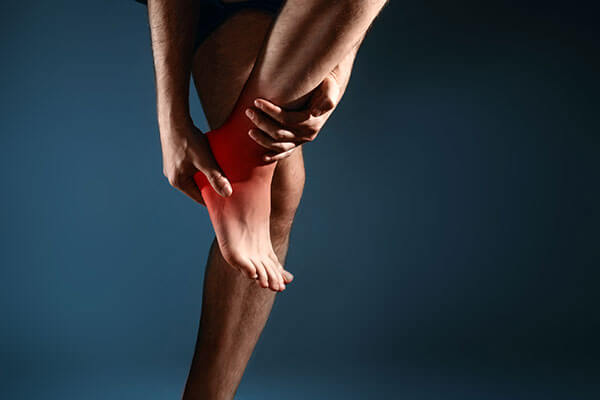
See your doctor right away if you have:- Severe pain and swelling near the heel
- Inability to bend your foot downward, lift your toes, or walk normally
- Heel pain with fever, numbness, or tingling in the heels
- Heel pain immediately after an injury
- Heel pain that continues when you are not walking or standing.
- Heel pain that lasts more than a few weeks, even after trying rest, ice, and other home treatments.
Treating heel pain
Heel pain should be treated as soon as possible for immediate results. Keeping your feet in a stress-free environment will help. If you suffer from tendinitis or plantar fasciitis, applying ice will reduce swelling. Warming up before exercise such as running will help the muscles.Treatment of heel pain depends on its cause:
Plantar fasciitis - Most doctors recommend a conservative treatment program of six to eight weeks, including a temporary rest period from the sport that triggers the foot problem, stretching exercises, ice massage on the foot, footwear changes, and medications such as aspirin or ibuprofen for pain. If this conservative treatment does not help, your doctor may recommend wearing a night splint or may inject corticosteroid medications into the painful area. Surgery is rarely necessary and is not always successful.
Heel spurs - Conservative treatment includes the use of shoe supports (either a heel lift or a heel pad) and a limited number of local corticosteroid injections (usually up to three per year). As with plantar fasciitis, surgery is a last resort.
Calcaneal apophysitis - this condition usually goes away on its own. In the meantime, conservative treatment includes rest and the use of heel pads and heel cushions.
Bursitis - Treatment is similar to the treatment for spurs. Changing the type of footwear can be essential.
Local bruising - Heel bruises can be treated by applying an ice pack in the first few minutes after the injury.
Achilles tendinitis - this condition is treated conservatively with rest, anti-inflammatory medications, and physical therapy.
A pinched nerve - If a sprain, fracture, or other injury has caused nerve entrapment, this underlying problem must be treated first. In rare cases, surgery may be performed to release the pinched nerve.
Quick measures to relieve heel pain
Heel pain often goes away on its own with home care. For heel pain that is not severe, try the following:- Rest. If possible, avoid activities that put stress on the heels, such as running, standing for long periods, or walking on hard surfaces.
- Ice. Put an ice pack or a bag of frozen peas on your heel for 15-20 minutes, three times a day.
- New shoes. Make sure your shoes fit properly and provide plenty of support. If you are an athlete, choose shoes suited for the sport and replace them regularly.
- Pain medication. Aspirin or ibuprofen can reduce inflammation and pain.
Stretching exercises
Plantar fasciitis compromises the healthy function of the plantar fascia ligament, which stretches across the heel, arch, and foot. Engaging in simple exercises can help improve the strength and flexibility of this vital ligament. When used together with rest, ice, and good shoe inserts, these exercises for heel pain can lead to a remarkable reduction in symptoms.Place a book or a few thick books on the floor, about two feet away from a wall. Stand on the books to support your arches, but let your heels extend past the back edge of the books. With your hands apart, lean slowly forward so that your hands support your weight against the wall in front of you. Hold this position for fifteen seconds. This heel pain exercise gently stretches the plantar fascia ligaments, the Achilles tendon, and the calf muscles, promoting better elasticity and healing.
Sit in a comfortable chair. Place a water bottle or a tennis ball on the floor. Gently roll the sole of your foot over the object, from the ball of the foot to the heel, for about a minute. This exercise slowly stretches the plantar fascia ligament. Additionally, if you freeze the water bottle before doing this stretching exercise, it will help minimize the inflammation that is common in plantar fasciitis.
Ice packs
Use ice packs on the heel when you have pain, to control the inflammation associated with overactivity or high stress on the plantar fascia. There are several ways to do this. Your doctor may have suggestions about what works best.It is ideal to put ice on the heel for 10-20 minutes. When you use ice for less than 10 minutes, you may experience temporary numbness, but not the additional benefits of reducing inflammation. If you use ice for more than 20 minutes, the compress can become counterproductive by increasing blood flow to the area and worsening the inflammation, rather than reducing it.
Do not apply ice directly to the skin - it can cause frostbite. Make sure the ice is kept separate from the skin by a thin towel or other barrier. Do not apply ice for more than 20 minutes at a time. If, while holding the ice on your heel, you feel like you are losing sensation or feel stinging, remove the ice.
If normal sensation does not return or the skin does not warm up within 45 minutes of applying the ice, contact your doctor. You can use ice packs more than once a day, but you should allow at least one hour between removing the first ice pack and applying a second one. If you have circulation problems, talk to your doctor before using ice.
An ice pack is one of the cheapest treatment options for plantar fasciitis. Remember that using ice packs is not the same thing as treatment for healing. If you have developed plantar fasciitis, you need to treat the ligament injury in order to regain your health.
Changing footwear
Improper footwear is a major cause of heel pain and, as such, can play a major role in preventing and treating the pain.Athletic shoes are usually well made and provide good structure and support for walking and training. However, heel pain can occur while wearing old athletic shoes that have worn-out soles or do not provide enough support. To prevent heel pain, replace old shoes with excessive or uneven wear on the soles. Replace athletic shoes every 500-700 km. Select sneakers that limit excessive pronation, which adapt to foot movement.
Avoid wearing extremely flat shoes or walking barefoot; flat shoes allow excessive pronation and stretching of the plantar fascia. Raising the heel helps reduce pressure on the plantar fascia.
Shoes with good arch support can help prevent excessive pronation and heel pain.
Heel lifts and platform shoes will raise the heel and remove pressure from the heel and plantar fascia.
Purchase good quality footwear and keep it in good condition, replacing it regularly as soon as it starts to wear out.
Wear shoes with a soft heel, good arch support, a heel height of at least 2 cm, and a strong, stable midsole.
Necessary breaks for foot rest
Initially, rest is recommended, along with non-steroidal anti-inflammatory medications, such as ibuprofen. After this initial rest period, it is important to take active steps to reduce pain, strengthen the foot, and prevent further damage.Do not stand for extremely long periods of time. Walking and standing can affect the heels if done excessively. However, try not to sit for too long either.
Avoiding aggravating activity or modifying activity is one of the most important aspects of treatment for patients with heel pain. This does not mean resting completely; in fact, complete rest should be avoided in most cases. If you have a job where you stand or travel most of the day, try to take regular breaks to sit down and give your feet a rest.
If you have noticed that running on hard surfaces irritates your heel, try replacing the running surfaces with something softer, such as a track or a grass field.
Physiotherapy and kinesiotherapy
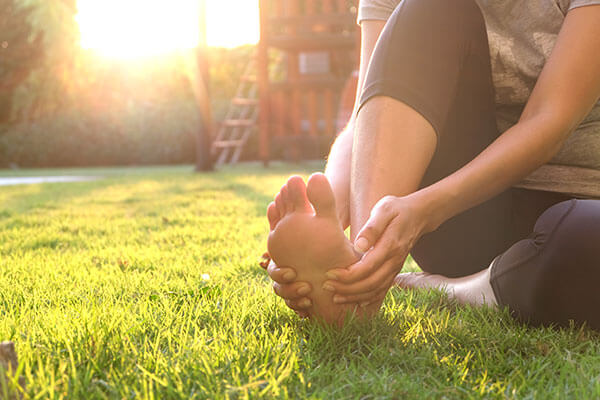
In most cases, plantar fasciitis or heel spurs do not require surgery or invasive procedures to stop the pain and reverse the damage. Conservative treatments are usually all that is needed. Physiotherapists are able to determine the cause and type of heel pain and treat it accordingly. Treatment involves pain relief and a lower limb strengthening program.Radial shockwave therapy: a new non-invasive treatment that works by initiating a healing response from the body by triggering the formation of blood vessels and increasing the amount of nutrients in the affected area.
Ultrasound: this therapy improves cell metabolism and cell membrane permeability, thus increasing tissue healing.
Laser: helps manage pain and heal wounds.
Mobilization and manual therapy: a significant effect in restoring any limited mobility between the bones of the foot or muscles. This helps reduce pain and stiffness.
Foot taping: the bandage supports the foot, putting the stressed muscles and ligaments into a resting state.
Stretching / strengthening exercises: exercises that stretch tight muscles and fasciae, as well as the feet and ankles, can help reduce tension on the fascia.
Although heel pain may generate only mild discomfort, it can worsen and lead to severe pain over time. In most cases, fortunately, treatment only needs to be conservative. Often, those suffering from heel pain try to ignore the initial pain and other signs of deterioration. However, ignoring the problem only makes the situation worse, and it is important to seek help and treatment as soon as possible to prevent further damage.
Drug treatment for heel pain
Medications for heel pain may include prescription topical analgesic creams. In general, non-steroidal anti-inflammatory drugs are the recommended medications for heel pain that has been present for four weeks or less. Heel pain may respond to treatment with over-the-counter medications, such as acetaminophen (Tylenol), ibuprofen (Advil), or naproxen (Aleve).If a combination of rest, ice, exercise, non-steroidal anti-inflammatory drugs, and other supplements is not effective in relieving pain, your doctor may recommend further treatments for heel pain.
Natural treatments for heel pain
In addition to rest, there are several other treatment options for heel pain that are accessible and can be done at home.Vitamins and minerals - there are vitamins and minerals that have been clinically shown to play a role in the health of your foot components.
Baths and wraps - try Epsom salts or arnica salts in the bath to soak the foot, or soak a cloth in warm flaxseed oil and apply it to the heels. These are tried and true natural remedies for all types of pain.
Tea - Pain can make you irritable and keep you from resting. Try chamomile tea to calm your nerves and promote restful sleep. Tea containing valerian acts as a natural muscle relaxant. Teas containing hop flowers are considered to calm anxiety and reduce feelings of irritability. To fight inflammation, look for teas containing curcumin. When it comes to natural pain treatment, turmeric is an excellent remedy. Curcumin, a component in turmeric, works as a powerful analgesic and anti-inflammatory.
Boswellia is another plant believed to contain powerful anti-inflammatory agents. Herbal teas can help you relax and regain a sense of wellbeing.
If you have heel pain due to arthritis or bone spurs, fish oil is a good treatment option. Being rich in eicosapentaenoic acid (EPA) and omega-3 polyunsaturated fatty acids, fish oil helps reduce pain. It even helps reduce muscle stiffness.
Orthopedic interventions to relieve or treat heel pain
If the treatment options above have not worked, it may be necessary to consider orthopedic interventions. Below are the treatment options that have been considered for controlling plantar fasciitis.- Cortisone injections
- Local anesthetic injections
- Prolotherapy
- Extracorporeal shockwave therapy
- Surgical release
Another surgical option is gastrocnemius recession. For patients who continue to have tight calf muscles even after a year of stretching, this surgery uses a small incision to lengthen one of the two calf muscles. Success rates for this surgery are also high.
It is important to note that surgical treatments for heel pain cannot be considered until a patient has undergone treatment for one year.
Surgery for heel spurs
More than 90% of people recover with non-surgical treatments. If conservative treatment fails to treat the symptoms of heel conditions after a period of 9 to 12 months, surgery may be necessary to relieve pain and restore mobility. Surgical techniques include:
- Plantar fascia release
- Removal of a spur
In many cases, orthotic devices are the smartest solution for treating heel pain. Heel lifts can provide the extra support the heel needs to relieve pain associated with the plantar fascia ligament. With an orthotic device, pressure relief is applied exactly where needed as weight shifts, reducing and preventing pain associated with the heel of the foot.
Orthotic devices are the ideal treatment for heel pain because:
- They are available in several sizes to fit your specific needs
- They are specially researched and formulated to meet strict anatomical specifications
- They move perfectly with the movements of the foot, allowing you to relieve heel pain and reverse the cause of the heel pain, while also ensuring that they do not interfere with your daily lifestyle
Measures for preventing heel pain
There are situations in which it is not possible to prevent heel pain, however there are a few simple steps you can take to avoid injuring your heel and to prevent pain:- Wear shoes that fit properly and support the foot.
- Wear shoes suited to the physical activity.
- Stretch your muscles before exercising.
- Try not to stress your feet too much during physical activity.
- Maintain a healthy diet.
- Rest when you feel tired or when your muscles ache.
- Maintain a healthy weight.
Weight control
When it comes to heel pain, if you are overweight, you probably suffer more. In many cases, heel pain begins as a result of adding stress to the feet through intense activity - which can discourage further attempts to exercise. Unfortunately, activity and weight loss while dealing with heel pain add some unique challenges to an already difficult task.Losing weight can feel like a battle for anyone. Add heel pain and discomfort from plantar fasciitis, and losing weight can still seem impossible. The good news is that losing weight while suffering from plantar fasciitis is entirely possible - and can even be enjoyable - if you are diligent about incorporating the following changes into your lifestyle:
Manage diet together with exercise. While activity plays a critical role in weight loss, it should go hand in hand with dietary changes. Double the amount of water you drink, the amount of fresh fruits and vegetables you eat, and the amount of lean protein you consume. Limit refined foods such as white flour and sugar, and pay attention to the calories you consume.
Become active, comfortably. Becoming active while having heel pain is a challenge you will find much more comfortable if you wear the right footwear and support your arches and heels. Invest in a pair of sneakers that will support your foot, and invest in shoe inserts that will reduce inflammation in the feet.
Low-impact exercises can keep you active and help with weight loss, while reducing stress on the feet. Try swimming, water aerobics, yoga, cycling, which are calorie-burning exercises that do not stress the feet.
Managing physical effort
Set a goal to walk for a few minutes every day and gradually increase the duration of your exercise sessions. By making real lifestyle changes, you will be able to manage physical activity more easily, and you will avoid future inflammation of the plantar fascia.Training the foot
Do calf stretches several times throughout the day. Use a strap or towel to stretch your calf in the morning, before getting out of bed, for 30 seconds to a minute. Perform the runner's stretch (with both hands on the wall for support, extend one leg behind you, keeping your heel on the ground, and lean forward slightly to stretch your calf muscles) as often as you can throughout the day for 30 to 60 seconds.There are a number of foot stretches - such as curling your toes to stretch the ligament under the foot and to bend the calf muscle - that can relieve pressure on the heel.
Preventing arthritis and infections
In some cases, preventing an incident can significantly reduce the risk of arthritis. Avoiding sports injuries through proper equipment, proper preparation, and performing activities safely can prevent tears that can lead to osteoarthritis within a few years.Choose a combination of aerobic and strength exercises. Strength training can reduce bone mass loss, which is a potential side effect of rheumatoid arthritis.
IF YOU DON'T ALREADY KNOW US
Centrokinetic is the top-performing medical clinic dedicated to musculoskeletal conditions, organized into several dedicated departments:
- Orthopedics: made up of a highly experienced team of orthopedic physicians, led by Dr. Andrei Ioan Bogdan, senior orthopedic-trauma physician with surgical practice at Floreasca Clinical Emergency Hospital and at Medlife Orthopedic Hospital, specialized in sports traumatology and in ankle and foot surgery.
- Pediatric orthopedics, where we treat children's sports injuries (ligament and meniscus injuries), spinal deformities (scoliosis, kyphosis, hyperlordosis), and foot conditions (hallux valgus, hallux rigidus, clubfoot, flat valgus foot, cavus foot).
- Neurology, performing consultations and EMG within the department. The medical team is completed by Dr. Mardare, highly specialized at Oxford University in spinal surgery.
- Medical recovery, for children and adults, the department being led by one of the most experienced physicians in the field, senior lecturer Dr. Tache Georgiana. The department specializes in the recovery of performance athletes, spinal conditions, and the recovery of children with neurological and traumatic conditions.
- Medical imaging, the clinic being equipped with ultrasound and MRI, dedicated to musculoskeletal conditions. We are proud of our medical team of radiologists, made up of Dr. Ghiea Sorin, Dr. Pantu Cosmin, and Dr. Florescu Nicoleta, specialized in musculoskeletal imaging.
Find out the latest news about us by following the Facebook and YouTube accounts of the Centrokinetic clinic.

MAKE AN APPOINTMENT
CONTACT US
MAKE AN APPOINTMENT
FOR AN EXAMINATION
See here how you can make an appointment and the location of our clinics.
MAKE AN APPOINTMENT
BUCHAREST TEAM


































































CLUJ NAPOCA TEAM


































BRASOV TEAM






















Asiguratori privati





Parteneriate



CENTROKINETIC FLOREASCA
Bucharest, 1st District,
Mircea Eliade Street, no. 18,
Eliade Tower, Entrance A, Floor 3

| Navigation | Explore 3D |
CENTROKINETIC Barbu Vacarescu
Bucharest, 2nd District,
Barbu Vacarescu Street, no. 102,
102 The Address, ground floor.

| Navigation | Explore 3D |
CENTROKINETIC MILITARI
Bucuresti, Sector 6,
Bld. Iuliu Maniu, nr. 15G,
Cladirea PBT, etaj 3.
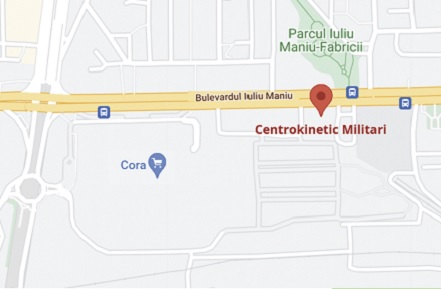
| Navigation |


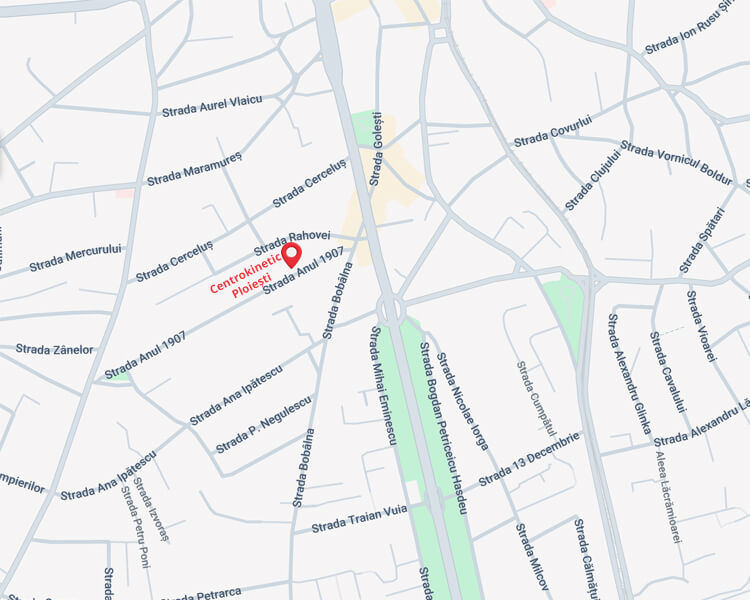
CENTROKINETIC CLUJ-NAPOCA
Cluj-Napoca,
Str. Intre Lacuri, nr.1
Intrarea este in spatele cladirii.

| Navigation |


SOCRATES CLINIC TIMISOARA
Timisoara, Calea Martirilor 1989,
nr. 1.
Telefon: 0371 785 374.
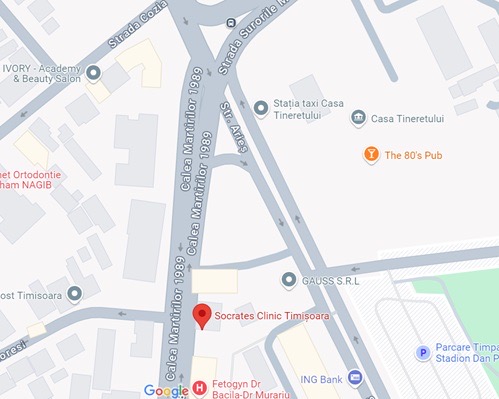
| Navigation |
CONTACT
Phone: 0319693
E-mail: programari@centrokinetic.ro
Operating hours:
Monday – Friday: 07:00 – 21:00
Saturday: 09:00 – 14:00
Sunday: closed.
MAKE AN APPOINTMENT