Hemiplegia


Hemiplegia: what it is, how it manifests, how it can be treated
.jpg "Hemiplegia: ce este, cum se manifesta, cum se poate trata")
Hemiplegia means paralysis of one half of the body, due to damage to the motor nerve pathways. Hemiplegia can affect the right side of the body or the left side, and can be permanent or temporary. Under certain conditions, hemiplegia can be treated and symptoms can be improved. The patient must receive emergency medical help so that the damage to the body is as limited as possible.
Contents:
- Hemiplegia: what it is, how it manifests, how it can be treated
Hemiplegia is a particularly complex neurological condition. In many cases, the term hemiplegia is also used for hemiparesis, as the characteristics of the two are similar.
Hemiplegia involves paralysis of one part of the body. A patient with hemiplegia may suffer temporary or complete paralysis on one side of the body, which leads to motor complications and affects the speech system or even breathing. The causes of hemiplegia are usually brain injuries. Depending on how it is affected and the severity of the symptoms, the specialist doctor decides on the best care option. Treatment options vary.
Hemiplegia is not a condition that can be treated at home, without specialized medical help.

What is hemiplegia?
Hemiplegia is a paralysis that affects one side of the body. The condition can be a warning sign of a serious problem, that is, a symptom of a stroke.
In hemiplegia, the muscles on the affected side can no longer be controlled. Sometimes, the paralysis occurs on the same side where the injury occurred - ipsilateral hemiplegia - while other times it can appear on the opposite side - contralateral hemiplegia. The muscles are either very contracted, or it is a case of flaccid hemiplegia.
Hemiplegia manifests on the left side of the body, in which case we speak of left hemiplegia, or on the right side of the body, right hemiplegia, the spine being considered the demarcation line between the two halves (1).
Which parts of the body are affected by hemiplegia? The face, arm, and leg on one side of the body can be affected by hemiplegia, but not to the same extent and with the same intensity.
Recovery of the hemiplegic patient can sometimes occur without specific treatment, while in other cases, specialized medical help and even a combination of therapies are needed. It all depends on the cause and the degree of manifestation (1).
Going back, hemiplegia is a sign of a stroke, a medical emergency. Therefore, we must mention the signs that should be watched for in order to identify a possible stroke.
FAST stands for (1):
F - face - observing the affected person to see if they can smile. In the case of hemiplegia, one half of the face may be drooping.
A - arm - a person suffering a stroke has muscle weakness or paralysis on one side of the body. If asked to raise their arms above their head, only one arm will move, while the other is either uncontrollable or will be raised slightly and then drop.
S - speech - in the case of a stroke, speech is either totally affected, or the person cannot find their words or has serious difficulty pronouncing them.
T - time - it is vital for a person to step in and urgently call for specialized medical help for the affected person. The sooner they are helped and the symptoms are described to the doctor, the sooner they can receive appropriate treatment and be able to recover.
Types of hemiplegia
There are several types of hemiplegia, as follows (2):
Facial hemiplegia
This is, in fact, a facial hemiparesis that manifests only on one side of the face. The paralyzed muscles are located only on one side of the face, or the patient may also have paralysis in another area of the body, on the same side.
Spinal hemiplegia
This type of hemiplegia is also called Brown-Sequard syndrome in the specialized literature (3). The paralysis can occur on the side of the body where the spinal cord injury occurred, while on the opposite side it causes complex damage leading to a loss of pain and temperature sensation. The patient no longer perceives either cold or heat in the area opposite the paralysis.
Contralateral hemiplegia
In this case, hemiplegia occurs on the side of the body opposite to where the brain injury occurred.
Spastic hemiplegia
.jpg "Hemiplegie spastica")
Spastic hemiparesis affects one side of the body, with the muscles either contracted or spastic.
Alternating hemiplegia of childhood
This type of hemiplegia can affect infants up to 18 months old, the episodes are recurrent, and the symptoms appear on one side or on both sides of the body.
Causes
Hemiplegia occurs as a result of a problem in the central nervous system, either due to spinal cord damage or because of a brain injury.
Birth-related causes
Hemiplegia that occurs in utero, at birth, or in the first two years of the child's life is known in medical terms as congenital hemiplegia (1) or hemiplegic cerebral palsy (4). Here are the causes of hemiplegia in newborns and infants (1), (4):
- stroke;
- brain malformations;
- injury in premature infants;
- injuries due to lack of oxygen (hypoxia);
- cerebral bleeding.
Causes in older children
When it appears later, we speak of acquired hemiplegia. It should be noted that, once the symptoms appear, they will not progress (2). However, if left untreated, it can have unforeseen repercussions on the body.
Here are the causes of hemiplegia in this age category (4):
- stroke;
- brain tumor - cancer;
- cerebral hemorrhages;
- brain infections - meningitis, encephalitis;
- trauma or blows to the head;
- diseases of the nervous system - autoimmune and inflammatory conditions - multiple sclerosis, progressive multifocal leukoencephalopathy.
Causes of temporary hemiplegia
- seizures;
- migraines;
- transient ischemic attack (4);
Hemiplegia can be caused by a stroke. Such an event occurs due to various causes: genetic inheritance, blood clotting disorders - thrombosis, embolism, bleeding, as well as various congenital heart diseases (4).
Symptoms
- weakness or muscle rigidity on one side;
- muscle spasticity or permanent muscle contraction;
- poor fine motor skills;
- walking problems and poor balance;
- motor deficiencies - grasping and holding objects is difficult;
- delayed cognitive development and motor deficiencies in young children;
- problems with memory and concentration;
- speech-related conditions;
- behavioral changes;
- seizures and convulsions (2).
Diagnosis
For a correct and complete diagnosis of hemiplegia, several tests and specialized investigations are needed. The doctor may recommend an MRI or CT scan of the brain.
Along with these, the specialist may order an angiography to see the blood vessels, as well as an electrocardiogram. Blood tests performed in the lab help identify blood clotting disorders and possible issues with clot formation (4).
Treatment
.jpg "Tratament")
The specialist will recommend a treatment plan for each individual patient in order to treat the cause of the hemiplegia, using protocols suited to the problems identified.
There are cases in which this problem can be treated and cured with medical help. There are quite few cases in which treatment is not needed and hemiplegia goes away on its own.
Usually, hemiplegia causes permanent damage to the central nervous system, which means it does not go away, but only some symptoms improve to some extent (1).
- Medication treatment
This can be given by the doctor to achieve muscle relaxation, to reduce or keep seizures under control. Antibiotics are recommended for treating infections, and for thinning the blood and preventing blood clot formation, the doctor will identify the appropriate medications, while also taking into account other existing conditions.
- Surgery
This can be another treatment option when there are spinal injuries or blockages inside the blood vessels.
Recovery procedures
Kinesiotherapy
Physical exercises performed with the help of a physiotherapist are absolutely necessary in hemiplegia and hemiparesis, to keep the joints flexible. The techniques that a patient with hemiplegia learns from a specialized physiotherapist, such as those at Centrokinetic, will help prevent muscle atrophy and spasticity (5).
It is precisely the physical movements performed in kinesiotherapy, at the frequency indicated by the therapist and with equipment and technology specially designed for this purpose, that help prevent other complications: heart disease, diabetes-specific manifestations, pressure sores, urinary tract infections, or chronic obstructive pulmonary disease (5).
Electrical stimulation
An electrostimulation procedure, performed under control and careful medical supervision, can improve circulation, reduce the intensity of pain, and, at the same time, strengthen the muscles (2), (5).
Physiotherapy
Physiotherapy is essential in the treatment of spinal conditions, with its effects aiming to relieve pain, reduce inflammation, eliminate contractures, muscle relaxation, etc.
The equipment and modern technologies used in physiotherapy are an added benefit in patient recovery. The physiotherapists at the Centrokinetic clinic are ready to offer solutions in any situation. Sometimes, this may involve electrotherapy, a treatment technique that uses electrical signals; these interfere with the flow of pain-related neurotransmitters to the brain.
Occupational therapy
This type of help refers to everyday skills (5). The patient with hemiplegia must learn to manage from a new posture. Occupational therapists teach those affected by hemiplegia how to work with their own body to carry out basic, routine tasks.
Mobility devices
When hemiplegia affects the locomotor system and recovery is prolonged or cannot be achieved, patients are guided to choose certain devices needed for getting around (5): canes, walkers, wheelchairs, scooters, etc.
Constraint-induced movement therapy
This is a method that can produce results in some patients and refers to specific procedures through which the patient learns to work more with the affected side of the body (2). All of this, in order to improve muscle control and mobility.
Psychological stability and a healthy mindset
Physical therapies are paired with mental ones. Mental imagery can be an effective treatment option for regaining strength (2). Imagining movements that can be performed on the paralyzed side of the body can stimulate the part of the brain responsible for this, thus helping to increase motor function in the injured area.
Technological support
Innovative technology and the gadgets of the future can also offer support to those suffering from hemiplegia. Voice-activated devices or those that provide support for driving and personal hygiene (5) can be used by those with hemiparesis or hemiplegia to manage without help from others.
Speech therapy
A speech therapist can help a person affected by hemiplegia or hemiparesis. Special exercises can help the patient regain control over the muscles of the tongue, pharynx, and larynx, so that they can articulate words.
Complementary therapies
Acupuncture is another treatment option for patients with hemiplegia, but it cannot be used unless there is a medical recommendation for it.
Therapeutic massage can be of real help, both for the muscles and for the mind.
Warnings and advice
Changing your lifestyle (1), opting for a balanced diet, paying increased attention to infections and treating health problems in time, as well as wearing appropriate protective equipment, are measures that can prevent hemiplegia.
Depending on the cause and type of impairment, the specialist may recommend several treatment options and therapies for each individual patient, so that the combination of procedures achieves the best possible results.
Centrokinetic is the place where you will find clear answers and effective solutions for musculoskeletal conditions. Our clinic, dedicated to musculoskeletal disorders, is organized into the following specialized departments:
- Orthopedics, a department composed of a highly experienced team of orthopedic surgeons specializing in sports traumatology.
- Pediatric Orthopedics, where sports injuries in children (ligament and meniscus injuries), spinal deformities (scoliosis, kyphosis, hyperlordosis), and foot deformities (hallux valgus, hallux rigidus, equinovarus foot, flatfoot, cavus foot) are treated.
- Neurology, featuring a state-of-the-art department where consultations, electroencephalograms (EEG), and electromyography (EMG) examinations are performed.
- Medical Rehabilitation for adults and children, a department specialized in the rehabilitation of professional athletes, spinal disorders, and children with neurological and traumatic conditions. Our extensive experience includes treating more than 5,000 professional athletes.
- Medical Imaging, with the clinic equipped with ultrasound and MRI systems dedicated to musculoskeletal conditions, complemented by an experienced radiologist, Dr. Cosmin Pantu, specialized in musculoskeletal imaging.
- Rheumatology, a comprehensive department dedicated to the diagnosis, treatment, and rehabilitation of patients with non-surgical musculoskeletal disorders.
- Vascular Surgery, a highly specialized department focused on the diagnosis and treatment of vascular diseases affecting arteries, veins, and lymphatic vessels.
- Psychology and Speech Therapy. Neurological and musculoskeletal conditions can have a psychological impact on patients, which is why we believe complete recovery requires addressing both the physical condition and its psychological consequences.
- Neurofeedback. This innovative method helps improve concentration, reduce anxiety, and achieve emotional balance through a simple and interactive process.
Stay up to date by following Centrokinetic on Facebook, Instagram, and YouTube.
Hemiplegia is a form of paralysis that occurs on the injured side of the body or on the opposite side. Hemiplegia is a health problem that affects both adults and children. Although at certain stages it can be treated, hemiplegia is a neurological problem whose effects on the central nervous system can be devastating. A specialist medical consultation is essential for a correct diagnosis and appropriate treatment.
Sources of information:
1. Hemiplegia - https://my.clevelandclinic.org/health/symptoms/23542-hemiplegia#:~:text=What%20is%20hemiplegia%3F,that%20aren't%20as%20dangerous.
2. Hemiplegia: Causes and Treatments for Partial Paralysis - https://www.healthline.com/health/hemiplegia
3. Brown-Sequard Syndrome - https://www.ninds.nih.gov/health-information/disorders/brown-sequard-syndrome
4. Hemiplegia - https://www.childneurologyfoundation.org/disorder/hemiplegia/
5. What Are Hemiplegia and Hemiparesis? - https://www.verywellhealth.com/information-about-hemiplegia-3146139
MAKE AN APPOINTMENT
FOR AN EXAMINATION
See here how you can make an appointment and the location of our clinics.
MAKE AN APPOINTMENT
BUCHAREST TEAM
























CLUJ NAPOCA TEAM













BRASOV TEAM






Asiguratori privati





Parteneriate

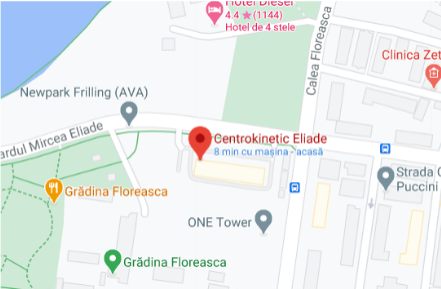
CENTROKINETIC FLOREASCA
Bucharest, 1st District,
Mircea Eliade Street, no. 18,
Eliade Tower, Entrance A, Floor 3
| Navigation | Explore 3D |
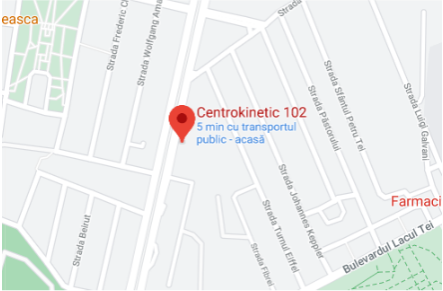
CENTROKINETIC Barbu Vacarescu
Bucharest, 2nd District,
Barbu Vacarescu Street, no. 102,
102 The Address, ground floor.
| Navigation | Explore 3D |
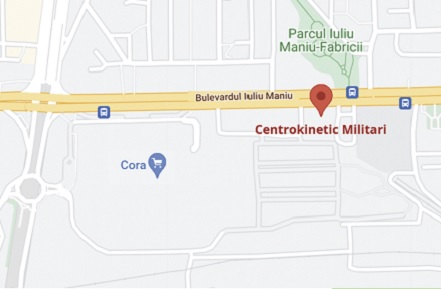
CENTROKINETIC MILITARI
Bucuresti, Sector 6,
Bld. Iuliu Maniu, nr. 15G,
Cladirea PBT, etaj 3.
| Navigation |
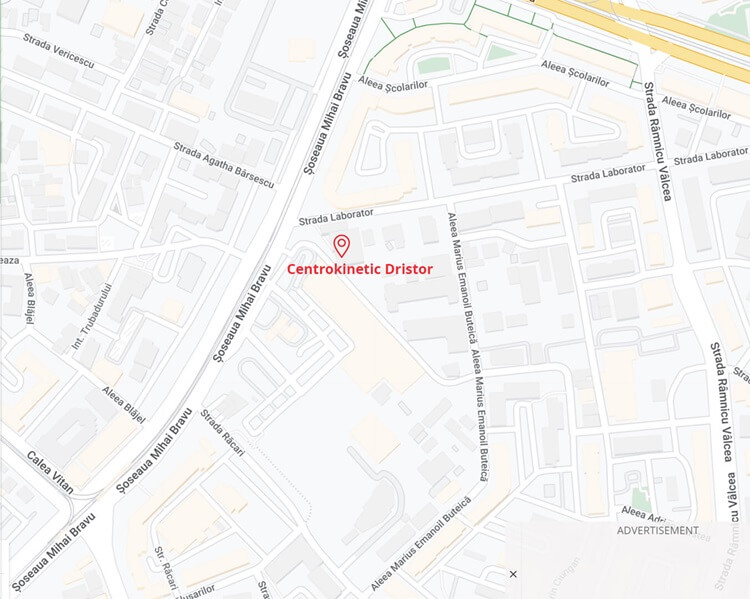
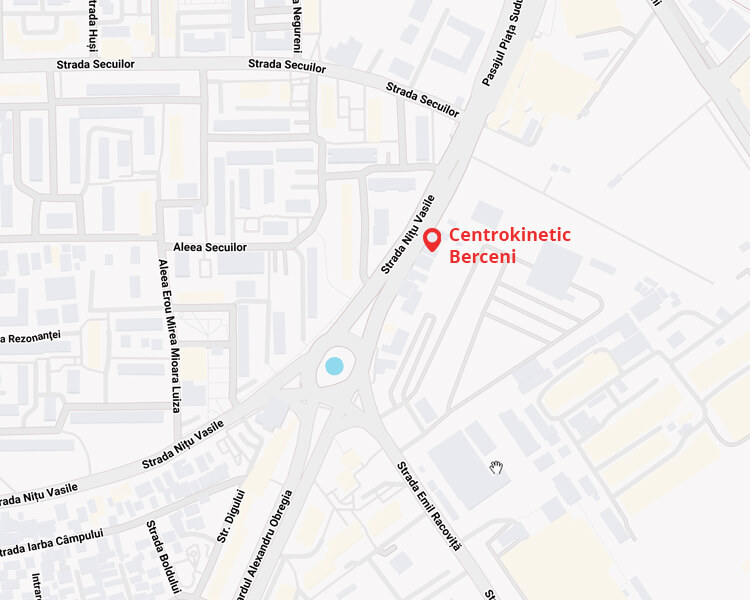
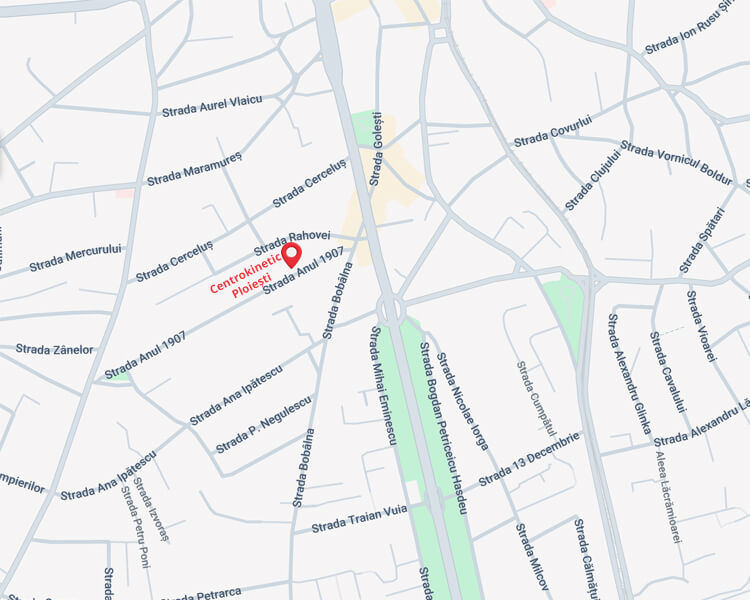
CENTROKINETIC CLUJ-NAPOCA
Cluj-Napoca,
Str. Intre Lacuri, nr.1
Intrarea este in spatele cladirii.
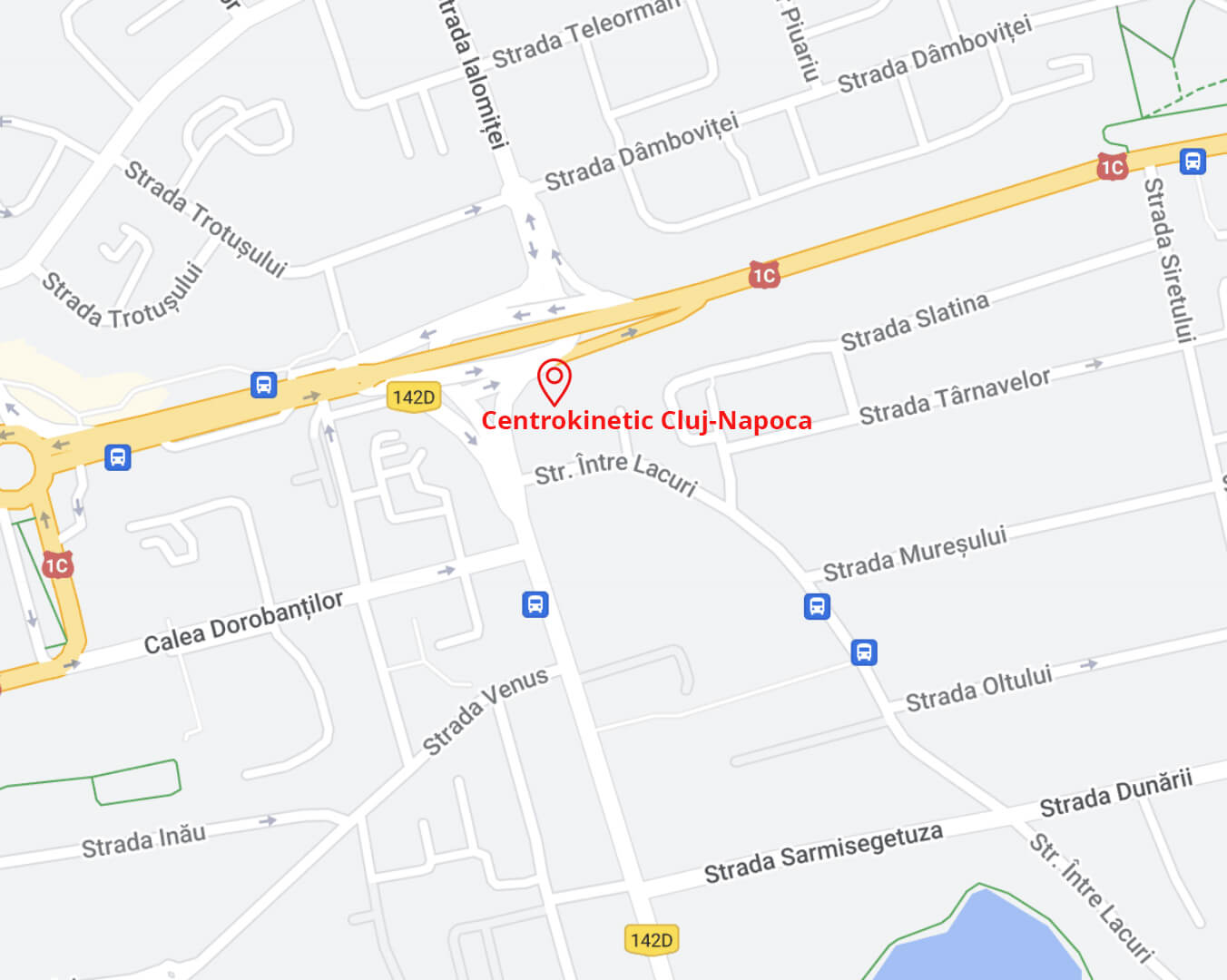
| Navigation |
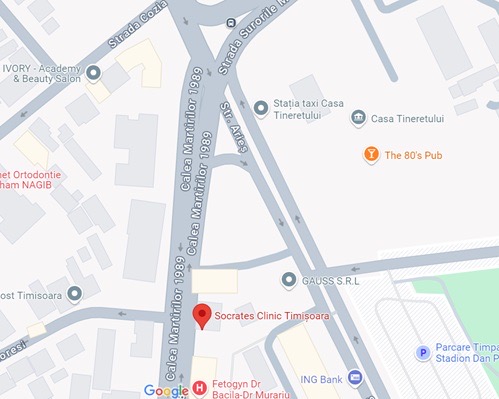
SOCRATES CLINIC TIMISOARA
Timisoara, Calea Martirilor 1989,
nr. 1.
Telefon: 0371 785 374.
| Navigation |
CONTACT
Phone: 0319693
E-mail: programari@centrokinetic.ro
Operating hours:
Monday – Friday: 07:00 – 21:00
Saturday: 09:00 – 14:00
Sunday: closed.
MAKE AN APPOINTMENT