Correct diagnosis of herniated disc


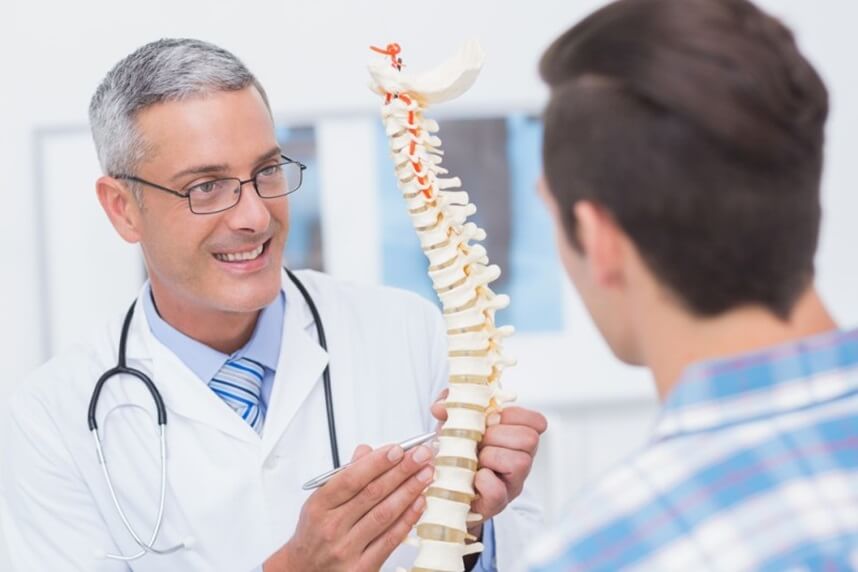
Persistent lower back pain and sensations of numbness or tingling radiating to the legs or arms may indicate a spinal issue, including a possible herniated disc. This condition is frequently encountered both in sedentary individuals and in those who perform physically demanding activities, and correctly identifying the cause is essential for effective treatment [1].
Below, we present the characteristic signs of a herniated disc, the methods used to diagnose the condition, and the specialists you can consult within Centrokinetic for a complete and accurate evaluation. Here are the necessary steps to establish a correct diagnosis and initiate a therapeutic plan tailored to your needs.
What is a herniated disc?
A herniated disc occurs when one of the intervertebral discs – elastic structures located between the vertebrae, with a shock-absorbing role – loses its integrity. Over time or following trauma, the outer fibrous ring of the disc may crack, and the gel-like material inside (the nucleus pulposus) migrates outward. This displacement may irritate or compress nearby nerve roots, generating symptoms such as back pain, tingling sensations, numbness, or muscle weakness.
The table below summarizes the main types of herniated discs, the affected areas, and the associated symptoms:
| Type of herniation | Affected area | Main symptoms |
|---|---|---|
| Cervical | Neck area | Pain radiating to the arm, numbness or tingling in the arm, forearm, hand, or fingers; sometimes muscle weakness in the upper limb |
| Thoracic | Middle back | Less common; may cause diffuse thoracic pain, intercostal numbness, discomfort during movement, or difficulty maintaining posture |
| Lumbar | Lower back | Pain radiating down the leg (sciatica), numbness, tingling, muscle weakness in the lower limb; symptoms worsened by effort, standing, or bending |
Risk factors include age between 30–50 years, sedentary lifestyle, smoking, and improper lifting habits. A family history also increases the likelihood of developing a herniated disc [1][2].
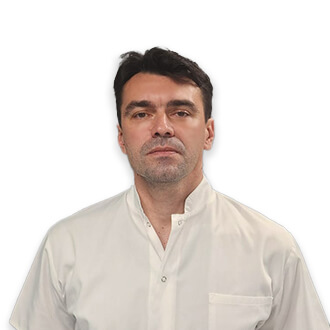
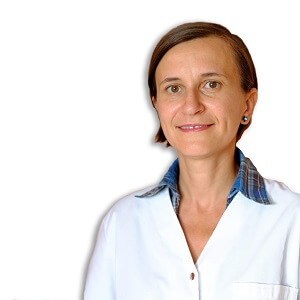
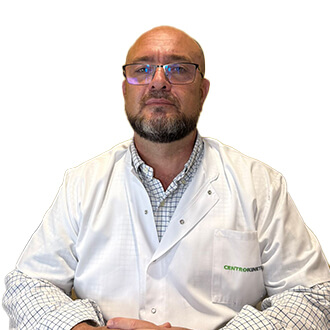
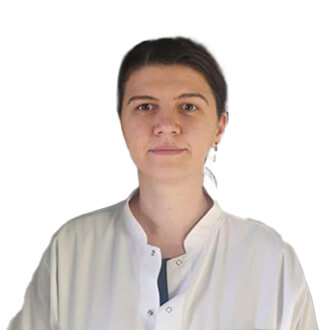
Which specialists treat herniated discs at Centrokinetic?
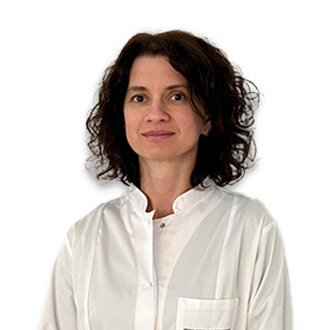
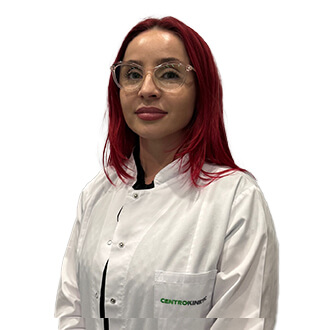
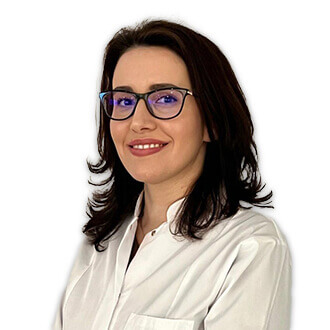
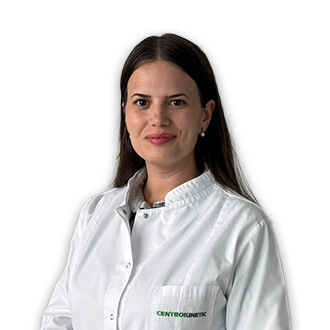
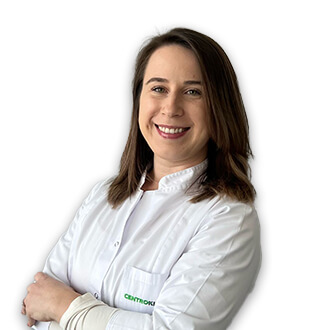
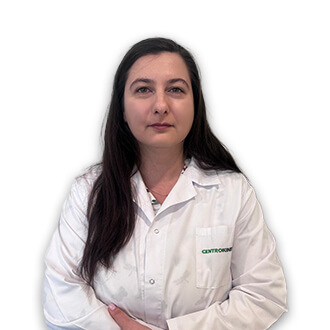
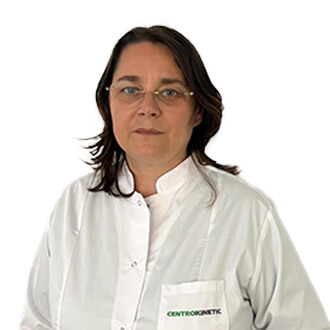
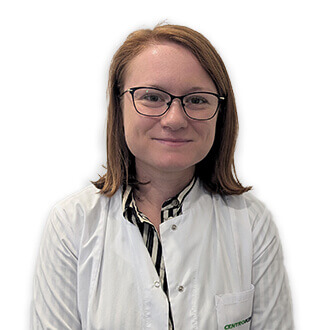
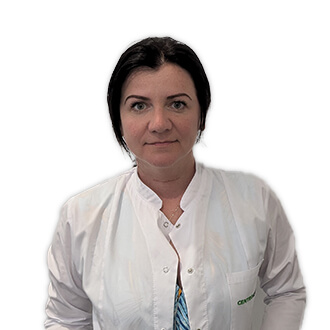
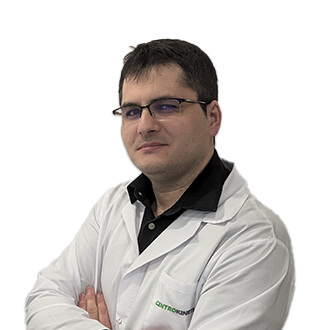
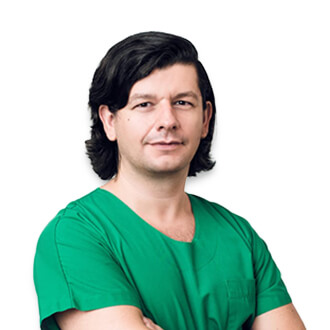
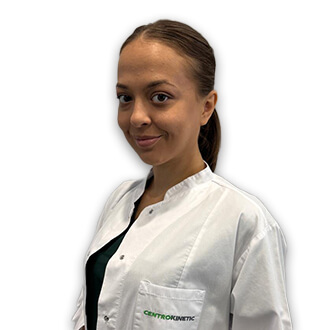
At Centrokinetic, patients with herniated discs are evaluated by a multidisciplinary team so that treatment is precisely adapted to the type of pain and stage of the condition. The choice of specialist depends on symptoms, severity, and clinical evolution:
- Orthopedic physician – examines bone structure, spinal alignment, and possible biomechanical changes. The orthopedist recommends conservative treatments or, when necessary, indicates situations where surgery might be required;
- Neurologist – analyzes symptoms caused by nerve involvement and evaluates reflexes, muscle strength, and sensitivity. The neurologist determines whether the pain has a neurological cause and proposes the appropriate treatment direction;
- Neurosurgeon – intervenes in cases where symptoms do not respond to standard treatments or when significant neurological deficits occur. The neurosurgeon evaluates the need for surgical treatment and explains available options;
- Physical and rehabilitation physician and physiotherapist – coordinate physiotherapy programs, personalizing exercises, physical therapies, and lifestyle recommendations. Their role is essential for restoring mobility and preventing recurrence.
How does the diagnostic process for a herniated disc take place at Centrokinetic?
A correct diagnosis is based on several important steps:
Detailed discussion with the physician
Initially, the physician analyzes the history of symptoms, their onset, aggravating factors, and previously attempted treatments. This step guides further investigations and helps differentiate a herniated disc from other conditions with similar symptoms.
Thorough clinical examination
The specialist tests reflexes, limb mobility, muscle strength, and skin sensitivity. In lumbar herniation, maneuvers such as the Lasegue test may indicate the affected nerve root level and the severity of its irritation [3].
Essential imaging investigations
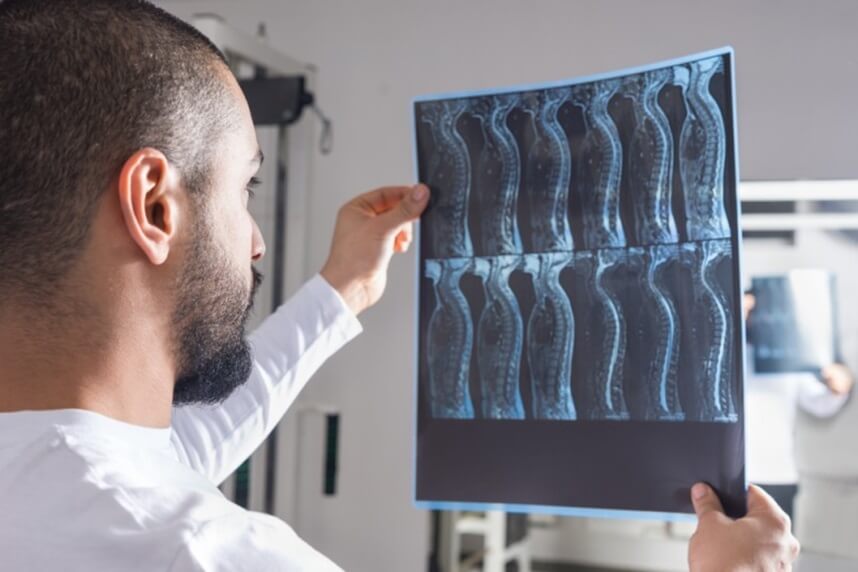
MRI is the standard method for confirming the diagnosis, as it clearly visualizes the intervertebral discs, the size of the herniation, and its relationship with nervous structures [1]. Centrokinetic is equipped with modern MRI systems, including units designed for the comfort of anxious or overweight patients and those requiring fast and precise scans.
Integration of results and establishment of diagnosis
The physician correlates information obtained from discussion, clinical examination, and imaging, reducing the risk of misdiagnosis and allowing the formulation of a personalized therapeutic plan tailored to symptom evolution and the patient’s lifestyle.
What criteria guide treatment selection?
The choice of treatment for a herniated disc is based on clinical evaluation, imaging investigations, and the individual patient profile. The physician considers both symptom severity and activity level, as well as personal recovery goals.
Main therapeutic directions include:
- conservative methods, such as anti-inflammatory medication and adapted rest, recommended when symptoms allow management without invasive interventions;
- surgical intervention, indicated only if pain persists despite conservative treatment or if signs of severe nerve compression appear;
- integration into a medical rehabilitation program, necessary for restoring function, improving spinal mobility, and reducing the risk of recurrence [1][2].
Techniques used at Centrokinetic
Centrokinetic provides advanced technologies and modern procedures for diagnosis and treatment. Patients benefit from neurological recovery programs that may include spinal traction, physiotherapy, kinesiotherapy, and therapeutic massage. All procedures are performed under strict safety conditions and continuous medical supervision.
Frequently Asked Questions (FAQ)
What symptoms can a herniated disc cause?
Lower back, thoracic, or cervical pain radiating to the legs or arms, numbness, tingling, or muscle weakness may occur.
Why can both an orthopedist and a neurologist evaluate a herniated disc?
The neurologist evaluates nerve function and the impact of compression, while the orthopedist analyzes bone structures and spinal mechanics.
Is MRI recommended for all patients with back pain?
The recommendation for MRI depends on symptoms and clinical examination. It is not necessary in all cases but provides important details for confirming the diagnosis.
When is surgery necessary for a herniated disc?
Surgery is considered when conservative treatments fail or when signs of severe nerve impairment appear.
What rehabilitation techniques are available at Centrokinetic?
Centrokinetic offers advanced physiotherapy programs, manual therapy, and personalized plans to improve mobility and strength.
If you have symptoms similar to those described, evaluation is essential for a correct diagnosis and effective treatment. At Centrokinetic, you benefit from multidisciplinary consultation, modern investigations, and recovery programs adapted to each stage of the condition. Schedule a consultation at one of the Centrokinetic clinics in Bucharest, Cluj, Brasov, or Timisoara and find out which therapeutic solution is best suited for you.
Disclaimer
This material is for informational purposes only and does not replace specialized medical consultation. Self-diagnosis and self-medication are not recommended. For accurate evaluation, diagnosis, and personalized treatment, always consult a specialist physician.
Sources:
[1] “Herniated Disk - Diagnosis and Treatment - Mayo Clinic.” Mayoclinic.org, 2025.
[2] “Herniated Disk (Bulging Disk): Symptoms & Treatment.” Cleveland Clinic, Aug. 31, 2023.
[3] Das, Joe M, et al. “Straight Leg Raise Test (Lasegue Sign).” Nih.gov, StatPearls Publishing, Oct. 6, 2024.
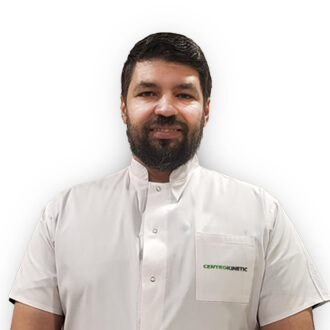
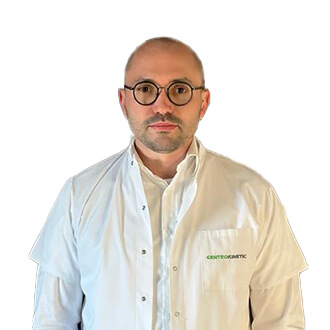
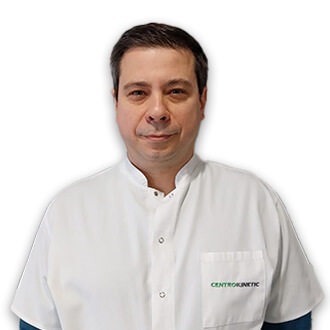
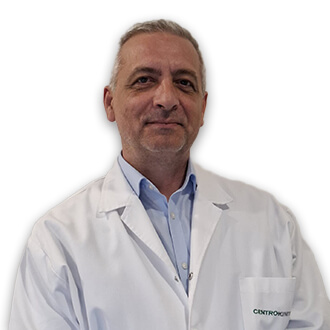
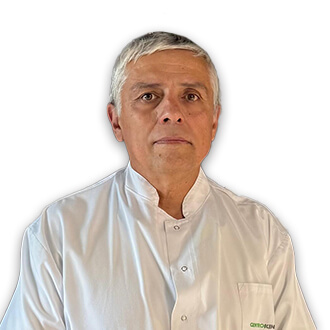
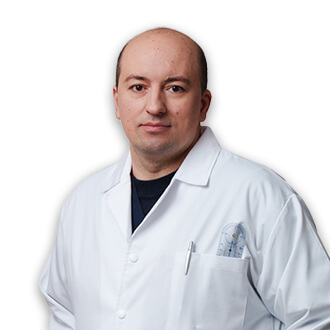
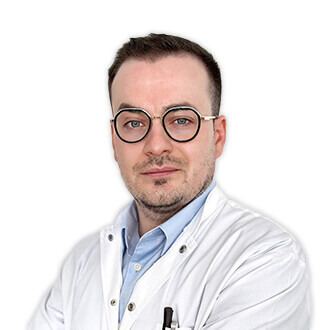
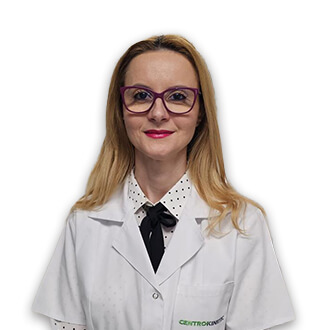
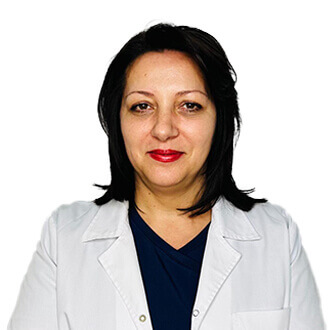
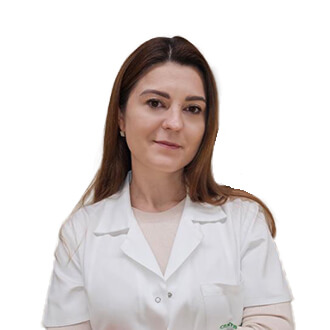
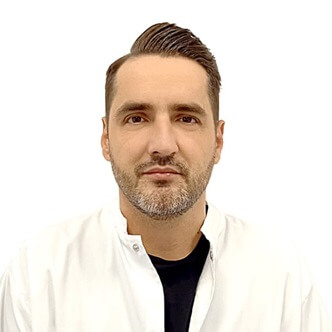
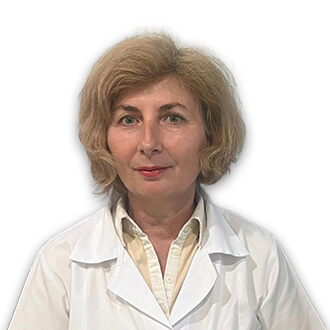
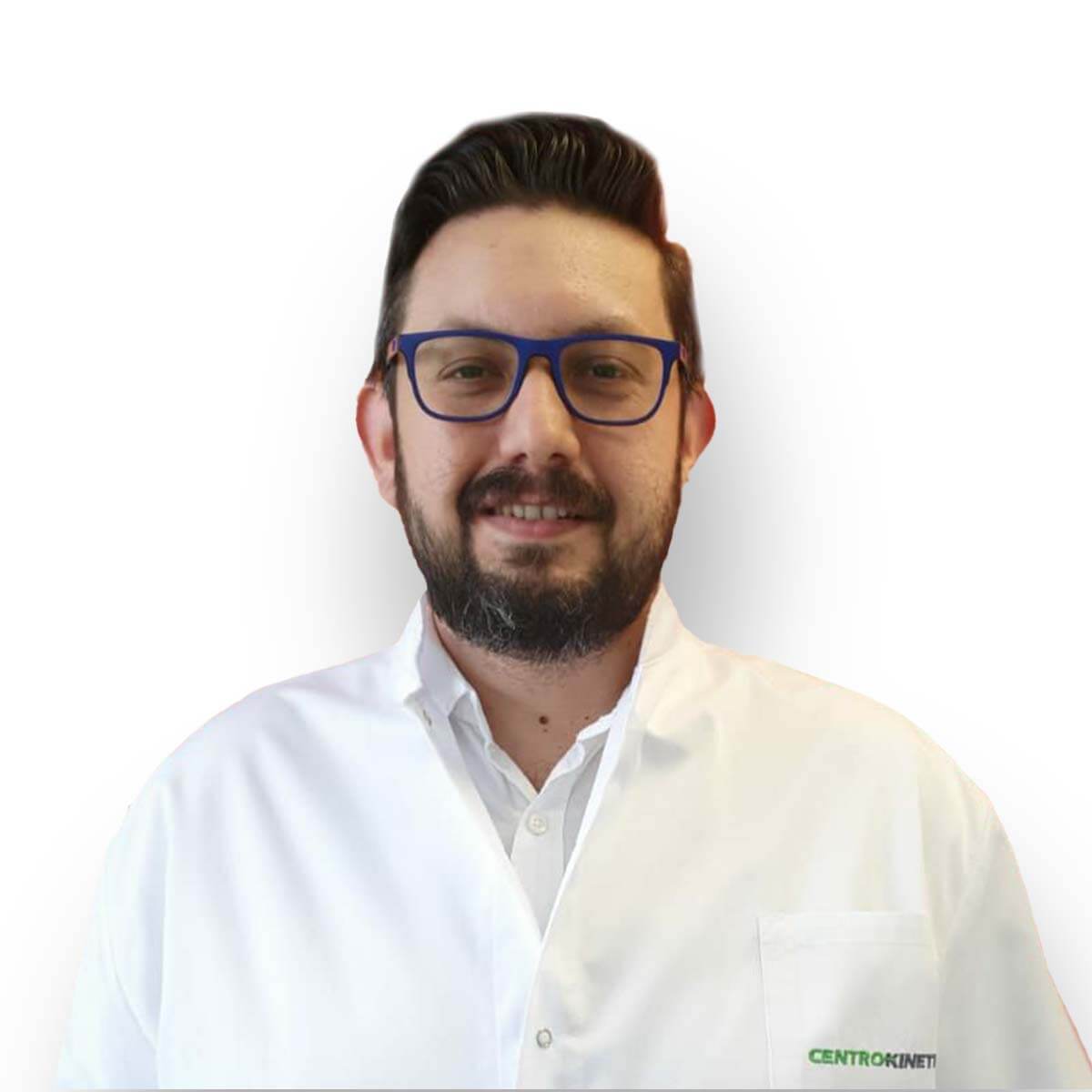
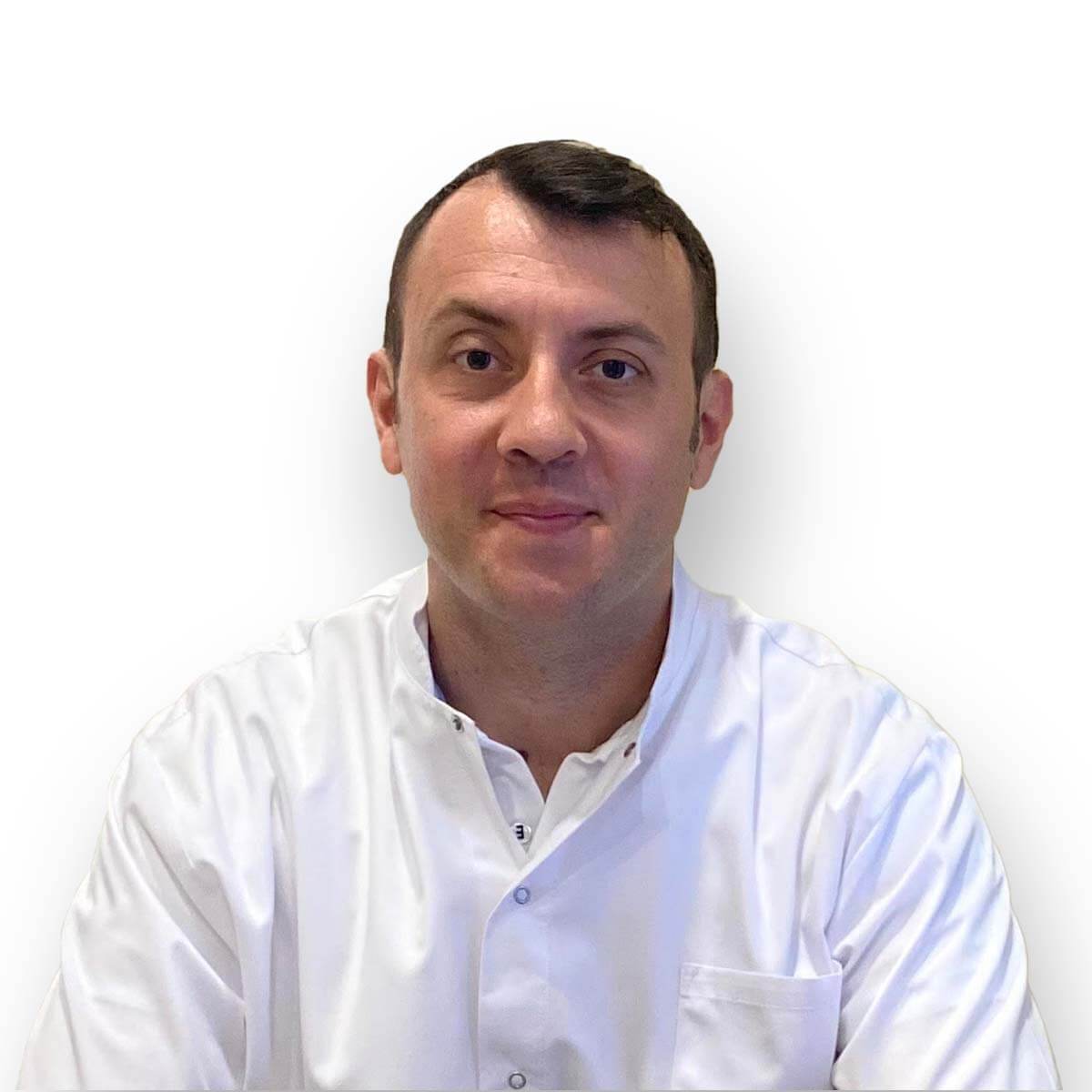
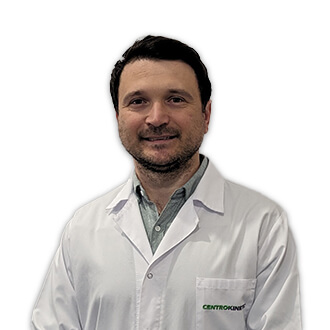
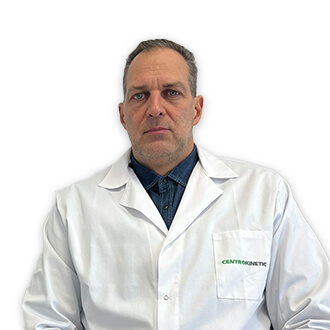
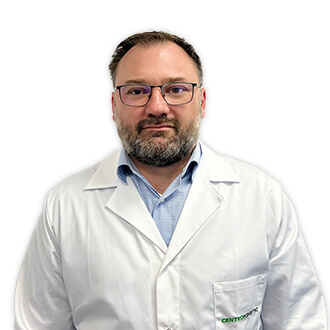
BUCHAREST TEAM



















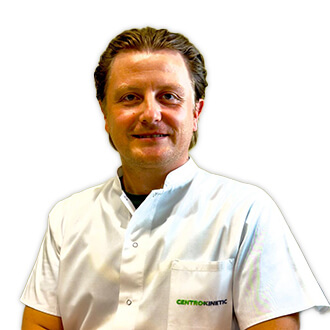

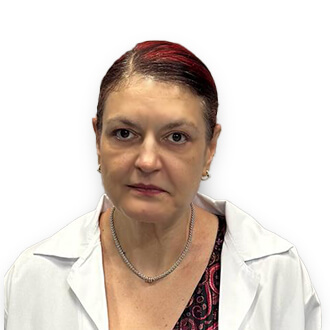
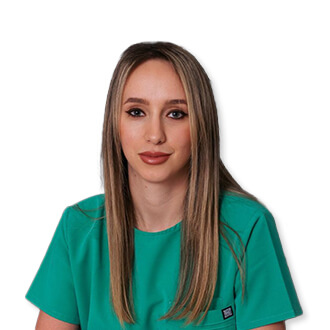
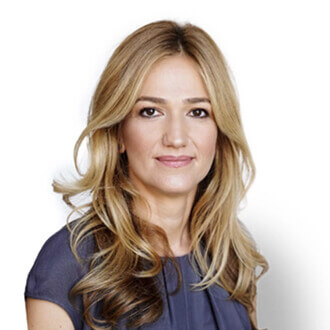
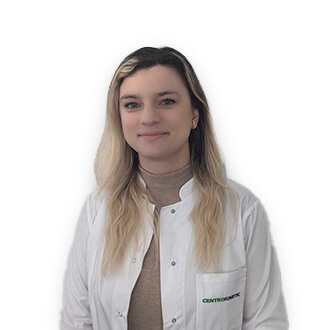
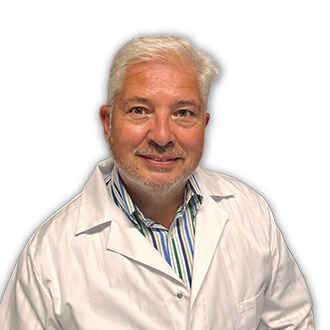
CLUJ NAPOCA TEAM
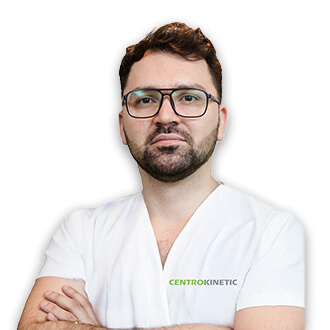
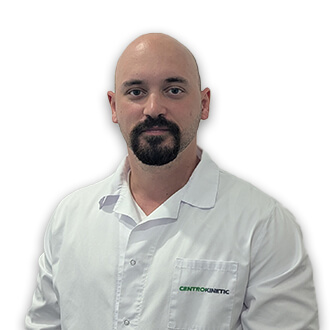










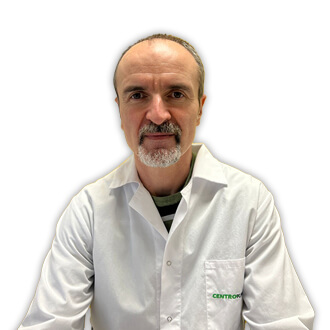
BRASOV TEAM







MAKE AN APPOINTMENT
FOR AN EXAMINATION
See here how you can make an appointment and the location of our clinics.
MAKE AN APPOINTMENT
Asiguratori privati




Parteneriate


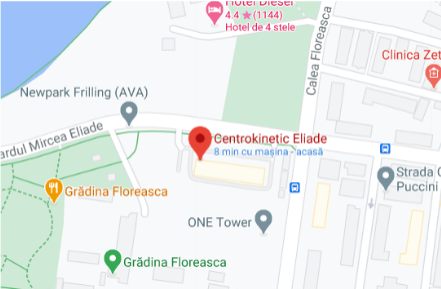
CENTROKINETIC FLOREASCA
Bucharest, 1st District,
Mircea Eliade Street, no. 18,
Eliade Tower, Entrance A, Floor 3
| Navigation | Explore 3D |
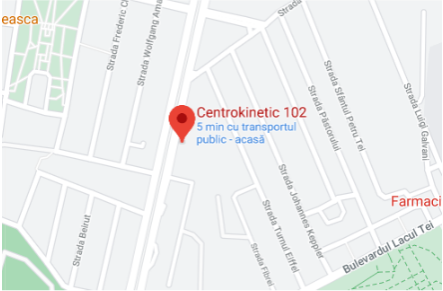
CENTROKINETIC Barbu Vacarescu
Bucharest, 2nd District,
Barbu Vacarescu Street, no. 102,
102 The Address, ground floor.
| Navigation | Explore 3D |
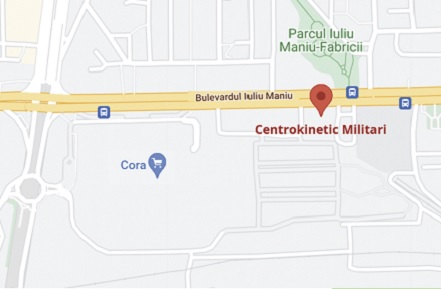
CENTROKINETIC MILITARI
Bucuresti, Sector 6,
Bld. Iuliu Maniu, nr. 15G,
Cladirea PBT, etaj 3.
| Navigation |
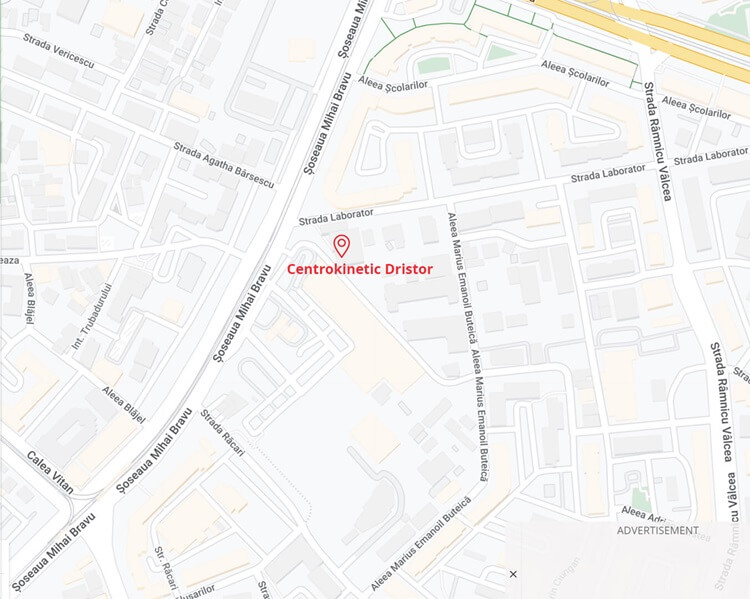
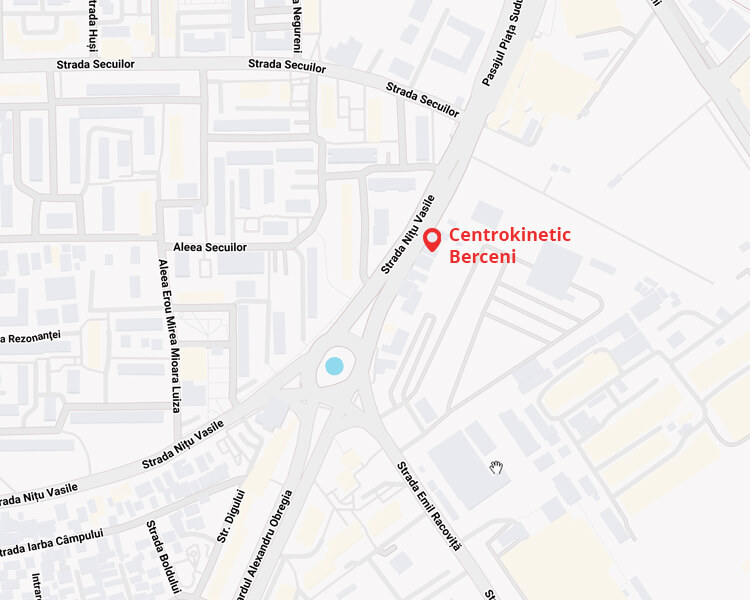
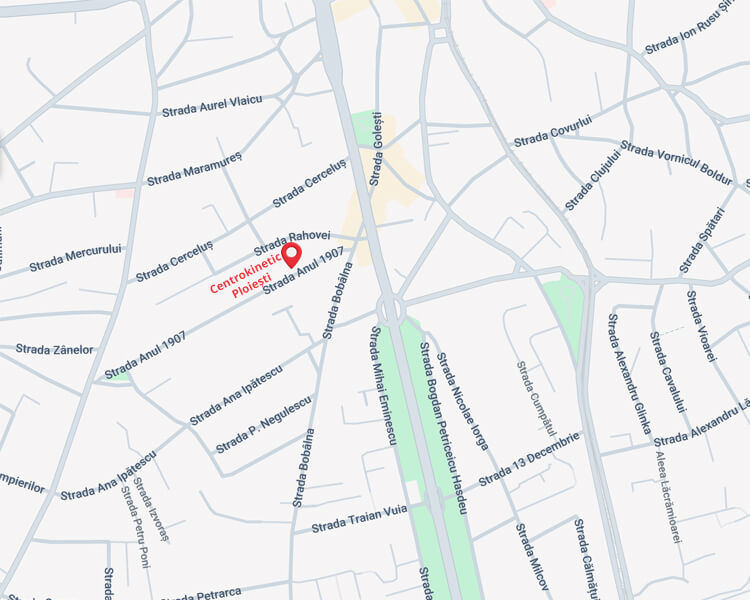
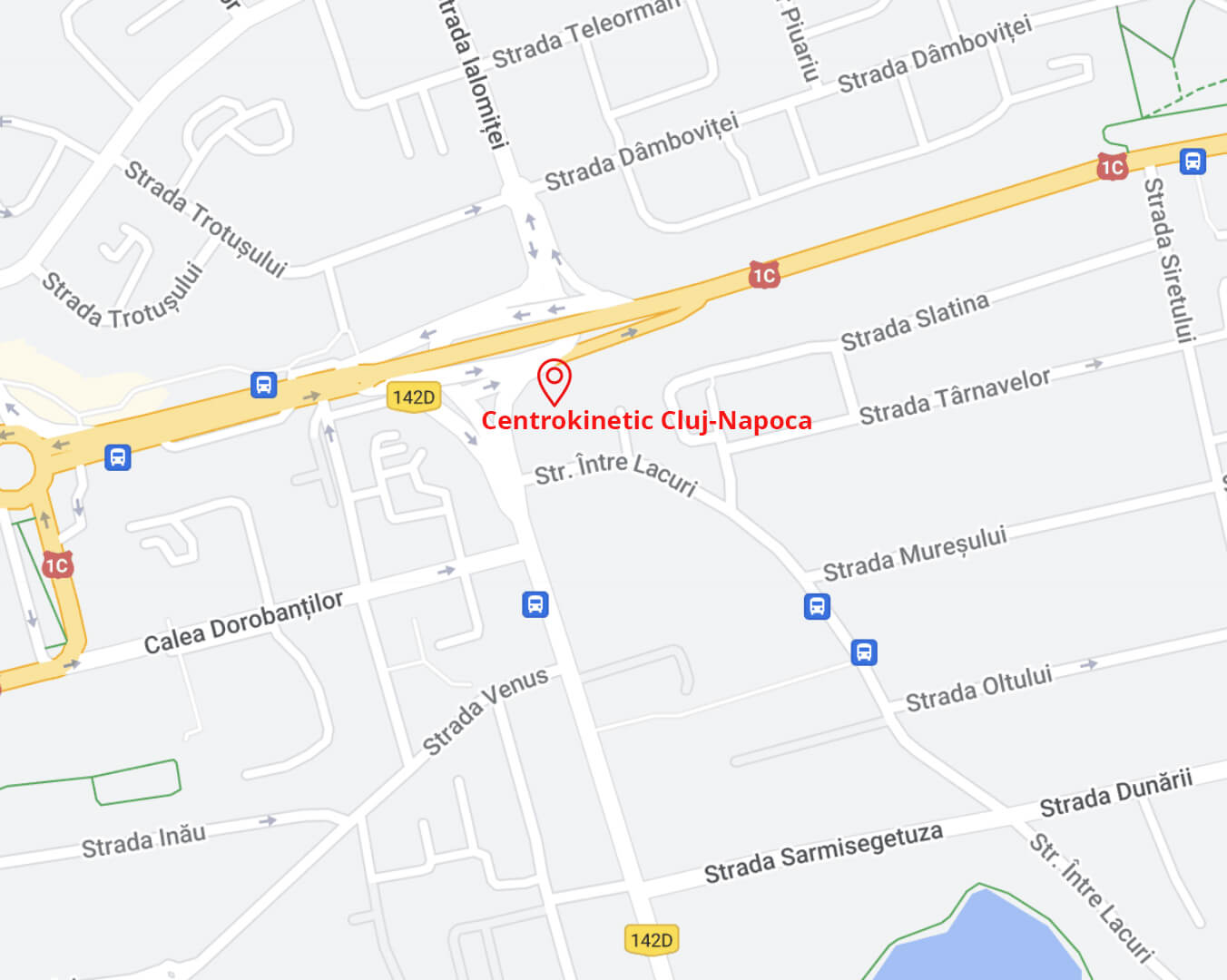
CENTROKINETIC CLUJ-NAPOCA
Cluj-Napoca,
Str. Intre Lacuri, nr.1
Intrarea este in spatele cladirii.
| Navigation |
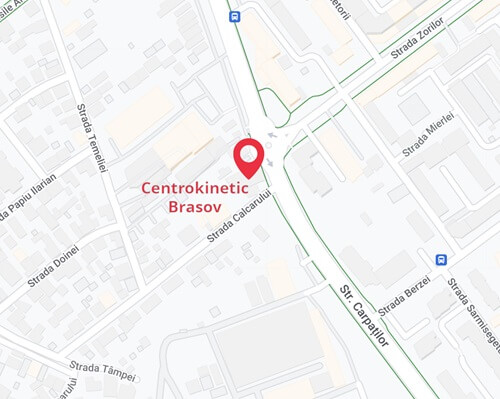
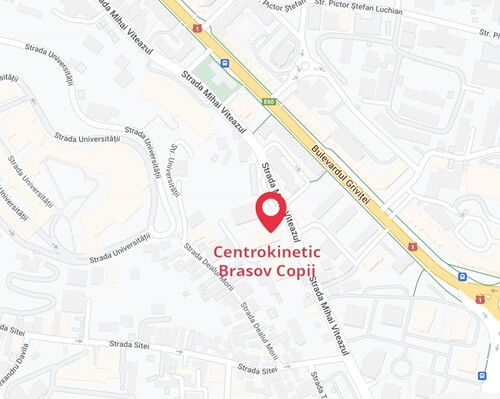
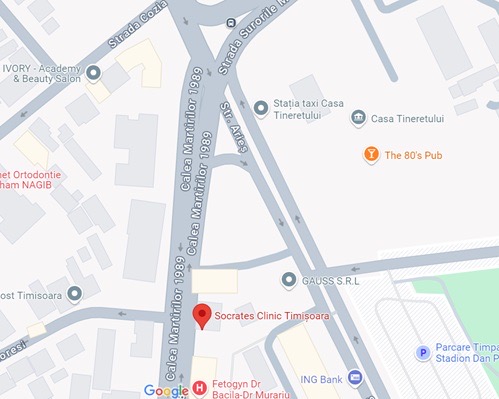
SOCRATES CLINIC TIMISOARA
Timisoara, Calea Martirilor 1989,
nr. 1.
Telefon: 0371 785 374.
| Navigation |
CONTACT
Phone: 0319693
E-mail: programari@centrokinetic.ro
Operating hours:
Monday – Friday: 07:00 – 21:00
Saturday: 09:00 – 14:00
Sunday: closed.
MAKE AN APPOINTMENT