Actualizat: 18-03-2025 / Publicat: 12-03-2019
This article was written by Dr. Crintea Alexandru, specialist orthopedic physician, with over 10 years of experience, further specialized through numerous national and international courses.
A hip fracture is a break in the upper part of the femur (thigh bone). The size of the break depends on the forces involved. The type of surgery used to treat a hip fracture is based primarily on the bones and soft tissues affected, or on the level of the fracture.
The hip is a ball-and-socket joint. The hip allows the upper leg to bend and rotate at the pelvis. An injury to the socket, or acetabulum, itself is not considered a hip fracture.
A hip fracture is a serious injury, with complications that can be life-threatening. The risk of hip fracture increases with age. Older people have a higher risk of hip fracture, since bones tend to weaken with age (osteoporosis). Various medications, poor eyesight, and balance problems make older people more prone to falls - one of the most common causes of hip fracture.
A hip fracture almost always requires surgery, followed by physical therapy. By taking steps to maintain bone density and to avoid falls, you can prevent hip fracture.
A fracture is a partial or complete break of a bone. There can be either a single break or several breaks in the bone. A hip fracture is classified according to the specific area of the break and the type of bone break.
The most common types of hip fractures are:
Femoral neck fracture: A fracture of the femur occurs approximately 1-2 centimeters from the hip joint. These fractures are common in older adults and can be related to osteoporosis. This type of fracture can cause a complication, since the break usually interrupts the blood supply to the head of the femur that forms the hip joint.
Intertrochanteric fracture: An intertrochanteric hip fracture occurs approximately 7-8 cm from the hip joint. This type of fracture does not interrupt the blood supply to the bone and may be easier to repair.
About 90% of hip fractures fall into these two categories in relatively equal numbers. Another type of fracture, called a hip stress fracture, can be harder to diagnose. This is a crack in the femur, which may not involve the entire bone. Overuse and repeated movement can cause a stress fracture. The symptoms of this injury can mimic the symptoms of tendonitis or muscle strain.
There are also other types of bone fractures that can occur near the hip joint and are sometimes referred to as hip fractures. Most often these are pelvic insufficiency fractures. These fractures occur in the pelvic bone, not the thigh bone (femur), and can most often be treated without surgery. A specific type of pelvic fracture is an injury to the socket itself, called an acetabular fracture. While some of these injuries can be treated non-surgically, since they involve the hip joint, there may be situations where surgical treatment is needed.
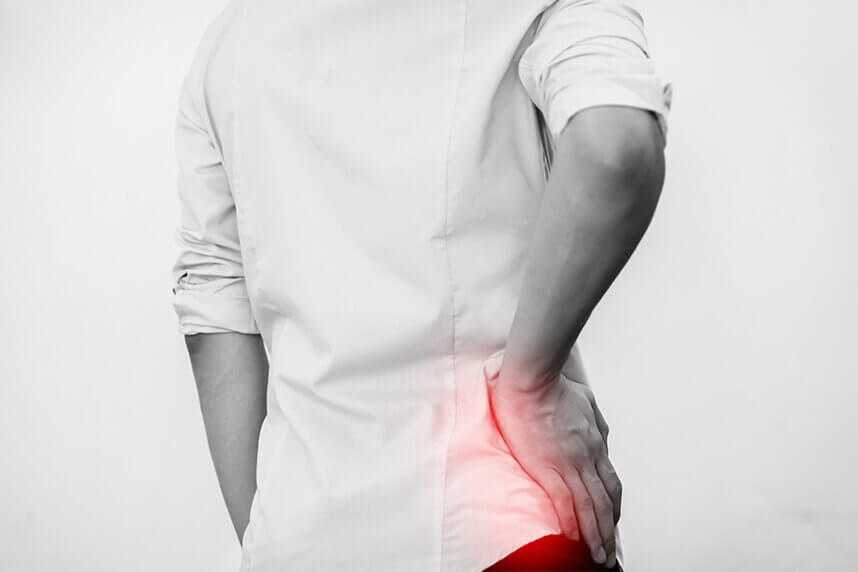
A hip fracture can cause hip pain, swelling, or bruising, and the hip may appear deformed. It may be difficult to move the hip, especially to turn the leg outward. People usually have pain in the groin area when putting weight on the hip. Walking and standing can cause the fracture to worsen, which can increase the pain. In severe cases, a person with a hip fracture cannot move due to the pain. In rare cases, usually people who are bedridden and do not put weight on their hips may not show symptoms of a hip fracture.
Symptoms of a hip fracture can include:
• pain in the hip area
• the affected leg may be shorter than the unaffected leg
• inability to walk or to put weight or pressure on the affected hip and leg
• swelling of the hip
• bruising
Most hip fractures occur in people aged 65 or older and are usually caused by falls. As you age, bones naturally lose some of their strength and are more prone to breaking, even from a minor fall. Children and young adults are more likely to have a hip fracture due to a car accident, or a sports accident.
Certain medical conditions, such as osteoporosis, cancer, or injuries, can weaken the bone and make the hip more prone to breaking. In severe cases, the hip may break when the patient is standing on the leg and twists.
A risk factor means a chance of developing a disease. It can be an activity, a diet, family history, or many other things. Different diseases have different risk factors. Although these factors can increase your risk, they don't necessarily cause the disease. For example, you may have one or more risk factors for a certain disease or condition but never develop it. On the other hand, you may have no known risk factors and still develop the disease or condition anyway. Being aware of the risk factors for any disease can help you take appropriate action, such as changing behaviors and clinical monitoring of the disease.
Osteoporosis is the main cause of hip fracture. Age is also a major risk factor. Other possible risk factors for hip fracture may include the following:
• Being female
• Family history - family members who had fractures later in life. Also, people who are very thin or tall are more prone to fractures.
• Lack of calcium and vitamin D, needed for strong bones.
• Lack of activity. Weight-bearing exercise, such as walking, helps keep bones strong.
• Smoking.
• Dementia.
• Medical conditions that cause dizziness or balance problems, or conditions such as arthritis that can interfere with steady, safe movement.
• Use of certain medications, such as steroid medications used long-term for the treatment of asthma.
• Chronic medical conditions. Endocrine disorders, such as an overactive thyroid, can lead to fragile bones. Intestinal disorders, which can reduce the absorption of vitamin D and calcium, can also lead to bone and hip fractures. Medical conditions that affect the brain and nervous system, including cognitive impairment, dementia, Parkinson's disease, stroke, and peripheral neuropathy, increase the risk of falling.
Bone density and muscle mass tend to decrease with age. Older people may also have problems with vision and balance, which can increase the risk of falling. If you are 60 years old or older, you may have an increased risk of breaking your hip. As you age, bone strength decreases. Weak bones can break easily. Advanced age also often brings other problems that can increase the chances of falling.
About 70% of hip fractures occur in women. Women lose bone density at a faster rate than men, one reason being the decrease in estrogen levels that occurs at menopause and accelerates bone loss. However, men can also develop dangerously low bone density levels.
Cortisone medications, such as prednisone, can weaken bone if taken long-term. Certain medications or certain combinations of medications can make you feel dizzy, which makes you more prone to falling. Medications that act on the central nervous system - such as sleep medications, antipsychotics, and sedatives, including benzodiazepines - are the medications most commonly associated with falls.
Lack of calcium and vitamin D in your diet in youth decreases bone density and increases the risk of fractures later in life. Serious eating disorders, such as anorexia nervosa and bulimia, can damage your skeleton by depriving your body of essential nutrients needed for building bone.
Weight-bearing exercises, such as walking, help strengthen bones and muscles, decreasing the risk of falls and fractures. If you do not regularly engage in weight-bearing exercise, you may have lower bone density and weaker bones.
Alcohol and tobacco use can interfere with the normal processes of building and maintaining bone, leading to bone loss.
If your doctor suspects you have a hip fracture, an X-ray scan or magnetic resonance imaging (MRI) can confirm the diagnosis. Occasionally, additional X-rays are needed to detect small fractures, which become more visible on X-ray after one or two weeks. If the X-ray image is not clear, you may need an MRI or bone scan. To perform a bone scan, your doctor injects a very small amount of radioactive dye into a vein in your arm. The solution travels through the blood into the bones, where it can reveal the presence of a fracture.
When it comes to investigations, Centrokinetic relies on the collaboration between the orthopedics team led by Dr. Andrei Ioan Bogdan (senior orthopedic physician, further specialized in sports traumatology, specialized in ankle and foot surgery) and the team of imaging physicians, made up of Dr. Sorin Ghiea (one of the most experienced radiologists in Romania and President of the Romanian Society of Musculoskeletal Imaging) and Dr. Pantu Cosmin, a radiologist further specialized in musculoskeletal pathology. The experience of the coordinating physicians is complemented by a center fully equipped with state-of-the-art equipment - which includes MRI and musculoskeletal ultrasound.
The doctor may observe the obvious signs of a broken hip, such as swelling, bruising, or deformity. However, to make a correct diagnosis, the doctor may order special tests to confirm the initial assessment. Imaging tests help the doctor find fractures, and these include X-rays, MRI, or CT.
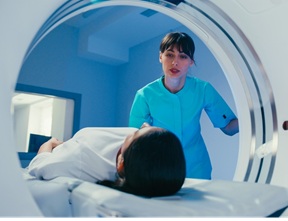
MRI / CT
MRI can show a break in the hip bone better than an X-ray can. This imaging tool can produce many detailed images of the hip area. The doctor can view these images on film or on a computer screen.
CT is an imaging method that can produce images of the hip bone and the surrounding muscles, tissues, and fat. CT scans of internal organs, bones, soft tissue, and blood vessels provide greater clarity and reveal more detail than X-rays. CT scanning minimizes radiation exposure.
A hip fracture can reduce your independence and can sometimes shorten your life. About half of the people who have hip fractures fail to regain their ability to live independently. If a hip fracture keeps you immobilized for a long period of time, complications can include:
• Blood clots in the legs or lungs
• Urinary tract infections
• Pneumonia
• Additional loss of muscle mass, increasing the risk of falling and injury
In addition, people who have had a hip fracture have an increased risk of weakened bones and further falls - which means a significantly higher risk of having another hip fracture.
If the diagnosis of hip fracture has been established, the patient's overall health and medical condition are then assessed. In very rare cases, the patient may be so ill that surgery would not be recommended. In these cases, the patient's comfort and level of pain must be carefully weighed before being exposed to the risk of anesthesia and surgery.
Most surgeons believe that patients have a better chance of recovery if they are operated on as quickly as possible. However, it is important to ensure patient safety and to maximize their medical health before surgery. This may mean doing cardiac tests and diagnostic studies.
Anesthesia for surgery can be general anesthesia or spinal anesthesia. In very rare cases, where only a few screws are needed for fixation, local anesthesia with strong sedation may be considered. All patients will receive antibiotics during surgery and for 24 hours afterward.
Appropriate blood tests, chest X-rays, electrocardiograms, and urine samples will be performed before surgery. Many elderly patients may have undiagnosed urinary tract infections, which could lead to a hip infection after surgery.
The surgeon's decision regarding fracture fixation will be based on the area of the hip that is broken, and the systems available to manage these injuries.
Intracapsular fracture
If the head of the femur is broken, the operation will aim to fix the cartilage onto the injured area of the femoral head. Frequently with these injuries, the socket, or acetabulum, may also be broken. The surgeon will need to take this into account as well.
These injuries can be approached either through the front or the back of the hip. In some cases, both approaches are needed to clearly see and fix the injured bone.
For intracapsular hip fractures, the surgeon may decide to either fix the fracture with individual screws (percutaneous fixation), or with a single larger screw that goes into the barrel of a plate. This screw will allow the fracture to become more stable, absorbing the impact at the broken area. Occasionally, a secondary screw may be added for stability.
Intertrochanteric fracture
Most intertrochanteric fractures are resolved either with a compression screw or with an intramedullary nail, which allows for early restoration of functionality. The intramedullary nail is placed directly into the bone marrow canal through an opening made at the top of the greater trochanter.
Replacement
Hip replacement surgery involves replacing part or all of the joint with artificial parts. In partial hip replacement, the doctor replaces the broken upper part of the thigh bone. In total hip replacement, both the socket and the top of the thigh bone are replaced. Full hip replacement is often performed when the fractured bones cannot be properly aligned.
If the ends of the broken bone are displaced or damaged, the surgeon may remove the head and neck of the femur and install a metal replacement (prosthesis). Partial hip replacement may be recommended for adults who have other health conditions or cognitive impairments, or who no longer live independently.
Your doctor may recommend partial or total hip replacement if the blood supply to the ball of the hip joint was damaged during the fracture. This type of injury, which occurs most often in older people with fractures of the femur, decreases the chances of the bone healing properly.
After surgery, your doctor will recommend that you start moving as soon as you can. This will help prevent problems such as pneumonia, blood clots, and bedsores. These things can occur if you stay immobilized for a long time. It may also be necessary to take a blood-thinning medication to reduce the risk of blood clots forming.
The doctor will encourage you to take part in a rehabilitation program, which includes physical therapy and occupational therapy. This will teach you:
• Exercises to help you regain your strength and ability to move around.
• New ways to do simple daily activities.
• Safe ways to stay active.
Patients who might be considered for non-surgical treatment are those who are too ill to withstand any form of anesthesia, people who were bedridden before the injury and were limited to staying in bed or a wheelchair.
Certain types of fractures may be considered stable enough to be resolved with non-operative treatment. Since there is a risk that these "stable" fractures could prove unstable and displace (change position), the doctor will need to perform periodic X-rays of the area. If patients are limited to bed rest as part of the treatment for these fractures, they will be closely monitored for complications that can arise from prolonged immobilization. These include infections, bedsores, pneumonia, blood clot formation, and nutritional deficits.
The doctor may prescribe pain medication to reduce your discomfort. There are many types of medications that help manage pain, including opioids, nonsteroidal anti-inflammatory drugs, and local anesthetics. Your doctor may use a combination of these medications to reduce pain and to minimize the need for opioids.
The amount of weight that can be placed on the injured leg will be determined by the surgeon and generally depends on the type of fracture and repair (fixation).
The physical therapist will work with the patient to regain strength and the ability to walk. This process can take up to three months. Physical therapy will initially focus on range-of-motion and strengthening exercises. Depending on the type of procedure you had and home assistance, it may be necessary to go to an extended care center.
Patients are advised not to lift or push heavy objects, not to sit in a chair for long periods of time, not to bend over, and not to jump. When sitting, they should not cross their legs. Occupational therapists teach patients how to safely carry out their daily activities while their hip heals. Even after the hip has healed, they are advised to avoid some sports activities.
Centrokinetic has a very experienced team in the field of physiotherapy, led by Uta Draghici Teodora Elena.
A woman who has reached menopause should consider getting a bone density test. This measures the mineral content of the bone and the thickness of the bone. This measurement can indicate a decrease in bone mass. This is a condition in which bones are more fragile and more prone to breaking. A bone density test is used mainly to diagnose osteoporosis and to determine fracture risk. Women, who are more prone to hip fractures, produce less estrogen during menopause. Most people don't know they have osteoporosis until they sustain a fracture.
Another way to help prevent hip fractures is to engage in regular physical exercise, such as walking, jogging, or hiking. Physical exercises, such as Tai Chi, help promote strength and balance.
Other preventive measures may include:
• Taking medications as prescribed by your doctor to prevent bone loss
• Eating a diet rich in calcium, including milk, cottage cheese, yogurt, sardines, and broccoli
• Quitting smoking
• Avoiding excessive alcohol consumption
• Keeping objects away from stairs and floors, such as electrical cords, to prevent falls
• Use non-slip mats near the tub and install support bars in the tub
• Turning on night lights from the bedroom to the bathroom
• Securing rugs
• Do not stand on unstable furniture
• Visiting an ophthalmologist every year to check and treat your vision
Up to 10% of adults aged 65 or older who have a hip fracture will have another hip fracture in less than two years. Bisphosphonates and other osteoporosis medications can help reduce the risk of a hip fracture. To avoid side effects that can make oral bisphosphonates hard to tolerate, the doctor may recommend administering them through an intravenous tube. Bisphosphonates, in general, are not recommended for people with kidney problems. Rarely, long-term treatment with bisphosphonates can cause pain and swelling of the jaw, or vision problems.
IF YOU DON'T ALREADY KNOW ABOUT US
Centrokinetic is the most high-performing medical clinic dedicated to musculoskeletal conditions, organized into several dedicated departments:
- Orthopedics: made up of a highly experienced team of orthopedic doctors, led by Dr. Andrei Ioan Bogdan, senior physician in orthopedics-traumatology with surgical activity at the Floreasca Clinical Emergency Hospital and at the Medlife Orthopedic Hospital, specialized in sports traumatology and in ankle and foot surgery.
- Pediatric orthopedics, where we treat children's sports conditions (ligament and meniscus injuries), spinal deformities (scoliosis, kyphosis, hyperlordosis), and foot deformities (hallux valgus, hallux rigidus, clubfoot, flatfoot, cavus foot).
- Neurology, providing consultations and EMG within the department. The medical team is complemented by Dr. Mardare, who received advanced training at the University of Oxford in spinal surgery.
- Medical recovery, for children and adults, the department being led by one of the most experienced physicians in the field, senior lecturer Dr. Tache Georgiana. The department specializes in the recovery of competitive athletes, spinal conditions, and the recovery of children with neurological and traumatic conditions.
- Medical imaging, the clinic being equipped with ultrasound and MRI, dedicated to musculoskeletal conditions. We are proud of our medical team of radiologists, made up of Dr. Ghiea Sorin, Dr. Pantu Cosmin, and Dr. Florescu Nicoleta, specialized in musculoskeletal imaging.
Find out the latest news about us by following the Centrokinetic clinic's Facebook and YouTube accounts.