Hip pain: causes, symptoms and treatment


Hip pain: causes, symptoms, and treatment
- Anatomy of the hip
- Symptoms of hip pain
- Causes of hip pain
- Diagnosing hip pain
- Risk factors for hip pain
- Treating hip pain
- Prevention of hip pain
The human hip joint is a fairly complex ball-and-socket joint, essential for daily activities such as standing and walking. So, when hip pain occurs, it can cause significant discomfort.
Watch the video below, where Dr. Horatiu Zorila talks about hip pain.
Hip pain can occur due to arthritis, injuries, or hip problems. People of all ages can have hip pain, but older people are more prone to developing it due to arthritis and bone fractures. Dancers, gymnasts, and other athletes who move their hips in all directions are more prone to hip injuries, especially due to overuse.
Depending on the cause, rest, anti-inflammatory medications, and ice can help relieve hip pain. More severe injuries may require surgery. Doctors often use minimally invasive arthroscopic surgery to repair torn tendons or the acetabular labrum. If the injuries are severe, the doctor may recommend hip replacement surgery.
Anatomy of the hip
The hip joint is a spherical synovial joint, and is also one of the most stable joints in the human body, connecting the pelvic girdle to the lower limb. The hip is made up of the upper part of the thigh bone (femur) and the acetabulum, which is a concave cavity located in the pelvis.
The femoral head is covered with articular (hyaline) cartilage. The acetabulum is formed by the fusion of the ilium, ischium, and pubic bones. It plays an important role in the stability of the hip joint, since it encompasses almost the entire femoral head. Put more simply, the anatomy of the hip is a ball in a socket - the femoral head (ball-shaped) rotates in a socket called the acetabulum.
Inside the capsule is the synovial membrane, which lubricates the joint with synovial fluid and keeps the cartilage healthy. Cartilage sits between the bones of the hip joint to prevent them from rubbing against each other and helps reduce any impact when you walk or move your hip.
The hip joint is supported by muscles that are attached to the bones through strong tendons. These muscles and tendons form a capsule around the joint and support its movements. They help move the joint, supporting the movement of the legs and the upper body.

Symptoms of hip pain
Hip problems can cause pain and are a common concern for many people, especially for older people and for those who engage in demanding activities.
The specific location of the hip pain can help identify its underlying cause. This may include problems with the tendons, muscles, ligaments, and other soft tissues surrounding the hip joint, or a problem in the lower back or spine. Hip pain can be felt on the outer part of the hip, in the groin area, or in the upper thigh.
Hip problems are usually associated with age. However, without proper care, anyone can develop joint problems. The following signs are frequent symptoms of a hip problem:
Hip pain or pain in the groin area
This pain is usually located between the hip and the knee. Hip pain can be felt during physical exercise, while walking, and even during sleep.
Discomfort and pain during or after physical exercise is often the earliest sign of hip arthritis. Hip pain can cause sleep disturbances, since the discomfort affects natural movement at night. Moreover, if hip pain prevents you from walking short distances or doing your usual activities, see a specialist doctor immediately for an evaluation and medical treatment.
StiffnessA common symptom is characterized by stiffness in the hip, which can make it impossible to put on your shoes or socks. It can also be difficult to bend over or pick something up from the ground.
Limping
A serious symptom of a hip problem is when you start limping while walking. Limping can be acute or chronic and can be treated with appropriate medical care from an orthopedic doctor.
Swelling and tenderness in the hip
Another sign of a hip problem is swelling and tenderness. Swelling can occur internally or at the level of the skin and muscles. If it becomes unbearable or if it does not go away within a few days, contact your doctor immediately.
These symptoms can vary depending on the cause of the pain. If left untreated, hip pain can be a cause of disability, which is why it is so important to see an experienced doctor, a specialist in hips and other joints. If you recognize the early signs of hip problems, you can benefit from earlier treatment to help prevent loss of function and hip degeneration. Some hip pain will resolve on its own with rest and over-the-counter medications, but other types of hip pain can persist.
Causes of hip pain
Being one of the most stable joints in the body, the hip is very important for keeping us upright and mobile. However, since most of the body's weight rests on the hip, it can develop pain in the muscles, tendons, or bursae (fluid-filled cavities that act as shock absorbers in joints).
Most of the time there is a very simple explanation for hip pain, for example if you overexerted yourself during physical exercise. In this case, the pain is usually caused by strained or inflamed soft tissues, such as tendons, and often goes away within a few days.
Hip pain that persists for a long time can be caused by specific conditions. If you have a problem with the hip joint, you may feel pain in the groin area, in the front of the leg, and in the knee. You may feel pain on the outer part of the hip or in the buttock area - although this can also be caused by problems with the lower back. Hip pain can also be caused by health problems such as:
- hip fractures
- injuries and defects of the cartilage
- bone or joint infections
- osteonecrosis of the hip (when the bone breaks down due to loss of blood flow)
- arthritis
- a labral tear of the hip (damage to the labrum, or the ring of cartilage within the hip joint)
- bursitis, inflammation of the bursa
- tendon strain
- hip flexor strain
- gluteal tear
- femoroacetabular impingement (hip impingement), a structural bone condition that causes the bones to rub against each other during movement
Diagnosing hip pain
Before going to the doctor, try the following home treatments for minor hip pain:
- Rest - Avoid sleeping on the hip that is causing you pain. Avoid any direct pressure on the hip until the pain goes away.
- Analgesics - Over-the-counter pain medications, such as paracetamol, ibuprofen, and sodium naproxen, could help relieve hip pain.
- Ice or heat - Wrap ice cubes or a bag of frozen vegetables in a towel to apply them to the hip, or take a warm bath to relax your muscles.
If your hip pain does not improve after two weeks, you should see your doctor. The doctor will ask you about the pain and what types of movements make it worse. They will ask how the symptoms started, how they affect your daily activities, and whether you have pain at night. Pain when bending the hip, going up or down stairs, or when putting on your socks is often a sign of a hip problem.
The doctor will examine your hip to see how well it moves, and this will usually give them enough information to plan your treatment. But you may need other tests to diagnose certain conditions:
X-rays
X-rays are often the best way to find out what is wrong with the hip, since they show the condition of the bones. They can also reveal problems in the pelvis, which could explain your pain. However, X-rays cannot examine the soft tissues around the joint.
CT scans
A CT scan (computed tomography) can often be very useful for finding out whether the hip joint has an unusual shape. Computed tomography uses X-rays to show sections of the hip, which a computer then combines to form a 3D image of the hip. There are conditions in which the hip socket can be very shallow, and a CT scan can show this.
MRI scans (magnetic resonance imaging) use radio waves to build an image showing what is happening with the soft tissues, such as the muscles and tendons, inside the hip. These are particularly useful for diagnosing the painful condition called avascular necrosis, which reduces blood flow to the ends of the bones, causing them to collapse.
Blood tests
If your doctor thinks the pain is caused by an infection or rheumatoid arthritis, blood tests can often be helpful.
Risk factors for hip pain
Many people experience increasingly severe hip pain as they age, with women being more prone to hip pain than men. Some people have a higher risk of hip pain due to:
- Weak muscles due to an inactive lifestyle or an injury
- Excess weight or obesity, which increases pressure on the hips
- Previous hip injuries
- Conditions such as hip instability
- Exercising or participating in sports without warming up
Advanced age is one of the most common risk factors for hip pain. This is because, as we age, all those years of wear and tear inside the joint start to add up. Deterioration of the cartilage inside the joint can contribute to inflammation, which leads to a widespread cause of hip pain: osteoarthritis.
If you have had a previous hip injury, you may also be at greater risk of hip pain in the future, especially if the injury was severe or if the hip did not heal properly. Being overweight is another risk factor - which is not surprising, given that the hips must support all that extra weight. Like advanced age, a previous injury and excess weight are also risk factors for developing hip arthritis.
Perhaps you play many intense sports or have a job that puts a lot of strain on your hips. In this case, you could also be more prone to injury. This is partly due to increased wear and tear on the hips, and partly because these activities could expose you to a higher risk of fractures, sprains, or tendon or ligament tears. On the other hand, if you lead a very inactive, sedentary lifestyle, weak hip muscles can make you more vulnerable to discomfort and injury.
Treating hip pain
Treatment for hip pain depends on the cause. For exercise-related pain, rest is usually enough to allow the hip to heal. This type of pain usually goes away within a few days. If you have arthritis, your doctor will prescribe medication to relieve pain and stiffness. Your doctor may refer you to a specialist who can offer further advice and to a physical therapist who can show you how to do exercises to help maintain joint mobility.
In the case of injuries, treatment usually involves rest and medication, such as naproxen, to relieve swelling and pain. Hip fractures, hip malformations, and some injuries may require surgery to repair or replace the hip. During hip replacement surgery, a surgeon replaces the damaged hip joint with an artificial one.
Although hip replacement surgery will require some physical therapy to get used to the new joint, it is a common surgical procedure that is most often successful.
Remedies for reducing hip pain
Minor injuries to the muscles, tendons, or bursa often improve with rest, ice, and anti-inflammatory medications. You can often follow the RICE method - rest, ice, compression, and elevation. This form of treatment can be done at home and can sometimes relieve hip pain.
Stretching the muscles and tendons surrounding the joint can help with hip pain. Talk to your doctor about the best way to establish a safe, effective, and regular routine.
Some holistic therapies can provide relief from hip pain. Make sure you discuss treatment options with your doctor before following any alternative treatment. Possible holistic therapies include consulting a chiropractor for an adjustment or getting acupuncture. This involves temporarily placing very small needles in key areas of the body to promote healing.
Medication treatment
Your doctor may prescribe stronger medications, such as diclofenac, naproxen, or a higher dose of ibuprofen, to ease your pain. Like all medications, pain medications can sometimes have side effects. If you are taking prescription nonsteroidal anti-inflammatory drugs, your doctor will take precautions to reduce their risks - for example, by prescribing the lowest effective dose for the shortest period of time.
Bisphosphonates are used to treat Paget's disease of bone and osteoporosis. They work by slowing bone loss, which reduces the risk of hip fractures.
Surgical interventions at the hip
Not everyone with hip pain will need surgery, but hip fractures almost always require fixation, which stabilizes the bone and helps it heal, or replacement of the femoral head. Hip fractures often occur in older people and take a long time to fully recover from. Patients often remain in the hospital for several weeks or longer to recover, and many of them need additional help at home after discharge.
Total hip replacement - Hip replacement surgery may be considered when arthritis limits your daily activities, such as walking and bending, when pain continues during rest, or when hip stiffness limits your ability to move or lift your leg. Hip replacement may be recommended only after a careful diagnosis of your joint problem. If you do not get enough pain relief with anti-inflammatory medications, or if other treatments, such as physical therapy, do not work, it may be time to consider surgery.
Hip replacement - Hip replacement surgery involves replacing the femur (the head of the thigh bone) and the acetabulum (the hip socket). Typically, the artificial ball and stem are made of a strong metal or ceramic, and the artificial socket is made of polyethylene (a durable, wear-resistant plastic) or metal lined with a plastic liner. The artificial joint can be cemented in place or held firmly in the bone without cement. The ball and insert are designed to slide together to reproduce the hip joint.
For the vast majority of patients, joint replacement can be a success, providing pain relief and improved mobility for many years. According to studies, hip replacement procedures have been found to lead to significant restoration of function and reduction of pain in over 90% of patients. After hip replacement surgery, most patients only need to stay in the hospital for four to five days.
Resurfacing arthroplasty - In this process, the end of the thigh bone (femur) is covered with a metal shell - a strong cobalt-chrome metal - like a crown on a tooth. This fits perfectly into a metal cup that sits in the hip socket. The head rotates inside the cup, to reproduce the hip joint. The surfaces that rub against each other are both made of highly polished metal. This type of hip device is called a metal-on-metal hip resurfacing device.
The first benefit of this procedure is that it is bone-conserving, meaning that more of your healthy bone is kept intact. The damaged area is simply resurfaced, not completely removed.
In addition, there is more natural movement and less chance of dislocation than with total hip replacement - since large amounts of bone are not removed, the surgeon can resurface the hip closer to the size and shape of your natural hip. In fact, the resurfaced femur is similar to the size of the natural bone, so you will get a better fit inside the hip. This can lead to greater stability and the potential for a greater range of motion, so you can return to the activities you love, whether that's going to the gym or dancing.
Another advantage is that you are better prepared for potential hip treatment later on. Hip resurfacing removes less of your own bone, which can be important if you need a total hip replacement in the future.
Hip resurfacing may be suitable for younger, more active patients, for patients with good bone quality, for osteoarthritis, and for rheumatoid arthritis.
Hip resurfacing is not recommended for patients with the following conditions:
- Active or suspected infection in or around the hip joint
- Poor bone quality that could not support the implant
- Multiple cysts
- Any known allergy to metal
- Extreme overweight (this can cause the device to be overloaded, which would lead to failure)
- Skeletal immaturity
- Women of childbearing age
- Weakened immune system due to an illness or certain medications (for example, corticosteroids)
- Kidney failure
Physiotherapy, balneophysiotherapy, and kinesiotherapy
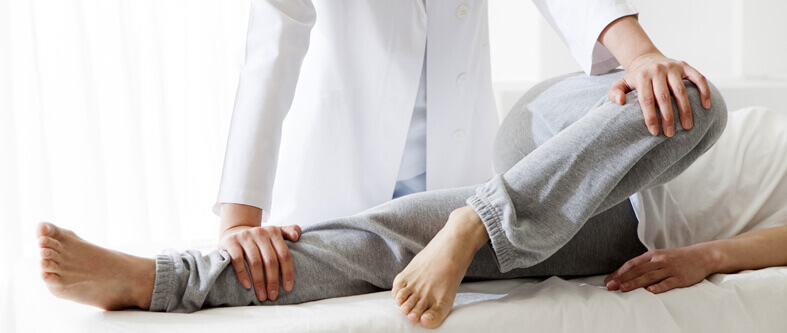
A physical therapist can help you get your hip moving again, showing you gentle exercises and movement activities specific to your condition.
Physical therapists are trained specialists who can show you how to reduce hip pain and how to improve the way your hip functions in the future, using a variety of muscle-strengthening and stretching exercises, massage, and other therapeutic techniques. Physical therapists and kinesiotherapists will work with you to help you get your hip moving properly again. Their approach will depend on the type of problem you are facing. Almost everyone will benefit from physical therapy, and specialists may recommend:
- exercises to strengthen weakened muscles, change coordination, and improve function
- tips for improving your posture
- exercises to ease or prevent stiffness
- exercises to increase your joint range of motion
- applying adhesive tape to the skin to reduce tension on the tissues and to help you become more aware of the position of your hips and back
- manual treatments for soft tissues and joints - such as massage and manipulation
- how to walk when your hip hurts
- how to use a cane or crutch.
Balneophysiotherapy can help restore circulation and normal motor function. This type of treatment combines the effect of mineral waters with that of physical exercise and can also act as a preventive treatment. Warm baths have significant therapeutic effects on patients with musculoskeletal conditions, including rheumatoid arthritis.
Prevention of hip pain
Safe, regular physical exercise, maintaining a healthy body weight, and a diet that supports bone health can go a long way toward preventing hip pain. To prevent hip pain, specialists recommend:
- Move the hip joint with gentle stretches, light aerobic exercise, water therapy, or resistance training to improve circulation and mobility. These can help prevent pain caused by arthritis or overuse.
- Physical therapy for pre-existing injuries or joint injuries can help with avoiding hip problems.
- Do not ignore minor injuries. Treat them so they do not become major injuries, which can lead to long-term hip pain.
- For those who work at a desk, changing posture, changing chairs, and frequent breaks to walk or stretch can help avoid hip pain.
- Warm up before any type of physical exercise.
- Listen to your body. If you feel pain in your joints, you might be overdoing it. Take a break to stretch and check your joints and muscles.
- Wear appropriate footwear to reduce stress not only on your feet, but also on your ankles and knees, which can lead to hip problems. Also avoid exercising on hard surfaces. Gentle, enjoyable physical exercise can go a long way toward preventing hip pain.
- Lose a few pounds; excess weight puts pressure on the joints, making them less flexible.
- Rest properly after periods of physical exercise to allow the joints and tissues to fully recover.
- You should have a healthy diet to make sure you keep your bones strong.
- Regular physical exercise helps keep the muscles strong and improves circulation to all tissues; when the muscles are strong, they are less likely to be injured.
- If you need extra help with walking, don't ignore your options. Canes, walkers, crutches, and other assistive devices are meant to help you maintain good posture, which is essential for avoiding back, neck, and hip pain.
Other articles written on the topic of "hip":
- Causes and treatment methods for hip dysplasia
- Everything about hip fracture
- Medical rehabilitation for hip pain
- Surgical techniques for hip problems
Centrokinetic is the place where you will find clear answers and effective solutions for musculoskeletal conditions. Our clinic, dedicated to musculoskeletal disorders, is organized into the following specialized departments:
- Orthopedics, a department composed of a highly experienced team of orthopedic surgeons specializing in sports traumatology.
- Pediatric Orthopedics, where sports injuries in children (ligament and meniscus injuries), spinal deformities (scoliosis, kyphosis, hyperlordosis), and foot deformities (hallux valgus, hallux rigidus, equinovarus foot, flatfoot, cavus foot) are treated.
- Neurology, featuring a state-of-the-art department where consultations, electroencephalograms (EEG), and electromyography (EMG) examinations are performed.
- Medical Rehabilitation for adults and children, a department specialized in the rehabilitation of professional athletes, spinal disorders, and children with neurological and traumatic conditions. Our extensive experience includes treating more than 5,000 professional athletes.
- Medical Imaging, with the clinic equipped with ultrasound and MRI systems dedicated to musculoskeletal conditions, complemented by an experienced radiologist, Dr. Cosmin Pantu, specialized in musculoskeletal imaging.
- Rheumatology, a comprehensive department dedicated to the diagnosis, treatment, and rehabilitation of patients with non-surgical musculoskeletal disorders.
- Vascular Surgery, a highly specialized department focused on the diagnosis and treatment of vascular diseases affecting arteries, veins, and lymphatic vessels.
- Psychology and Speech Therapy. Neurological and musculoskeletal conditions can have a psychological impact on patients, which is why we believe complete recovery requires addressing both the physical condition and its psychological consequences.
- Neurofeedback. This innovative method helps improve concentration, reduce anxiety, and achieve emotional balance through a simple and interactive process.
Stay up to date by following Centrokinetic on Facebook, Instagram, and YouTube.
MAKE AN APPOINTMENT
FOR AN EXAMINATION
See here how you can make an appointment and the location of our clinics.
MAKE AN APPOINTMENT
BUCHAREST TEAM


































































CLUJ NAPOCA TEAM


































BRASOV TEAM


















Asiguratori privati





Parteneriate



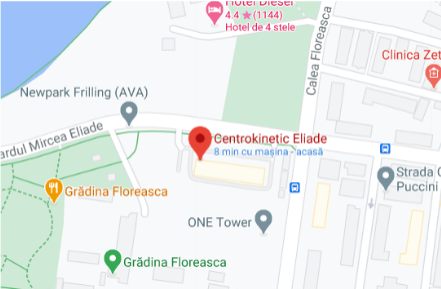
CENTROKINETIC FLOREASCA
Bucharest, 1st District,
Mircea Eliade Street, no. 18,
Eliade Tower, Entrance A, Floor 3
| Navigation | Explore 3D |
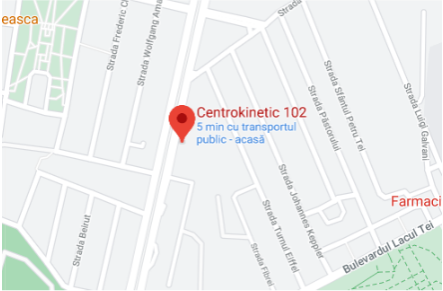
CENTROKINETIC Barbu Vacarescu
Bucharest, 2nd District,
Barbu Vacarescu Street, no. 102,
102 The Address, ground floor.
| Navigation | Explore 3D |
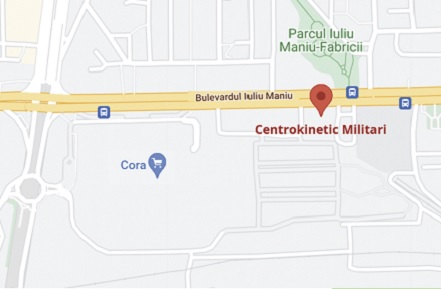
CENTROKINETIC MILITARI
Bucuresti, Sector 6,
Bld. Iuliu Maniu, nr. 15G,
Cladirea PBT, etaj 3.
| Navigation |
CENTROKINETIC CLUJ-NAPOCA
Cluj-Napoca,
Str. Intre Lacuri, nr.1
Intrarea este in spatele cladirii.

| Navigation |
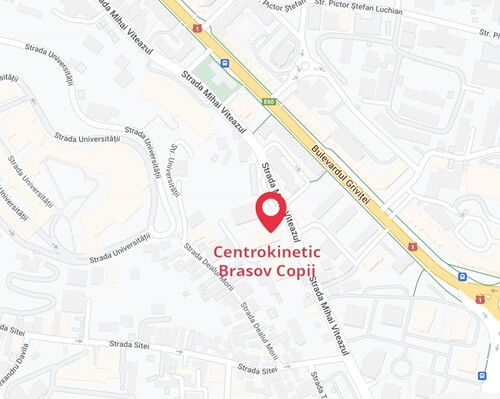
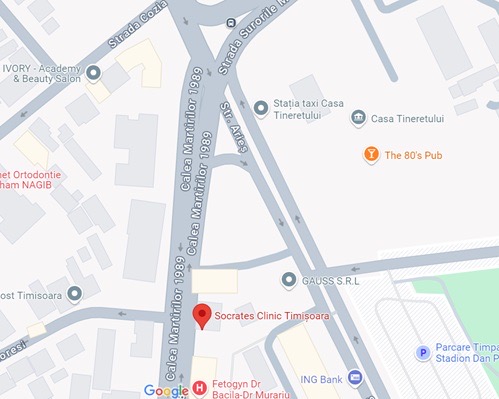
SOCRATES CLINIC TIMISOARA
Timisoara, Calea Martirilor 1989,
nr. 1.
Telefon: 0371 785 374.
| Navigation |
CONTACT
Phone: 0319693
E-mail: programari@centrokinetic.ro
Operating hours:
Monday – Friday: 07:00 – 21:00
Saturday: 09:00 – 14:00
Sunday: closed.
MAKE AN APPOINTMENT