How Do You Know If Muscle Weakness Has a Neurological or Orthopedic Cause?


Do you feel like you've lost strength in your arms or legs and don't know if the problem comes from your muscles, joints, or nervous system? Muscle weakness can have different causes, and the right direction of evaluation makes the difference between an effective treatment and one that only temporarily eases symptoms. Here are the signs worth evaluating quickly and which investigations are useful.
What Does Muscle Weakness Mean?
Many patients confuse fatigue with muscle weakness. After an intense workout or a demanding day, it's normal to feel a temporary drop in strength. Real weakness, on the other hand, means an objective reduction in muscle strength, even without prior effort.
The doctor tests strength through specific maneuvers and uses a scale from 0 to 5:
- 0 -- complete absence of contraction;
- 5 -- normal strength.
Weakness can be:
- localized (for example only in the right shoulder),
- generalized (several muscle groups),
- unilateral (one side of the body),
- bilateral (both sides).
A correct evaluation allows the diagnosis to be established and the right treatment to begin.
When Does Weakness Have an Orthopedic Cause?
Orthopedic causes involve muscles, tendons, joints, or structures of the spine. In these situations, the problem is mechanical or inflammatory.
Muscle and Tendon Injuries
A muscle strain or a partial tendon tear can produce local weakness associated with pain. For example, after an intense sprint you may develop an injury in the thigh. Read about recovery in the case of a muscle strain in our dedicated article.
Common characteristics:
- pain on palpation,
- onset after exercise or trauma,
- no sensory disturbances,
- progressive improvement with rest and kinesiotherapy.
In most cases, strength returns once the pain decreases and the tissue heals.
Spinal Problems
A herniated disc or spinal stenosis can compress the nerve roots. Although the symptoms appear through nerve involvement, the initial cause is usually a structural change in the spine. Patients describe:
- pain radiating down the arm or leg,
- weakness along a well-defined path,
- tingling in the same area,
- worsening with certain movements or positions.
For confirmation, the doctor frequently recommends imaging investigations such as MRI, which reveals the compression and the degree of involvement.
Joint Conditions
Severe knee or hip osteoarthritis can limit mobility and create the impression of weakness. The muscle works, but the pain and joint blockage reduce the strength you can apply. In these cases, treatment targets the joint, the inflammation, and movement re-education.
When Does Weakness Have a Neurological Cause?
Neurological causes affect the brain, spinal cord, peripheral nerves, or the neuromuscular junction (the area where the nerve transmits the signal to the muscle).
Brain Involvement
A stroke produces sudden weakness on one side of the body. The following frequently appear:
- facial asymmetry,
- speech difficulties,
- balance disturbances.
In this case, seek emergency medical help immediately!
Other central neurological conditions, such as multiple sclerosis, can lead to progressive weakness, accompanied by vision or coordination disturbances.
Spinal Cord Involvement
Spinal cord compression or trauma can cause:
- weakness in both lower limbs,
- unstable gait,
- muscle rigidity,
- bladder control disturbances.
These symptoms require rapid evaluation and appropriate imaging.
Peripheral Nerve Involvement
Neuropathy means damage to the peripheral nerves. It frequently occurs in diabetes, vitamin deficiency, or after local compressions. Patients report:
- tingling,
- burning sensations,
- progressive weakness,
- diminished reflexes.
A common example is carpal tunnel syndrome, where compression of the median nerve produces weakness in the hand and difficulty grasping objects.
For clarification, the doctor may recommend electromyography, an investigation that measures the electrical activity of the muscles and the speed of nerve conduction.
Neuromuscular Junction Disorders and Myopathies
In myasthenia gravis, weakness increases throughout the day. The patient may notice drooping eyelids, double vision, or difficulty climbing stairs toward the end of the day, even though they feel relatively well in the morning. In myopathies (muscle diseases), weakness is usually symmetrical and affects the large muscle groups, without marked pain.
Differences Between Orthopedic and Neurological Causes
The table below helps you understand the general differences. The final diagnosis is established by the doctor, based on the consultation and the investigations.
| Criterion | Orthopedic Cause | Neurological Cause |
| Onset | After trauma or exertion | Sudden or progressive, with no obvious cause |
| Pain | Frequently present, localized | May be absent or diffuse |
| Numbness/tingling | Rare, limited | Frequent, along a nerve path or diffuse |
| Reflexes | Usually normal | May be diminished or absent |
| Symmetry | Often unilateral | May be bilateral or asymmetric |
| Course | Improves with rest and therapy | May progress without specific treatment |
What Investigations Are Needed?
The doctor chooses the investigations based on your history, age, activity level, and associated symptoms.
Blood Tests
In general, the following are recommended:
- complete blood count,
- blood glucose,
- electrolytes (sodium, potassium, calcium),
- vitamin B12 and D,
- TSH,
- CK (muscle enzyme).
These can identify anemia, nutritional deficiencies, or endocrine conditions that contribute to weakness.
Imaging Investigations
Spinal MRI or brain MRI helps reveal herniated discs, as well as spinal cord or brain lesions. Imaging is especially useful if clear neurological symptoms appear or if initial treatment does not produce results.
Neurological Investigations
Electromyography and nerve conduction studies differentiate between neuropathy, radiculopathy (nerve root involvement), and myopathy. These tests provide objective data and help establish a personalized treatment plan.
Why Does Early Intervention Matter?
Delaying the consultation can prolong suffering and lead to complications. An ignored herniated disc can progress to persistent motor deficit. Untreated neuropathy can advance and affect balance or gait.
Early intervention gives you:
- a clear diagnosis,
- a treatment adapted to your situation,
- a more effective recovery.
The Centrokinetic medical team has experience in orthopedics, neurology, and rehabilitation and can establish a personalized approach. The specialists take into account age, activity level, functional goals, and any previous surgical interventions.
Treatment Differs Depending on the Cause
For Orthopedic Causes
The plan may include:
- physiotherapy and adapted kinesiotherapy,
- anti-inflammatory treatment,
- injections,
- surgical interventions, if necessary.
For athletes or active people, the recovery program focuses on the gradual return to effort and preventing recurrences.
For Neurological Causes
Treatment depends on the condition:
- specific medication,
- control of the underlying disease (for example diabetes),
- neurological rehabilitation,
- periodic monitoring.
Recovery involves personalized exercises and regular evaluations for stable long-term results.
When Should You See a Doctor Urgently?
Seek immediate evaluation if the following appear:
- sudden weakness on one side of the body,
- speech or vision disturbances,
- loss of bladder control,
- rapid worsening of muscle strength.
For situations that are not urgent, schedule a consultation in neurology or orthopedics. For example, you can access neurology services with a referral in Cluj. Choose the right evaluation for your health and benefit from an appropriate treatment plan!
Frequently Asked Questions About Muscle Weakness
Is muscle weakness always associated with pain?
No. In orthopedic conditions, pain is frequent, but in many neurological diseases weakness appears without pain. Association with numbness or coordination disturbances points toward a neurological cause.
Can I tell the difference between an orthopedic and a neurological cause on my own?
You can notice certain guiding signs, but you cannot establish the diagnosis without a medical consultation and investigations. The clinical examination and specific tests provide the correct answer.
Is weakness after surgery normal?
After orthopedic surgical interventions, a temporary decrease in strength is common. However, if the weakness persists or worsens, seek a reevaluation to rule out neurological or mechanical complications.
Does a vitamin deficiency cause severe weakness?
A deficiency of B12 or vitamin D can cause weakness and fatigue, usually generalized. Blood tests confirm the diagnosis, and treatment corrects the deficiency.
Disclaimer: This article is for informational purposes only and does not replace medical consultation.
Sources:
- "Muscle Weakness Causes & Treatment." Cleveland Clinic, 12 Feb. 2025. Accessed July 7, 2026.
- Nall, Rachel. "What Causes Muscle Weakness?" Medicalnewstoday.Com, Medical News Today, 26 July 2019. Accessed July 7, 2026.
- Beese, Megan. "How Neuroinflammation Causes Muscle Weakness." American Brain Foundation, 18 Feb. 2025. Accessed July 7, 2026.
BUCHAREST TEAM

































































CLUJ NAPOCA TEAM


































BRASOV TEAM


















MAKE AN APPOINTMENT
FOR AN EXAMINATION
See here how you can make an appointment and the location of our clinics.
MAKE AN APPOINTMENT
Asiguratori privati





Parteneriate


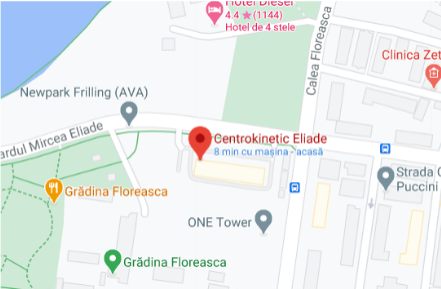
CENTROKINETIC FLOREASCA
Bucharest, 1st District,
Mircea Eliade Street, no. 18,
Eliade Tower, Entrance A, Floor 3
| Navigation | Explore 3D |
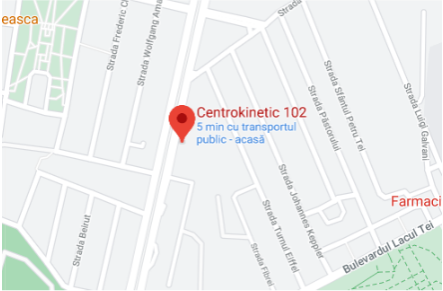
CENTROKINETIC Barbu Vacarescu
Bucharest, 2nd District,
Barbu Vacarescu Street, no. 102,
102 The Address, ground floor.
| Navigation | Explore 3D |
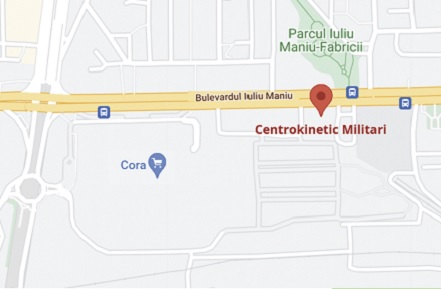
CENTROKINETIC MILITARI
Bucuresti, Sector 6,
Bld. Iuliu Maniu, nr. 15G,
Cladirea PBT, etaj 3.
| Navigation |
CENTROKINETIC CLUJ-NAPOCA
Cluj-Napoca,
Str. Intre Lacuri, nr.1
Intrarea este in spatele cladirii.
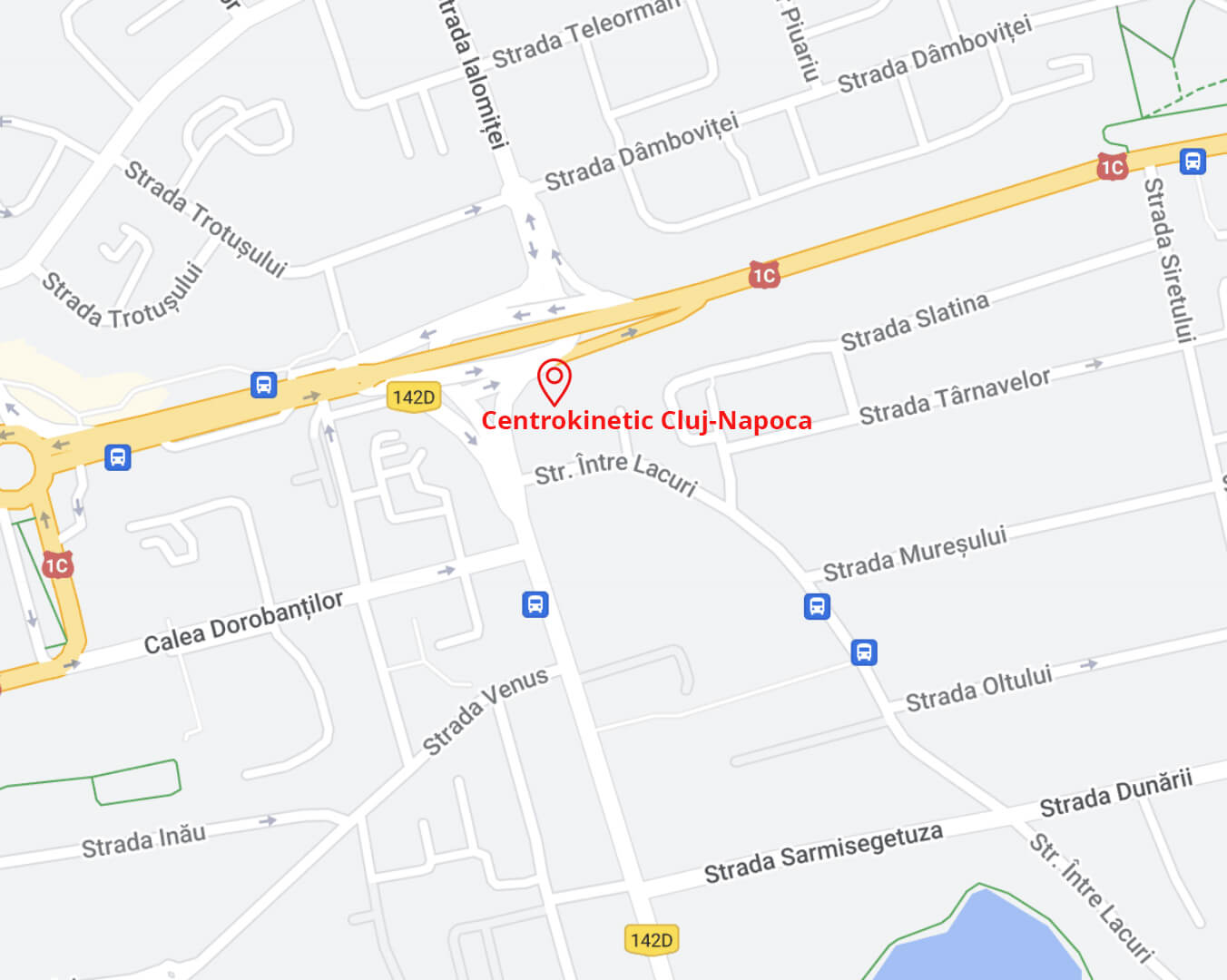
| Navigation |
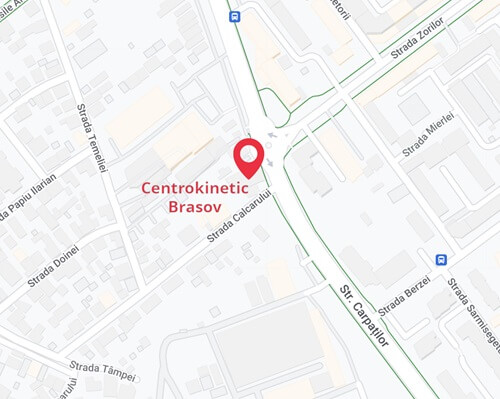
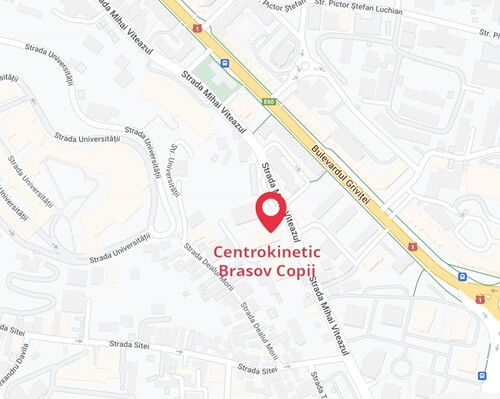
SOCRATES CLINIC TIMISOARA
Timisoara, Calea Martirilor 1989,
nr. 1.
Telefon: 0371 785 374.
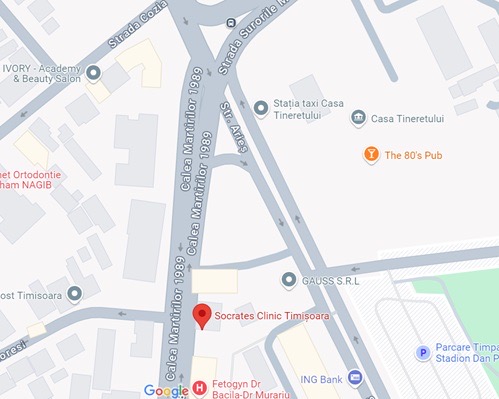
| Navigation |
CONTACT
Phone: 0319693
E-mail: programari@centrokinetic.ro
Operating hours:
Monday – Friday: 07:00 – 21:00
Saturday: 09:00 – 14:00
Sunday: closed.
MAKE AN APPOINTMENT