How Long Does a Sciatica Flare-Up Last and When Should You See a Doctor?


Sciatica (lumbar sciatica) occurs when the sciatic nerve is compressed or inflamed, most often due to a herniated disc or degenerative changes in the spine. If you are dealing with this type of pain, you want to know two things: how long it will last and whether it is time to see a doctor.
In most cases, an acute flare-up improves within 4-6 weeks. However, the course differs from person to person, and early intervention can shorten the duration of symptoms and help prevent complications.
What is lumbar sciatica and how long does it usually last?
Lumbar sciatica is pain that starts in the lower back and radiates along the path of the sciatic nerve, toward the buttock, thigh, and leg. The sciatic nerve is the longest nerve in the body and controls a large part of the muscles and sensation in the lower limb.
In most cases, an acute flare-up lasts between 4 and 6 weeks. The first 7-14 days are the most intense. The pain limits walking, sitting, and sleep. Afterward, symptoms gradually decrease, especially if you follow medical recommendations.
The duration depends on several factors:
- the cause of the compression (herniated disc, spinal stenosis, piriformis syndrome);
- the degree of nerve inflammation;
- your level of physical activity;
- when you start treatment;
- how closely you follow the recovery program.
How does a sciatica flare-up progress?
The progression usually follows a few stages. Not every patient goes through them identically, but the pattern is similar.
Acute phase (the first 7-14 days)
The pain is intense, sometimes described as a burning sensation or an electric current running down the leg. You may find yourself locked into a certain position to avoid discomfort.
The lower back muscles contract strongly. This contraction limits mobility and increases stiffness. At this stage, nerve irritation can be more pronounced. Many patients see a doctor at this stage, especially if they can no longer walk normally or if the pain wakes them at night.
Subacute phase (2-4 weeks)
Lower back pain starts to decrease. Instead, you may feel tingling or numbness in the thigh, calf, or sole of the foot. Sometimes the radiating pain becomes more noticeable than the back pain itself. This stage indicates that the nerve is still irritated. Do not ignore the symptoms even if their intensity is lower.
Recovery phase (4-6 weeks and beyond)
Mobility gradually increases. You can stand or sit for longer. You return to daily activities, but with precautions.
For the best results, continue the exercises even after the pain disappears. Many patients give up the recovery program too early, and the symptoms return.
Signs that lumbar sciatica is improving
There are a few clear signs that indicate a favorable course:
- the pain retreats from the leg toward the lower back;
- the intensity decreases progressively, without sudden flare-ups;
- you can walk longer distances without a break;
- the numbness gradually decreases.
Pain retreating from the leg toward the back is a good sign. In most cases, it indicates that the pressure on the nerve is decreasing. For more information, see also: How long does it take for the sciatic nerve to heal?
Signs that lumbar sciatica is getting worse
Certain symptoms require a prompt medical evaluation:
- muscle weakness in the leg;
- difficulty walking on your toes or heels;
- persistent or spreading numbness;
- pain that does not respond at all to treatment.
A major warning sign is loss of bladder or bowel control, or numbness in the perineal area. These symptoms can indicate cauda equina syndrome, a neurosurgical emergency. In this case, do not delay seeing a doctor!
When should you see a doctor?
Many patients wait a few days, hoping the pain will go away on its own. Sometimes it does; other times, waiting leads to a prolonged flare-up. Schedule a consultation if:
- the pain persists for more than 5-7 days without improvement;
- episodes recur at short intervals;
- you have recently suffered an injury;
- daily activities become difficult to carry out.
If symptoms continue for more than 4-6 weeks, even at moderate intensity, an imaging evaluation, usually an MRI, is necessary. The doctor correlates the results with the clinical examination and determines the appropriate treatment plan.
The benefits of a proper evaluation include:
- accurately identifying the cause;
- choosing the right treatment;
- reducing the risk of the condition becoming chronic;
- avoiding unnecessary interventions.
Early intervention shortens the period of suffering and speeds up the return to work or sports activities.
What is recommended and what should you avoid during a flare-up?
Bed rest
Rest for 1-2 days if the pain is intense. After this period, resume gentle movement. Short walks, at a comfortable pace, help maintain muscle tone. Prolonged immobilization weakens the muscles and can delay recovery.
Activities to avoid
During the acute phase, avoid:
- lifting heavy objects;
- repeated bending;
- sudden trunk rotations;
- high-impact exercises.
If you work at a desk, adjust your chair and take breaks every 30-45 minutes. Stand up, stretch, and walk for a few minutes.
How is lumbar sciatica treated?
Treatment depends on the cause and severity. In most cases, the doctor recommends conservative therapy.
Medication
Non-steroidal anti-inflammatory drugs reduce inflammation and pain. Sometimes the doctor adds muscle relaxants or medication for neuropathic pain.
Follow the recommended doses and duration. Self-medication can cause adverse reactions, especially at the gastric or cardiovascular level.
Physical therapy (kinetotherapy)
Kinetotherapy is the foundation of recovery. A personalized program may include:
- spinal stabilization exercises;
- activation of the deep abdominal muscles;
- tailored stretching;
- postural re-education.
Physiotherapy
Physiotherapy complements the program through procedures that can reduce inflammation and pain:
- low-frequency electrical currents;
- ultrasound;
- heat or cold therapy;
- therapeutic massage.
The doctor decides which combination is appropriate based on the stage of the condition.
When is surgery recommended?
Surgery becomes an option if:
- a progressive neurological deficit appears;
- the pain persists for more than 8-12 weeks despite correct treatment;
- imaging investigations confirm severe compression.
You can find out more about the indications in the dedicated article about herniated disc - surgery and treatment. Most patients recover without surgical intervention, especially if they follow a complete and well-structured program.
Recovery duration and stages - reference table
These durations are approximate. Each patient has their own recovery pace.
| Stage | Average duration | What you feel and what you can do |
| Acute phase | 7-14 days | Intense pain, reduced mobility |
| Subacute phase | 2-4 weeks | Decreasing pain, tingling appears |
| Active recovery | 4-8 weeks | Increasing mobility, progressive exercises |
| Maintenance | long-term | Regular exercise, prevention |
The importance of early intervention and a personalized approach
The faster you act, the greater your chances of recovery. Early intervention:
- reduces the duration of the flare-up;
- lowers the risk of recurrence;
- prevents the onset of neurological deficits;
- helps you return to sports or work more quickly.
At Centrokinetic, the medical team analyzes each case individually. Recovery physicians, orthopedists, and physical therapists work together to build a plan tailored to your age, activity level, and goals.
For an athlete, the goal may be a safe return to training. For a recently operated patient, the priority is regaining muscle control and preventing complications. For a parent concerned about their child's posture, early evaluation can prevent future episodes. A personalized approach delivers the best results and reduces the risk of the pain becoming chronic.
Preventing recurrence
After the pain disappears, continue to take care of your spine.
Adopt a few simple measures:
- maintain correct posture at your desk;
- strengthen your back and abdominal muscles;
- warm up before training;
- avoid sudden lifting;
- maintain a healthy body weight.
Schedule a specialist consultation now and find out which treatment strategy is best suited for you.
Frequently asked questions about lumbar sciatica
How long does a severe sciatica flare-up last?
A severe flare-up can last between 4 and 8 weeks. In some cases, intense symptoms decrease after the first two weeks, but full recovery requires more time and a consistent exercise program.
Can sciatica go away without treatment?
Some mild episodes may improve on their own. However, without a medical evaluation, you cannot know the exact cause. Lack of proper treatment can lead to recurrence or prolonged pain.
Is it normal to still have tingling after the pain has decreased?
Yes, tingling can persist for a few weeks. The nerve needs time to recover after compression. If symptoms worsen or muscle weakness appears, see a doctor.
When can I return to sports after sciatica?
Returning to sports depends on the severity of the episode and the response to treatment. In most cases, you can gradually resume activity after 4-6 weeks, under supervision and with adapted exercises.
Disclaimer: This material is for informational purposes only and does not replace a medical consultation. Seek the advice of a specialist for diagnosis and personalized treatment.
Sources:
- "Sciatica - Diagnosis and Treatment - Mayo Clinic." Mayoclinic.Org, 2025. Accessed July 7, 2026.
- Koes, B W, et al. "Diagnosis and Treatment of Sciatica." BMJ: British Medical Journal, vol. 334, no. 7607, 23 June 2007, p. 1313, 10.1136/bmj.39223.428495. Accessed July 7, 2026.
- "Sciatica Home Remedies and Self-Care." Harvard Health, 22 July 2024. Accessed July 7, 2026.
BUCHAREST TEAM


































































CLUJ NAPOCA TEAM


































BRASOV TEAM



















MAKE AN APPOINTMENT
FOR AN EXAMINATION
See here how you can make an appointment and the location of our clinics.
MAKE AN APPOINTMENT
Asiguratori privati





Parteneriate


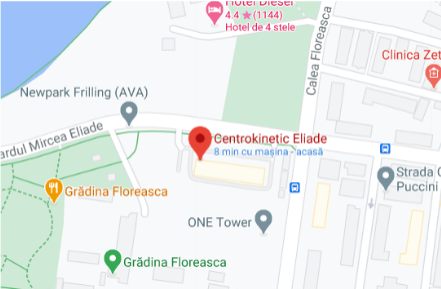
CENTROKINETIC FLOREASCA
Bucharest, 1st District,
Mircea Eliade Street, no. 18,
Eliade Tower, Entrance A, Floor 3
| Navigation | Explore 3D |
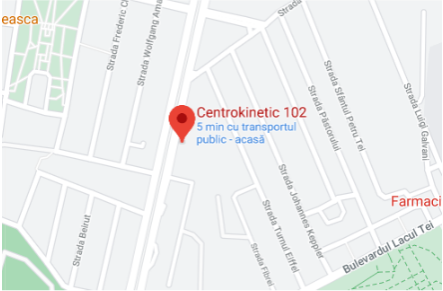
CENTROKINETIC Barbu Vacarescu
Bucharest, 2nd District,
Barbu Vacarescu Street, no. 102,
102 The Address, ground floor.
| Navigation | Explore 3D |
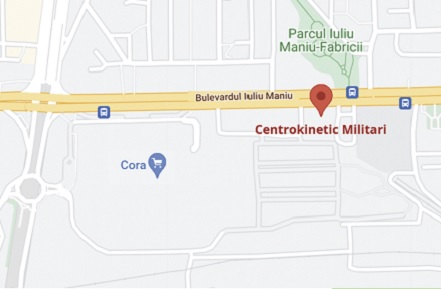
CENTROKINETIC MILITARI
Bucuresti, Sector 6,
Bld. Iuliu Maniu, nr. 15G,
Cladirea PBT, etaj 3.
| Navigation |
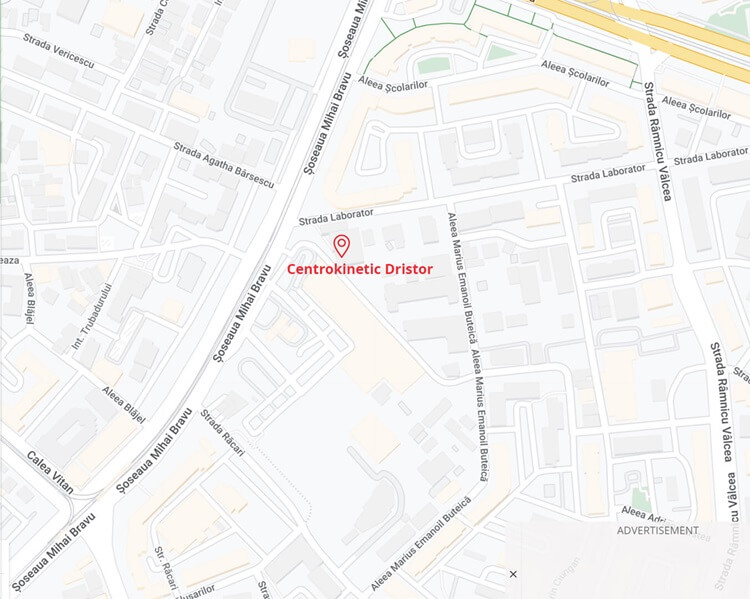
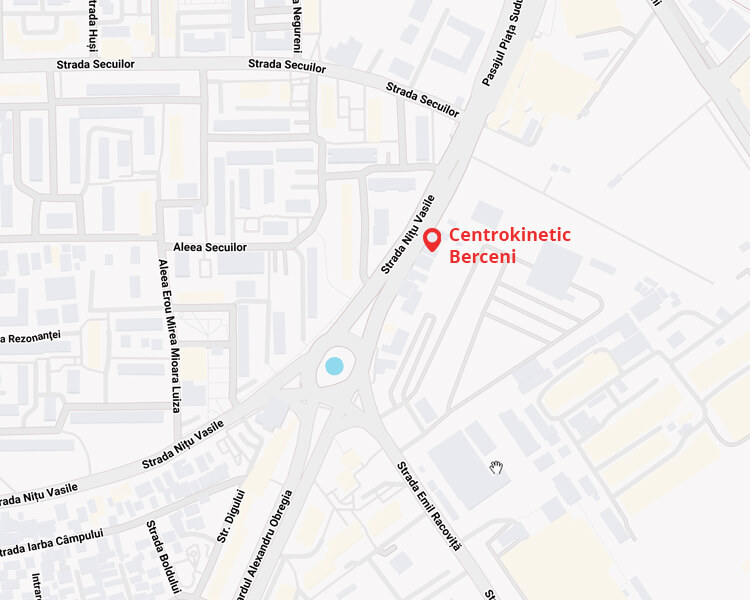
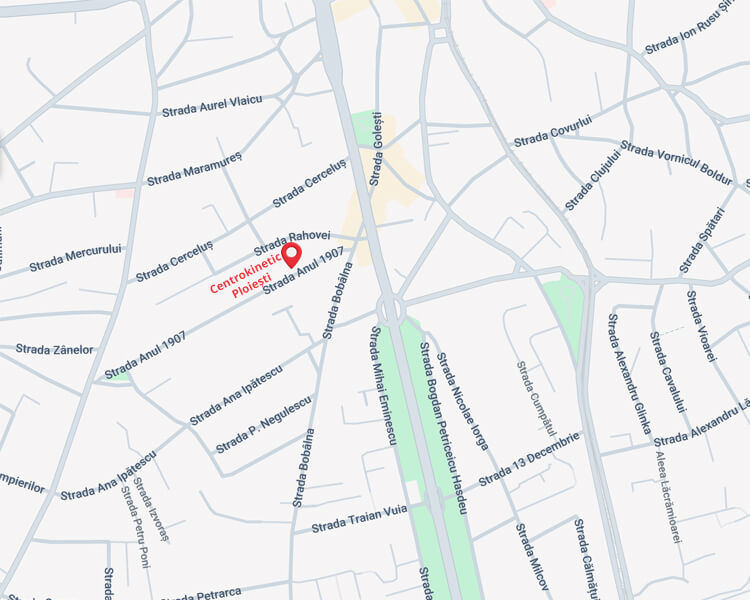
CENTROKINETIC CLUJ-NAPOCA
Cluj-Napoca,
Str. Intre Lacuri, nr.1
Intrarea este in spatele cladirii.
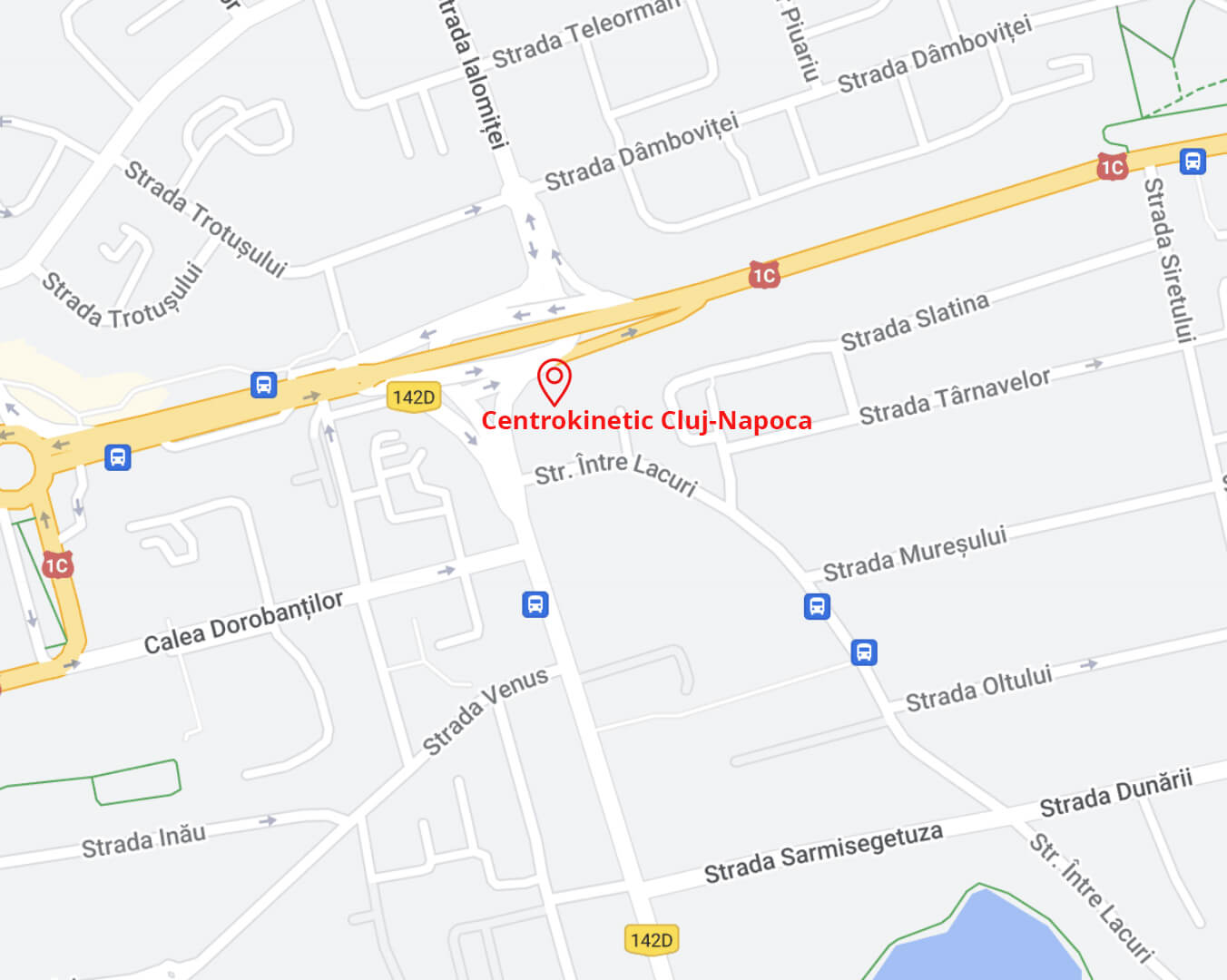
| Navigation |
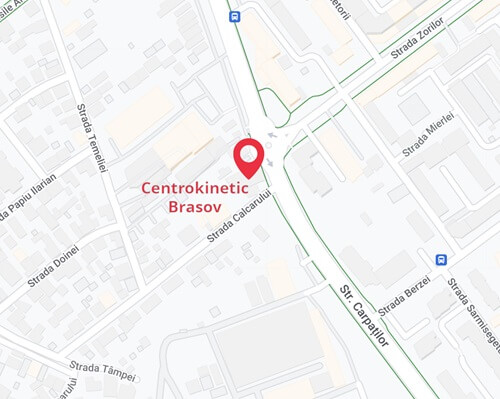
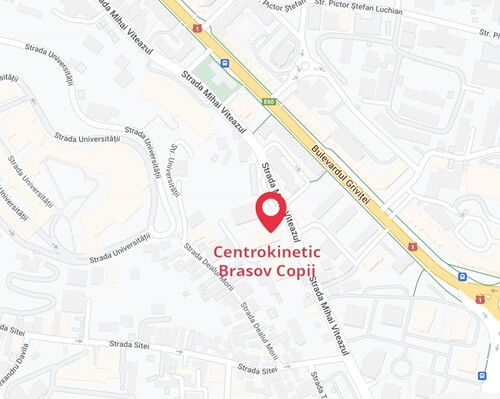
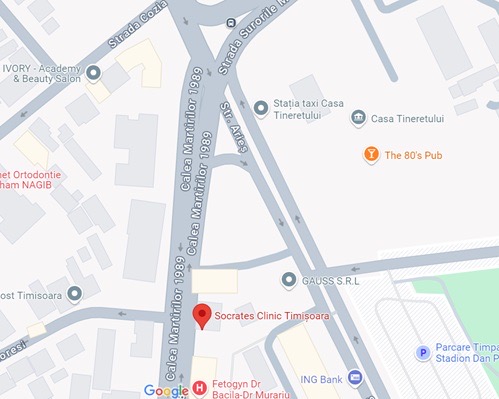
SOCRATES CLINIC TIMISOARA
Timisoara, Calea Martirilor 1989,
nr. 1.
Telefon: 0371 785 374.
| Navigation |
CONTACT
Phone: 0319693
E-mail: programari@centrokinetic.ro
Operating hours:
Monday – Friday: 07:00 – 21:00
Saturday: 09:00 – 14:00
Sunday: closed.
MAKE AN APPOINTMENT