How to avoid back pain


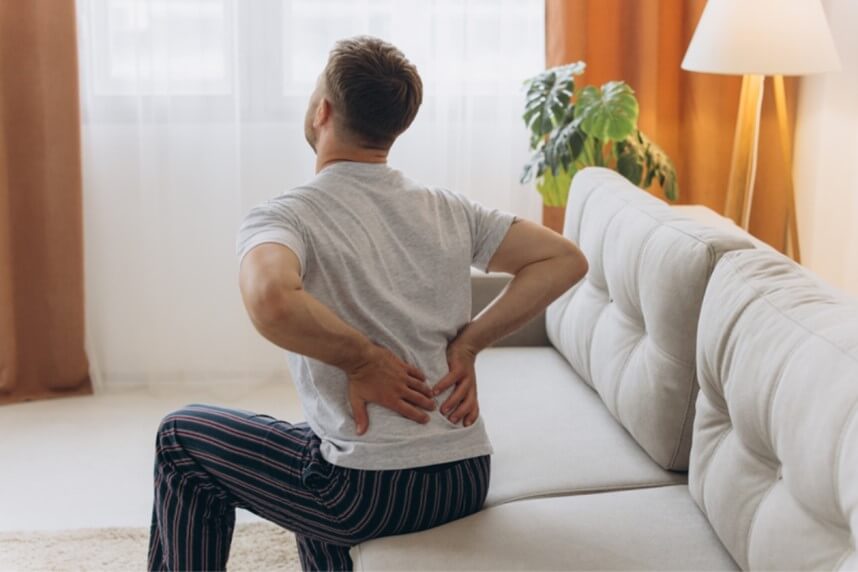
Back pain is one of the most common health problems you may face daily. The way you sit at your desk, bend to lift objects, carry a bag on one shoulder, your posture while driving or sleeping – all directly influence the spine. Over time, poor posture can alter the anatomical characteristics of the spine, leading to nerve irritation, inflammation, muscle problems, issues involving the intervertebral discs or joints. As a result, not only back and neck pain may occur, but also headaches, chronic fatigue or even dizziness.
Many of you turn to quick solutions when pain appears, but long-term prevention requires changing daily habits and integrating physiokinetotherapy procedures. Statistics show that the incidence of spinal problems varies depending on occupation and age: for example, among office workers, 80% of cases affect the lumbar and cervical areas, while after the age of 60 the risk reaches 93%. Mechanical factors – incorrect movements, sedentary lifestyle, excess weight – play an essential role because they increase pressure on the intervertebral discs.
What Does Back Pain Mean and Why Does It Occur?
Back pain is often mechanical, caused by overloading the muscles, ligaments or discs. It may be acute (under 6 weeks) or chronic and frequently occurs without a visible cause on imaging investigations.
Common Causes of Back Pain
The most common causes include:
- Muscle or ligament strains – repeated heavy lifting or sudden movements [1].
- Bulging or herniated discs – disc material presses on nerves [1].
- Arthritis – osteoarthritis affects the lumbar spine, leading to spinal stenosis [1].
- Poor posture and lack of exercise – weaken the supporting muscles [2].
- Excess weight – increases pressure on the vertebrae [2].
Spinal Segments Most at Risk
The lumbar and cervical areas are the most vulnerable because they support the greatest daily pressure. Intervertebral discs undergo major pressure variations: minimum pressure while lying down (approximately 25 kg), increased pressure while sitting (175 kg) or bending forward without knee flexion (175 kg). Age, abdominal obesity and intense physical work increase the risk [3].
The Importance of Preventing Back Pain
Prevention begins with simple habits applied consistently. Proper posture keeps the vertebral discs healthy and the muscles functional. Lack of timely intervention may lead to more frequent pain and complications such as herniated discs.
Adopting an active lifestyle, undergoing medical evaluation at the first signs and scheduling regular check-ups reduce the need for more complex treatments later on.
Preventive Benefits
- Reduce daily pain and discomfort [2].
- Improve mobility and muscle strength [1].
- Prevent worsening of existing problems [2].
- Increase productivity and reduce work absences.
- Maintain proper posture long term [4].
How to Recognize and Interpret Back Pain Symptoms
Symptoms vary from dull pain to sharp stabs, sometimes accompanied by stiffness or pain radiating into the legs. Most are nonspecific and resolve within a few weeks, but they should be monitored carefully.
Warning Signs That Require Specialist Consultation
Consult a doctor immediately if you notice:
- Severe pain radiating below the knee with numbness or weakness [1].
- Bladder or bowel control problems [1].
- Fever, unexplained weight loss or history of cancer [1].
- Night pain or pain following trauma [2].
- Progressive muscle weakness in the legs [3].
Risk Factors and Habits That Can Be Changed
Many contributing factors can be controlled. Start by identifying the most common mistakes in your daily routine and gradually correcting them.
What You Can Change in Your Lifestyle
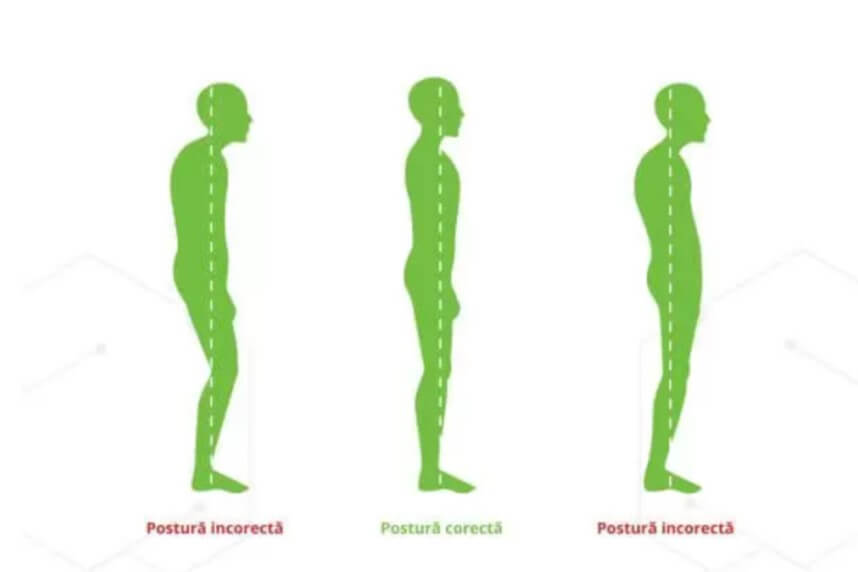
- Maintain proper posture and adapt your workstation to your needs.
- Introduce regular activities such as stretching, walking, Pilates or swimming.
- Maintain an adequate body weight.
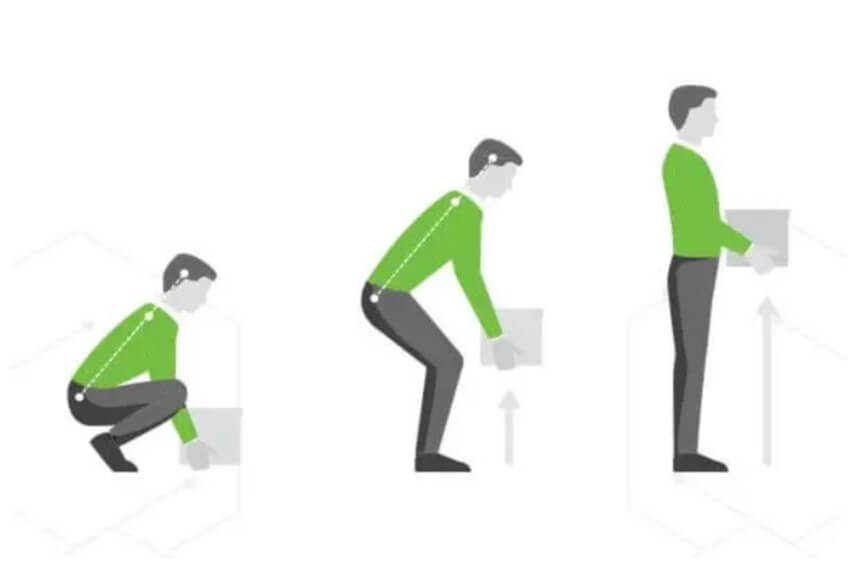
- Lift weights with your back straight and knees bent.
- Use ergonomic and adjustable chairs.
Examples of Harmful Habits
- Prolonged sitting without lumbar support.
- Lifting weights with a bent back.
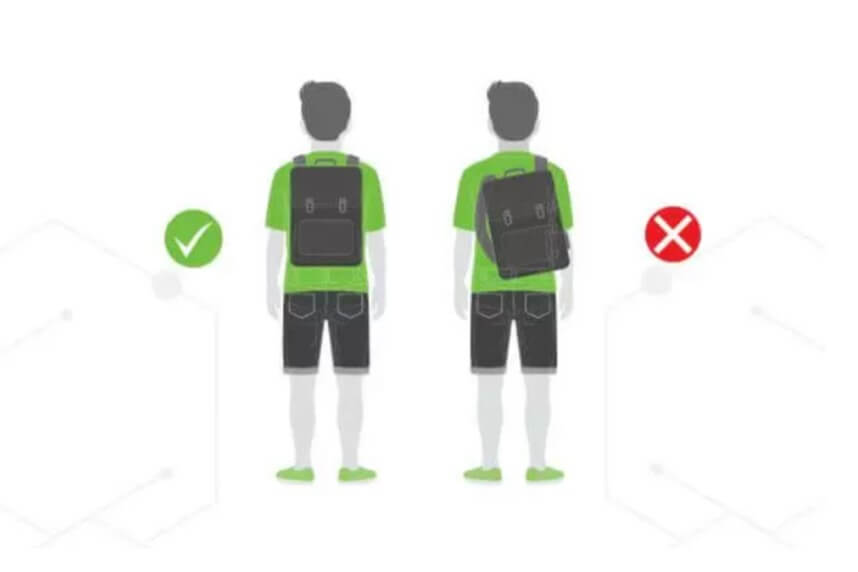
- Carrying heavy bags on one shoulder.
- Sleeping on your stomach.
- Prolonged sedentary lifestyle [2].
Proper Medical Evaluation and Its Benefits
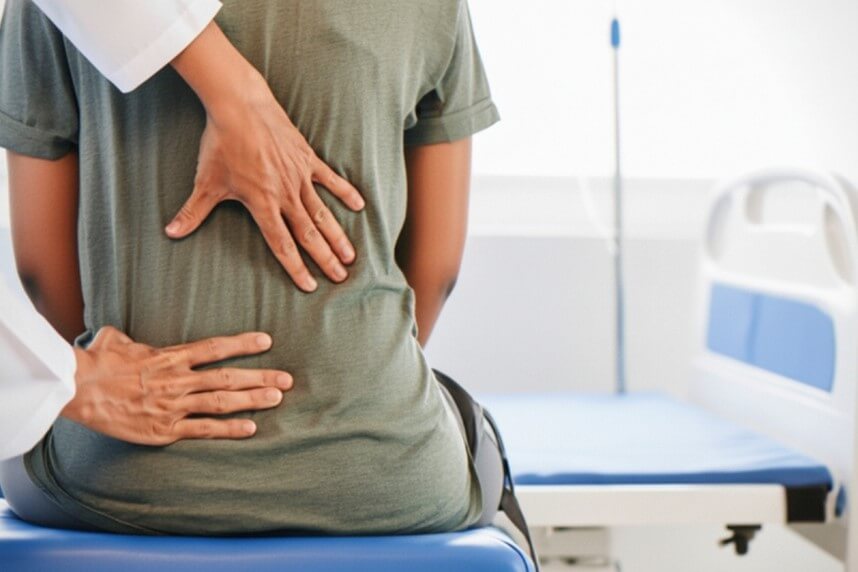
If you experience recurrent or intense pain, we recommend contacting a doctor specialized in orthopedics or neurology. Only a proper evaluation can establish the real cause and allow the selection of a treatment adapted to your condition.
Stages of Specialized Evaluation
- Detailed medical history and clinical examination.
- Mobility and muscle strength tests.
- Imaging investigations (X-ray, MRI) only when necessary [1].
- Multidisciplinary consultation (physiotherapist, rehabilitation doctor) [2].
- Periodic monitoring to adapt treatment.
The Centrokinetic team uses modern technologies for functional analysis and develops specific programs for each patient profile. Read more on the Centrokinetic website about physiokinetotherapy explained!
Personalized Solutions for Prevention and Recovery
At Centrokinetic, we offer customized protocols combining modern decompression and strengthening techniques.
Examples of Modern Solutions
- Core and lumbar strengthening exercises under supervision.
- Spinal elongation therapies for discopathy or other lumbar pain.
- Manual therapy for correcting movement imbalances.
- Kinesio taping for pain reduction and postural support.
- Neuromotor reeducation for functional causes within neurological rehabilitation services.
If you have complex or neurological conditions such as myasthenia gravis, you may receive a personalized rehabilitation plan. For osteoporosis and fracture prevention, dedicated programs exist with objectives adapted to your age and activity level. Discover what osteoporosis rehabilitation involves!
What You Can Do at Home: Practical Recommendations for Posture and Movement
By changing a few habits, you can better prevent and manage back pain.
Correct Posture While Bending
- Bend your knees and use your leg muscles rather than your back muscles to lift weights.
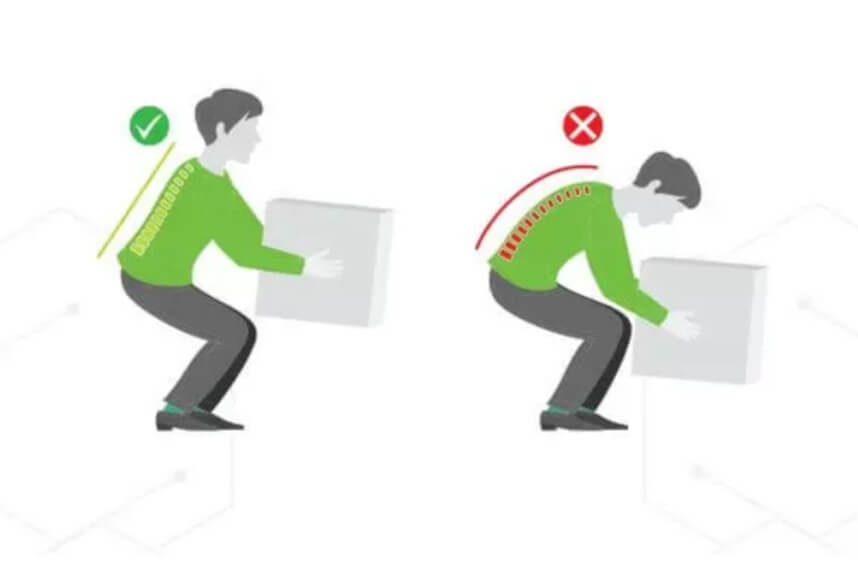
- Avoid twisting your lower back while lifting.
- Carry heavy objects as close to your body as possible. Distribute weight evenly on both sides of the body.
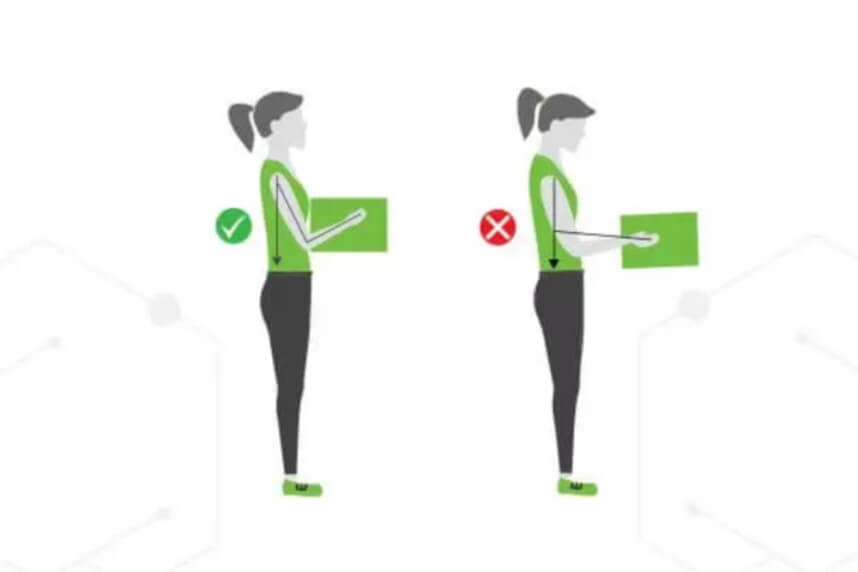
- If you carry a shoulder bag, switch sides frequently to avoid stressing one part of the back.
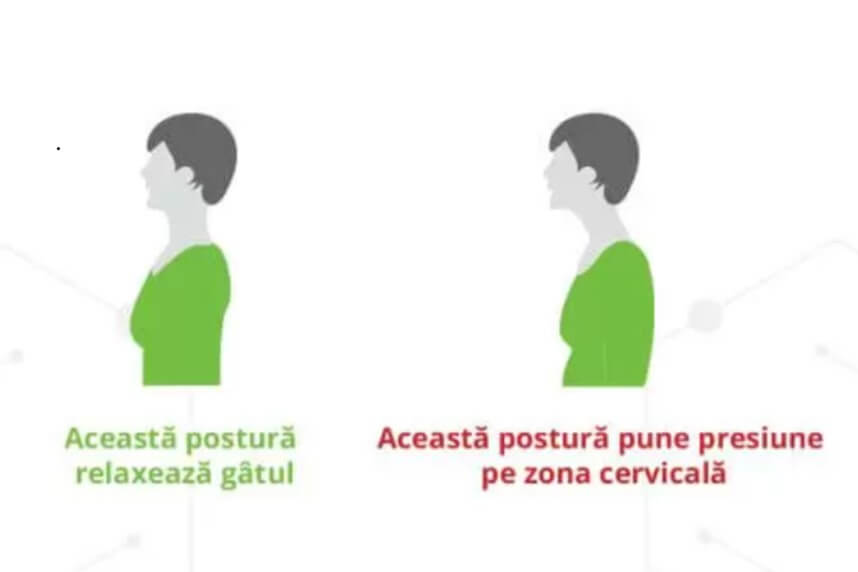
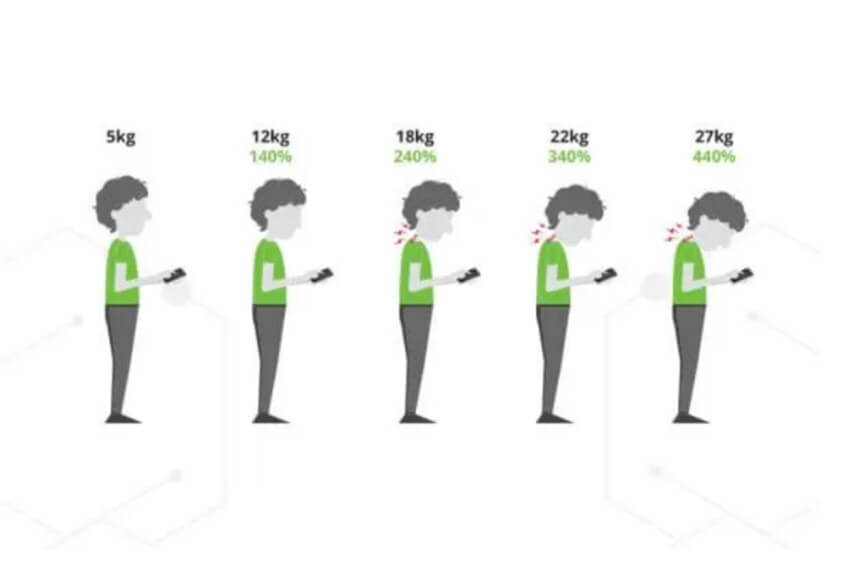
- Looking down at your phone places significant strain on the spine when proper posture is not maintained.
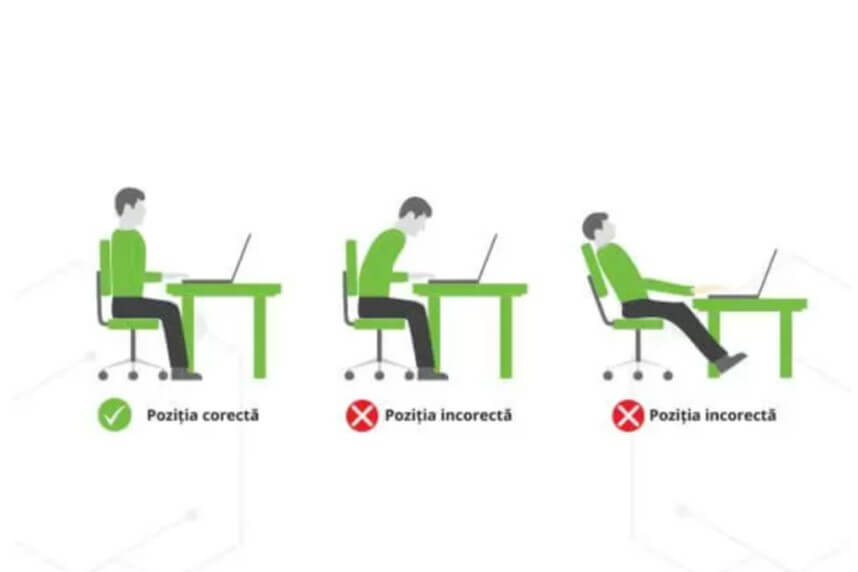
Correct Sitting Position at the Office
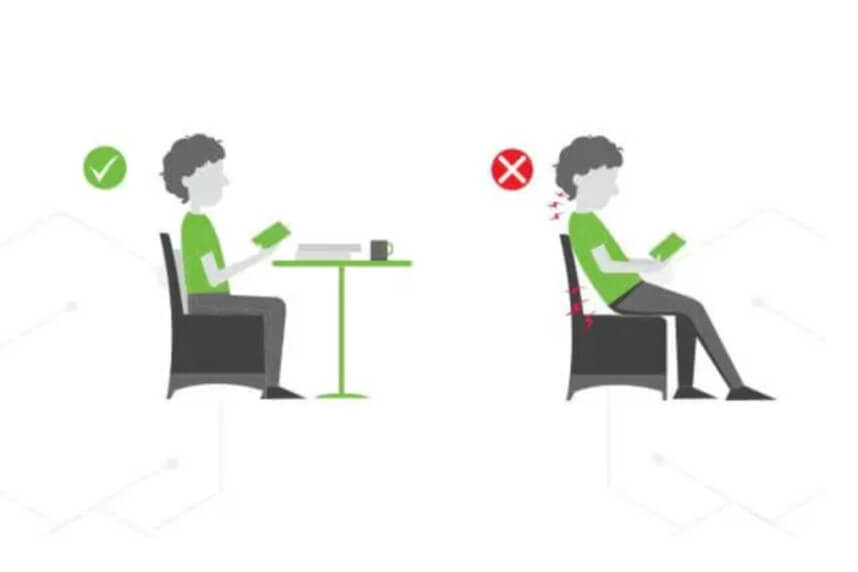
- The best position is sitting in your office chair using lumbar support to keep your head and neck upright.
- Take stretching and walking breaks if you sit for long periods (it is recommended to stand up every 30–40 minutes).
- Do not lean over the computer. Use a chair and desk suited to your height.
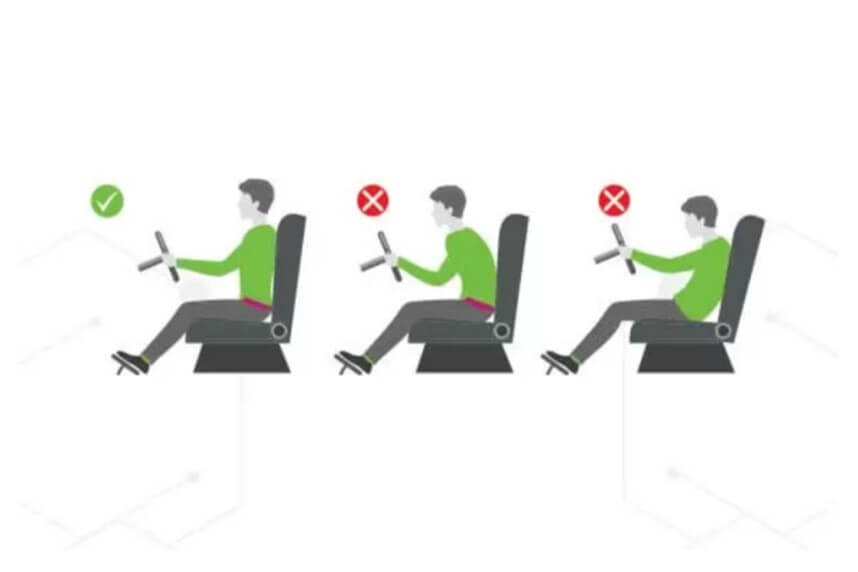
Correct Posture While Driving
Use either a rolled towel or a commercial lumbar support placed between your lower back and the seat for added comfort and support of the natural curve of the lower spine. Nowadays, cars have adjustable lumbar support. Use it!
Sleeping Position
- Avoid sleeping on your stomach.
- Sleep on your back using a cervical support pillow.
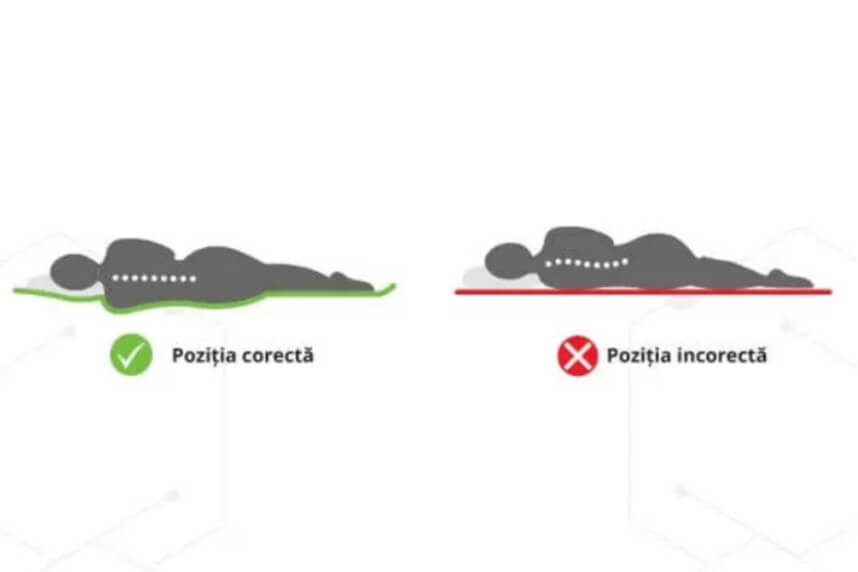
- When sleeping on your side, pull your knees toward your chest and use a thick pillow to keep your neck aligned with the rest of the spine.
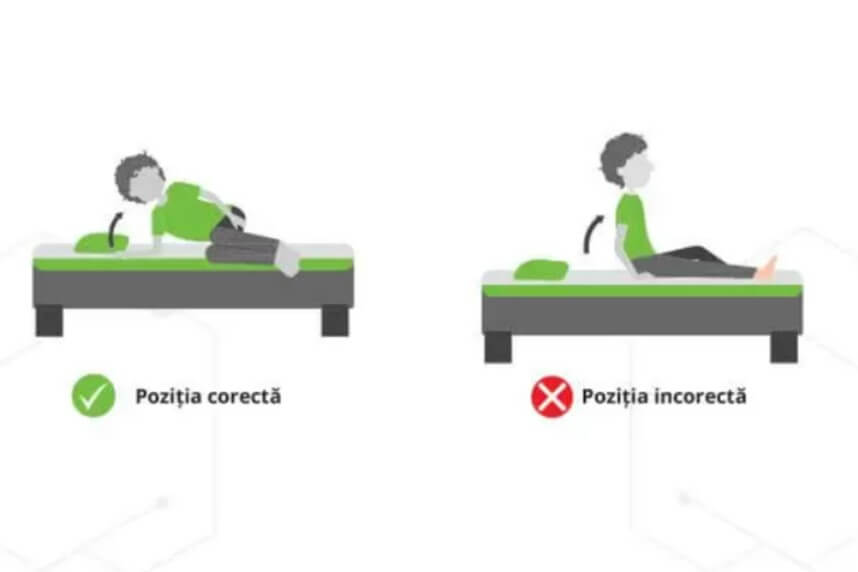
- To avoid straining your back, turn onto your side before getting up.
Household Activities
- To avoid bending your neck while reading, hold the book higher or use a support.
- When tying your shoes, avoid bending too far forward and use a support.
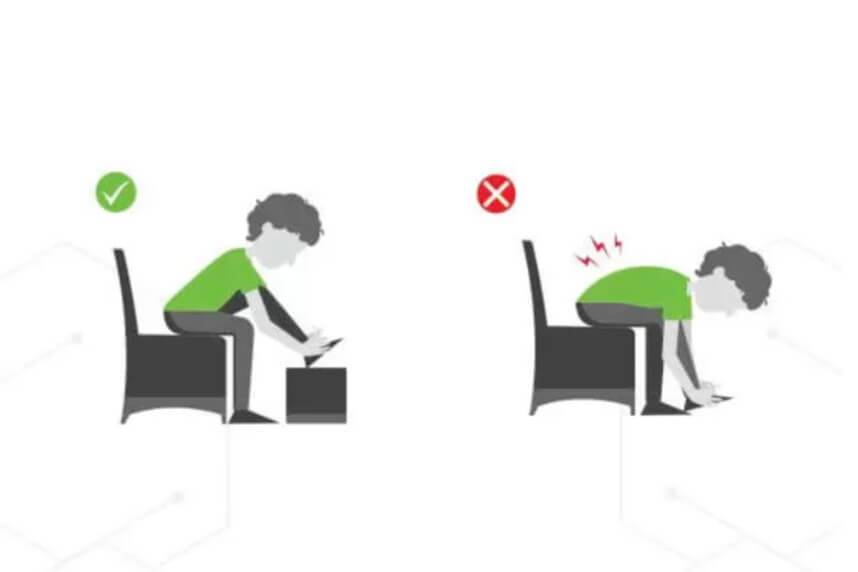
- When pulling an object, keep your back straight and avoid twisting.
- Be careful when carrying a bag. Do not overload it with unnecessary items, as increasing weight may unbalance the spine. The same applies to children’s backpacks.
- When talking on the phone, keep your head upright, hold the phone with your hand or use headphones (including at the office and in the car).
- Keep your back straight even during simple daily activities, avoiding bending and twisting movements. Pay close attention when lifting objects from the floor.
- Avoid lifting objects above shoulder level; use a ladder or long-handled tools.
Maintaining Weight to Prevent Back Pain
Try to achieve a weight close to your ideal body weight. Body Mass Index (BMI) is defined as the ratio between body weight in kilograms and the square of height in meters, expressed in kg/m2.
- BMI below 18.5 – High health risk. This value indicates health risks and is too low for optimal health.
- BMI 18.5–24.9 – Minimal/low health risk.
- BMI 25–29.9 – Low/moderate health risk.
- BMI 30–34.9 – Moderate/high health risk. This is a warning sign: change your diet now.
- BMI above 35 – High health risk. Excess weight severely affects your health. Lose excess weight.
A balanced diet and regular exercise help reduce symptoms and prevent future problems [2].
Modern Integrated Medical Recovery Techniques
A multidisciplinary approach achieves the best results. The medical team establishes the program according to the patient’s condition, objectives and realistic recovery possibilities.
- Integrated orthopedic, neurological and physiotherapy consultation.
- Personalized plan based on age, pathology and activity level.
- Advanced techniques such as spinal elongation therapies.
- Monitoring progress and adjusting interventions according to recovery.
The expertise of the medical team increases the chances of success, prevents complications and provides safety throughout every stage.
Early Intervention: Why It Is So Important
Remember that treatment started at the first signs reduces recovery time and prevents deterioration of spinal structures. Many complications can be avoided if you consult a doctor promptly.
Benefits of Early Evaluation and Treatment
- Faster resolution of acute symptoms.
- Prevention of irreversible disc or nerve damage.
- Minimized absence from professional or sports activities.
Scheduling an evaluation early means greater chances of returning pain-free to your favorite activities.
Maintenance Plan for the Spine
The maintenance plan is very important for preserving spinal health. First of all, try to adopt the rules presented above. Then:
- During the first 2 months, attend therapy sessions twice per week for kinetotherapy and spinal elongation to increase vertebral mobility, decompress the spine and reduce intervertebral pressure. Long term, simply solving the problem temporarily does not guarantee it will not return after stopping treatment.
- Starting from the third month, one session per week is usually sufficient.
- During these maintenance sessions, our physiotherapists can adapt procedures to your local condition – for example, replacing certain therapies depending on your level of pain.
- Once per month, one of our doctors should evaluate your medical progress. In selected cases and according to international protocols, local infiltrations may be associated for improved evolution.
- The need for imaging investigations (X-ray, MRI) will be established by the doctor during consultations. All necessary imaging investigations are supervised by Dr. Sorin Ghiea, president of the Romanian Society of Musculoskeletal Investigations and one of the experienced radiologists in Romania.
- Whenever we need the opinion of a neurologist or neurosurgeon, Centrokinetic collaborates with our colleagues from the NeuroAxis clinic.

Preventing back pain begins with awareness of posture and daily movement. Through simple changes at home and specialized support, you can avoid major problems and maintain a healthy spine. Do not wait for the condition to worsen – schedule an appointment at Centrokinetic now for a personalized evaluation and an effective prevention plan. Contact us for an appointment!
Frequently Asked Questions / FAQ
How often should I exercise to prevent back pain?
Perform core strengthening and stretching exercises at least 2–3 times per week, in addition to daily movement such as walking. Regular breaks at the office and proper posture are essential for long-term results.
Is it normal to have back pain after a long day at the office?
Yes, especially if you remain seated for long periods without movement. Breaks every 30–40 minutes, lumbar support and stretching significantly reduce discomfort. If symptoms persist, consult a specialist for evaluation.
Can I prevent back pain just by changing my mattress?
A firm mattress and a proper pillow help, but they are not enough on their own. Combine them with correct daily posture, exercise and weight management for effective and long-lasting prevention.
Bibliography
- “Back pain - Symptoms and causes”, Mayo Clinic, 26 Sep. 2024.
- “Lower Back Pain: Causes, Symptoms & Treatment”, Cleveland Clinic, 13 Aug. 2024.
- “Low Back Pain fact sheet”, National Institute of Neurological Disorders and Stroke (NINDS/NIH), March 2020.
- “4 ways to turn good posture into less back pain”, Harvard Health Publishing, 18 Apr. 2020.
MAKE AN APPOINTMENT
CONTACT US
MAKE AN APPOINTMENT
FOR AN EXAMINATION
See here how you can make an appointment and the location of our clinics.
MAKE AN APPOINTMENT
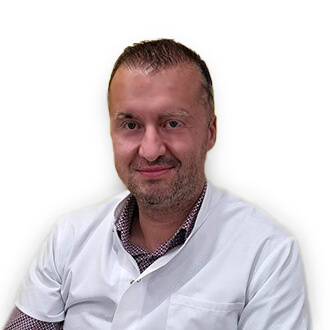
BUCHAREST TEAM





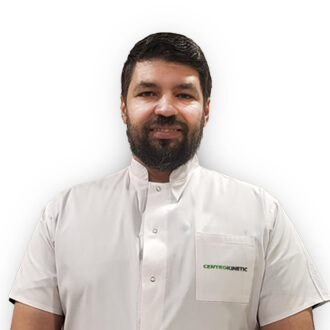












































CLUJ NAPOCA TEAM






























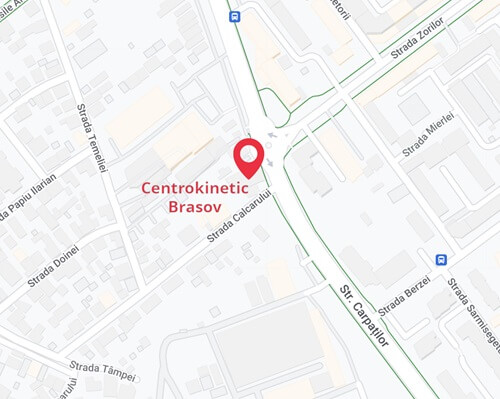
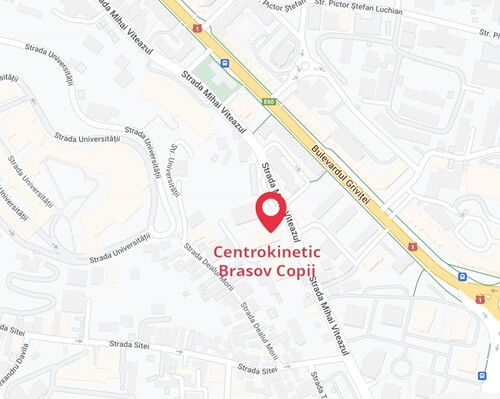
BRASOV TEAM



















Asiguratori privati




Parteneriate


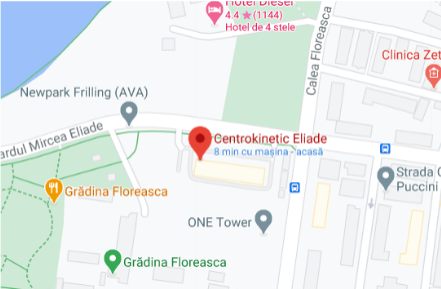
CENTROKINETIC FLOREASCA
Bucharest, 1st District,
Mircea Eliade Street, no. 18,
Eliade Tower, Entrance A, Floor 3
| Navigation | Explore 3D |
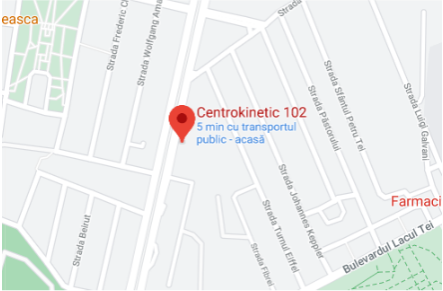
CENTROKINETIC Barbu Vacarescu
Bucharest, 2nd District,
Barbu Vacarescu Street, no. 102,
102 The Address, ground floor.
| Navigation | Explore 3D |
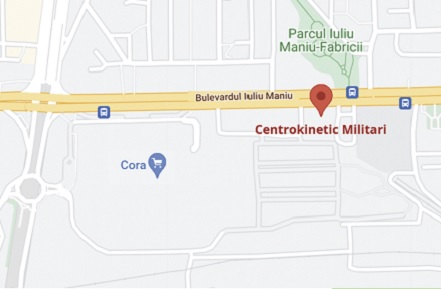
CENTROKINETIC MILITARI
Bucuresti, Sector 6,
Bld. Iuliu Maniu, nr. 15G,
Cladirea PBT, etaj 3.
| Navigation |
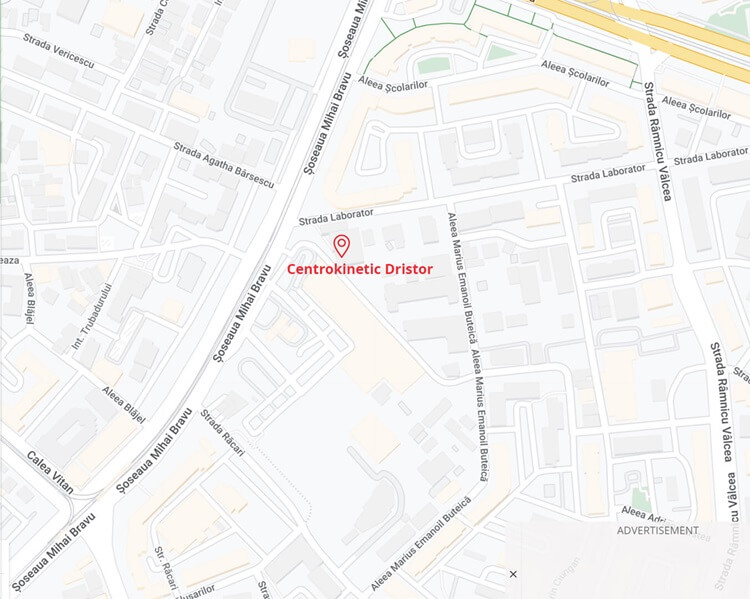
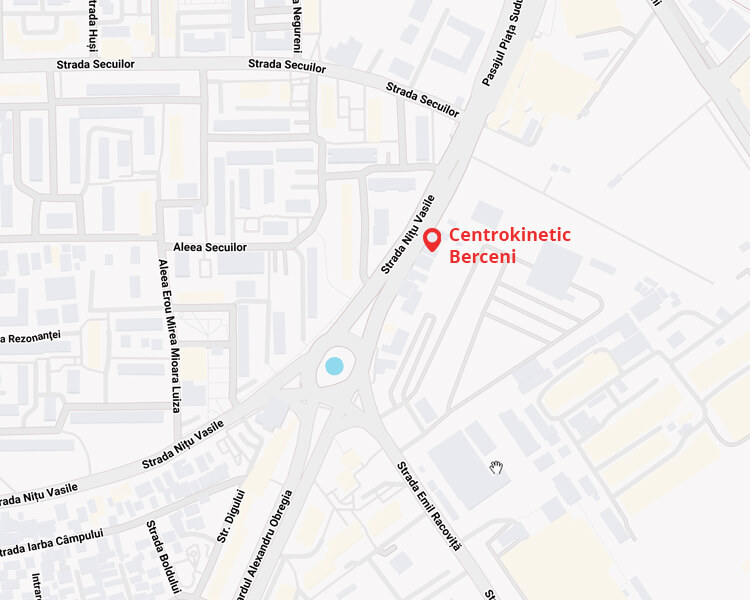
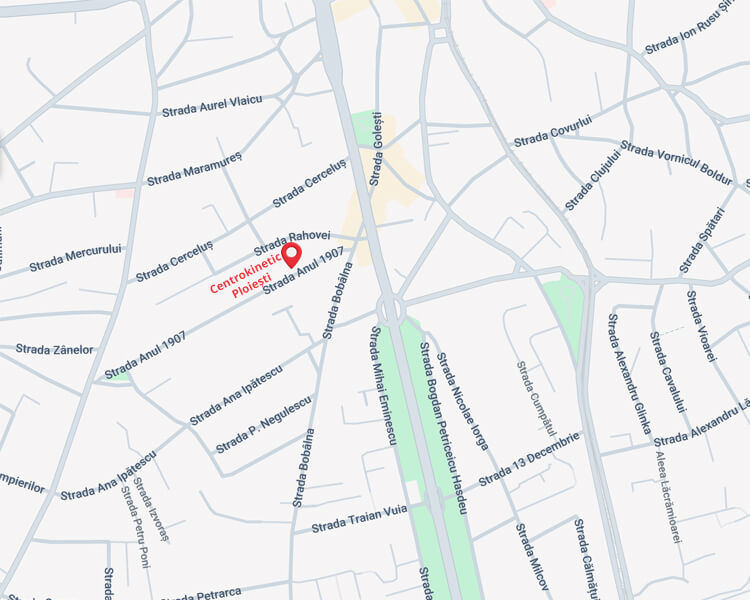
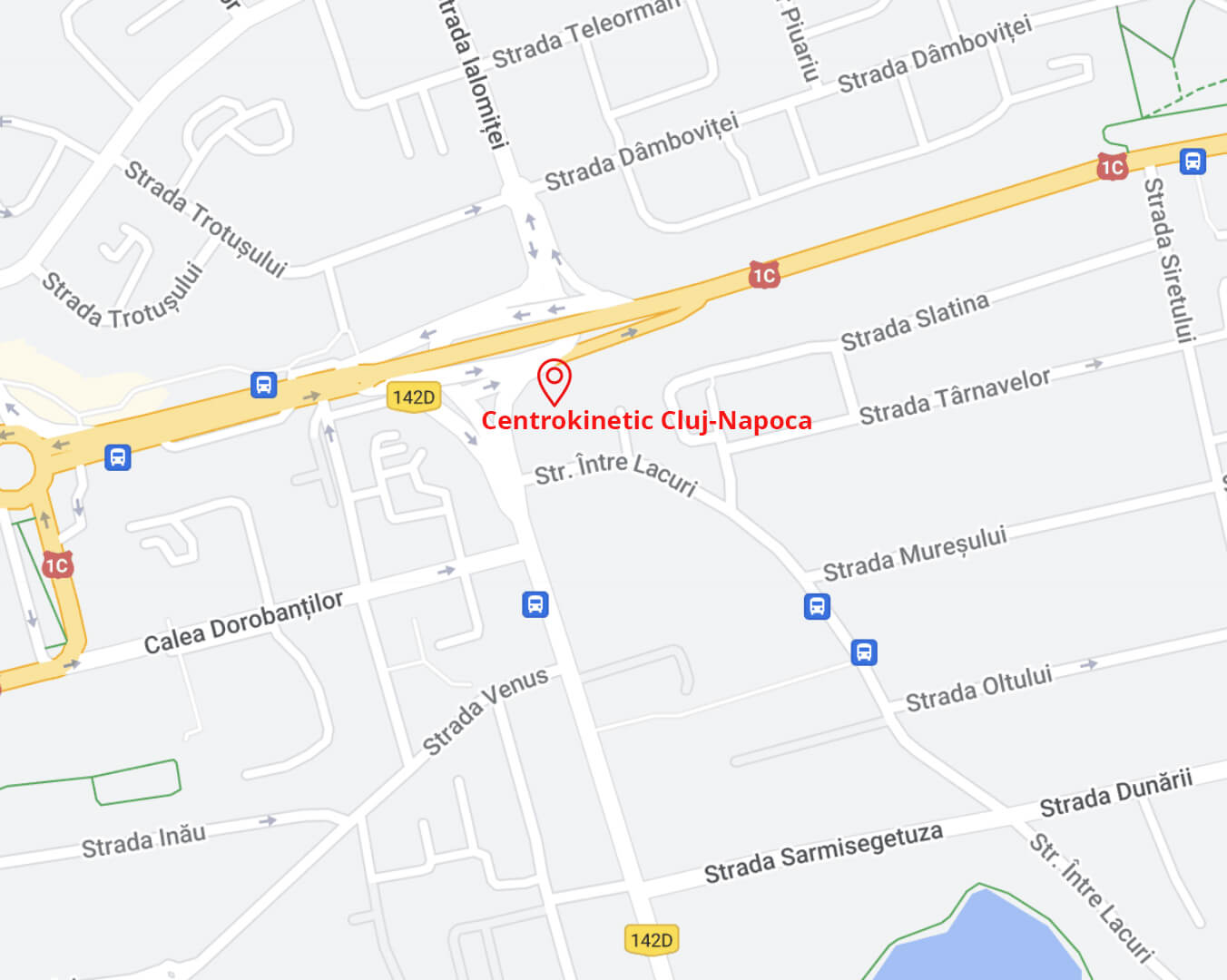
CENTROKINETIC CLUJ-NAPOCA
Cluj-Napoca,
Str. Intre Lacuri, nr.1
Intrarea este in spatele cladirii.
| Navigation |
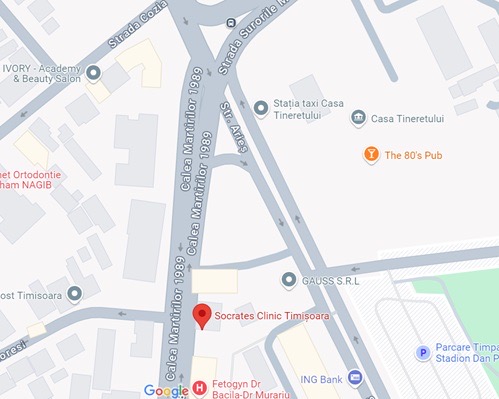
SOCRATES CLINIC TIMISOARA
Timisoara, Calea Martirilor 1989,
nr. 1.
Telefon: 0371 785 374.
| Navigation |
CONTACT
Phone: 0319693
E-mail: programari@centrokinetic.ro
Operating hours:
Monday – Friday: 07:00 – 21:00
Saturday: 09:00 – 14:00
Sunday: closed.
MAKE AN APPOINTMENT