Hyaluronic Acid Injections: Advantages, Indications, and Procedure


.jpg "e1a979bcc525311b371bbd8dbb627f01e5")
Joint pain can limit your workouts, affect walking over longer distances, or your usual daily activities. Whether you're active, play sports at an amateur or performance level, are recovering after surgery, or are looking for solutions for your child, you need clear and effective options. Hyaluronic acid infiltrations are one of the methods frequently used to reduce pain and improve mobility in arthrosis and other joint conditions.
This guide explains what hyaluronic acid infiltrations are, when they are recommended, how the procedure is carried out, what benefits and limitations exist, and why evaluation is important. You will also learn what recovery involves, what risks exist, and how you can choose the right option for you, together with the orthopedic doctor.
What are hyaluronic acid infiltrations?
Hyaluronic acid infiltrations are intra-articular injections through which the doctor introduces this substance directly into the affected joint, with the goal of improving lubrication, reducing friction, and relieving pain during movement. To better understand this process, here are more details about hyaluronic acid.

What is hyaluronic acid and how does it act in joints?
Hyaluronic acid is a substance naturally present in the body. At the joint level, it is part of the composition of the synovial fluid, the fluid that lubricates the joint and helps absorb shocks during movement.
In a healthy joint, the synovial fluid has a viscous consistency, which allows the cartilaginous surfaces to slide without excessive friction. In arthrosis, the concentration and quality of hyaluronic acid decrease. As a result, the cartilage can thin, and inflammation and pain can gradually appear.
Through infiltration, the doctor introduces hyaluronic acid directly into the joint. The procedure is called viscosupplementation and aims to:
- improve joint lubrication;
- reduce friction between joint surfaces;
- decrease pain during movement;
- support joint function.
In most cases, the results are better in the mild and moderate stages of arthrosis.
What does intra-articular infiltration mean?
Intra-articular infiltration involves injecting a substance directly into the joint space. Unlike orally administered medications, when this method is used, the substance acts locally, exactly where the problem is.
It is important to differentiate hyaluronic acid from corticosteroids:
- corticosteroids reduce inflammation quickly, being useful in acute painful flare-ups;
- hyaluronic acid works by improving the mechanical properties of the synovial fluid and offers longer-term benefits.
Also, the hyaluronic acid used in orthopedics is not identical to the one used for aesthetic purposes. The formula and concentration differ depending on the indication.
What conditions are hyaluronic acid infiltrations recommended for?
The correct indication depends on the diagnosis. That is why a thorough orthopedic evaluation is extremely important.
Gonarthrosis (knee arthrosis)
The knee bears the body's weight and is frequently affected by wear. Gonarthrosis occurs more often in:
- active adults over 40-50 years of age;
- overweight people;
- athletes with a history of trauma;
- patients previously operated on the knee.
In early or moderate stages, infiltrations can reduce pain and improve mobility. In advanced stages, with significant cartilage destruction, their effectiveness decreases. That is why it is preferable for the intervention to take place as early as possible.
Coxarthrosis (hip arthrosis)
Coxarthrosis affects walking, getting up from a chair, and sports activities. Hip infiltrations frequently require ultrasound guidance for correct positioning of the needle.
For patients who wish to delay surgery or who do not have an immediate indication for a joint replacement, this option can bring pain relief and increased walking tolerance.
Shoulder, ankle, and other joints
Infiltrations can also be used for:
- shoulder arthrosis;
- ankle arthrosis;
- chondropathies (cartilage lesions);
- certain joint conditions associated with persistent pain, as indicated by the doctor.
For example, in the case of an amateur athlete with ankle pain after repeated sprains, infiltration can be part of a broader plan that includes physical therapy and correcting muscle imbalances. In some situations, the doctor may recommend combining it with biological therapies, such as PRP infiltrations, depending on the type of injury and recovery goals.
How is a hyaluronic acid infiltration performed?
The initial consultation and the importance of a proper evaluation
Not every joint pain can be relieved through infiltration. The orthopedic doctor will:
- perform a detailed clinical examination;
- review imaging investigations (X-ray, MRI, ultrasound);
- assess your medical history;
- discuss your activity level and your goals.
The benefits of a proper evaluation are clear:
- an accurate diagnosis is established;
- unnecessary treatments are avoided;
- the optimal timing for intervention is chosen;
- the risk of complications is reduced.
An experienced team, such as the one at Centrokinetic, integrates the clinical consultation and the imaging investigations to offer you a personalized recovery plan.
Steps of the procedure
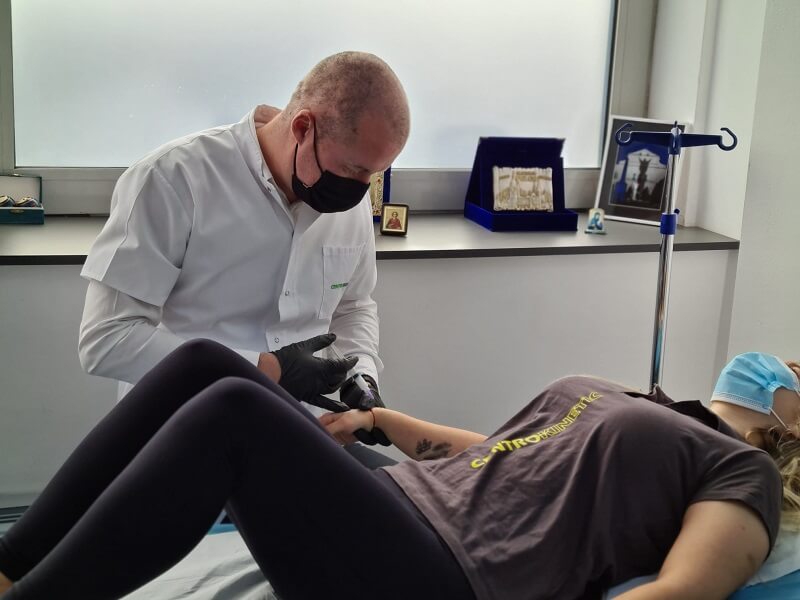
The procedure takes a few minutes and is carried out under strict sterile conditions.
The main steps include:
- correctly positioning the joint;
- disinfecting the skin;
- local anesthesia, if needed;
- aspirating excess fluid, if applicable;
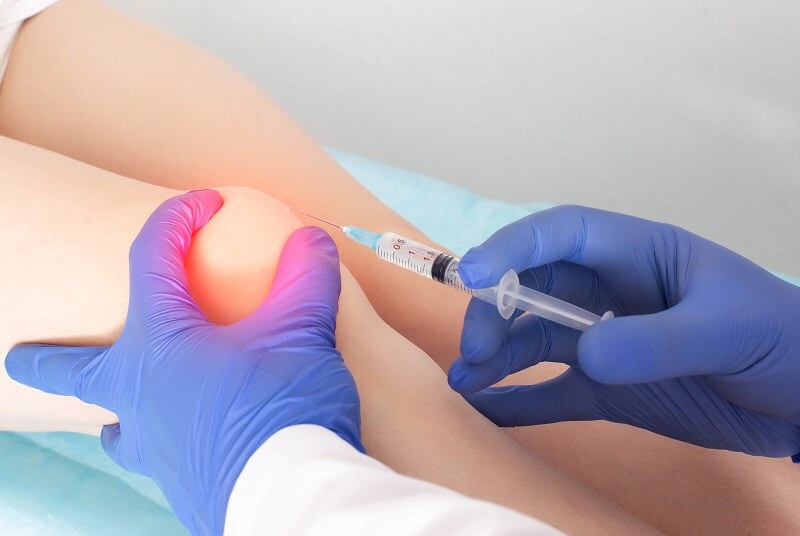
- injecting the hyaluronic acid;
- using ultrasound guidance, if needed.
Most patients feel minimal discomfort, described as slight pressure.
What should you do after the infiltration?
After the procedure:
- avoid intense effort for 24-48 hours;
- apply ice if local discomfort occurs;
- gradually resume physical activity;
- follow the recommended recovery program.
The effect does not appear immediately. Generally, improvement sets in within 2-6 weeks and can last between 6 and 12 months, depending on the case.
Types of hyaluronic acid infiltrations
There are several formulas and protocols. The choice depends on age, the degree of damage, and the activity level.
- Single dose: one single injection, high concentration. Suitable for active patients who want a simplified schedule.
- 2-3 injections 7 days apart: fractionated doses. Suitable for mild or moderate arthrosis.
- High molecular weight products: increased viscosity. Suitable for joints with more significant wear.
This information is for guidance only. The doctor always personalizes the treatment schedule, in order to achieve optimal results.
Advantages of hyaluronic acid infiltrations
In clinical practice, patients frequently report:
- reduced pain when walking or climbing stairs;
- increased range of motion;
- decreased use of anti-inflammatory drugs;
- improved exercise tolerance;
- delaying surgery, in selected cases.
Typically, the treatment is integrated into a broader medical rehabilitation plan, which includes physical therapy and useful information about joint protection. It is important to have realistic expectations. Infiltrations do not fully restore destroyed cartilage and do not replace a surgical indication when it is clear.
Contraindications and possible side effects
When are infiltrations not recommended?
The doctor may recommend avoiding the procedure in the following situations:
- local or systemic infections;
- known allergy to the substance;
- severe coagulation disorders;
- skin lesions at the injection site;
- certain contexts during pregnancy, after individual evaluation.
What reactions can occur?
In most cases, the procedure is well tolerated. The following may occur:
- mild transient pain;
- local swelling;
- temporary inflammatory reaction.
Joint infection is rare, but requires urgent treatment. If symptoms such as fever, intense pain, or significant swelling appear, contact your doctor immediately!
How long does the effect last and how can you prolong it?
The average duration of the effect is 6-12 months. This varies depending on:
- the stage of the arthrosis;
- body weight;
- the nature of physical activity;
- compliance with the recovery program.
Combining it with physical therapy helps stabilize the joint and reduce overload. For example, strengthening the thigh muscles in a patient with gonarthrosis can reduce pressure on the knee and help maintain results for longer. Early intervention and a personalized approach increase the chances of a favorable course.
When are infiltrations no longer enough?
There are situations where pain persists and mobility remains severely limited, despite complete conservative treatment. Signs indicating the need for reassessment include:
- constant pain, including at rest;
- major limitation of walking;
- progressive joint deformities;
- lack of response to repeated treatments.
In such cases, the doctor may recommend other options, including surgery. The decision is made after a careful analysis of the benefits and risks.
Personalized approach and medical expertise
.jpg "e1f6c9526cb54e10d54b4ccfb5f36b41f1")
Each patient has a different context: age, activity level, associated conditions, personal goals. That is why treatment does not follow a fixed template. A specialized team:
- establishes the correct diagnosis;
- chooses the right product;
- integrates the infiltration into the recovery plan;
- monitors progress.
If you are dealing with joint pain and need a clear evaluation, act early. Book an appointment now for a specialist consultation!
Frequently asked questions about hyaluronic acid infiltrations
Are hyaluronic acid infiltrations painful?
Most patients describe minimal discomfort, similar to a regular injection. The procedure is short, and the doctor can use local anesthesia for additional comfort.
Can I do sports after an infiltration?
You can resume light activities after 2-3 days, if no symptoms occur. High-impact sports are resumed gradually, according to the recommendations of the doctor and the physical therapist.
How often can I repeat the infiltrations?
Generally, infiltrations can be repeated every 6-12 months, if symptoms reappear and there is a medical indication. Each repetition requires a clinical reassessment.
Are hyaluronic acid infiltrations also suitable for young people?
Yes, in certain situations, such as chondropathies or early-stage lesions, the doctor may recommend infiltrations for young patients too, especially if they play sports.
Can I avoid surgery if I get infiltrations?
In mild or moderate stages, infiltrations can delay surgery. In advanced forms, they can temporarily reduce symptoms, but they do not replace a surgical indication when it is clear.
Disclaimer: This article is intended for informational purposes only and does not replace a medical consultation!
Centrokinetic is the place where you will find clear answers and effective solutions for musculoskeletal conditions. Our clinic, dedicated to musculoskeletal disorders, is organized into the following specialized departments:
- Orthopedics, a department composed of a highly experienced team of orthopedic surgeons specializing in sports traumatology.
- Pediatric Orthopedics, where sports injuries in children (ligament and meniscus injuries), spinal deformities (scoliosis, kyphosis, hyperlordosis), and foot deformities (hallux valgus, hallux rigidus, equinovarus foot, flatfoot, cavus foot) are treated.
- Neurology, featuring a state-of-the-art department where consultations, electroencephalograms (EEG), and electromyography (EMG) examinations are performed.
- Medical Rehabilitation for adults and children, a department specialized in the rehabilitation of professional athletes, spinal disorders, and children with neurological and traumatic conditions. Our extensive experience includes treating more than 5,000 professional athletes.
- Medical Imaging, with the clinic equipped with ultrasound and MRI systems dedicated to musculoskeletal conditions, complemented by an experienced radiologist, Dr. Cosmin Pantu, specialized in musculoskeletal imaging.
- Rheumatology, a comprehensive department dedicated to the diagnosis, treatment, and rehabilitation of patients with non-surgical musculoskeletal disorders.
- Vascular Surgery, a highly specialized department focused on the diagnosis and treatment of vascular diseases affecting arteries, veins, and lymphatic vessels.
- Psychology and Speech Therapy. Neurological and musculoskeletal conditions can have a psychological impact on patients, which is why we believe complete recovery requires addressing both the physical condition and its psychological consequences.
- Neurofeedback. This innovative method helps improve concentration, reduce anxiety, and achieve emotional balance through a simple and interactive process.
Stay up to date by following Centrokinetic on Facebook, Instagram, and YouTube.
Sources:
- "Hyaluronic Acid (Injection Route) - Side Effects & Uses." Mayo Clinic, 2026, https://www.mayoclinic.org/drugs-supplements/hyaluronic-acid-injection-route/description/drg-20074557. Accessed June 30, 2026.
- "Hyaluronic Acid Injections." Arthritis.Org, 18 Dec. 2025, https://www.arthritis.org/health-wellness/treatment/treatment-plan/disease-management/hyaluronic-acid-injections-for-knee-pain. Accessed June 30, 2026.
- "Knee Gel Injections (Viscosupplementation)" Cleveland Clinic, 7 Sept. 2023, https://my.clevelandclinic.org/health/procedures/knee-gel-injections-viscosupplementation. Accessed June 30, 2026.
MAKE AN APPOINTMENT
FOR AN EXAMINATION
See here how you can make an appointment and the location of our clinics.
MAKE AN APPOINTMENT
BUCHAREST TEAM


































































CLUJ NAPOCA TEAM


































BRASOV TEAM


















Asiguratori privati





Parteneriate



CENTROKINETIC FLOREASCA
Bucharest, 1st District,
Mircea Eliade Street, no. 18,
Eliade Tower, Entrance A, Floor 3

| Navigation | Explore 3D |
CENTROKINETIC Barbu Vacarescu
Bucharest, 2nd District,
Barbu Vacarescu Street, no. 102,
102 The Address, ground floor.

| Navigation | Explore 3D |
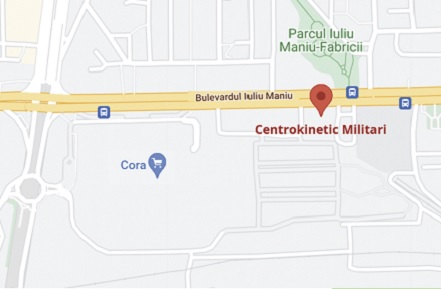
CENTROKINETIC MILITARI
Bucuresti, Sector 6,
Bld. Iuliu Maniu, nr. 15G,
Cladirea PBT, etaj 3.
| Navigation |
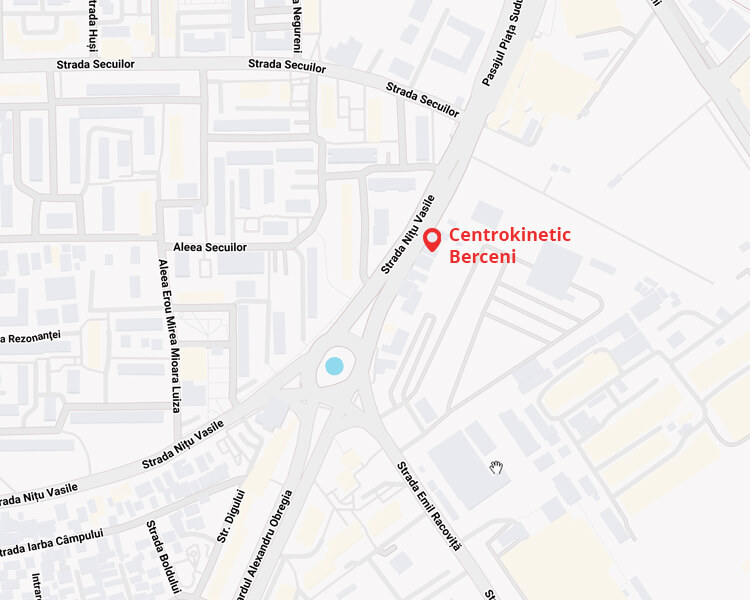
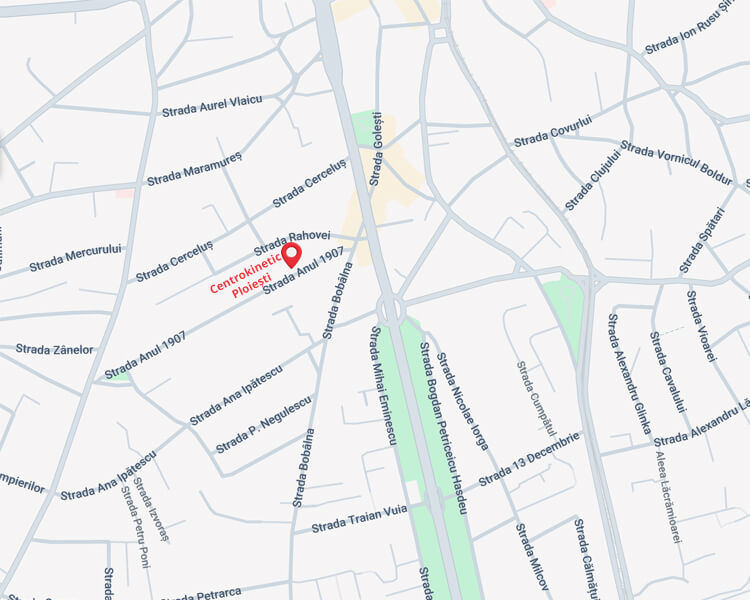
CENTROKINETIC CLUJ-NAPOCA
Cluj-Napoca,
Str. Intre Lacuri, nr.1
Intrarea este in spatele cladirii.
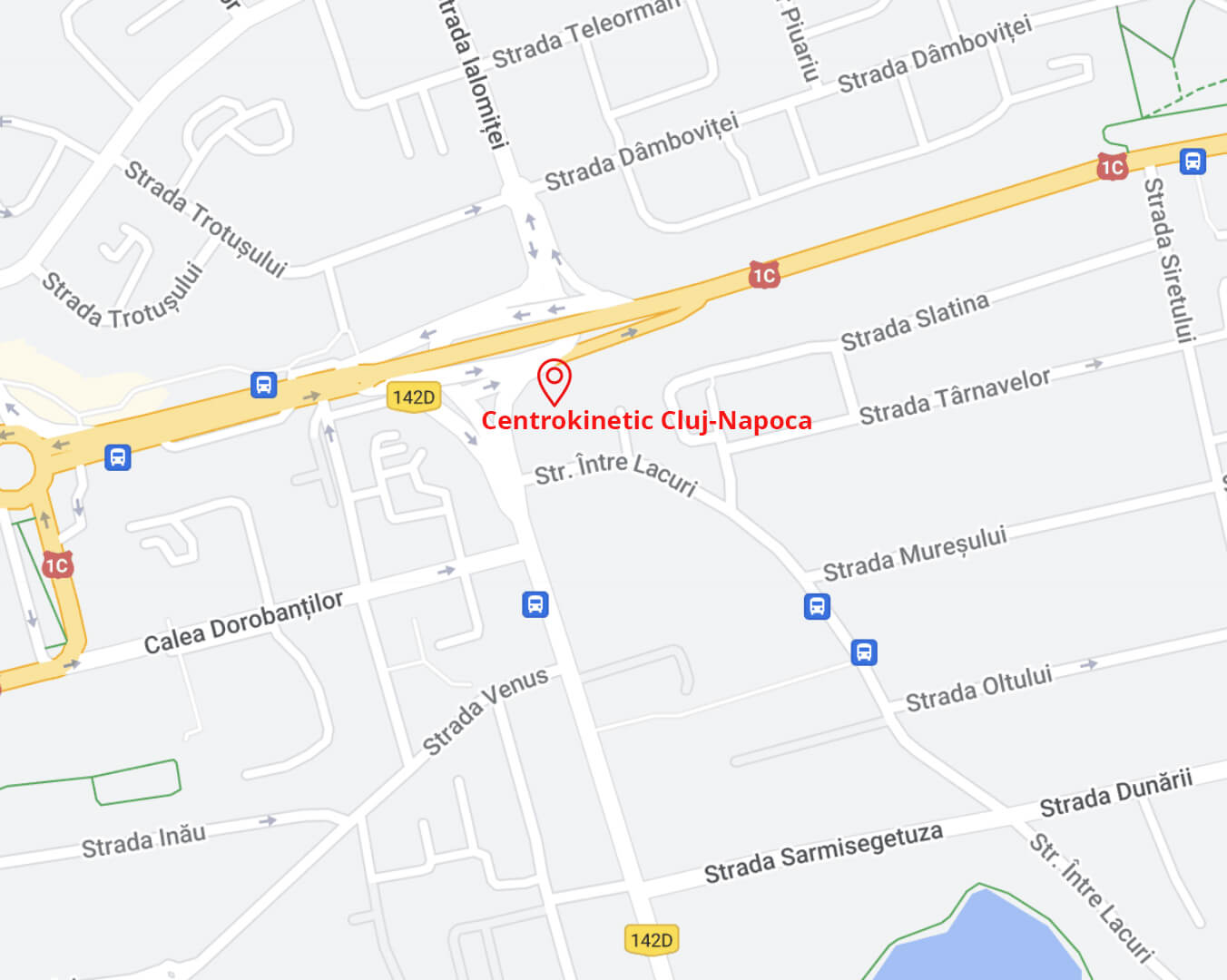
| Navigation |


SOCRATES CLINIC TIMISOARA
Timisoara, Calea Martirilor 1989,
nr. 1.
Telefon: 0371 785 374.

| Navigation |
CONTACT
Phone: 0319693
E-mail: programari@centrokinetic.ro
Operating hours:
Monday – Friday: 07:00 – 21:00
Saturday: 09:00 – 14:00
Sunday: closed.
MAKE AN APPOINTMENT