

.jpg)
Hydrarthrosis, a condition also known as water on the knee, is caused by an accumulation of fluid inside or around the knee joint. The most common causes are injury to the knee ligaments and cartilage, infections, or arthritis. A small amount of fluid is normally present in joints. However, in some cases - for example in rheumatoid arthritis - excess fluid can accumulate, and the knee swells. Statistics suggest that 27% of people experience water on the knee at some point.
Discover in this article the causes of hydrarthrosis, the symptoms that accompany this condition, how it is diagnosed, how it is treated, and what complications can occur.
- Anatomy of the knee
- Main causes of hydrarthrosis
- Symptoms and clinical signs
- Diagnosis and investigations
- Treatment of hydrarthrosis
- Prevention of hydrarthrosis
- Consequences and complications
Anatomy of the knee
The knee joint is made up of three bones: the thigh bone (femur), the tibia, and the kneecap. The head of the joint on the femur has two strong bony protrusions, the condyles, which are covered with articular cartilage. The articular surface of the tibia is called the tibial plateau. Two joints form the knee: the one between the thigh and the tibia (the tibiofemoral joint) and the one between the kneecap and the thigh (the patellofemoral joint). The menisci (the outer and inner meniscus) are made of fibrous cartilage and form the connection between the thigh bone and the tibia. They also ensure a better distribution of force in the knee. The knee is the largest joint in the body and contains cartilage, muscles, ligaments, and nerves.
Synovial fluid is a thick fluid located between joints. Its role is to reduce the impact of friction when you move your joints. When synovial fluid accumulates excessively at the knee joint, hydrarthrosis occurs.
Main causes of hydrarthrosis
Hydrarthrosis or water on the knee can have traumatic or non-traumatic causes. Traumatic knee swelling usually means you have suffered an injury, while non-traumatic knee swelling is usually caused by arthritis. Degenerative arthritis (osteoarthritis) and inflammatory arthritis (including rheumatoid arthritis and psoriatic arthritis) can cause swelling.
Other conditions that can cause non-traumatic knee swelling include:
- Autoimmune disorders
- Infections
- Bursitis
- Tendinitis.

Symptoms and clinical signs
Signs and symptoms of hydrarthrosis usually include:
- Swelling. The area around the kneecap may swell visibly, especially when comparing the affected knee with the other one.
- Stiffness. When the knee joint contains excess fluid, you may not be able to fully bend or straighten your leg.
- Pain. Depending on the cause of the fluid buildup, you may feel pain - to the point where it is impossible to bear weight on the knee.
To differentiate hydrarthrosis from other knee conditions, the specialist doctor will consider several factors, including medical history, physical examination results, and possibly imaging tests. Here are the elements that differentiate hydrarthrosis from other conditions with similar symptoms:
- History and onset of symptoms: Understanding when the symptoms started and any events that may have triggered them can provide valuable information. Hydrarthrosis can appear suddenly after an injury or can develop gradually due to another condition.
- Pain characteristics: Hydrarthrosis can cause joint pain that is often described as aching or throbbing, and the pain may worsen with movement. Other knee conditions may have different types of pain, such as sharp pain during certain movements or positions.
- Appearance of the knee: Hydrarthrosis usually causes visible swelling of the knee, but not always. Depending on the amount of fluid that has accumulated, the knee may appear rounder and fuller than normal, or it may look normal. The knee should not be red or hot to the touch. Other conditions, such as bursitis or tendinitis, can also cause swelling, but these tend to be located in other areas of the knee.
Diagnosis and investigations
For diagnostic purposes, the doctor will perform a clinical examination, then may request imaging tests to find out more information. These tests include:
- X-ray: Can rule out bone fractures or dislocations and can determine whether you have arthritis.
- MRI: Can detect injuries to the tendons, ligaments, and other soft tissues that are not visible on an X-ray.
- Ultrasound: This test establishes whether the tendons or ligaments are affected.
Another diagnostic method is joint aspiration and analysis of the synovial fluid. This procedure plays an important role in the differential diagnosis and helps identify the cause of the knee swelling.
Treatment of hydrarthrosis
There are several methods for treating hydrarthrosis. As soon as symptoms appear, avoid playing sports or any activity that could put pressure on the knee. In the case of non-traumatic hydrarthrosis, over-the-counter pain medications can relieve pain and reduce inflammation. If there is an injury or a certain condition, the specialist doctor may indicate a series of treatments. You may need:
- Rest and avoidance of activities that stress the knee joint.
- Crutches or a knee brace.
- Nonsteroidal anti-inflammatory drugs (NSAIDs), such as ibuprofen, to reduce pain and inflammation.
- Aspiration of fluid from the knee joint using a needle (arthrocentesis).
- Corticosteroid injections to reduce inflammation.
- Physical therapy to improve the strength and mobility of the knee.
Complications
In the absence of appropriate treatment, hydrarthrosis can cause complications, such as:
- Loss of muscle mass. The fluid accumulated in the knee can affect muscle function and can cause weakening and atrophy of the thigh muscles.
- Development of a Baker's cyst (a fluid-filled sac). The accumulation of fluid in the knee can lead to the formation of a Baker's cyst at the back of the knee. This can be painful, but usually improves with ice and compression. In more severe cases, the doctor may remove the fluid with a needle.
Prevention of hydrarthrosis
Here are some ways you can prevent hydrarthrosis from occurring:
During training or other physical activities:
- Wear appropriate protective equipment
- Give your body time to rest and recover after intense activity
- Do stretching exercises before and after training
Also, follow these general safety tips to reduce your risk of injury:
- Always use appropriate equipment to reach things positioned overhead
- Use a cane or crutch if you have difficulty walking or have an increased risk of falling
- Maintain a normal body weight.
Conclusion
To prevent the occurrence of hydrarthrosis, it is important to pay attention to the signals your body sends: is there swelling, stiffness, or pain? Have you suffered a knee injury or do you have another bone condition that could cause these symptoms? Also, wear protective equipment and suitable footwear during training, to protect your joints. If you are experiencing the symptoms described above, it is important to see a specialist doctor, who will perform a clinical examination, along with any imaging tests such as MRI, X-ray, or ultrasound. Depending on the severity of the symptoms and the causes of the condition, you may be recommended pain medication, physical therapy, or certain surgical interventions.
It is essential that, as soon as specific symptoms appear, you see a specialist doctor to recommend appropriate treatment. If you suspect you have this problem, make an appointment for a consultation or evaluation at one of the Centrokinetic clinics!
References
MAKE AN APPOINTMENT
FOR AN EXAMINATION
See here how you can make an appointment and the location of our clinics.
MAKE AN APPOINTMENT
BUCHAREST TEAM


































































CLUJ NAPOCA TEAM


































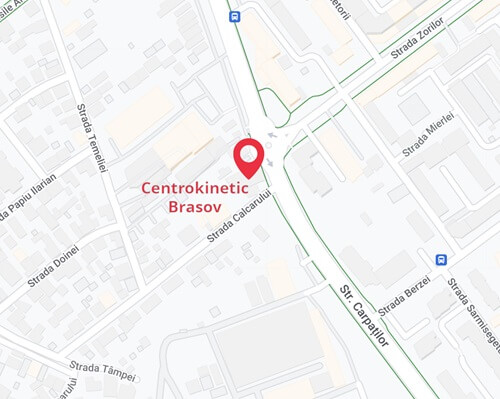
BRASOV TEAM


















Asiguratori privati





Parteneriate



CENTROKINETIC FLOREASCA
Bucharest, 1st District,
Mircea Eliade Street, no. 18,
Eliade Tower, Entrance A, Floor 3
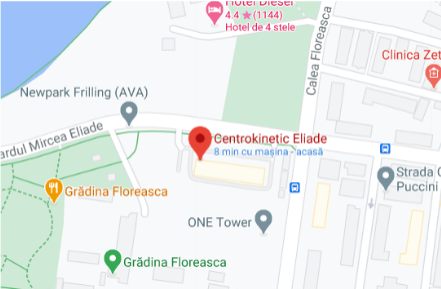
| Navigation | Explore 3D |
CENTROKINETIC Barbu Vacarescu
Bucharest, 2nd District,
Barbu Vacarescu Street, no. 102,
102 The Address, ground floor.
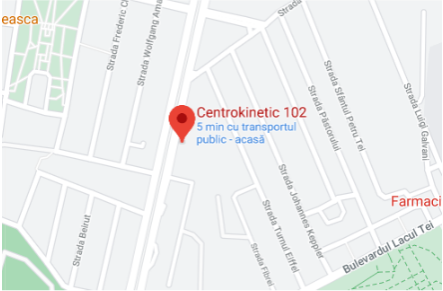
| Navigation | Explore 3D |
CENTROKINETIC MILITARI
Bucuresti, Sector 6,
Bld. Iuliu Maniu, nr. 15G,
Cladirea PBT, etaj 3.
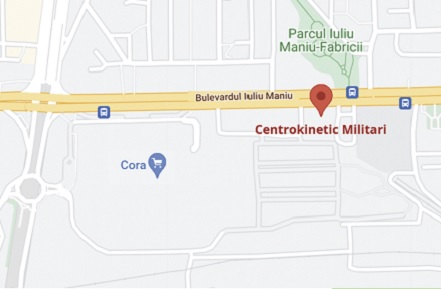
| Navigation |
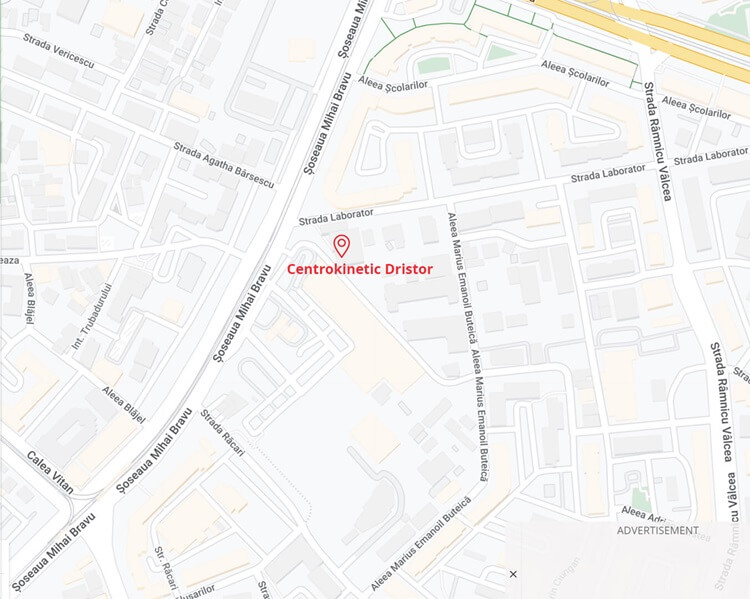
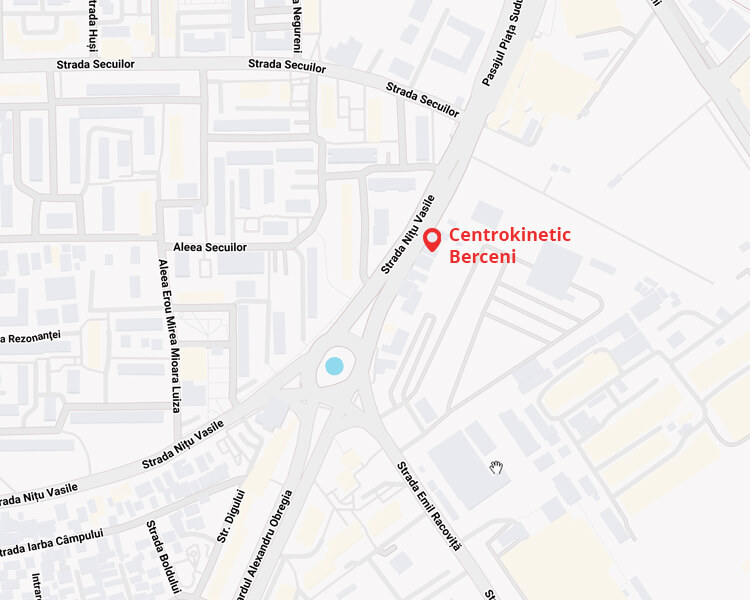
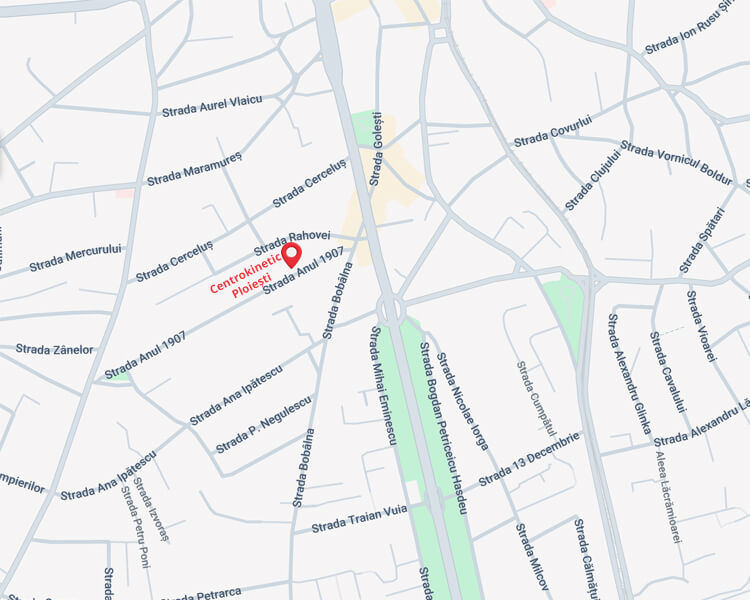
CENTROKINETIC CLUJ-NAPOCA
Cluj-Napoca,
Str. Intre Lacuri, nr.1
Intrarea este in spatele cladirii.
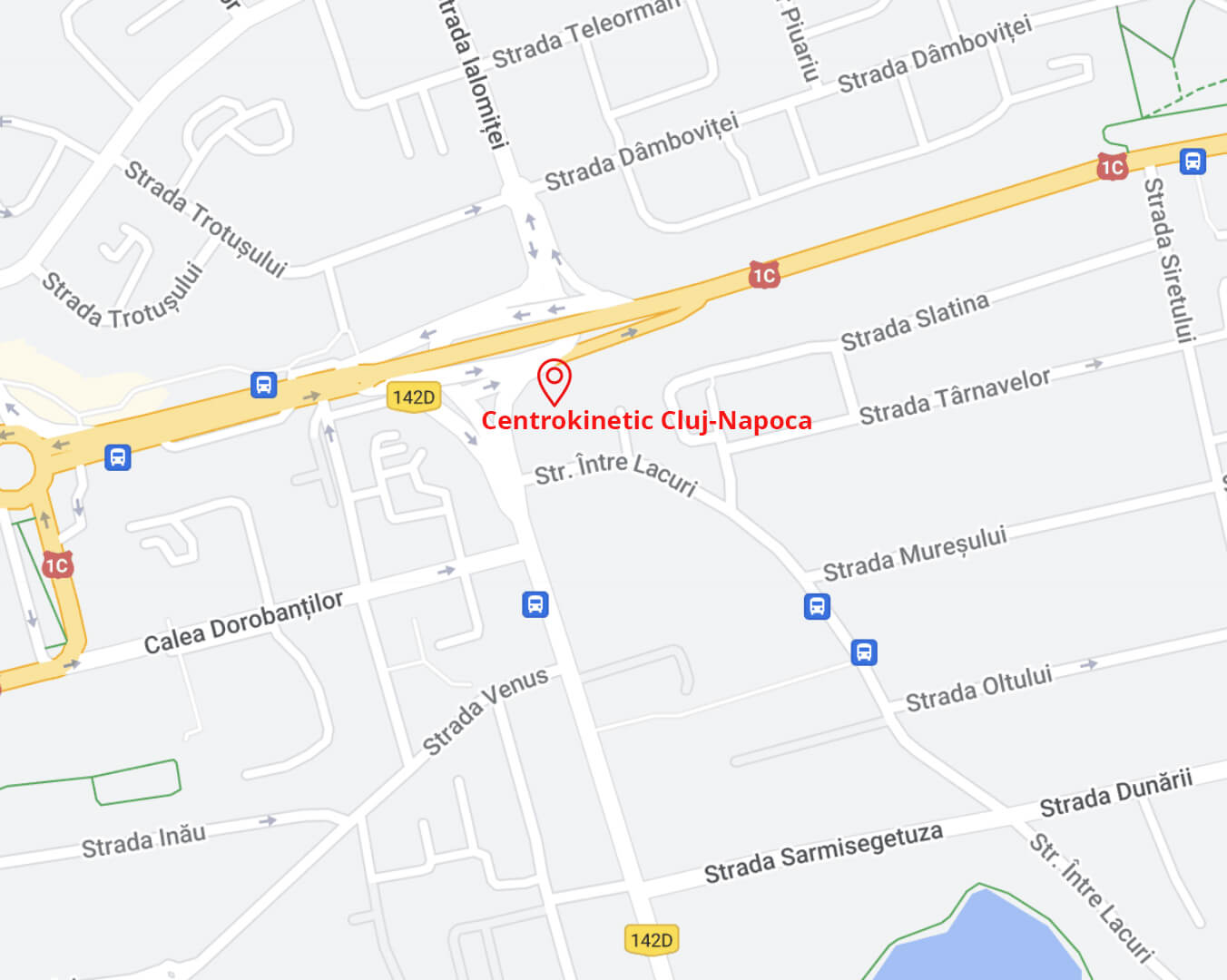
| Navigation |

SOCRATES CLINIC TIMISOARA
Timisoara, Calea Martirilor 1989,
nr. 1.
Telefon: 0371 785 374.
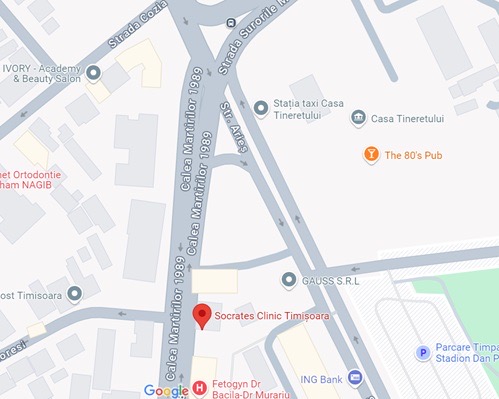
| Navigation |
CONTACT
Phone: 0319693
E-mail: programari@centrokinetic.ro
Operating hours:
Monday – Friday: 07:00 – 21:00
Saturday: 09:00 – 14:00
Sunday: closed.
MAKE AN APPOINTMENT