
See details
READ MORE

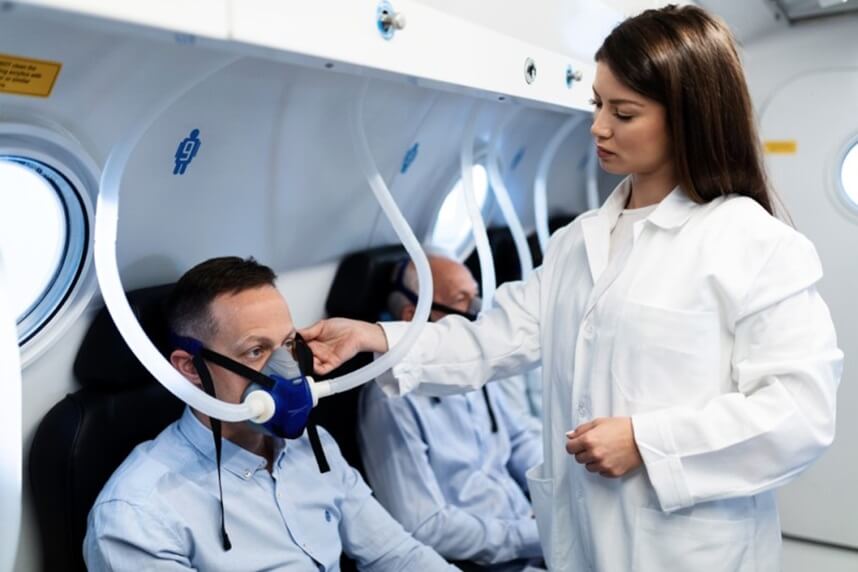
Hyperbaric oxygen therapy was viewed with skepticism for a long time. Some physicians considered it an experimental intervention, while others recommended it outside validated indications. Today, things are clearer. There are international guidelines, well-established indications, and published studies supporting the proper use of this therapy in certain medical conditions.
If you are recovering after surgery, dealing with a wound that heals slowly, or looking for complementary options to support recovery, you need evidence-based information. Understanding the real benefits, limitations, and scientifically validated indications helps you make an informed decision appropriate for your medical situation. Here is what you need to know!
Hyperbaric oxygen therapy (HBOT) involves breathing 100% medical oxygen inside a specialized chamber at pressures higher than atmospheric pressure. Normally, we breathe air containing 21% oxygen at 1 atmosphere (1 ATM). Inside the hyperbaric chamber, the pressure reaches 2–3 ATM.
This increase in pressure allows a larger amount of oxygen to dissolve directly into the blood plasma. As a result, oxygen reaches tissues with poor vascularization, where hemoglobin cannot transport enough oxygen. According to studies, this mechanism explains the usefulness of hyperbaric therapy in conditions where tissue hypoxia delays healing.
Medical literature describes several effects demonstrated through controlled studies. Specifically, hyperbaric oxygen therapy:
These mechanisms explain its effectiveness in chronic wounds, severe infections, and vascular complications. For optimal results, therapy should be integrated into a personalized recovery plan rather than applied in isolation.
HBOT is considered a standard treatment for:
HBOT is used as an adjunctive therapy in:
Evidence exists for its use in:
For active adults or post-operative patients, early intervention may shorten recovery time and reduce complications.
Amateur and professional athletes frequently seek solutions for more efficient recovery after sprains, muscle tears, or surgical procedures.
HBOT may contribute to:
For example, after anterior cruciate ligament reconstruction, therapy can be integrated into the physiotherapy program to support tissue regeneration. HBOT does not replace exercise or physiotherapy, but it may complement the treatment protocol.
For parents seeking modern recovery solutions for children with orthopedic conditions, proper evaluation determines whether there is a real indication. The medical team decides based on the diagnosis, age, and stage of the condition.
Some discussions stem from scientifically unvalidated uses. Online, there are frequent claims associating hyperbaric therapy with:
Randomized controlled studies are lacking in many of these situations or show inconsistent results. According to current evidence, hyperbaric therapy does not cure cancer. There is evidence supporting its use in post-radiotherapy complications, not as a primary oncological treatment.
Any medical intervention requires prior evaluation.
The physician carefully evaluates cases involving:
Review the detailed list of hyperbaric therapy contraindications before scheduling treatment.
Careful monitoring and adherence to protocols reduce risks. Results may vary depending on the diagnosis and individual response.
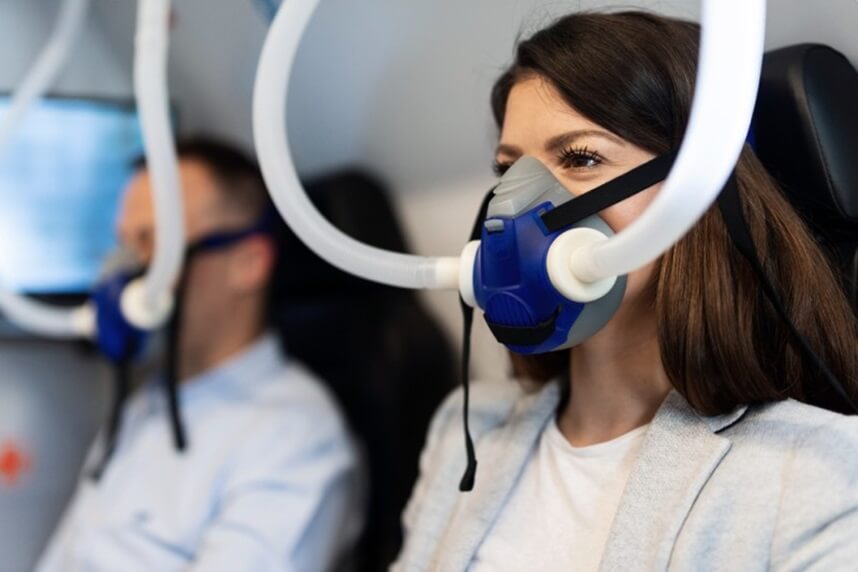
Before starting therapy, the physician performs a clinical consultation, reviews the medical history, and establishes the indication. This stage offers clear benefits: it identifies risks and allows protocol customization.
A session lasts approximately 90–120 minutes. After entering the chamber, pressure gradually increases while you breathe pure oxygen through a mask. You may feel pressure in your ears, similar to what happens during a flight. Medical staff continuously monitor you.
The number of sessions varies:
For orthopedic recovery, the physician adjusts duration and frequency according to the patient's progress.
Normobaric oxygen therapy uses increased oxygen concentrations at pressures close to atmospheric pressure. Hyperbaric therapy involves increasing pressure above 1 ATM. The additional pressure allows oxygen to dissolve into plasma at levels that produce documented clinical effects. This is why only hyperbaric therapy has standardized medical indications.
Its current acceptance is based on:
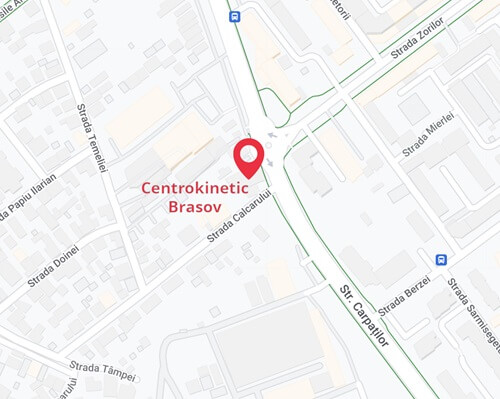
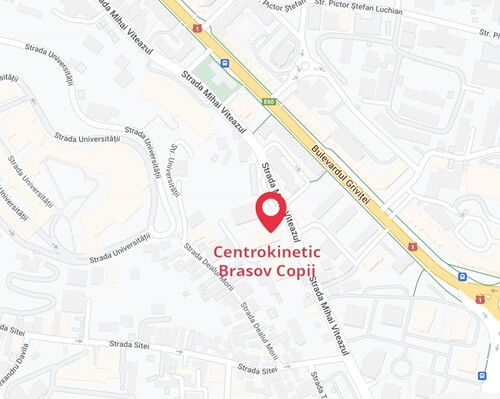
If you want to include hyperbaric oxygen therapy in a recovery plan, the medical context in which it is performed matters greatly. Centrokinetic provides access to integrated evaluation and recovery services in Bucharest, Cluj-Napoca, Brasov, and Timisoara, ensuring that the indication for HBOT begins with a detailed medical consultation.
In Bucharest, there is a hyperbaric medicine center equipped with a 5-seat Baroks chamber operating at a constant pressure of 3 atmospheres and using protocols adapted to each indication. At the same time, you can continue with medical recovery, physiotherapy, physical therapy, and other services depending on your condition and treatment goals. In this way, hyperbaric therapy remains an adjunctive intervention integrated into a clear treatment and monitoring pathway.
No. The physician must determine whether tissue hypoxia or a valid indication exists. In many cases, physiotherapy remains the main treatment, while HBOT may complement the therapeutic plan.
It depends on the diagnosis. In chronic conditions, most protocols include 20–40 sessions for optimal results. The physician adjusts the treatment plan according to the patient's progress.
It may be used in certain pediatric indications, but only after rigorous medical evaluation and careful monitoring. Speak with a specialist before making a decision.
This material is for informational purposes only and does not replace medical consultation. Speak with a specialist before deciding on therapy. Early intervention and proper evaluation increase the chances of effective recovery. Schedule your consultation at Centrokinetic today!
See details
READ MORESee details
READ MORESee details
READ MORESee here how you can make an appointment and the location of our clinics.






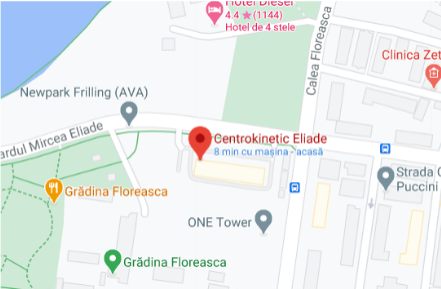
CENTROKINETIC FLOREASCA
Bucharest, 1st District,
Mircea Eliade Street, no. 18,
Eliade Tower, Entrance A, Floor 3
| Navigation | Explore 3D |
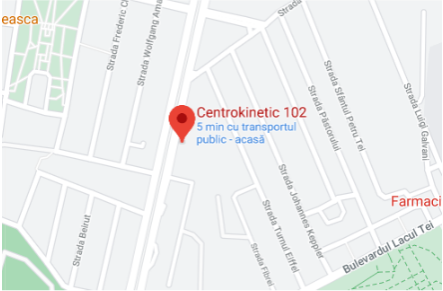
CENTROKINETIC Barbu Vacarescu
Bucharest, 2nd District,
Barbu Vacarescu Street, no. 102,
102 The Address, ground floor.
| Navigation | Explore 3D |
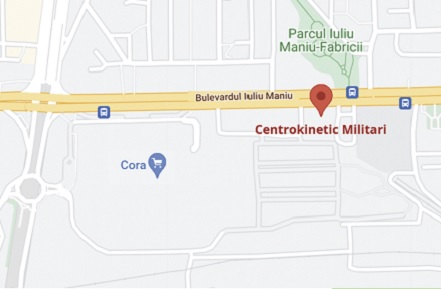
CENTROKINETIC MILITARI
Bucuresti, Sector 6,
Bld. Iuliu Maniu, nr. 15G,
Cladirea PBT, etaj 3.
| Navigation |
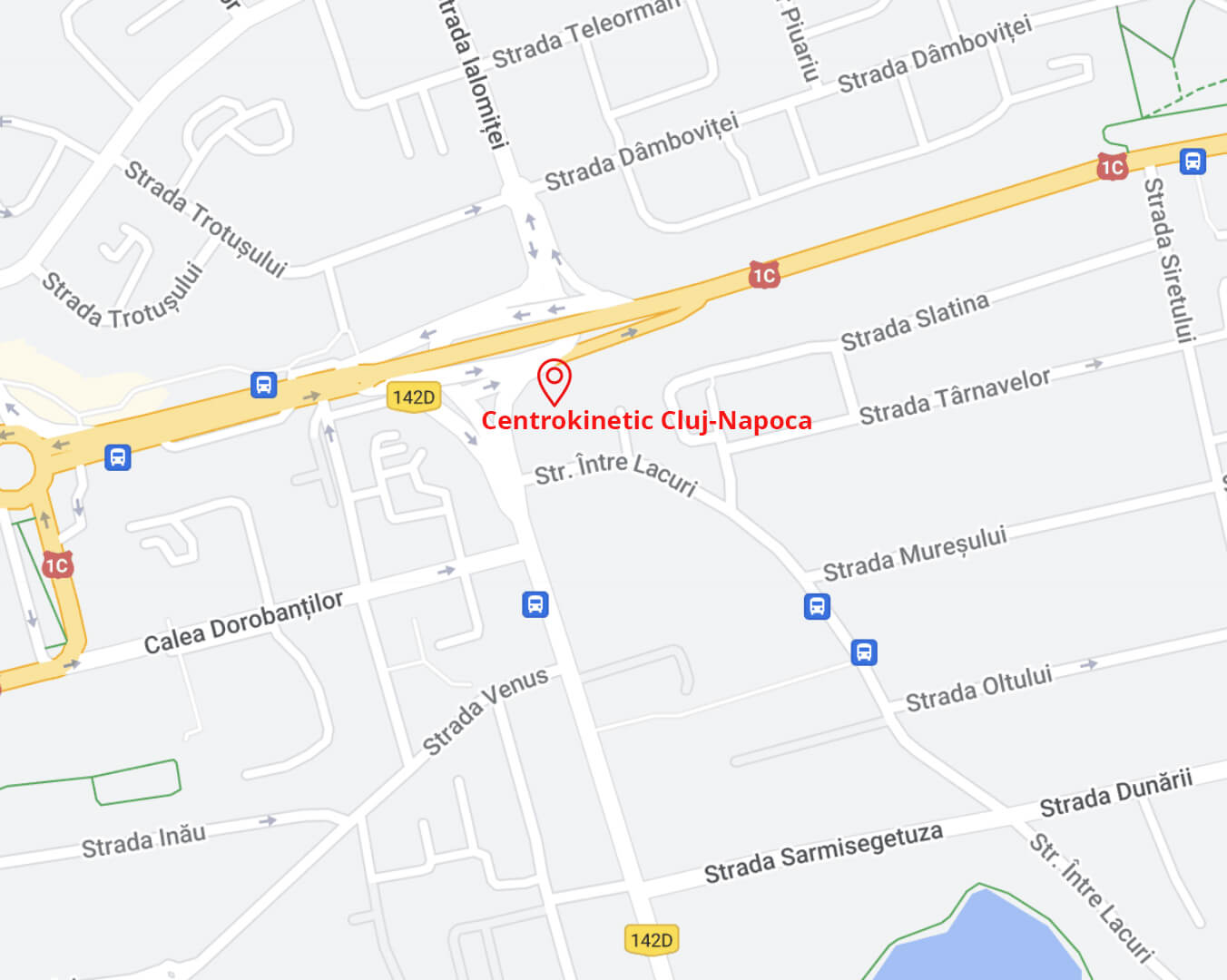
CENTROKINETIC CLUJ-NAPOCA
Cluj-Napoca,
Str. Intre Lacuri, nr.1
Intrarea este in spatele cladirii.
| Navigation |
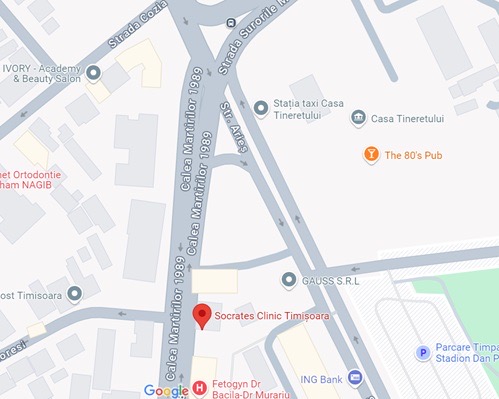
SOCRATES CLINIC TIMISOARA
Timisoara, Calea Martirilor 1989,
nr. 1.
Telefon: 0371 785 374.
| Navigation |
Phone: 0319693
E-mail: programari@centrokinetic.ro
Operating hours:
Monday – Friday: 07:00 – 21:00
Saturday: 09:00 – 14:00
Sunday: closed.
MAKE AN APPOINTMENT