
See details
READ MORE


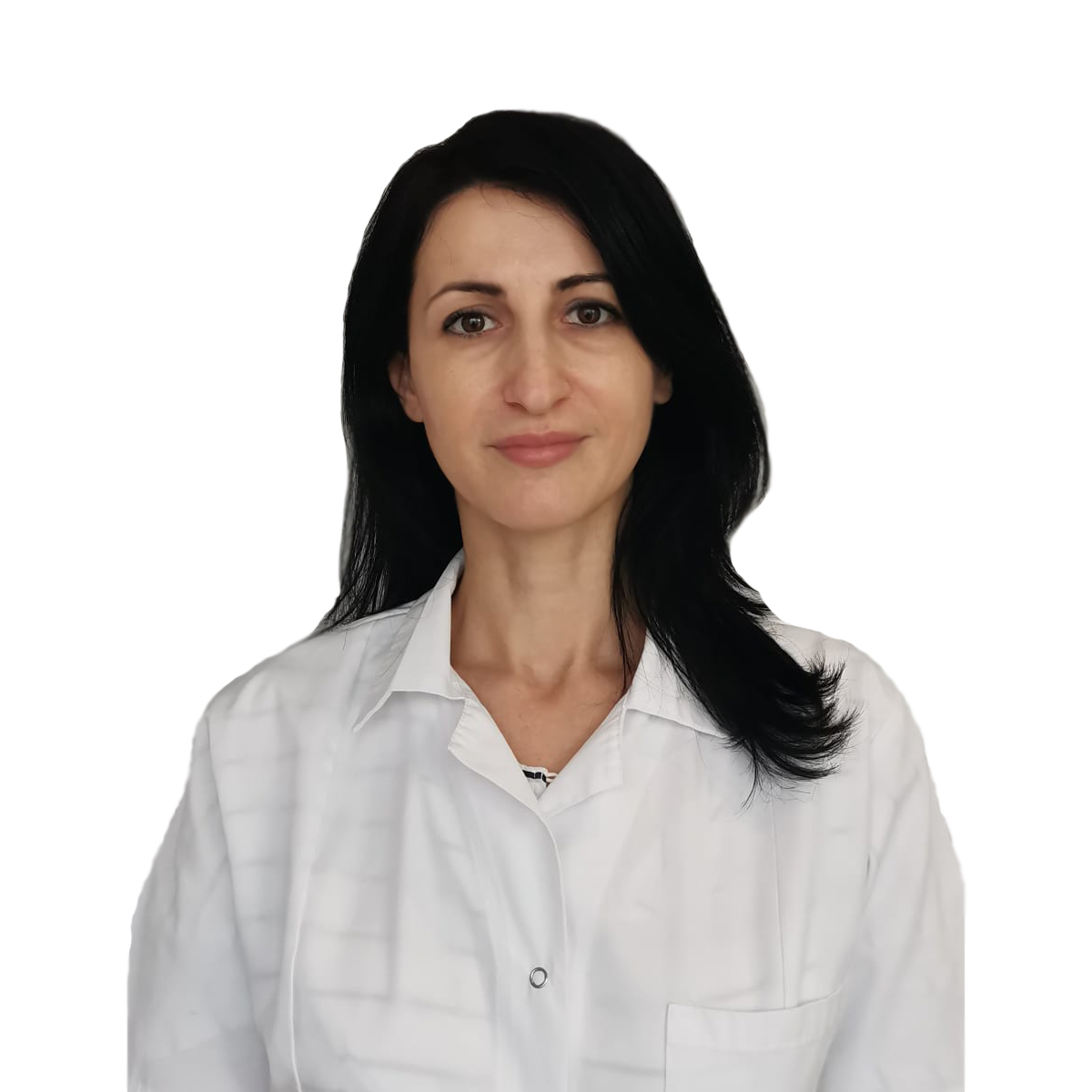
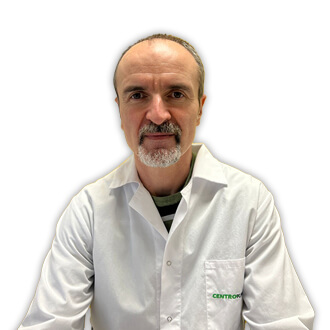
This article was written by dr. Aursulesei Ruxandra, pediatric neurologist with extensive experience in diagnosing and treating neurological conditions. Pediatric neurology plays an important role in the periodic neurological evaluation of children born prematurely, as well as of all newborns at risk of developing neurological sequelae, with the goal of early detection and treatment of any impairment of the nervous system.
Hypotonia is a decrease in muscle tone.
A hypotonic infant may adopt bizarre or unusual postures (the "frog-leg" position), shows reduced active movement, may have abdominal-type breathing, and delayed staged development. Physically, one may notice: pectus excavatum, and the chest may take on a funnel shape with a wide base at the bottom.
Yes. Hypotonia can range from mild to severe.
Centrokinetic is well prepared for this specialty, with a team of experienced doctors and the necessary equipment for diagnosis, monitoring, and treatment. Find out more about pediatric neurology and book an appointment at Centrokinetic here.
There are multiple causes:
Chromosomal abnormalities:
Cerebral palsy:
Metabolic diseases
Acute CNS conditions
Toxic causes
Anterior horn cell conditions
Peripheral nerve conditions
Muscle conditions
Miscellaneous
Central and peripheral motor unit conditions
("Neuromuscular Conditions in the Infant, Child, and Adolescent", Sanda Magureanu)
The underlying disease is treated. Kinesiotherapy also plays an essential role in improving the motor deficit, as well as in preventing contractures.
See details
READ MORESee details
READ MORESee details
READ MORESee here how you can make an appointment and the location of our clinics.







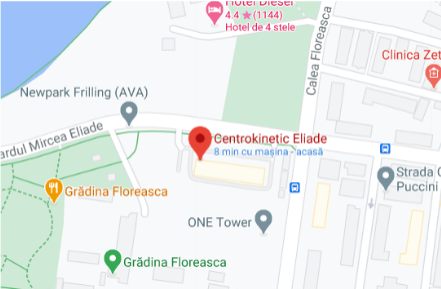
CENTROKINETIC FLOREASCA
Bucharest, 1st District,
Mircea Eliade Street, no. 18,
Eliade Tower, Entrance A, Floor 3
| Navigation | Explore 3D |
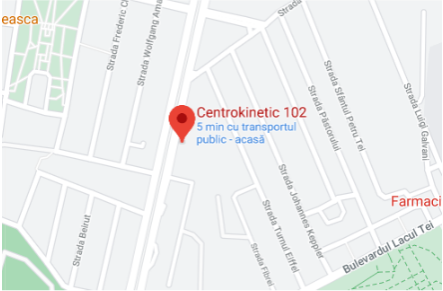
CENTROKINETIC Barbu Vacarescu
Bucharest, 2nd District,
Barbu Vacarescu Street, no. 102,
102 The Address, ground floor.
| Navigation | Explore 3D |
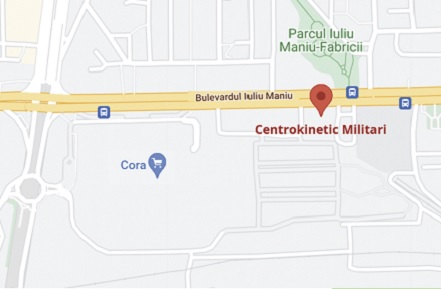
CENTROKINETIC MILITARI
Bucuresti, Sector 6,
Bld. Iuliu Maniu, nr. 15G,
Cladirea PBT, etaj 3.
| Navigation |
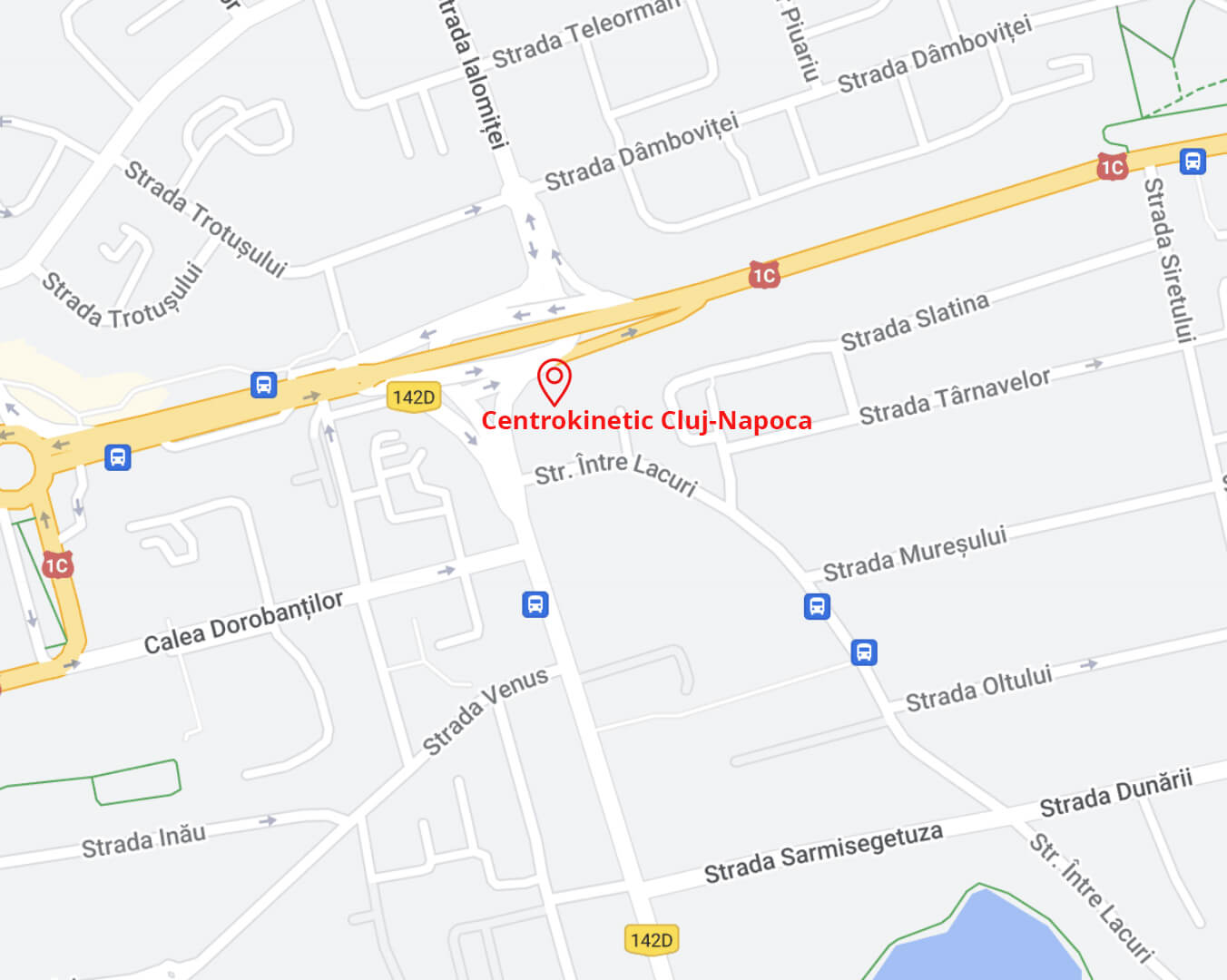
CENTROKINETIC CLUJ-NAPOCA
Cluj-Napoca,
Str. Intre Lacuri, nr.1
Intrarea este in spatele cladirii.
| Navigation |
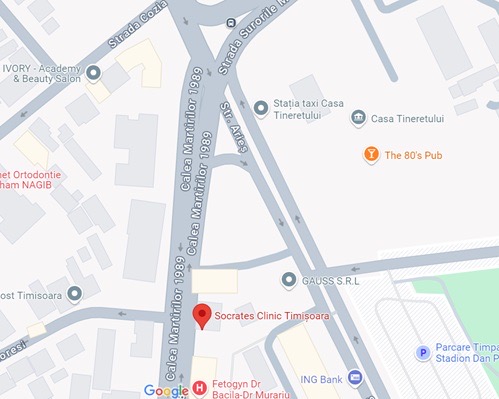
SOCRATES CLINIC TIMISOARA
Timisoara, Calea Martirilor 1989,
nr. 1.
Telefon: 0371 785 374.
| Navigation |
Phone: 0319693
E-mail: programari@centrokinetic.ro
Operating hours:
Monday – Friday: 07:00 – 21:00
Saturday: 09:00 – 14:00
Sunday: closed.
MAKE AN APPOINTMENT