What problems arise due to incorrect neck position?



Whether you sit at a desk for many hours a day, work from bed or frequently use your phone, your neck position influences your well-being. Many people are unaware of the impact that poor posture has on health. An incorrect neck position affects not only the muscles, but also breathing, concentration and sleep quality [1]. Here are the effects of poor neck posture, how to recognize related problems and what practical solutions you have at hand!
What does an incorrect neck position mean?
An incorrect neck position occurs when the head is not properly aligned with the body axis, the shoulders are rounded forward and the upper back becomes curved. As a result, the cervical muscles must support more weight than they naturally should, which can lead to tension, fatigue and stiffness [1][2].
Why is it important to keep your neck properly aligned?
The neck is made up of seven cervical vertebrae, and important nerves, blood vessels and muscles pass through it. If you regularly adopt a poor posture, muscular imbalances, excessive pressure on the intervertebral discs and irritation of certain nerve structures may occur. Over time, occasional minor pain can turn into chronic conditions, mobility blockages or even symptoms felt in other parts of the body. Poor posture can seriously affect sleep quality, productivity and work performance [1][2].
How do you recognize poor neck posture?
To quickly identify whether you have improper posture, look for signs such as:
- head leaning forward;
- drooping or inward-rotated shoulders;
- pain or tension in the cervical area, often worse at the end of the day;
- difficulty turning your head;
- headaches that start from the back of the neck and radiate toward the forehead [1][2].
Common problems caused by incorrect neck posture
Persistent neck pain
Neck pain can become constant when posture is incorrect. It may affect concentration, your ability to complete daily tasks and even rest. In some cases, overuse of the area leads to cervical disc disease – a condition that alters the structure of the intervertebral discs.
Limited movement and stiffness
If poor neck posture persists over time, movements may become increasingly limited and the cervical area may stiffen. Many people end up turning their entire body, not just their head, to look left or right. Accumulated tension also affects the shoulders.
Muscle spasms and local inflammation
The extra effort required from the muscles creates contractures and even inflammation in the surrounding tissues. Spasms may occur, causing a feeling of blockage or pain radiating to the shoulders or forearms.
Torticollis
Torticollis represents a spasmodic contraction or tightening of the neck muscles. Sometimes it appears as a result of maintaining a faulty posture. Torticollis affects adults, children and older individuals alike.
Cervico-brachial neuralgia and nerve compression
Compression of nerves in the cervical area causes numbness, tingling, muscle weakness in the arms and pain that radiates from the neck to the forearm or fingers. Such manifestations require specialist evaluation.
Neurological disorders
Continuous tension in the neck area favors the occurrence of migraines, dizziness and reduced concentration capacity. In some cases, pressure on blood vessels or nerves sends abnormal signals to the brain, leading to constant fatigue or irritability.
Respiratory and circulatory problems
Keeping the head too far forward restricts the functional space of the breathing muscles. Do you often feel short of breath, get tired quickly or breathe shallowly? Neck position can directly impact these vital functions. Blood circulation to the brain and upper limbs may also be affected in this context.
Affected mental state
Cervical discomfort becomes an additional stress factor, disrupts sleep and reduces productivity. For example, people who frequently wake up with pain or cannot rest properly may experience anxiety or increased irritability [1][2][3].
What habits lead to poor neck posture?
The modern environment facilitates the adoption of incorrect neck posture. Among the most common factors are:
- prolonged sitting with the head tilted toward the screen;
- using a phone or tablet in uncomfortable positions;
- lack of movement;
- using a pillow that is too high or too low, or sleeping on your stomach;
- carrying a bag or backpack daily on one shoulder only;
- prolonged periods of stress, which increase tension in the neck and shoulder muscles;
- frequent wearing of high heels, which shifts the center of gravity.
How can you prevent and correct poor neck posture?

Here are the recommended steps for preventing musculoskeletal conditions caused by poor neck posture:
- adjust your posture daily;
- keep your head upright and your ears aligned with your shoulders;
- choose an ergonomic pillow and mattress. Avoid sleeping on your stomach;
- take short breaks every 45–60 minutes, stand up and stretch;
- set up your office chair so that your feet rest on the floor and the monitor is at eye level;
- when using your phone or tablet, raise the screen to eye level instead of lowering your gaze to it;
- do not carry heavy objects on one shoulder only;
- practice regular stretching exercises, yoga, pilates or strengthening exercises for the core and cervical muscles;
- use relaxation techniques to reduce the impact of daily stress [3][4].
Treatment and recovery options
If symptoms do not improve quickly or significant movement limitations occur, therapeutic solutions become necessary. These include:
- personalized physical therapy: at Centrokinetic you can perform exercises tailored to your needs to restore proper posture and strengthen neck muscles;
- therapeutic cervical massage: helps relaxation, reduces tension and improves local circulation;
- electrotherapy: useful for chronic pain and restoring mobility;
- medication: only as prescribed by a doctor, during acute or severe episodes (analgesics, muscle relaxants, anti-inflammatories), for short periods;
- surgical intervention: very rarely, only in severe cases or with neurological involvement, and always upon specialist recommendation [1][2].
Frequently asked questions
What happens if you ignore neck posture problems?
You may develop chronic pain, muscle spasms, stiffness, migraines, respiratory problems or sleep disturbances. Over time, quality of life may decline [1][2].
When should you seek specialist help?
If pain does not disappear after rest or light exercises, if you feel numbness in your hand, coordination decreases or neck mobility becomes increasingly restricted [1].
Is posture correction possible at any age?
Anyone can start correcting posture with exercises, patience and perseverance, regardless of age. For chronic symptoms, specialist consultation is recommended.
How do stress and sleep affect neck posture?
Stress causes muscle tension, and an unsuitable pillow or mattress maintains poor posture and worsens pain [1].
How long does the recovery process take?
Progress depends on severity, age, exercise consistency and adherence to recommendations. Initial improvements may be felt within a few weeks, while full recovery can take months, sometimes longer.
This article is for informational purposes only and does not replace medical consultation or treatment recommended by a doctor. If you experience persistent symptoms, seek specialist advice. Prioritize prevention, movement, correct posture and regular check-ups!
Sources:
[1] “Forward Head Posture.” Physiopedia, 2019, www.physio-pedia.com/Forward_Head_Posture. Accessed on Oct. 22, 2025.
[2] “How Posture Affects the Muscles in Your Neck and Back” Isppcenter.com, 2025, www.isppcenter.com/blog/how-posture-affects-the-muscles-in-your-neck-and-back. Accessed on Oct. 22, 2025.
[3] Klein, Joelle, and for UCHealth. “Pain in the Neck? How to Fix Your Posture.” UCHealth Today, 24 Nov. 2021, www.uchealth.org/today/pain-in-the-neck-how-to-fix-posture/. Accessed on Oct. 22, 2025.
[4] “3 Ways to Improve Forward Head Posture.” Spine-Health, 14 Feb. 2019, www.spine-health.com/blog/ways-improve-forward-head-posture. Accessed on Oct. 22, 2025.
BUCHAREST TEAM

































































CLUJ NAPOCA TEAM


































BRASOV TEAM


















MAKE AN APPOINTMENT
FOR AN EXAMINATION
See here how you can make an appointment and the location of our clinics.
MAKE AN APPOINTMENT










Asiguratori privati





Parteneriate



CENTROKINETIC FLOREASCA
Bucharest, 1st District,
Mircea Eliade Street, no. 18,
Eliade Tower, Entrance A, Floor 3

| Navigation | Explore 3D |
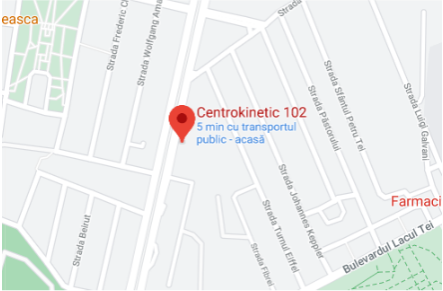
CENTROKINETIC Barbu Vacarescu
Bucharest, 2nd District,
Barbu Vacarescu Street, no. 102,
102 The Address, ground floor.
| Navigation | Explore 3D |
CENTROKINETIC MILITARI
Bucuresti, Sector 6,
Bld. Iuliu Maniu, nr. 15G,
Cladirea PBT, etaj 3.
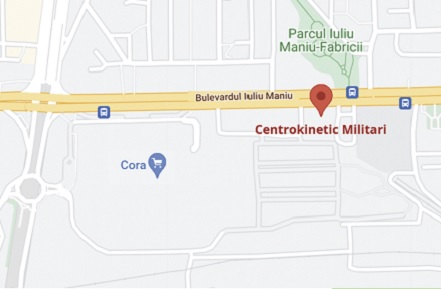
| Navigation |
CENTROKINETIC CLUJ-NAPOCA
Cluj-Napoca,
Str. Intre Lacuri, nr.1
Intrarea este in spatele cladirii.

| Navigation |
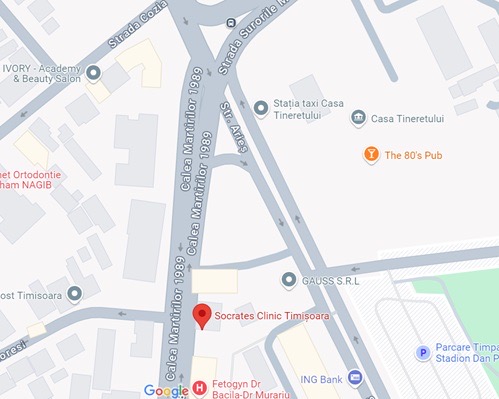
SOCRATES CLINIC TIMISOARA
Timisoara, Calea Martirilor 1989,
nr. 1.
Telefon: 0371 785 374.
| Navigation |
CONTACT
Phone: 0319693
E-mail: programari@centrokinetic.ro
Operating hours:
Monday – Friday: 07:00 – 21:00
Saturday: 09:00 – 14:00
Sunday: closed.
MAKE AN APPOINTMENT