Athlete recovery after injuries


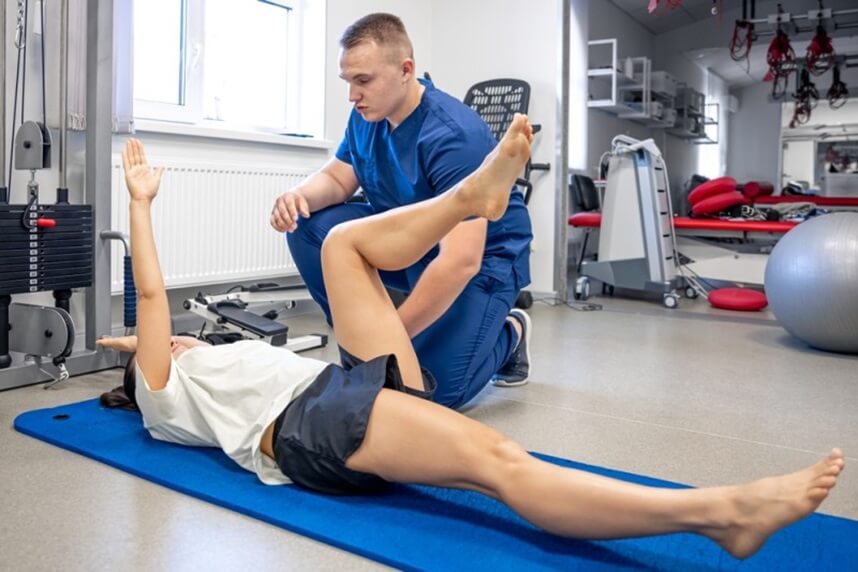
Sports injuries occur relatively frequently, whether we are talking about professional athletes or people who exercise to maintain their health. Regardless of the level of training, returning after an injury comes with certain challenges. Many athletes ask questions about proper and efficient recovery: what are the right methods, how can recurrence be prevented, and how can they return to sport in optimal conditions? Centrokinetic offers a structured recovery pathway, personalized for each case, based on advanced technologies and medically validated procedures. Here are more details!
Why is proper recovery after sports injuries important?
Adequate recovery is not limited to reducing pain; it involves restoring functionality, strength, and mobility, as well as preventing re-injury. An incorrect or rushed process can lead to muscle compensations, limited movement, or the return of symptoms.
Athletes require a different approach compared to sedentary individuals because:
- they have specific goals related to performance and return-to-play timing;
- their activity involves more complex biomechanical demands;
- the risk of recurrence is higher without a well-followed protocol [1][2].
At Centrokinetic, recovery programs are adapted to the activity level and type of injury, with clearly defined objectives and stages to ensure a safe return to sport.
The evaluation process after a sports injury
How does the evaluation take place at Centrokinetic?
Any recovery process begins with a thorough medical evaluation performed by specialists in orthopedics and traumatology, or by a multidisciplinary team when needed. The doctor analyzes the patient’s history, the type of sport practiced, current symptoms, and functional limitations. The evaluation includes:
- examination of the affected area: mobility, muscle strength, stability, and movement control are tested;
- sport-specific functional testing: observing how the athlete reproduces movements characteristic of their discipline;
- identification of imbalances: measuring asymmetries or deficiencies that may increase the risk of re-injury;
- goal setting: discussing patient expectations and outlining a recovery plan adapted to the activity level and sport-specific requirements.
Personalizing the recovery program
The therapeutic plan is adapted according to:
- the type and severity of the injury;
- the athlete’s level and age;
- medical history and possible restrictions.
Centrokinetic specialists structure recovery progressively, following well-defined stages:
- pain and inflammation control to stabilize the affected area;
- mobility restoration and introduction of light exercises with emphasis on motor control;
- gradual increase in movement intensity and complexity under therapist supervision until the desired functional level is achieved.
This step-by-step approach supports safe healing and helps the athlete regain performance without the risk of recurrence [2][3].
Modern methods used at Centrokinetic for athlete recovery
At Centrokinetic, recovery programs for athletes include medically validated techniques and modern technologies selected according to the nature of the injury and patient goals. Specialists combine physical therapy, kinesiotherapy, and functional rehabilitation procedures to ensure a progressive, effective, and safe recovery process.
Individualized physical therapy
The physical therapy plan is adapted to the type of injury and recovery phase. It may include:
- specific exercises for the affected area, useful for restoring mobility and correct movement patterns;
- manual techniques (mobilization, therapeutic massage, controlled stretching) to relax muscles and improve joint function;
- physiotherapy procedures using advanced technologies [4].
Cryotherapy
Local or general cold application reduces inflammation and pain during the acute phases of injury. Cold packs, ice bags, cold-water baths, or modern cryotherapy systems may be used [5].
Ultrasound therapy
Ultrasound penetrates deep into tissues, helping muscle relaxation, accelerating healing, and improving tendon and ligament extensibility. It is used in tendinitis, bursitis, or muscle contractures, although it has certain known contraindications [5].
TECAR therapy
TECAR uses high-frequency currents to stimulate natural recovery processes, reducing pain and improving mobility. It is frequently recommended for athletes after fractures or surgical interventions [6].
Game Ready
This system combines cryotherapy and thermotherapy to reduce edema and control pain, being recommended for severe trauma, sprains, or post-operative recovery [7].
Kinesiotherapy and functional rehabilitation
Kinesiotherapy is the central component of sports recovery and is gradually adapted according to progress. The main objectives are:
- restoring mobility;
- increasing strength and endurance;
- optimizing coordination and movement control.
Tools used include balance platforms, medicine balls, weights, and other modern accessories [8].
Integration of nutrition and psychological counseling
Athlete recovery is complemented by:
- nutritional recommendations adapted to effort level;
- guidance regarding hydration and recovery;
- psychological support when the recovery period is difficult or prolonged.
Comparative table of the main modern sports recovery procedures
| Procedure | Main use | Indications |
|---|---|---|
| Individualized physical therapy | Restoring mobility and joint function | Sprains, muscle strains, mobility limitations |
| Cryotherapy | Reducing inflammation and pain in acute phases | Contusions, sprains, acute trauma, post-operative |
| Ultrasound therapy | Accelerating soft tissue healing | Tendinitis, bursitis, muscle contractures |
| TECAR therapy | Stimulating recovery processes and reducing pain | Fractures, ligament injuries, post-surgical recovery |
| Game Ready | Edema control and pain relief | Severe trauma, sprains, post-operative recovery |
| Kinesiotherapy and functional rehabilitation | Increasing strength, mobility, and coordination | Musculoskeletal injuries, progressive sports recovery |
For additional explanations about the listed procedures and other modern options, consult the Centrokinetic recovery services page.
Frequently asked questions
Is recovery at Centrokinetic also available for children or amateur athletes?
Yes. Each program is adapted to the patient’s level of training, age, and requirements, from amateurs and children to professionals.
What modern procedures do Centrokinetic specialists use for athlete recovery?
Among the most commonly used procedures are cryotherapy, ultrasound therapy, TECAR, and kinesiotherapy. Recommendations are individualized.
Are there contraindications or restrictions for these procedures?
Yes. Each technique has specific possible restrictions; for example, therapies based on electrical currents or heat are not indicated during pregnancy, cancer, or local infections. Discuss with your doctor to assess risks.
How long does recovery after a sports injury take?
Duration depends on the type and severity of the injury and individual response. The doctor establishes the final plan according to evolution, never based on a fixed formula.
How can re-injuries be prevented after returning to sport?
Follow the maintenance protocol, undergo regular check-ups, and pay attention to any discomfort or stiffness that appears after resuming training.
If you are dealing with a sports injury and want to return safely to your optimal performance level, a proper evaluation and a personalized recovery program are essential. At Centrokinetic, you benefit from modern technologies, a multidisciplinary approach, and protocols adapted to each type of sport and activity level. Schedule a consultation at one of the Centrokinetic clinics in Bucharest or nationwide and begin your path toward safe and effective recovery!
Disclaimer: This material is for informational purposes only and does not replace specialist medical consultation. For proper evaluation, diagnosis, and personalized treatment, always consult a physician.
Sources:
[1] Kraemer, William, et al. “Recovery from Injury in Sport: Considerations in the Transition from Medical Care to Performance Care.” Sports Health: A Multidisciplinary Approach, vol. 1, no. 5, Sept. 2009, pp. 392–395, pmc.ncbi.nlm.nih.gov/articles/PMC3445177/, https://doi.org/10.1177/1941738109343156. Accessed December 11, 2025.
[2] “Understanding the Rehabilitation Process after a Sports Injury - Austin Orthopedic Institute.” Austin Orthopedic Institute, March 11, 2025, austinoi.com/blog/understanding-the-rehabilitation-process-after-a-sports-injury/. Accessed December 11, 2025.
[3] “Sports Injuries: Types, Symptoms, Causes & Treatment.” Cleveland Clinic, November 30, 2021, my.clevelandclinic.org/health/diseases/22093-sports-injuries. Accessed December 11, 2025.
[4] “Physical Therapy (Physiotherapy)” Cleveland Clinic, March 11, 2024, my.clevelandclinic.org/health/treatments/physical-therapy. Accessed December 11, 2025.
[5] Pedersen, Traci. “What Are the Types of Physical Therapy?” Healthline, Healthline Media, July 17, 2023, www.healthline.com/health/types-of-physical-therapy#most-popular-type. Accessed December 11, 2025.
[6] Lupowitz, Lewis G, et al. “TECAR Therapy: A Clinical Commentary on Its Evolution, Application, and Future in Rehabilitation.” International Journal of Sports Physical Therapy, vol. 20, no. 4, April 1, 2025, pp. 632–640, pmc.ncbi.nlm.nih.gov/articles/PMC11964684/, https://doi.org/10.26603/001c.130909. Accessed December 11, 2025.
[7] “Game Ready | Hot & Cold Therapy Systems | Injury & Surgery Recovery.” Game Ready, June 23, 2025, gameready.com/. Accessed December 11, 2025.
[8] Phuphanich, Melissa E., et al. “Movement-Based Therapies in Rehabilitation.” Physical Medicine and Rehabilitation Clinics of North America, vol. 31, no. 4, Nov. 2020, pp. 577–591, pmc.ncbi.nlm.nih.gov/articles/PMC7476461/, https://doi.org/10.1016/j.pmr.2020.07.002. Accessed December 11, 2025.
BUCHAREST TEAM

















CLUJ NAPOCA TEAM











BRASOV TEAM






MAKE AN APPOINTMENT
FOR AN EXAMINATION
See here how you can make an appointment and the location of our clinics.
MAKE AN APPOINTMENT
Asiguratori privati



Parteneriate


CENTROKINETIC FLOREASCA
Bucharest, 1st District,
Mircea Eliade Street, no. 18,
Eliade Tower, Entrance A, Floor 3
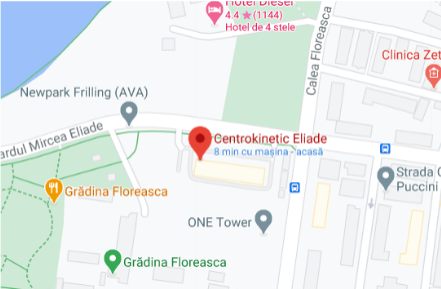
| Navigation | Explore 3D |
CENTROKINETIC Barbu Vacarescu
Bucharest, 2nd District,
Barbu Vacarescu Street, no. 102,
102 The Address, ground floor.
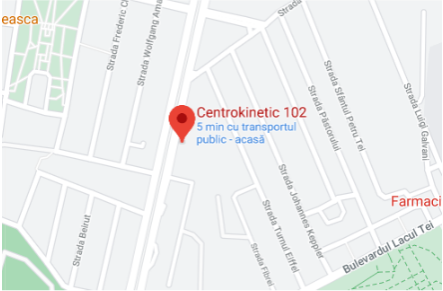
| Navigation | Explore 3D |
CENTROKINETIC MILITARI
Bucuresti, Sector 6,
Bld. Iuliu Maniu, nr. 15G,
Cladirea PBT, etaj 3.
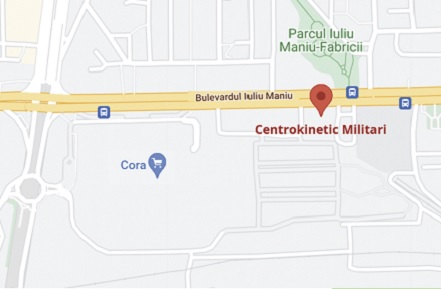
| Navigation |
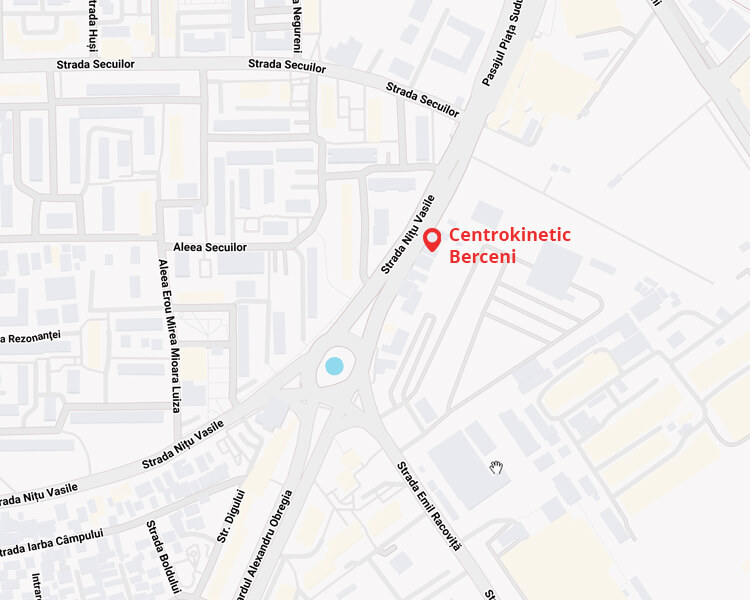
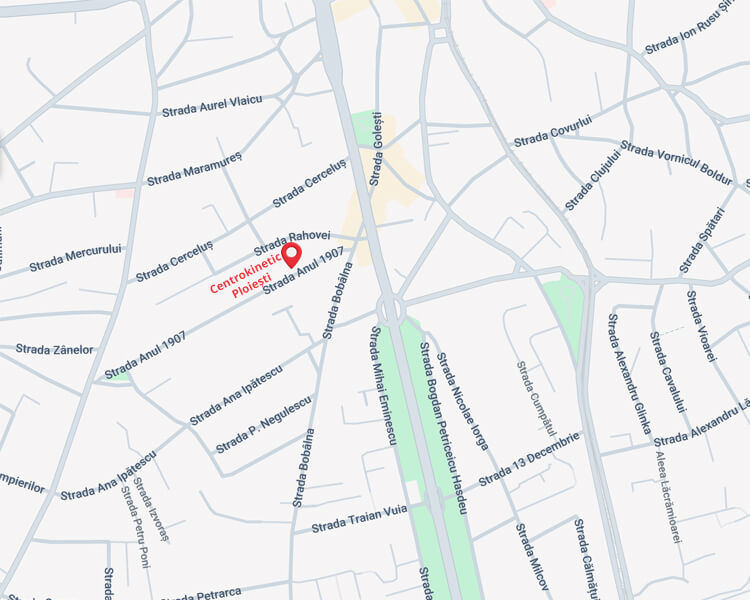
CENTROKINETIC CLUJ-NAPOCA
Cluj-Napoca,
Str. Intre Lacuri, nr.1
Intrarea este in spatele cladirii.
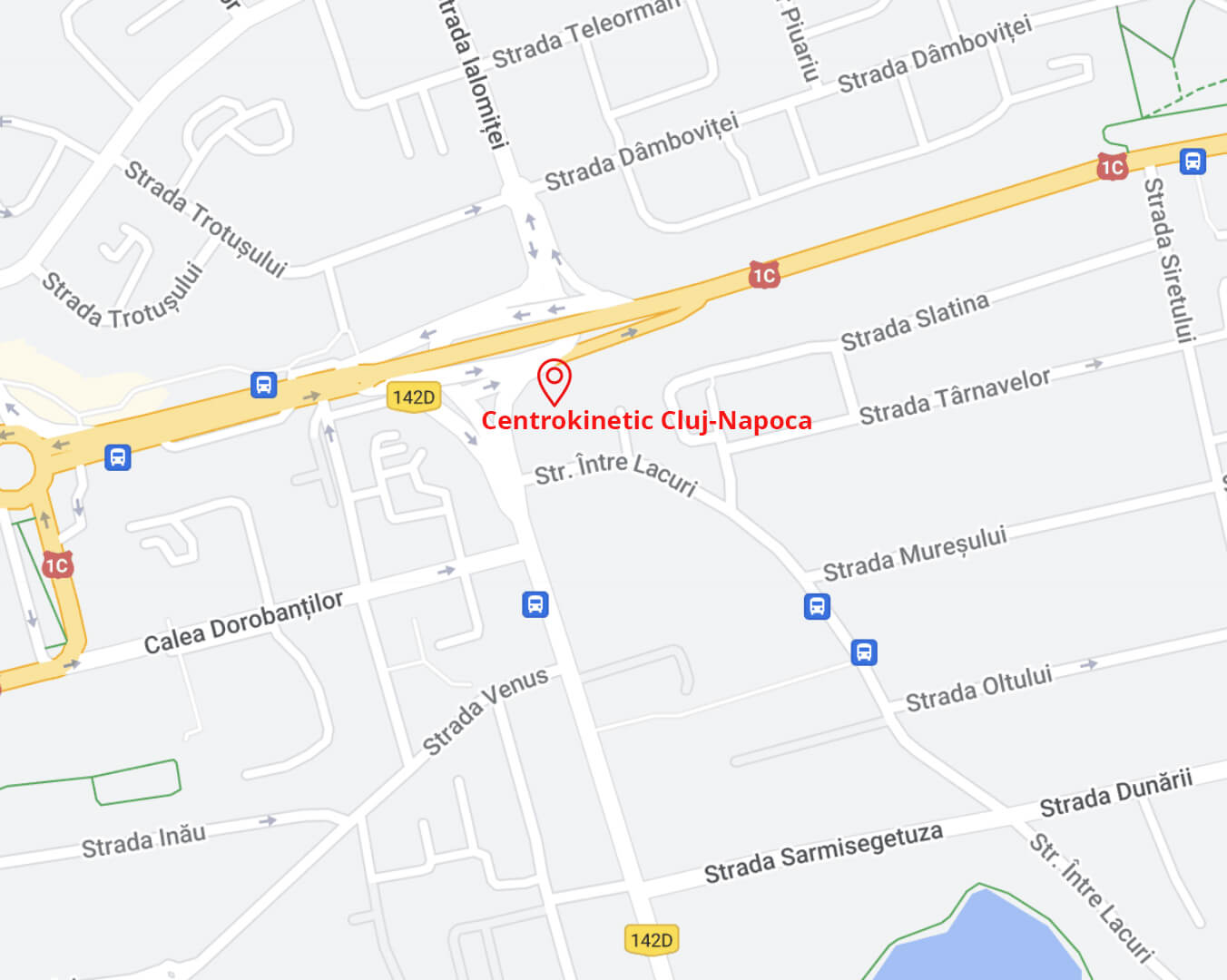
| Navigation |
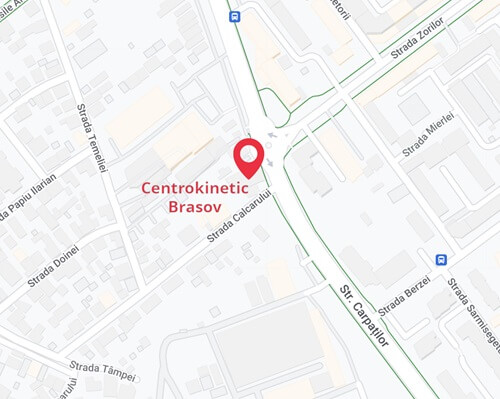
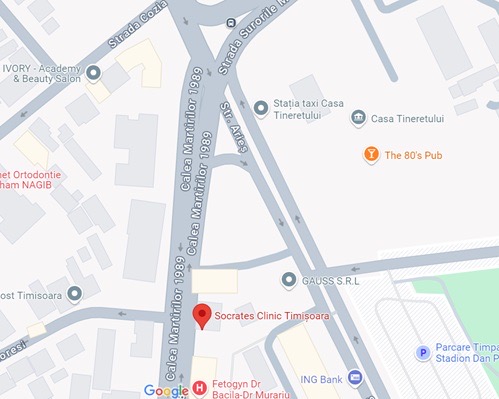
SOCRATES CLINIC TIMISOARA
Timisoara, Calea Martirilor 1989,
nr. 1.
Telefon: 0371 785 374.
| Navigation |
CONTACT
Phone: 0319693
E-mail: programari@centrokinetic.ro
Operating hours:
Monday – Friday: 07:00 – 21:00
Saturday: 09:00 – 14:00
Sunday: closed.
MAKE AN APPOINTMENT