Actualizat: 01-03-2021 / Publicat: 25-01-2017
Sports reintegration programs after injury
The vast majority of performance athletes are prepared to return to training and sports competitions as soon as they are considered medically fit by the team doctor or the medical staff. So, from the moment they are physically healed, most athletes have no problem returning to sports activity. However, there are athletes who are not psychologically prepared, and this can result in one of the following situations:
- Decreased self-confidence, thus leading to a decline in athletic performance
- Re-injury
- Feelings of stress and anxiety due to lack of confidence in their physical condition
- Fear of injury and fear of returning to sport
How can athletes be helped mentally to return to sport?
Physiotherapists play an important role in the recovery from an injury, not only in terms of physical recovery, but also mental recovery. Due to the daily interaction they have with patients, physiotherapists represent important sources of social support for any injured athlete, also playing an important role in maintaining their confidence, and can use mental strategies to keep athletes focused on recovery, even when their body is not yet ready.
Here are a few simple mental strategies that can be incorporated into a recovery program
- Incorporating imagery: One method of keeping athletes focused ("in the game") is to implement "imagery" training during recovery sessions. Athletes can practice specific sports skills, game plans, and game strategies during recovery sessions. The best time is considered to be the end of recovery sessions, when they start to feel stuck. For example, a basketball player might imagine (as if watching themselves on television) successfully handling 5 consecutive attacks by the opposing team.
- Specific sports skills: Whenever possible, we must be creative and keep the athlete active in their sport, despite the fact that they may be immobilized, in one form or another. Think outside the box and modify sports skills so that the injured athlete continues to practice the qualities specific to the sport they play. This way, they will receive crucial help in terms of motivation to return to sport, in terms of mental preparation to return to the sport they practice, keeping their interest and enjoyment in continuing to attend recovery sessions. For example, a basketball player recovering from ligament reconstruction surgery can easily work on game passes, shots, and ball-handling exercises while seated in a chair. In addition, during training sessions, the athlete can watch their teammate who plays the same position, who continuously provides them with positive feedback.
- Incorporating goals: The athlete in recovery should set a series of weekly, if not daily, goals regarding the recovery of playing skills. A goal represents a standard they would like to achieve by a deadline. Keep a record of these goals, as well as of when the athlete achieves that particular goal. This way, the physiotherapist will be able to keep a record of all the goals achieved, thus providing evidence of the athlete's progress during recovery. Finally, by providing positive feedback at the end of achieving these goals, we can help injured athletes maintain their motivation throughout the long months of recovery.
The mental side of sports injuries
You've been involved in your sport for longer than you can remember. As you grew, so did your strength, endurance and technique. You've gone above and beyond to become the best you can be in your sport and an unstoppable force during competitions. You live for sport. You have a passion for competition. It's who you are!
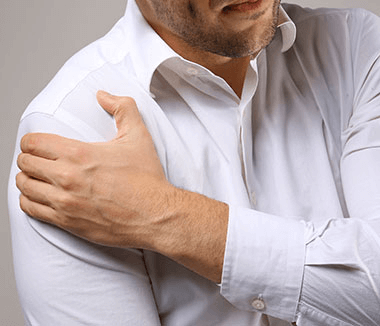
Then the unimaginable happens. It catches you off guard. It's not like it was a serious injury. You didn't feel anything pop or tear. Still, it seems to have been something more insidious. At the end of an important competition, you noticed slight pain and tenderness in your shoulder. "No big deal," you thought. You've faced similar situations before. You immediately dismissed any sign of doubt. The next day, at training, you noticed that your shoulder is still inflamed. "It's nothing serious!" You try to ignore the problem and continue training despite the pain. By the end of the training session, your shoulder hurts more than ever, and you start to realize that maybe it wasn't the wisest decision to push yourself and work through the pain. That evening, even when you raise your hand to your mouth to brush your teeth, you start to worry for the first time.
Following a consultation with a sports medicine specialist, your worst fears are confirmed. Your shoulder has a very serious problem, and they tell you that you need to sit out for at least 2-3 months. They say you have a form of tendinitis or a possible rotator cuff problem, but you don't understand any of it. They don't know exactly how long it will take, but what they say next really catches your attention. If you don't take care of your shoulder and give it a rest period, you risk causing permanent damage. What does that mean? you ask. They tell you that if you continue to play despite the pain, you might risk your athletic career! Have they lost their mind? Are they really telling me that I might never play again? How is that possible?
If you are a serious athlete and have experienced an injury, then you will surely know that the physical pain you feel is only a small part of the overall pain you have to fight with when going through the recovery process.
The mental pain caused by your injury and the temporary or permanent loss of the sport you practice can be much more devastating than the pain caused by ligament tears, muscle tears, cartilage injuries or fractures. If this type of pain is not addressed and treated directly, your overall recovery will be slow and incomplete.
Coaches and parents who are sensitive to the problems of injured athletes help accelerate the recovery process and significantly reduce the mental anguish the athlete has to deal with
Coaches and parents who are insensitive to these critical issues cause additional problems and can compromise the healing process. To better understand what happens to an athlete when they are sidelined due to an injury, it is very important to briefly examine the 3 major functions of sport in an athlete's life.
The functions of sport in your life
- A sense of identity – if you are a serious performance athlete and have been participating in sports competitions for a long time, then very soon you will identify with the sport you practice. It's who you are and what you do! Through the enormous investment of time and the commitment you've made, through the energy spent and the pain felt over the years, your sport has become an integral part of you. It's how you see yourself and how others see you.
- The main source of self-esteem – for most performance athletes, the sport they practice provides them with a continuous source of positive feedback. There is joy and personal satisfaction when you improve your game qualities, when you overcome challenging obstacles, and when you become stronger and better. In addition, the recognition of your achievements by friends, family and the community boosts your self-esteem.
- A constructive way to cope with stress – there is no doubt that physical exercise helps you cope with stress of any kind. Individuals who don't have any sports activity tend to internalize their stress. Since they don't have any method of releasing stress, problems such as digestive issues, headaches or other physical symptoms can occur. In addition, many athletes find that their involvement in their sport represents a constructive way to escape stress or family problems. Sport gives them a safe and constructive way to channel their frustrations and aggression.
The consequences of an injury
So, what happens when you're sidelined due to an injury? You become burdened with a variety of internal and external losses. If the injury is significant enough to keep you out for a long period, the first thing you lose is your identity as an athlete and team player. You start to wonder who you are if you're not constantly in the pool, always on the field practicing and competing in your sport.
An Olympic gymnast forced to retire due to an injury explained it very clearly. "I've done gymnastics since I was 6. It's all I know. It's who I am and what I do. If I'm not a gymnast, then who am I really?"
Without your sport, with its frequent training sessions and competitions, you suddenly have a void in your own identity that you need to fill. Unfortunately, most athletes devote so much time to excelling in the sport they practice that non-athletic activities become practically impossible.
This feeling of "who am I without my sport" is due to the fact that your injury has suddenly changed your identity and your place on the team. You're no longer the leader or the workhorse. Now your place is on the bench, next to the coach, and your role on the team is unknown and suddenly put into question.
There are two other significant losses: First, you lose your physical identity and sense of invincibility. Most athletes are used to being independent and rely on their body to respond according to their training. With the injury, you have to accept the fact that, somehow, your body has betrayed you. In addition, injuries often make you dependent on others (doctors, physiotherapists, etc...). Most athletes hate depending on anyone other than themselves.
Second, you will lose a powerful source of self-esteem. If your confidence comes from being faster than anyone, from hitting the ball harder than anyone, then you will get little positive feeling from sitting on the bench, watching the game. Suddenly, you're battling thoughts of doubt and questioning your self-worth. If you're not encouraging others at practice and helping your team in competitions, then you'll start to wonder what real value you have within the team. For most athletes, this is possibly the most difficult part of an injury. It's a huge blow! Suddenly, slower or less powerful athletes start taking your place on the team and doing what you should be doing, but can no longer do because of the injury.
The other major feeling that accompanies these losses is that of alienation or isolation. Unable to participate in training with the rest of the team, it's common to struggle with feelings that, out of nowhere, you're very different and no longer fit in with the team.
So, what does this injury mean for you as an athlete, or for your coach?
If you want to speed up your recovery process as much as possible, then you need to expect certain feelings and behaviors to surface along with the injury. These feelings and behaviors are absolutely normal and represent a natural part of the coping process. As with any kind of loss, these athletes can go through a series of stages directly related to grief/pain. Some professionals in the field consider these stages to be parallel to the 5 stages of death: Denial, Anger, Bargaining, Depression and Acceptance.
Many performance athletes meet their injury with denial. They may ignore the seriousness of the injury, falsely believing that everything will be okay. They may continue to train despite the injury, causing things to take a turn for the worse. Frequently, the injury is accompanied by feelings of intense anger.
Athletes may adopt an attitude like "Why me, why now?" and may behave in a hostile and rebellious manner toward the coach, teammates, parents and friends. Some athletes start bargaining with themselves, "if I do this or that, maybe I'll manage to get back on the field." At some point in this process, depression may set in as the athlete becomes aware of the nature and severity of the injury. This involves a loss of interest in previously loved activities, sleep and eating disturbances (sleeping too much/insomnia, eating too much/loss of appetite), decreased energy levels, and in extreme cases, suicidal thoughts. At the end of this process, the athlete finally comes to accept their situation and tries to get the most out of it.
Healthy strategies for athletes dealing with injuries
- Allow yourself to be sad! – Allow yourself to be sad and to feel any sense of loss you experience. Being "strong" by hiding or "burying" your feelings will interfere with coping with the injury and with the actual recovery. Your feelings represent an important part of the recovery process.
- Work with what is – Injured athletes have a tendency to focus on "what could have been" or "what should have been" and "if only" they hadn't gotten injured. Spending time and energy on these aspects will only take you further away from your goal of successfully getting through the injury. Unfortunately, this is your reality now, and you need to allow yourself to confront what is!
- Set new, realistic goals – As you begin the recovery process, you need to start measuring your success very differently than before, perhaps in millimeters now instead of meters, as you did before the injury. This may mean that you might have to start from scratch to regain the strength of your arms or legs and your endurance. Focus on the new goals and leave the old ones behind, where they belong.
- Maintain a positive attitude, no matter the situation – However difficult it may be, try to stay as positive as you can. Understand that everything depends on you. In other words, your attitude represents absolutely everything. When you maintain a positive attitude, it can speed up the healing process and reduce the emotional pain you have to go through. However, when you are negative, you will slow down the healing process, while feeling miserable at the same time. Everything depends on you. Avoid being negative because nothing good comes from negativity.
- Take an active part in the healing process – Be conscientious about physical therapy. Follow the doctor's advice carefully. Don't try half measures. Work at maximum intensity during recovery sessions, just as you did during training.
- Keep training – If your injury allows you to continue any part of your training from before it, keep training. Use your imagination daily (for 5-10 minutes) to see, hear and feel yourself performing wonderfully and without mistakes in the sport you practice. Regular mental rehearsals of your playing skills will keep your neuromuscular connections active, so that when you're able to do actual physical training, you won't have lost so much.
- Seek the help and support of teammates – Fight the urge to isolate yourself. You may suddenly feel worthless and different, but you're probably the only one on your team who thinks so. The worst thing you can do when you're in a vulnerable state is to separate yourself from the group.
- If needed, seek out a counselor – If you feel depressed for an extended period of time, have lost interest in things that used to excite you, have noticed that your sleep and eating patterns have changed, and/or have suicidal thoughts, seek emergency help. If you have these symptoms, it means you've lost perspective and need qualified outside help. Seeking the help of a professional therapist or counselor is not a sign of weakness. On the contrary, it is actually a sign of strength.
- Be patient – If the injury is temporary, give yourself enough time to heal properly. If you're impatient to get back to playing and rush the healing process, there's a risk of getting injured again, perhaps even worse than before. This way, you might get back on the field a few days earlier, but because you didn't wait those extra days to heal properly, you might end up developing a chronic injury that could keep you sidelined for several weeks or months.
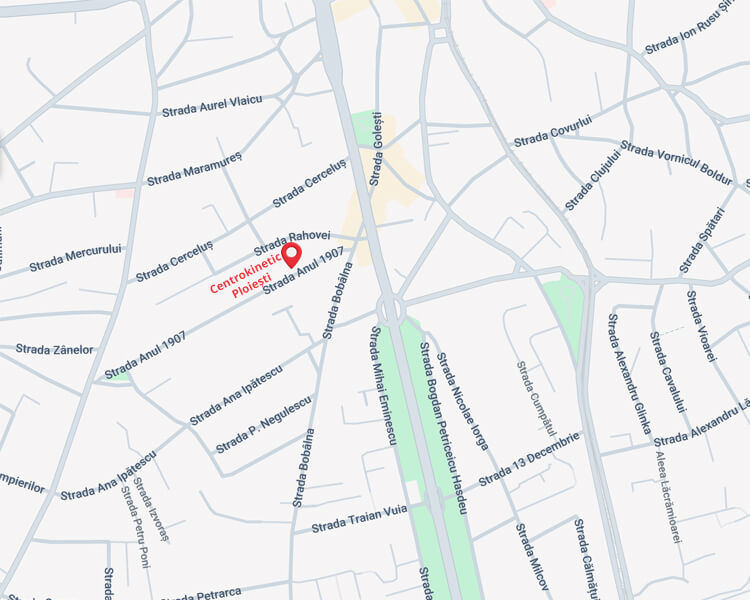
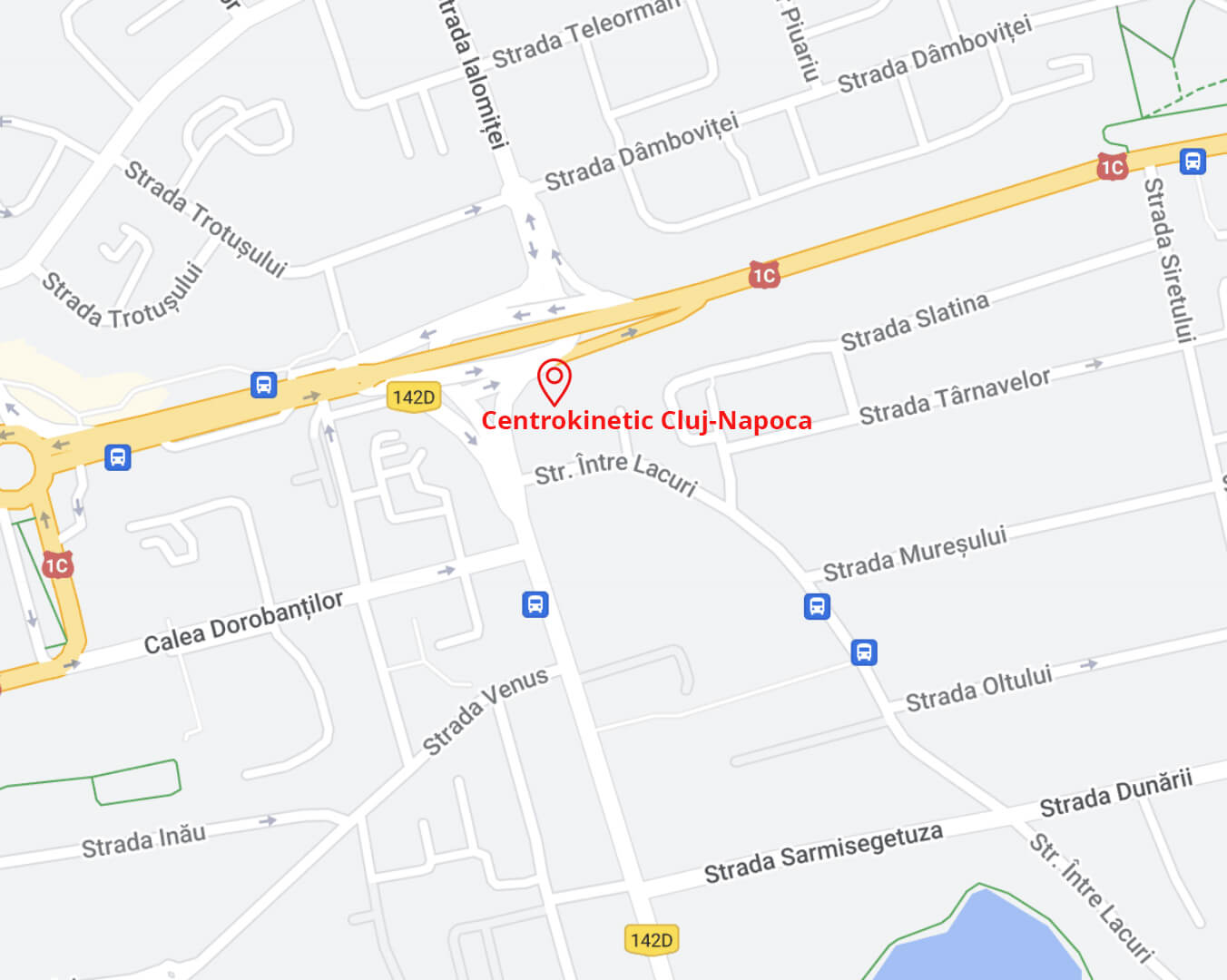
YOU CAN BOOK AN APPOINTMENT HERE for a consultation, an MRI or medical rehabilitation. At Centrokinetic, the best doctors and therapists are available for any joint or musculoskeletal problem, from the initial consultation and complete investigations within the clinic, to treatment and complete medical rehabilitation for spinal, traumatic or post-surgical conditions. Centrokinetic is the place where you will find answers and clear solutions for your mobility problems. The clinic dedicated to bone and joint conditions is divided into the following specialized departments:
- Orthopedics, a department made up of a highly experienced team of orthopedic surgeons, led by Dr. Andrei Ioan Bogdan, senior physician in orthopedics-traumatology, with surgical activity at the Medlife Orthopedic Hospital, specialized in sports traumatology and in ankle and foot surgery.
- Pediatric orthopedics, where children's sports injuries are treated (ligament and meniscus injuries), spinal deformities (scoliosis, kyphosis, hyperlordosis) and foot conditions (hallux valgus, hallux rigidus, clubfoot, flat valgus foot, cavus foot).
- Neurology, which has a state-of-the-art department, where consultations, electroencephalograms (EEG) and electromyograms (EMG) are performed.
- Medical rehabilitation for adults and children, a department specialized in the recovery of performance athletes, in spinal conditions, and in the recovery of children with neurological and traumatic conditions. Our experience is extremely rich, having treated over 5000 performance athletes.
- Medical imaging, the clinic being equipped with ultrasound and MRI, high-performance devices dedicated to musculoskeletal conditions, and complemented by an experienced team of radiologists: Dr. Sorin Ghiea and Dr. Cosmin Pantu, specialized in musculoskeletal imaging.
Find out the latest news by following the Facebook and YouTube accounts of the Centrokinetic clinic.