Is It Normal to Feel Pain After Kinetotherapy Sessions?



Kinetotherapy is a movement-based treatment used to restore muscle and joint function after injuries, surgery, or orthopedic conditions. If you've started your sessions and noticed your pain temporarily increased, it's natural to wonder whether this is normal.
In most cases, a mild increase in discomfort after kinetotherapy is part of the body's adaptation process. However, there are also situations where the pain signals a need for reassessment. Below, we explain how to tell a normal reaction apart from a warning sign, how long the discomfort typically lasts, and what you can do to keep your recovery safe.
Why can pain occur after kinetotherapy?
Kinetotherapy activates muscles, tendons, and joints that have been immobilized or used incorrectly for a period of time. If you spent several weeks with your knee immobilized after a procedure, or avoided movement due to lower back pain, those tissues have lost strength and flexibility.
Once you start the exercises, your body responds. This response includes:
- increased local blood flow;
- activation of weakened muscle fibers;
- mobilization of stiff joints;
- triggering of minor, controlled inflammatory processes.
These changes can cause mild pain or a sensation of muscle soreness, but this doesn't automatically indicate that things are getting worse.
Reactivating unused tissues
Take, for example, a shoulder affected by adhesive capsulitis (frozen shoulder). In the first sessions, the kinetotherapist mobilizes the joint and shows you a few controlled movement exercises. You may feel stiffness or discomfort 24 hours after the session, because muscles that haven't worked in a while are being called on again.
The same thing happens with recovery after knee ligament reconstruction. Stabilization and muscle control exercises can cause temporary muscle pain, especially at the start.
Controlled muscle micro-injuries
Therapeutic exercises can cause micro-injuries in the muscle fibers. This is similar to what you feel after a more intense gym session. The body repairs these micro-injuries, which is how muscle strength and endurance increase.
The pain usually appears around 24 hours after exertion and gradually decreases over 2-3 days. If it follows this pattern, it's most likely a normal reaction.
Nervous system adaptation
In conditions such as a herniated disc or chronic neck pain, the nervous system becomes more sensitive. Exercises and mobilizations can temporarily trigger an increase in symptoms, until the body learns to tolerate movement. A properly designed physiotherapy recovery program combined with kinetotherapy takes these mechanisms into account and carefully doses the intensity.
What type of pain is considered normal after kinetotherapy?
Not every pain should alarm you. There are a few characteristics that define acceptable discomfort.
Characteristics of normal pain
Post-kinetotherapy pain is usually:
- mild to moderate;
- localized to the area worked on;
- more noticeable with movement or palpation;
- temporary (24-72 hours);
- without significant swelling or discoloration.
For example, if you did exercises to stabilize your lower spine, you might feel paravertebral muscle fatigue the next day. If you worked on shoulder recovery, you might feel tension when lifting your arm. What matters is that the pain decreases progressively and doesn't severely limit your daily activities.
What symptoms are NOT normal after kinetotherapy?
There are situations that require promptly contacting your doctor or kinetotherapist. Don't ignore the following signs:
- sudden, severe pain;
- pain that keeps increasing steadily for 3-5 days;
- persistent numbness or new-onset weakness;
- significant joint swelling;
- fever or signs of infection (in a post-surgical context);
- intense dizziness after cervical therapy.
These signs may indicate overload, a post-surgical complication, or an associated condition. Don't stop treatment without discussing it with your specialist, but do request a reassessment. A correct evaluation brings clear benefits: it helps identify the real cause of the symptoms, adjust the treatment plan, and prevent the problem from getting worse.
Why is pain sometimes more intense after certain procedures?
Not all sessions are the same. Some techniques can produce a more pronounced response, especially at the start of the program.
After joint or spinal mobilizations
Mobilizations aim to increase range of motion. If a joint has been stiff for a long time, the surrounding tissues may react with temporary tension. In most cases, stiffness decreases as you continue the program.
After electrical stimulation
Electrical stimulation procedures use controlled electrical impulses to activate the muscles. Sometimes you may feel mild muscle soreness or local sensitivity. The intensity is adjusted based on your tolerance.
After cryotherapy
Cryotherapy helps reduce inflammation and pain. In some people, a temporary feeling of stiffness appears, which fades quickly. The specialist always checks for contraindications, such as severe peripheral circulation disorders, before recommending this procedure.
How long does pain after kinetotherapy last?
The duration of discomfort varies depending on the condition, age, activity level, and frequency of sessions. For most patients, mild pain lasts between 24 and 72 hours.
At the start of the program, reactions may be more noticeable. As the body adapts, the intensity decreases. If you want to understand how the pace of therapy affects your progress, read more about the frequency of physiotherapy sessions.
In general, the first improvements appear gradually. Mobility increases and the initial pain decreases. If the pain persists beyond 5 days or becomes more intense, request a reassessment. Find out what to expect from our article on the first results of physiotherapy.
What can you do if pain occurs after a session?
Manage the discomfort properly and avoid self-medicating.
Helpful measures:
- apply ice for 10-15 minutes if the area is inflamed;
- do gentle movements, without intense effort;
- follow the exercises recommended for home;
- stay properly hydrated;
- get enough sleep to support recovery.
What to avoid:
- intense athletic effort right after the session;
- increasing the number of exercises on your own;
- repeated use of anti-inflammatory medication without medical advice;
- stopping the program without discussing it with your therapist.
Ongoing communication with the medical team allows the plan to be adjusted quickly. A personalized approach reduces the risk of overload and optimizes results.
The importance of a correct evaluation and early intervention
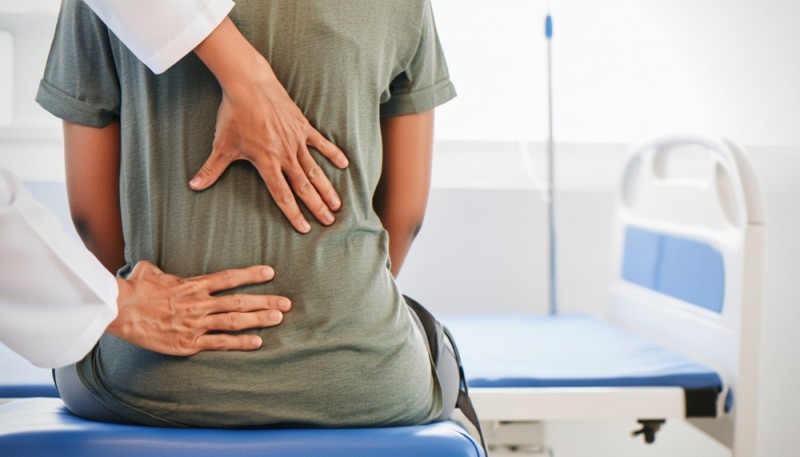
A complete evaluation, carried out by a doctor, allows the diagnosis to be established and functional limitations to be identified. Mobility, strength, posture, and any contraindications are analyzed. The benefits of a correct evaluation include:
- choosing exercises suited to the stage of the condition;
- progressively dosing effort;
- reducing the risk of complications;
- objectively monitoring progress.
The Centrokinetic medical team adapts the program based on age, activity level, and goals. An amateur athlete has different needs than a patient who has had surgery, or a child with an orthopedic condition.
| Type of pain | Intensity | Usual duration | What is recommended? |
|---|---|---|---|
| Muscle soreness | Mild to moderate | 24-72 hours | Gentle movement, hydration |
| Joint stiffness | Mild | 1-2 days | Gentle mobilization exercises |
| Sudden, severe pain | Severe | Persistent | Prompt medical evaluation |
| Persistent numbness | Variable | Over 24 hours | Specialist consultation |
| Significant swelling | Moderate to severe | Variable | Reassessment and treatment adjustment |
This table is for general guidance only. Every case requires an individual assessment.
When does pain indicate that recovery is working?
There are situations where discomfort shows that the body is responding to treatment. Positive signs include:
- the pain is different from the initial one, more muscular in nature;
- mobility increases from one session to the next;
- you can perform movements that were previously limited;
- the intensity of the initial symptoms progressively decreases.
For example, if after a shoulder procedure you're able to lift your arm higher, even if you feel slight muscle tension, that's a sign of progress. Track your progress together with your therapist. Note any changes and discuss them at each session.
So, pain after kinetotherapy is common and, in most cases, temporary. The difference between a normal reaction and a warning sign comes down to intensity, duration, and associated symptoms. Schedule an evaluation, communicate openly with the Centrokinetic specialists, and follow your personalized plan. Early intervention and progressively dosed exercises support joint health and speed up your return to the activities you enjoy.
Frequently asked questions
Is it normal to hurt more after the first sessions?
Yes, in many cases there's a temporary increase in discomfort. Tissues start being worked after a period of inactivity. If the pain is bearable and decreases within 2-3 days, it's most likely a normal reaction.
Can I play sports on the same day as kinetotherapy?
Avoid intense effort on the day of the session. Your muscles need time to recover. Discuss the right time to resume training with your therapist.
What should I do if the pain doesn't go away after 4-5 days?
Request a reassessment. Persistent pain may indicate overload or an associated issue. Adjusting the program frequently resolves the situation.
Is bruising normal?
Bruising can occasionally occur after certain manual techniques, especially in people with fragile blood vessels. If it's extensive or painful, let your doctor know.
Disclaimer: This material is for informational purposes only and does not replace specialist medical consultation. For an accurate, personalized plan, schedule an evaluation.
Sources:
- Pain After Physical Therapy: What's Normal and What's Not. Petersen Physical Therapy, Feb. 5, 2025. Accessed June 25, 2026.
- Is It Normal to be Sore After Physical Therapy? Peak Sport & Spine, Sept. 11, 2024. Accessed June 25, 2026.
BUCHAREST TEAM


































































CLUJ NAPOCA TEAM


































BRASOV TEAM























MAKE AN APPOINTMENT
FOR AN EXAMINATION
See here how you can make an appointment and the location of our clinics.
MAKE AN APPOINTMENT
Asiguratori privati




Parteneriate


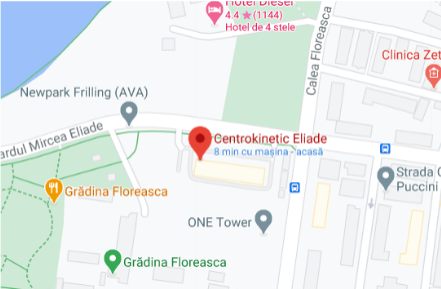
CENTROKINETIC FLOREASCA
Bucharest, 1st District,
Mircea Eliade Street, no. 18,
Eliade Tower, Entrance A, Floor 3
| Navigation | Explore 3D |
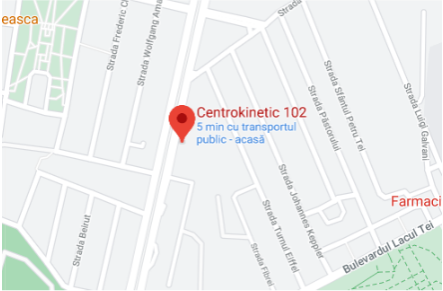
CENTROKINETIC Barbu Vacarescu
Bucharest, 2nd District,
Barbu Vacarescu Street, no. 102,
102 The Address, ground floor.
| Navigation | Explore 3D |
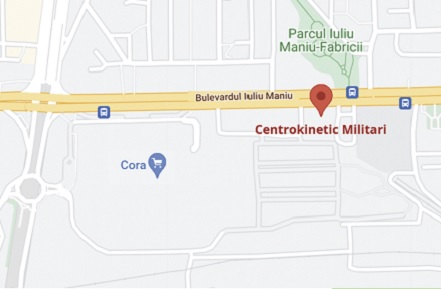
CENTROKINETIC MILITARI
Bucuresti, Sector 6,
Bld. Iuliu Maniu, nr. 15G,
Cladirea PBT, etaj 3.
| Navigation |
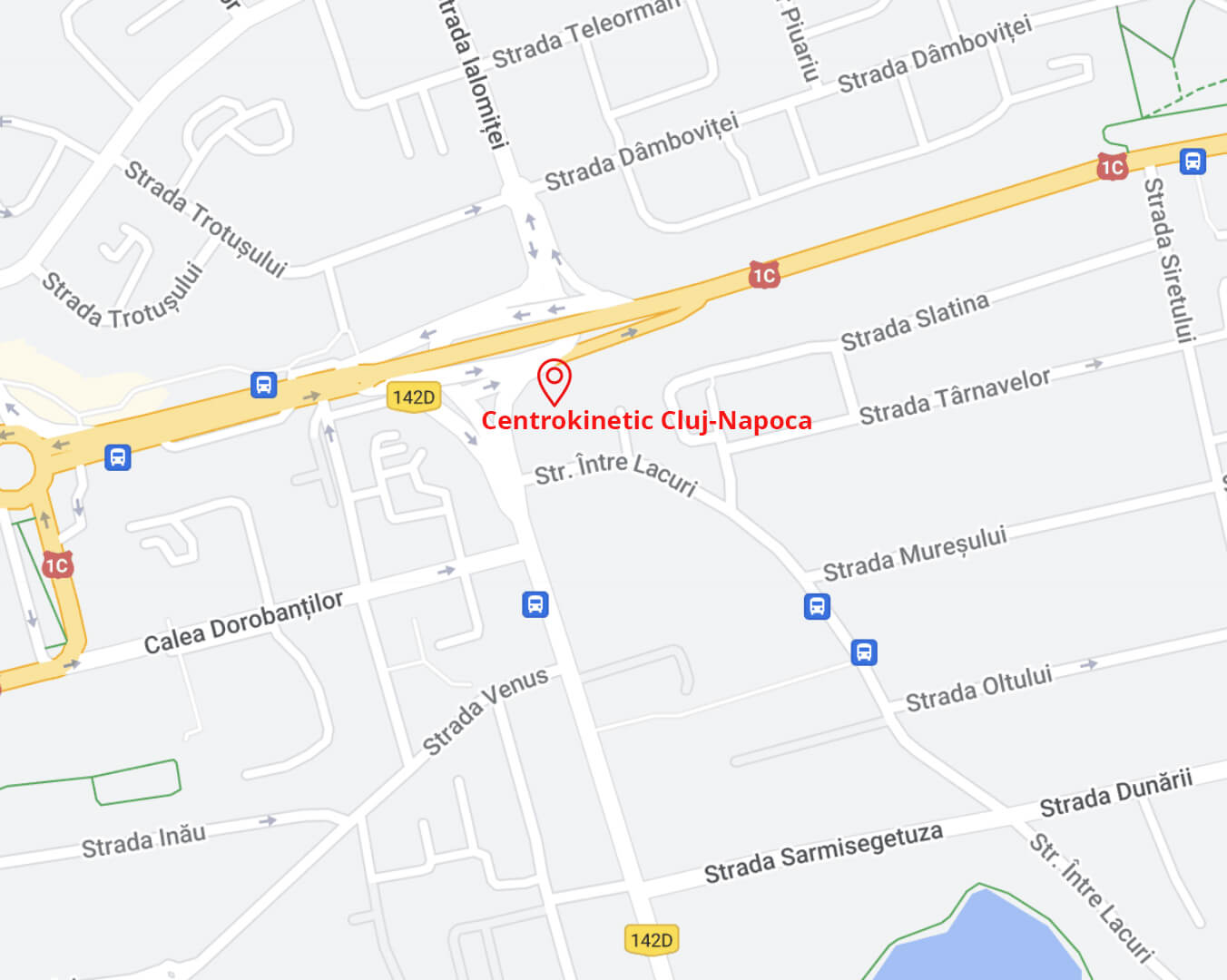
CENTROKINETIC CLUJ-NAPOCA
Cluj-Napoca,
Str. Intre Lacuri, nr.1
Intrarea este in spatele cladirii.
| Navigation |
SOCRATES CLINIC TIMISOARA
Timisoara, Calea Martirilor 1989,
nr. 1.
Telefon: 0371 785 374.
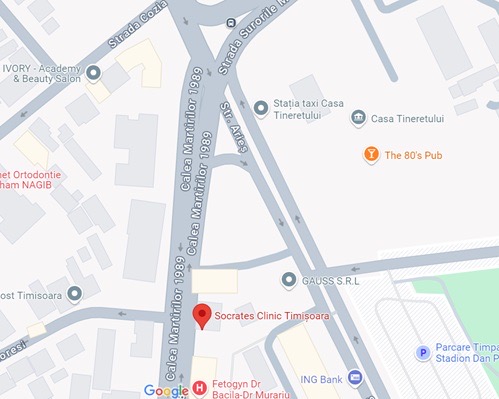
| Navigation |
CONTACT
Phone: 0319693
E-mail: programari@centrokinetic.ro
Operating hours:
Monday – Friday: 07:00 – 21:00
Saturday: 09:00 – 14:00
Sunday: closed.
MAKE AN APPOINTMENT