Kegel exercises


Kegel Exercises
- Kegel exercises for women
- Why Kegel exercises are important for women
- Kegel exercises for men
- Why Kegel exercises are important for men
- How to perform Kegel exercises
- How to practice Kegel exercises correctly
- Results that appear from Kegel exercises
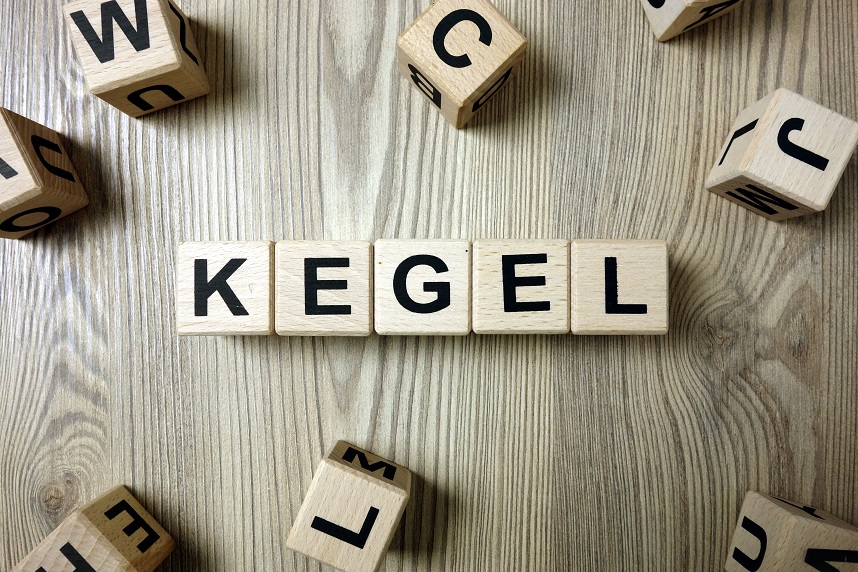
Kegel exercises are not exercises that will help you look better, but they do something very important for your health - they strengthen the muscles that support the bladder. Strong pelvic floor muscles can go a long way toward preventing incontinence.
These exercises were developed in the late 1940s by Dr. Arnold H. Kegel, an American gynecologist. He was looking for a non-surgical way to prevent urinary incontinence in women. These exercises are also extremely useful for men affected by incontinence.
Pregnancy and childbirth can cause the pelvic floor muscles to lose their tone. This can lead to discomfort and loss of bladder control. Performing Kegel exercises during pregnancy and after childbirth can reduce these effects.
Kegel exercises for women
Kegel exercises strengthen the pelvic floor muscles, which support the uterus, bladder, small intestine, and rectum. You can do Kegel exercises, also known as pelvic floor muscle training, almost anytime.
Why Kegel exercises are important for women
Many factors can weaken the pelvic floor muscles, including pregnancy, childbirth, surgery, aging, excessive straining due to constipation or chronic coughing, and being overweight. You could see benefits from Kegel exercises for women if you:
- Leak a few drops of urine while sneezing, laughing, or coughing (stress incontinence)
- Feel a strong, sudden urge to urinate just before losing a large amount of urine (urge incontinence)
- Have uncontrolled bowel movements (fecal incontinence)
Kegel exercises can also be done during pregnancy or after childbirth to strengthen the pelvic floor muscles and improve existing symptoms.
Kegel exercises are less useful for women who have severe urine leakage when sneezing, coughing, or laughing. Also, Kegel exercises are not useful for women who unexpectedly release small amounts of urine due to a full bladder (overflow incontinence).
Kegel exercises for men
Kegel exercises for men can help improve bladder control and possibly improve sexual performance. Kegel exercises for men can strengthen the pelvic floor muscles, which support the bladder and bowel. With practice, Kegel exercises for men can be done almost anytime.
Why Kegel exercises are important for men
Many factors can weaken the pelvic floor muscles, including surgical removal of the prostate (radical prostatectomy) and conditions such as diabetes and an overactive bladder. Kegel exercises for men are part of the treatment options for erectile dysfunction. In some cases, lifestyle changes combined with these exercises satisfactorily improve the symptoms of erectile dysfunction. For some men, Kegel exercises are included together with other interventions, such as counseling, therapy, and other treatments in managing erectile dysfunction.
Kegel exercises can help you if:
- You have urinary or fecal incontinence
- You leak drops after urinating - usually after you have left the bathroom
How to perform Kegel exercises
Several techniques can be used to find the right set of muscles for Kegel exercises.
Women: Tighten the muscles that keep you from releasing gas, imagine tightening the vagina around a tampon, or stop urinating in the middle of the stream. The muscles that make all these actions possible are the muscles you will work during the exercises.
Men: To identify the pelvic floor muscles, stop urinating in the middle of the stream or tighten the muscles that keep you from releasing gas. If you have identified the right muscles, you will feel the contraction more toward the back of the pelvic area than in the front.
Warning! You should not make a habit of using Kegel exercises to start and stop the flow of urine. Performing Kegel exercises while emptying your bladder can actually lead to incomplete emptying of the bladder - which increases the risk of urinary tract infections. Use this technique only to identify the pelvic floor muscles for practicing Kegel exercises.
How to practice Kegel exercises correctly
Choose your position. You can start the exercises in a relaxed position, lying on your back. Once you understand the technique better, you can practice even while sitting or standing.
Contracting and relaxing the pelvic floor muscles
Tighten the pelvic floor muscles for 3 to 5 seconds, then relax for up to 5 seconds. Try to repeat this cycle 10 times. If the pelvic floor muscles do not start to tire after a 3 to 5 second contraction, or if they are not tired after doing 10 Kegel exercises in a row, you can progress to holding the contractions for 6 to 10 seconds.
During Kegel exercises, keep the other muscles relaxed. Do not tighten the abdominal, leg, or buttock muscles, and do not lift the pelvis. Keep a hand lightly on your belly to detect unwanted abdominal movements. It is important to breathe freely during the exercises.
Extend the time. Gradually increase the duration of contractions and relaxations. You should progress to 10-second contractions and relaxations.
Try to do at least 30 to 40 Kegel exercises every day. It is better to spread them throughout the day rather than doing them all at once. Since these are hidden exercises that no one notices, try to practice even while waiting at a traffic light, riding an elevator, or relaxing on a park bench. You can also do Kegel exercises right before and during any activity that puts pressure on the abdomen, such as sneezing, coughing, laughing, or lifting weights.
Results that appear from Kegel exercises
If you perform Kegel exercises correctly and regularly, you can expect results quickly. You will notice less frequent urine leakage (which varies from person to person) within a few weeks to a few months. For continued benefits, you should make Kegel exercises a permanent part of your daily routine.
If you have pain when doing Kegel exercises, stop the exercises immediately. Kegel exercises are not harmful, but they are not suitable for everyone. When done correctly, most people find them relaxing. They should not be painful. If you feel pain during or after Kegel exercises, you may not be doing the exercise correctly, or Kegel exercises may not be suitable for you. Contact a specialist doctor to discuss this.
Centrokinetic is the place where you will find clear answers and effective solutions for musculoskeletal conditions. Our clinic, dedicated to musculoskeletal disorders, is organized into the following specialized departments:
- Orthopedics, a department composed of a highly experienced team of orthopedic surgeons specializing in sports traumatology.
- Pediatric Orthopedics, where sports injuries in children (ligament and meniscus injuries), spinal deformities (scoliosis, kyphosis, hyperlordosis), and foot deformities (hallux valgus, hallux rigidus, equinovarus foot, flatfoot, cavus foot) are treated.
- Neurology, featuring a state-of-the-art department where consultations, electroencephalograms (EEG), and electromyography (EMG) examinations are performed.
- Medical Rehabilitation for adults and children, a department specialized in the rehabilitation of professional athletes, spinal disorders, and children with neurological and traumatic conditions. Our extensive experience includes treating more than 5,000 professional athletes.
- Medical Imaging, with the clinic equipped with ultrasound and MRI systems dedicated to musculoskeletal conditions, complemented by an experienced radiologist, Dr. Cosmin Pantu, specialized in musculoskeletal imaging.
- Rheumatology, a comprehensive department dedicated to the diagnosis, treatment, and rehabilitation of patients with non-surgical musculoskeletal disorders.
- Vascular Surgery, a highly specialized department focused on the diagnosis and treatment of vascular diseases affecting arteries, veins, and lymphatic vessels.
- Psychology and Speech Therapy. Neurological and musculoskeletal conditions can have a psychological impact on patients, which is why we believe complete recovery requires addressing both the physical condition and its psychological consequences.
- Neurofeedback. This innovative method helps improve concentration, reduce anxiety, and achieve emotional balance through a simple and interactive process.
Stay up to date by following Centrokinetic on Facebook, Instagram, and YouTube.
MAKE AN APPOINTMENT
FOR AN EXAMINATION
See here how you can make an appointment and the location of our clinics.
MAKE AN APPOINTMENT
BUCHAREST TEAM




























































CLUJ NAPOCA TEAM

































BRASOV TEAM



















Asiguratori privati





Parteneriate



CENTROKINETIC FLOREASCA
Bucharest, 1st District,
Mircea Eliade Street, no. 18,
Eliade Tower, Entrance A, Floor 3
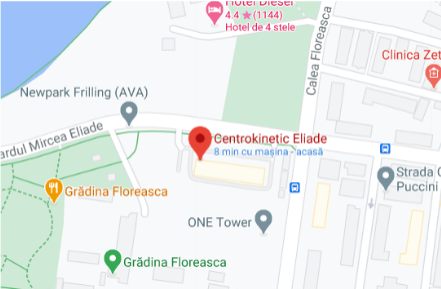
| Navigation | Explore 3D |
CENTROKINETIC Barbu Vacarescu
Bucharest, 2nd District,
Barbu Vacarescu Street, no. 102,
102 The Address, ground floor.
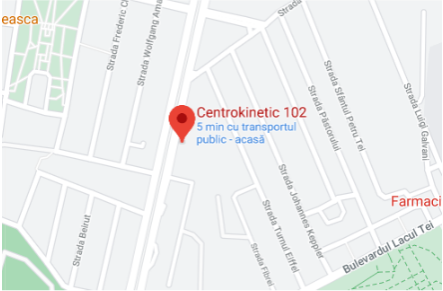
| Navigation | Explore 3D |
CENTROKINETIC MILITARI
Bucuresti, Sector 6,
Bld. Iuliu Maniu, nr. 15G,
Cladirea PBT, etaj 3.
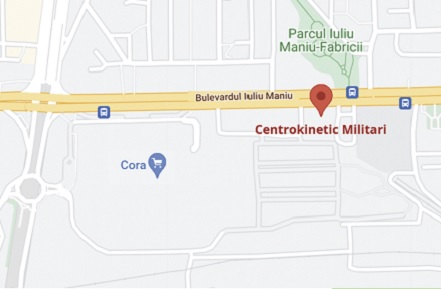
| Navigation |
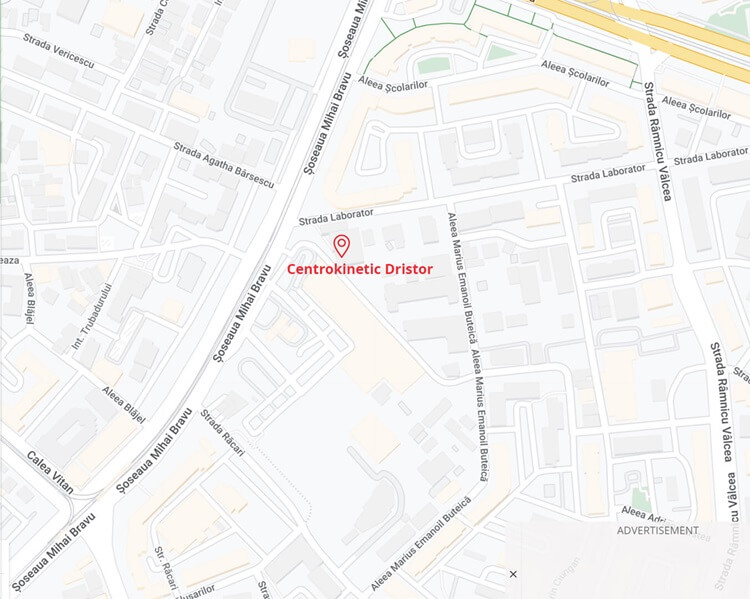
CENTROKINETIC CLUJ-NAPOCA
Cluj-Napoca,
Str. Intre Lacuri, nr.1
Intrarea este in spatele cladirii.

| Navigation |
SOCRATES CLINIC TIMISOARA
Timisoara, Calea Martirilor 1989,
nr. 1.
Telefon: 0371 785 374.
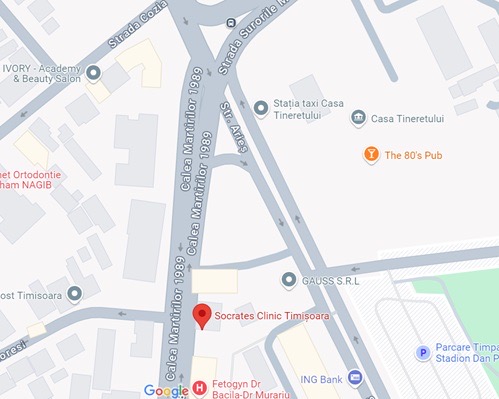
| Navigation |
CONTACT
Phone: 0319693
E-mail: programari@centrokinetic.ro
Operating hours:
Monday – Friday: 07:00 – 21:00
Saturday: 09:00 – 14:00
Sunday: closed.
MAKE AN APPOINTMENT