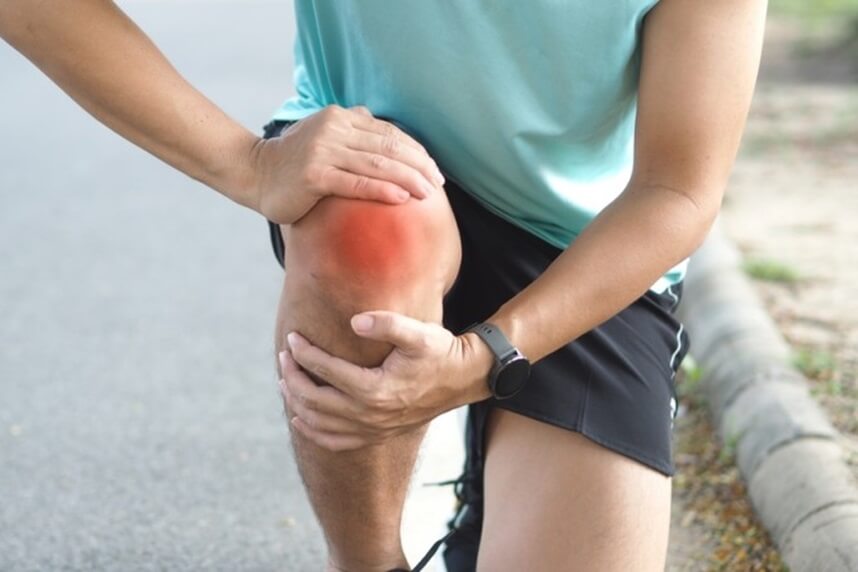
Your knees help you walk, run, climb stairs, and play sports. You use them every day, often without thinking about this aspect. When pain appears or you notice that one knee is swelling, your usual activities become difficult. Sometimes the discomfort appears after an intense workout. Other times, it develops gradually, without a clear reason.
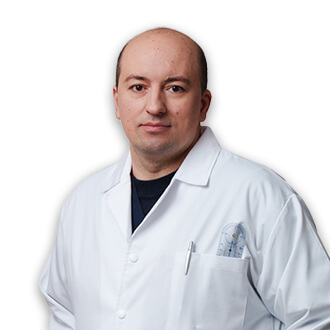
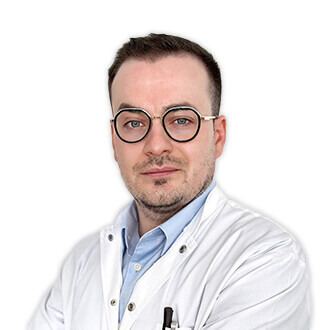
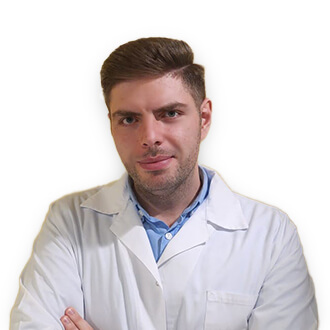
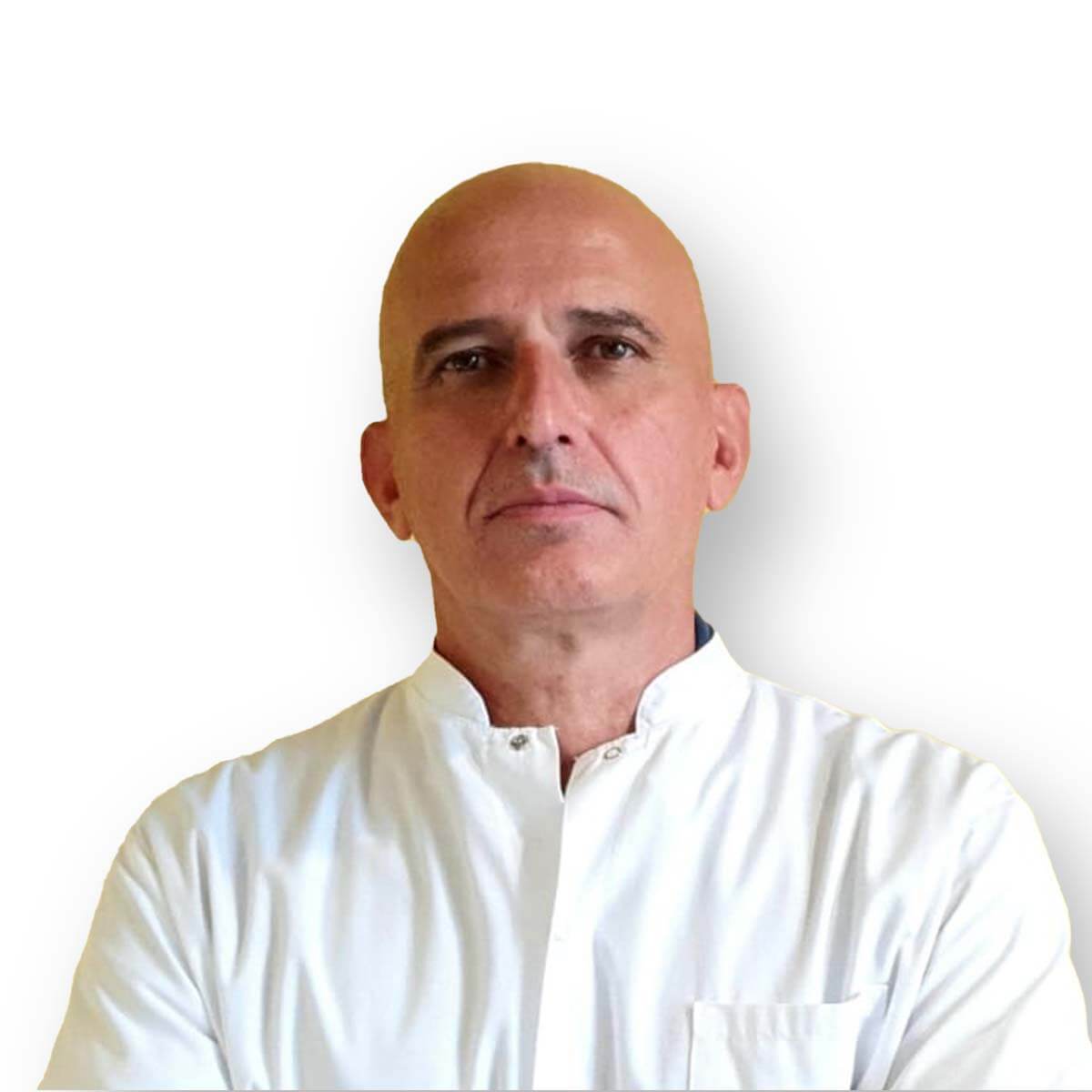
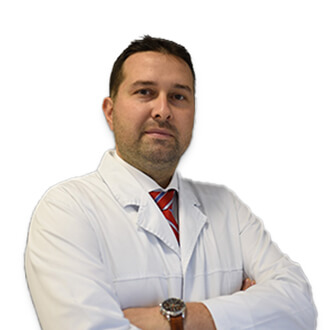
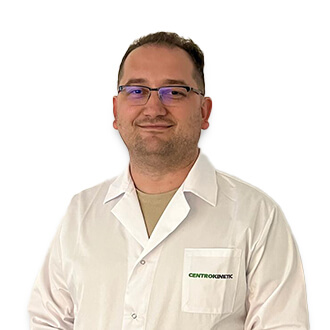
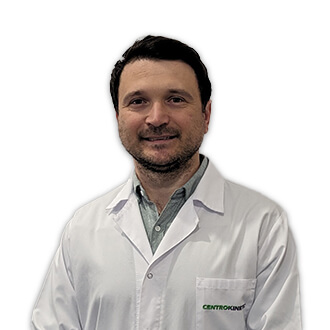
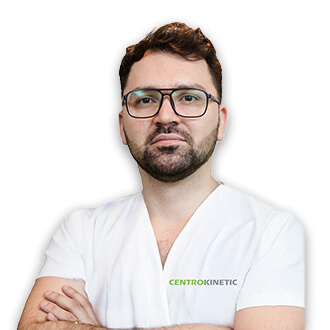
Active adults, amateur or professional athletes, people in post-operative recovery, and even parents seeking orthopedic evaluation for children frequently come in for consultation because of these symptoms. In most cases, a proper evaluation and early intervention reduce the risk of complications and speed up the return to normal activities. At Centrokinetic Brasov, the medical team analyzes each case individually. The orthopedic doctor, the physical medicine and rehabilitation specialist, the kinesiotherapist, and the physiotherapist work together to identify the exact cause and create a personalized plan. Here are more details!
Knee swelling indicates, in most situations, an accumulation of fluid inside or around the joint. The medical term often used is hydrarthrosis, popularly known as “water on the knee.” The knee normally contains a small amount of synovial fluid. This fluid lubricates the joint and allows movement without excessive friction. When inflammation, an injury, or a degenerative condition appears, the synovial membrane produces excess fluid. The joint swells and becomes tense.
The most common situations in which swelling occurs are:
Swelling may appear suddenly, within a few hours after an injury, or it may develop progressively, over several weeks, in degenerative conditions. The speed of onset provides important clues for the doctor.
Concrete example: a runner who feels a popping sensation during training and notices rapid swelling in the following hours may have a ligament or meniscal injury. In contrast, a 50-year-old person with progressive pain and mild evening swelling after prolonged walking often shows signs of knee osteoarthritis.
Swelling without pain should not be ignored. In the early stages of osteoarthritis, fluid may accumulate slowly, without major discomfort. Early evaluation allows a prevention plan to be established and slows progression.
The location of pain provides useful information about the affected structure. The doctor correlates the painful area with the injury mechanism and with the results of imaging investigations. You can find out more about the main types of knee pain on our dedicated page.
Medial pain frequently occurs in:
You may feel discomfort when twisting, going downstairs, or getting up from a chair. In many cases, the pain becomes worse after standing for long periods. In general, medial pain is one of the most common presentations in the orthopedic office. Clinical evaluation includes specific tests for the meniscus and ligaments, and the doctor may recommend an MRI if internal injuries are suspected.
Lateral outer pain often occurs in runners and cyclists. Iliotibial band syndrome, an inflammation of a fibrous band located on the outer side of the thigh, causes pain with every step, especially on sloped terrain or during long distances. Lateral meniscus injuries are less common, but they require investigations for confirmation. In athletes, the doctor also analyzes running technique, footwear, and training volume.
Anterior pain, below or around the kneecap, occurs in:
Patients describe discomfort when going up and down stairs, sitting for long periods, or doing squats. In most cases, kinesiotherapy focused on balancing the thigh muscles provides stable results.
Posterior pain may indicate:
A Baker’s cyst is often associated with osteoarthritis or meniscal injuries. Musculoskeletal ultrasound can quickly confirm the diagnosis.
| What you notice in the knee | What it may suggest | What type of evaluation helps |
| Swelling appearing within a few hours after trauma | Possible ligament or meniscal injury | Orthopedic consultation + MRI |
| Progressive swelling, especially in the evening | Possible knee osteoarthritis or chronic overuse | X-ray + functional evaluation |
| Locking when bending or straightening | Meniscal injury | Specific clinical tests + MRI |
| Instability during changes of direction | Ligament involvement | Clinical examination + imaging investigations |
| Pain when going up/down stairs | Possible patellofemoral syndrome | Biomechanical evaluation + kinesiotherapy |
Identifying the cause directly influences treatment. Not all pain requires surgery, and not all swelling is treated the same way.
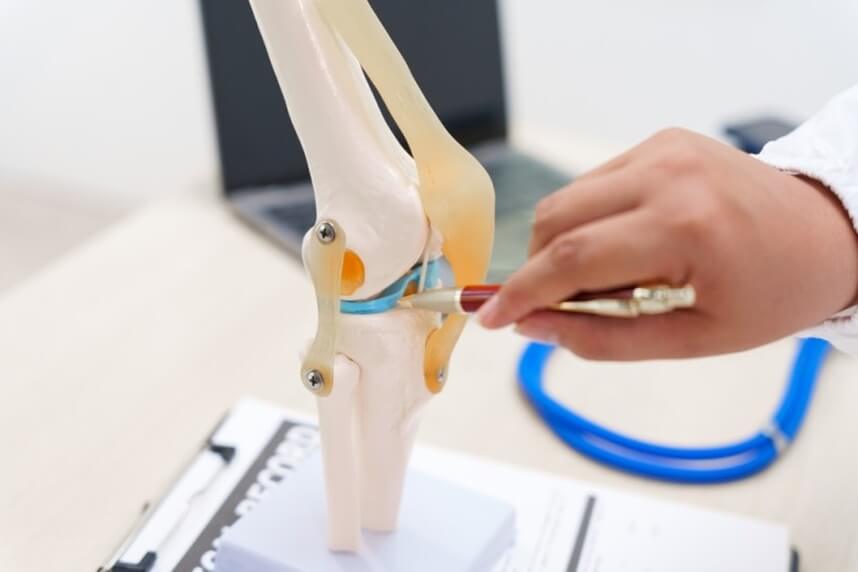
Knee osteoarthritis represents the progressive degeneration of the articular cartilage. Cartilage covers the ends of the bones and allows them to glide without friction. Once it becomes thinner, the bones come closer together and pain and inflammation appear.
Common symptoms:
Studies show that the prevalence of knee osteoarthritis increases after the age of 45, and excess weight and a history of trauma increase the risk. Early intervention through weight loss, kinesiotherapy, and injections can slow progression.
The menisci act as shock absorbers between the femur and tibia. A sudden twisting of the knee, especially during sports, can produce a tear.
Typical signs:
MRI confirms the diagnosis and shows the type of tear. Some injuries respond to conservative treatment. Others require arthroscopy, a minimally invasive procedure.
Ligaments stabilize the knee. An anterior cruciate ligament tear frequently occurs in football, skiing, or basketball.
The patient often describes:
According to current surgical guidelines, ligament reconstruction is recommended especially for active patients who wish to return to sports. Structured post-operative rehabilitation influences the long-term outcome.
Prepatellar bursitis occurs in people who frequently kneel. The area becomes swollen and tender to touch. Patellar tendinitis affects athletes who jump repeatedly. In these cases, relative rest, physiotherapy, and correction of overuse factors bring improvement in most situations.
A proper evaluation brings clear benefits:
At Centrokinetic Brasov, the doctor begins with a complete orthopedic consultation. The specialist analyzes your medical history, type of physical activity, onset of symptoms, and possible trauma.
The clinical examination includes:
If necessary, the doctor recommends imaging investigations: X-ray for evaluation of bone structures, ultrasound for tendons and bursae, MRI for complex soft tissue injuries. The images are interpreted by doctors experienced in musculoskeletal pathology. The therapeutic decision is based on correlating symptoms, clinical examination, and imaging.
Treatment depends on the diagnosis, age, activity level, and your goals. The team builds a personalized plan.
In many cases, the doctor initially recommends:
Do not take anti-inflammatory medication or supplements without medical recommendation. Some medicines have contraindications or interactions.
Within the physiotherapy department in Brasov, specialists use modern therapies such as high-intensity laser, ultrasound, or TECAR therapy. These procedures can reduce inflammation and support the natural healing process.
Physiotherapy has clear indications and contraindications. For example, certain procedures are not used in cases of active infections or oncological conditions. The doctor establishes the right protocol for you.
The kinesiotherapy program in Brasov focuses on:
Kinesiotherapy remains one of the most effective methods for optimal results in knee conditions. Studies show that adapted exercises reduce pain and improve function in knee osteoarthritis.
In certain situations, the doctor recommends intra-articular injections. These may contain hyaluronic acid, PRP, or corticosteroids, depending on the diagnosis. Hyaluronic acid improves joint lubrication. PRP uses growth factors from your own blood to stimulate regeneration. Corticosteroids reduce inflammation in acute phases. Any injection may have adverse effects, such as temporary pain or a local reaction. The doctor discusses the indications and risks with you before the procedure.
Surgery is indicated when conservative treatment does not provide results or when the injury is severe. Arthroscopy allows the treatment of meniscal injuries through small incisions. In advanced cases of osteoarthritis, knee replacement surgery can restore mobility and reduce pain.
Post-operative rehabilitation starts quickly and requires active involvement from the patient.
Recovery does not stop after the pain disappears. The muscles must regain strength and control.
The program includes clear stages:
Athletes gradually return to training. Patients with osteoarthritis learn to adapt daily activities and protect the joint.
Prevention means:
Early intervention lowers the risk of complications and helps maintain mobility in the long term.
Swelling after effort may indicate mild inflammation of the synovial membrane or overuse. If this happens repeatedly, an orthopedic consultation is recommended to rule out meniscal injuries or early osteoarthritis.
In most cases, yes, but with adaptations. Low-impact activities, such as swimming or cycling, are better tolerated. The doctor and kinesiotherapist can recommend a safe program for you.
If rapid swelling, instability, or joint locking appears, schedule a consultation as soon as possible. Early evaluation increases the chances of effective treatment and reduces the risk of complications.
In the end, remember: the information in this material is for guidance purposes only. Do not try to diagnose yourself and do not postpone the medical consultation.
Schedule your specialist consultation now at Centrokinetic Brasov. A proper evaluation is the first step toward a functional and stable knee!
Sources of information:
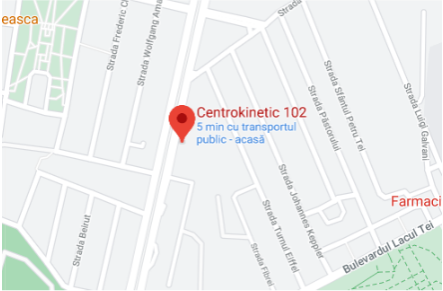
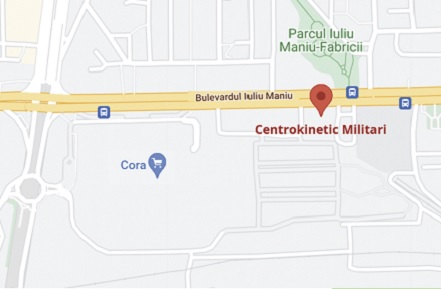
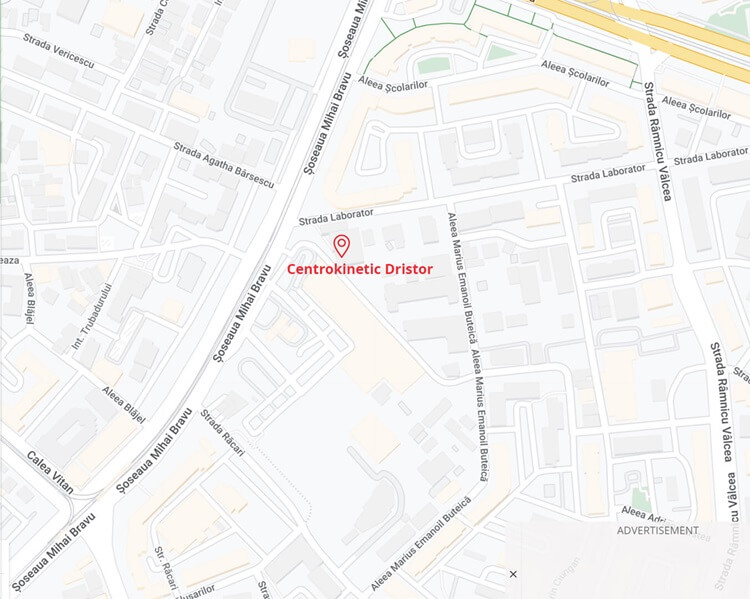
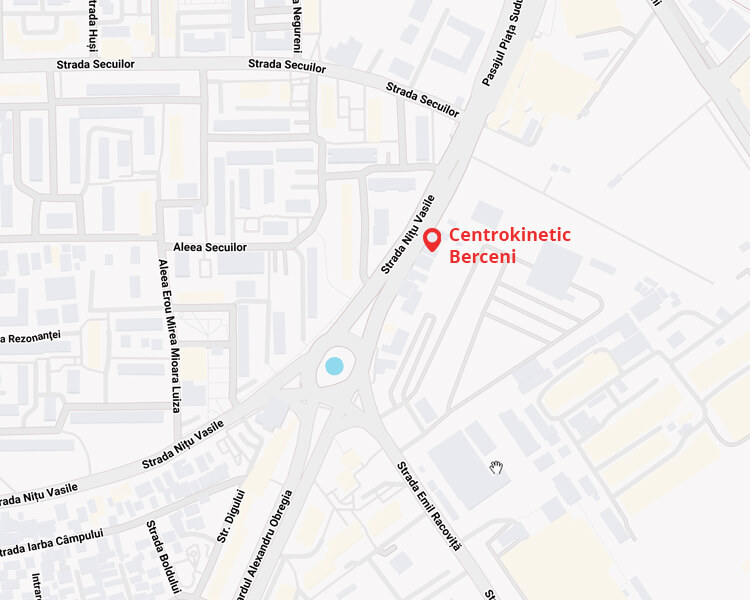
See here how you can make an appointment and the location of our clinics.







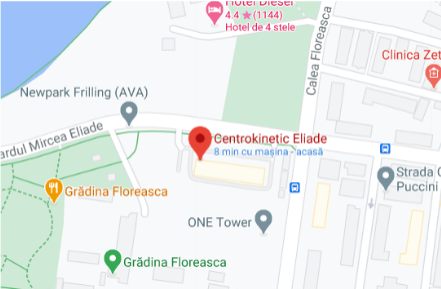
CENTROKINETIC FLOREASCA
Bucharest, 1st District,
Mircea Eliade Street, no. 18,
Eliade Tower, Entrance A, Floor 3
| Navigation | Explore 3D |
CENTROKINETIC Barbu Vacarescu
Bucharest, 2nd District,
Barbu Vacarescu Street, no. 102,
102 The Address, ground floor.
| Navigation | Explore 3D |
CENTROKINETIC MILITARI
Bucuresti, Sector 6,
Bld. Iuliu Maniu, nr. 15G,
Cladirea PBT, etaj 3.
| Navigation |
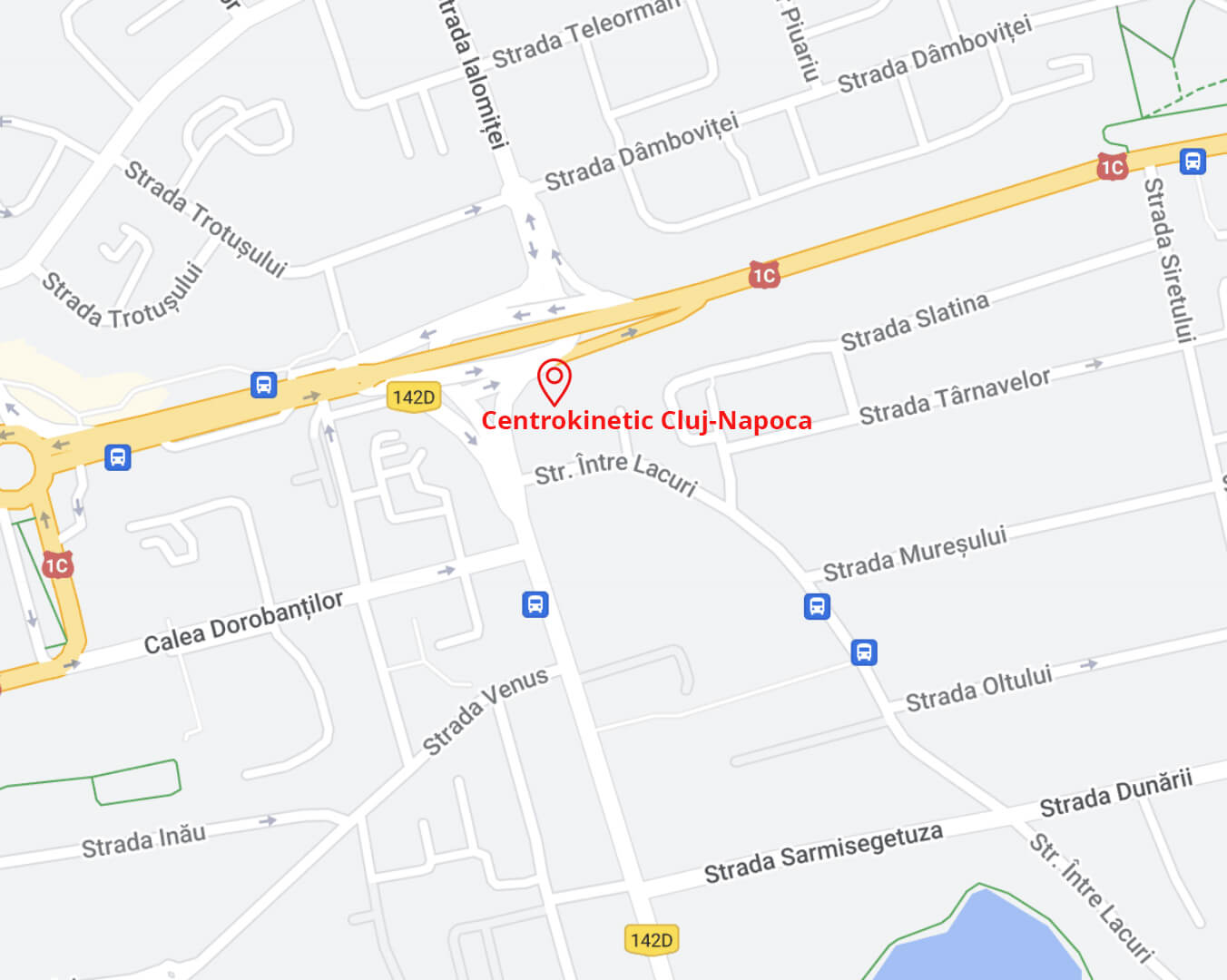
CENTROKINETIC CLUJ-NAPOCA
Cluj-Napoca,
Str. Intre Lacuri, nr.1
Intrarea este in spatele cladirii.
| Navigation |
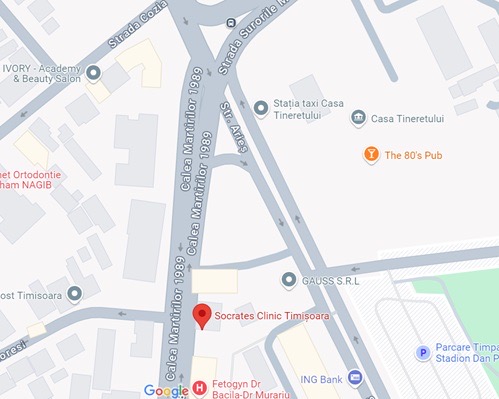
SOCRATES CLINIC TIMISOARA
Timisoara, Calea Martirilor 1989,
nr. 1.
Telefon: 0371 785 374.
| Navigation |
Phone: 0319693
E-mail: programari@centrokinetic.ro
Operating hours:
Monday – Friday: 07:00 – 21:00
Saturday: 09:00 – 14:00
Sunday: closed.
MAKE AN APPOINTMENT