My Knee Hurts When Climbing Stairs - Do I Need an Orthopedist, MRI, or Physiotherapy?


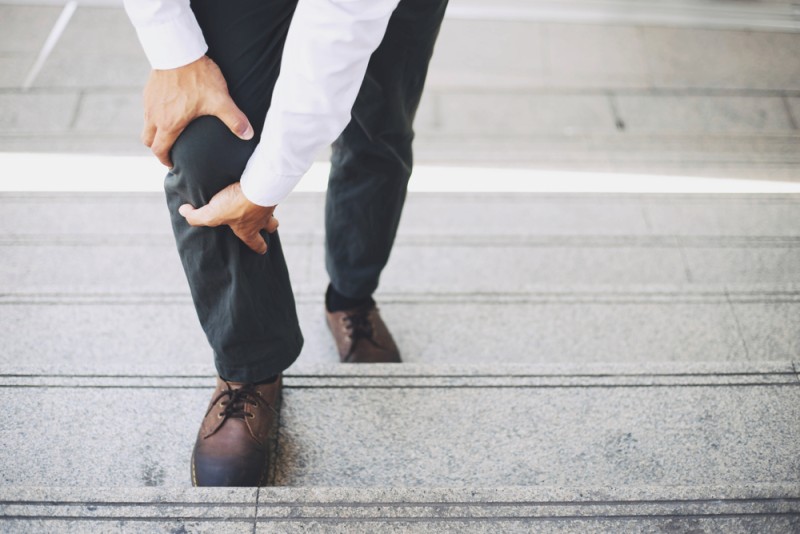
Knee pain when climbing stairs can appear after exertion, during everyday activities, or even without an obvious cause. In such situations, many patients wonder whether they need an orthopedic consultation, an MRI, or whether they can start physiotherapy right away. The right choice depends on the cause of the pain and the symptoms involved. A correct evaluation helps establish the diagnosis and choose the appropriate treatment.
Why does my knee hurt when I climb stairs?
Climbing stairs increases the pressure on the patellofemoral joint (the area between the kneecap and the femur) by up to 3-4 times body weight. If there is a muscular imbalance, inflammation, or cartilage damage, pain appears quickly.
If you can walk on flat ground without any problems, but feel discomfort when climbing stairs, the cause is often mechanical. This means certain structures aren't working together efficiently: the thigh muscles, the glutes, the ankle, and the hip aren't stabilizing the knee correctly.
To better understand the situation, answer a few simple questions:
- Where is the pain located?
- Did it appear suddenly or gradually?
- Has your knee swollen?
- Do you feel instability or locking?
- Does it also hurt when going down stairs?
The answers help guide the doctor and help you choose the right next step.
Where is the pain located and what could it mean?
The location of the pain provides important clues about the affected structure. Note the signs and discuss them with your doctor during the consultation.
Pain at the front of the knee
Anterior pain, around the kneecap, frequently occurs in:
- patellofemoral syndrome;
- patellar chondromalacia (damage to the kneecap cartilage);
- patellar tendinopathy.
Typical symptoms:
- pain when climbing and descending stairs;
- discomfort when sitting for long periods with the knee bent;
- a sensation of pressure or grinding.
This problem is common among runners, people who suddenly increase their training intensity, or those who spend many hours sitting at a desk with weakened muscles. In most cases, this type of pain responds well to tailored physiotherapy recovery programs.
Pain inside the knee
Medial pain may indicate:
- medial meniscus injury;
- early-stage knee osteoarthritis;
- medial collateral ligament sprain.
If you feel a sharp pain when twisting, locking, or notice swelling in the area after exertion, an orthopedic consultation is necessary. In adults over 40-45 years old, medial pain associated with morning stiffness may suggest the onset of osteoarthritis. For more information, read our article on knee osteoarthritis and its treatment.
Pain on the outside of the knee
Lateral pain frequently occurs in runners or athletes who train on sloped terrain. Possible causes:
- iliotibial band syndrome;
- lateral meniscus injury;
- repetitive overload.
The pain tends to intensify when climbing or descending stairs and may radiate slightly toward the upper part of the calf.
Pain only when bending
If it hurts mainly when you bend your knee and you haven't suffered a trauma, the cause is usually mechanical. Muscular imbalances or reduced mobility in the ankle and hip alter knee alignment. In these situations, recovery programs that include physiotherapy can help reduce the pain.
When is physiotherapy enough?
For many active adults and recreational athletes, pain appears gradually, without a clear injury. In these cases, the first recommendation is an evaluation by a physical medicine and rehabilitation or orthopedic specialist, who determines whether physiotherapy is indicated.
In general, this is appropriate if:
- the pain appeared progressively;
- you haven't suffered a fall or a violent twist;
- the knee isn't locked;
- you can bear weight on the leg;
- there is no marked instability.
A personalized medical recovery program can combine physiotherapy with kinetotherapy. Typically, such an approach involves:
- assessing lower limb alignment;
- analyzing gait and stair climbing;
- exercises to strengthen the quadriceps and glutes;
- training neuromuscular control;
- treatments to reduce inflammation.
Kinetotherapy programs focus on controlled movement and correcting faulty movement patterns. Many patients notice improvement within 4-8 weeks if they follow the established plan. The benefits of a correct evaluation include:
- identifying the real cause of the pain;
- avoiding unnecessary investigations;
- reducing the risk of the condition becoming chronic;
- a faster return to everyday activities.
Early intervention is very important. The sooner you start recovery, the lower the chances of the pain becoming recurrent.
When should you see an orthopedist?
There are situations in which an orthopedic consultation shouldn't be delayed.
See an orthopedist promptly if:
- the pain appeared after a twist or a fall;
- the knee swelled within the first few hours;
- you can't bear weight on the leg;
- you feel like the knee is giving way;
- there's locking and you can't fully straighten the knee.
These signs may indicate injuries to the meniscus, ligaments, or other intra-articular structures.
Schedule a consultation if:
- the pain persists for more than 2-3 weeks;
- symptoms are worsening;
- episodes recur.
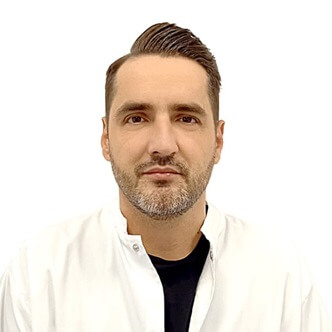
An orthopedic consultation includes a detailed discussion of medical history, specific clinical tests, and a recommendation for the appropriate investigations. At Centrokinetic, evaluations can be carried out by experienced doctors, such as Dr. Andrei Bogdan, senior consultant in orthopedics and traumatology.
The medical team's expertise and collaboration with rehabilitation specialists make it possible to establish a personalized plan, tailored to your age, activity level, and goals.
Do I need an MRI?
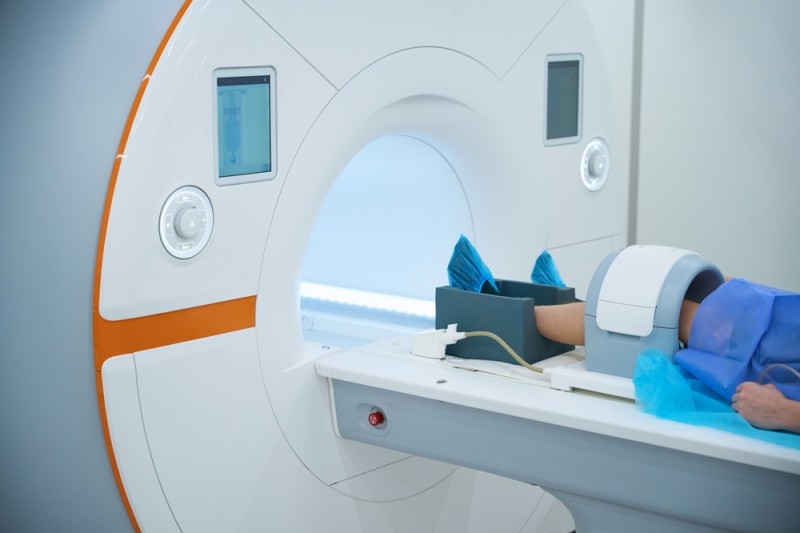
MRI (Magnetic Resonance Imaging) is an advanced imaging investigation that provides details about the meniscus, ligaments, cartilage, and soft tissues. It isn't the first step for every case of knee pain.
A doctor may consider an MRI unnecessary if:
- the pain is mild;
- there's no trauma;
- there's no locking or instability;
- the symptoms suggest patellofemoral syndrome.
In these situations, the clinical exam and the response to treatment may be sufficient.
An MRI may be indicated if:
- the doctor suspects a meniscus tear;
- there's a suspicion of a ligament injury;
- the pain persists despite proper treatment;
- joint locking occurs.
An MRI complements the clinical consultation, it doesn't replace it. The doctor decides the right time for the investigation, so as to obtain relevant information without unnecessary scans.
Orthopedist, MRI, or physiotherapy?
This guidance is general. Every patient has their own particularities: age, weight, sports activity, history of surgery. The doctor determines the appropriate approach for your specific case.
What mistakes make the pain worse?
Many patients try to keep training at the same pace or keep postponing the consultation. This behavior can prolong recovery.
Avoid:
- deep squats during the painful phase;
- running on hard surfaces without warming up;
- suddenly increasing training volume;
- prolonged complete rest without medical advice;
- self-medication without a consultation.
Prolonged total rest can lead to muscle weakening and joint stiffness. In most cases, controlled movement is more helpful than immobilization.
What can you do at home until your appointment?
If your knee pain is mild and there are no warning signs, you can apply simple measures:
- ice for 10-15 minutes after exertion;
- temporarily reducing demanding activities;
- gentle exercises to activate the quadriceps;
- maintaining a healthy body weight.
Monitor how it evolves over 7-10 days. If the pain doesn't improve or gets worse, schedule an evaluation.
The importance of a correct evaluation at Centrokinetic
Centrokinetic gives you access to:
- orthopedic consultation;
- musculoskeletal ultrasound;
- MRI recommendation if needed;
- a personalized recovery program;
- progress monitoring.
A personalized approach makes the difference. A performance athlete has different goals than a parent who wants to be able to climb stairs without pain, or a patient who has recently had surgery.
Early intervention reduces the risk of complications and shortens the period of inactivity. The Centrokinetic multidisciplinary team works together to adjust treatment as the condition evolves.
Summary and next steps
Knee pain when climbing stairs can have multiple causes, ranging from mild mechanical issues to intra-articular injuries. Not every case of pain requires an immediate MRI, and not every discomfort calls for surgery.
Don't delay investigation if the pain limits your daily activities or athletic performance. A correct evaluation gives you a clear plan tailored to your needs. Book a specialist consultation at Centrokinetic now!
Frequently asked questions
Why does my knee hurt when climbing stairs, but not during normal walking?
Climbing stairs increases the pressure on the patellofemoral joint. If there's a problem with the kneecap or the cartilage, this extra demand triggers the pain. On flat ground, the forces are lower and symptoms may be absent.
Is an MRI mandatory if my knee hurts?
No. In many situations, the clinical exam and the response to treatment are sufficient. A doctor only recommends an MRI if they suspect injuries that require imaging confirmation, or if symptoms persist.
Can I keep playing sports if I feel mild pain?
It depends on the cause and intensity. Low-impact activities, such as cycling or swimming, are usually better tolerated. If the pain increases during or after exertion, stop the activity and seek a medical evaluation.
How long does recovery take?
Recovery time varies depending on the diagnosis. Mild mechanical issues can improve within a few weeks of physiotherapy. Ligament or meniscus injuries may require months of recovery, especially after surgery.
Disclaimer: This article is for informational purposes only and does not replace specialist medical consultation. For an accurate diagnosis, see an orthopedist or a physical medicine and rehabilitation specialist.
Sources:
- Patellofemoral Pain Syndrome (PFPS): Symptoms & Treatment. Cleveland Clinic, 2026. Accessed June 25, 2026.
- Why Your Knees Hurt Climbing Stairs. Verywell Health, 2020. Accessed June 25, 2026.
BUCHAREST TEAM






























































CLUJ NAPOCA TEAM


































BRASOV TEAM





















MAKE AN APPOINTMENT
FOR AN EXAMINATION
See here how you can make an appointment and the location of our clinics.
MAKE AN APPOINTMENT
Asiguratori privati





Parteneriate



CENTROKINETIC FLOREASCA
Bucharest, 1st District,
Mircea Eliade Street, no. 18,
Eliade Tower, Entrance A, Floor 3
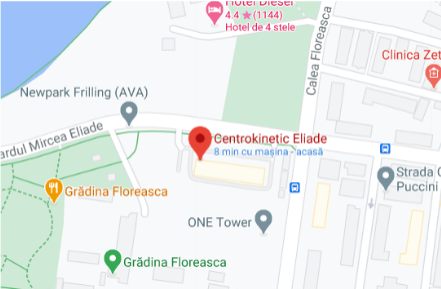
| Navigation | Explore 3D |
CENTROKINETIC Barbu Vacarescu
Bucharest, 2nd District,
Barbu Vacarescu Street, no. 102,
102 The Address, ground floor.
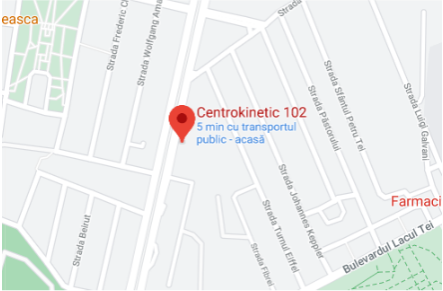
| Navigation | Explore 3D |
CENTROKINETIC MILITARI
Bucuresti, Sector 6,
Bld. Iuliu Maniu, nr. 15G,
Cladirea PBT, etaj 3.
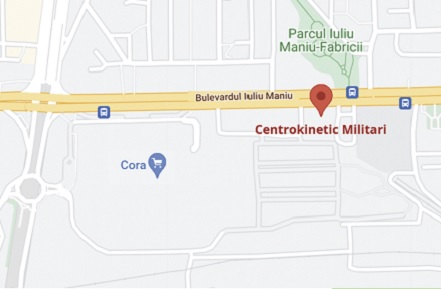
| Navigation |
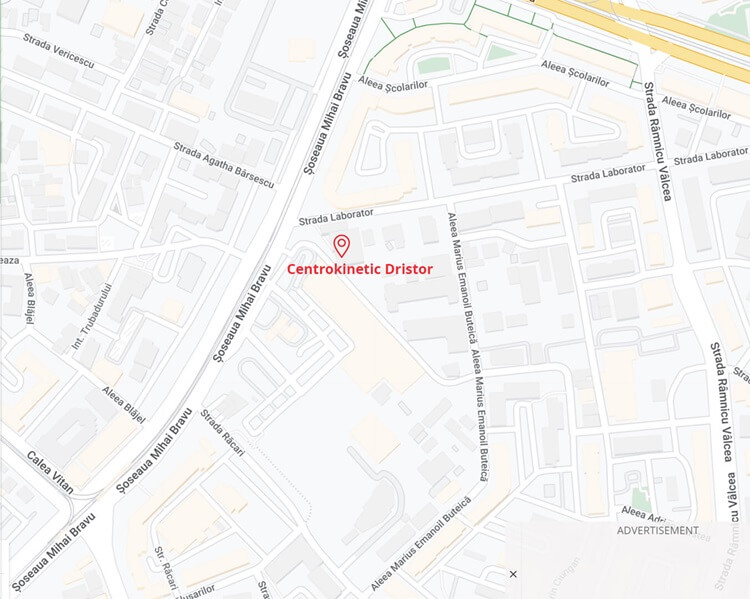
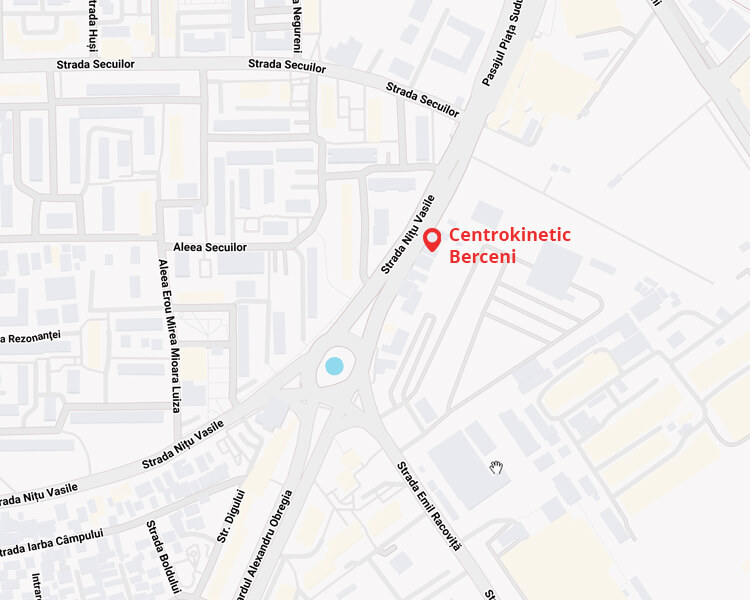
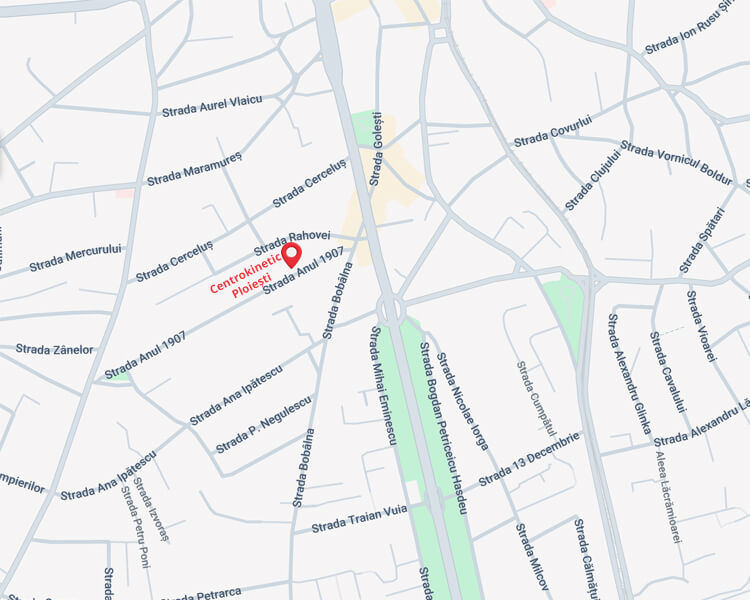
CENTROKINETIC CLUJ-NAPOCA
Cluj-Napoca,
Str. Intre Lacuri, nr.1
Intrarea este in spatele cladirii.
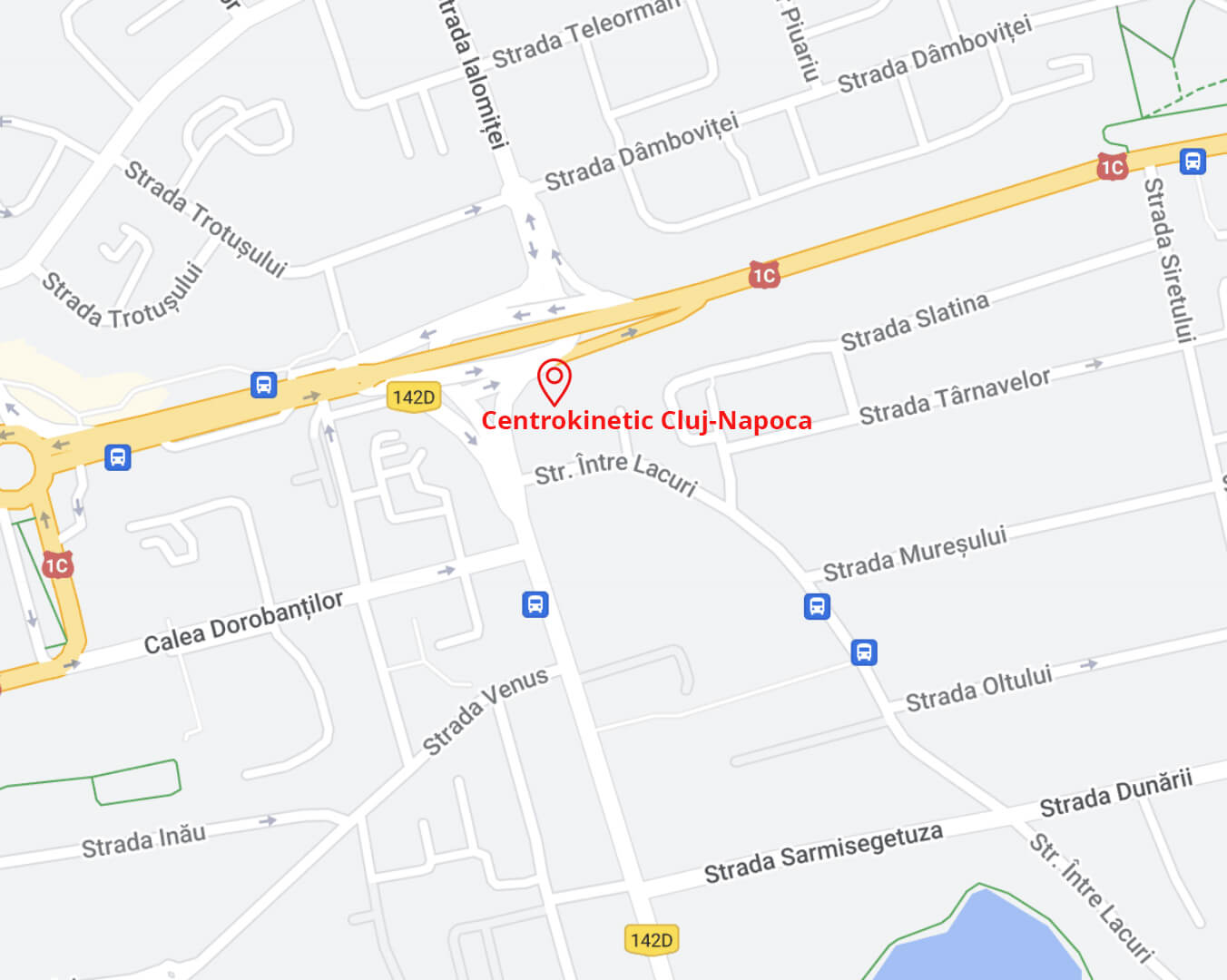
| Navigation |
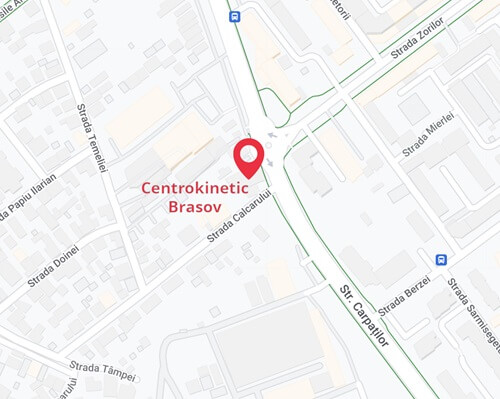
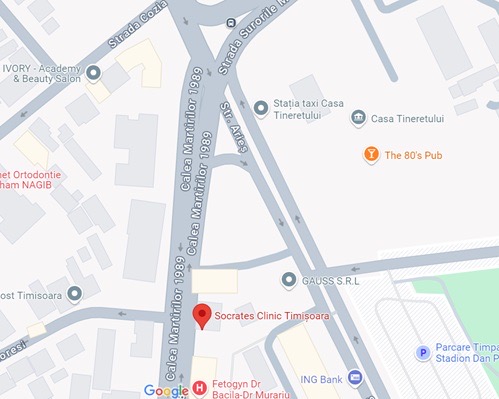
SOCRATES CLINIC TIMISOARA
Timisoara, Calea Martirilor 1989,
nr. 1.
Telefon: 0371 785 374.
| Navigation |
CONTACT
Phone: 0319693
E-mail: programari@centrokinetic.ro
Operating hours:
Monday – Friday: 07:00 – 21:00
Saturday: 09:00 – 14:00
Sunday: closed.
MAKE AN APPOINTMENT