Actualizat: 17-03-2025 / Publicat: 11-01-2018
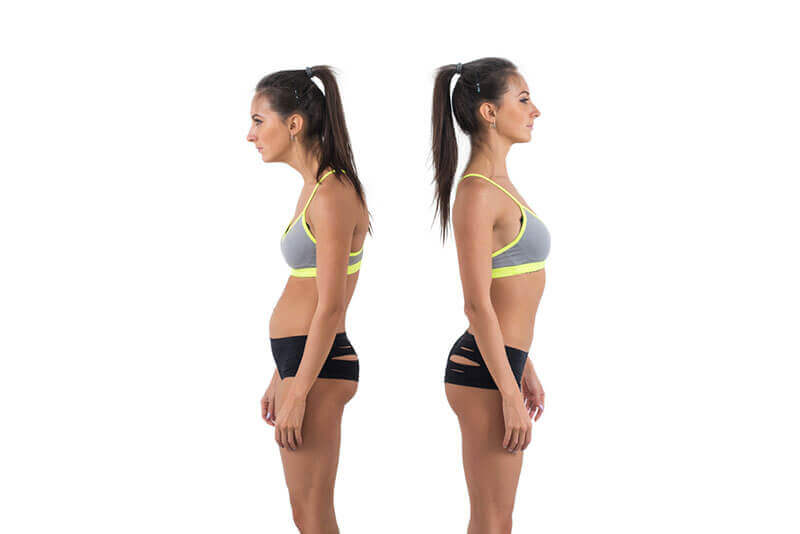
Kyphosis is a condition that occurs at the level of the spine, with manifestations that can significantly affect a person's quality of life. The resulting deformity can cause additional pressure on the back and, in certain cases accompanied by complications, breathing difficulties.
In today's article we will develop a series of important ideas about: the causes of kyphosis development, the symptoms patients may face, the diagnosis of this medical problem, treatment solutions, and prevention tools:

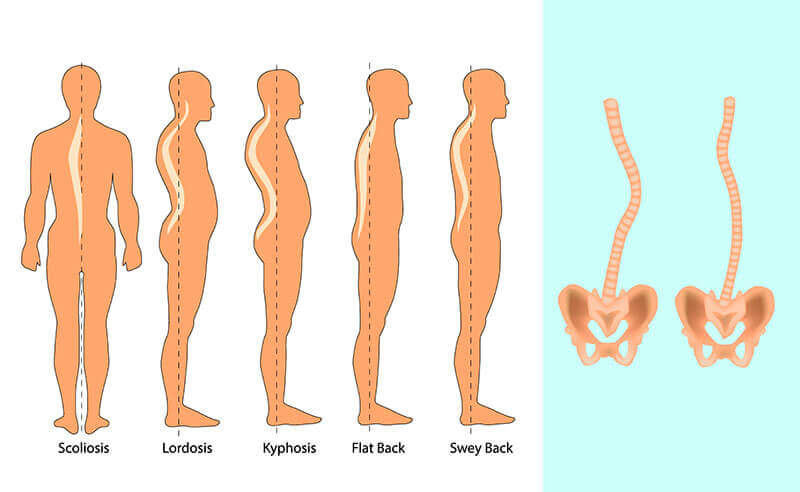
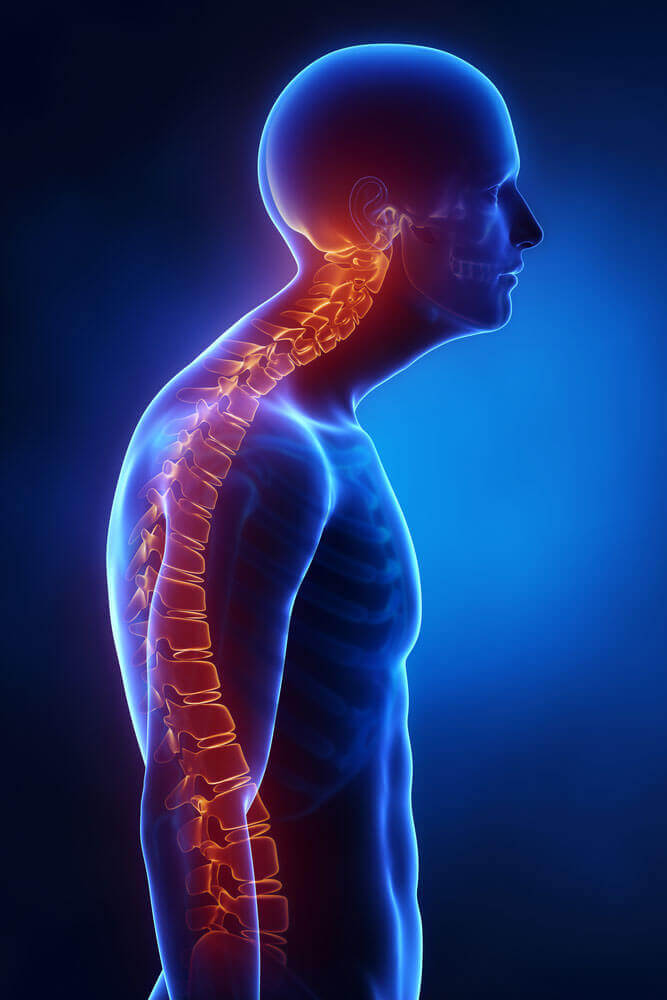
Kyphosis is a rounding of the back. Some rounding is normal, but the term kyphosis usually refers to an exaggerated rounding of the back. Kyphosis can appear at any age, but it is more common in older women, due to problems arising in the skeletal system.
Age-related kyphosis often occurs after
osteoporosis weakens the vertebral bones to the point where they break and compress. Other types of kyphosis are observed in infants or adolescents, due to spinal malformation or the bending of vertebral bones over time.
Although the thoracic spine should have a natural kyphosis between 20 and 45 degrees, postural or structural abnormalities can cause a curve that falls outside this normal range. While the medical term for a curve that is larger than normal (more than 50 degrees) is actually
"hyperkyphosis", the term "kyphosis" is commonly used by doctors to refer to the clinical condition of excessive curvature of the thoracic spine, a rounded upper back.
Kyphosis can vary in severity. In general, the larger the curve, the more severe the condition. Smaller curves may cause mild back pain, or may be symptom-free. More severe curves can cause significant spinal deformities, and may result in a visible hump on the patient's back.
Dr. Lungu Adrian, medical rehabilitation physician, tells us more about kyphosis in this video:
There are several types of kyphosis. The three that most frequently affect children and adolescents are:
Postural kyphosis
This form of kyphosis is attributed to poor posture. It happens in both young and older patients, is more prominent in women than in men, and rarely causes pain. Exercises to strengthen the abdominal and back muscles can help correct kyphosis caused by poor posture, and maintain a normal body line.
Scheuermann's kyphosis
It is estimated that 4-8% of the general population may suffer from Scheuermann's kyphosis. This condition occurs in adolescents due to abnormal growth of the spine and discs. It can become clinically evident in adolescents or adults and is more common in men. Patients usually also have mild scoliosis.
The condition is usually treated with the help of a brace, exercises, and physical therapy. Bracing is indicated if the patient is still growing and has moderate to severe kyphosis, with curves of at least 45 degrees or more, and can have a long-term corrective effect. Bracing in adults for this condition is less used, with the aim of controlling pain, without correcting the kyphosis. Specific exercises may be recommended for strengthening the abdominal muscles and increasing spinal flexibility. Surgery may be necessary for painful curves greater than 70 degrees, or that are progressive.
Congenital kyphosis
This form of kyphosis usually presents in infants and children, due to a malformation of the spine in the womb. Unlike other forms of kyphosis, this form most often requires surgery (at a young age) to realign the spine and prevent the progression of the deformity.
The most common cause of kyphosis in adults is due to vertebral fractures caused by
osteoporosis. This can occur in both men and women, but is more common in women.
As osteoporosis weakens the vertebral bones of the spine, the vertebrae become susceptible to fractures, which usually occur in a wedge shape - with the front part of the vertebrae collapsing and losing height, while the back part of the vertebra maintains its height. As the front part of the bone is crushed, that segment of the spine bends inward, resulting in a kyphotic curve and a forward-leaning posture.
This deformity can be caused by a variety of problems, including:
- Degenerated discs. The soft, round discs act as cushions between the vertebrae. With age, these discs dry out and shrink, which often worsens kyphosis.
- Scheuermann's disease. Also called Scheuermann's kyphosis, this disease usually begins during the growth spurt that occurs before puberty. Boys are affected more often than girls. The rounding of the back may worsen as the child stops growing. In some severe cases (kyphosis over 40°), surgery is necessary.
- Birth defects. If a child's spine does not develop properly in the womb, this can cause kyphosis to develop.
- Syndromes. Kyphosis in children can also be associated with certain syndromes, such as Marfan syndrome or Prader-Willi disease.
- Cancer treatment and cancer. Cancer located in the spine can weaken the vertebrae and make them more prone to compression fractures. Chemotherapy and radiation cancer treatment can have the same effects.
Risk factors that can increase the likelihood of kyphosis occurring:
- age;
- incorrect posture;
- the presence of scoliosis;
- experiencing physical trauma;
- genetic inheritance.
Effects of developing kyphosis on self-esteem:
Children or adolescents facing problems associated with kyphosis may have reduced self-esteem, due to their posture or inability to move normally. Therefore, relationships with those around them can be affected, especially if there are also cases of bullying within their social circles. As a result, they may isolate themselves from friends and colleagues, which has a strong emotional impact on them.
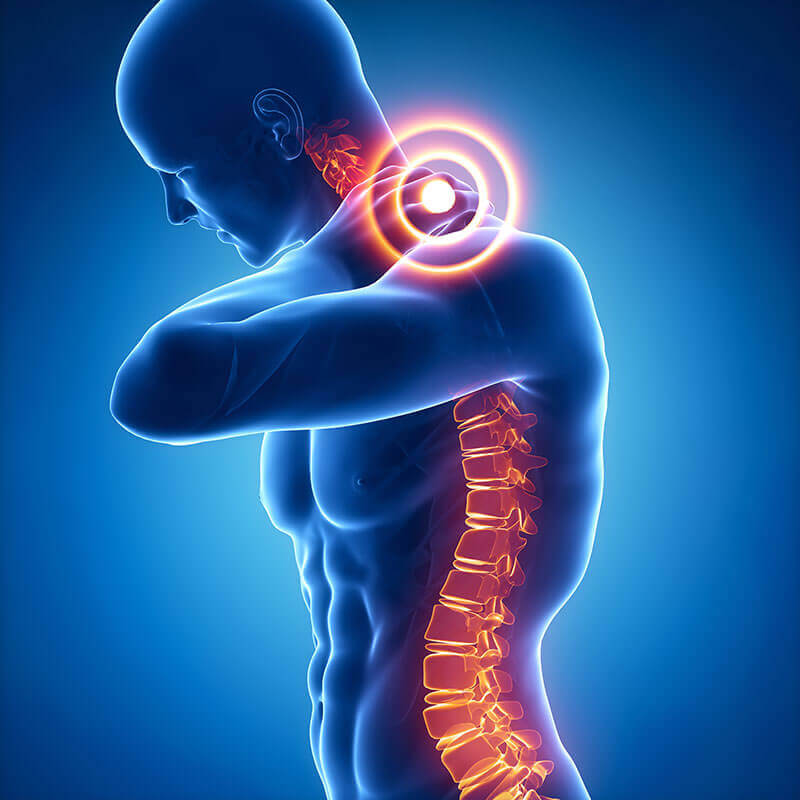
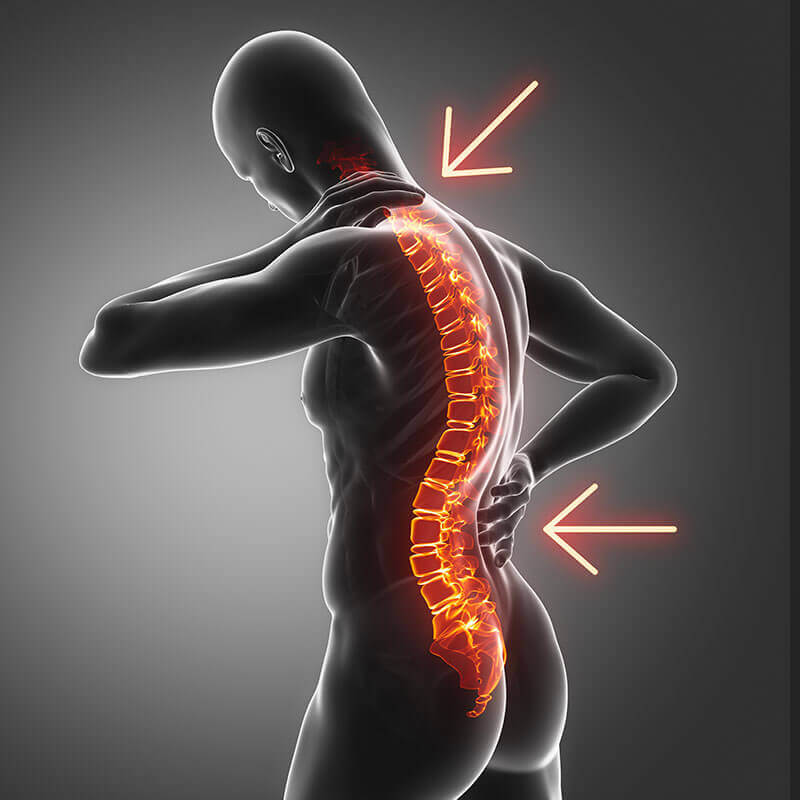
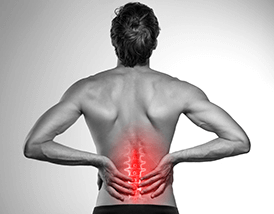
The most common symptoms for patients with abnormal kyphosis are the appearance of improper posture and the emergence of a hump. Symptoms can include back pain, muscle fatigue, and back stiffness. Most often, these symptoms remain fairly constant and do not worsen over time.
![DURERI CIFOZA]()
In more severe situations, the patient may notice worsening symptoms. Kyphosis can progress, causing a more exaggerated hump. In rare cases, this can lead to compression of the spinal cord with neurological symptoms, including weakness, loss of sensation, or loss of bowel and bladder control.
In the case of worsening kyphosis, normal walking is affected, and the patient may experience pain when getting up from a chair. If the kyphosis presses on the digestive tract, there may be an increased risk of gastric reflux, and the patient may experience difficulty swallowing. The spinal curvature specific to kyphosis affects the shoulder muscles, including the pectoralis major, the subclavius, and the pectoralis minor.
Severe cases of thoracic kyphosis can also limit the space in the chest and cause cardiac and pulmonary problems that lead to chest pain or breathing difficulties, with a possible pulmonary and/or cardiac failure.
![tipuri de cifoza]()
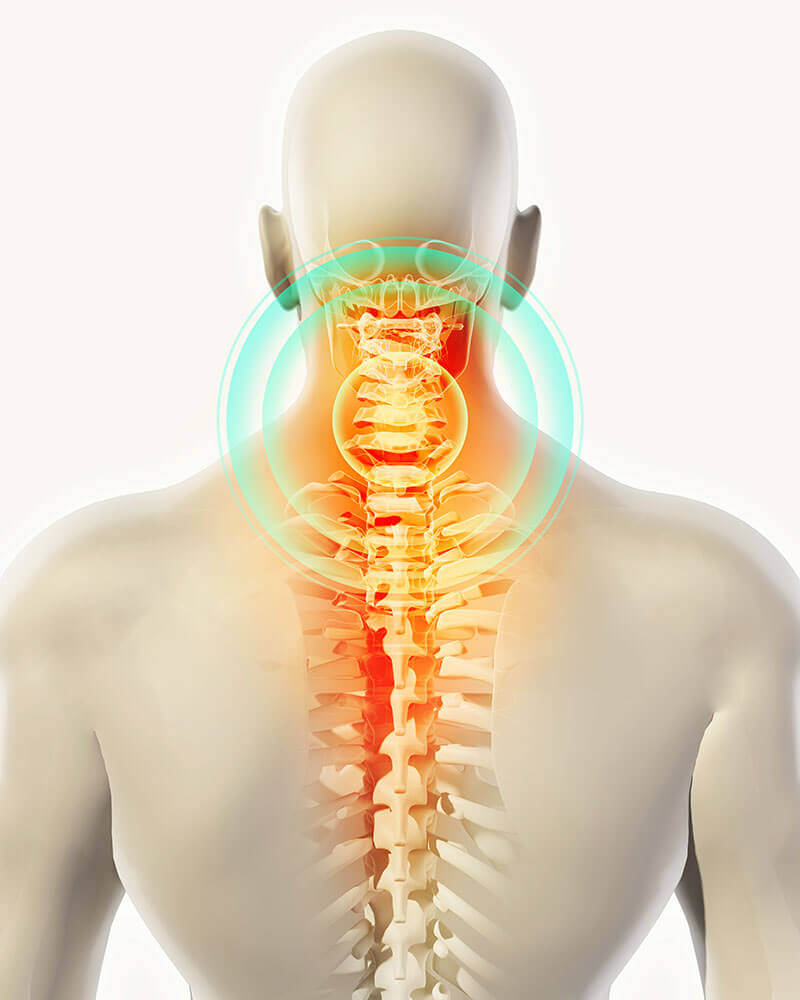
If you are concerned about an unusual curve of the spine, contact our medical team. Only a doctor can determine whether you have kyphosis. During the visit, the doctor will ask you a series of questions about your health history and will perform a clinical examination. Kyphosis can usually be diagnosed by examining the spine and performing imaging tests.
Neurological tests
If you are experiencing a feeling of numbness, or muscle weakness, the specialist doctor may recommend several neurological tests, in order to determine how well nerve impulses travel between the spinal cord and the extremities of the body.
Clinical examination of the patient
During the clinical examination, the doctor will examine the back and palpate the spine, to feel for possible abnormalities, thus testing muscle tone and spinal mobility. They will measure your height and will ask you to bend over, in order to examine the spine from the side. In kyphosis, the rounding of the upper back may become more evident in this position. The doctor may also perform a neurological exam, to check reflexes and muscle strength.
![diagnosticarea cifozei]()
The doctor may recommend taking X-rays from different angles, to determine whether there are changes in the vertebrae or other bone abnormalities. X-rays will also help measure the degree of the kyphotic curve. A curve that is greater than 50° is considered abnormal.
Pulmonary tests
If the rounding is severe, the doctor may recommend pulmonary tests. These tests will help determine whether breathing is restricted due to a decrease in chest space.
Other tests
In patients with congenital kyphosis, progressive curves can lead to symptoms of spinal cord compression, including pain, tingling, numbness, or weakness in the lower body. If the patient experiences any of these symptoms, the doctor may order neurological tests or a magnetic resonance imaging (MRI) scan.
Based on the observations made during the diagnostic stage, the specialist doctor can accurately determine the causes and type of kyphosis you are dealing with. This aspect is extremely important, for creating an effective treatment plan.
Over time, parts of our body can wear out or degenerate. When this happens, those body parts no longer function the same way, and this degeneration can lead to kyphosis.
Here are the treatment solutions available for the main types of kyphosis:
Treatment for postural kyphosis
Postural kyphosis can usually be treated with physical therapy, to strengthen the back muscles and correct posture. Anti-inflammatory medications can also help relieve symptoms. These curves do not continue to worsen over time, nor are they determinant for the occurrence of more serious complications. Surgery is not necessary for postural kyphosis.
Treatment for Scheuermann's kyphosis
Scheuermann's kyphosis is initially treated with a combination of physical therapy exercises and anti-inflammatory medications. If the patient is still growing, a brace can be effective. Bracing is often recommended for curves of at least 45 degrees and can be used until the patient stops growing. In some cases, surgery is recommended for Scheuermann's kyphosis.
The goals of surgery are to partially correct the kyphosis deformity, relieve pain, and improve the overall alignment of the spine. Indications for surgery include a curve greater than 75 degrees, uncontrolled pain, and neurological, cardiac, or pulmonary problems.
Treatment for congenital kyphosis
Treatment of congenital kyphosis often involves surgery while the patient is still young. This is because kyphosis is caused by an abnormality of the developing vertebrae. Surgery performed at a young age can help correct the kyphosis before it continues to worsen.
Sometimes, due to painful vertebral collapse caused by osteoporosis, kyphosis is treated through a procedure called kyphoplasty, in which a balloon is inserted into the affected vertebra and filled with a fluid (methyl methacrylate) that hardens to restore vertebral height. This procedure is a last resort after non-invasive treatment has failed.
![]()
Adolescents and adults with kyphosis can benefit from the technical support of a physical therapist. A well-established rehabilitation program helps calm pain and inflammation, stimulates improvement of mobility and strength, and can help you carry out daily activities with more ease and capacity. Therapy sessions can be scheduled two to three times a week, for up to six weeks.
The goals of physical therapy are to help you achieve normal posture and body movements. This transition generates a series of benefits: the effects of kyphosis are counteracted; adequate activity levels are maintained; the range of motion of the limbs and strength are maximized; you learn new ways to manage the less pleasant states caused by kyphosis.
Physical therapy (kinesiotherapy) for postural kyphosis
Physical therapy (
kinesiotherapy) is an important treatment option for kyphosis. It is especially useful for cases of postural kyphosis, since the kinesiotherapist can help you learn how to correct your posture and strengthen your back muscles. The therapist can help you tone your paravertebral muscles - the muscles attached to the spine, whose role is to support it.
Often, in the case of postural kyphosis, these muscles do not do their job very well. Our kinesiotherapists will teach you exercises to work on these crucial muscles. Once they start supporting the spine better, you will have less poor posture. Strengthening the spinal muscles can help reduce pain, since the muscles will not be overworked.
Physical therapy for Scheuermann's kyphosis
Kinesiotherapy is often carried out at the same time as using the brace. Because the brace supports so much of the spine, wearing it can weaken the muscles. To avoid this, it may be necessary to go to physical therapy. Otherwise, when the brace is removed, the muscles may not be able to support the spine very well, causing it to possibly curve well beyond the limits.
The physical therapist will also help you with flexibility and range of motion. It is possible that the manifestations of Scheuermann's kyphosis cause high-intensity tightness of the hamstring muscles. Kinesiotherapy can help relieve this effect, as flexibility increases.
Physical therapy for congenital kyphosis
Physical therapy in congenital kyphosis is not of much help. Given that this condition occurs already in the womb, physical therapy cannot be used as a form of treatment. Later, therapeutic massage, exercises, and physical therapy can be used, to help the body recover more easily after surgery. Physical therapy helps the patient strengthen their muscles and adopt correct body posture.
![cifoza lordoza]()
To reverse or lessen the negative results of a kyphotic position, it is important to strengthen the muscles, with exercises targeting the upper back and shoulder region. It is important to accomplish this by correctly performing the sets of repetitions.
The kyphotic curve can be reduced with a combination of stretches and by carrying out a structured exercise program, to strengthen the upper back and release the front of the chest. Pilates exercises are an excellent solution for this need. It is important to note that shoulder movement is compromised in kyphosis and, like any arm exercise, must be structured accordingly.
Make sure you keep the following aspects in mind when doing muscle-strengthening exercises, with the aim of correcting or preventing kyphosis:
- focus on extending the upper back; imagine that you are growing taller as you prepare for each exercise, trying to extend your back.
- use your back muscles to complete the exercises; if you feel the fronts of your shoulders, you are probably pulling with your arms and not with your shoulders.
Bracing is used to treat structural kyphosis, especially Scheuermann's kyphosis. It is not used for postural kyphosis, but it is used for some spinal fractures. A brace can help control pain and can slow or stop the progression of the curve. A brace can help the patient avoid surgery later on. It is designed to support the spine and to relieve pressure on the vertebrae.
There are different types of braces for treating kyphosis, and the doctor will carefully select the appropriate option for the patient. The brace will then be custom-made, to ensure it fits comfortably.
The doctor or nurse can give you essential advice about wearing the brace, for how long each day, and for how many weeks or months. At first, you may need to wear the brace for more than 20 hours a day (even up to 24 hours a day).
Wearing a brace for kyphosis can be difficult in the first few days. It may take some time to get used to how this support looks and feels. However, the doctor or nurse can offer some helpful tips on how this support can become more comfortable.
By always wearing the brace, and wearing it correctly, you can avoid more invasive treatments (for example, surgery). In adults, it will not help straighten the spine. Once skeletal maturity has been reached, the brace is used more for pain relief than for preventing it.
As a rule, the doctor will first recommend over-the-counter medications, since these are not as strong as prescription medications. If over-the-counter medications reduce or control the pain, then you will not need to take something stronger.
Over-the-counter medications for kyphosis-related pain
Acetaminophen: This is the technical medical term for what most of us call painkillers. Acetaminophen does not reduce any inflammation you have, but it is good for reducing pain. It works by blocking the brain's perception of pain, so it is effective for pain caused by kyphosis.
Nonsteroidal anti-inflammatory drugs: A few examples are Advil and Aleve. These should help reduce any inflammation and pain.
By taking a nonsteroidal medication, an anti-inflammatory effect is produced in the system, so it needs to be taken over the long term. Anti-inflammatories will not be as effective if you only take them when you experience pain. Because they accumulate in the body and work to limit inflammation, they are better for people suffering from chronic pain. If over-the-counter medications do not relieve the pain enough, the doctor may prescribe something stronger. However, it should be kept in mind that medications will not cure kyphosis. They actually mask one of the symptoms: pain.
Surgery is often recommended for patients with congenital kyphosis. Surgery may also be recommended for:
- patients with Scheuermann's kyphosis who have curves greater than 75 degrees;
- patients with severe back pain, whose manifestations do not improve with non-surgical treatment.
Spinal fusion is the surgical procedure most commonly used to treat kyphosis.
The goals of spinal fusion are:
- Reducing the degree of curvature
- Preventing any further progression
- Reducing back pain, if present
In essence, spinal fusion is a "welding" process. It aims to fuse the affected vertebrae so that they heal into a single solid bone. Fixing the vertebrae will reduce the degree of curvature and, because it eliminates movement between the affected vertebrae, it can also ease the pain.
During the surgical procedure, the vertebrae that make up the curve are first realigned to reduce the rounding of the spine. The first pieces of bone graft are then placed in the spaces between the vertebrae that need to be fused. Over time, the bones grow together - a process similar to the way broken bones heal. Before placing the bone graft, your doctor will typically use metal screws, plates, and rods to increase the speed of fusion and to stabilize the spine.
Only the curved vertebrae are fused. The other bones in the spine can still move and continue to help with bending, straightening, and rotating.
![prevenire cifoza]()
Scheuermann's kyphosis and congenital kyphosis are the result of a structural problem of the vertebrae. As a result, nothing can be done to prevent these types of kyphosis. Bracing and exercises can help slow the progression of Scheuermann's kyphosis. Postural kyphosis can be prevented or reduced through physical therapy and exercises to strengthen the back muscles.
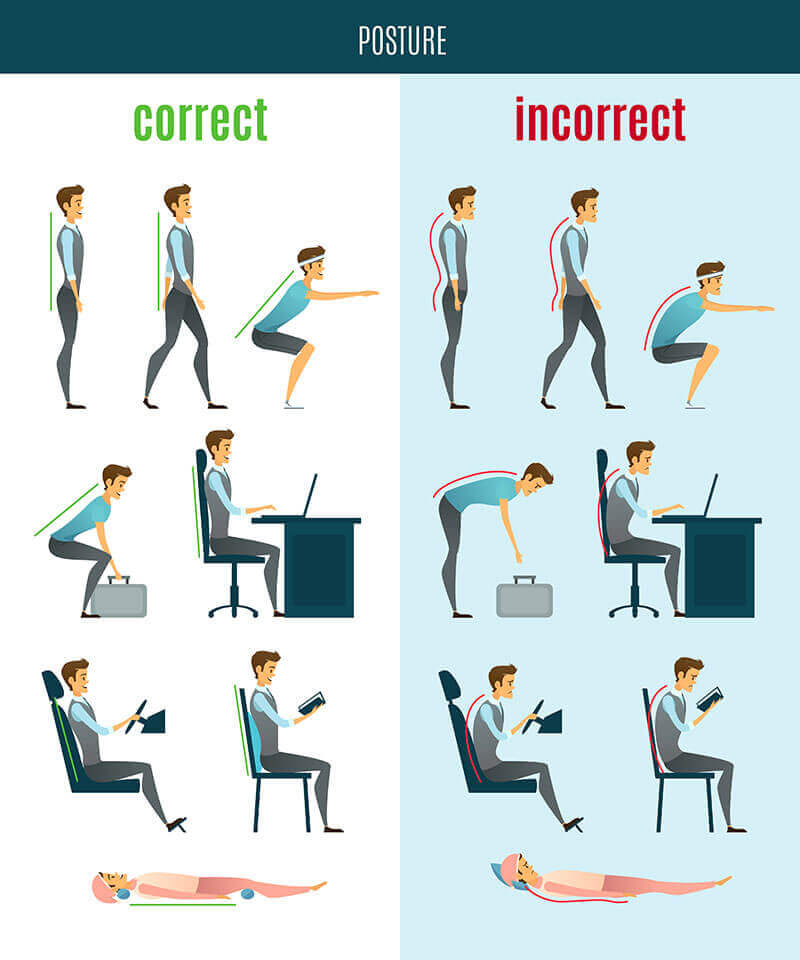
Some abnormal forms of kyphosis can be prevented. Postural kyphosis, for example, depends entirely on posture, so, if you maintain a good position, the development of this type of kyphosis can be prevented. To have correct posture, you need to know how to stand and how to sit.
A few quick tips for good posture:
- keep your feet shoulder-width apart; make sure your weight is distributed evenly; do not put all your weight on one leg;
- keep your head up; more precisely, look forward, not down;
- keep your shoulders back.
You will not be able to correct your posture overnight. It will take some time before you learn to stand and sit correctly, especially after years of poor posture. But it is worth it. The spine is not meant to bear the extra load, when you are in an incorrect posture.
Kyphosis caused by osteoporosis can also be prevented. You need to keep your bones strong and healthy, in order to avoid developing this condition. Eating foods rich in calcium and other vital nutrients helps the body and bones stay healthy.
If structural kyphosis is detected early, and the treatment plan recommended by the specialist doctor is followed completely, it is possible that the abnormal kyphosis will not cause extreme effects on the spine.
Nothing can be done to prevent these types of kyphosis, but a healthy lifestyle and a balanced diet can help you have a stronger body that will recover more easily from illness.
Do not ignore the early signs of any condition. The faster you see a doctor, the more the chances of healing or controlling the condition increase exponentially. Put yourself in the hands of the specialists at Centrokinetic!
Centrokinetic is the place where you will find clear answers and effective solutions for musculoskeletal conditions. Our clinic, dedicated to musculoskeletal disorders, is organized into the following specialized departments:
- Orthopedics, a department composed of a highly experienced team of orthopedic surgeons specializing in sports traumatology.
- Pediatric Orthopedics, where sports injuries in children (ligament and meniscus injuries), spinal deformities (scoliosis, kyphosis, hyperlordosis), and foot deformities (hallux valgus, hallux rigidus, equinovarus foot, flatfoot, cavus foot) are treated.
- Neurology, featuring a state-of-the-art department where consultations, electroencephalograms (EEG), and electromyography (EMG) examinations are performed.
- Medical Rehabilitation for adults and children, a department specialized in the rehabilitation of professional athletes, spinal disorders, and children with neurological and traumatic conditions. Our extensive experience includes treating more than 5,000 professional athletes.
- Medical Imaging, with the clinic equipped with ultrasound and MRI systems dedicated to musculoskeletal conditions, complemented by an experienced radiologist, Dr. Cosmin Pantu, specialized in musculoskeletal imaging.
- Rheumatology, a comprehensive department dedicated to the diagnosis, treatment, and rehabilitation of patients with non-surgical musculoskeletal disorders.
- Vascular Surgery, a highly specialized department focused on the diagnosis and treatment of vascular diseases affecting arteries, veins, and lymphatic vessels.
- Psychology and Speech Therapy. Neurological and musculoskeletal conditions can have a psychological impact on patients, which is why we believe complete recovery requires addressing both the physical condition and its psychological consequences.
- Neurofeedback. This innovative method helps improve concentration, reduce anxiety, and achieve emotional balance through a simple and interactive process.
Stay up to date by following Centrokinetic on Facebook, Instagram, and YouTube.