Lateral epicondylitis: Causes, symptoms, treatment, and prevention



The elbow joint is made up of the following bones: the humerus (the upper arm bone), the radius, and the ulna (the forearm bones). The name of the condition, epicondylitis, comes from the lower end of the humerus, where the structures called epicondyles are located (the lateral epicondyle is the outer bony prominence of the elbow).
Lateral epicondylitis is also known in the specialized literature as "tennis elbow" and is actually an inflammation accompanied by pain that occurs when a person overuses the muscles and tendons at the elbow. In fact, the condition can develop with any repetitive movement (overuse) that engages the forearm muscles (this may involve bricklayers, plumbers, painters, cooks, writers, and others). Most often, the condition occurs in athletes: those who practice sports that require holding objects in hand (badminton, table tennis). It therefore involves those whose activities involve gripping, squeezing, or turning objects held in the hand, or those who perform repetitive movements.
In this article we explain what lateral epicondylitis is, how it manifests, what its causes are, and also how it is treated and whether it can be prevented.
Lateral epicondylitis: Causes, symptoms, treatment, and prevention
- What is lateral epicondylitis?
- What are the causes of lateral epicondylitis?
- What are the symptoms of lateral epicondylitis
- Diagnosing lateral epicondylitis
- Treatment and prevention
What is lateral epicondylitis?
Lateral epicondylitis is a painful inflammation of the elbow that is caused by overuse and repeatedly performing the same movements.
"Tennis elbow" sets in as a result of low-intensity trauma, or from prolonged overuse of the muscles in the elbow area. It can even lead to partial tearing of the tendons. The right elbow is most often affected, because most activities are performed with the right hand/arm.
This condition can be treated, and for this the patient needs a doctor specialized in orthopedics and a physiotherapist.
What are the causes of lateral epicondylitis?

The most important causes of lateral epicondylitis are muscle overuse, the type of activity and movement, as well as the patient's age.
- Muscle overuse: the main cause of lateral epicondylitis is overuse of a forearm muscle (the extensor carpi radialis brevis). When this muscle is overused, tears can occur in the tendon, and this generates inflammation and pain.
- Type of activities and movements (repetitive actions): overuse is not the only cause of this condition; repetitive actions can also cause it. If these activities also involve lifting weights, the risk of the condition occurring is even higher.
- Age: in general, anyone can suffer from this condition. However, the highest risk is found in people aged between 30-50 years.
Lateral epicondylitis does not always have a known cause. If a cause of this condition cannot be identified, the condition is called idiopathic, or it is stated to have unknown causes.
What are the symptoms of lateral epicondylitis?
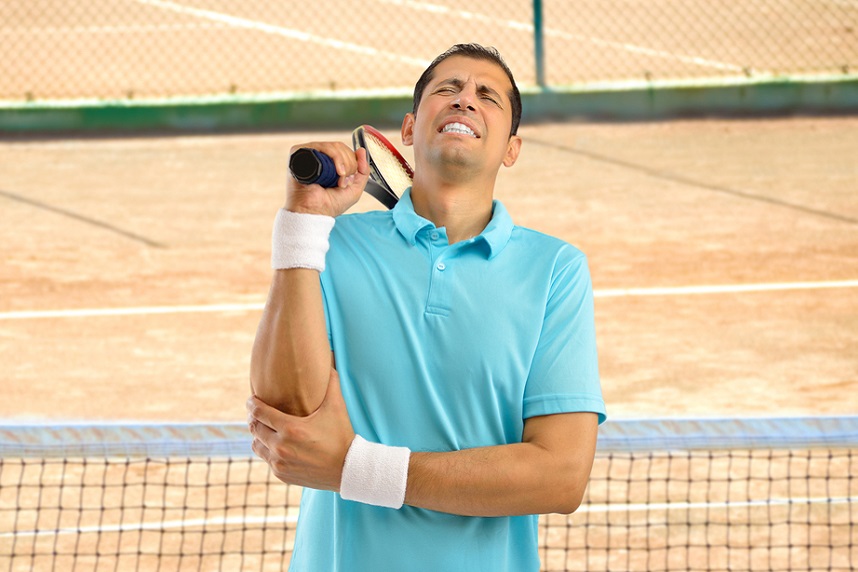
Lateral epicondylitis presents differently from person to person. When the condition is at an early stage, for example, the pain is not very strong, but it intensifies over a few weeks or months. Patients often think it might be fibromyalgia. The discomfort is so great that the patient can no longer clench their fist, open a door, or hold a glass in their hand. If treatment is not given, the pain spreads to the rest of the arm, and movements become difficult.
The most important symptoms through which lateral epicondylitis manifests are:
- pain;
- a burning sensation at the elbow (on the outside);
- inability to clench the fist;
- the most used limb in activity is affected.
Diagnosing lateral epicondylitis
The diagnosis of lateral epicondylitis is made based on a specialist medical examination. The specialist doctor finds out what symptoms the patient has, when they appeared, what activities the patient usually performs, and what the recreational or occupational risk factors are. Information about whether the patient suffers from rheumatoid arthritis or has had other elbow problems can help in establishing the diagnosis.
The diagnosis is not always made based solely on this medical examination; it is quite possible that the doctor will need other investigations to confirm the initial diagnosis:
- X-ray: provides details about the degree of tendon deterioration and rules out suspicion of arthritis in the elbow.
- magnetic resonance imaging (MRI): recommended if there is a suspicion that the symptoms are a consequence of a cervical condition.
- electromyography (EMG): helps rule out suspicion of nerve compression. Nerve compression presents similarly to lateral epicondylitis, and there are numerous nerves in the elbow area.
Treatment and prevention
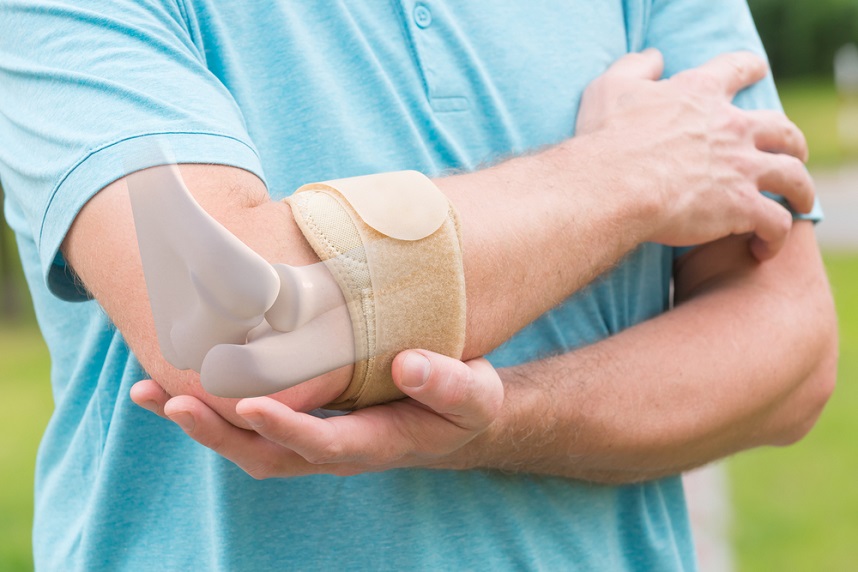
Lateral epicondylitis can be treated and can also be prevented. There are specialized medical clinics where various conditions are treated, such as: chronic back pain, glenohumeral internal rotation deficit in throwing athletes, wrist joint injuries in boxing, as well as the 2 types of epicondylitis, lateral and medial.
- Treatment
Treatment for lateral epicondylitis can be non-surgical (medication and physical therapy) and surgical.
- Non-surgical treatment
In most cases of lateral epicondylitis, non-surgical treatment is effective. The first recommendation is rest, meaning resting the arm, for a period of several weeks.
To reduce inflammation and pain, the doctor recommends nonsteroidal anti-inflammatory drugs (ibuprofen, for example). If necessary, corticosteroid injections may also be recommended.
Physiotherapy is another form of non-surgical treatment that helps the patient a great deal in managing the discomfort. The specialist doctor may recommend ice massage, muscle stimulation, ultrasound treatment, shock wave therapy, and wearing forearm braces.
- Surgical treatment
If non-surgical treatment does not work within 6-12 months, the orthopedic surgeon may recommend surgery. Such an operation involves excising the damaged tissue and reattaching the remaining tissue to the bone. There are 2 types of procedures that are preferred:
- Open surgery: the surgeon makes an incision at the elbow, through which the damaged part of the tendon is removed. If needed, the doctor also removes a small portion of bone, since this stimulates blood flow and makes recovery more bearable and shorter.
- Arthroscopic surgery: involves making several small incisions. The surgeon removes the problematic portion of the tendon, after which the wound is bandaged. The patient can go home the same day.
The doctor may recommend that before the operation the patient not take medications that could stimulate bleeding during the procedure: aspirin, ibuprofen, warfarin.
At the same time, before surgery, the doctor may recommend the patient:
- not to eat or drink anything after midnight before the day of the operation.
- if they smoke, to quit smoking before the procedure, since nicotine will make recovery more difficult.
The doctor must inform the patient about the risks that may occur after the procedure, or during it:
- infection;
- injury to nerves or blood vessels;
- loss of muscle strength;
- pain;
- longer recovery.
As for postoperative recovery, the wound heals in 7-10 days. If the arm is immobilized with a splint during the operation, once the splint is removed the patient may feel their arm is stiff. In this case, a physiotherapy specialist steps in, who must work with the patient so that they regain mobility of the hand and elbow. In most cases, the patient can return to normal activities in about 12 weeks. It should be said that people who have undergone surgery to treat lateral epicondylitis will not need a second procedure.
- Prevention
If lateral epicondylitis appeared as a result of repetitive movements, changing playing technique (in the case of sports) or the way work is performed can relieve pain in the short term and can prevent the onset of inflammation. There are also a few other things the patient can keep in mind to prevent the condition from occurring:
- take breaks and stop the activity when pain occurs.
- not put too much pressure on the elbow.
- not put too much pressure on the forearm.
- do warm-up exercises before practicing a sport.
- do exercises for the forearm muscles.
- have sports massage sessions, as this ensures flexibility and gives the muscle endurance.

MAKE AN APPOINTMENT
CONTACT US
MAKE AN APPOINTMENT
FOR AN EXAMINATION
See here how you can make an appointment and the location of our clinics.
MAKE AN APPOINTMENT
BUCHAREST TEAM









































CLUJ NAPOCA TEAM

























BRASOV TEAM









Asiguratori privati





Parteneriate


CENTROKINETIC FLOREASCA
Bucharest, 1st District,
Mircea Eliade Street, no. 18,
Eliade Tower, Entrance A, Floor 3
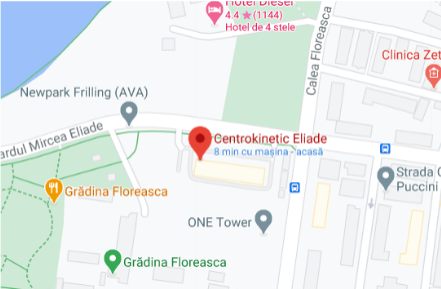
| Navigation | Explore 3D |
CENTROKINETIC Barbu Vacarescu
Bucharest, 2nd District,
Barbu Vacarescu Street, no. 102,
102 The Address, ground floor.
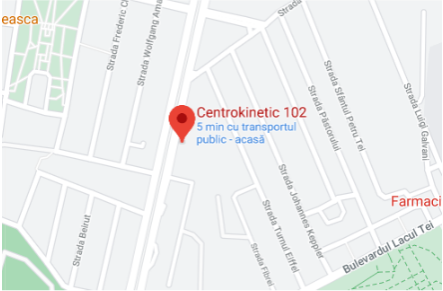
| Navigation | Explore 3D |
CENTROKINETIC MILITARI
Bucuresti, Sector 6,
Bld. Iuliu Maniu, nr. 15G,
Cladirea PBT, etaj 3.
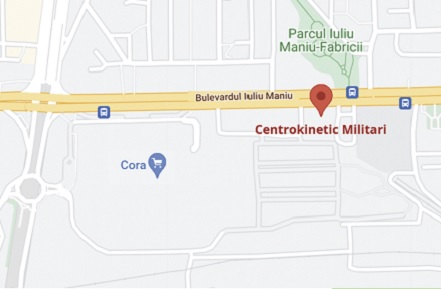
| Navigation |
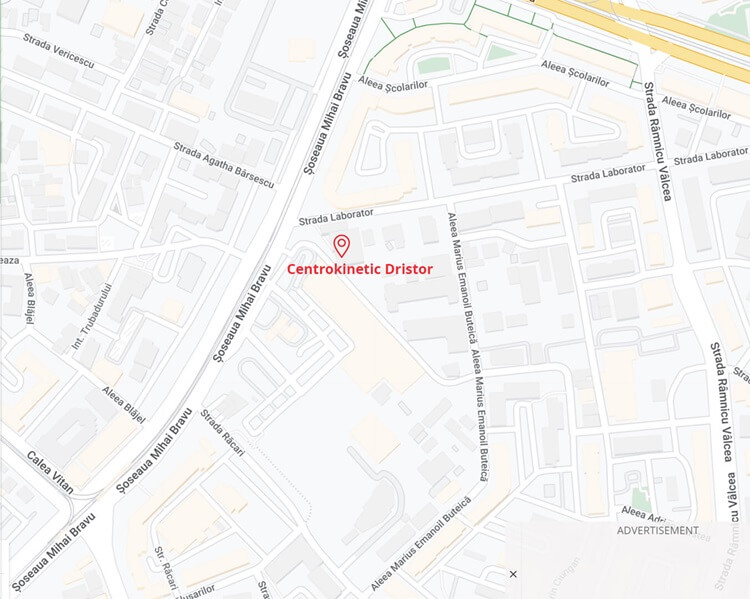
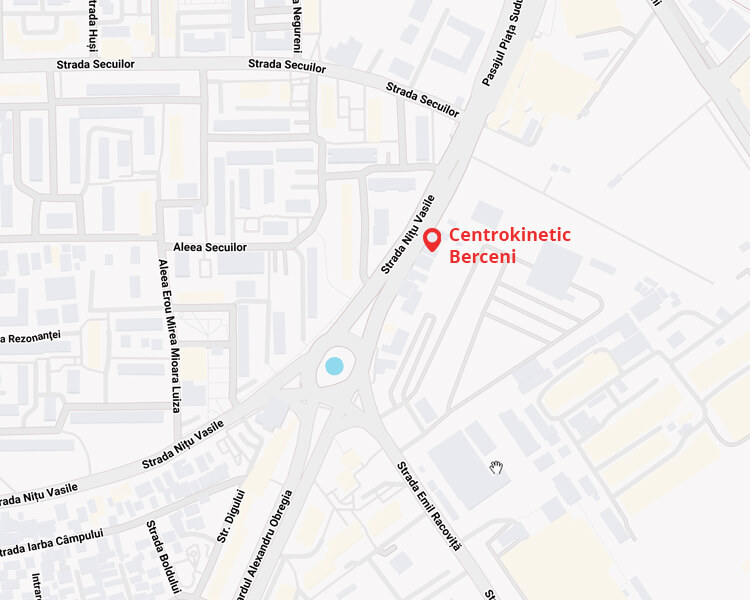
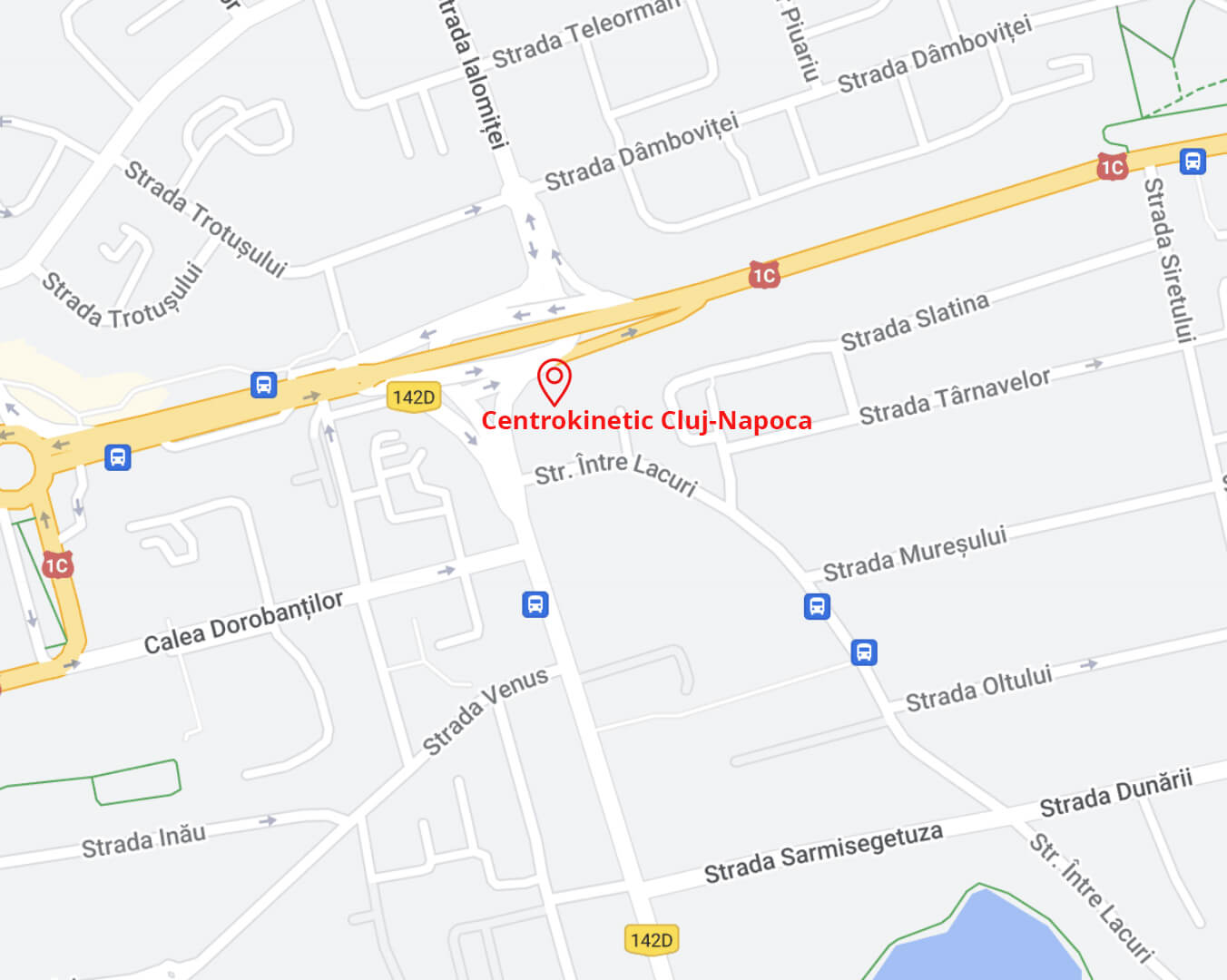
CENTROKINETIC CLUJ-NAPOCA
Cluj-Napoca,
Str. Intre Lacuri, nr.1
Intrarea este in spatele cladirii.
| Navigation |
SOCRATES CLINIC TIMISOARA
Timisoara, Calea Martirilor 1989,
nr. 1.
Telefon: 0371 785 374.
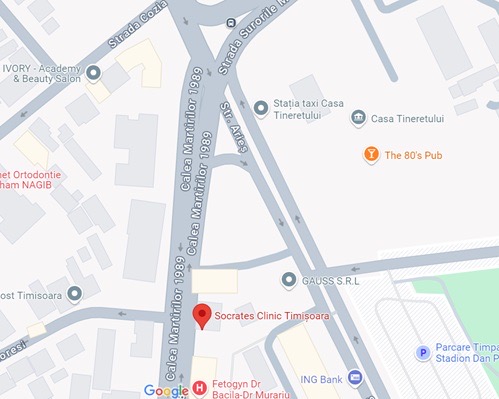
| Navigation |
CONTACT
Phone: 0319693
E-mail: programari@centrokinetic.ro
Operating hours:
Monday – Friday: 07:00 – 21:00
Saturday: 09:00 – 14:00
Sunday: closed.
MAKE AN APPOINTMENT