Lordosis


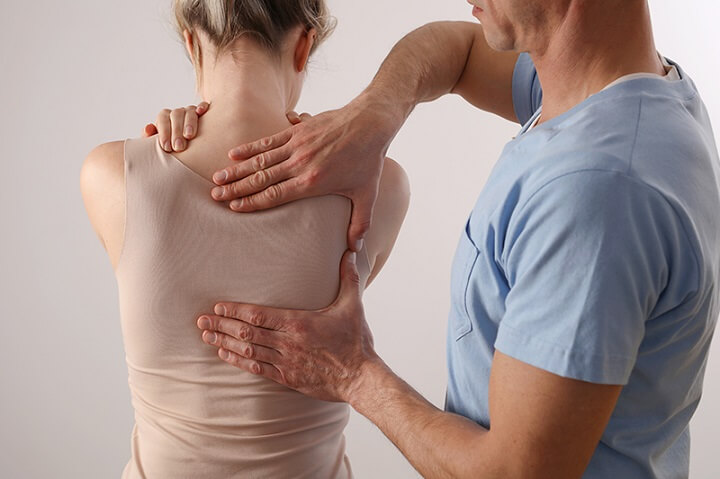
The spine normally curves at the level of the neck, trunk, and lower back area, so that the head naturally positions itself above the pelvis. These curves have the function of absorbing shock and distributing the stress that occurs during movement. When the spine curves too much, a condition called lordosis occurs, which causes posture problems, pain, or discomfort. Find out the causes and symptoms of lordosis, how this condition is diagnosed, how it is prevented, and how it is treated.
- What is lordosis? Spinal anatomy explained
- Types of lordosis
- Types of muscle strains
- The main causes of excessive lordosis
- Symptoms of lordosis: How to identify them?
- Diagnosing lordosis: Procedures and tests
- Complications associated with lordosis: Risks and consequences
- Treating lordosis
- Preventing lordosis: Practical tips and exercises
What is lordosis? Spinal anatomy explained
The spine is made up of 33 individual, stacked bones. It provides the body's main support, allowing us to stand upright, bend, and twist. Strong muscles and bones, flexible tendons and ligaments, and sensory nerves all contribute to spinal health. When viewed from the side, an adult's spine has a natural S-shaped curve. The neck (cervical) and lower back (lumbar) regions have a slightly concave curve, while the thoracic and sacral regions have a slightly convex curve. These natural curves serve to absorb shock, maintain balance, and allow range of motion throughout the spine. Lordosis is present when the curvature of the spine is excessive and causes posture problems and, possibly, pain or discomfort. Lordosis most often occurs in the lower back - lumbar lordosis, and when it occurs at the level of the neck, the medical term is cervical lordosis.
Types of lordosis: Key differences
There are two types of lordosis, which affect different parts of the spine:
- Cervical lordosis - affects the first seven vertebrae of the spine located at the level of the neck
- Lumbar lordosis - affects the five vertebrae in the lower back
Cervical vs. lumbar lordosis
- Cervical lordosis: The neck is pushed forward, more than it should be or usually is.
- Lumbar lordosis: The spine curves more in the lumbar region, so that the hips are pushed forward more than they should be. If you lie on your back, there will be more space under your back than usual.
The main causes of excessive lordosis
This condition often develops in childhood, with genetic factors making some children more at risk than others. The reasons for the development of an excessive curve are:
- Incorrect body position: This increases pressure on the spine, causing the condition to occur.
- Excess body weight: A prominent abdomen puts pressure on the lower back, increasing the risk of lordosis.
- Trauma: Any trauma to the spine can weaken it and cause the vertebrae to curve at an extreme angle.
Other causes of lordosis:
- Surgical interventions: Certain types of surgical interventions, such as selective dorsal rhizotomy.
- Hip conditions: Children who have hip dysplasia can develop lordosis.
Symptoms of lordosis: How to identify them?
The main visual signs of lordosis are:
- The head and neck are tilted forward more than usual
- The hips are pushed forward
- When you lie on your back, extra space remains under your lower back
Other symptoms of lordosis:
- Neck pain
- Lower back pain
- Difficulty moving
Diagnosing lordosis: Procedures and tests
To diagnose lordosis, the medical evaluation includes a physical exam, during which the patient will be asked to bend forward and to the side to see whether the curve is flexible or fixed, how much freedom of movement they have, and whether the spine is properly aligned. During the examination, the doctor will touch the spine to check for any abnormalities. X-rays for lordosis, an MRI, or a CT scan may also be needed, which will provide detailed images of the sections of the spine and the tissues around it. The doctor may also request a neurological evaluation, if the patient is experiencing symptoms such as tingling, spasms, and/or bladder control problems.
Complications associated with lordosis: Risks and consequences
Left untreated, lordosis can cause a number of complications such as:
- Chronic pain: The pronounced curve of the spine places additional pressure on the discs and other structures of the spine, which can lead to pain and discomfort.
- Posture problems: Lordosis causes changes in body posture, which affect the overall alignment of the body, creating discomfort.
- Mobility restrictions: In severe cases, lordosis can limit a person's flexibility. This can impact their ability to perform certain physical activities.
- Breathing difficulties: In more complicated cases of lordosis, lung capacity and breathing can be compromised, which contributes to the occurrence of respiratory problems.
- Impact on quality of life: The chronic pain and discomfort caused by lordosis can have a significant impact on a person's quality of life. For example, a person suffering from this condition may have difficulty performing certain physical activities and may face sleep-related problems.
Treating lordosis
Most cases of lordosis are not severe enough to cause symptoms that are difficult to manage or to require treatment, but the signals sent by the body should not be ignored. Once you receive a diagnosis of cervical lordosis, you will be offered treatment options depending on how excessive the curve is and the level of discomfort experienced. Treatment may include pain-relieving medication and a recommendation to lose weight. Physical therapy is often used to relieve pressure on the nerves and to prevent further curving.
Here are the treatment methods that may be recommended for each type of lordosis:
- Lumbar lordosis: The main goal of treatment for lumbar lordosis is to restore your strength and flexibility, which will restore your range of motion and help protect the spine. This can be achieved through physical therapy, especially through exercises that strengthen the hip extensors and stretch the hip flexors. In certain cases, surgical interventions may be recommended: for example, if the curve interferes with organ function, if the pain is intense, or when all non-invasive treatment interventions fail to produce results. Such interventions can include: artificial replacement of the affected disc or kyphoplasty.
- Cervical lordosis. Treatment options depend on the severity of the curvature and the level of discomfort. Postural physical therapy is often recommended to relieve tension on the nerves and prevent further curving. Subsequent treatment may include medication, compresses, or the use of a supportive device (for example, a cervical orthosis).
Preventing lordosis
Lordosis is either idiopathic (it develops without a cause) or is caused by another condition. In either case, it cannot be entirely prevented. However, steps can be taken to reduce the risk of developing this condition or to prevent its progression. Here are a few steps to avoid the development or worsening of lordosis:
- Correct body posture
- Maintaining a normal body weight
- Physical exercises that develop flexibility and strengthen the trunk muscles.
Conclusion: Understanding and managing lordosis
It is important to keep in mind that, although it is not considered a serious condition, lordosis can affect quality of life – symptoms include pain, discomfort, or lack of flexibility, manifestations that can impact daily activities. If these symptoms occur, evaluation by a specialist doctor is necessary, who will perform a physical examination or even an X-ray, an MRI, or a CT scan. The doctor may recommend taking pain-relieving medication, losing weight, physical therapy, or, in certain cases, surgical interventions such as artificial replacement of the affected disc or kyphoplasty. Even though it cannot be entirely prevented, the risk of developing or worsening lordosis can be reduced by maintaining an active lifestyle and correct body posture.
References
MAKE AN APPOINTMENT
FOR AN EXAMINATION
See here how you can make an appointment and the location of our clinics.
MAKE AN APPOINTMENT
BUCHAREST TEAM













































CLUJ NAPOCA TEAM


























BRASOV TEAM


















Asiguratori privati





Parteneriate


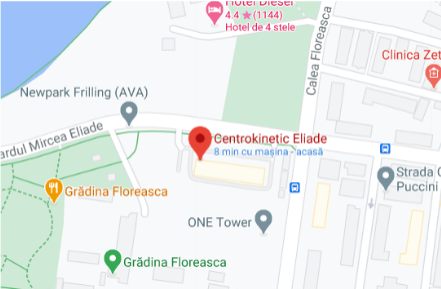
CENTROKINETIC FLOREASCA
Bucharest, 1st District,
Mircea Eliade Street, no. 18,
Eliade Tower, Entrance A, Floor 3
| Navigation | Explore 3D |
CENTROKINETIC Barbu Vacarescu
Bucharest, 2nd District,
Barbu Vacarescu Street, no. 102,
102 The Address, ground floor.
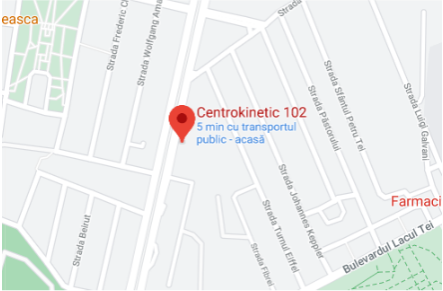
| Navigation | Explore 3D |
CENTROKINETIC MILITARI
Bucuresti, Sector 6,
Bld. Iuliu Maniu, nr. 15G,
Cladirea PBT, etaj 3.
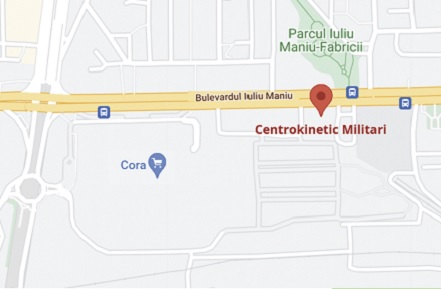
| Navigation |
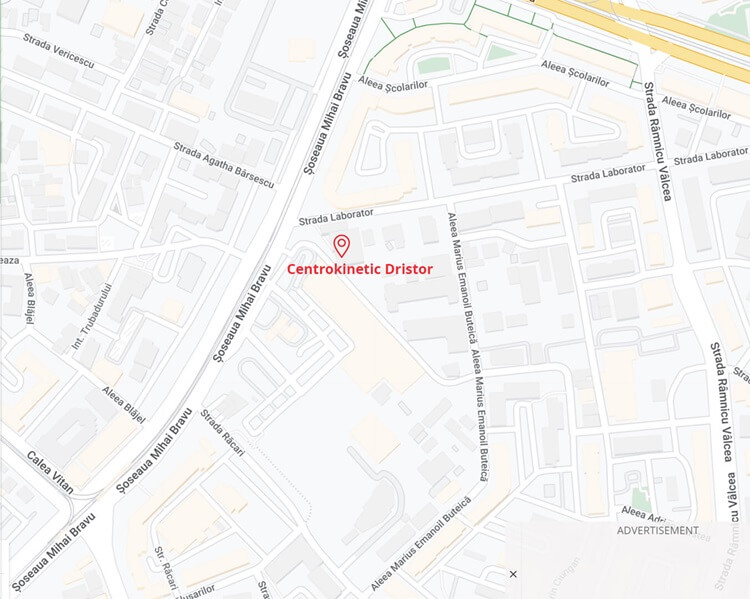
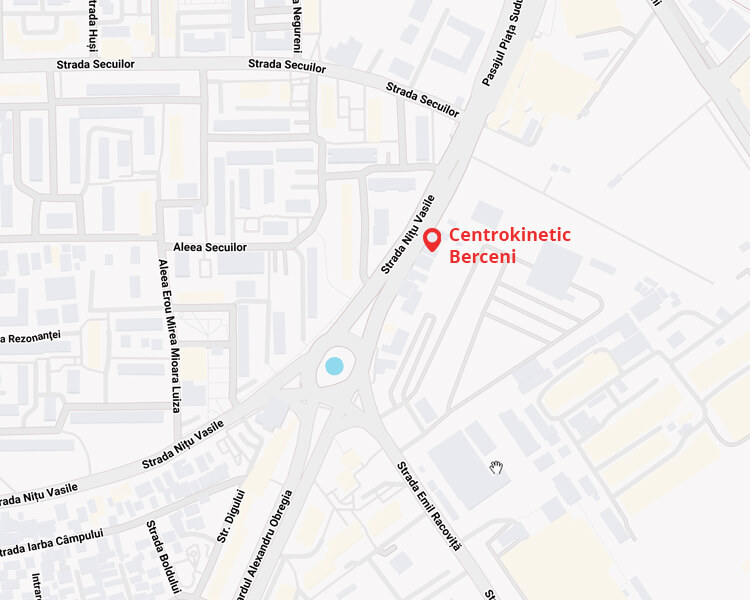
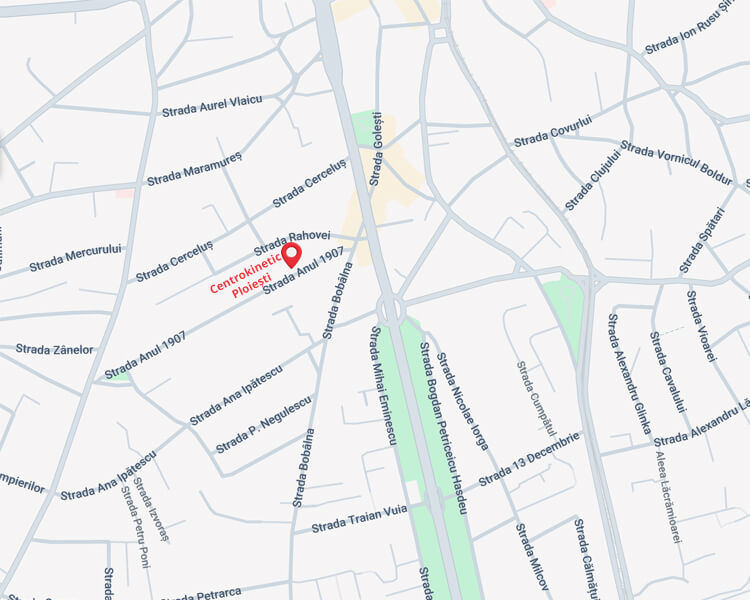
CENTROKINETIC CLUJ-NAPOCA
Cluj-Napoca,
Str. Intre Lacuri, nr.1
Intrarea este in spatele cladirii.
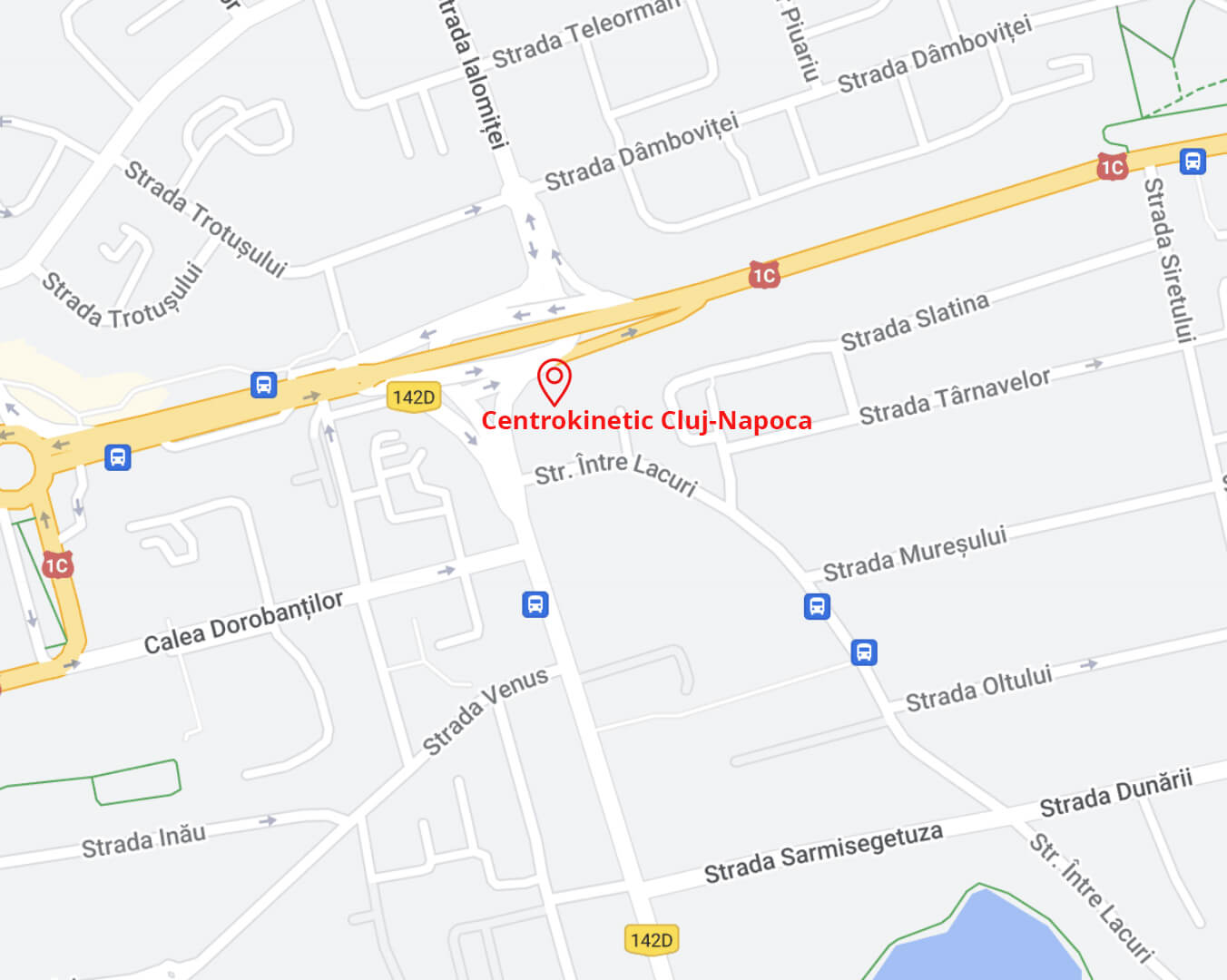
| Navigation |
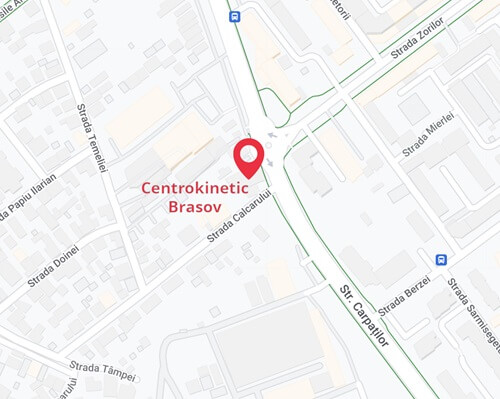
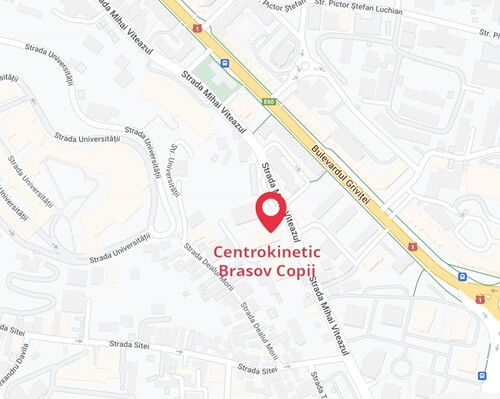
SOCRATES CLINIC TIMISOARA
Timisoara, Calea Martirilor 1989,
nr. 1.
Telefon: 0371 785 374.
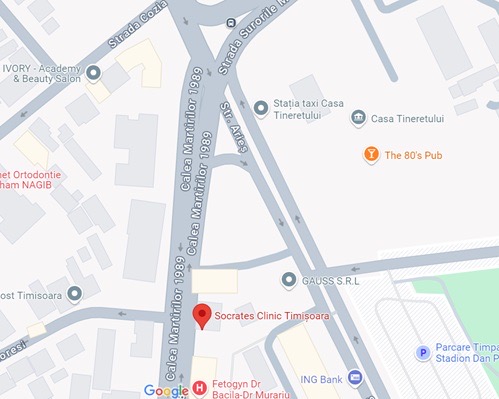
| Navigation |
CONTACT
Phone: 0319693
E-mail: programari@centrokinetic.ro
Operating hours:
Monday – Friday: 07:00 – 21:00
Saturday: 09:00 – 14:00
Sunday: closed.
MAKE AN APPOINTMENT