LOIN PAIN


This article was written by Georgiana Tache MD., a primary recovery physician with over 30 years of experience, vice president of the Romanian Society of Medical Rehabilitation.
General information about low back pain
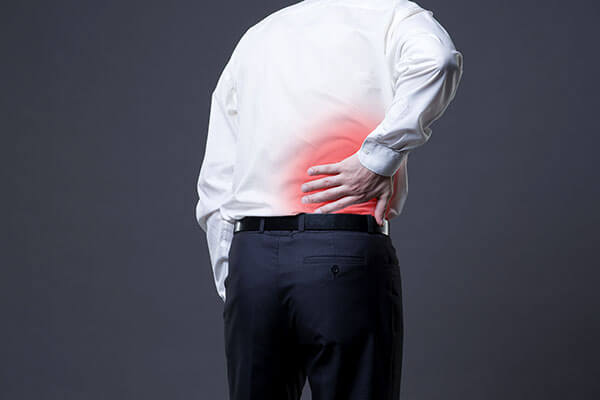
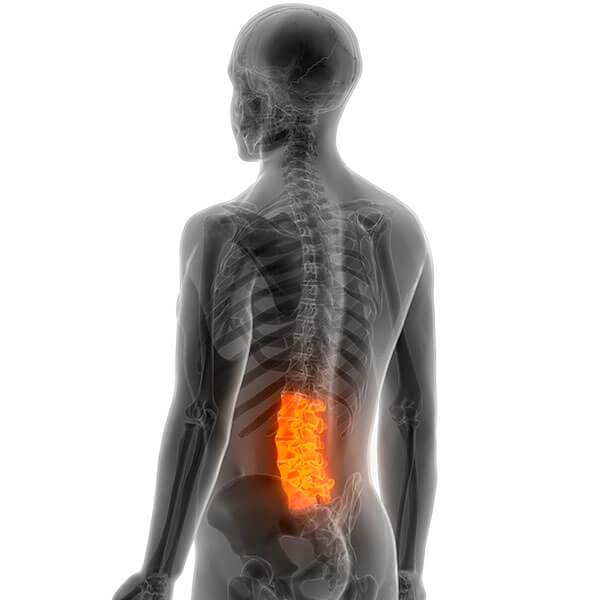
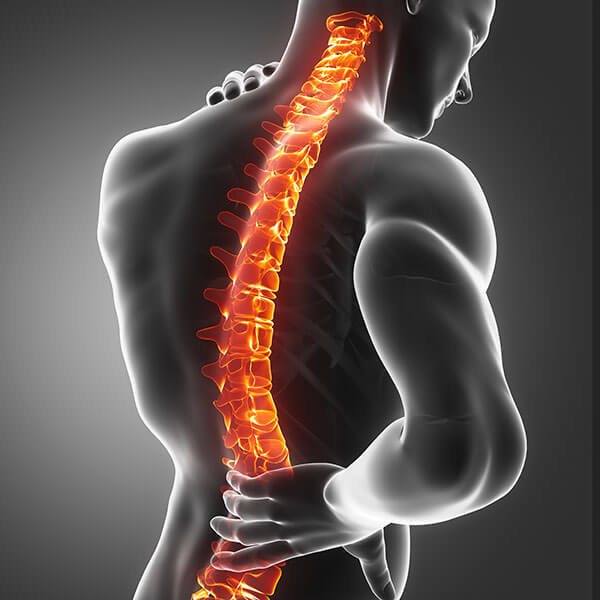
The lumbar spine (lower back) is a remarkably well-built structure of interconnected bones, joints, nerves, ligaments and muscles that work together to provide support, strength and flexibility. However, this complex structure leaves the lower part susceptible to injury and pain. The lower back supports the weight of the upper body and provides mobility for daily movements such as bending and twisting. The muscles in the lower back are responsible for bending and rotating the hips while walking, as well as supporting the spine. The lumbar nerves provide sensation and strength to the muscles of the pelvis and legs.Most acute low back pain is the result of injuries to the ligaments, joints or discs. The body also reacts to injuries by mobilizing an inflammatory healing response. Even if the inflammation seems minor, it can cause severe pain.
There is a significant overlap in the nerve supply of many discs, muscles, ligaments and spinal structures and it can be difficult for the brain to identify exactly what is causing the pain. For example, a degenerated lumbar disc can feel like a pulled muscle - creating both inflammation and painful muscle spasms in the same area. Muscles and ligaments heal quickly, while a degenerated disc may not heal as quickly. The duration of the pain helps determine the cause.
How low back pain manifests itself
Low back pain, also called middle pain, can be acute due to an injury, but can become chronic. Proper management of pain at an early stage can help limit symptoms in both duration and severity.Symptoms range from mild pain to a stabbing sensation. Pain can make it difficult to move or maintain a straight back position. Acute back pain occurs suddenly, often after an injury due to sports or heavy lifting. Pain that lasts more than three months is considered chronic.
Symptoms of low back pain
Identifying and describing specific symptoms can help achieve a more accurate diagnosis and an effective treatment plan.Low back pain is usually characterized by a combination of the following symptoms:
Annoying pain . The pain that remains in the lower back (low back pain) is usually described as annoying and intense, instead of burning, lasting or sharp. This type of pain may be accompanied by mild or severe muscle spasms, limited mobility and pain in the hips and pelvis.
Pain moving in the buttocks, legs and soles. Sometimes, low back pain includes a sharp, stinging, tingling, or numbness that moves down the thighs and legs, also called sciatica. Sciatica is caused by irritation of the sciatic nerve and is usually felt only on one side of the body.
Pain that worsens after prolonged stay. Sitting on the chair puts pressure on the discs, leading to worsening of the back pain after a long period of time. Walking and lying down can quickly alleviate low back pain, but returning to the chair can cause symptoms to return.
Pain that improves when positions change. Depending on the root cause of the pain, some positions will be more comfortable than others. For example, in spinal stenosis, normal gait can be difficult and painful, but leaning toward something, such as a shopping cart, can reduce pain. The way the symptoms change depending on the position can help identify the source of the pain.
Pain that is worse after waking up and easier after moving. Many people who suffer from back pain report symptoms that are more severe in the morning. Once they have risen and moved, however, the symptoms are relieved. Morning pain is related to stiffness caused by long periods of rest, decreased blood flow during sleep and possibly the quality of the mattress and pillows used.
Low back pain varies on an individual level, and many factors influence the experience of pain, including mental and emotional health, financial stress, or exercise and activity levels. Depending on the cause of your back pain, the onset of symptoms can vary greatly. Back pain may include:
Pain that develops slowly over time. Symptoms caused by repetitive movements or stressful positions tend to worsen slowly and progressively. The pain can develop after certain activities or at the end of a long day and can feel like a constant pain.
The pain that comes and goes, but gets worse over time . Back pain caused by degenerative disc disease can be felt over and over again, but pain attacks become progressively more severe over a long period of time.
Immediate pain after an injury. Sudden movements can damage the spine and supporting muscles, causing immediate, acute pain.
Delayed symptoms after injury. Sometimes, the symptoms develop or worsen a few hours or days after an accident. Delayed pain is generally considered a side effect of natural muscle healing processes.
Pain in the back, buttocks, leg
Sciatica refers to back pain caused by a problem with the sciatic nerve. This is a thick nerve that runs from the lower back to the lower back of each leg. When something hurts or puts pressure on the sciatic nerve, it can cause pain in the lower back that extends to the hips, buttocks and leg. Up to 90% of people recover from sciatica without surgery.The most common symptom of sciatica is lower back pain that extends to the hips and buttocks and down the leg. Most of the time, the pain affects only one leg and can get worse when you sit, cough or sneeze. You may feel numbness in your legs, tingling or weakness. Sciatica symptoms tend to appear suddenly and can last for days or weeks.
In many cases, back pain is the result of overloading or straining the muscles in the lower back. What distinguishes another middle pain from sciatica is how the pain radiates down the leg. It can feel like a leg cramp that lasts for several days.
Most people who develop sciatica are between 30 and 50 years old. Women may be more likely to develop sciatica during pregnancy due to pressure on the sciatic nerve caused by the developing uterus. Other causes include a herniated disc and degenerative arthritis of the spine.
Tingling, numbness
Numbness and tingling are symptoms of a nerve that is not functioning properly. These are often evaluated as possible signs of an abnormality in the spine. The spinal cord and the nerves of the spine are the connection between the brain and the extremities. If there is an abnormality of the spinal cord or nerves that branch from the spinal cord, this may be felt by patients as numbness or tingling.In general, if the problem is in the upper spine, neck, or cervical area, numbness and tingling are most likely encountered in the upper extremity. If the problem is in the lower spine or lumbar region, the symptoms appear rather in the lower extremity.
Lumbar spine problems can cause symptoms of tingling and numbness in the lower extremities. Many patients expect lumbar spine problems to cause symptoms of back pain. However, some of the most common symptoms of a lumbar problem are often not expected to be experienced in the lower extremities.
An important function of the nerves is to provide information about sensations from the body to the brain. When these signals are damaged, interrupted or irritated, the sensations may be experienced abnormally. This can be manifested as numbness, tingling, stinging or other skin abnormalities.
Fever
When low back pain is combined with fever, it may or may not be related. If it seems that the back pain is related to the fever or if the back pain is new and appeared after the fever, you must inform your doctor. If you have had back pain for a long time, but it suddenly got worse after the fever, don't forget to tell your doctor.The most common causes of low back pain and fever could be infections of various structures in the back. Conditions to consider could include:
- Osteomyelitis, an infection of the bones.
- Discitis, an infection of the disc space.
- Abscess, an infection in the back muscles.
- Meningitis, an infection in the tissue that covers the brain and spinal cord.
Symptoms associated with low back pain
Some people experience repeated episodes, which can be painful but rarely dangerous. It is not always possible to identify the cause of back pain - but most people feel worse when they move, are stressed or do not have a good posture.In very rare cases, there may be something more serious or underlying that requires medical advice.
These symptoms are very rare, but you should contact a doctor if you experience the following:
- You do not feel well due to low back pain and you have significant fever or sweating that wakes you up.
- Difficulty urinating or feeling urinated.
- Numbness or tingling in the genital area or buttocks.
- Loss of bladder or bowel control.
- Loss of standing power.

Causes
Most back pain results from an injury, such as muscle strain or injury caused by sudden movements or heavy body mechanics while lifting heavy objects. Low back pain can also result from certain diseases, such as spinal cord cancer, a broken or herniated disc, sciatica, arthritis, kidney infections, or spinal infections. Acute back pain can last from a few days to a few weeks, while chronic back pain is pain that lasts more than three months.Low back pain most likely occurs in people between the ages of 30 and 50. This is caused, in part, by changes that occur in the body with age. As we age, the fluid content between the vertebrae of the spine decreases.
This means that the discs in the spine become more easily irritated. We also lose muscle tone, which makes the back more prone to injury. Therefore, strengthening the back muscles and using good body mechanics is useful in preventing low back pain.
Stretching
The back muscles and ligaments may stretch or rupture due to overactivity. Symptoms include pain and stiffness in the lower back, as well as muscle spasms. Rest and physical therapy are remedies for these symptoms.
Disc injuries
The back discs are prone to injury, a risk that increases with age. The outside of the disc may be torn or herniated. A herniated disc (also known as a slipped or broken disc) occurs when the cartilage surrounding the disc pushes against the spinal cord or nerve roots. The pillow between the vertebrae of the spine extends beyond its normal position. This can lead to compression of the nerve root as it exits the spinal cord and through the vertebral bone. Disc damage usually occurs suddenly after lifting or twisting the back. Unlike a muscle strain, pain caused by a disc injury usually lasts more than 72 hours.
Sciatica
Sciatica can occur with a herniated disc if the disc presses on the sciatic nerve. The sciatic nerve connects the spine to the legs. As a result, sciatica can cause pain in the legs. This pain usually feels like a burn or stinging with needles. The sciatic nerve is the largest nerve in the body and starts at the nerve roots of the lumbar spinal cord, in the lower back, and extends through the buttocks to send the nerve endings down to the lower limbs. Sciatica pain is sometimes called sciatic nerve pain.
Spinal stenosis
Spinal stenosis occurs when the spine narrows, putting pressure on the spinal cord and spinal nerves. Spinal stenosis is most commonly caused by degeneration of the discs between the vertebrae. The result is compression of the nerve roots or spinal cord by bony spurs or soft tissues, such as discs. Pressure on the spinal nerves causes symptoms such as numbness, cramps and weakness. You may feel these symptoms anywhere in the body. Many people with spinal stenosis notice that their symptoms worsen when they sit or walk.
Abnormal curvature of the spine
Scoliosis, kyphosis and lordosis are all conditions that cause abnormal curves in the spine. These are congenital conditions and are usually diagnosed for the first time when patients are children and adolescents. Abnormal curvature puts pressure on muscles, tendons, ligaments and vertebrae, causing pain and poor posture.
Other conditions
There are several other conditions that cause low back pain. These conditions include arthritis, fibromyalgia (long-term pain and tenderness in the joints, muscles and tendons), spondylitis (inflammation of the joints between the vertebral bones) and spondylosis (a degenerative disorder that can lead to loss of normal vertebral structure and function). Although aging is the primary cause of spondylosis, the location and rate of degeneration is individual.
Kidney and bladder problems, pregnancy, endometriosis, ovarian cysts, uterine fibroids and cancer can also cause back pain.
Bone and joint conditions: Bone and joint conditions that lead to low back pain include those that exist at birth (congenital), those that result from wear (degenerative) or injury, and those that are caused by joint inflammation (arthritis).
Congenital bone conditions: Congenital causes (existing at birth) of low back pain include scoliosis and spina bifida. Scoliosis is a lateral curvature of the spine that can occur when one lower extremity is shorter than the other (functional scoliosis) or due to an abnormal spine architecture (structural scoliosis). Children who are significantly affected by structural scoliosis may need treatment and / or surgery for the spine. Adults are rarely treated surgically, but often receive support. Spina bifida is a birth defect. This birth defect most commonly affects the lower lumbar vertebra and the apex of the sacrum. Spina bifida can be a minor asymptomatic bone abnormality. However, the condition may also be accompanied by severe nerve abnormalities of the lower extremities.
Degenerative conditions of bones and joints: As we age, the water and protein content in the body's cartilage changes. This change results in weaker, thinner and more fragile cartilage. Because both the discs and the joints that tighten the vertebrae (joint facets) are partially composed of cartilage, these areas are subject to wear over time (degenerative changes). Disc degeneration is called spondylosis. Spondylosis can be seen on X-rays of the spine as a narrowing of the normal "disc space" between the vertebrae. It is a deterioration of the disc tissue that predisposes the disc to hernia and localized lumbar pain ("lumbago") in elderly patients.
Degenerative arthritis (osteoarthritis) of the joint facets is also a cause of localized lumbar pain, which simple X-ray tests can detect. These causes of degenerative back pain are usually treated conservatively with intermittent warmth, rest, exercise, rehabilitation and medications to relieve pain, muscle spasms and inflammation.
Arthritis: Spondyloarthropathies are inflammatory types of arthritis that can affect the lower back and sacroiliac joints. Examples of spondyloarthropathy include reactive arthritis (Reiter's disease), ankylosing spondylitis, psoriatic arthritis, and arthritis of inflammatory bowel disease. Each of these diseases can lead to low back pain and stiffness, which are usually more severe in the morning. These conditions usually begin in the second and third decades of life. They are treated with drugs aimed at reducing inflammation. The new biological drugs have been very successful both in calming the disease and in stopping its progression.
Uncommon causes of back pain include Paget's disease of the bones, bleeding or infection in the pelvis, infection of the cartilage and / or bone of the spine, aortic aneurysm and shingles.
Paget's disease of the bones
Paget's disease of the bone is a condition of an unknown cause in which bone formation is out of sync with normal bone remodeling. This condition results in bone deformities and weakening and can cause localized bone pain, although it often does not cause symptoms. Paget's disease is more common in people over the age of 50. Heredity (genetic background) and certain unusual infections of the virus have been suggested as causes. Thickening of the involved bone surfaces of the lumbar spine can cause radiant sciatica pain.
Paget's disease can be diagnosed on a simple X-ray. However, a bone biopsy is occasionally required to ensure an accurate diagnosis. Bone scanning is useful in determining the extent of the disease, which may involve more than one bone area. Alkaline phosphatase, a blood test, is useful for diagnosing and monitoring response to therapy. Treatment options include aspirin, other anti-inflammatory drugs and pain medications.
Bleeding or infections in the pelvis
Pelvic bleeding is rare without significant trauma and is usually seen in patients taking blood-thinning drugs. In these patients, rapid-onset sciatica may be a sign of bleeding in the back of the pelvis and abdomen that compresses the spinal nerves when they reach the lower extremities. Pelvic infection is rare, but can be a complication of conditions such as diverticulosis, Crohn's disease, ulcerative colitis, pelvic inflammatory disease with infection of the fallopian tubes or uterus, and even appendicitis. Pelvic infection is a serious complication of these conditions and is often associated with fever, low blood pressure and a life-threatening condition.
Overexertion of muscles, joints and tendons
Most episodes of low back pain are caused by damage to the soft tissues that support the lower spine, including muscles, tendons and ligaments. The lower spine, also called the lumbar spine, depends on these soft tissues to help the body stay upright and support the upper body's weight. If you overload your back muscles or soft tissues, these tissues can be injured and cause pain.While a stretched muscle may appear to be a minor injury, the resulting pain and muscle spasms can be surprisingly severe. There are two common types of soft tissue injuries in the lower back:
- Muscle sprain occurs when the fibers in a muscle begin to rupture due to overload (commonly called a pulled muscle).
- Lumbar sprain occurs when the ligaments are stretched excessively or torn. Ligaments are dense fibrous tissues that bind bones together.
- A specific ligament or muscle sprain diagnosis is not usually necessary, as both have almost identical symptoms and receive the same treatment.
Injuries to the spine or back
Lumbar spine fracture can occur whenever the forces applied to the lower spine exceed the strength and stability of the spine. Common injuries that result in lumbar spine fractures include falling from a height, car accidents and penetrating trauma, including gunshot wounds and stab wounds. Such lesions can also cause vascular damage resulting in ischemia or hematoma (usually extradural), leading to other damage. All forms of injury can cause spinal cord edema, decreased blood flow and oxygenation. The damage can be mediated by the excessive release of neurotransmitters from damaged cells, an inflammatory immune response with the release of cytokines, the accumulation of free radicals and apoptosis.Lumbar spine injuries are also divided according to the back that has been damaged. Injuries can affect bone (fractures), discs (hernias), ligaments (sprains) or muscles (stretches). Each of these tissues has different needs during healing, and others need more time than others to recover.
Spinal injuries can be:
- Fractures can involve the vertebral body, lamina and pedicles, and the spinous, articular and transverse processes.
- Dislocations, which usually involve facets.
- Subluxations, which can involve ruptures of the ligaments without bone damage.
Infections
Disk infection (septic discitis) and bone infection (osteomyelitis) are extremely rare. These conditions lead to localized pain associated with fever. Bacteria found when laboratory cultures test these tissues include Staphylococcus aureus and Mycobacterium tuberculosis (TB bacteria). Tuberculosis infection in the spine is called Pott's disease. These are each very serious conditions that require long courses of antibiotics. Sacroiliac joints rarely become infected with bacteria. Brucellosis is a bacterial infection that can involve the sacroiliac joints and is usually transmitted through raw goat's milk consumption.Shingles
Shingles is an acute nerve infection that provides a sensation in the skin, usually at one or more spine levels and on one side of the body (right or left). Shingles patients usually had chickenpox earlier in life. The chickenpox virus that causes chickenpox is thought to exist in a state of inactivity in the spinal nerve roots long after the chickenpox resolves. In people with shingles, the virus reacts to cause infection along the sensory nerve, leading to nerve pain and usually an outbreak of shingles (small blisters on the same side of the body and at the same nerve level). Low back pain in patients with shingles may precede the rash in a few days.Occasionally, patients are left with more chronic nerve pain (postherpetic neuralgia). Treatment may involve symptomatic relief with lotions, such as calamine, or medications, such as acyclovir (Zovirax), for infection and lidocaine patches (Lidoderm) for pain.
Disc herniation
The symptoms of a herniated disc usually start for no apparent reason. Or they can occur when a person lifts something hard and / or twists the lower back, which adds extra stress to the discs.Herniated lumbar discs are a widespread medical problem that most often affects people aged 35-50.
Due to aging and general wear, the discs lose some of the fluid, making them flexible and spongy. As a result, the discs tend to become flatter and stiffer. This process, known as disc degeneration, begins fairly early in life, often appearing in imaging tests in adulthood.
When pressure or tension is placed on the spine, the disc's outer ring may bend, break, or break. If this happens in the lower back (lumbar spine), the protrusion of the disc may push against the nearby nerve root. Or the inflammatory material inside can irritate the nerve. The result leads to intense pain in the buttocks and down the leg.
While a herniated lumbar disc can be extremely painful, the symptoms are not long-lasting for most people. Experts believe that the symptoms of a lumbar herniated disc can be resolved for three reasons:
- The body attacks the hernia as a foreign material, reduces the size of the herniated material and reduces the amount of inflammatory protein near the nerve root.
- Over time, some of the water inside the disc is absorbed into the body, causing the disc to shrink. The smaller disc is less likely to expand into nerve roots, causing irritation.
- Lumbar extension exercises can move the herniated area away from the spinal discs. Whether exercise can accomplish this is a matter of debate in the medical community.
Diseases of the spine
Spinal diseases often cause pain when bone changes put pressure on the spinal cord or nerves. They can also limit movement. Treatments differ depending on the disease, but sometimes they include back prostheses and surgery.Several problems can change the structure of the spine or can affect the vertebrae and surrounding tissue. These include:
- Infections
- Injuries
- Tumors
- Conditions such as ankylosing spondylitis and scoliosis.
Scoliosis - Scoliosis is a common disease of the spine in which the spine has a curvature, usually in the shape of the letter "C" or "S". This is most common in women, but there is no specific cause for scoliosis.
Lumbar Spinal Stenosis - Lumbar spinal stenosis is classified as a narrowing of the spinal canal in the lumbar region of the vertebrae. This can lead to compression of the nerve root of the spinal cord and can cause pain in the lower back and lower extremities.
Spina bifida - Spina bifida is the most common defect that affects the central nervous system. The most common and severe form of spina bifida is Myelomeningocele. People with Myelomeningocele are born with an incompletely fused spine, exposing the spinal cord through a back opening.
Cauda equina syndrome - Cauda equina syndrome is a rare syndrome that affects the spinal nerves in the lower back called cauda equine (Latin for "ponytail"). Cauda equina lesions can have long-lasting ramifications for the individual.
Tumors - A spinal tumor occurs when tissue begins to grow unusually and spread to the spine or spinal cord. Unusual tissue accumulates from abnormal cells that multiply rapidly in a given region. Tumors are generally divided into categories known as benign, meaning non-cancerous, and malignant, meaning cancerous, and also primary or secondary. Primary spinal tumors begin in either the spinal cord or the spine, while the secondary spinal tumor begins elsewhere and spreads to the spinal region.
Diseases associated with low back pain
Usually, younger people (between 30 and 60) are more likely to suffer from back pain due to disc space (for example, lumbar disc herniation or degenerative disc disease). Older adults (eg, over 60) are more likely to suffer from joint degeneration pain (eg, osteoarthritis, spinal stenosis). In some cases, a patient may experience more severe leg pain, as opposed to back pain, due to certain lower back conditions, including:Lumbar herniated disc. The disc's inner core may irritate a nearby nerve root, causing sciatica (leg pain).
Lumbar spinal stenosis. The spinal canal narrows due to degeneration, putting pressure on the nerve root and cause sciatica.
Degenerative disc disease. As the disc degenerates, it can allow small movement in that segment of the spine and can irritate a nerve root and cause sciatica.
Isthmic spondylolisthesis. A small fracture caused by stress allows one vertebra to slip on another, usually at the bottom of the spine. This can get on the nerve, causing low back pain and leg pain.
Osteoarthritis. Degeneration of the joint facets in the back of the spine can cause back pain and low flexibility. It can also lead to spinal stenosis and nerve pinching.
It is important to know the underlying condition that causes low back pain, as treatments will often differ depending on the causes of back pain.
Types of low back pain
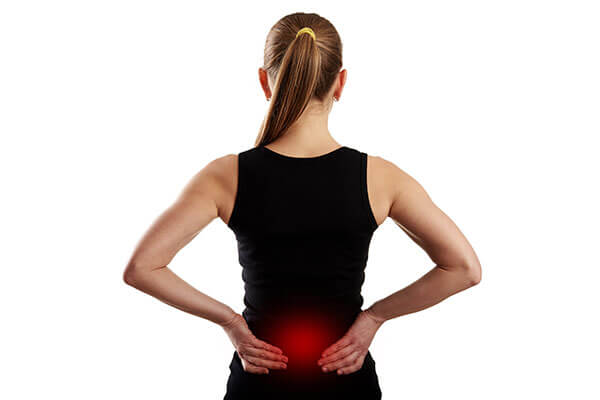
There are many ways to classify low back pain - two common types include:Mechanical pain. By far the most common cause of low back pain, mechanical pain (axial pain), is pain that occurs primarily from the muscles, ligaments, joints (facet joints, sacroiliac joints), or bones in and around the spine. This type of pain tends to be located in the lower back, buttocks, and sometimes the upper legs. This pain is usually influenced by the load on the spine and may feel different depending on movement (forward / backward / twist), activity, standing, sitting, or resting.
Root pain. This type of pain can occur if a root of the spinal nerves becomes affected or inflamed. Root pain can follow a pattern of a nerve root or dermatome down the buttocks and/or leg. Its specific sensation is sharp, electric, burning pain, and may be associated with numbness or weakness (sciatica). It is usually felt on one side of the body.
Low back pain due to mechanics
Low back pain is common - this is the number one cause of people with disabilities worldwide. Almost 80% of the population will have at least one episode of middle pain. There are many causes of back pain, but low back pain can be classified as organic or mechanical. What is the difference, and why is the answer worth noting for someone with low back pain?Organic pain can be caused by diseases such as spinal cancer or aortic aneurysm.
The spine receives forces that destroy the tissues that will cause pain, which means mechanical pain. Major injuries can be easily identified and include slips and falls, sports injuries, or car accidents. However, minor traumas, which include those that are repetitive (e.g., excessive injuries), are more difficult to recognize. Minor trauma includes physical movements, postures, and tasks placed on the spine in ways that cause tissue damage that can cause pain.
Low back pain due to inflammation
Low back pain, also called middle pain due to inflammation, is a complex of symptoms rather than a condition and often indicates inflammation of the vertebrae, spinal joints, and joints - the area of attachment of tendons and ligaments to the bone.Lumbar pain due to inflammation can have certain characteristics that distinguish it from other types of back pain, especially mechanical back pain. These features include:
- Onset at a not very advanced age, usually under 40 years.
- The gradual onset of pain.
- The symptoms of back pain improve when exercising.
- Pain does not improve with rest.
- Pain at night, often waking a person in the second half of the night.
- Stiffness in the morning lasts more than 30 minutes.
- Pain that lasts more than three months.
- Alternating buttock pain.
Inflammatory back pain must be recognized and diagnosed so that it can be managed properly.
An autoimmune condition is when the body attacks itself and its own healthy tissue. There are several types of autoimmune diseases, and some of them are very closely related to inflammatory low back pain.
Axial spondyloarthritis is an umbrella term for two conditions that cause inflammatory back pain, ankylosing spondylitis and non-radiographic axial spondylosis.
Ankylosing spondylitis is a form of inflammatory arthritis in which the joints of the spine become inflamed, often leading to stiffness and back pain. Injury to the spine and joints that connect the spine to the pelvis can be seen on X-rays. Sometimes patients may experience limited pain and movement, even if doctors cannot see the inflammation on x-rays. This is known as non-radiographic axillary spondyloarthritis. In this case, more advanced methods of examining the joints are needed, such as magnetic resonance imaging (MRI). Non-radiographic axial spondyloarthritis and ankylosing spondylitis have many symptoms.
Other inflammatory arthritic conditions - some arthritic conditions that lead to inflammatory back pain can begin in different parts of the body. These inflammatory arthritic conditions can affect the skin (psoriatic arthritis), eyes or urinary tract (reactive arthritis), intestines (enteropathic arthritis) or joints (rheumatoid arthritis).
Although the symptoms of these diseases most often include tenderness and swelling in the affected joints or tissues, they can also develop into inflammatory low back pain in many people.
Acute low back pain
Acute low back pain is defined as back pain present for up to six weeks. It can be experienced as sharp or constant pain, burning, stabbing, well defined or vague. The intensity can vary from mild to severe and can fluctuate. The pain may radiate to one or both buttocks or even the thigh / hip area.Low back pain can start after intense activity or trauma, but often does not seem to be related to a specific activity. The pain may start suddenly or develop gradually.
At least 80% of individuals experience a significant episode of middle pain at some point in their lives. At any given time, at least 15% of people reported suffering from low back pain.
The exact source of acute low back pain is often difficult to identify. In fact, there are numerous causes of pain, including muscles, soft connective tissues, ligaments, joint capsules and cartilage, blood vessels. These tissues can be pulled, pushed, stretched or dislocated. In addition, ring ruptures (small tears that occur in the outer layer of the intervertebral disc) can cause severe pain. Even if the tissue damage is minor and can be repaired quickly, the pain the patient is experiencing can be quite severe.
Regardless of which tissue is initially irritated, a cascade of events occurs that contributes to the experience of pain. Many chemicals are released in response to tissue irritation. These substances "stimulate" the surrounding nerve fibers sensitive to pain, leading to the sensation of pain. Some of these chemicals trigger the process of inflammation or swelling, which also contributes to pain. The chemicals associated with this inflammatory process report several signals that perpetuate the swelling process. The inflammation attributed to this cycle of events can persist from a few days to a few weeks.
Muscle tension (spasm) can occur in the surrounding tissues, resulting in a "trunk shift" (the body leans to one side more than the other) due to muscle imbalance. In addition, there may be an inhibition or lack of regular blood supply to the affected area, so that nutrients and oxygen are not optimally distributed and the elimination of irritating by-products of inflammation is affected.
Critical low back pain
Chronic low back pain can be better described as multiple acute spinal micro-traumas that accumulate throughout the day. Damaged tissues become sensitive, and small movements can create pain that can become more intense and last longer. It's like hitting your finger with a hammer. Once the finger is sensitized, only a slight collision is needed to cause more pain. If the finger is never allowed to heal, the pain continues to get worse. This scenario is the same for patients with chronic low back pain. Everyday movements, postures and weight matter.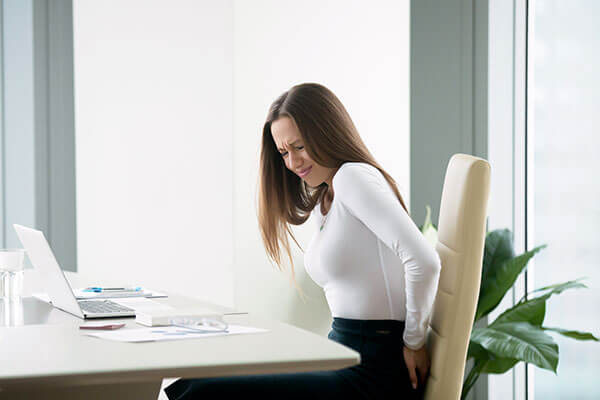
Risk factors for low back pain
A risk factor is something that increases the chances of having back pain. Having more risk factors means that you have a higher chance of having middle pain.Physical and family risk factors:
- Middle-aged or older people
- Men
- A family history of back pain
- A back accident in the past
- Task. The woman's back is heavily stressed by carrying a baby
- Compression fractures of the spine
- Back surgery in the past
- Spinal problems at birth
- Lack of regular exercise
- Having a job or other activity that requires long periods of sitting, heavy lifting, bending or twisting, repetitive movements or constant vibrations, such as using a hammer or certain type of heavy equipment
- Smoking. People who smoke are more prone to moderate pain than those who do not smoke.
- Being overweight. Excessive body weight, especially around the waist, can affect your back, although this has not been proven. But overweight indicates poor physical condition, with weaker muscles and less flexibility. These can lead to low back pain.
- Having a weak posture. Leaning forward or lying on your back when sitting in a chair cannot cause middle pain. But after the back has been tense or injured, poor posture can make the pain worse. Good posture generally means that your ears, shoulders and hips are in a straight line. If this posture causes pain, you may have another situation, such as a problem with a disc or back bones.
- Being stressed. Stress and other emotional factors play a major role in low back pain, especially in chronic back pain. Many people unconsciously tighten their back muscles when subjected to stress.
- Long periods of depression
- Use of long-term medications that weaken bones, such as corticosteroids
- Having a disease that causes a chronic cough
Overweight
Medical experts define obesity as a disease. Overweight (or obesity) is a serious disorder that affects adults and children. Most people know that obesity contributes to the development of coronary heart disease, diabetes, high blood pressure and colon cancer.Overweight can contribute significantly to the symptoms associated with osteoporosis, osteoarthritis, rheumatoid arthritis, degenerative disc disease, spinal stenosis and spondylolisthesis.
The spine is designed to carry body weight and distribute the loads encountered during rest and activity. When overweight is performed, the spine is forced to assimilate the load, which can lead to structural compromises and damage (eg, injuries, sciatica). One region of the spine that is most vulnerable to the effects of obesity is the lumbar spine. Obesity can aggravate an existing problem in the back and can contribute to the recurrence of this condition.
Incorrect and sudden back movements
Understanding how movement influences your spine can help you communicate better with your doctor. The better the communication, the faster you will find a treatment that works.The large spinal muscles are slightly stretched when twisting.
The most common reason why movement causes back or neck pain has nothing to do with the bones in the spine. Instead, it is related to the muscles and ligaments that surround the spine.
When you twist your lower back, such as during a golf move or while you bend over to unload your shopping bags, you risk exaggerating or breaking any of the large muscles or supporting ligaments around your spine. In response to this damage, the surrounding area will usually become inflamed. This inflammation can lead to a back spasm that will cause middle pain.
Movement of the lumbar spine can cause a herniated disc.
The lumbar spine (lower back) is in constant motion and carries the torso's full weight. Therefore, the lumbar spine is particularly prone to injury.
The movement in the lumbar spine is divided between five segments of vertebral movement. Each of these segments consists of two joints covered with cartilage and a spinal disc.
The lowest discs (L4-L5 and L5-S1) withstand the highest pressure and are therefore most likely to become herniated. A hernia can lead to sciatica pain that radiates to the leg.
The movement can damage the cartilage.
Repeated movements, especially for athletes, can lead to vertebral osteoarthritis - or mechanical destruction of cartilage between the articular facets aligned in the back of the spine.
When this happens, the facets of the joints become inflamed, and the progressive degeneration of the joints creates more pain by rubbing. As the back pain progresses, the movement and flexibility of the spine decrease.
Typical symptoms include
- More stiffness and pain in the lower spine, in the morning and later in the day..
- More stiffness and pain in the sacroiliac joint in the morning and later in the day.
- Decreased pain during the day, as normal movements shake the lubricating fluid of the joints.
- Low back pain, which radiates to the pelvis, buttocks or thighs.
Incorrect body positions
You may not feel like you have back problems after a bad posture for several hours, but over time, stress on the spine due to the wrong position can lead to anatomical changes in the spine. This, in turn, can cause back pain through constriction of blood vessels and nerves. In addition, stress caused by poor posture can lead to back pain, causing problems with muscles, discs and joints.Low back pain caused by poor posture can have any of the following characteristics:
- Back pain, which is worse at certain times of the day
- Pain that starts in the neck and goes down the upper and lower back
- Pain that disappears after changing position while sitting on a chair or standing
- Sudden back pain that coincides with a new job, a new office chair or a new car
Age
While older adults may have pain related to any of the conditions that affect younger adults, people over the age of 60 are more susceptible to pain related to degeneration of the spine. Two of the most common causes of low back pain in older adults include osteoarthritis and spinal stenosis.Joint osteoarthritis, also called degenerative arthritis or osteoarthritis of the spine, is a degenerative condition that develops over time. The pain is caused by damage to the cartilage between the articular facets of the spine. At first, the symptoms may be intermittent, but later they may develop into more stable pain in the lower back and eventually cause sciatica, in addition to low back pain.
As a general rule, the possibility of a compression fracture after any sudden onset of back pain in adults over 50 years of age, especially in postmenopausal women with osteoporosis, and in men or women after administration should be considered. long-term corticosteroid. In a person with osteoporosis, even a small amount of force applied to the spine, such as sneezing, can cause a compression fracture.
Pregnancy
You can probably blame the growing uterus and hormonal changes for back pain during pregnancy.As the uterus expands, it changes its center of gravity and also stretches (and weakens) the abdominal muscles, affects your posture and puts pressure on your back. It can also cause back pain if you press on a nerve. In addition, the extra weight carried means more work for the muscles and increased stress on the joints, which is why the back may feel more pain at the end of the day.
At the same time, hormonal changes during pregnancy weaken the joints and relax the ligaments that attach the pelvic bones to the spine. This can make you feel less stable and experience pain when you walk, sit, sit for a long time, get up from your chair, get out of the bathtub, lie in bed, or try to lift something.
More than two-thirds of pregnant women have back pain, especially posterior pelvic pain and middle pain. You may have back pain in early pregnancy, but it usually occurs during the second half of pregnancy and may worsen as the pregnancy progresses. After birth, the pain usually goes away in a few months, although it may persist.
Posterior pelvic pain is felt in the back of the pelvis. It is the most common type of lower back pain during pregnancy, although some women also have middle back pain. You may feel posterior pelvic pain as deep pain on one or both sides of the buttocks or on the back of the thigh. It can be triggered by walking, climbing stairs, entering and leaving the bathtub, twisting and lifting.
Lumbar pain occurs in the lumbar vertebrae area in the lower back, higher on the body than the posterior pelvic pain. It can be felt around the spine, approximately at the waist.
You may also have radiating pain in your legs. Sitting on a chair or standing for long periods aggravates the pain, making it more intense at the end of the day.
Genetic inheritance
Like eye color, low back pain caused by disc disease can be inherited.People with a close family member such as a parent, a sibling or a child with low back pain are four times more likely to have back pain. Several types of causal conditions can be inherited through genes, including types of physical and psychosomatic expressions:
- Osteoarthritis
- Osteoporosis
- Osteomalacia
- Spondylosis
- Degenerative disc disease
- Scoliosis
- Back pain caused by obesity
- Back pain caused by psychological factors
Diagnosis of low back pain
Most doctors start by performing a physical exam to determine where you feel the pain. A physical exam can determine if the pain affects the range of motion. Your doctor may also check your reflexes and response to certain sensations. This determines if your lower back pain is affecting your nerves. If you do not have debilitating problems or symptoms, your doctor will probably monitor your condition for a few weeks before sending you for a test. This is because most back pain is resolved using simple self-care treatments.Certain symptoms such as lack of bowel control, weakness, fever and weight loss may require more testing. Also, if your lower back pain continues after treatment at home, your doctor may want to do some tests. Seek medical attention immediately if you experience any of these symptoms in addition to low back pain.
Imaging tests, such as X-rays, CT scans, ultrasound, and MRI, may be needed so that your doctor can check for bone problems, disc problems, or problems with the back ligaments and tendons.
If your doctor suspects a problem with your back bones, he or she may ask you to have a bone scan or bone density test. Electromyography (EMG) or nerve conduction tests can help identify a nerve problem.
Clinical exam
During the physical exam, your doctor will ask you to perform a series of movements while sitting on a chair, standing and lying on the bed. This makes it possible to assess the muscle and sensory problems that contribute to low back pain. The physical exam will also include:- Observations and measurements.
- Palpation, through which your doctor will check the sensitivity and alignment of the joints and the impulses in the legs.
- General examination of the torso and legs.
- Nervous tests.
- Specific tests, such as a right foot test.
Patient history
Your doctor or nurse may provide a questionnaire to examine your depression or to assess how much your low back pain is affecting your life, to assess your job satisfaction, and to describe your home and work care system. . To diagnose the specific cause of low back pain, the doctor will usually ask for a detailed history of the patient, and this may include:- Description of how the pain started. This includes whether it was sudden or gradual.
- The mode, intensity and duration of the current episode of low back pain. You may be asked to make a drawing to identify the places and symptoms of the pain.
- What triggers or worsens the pain and what makes you feel better. This includes whether you feel better with activity or rest.
- Similar symptoms, such as leg pain, weakness, or numbness; or problems with the bowel or bladder.
- Spinal problems you have had since birth (congenital spine problems).
- Any type of arthritis in the spine.
- Previous episodes of back pain and treatment.
- Previous accidents or injuries involving the back.
- Family history of low back pain.
- Labor history. This includes any connection between your work and back pain.
- Sports and other leisure activities.
- Any action related to back pain.
- History of cancer and other diseases, such as abdominal disease, pelvic disease or osteoporosis.
- Recent fever or unexplained weight loss.
- Use of corticosteroids.
- The history of smoking.
Imaging tests
Certain symptoms such as lack of bowel control, weakness, fever and weight loss may require more testing.Imaging tests, such as X-rays, CT scans, ultrasound, and MRI, may be needed so that your doctor can check for bone problems, disc problems, or problems with the back ligaments and tendons. If your doctor suspects a problem with your back bones, he or she may refer you for a bone scan or bone density test. Electromyography (EMG) or nerve conduction tests can help identify a nerve problem.
Magnetic resonance imaging (MRI) is a test that uses a magnetic field and pulses of radio wave energy to take pictures of organs and structures inside the body. In many cases, MRI provides different information about structures in the body than can be seen with an X-ray, ultrasound or computed tomography (CT) scan. MRI may also present problems that cannot be seen with other imaging methods. For an MRI test, the studied body area is placed in a special machine that has a strong magnet. In some cases, a dye (contrast material) may be used to show clearer images of organs or structures during the MRI test. Information from an MRI can be saved and stored on a computer for further study.
A computed tomography (CT) scan uses X-rays to take detailed images of the structures inside the body. You are on a table attached to the TC scanner during the test, which is a large donut-shaped machine. The CT scanner sends X-ray pulses through the body. Each pulse lasts less than a second and makes an image of a thin slice of the organ or area studied. Part of the scanner can tilt to take pictures from different positions. Images are saved on a computer. A CT scan can be used to study any organ in the body, such as the liver, pancreas, intestines, kidneys, adrenal glands, lungs and heart. It can also study the blood, bones and spinal cord. An iodine dye (contrast material) makes structures and organs easier to see on CT images. The dye can be used to check blood flow, find tumors and look for other problems. The dye can be inserted through the vein in the arm. Or, for some tests, you can drink the dye. CT images can be taken before and after using the dye.
Discography can be used when other diagnostic procedures fail to identify the cause of the pain. This procedure involves injecting a contrast dye into a spinal disc that is thought to cause middle pain. Fluid pressure on the disc will reproduce the person's symptoms if the disc is the cause. The dye helps to see damaged areas on CT scans performed after injection. Discography can provide useful information when people consider lumbar surgery or when their pain has not responded to conventional treatments.
Bone scans are used to detect and monitor infections, fractures or disorders in the bone. A small amount of radioactive material is injected into the blood and will collect in the bones, especially in areas with an abnormality. Scanner-generated images can be used to identify certain areas of irregular bone metabolism or abnormal blood flow and measure joint disease levels.
Complications of low back pain
Continuous pain can lead to depression and sleep disorders. and these factors together contribute to a vicious circle.The combination of chronic pain and depression leads to greater disability. Greater disability leads to greater depression, which leads to greater pain. In addition, lack of sleep also contributes to depression.
Some recent studies using brain imaging have found structural changes in the brains of people with chronic low back pain. There is also evidence that chronic pain leads to changes in the nerves in the spinal cord. These findings could explain why about 20% of people with middle back pain continue to suffer from pain even after treating the underlying condition.
Rarely, low back pain can be considered dangerous, although some untreated symptoms can become dangerous. One such symptom is an untreated disc that may press on the spinal cord. This problem, if left untreated, could lead to paralysis. Also, low back pain caused by vertebral infection can be dangerous, as can secondary cancer, although these conditions in the spinal region are very rare.
When you need to see a doctor for low back pain
Sometimes low back pain can signal a serious medical condition. People suffering from any of the following symptoms are advised to seek immediate care:- Loss of bladder and bowel control
- Recent weight loss that is not due to lifestyle changes, such as diet and exercise
- Fever and chills
- Severe abdominal pain
Chronic low back pain is usually associated with other symptoms. Most people who suffer from low back pain and / or leg pain have difficulty sleeping, depression and anxiety.
Treatment of low back pain
Treatment for middle pain generally depends on whether the pain is acute or chronic. In general, surgery is recommended only if there is evidence of worsening nerve damage and when diagnostic tests indicate structural changes for which corrective surgical procedures have been developed.Conventional treatments and their level of supporting evidence include:
It has never been proven that ice packs or heat treatments quickly resolve back injuries; however, they can help relieve pain and reduce inflammation for people with acute, subacute or chronic pain, allowing for greater mobility among individuals.
Activity: Bed rest should be limited. Patients should begin stretching exercises and resume normal daily activities as soon as possible, while avoiding movements that aggravate the pain. Strong evidence shows that people who continue their activities without resting in bed after the onset of low back pain appeared to have better back flexibility than those who had rested in bed for a week. Other studies suggest that resting in bed alone can make lumbar pain more intense and can lead to secondary complications, such as depression, decreased muscle tone and blood clots in the legs.
Strengthening exercises, beyond general daily activities, are not recommended for acute low back pain, but they can be an effective way to accelerate recovery after chronic or subacute pain. Maintaining and increasing muscle strength is especially important for people with skeletal irregularities. Physicians and therapists can provide a list of beneficial exercises that will help improve coordination and develop proper posture and muscle balance. The evidence supports the short- and long-term benefits of practicing yoga to relieve chronic low back pain.
Physical therapy programs to strengthen the core muscle groups that support the lower back, improve mobility and flexibility, and promote correct posture and posture are often used in combination with other interventions.
Medications: A wide range of medications treat chronic and acute low back pain. Some are available without a prescription; others require a prescription. Some medications, even over-the-counter medications, may be unsafe during pregnancy, may interact with other medications, cause side effects, or cause serious side effects, such as liver damage or gastrointestinal ulcers, and bleeding. Consultation with a doctor is recommended before use.
Remedies for relieving and eliminating low back pain
Most back strains and sprains are easy to treat and respond well to minimal treatment. Basically, the main treatment is rest on a firm surface. Sometimes using an infrared lamp or a heat pack can be beneficial because it relaxes the muscles. Also, a gentle but firm massage on the affected area will normally provide substantial relief. Lifting and transporting heavy objects should be avoided during the recovery period.Endorphins are hormones made naturally in your body. What most people don't know is that they can be as powerful as any pain medication. When endorphins are released into the body, they help block the pain signals that the brain registers. Endorphins also help alleviate anxiety, stress and depression, which are all associated with chronic back pain and often make the pain worse.
Relieve pain with ice or heat. Simply applying cold packs and / or hot packs can help relieve back pain and stimulate the healing process.
Cold treatment has two main benefits:
- Reduces inflammation, which is usually a culprit in any type of back pain.
- It acts as a local anesthetic by slowing down nerve impulses, which prevent nerves from entering spasms and causing pain.
- Stimulates blood flow, which brings healing substances to the affected area of the lower back.
- It inhibits pain messages sent to the brain.
Moderate and regular exercise
The muscles of the abdomen and back play an essential role in supporting the lower spine. These muscles do not receive a good workout during a normal day - they must be specifically targeted through exercise.There are many simple exercises that can be done in 20-30 minutes as part of your daily routine. If you are just starting out, even a simple act of sitting on an exercise ball for 30 minutes a day will engage your core muscles.
An important component of any exercise program is aerobic exercise, which raises heart rate and improves circulation. Aerobic exercise can help relieve back pain by decreasing stiffness and improving blood flow to the vertebral structures, thus increasing the amount of nutrients that reach the spine.
Low-impact exercise can raise heart rate without causing pain in the spine and without aggravating low back pain, a preferred option for those with back pain.
Physical Therapy
Muscle strains, ligament sprains and degenerative joint disease (arthritis) are the most common conditions associated with the diagnosis of low back pain. Physical therapy has a biomechanical approach to the treatment of back pain. Not all exercises or stretches are suitable for all cases of low back pain. Therapists will show you why you suffer from low back pain and will teach you the exercises and self-mobilizations you can do at home to ensure a significant reduction in long-term pain.Physiotherapy
Most physical therapy programs that are designed to treat low back pain and certain radicular pain (pain that radiates to the leg) will include a combination of the following types of exercise:Stretches. Proper muscle stretching along with active exercise will help maintain a normal range of motion and help relax muscles that often suffer from atrophy (muscle shrinkage due to lack of use) or are in spasms from improper posture or nerve irritation. For many patients it is best to follow a stretching routine that has been individually designed for them by a physical therapist or doctor. As a general rule, patients with middle pain should focus on stretching the muscles of the lower back, abdominal muscles, hips and legs. The patient should never jump during stretching, and all stretches should be slow and gradual.
Some physical therapy centers may also provide aquatic physical therapy. Water supports the body and minimizes the effect of gravity, thus facilitating the start of an exercise program. Aquatic therapy can be very helpful for elderly patients and patients with disabilities who do not have the strength to do some of the exercises outside the pool.
Lumbar stabilization is an active form of exercise used in physical therapy. It is designed to strengthen muscles to support the spine and help prevent back pain. Through an exercise regimen and with the initial help of an experienced physical therapist, the patient is instructed to find and maintain a neutral "spine" position. The back muscles are then trained to teach the spine how to stay in this position.
This exercise technique is based on proprioception or awareness of where the joints are positioned. Performed on a continuous basis, these exercises can help keep your back strong and well positioned. Lumbar stabilization is a multi-component program and involves education / training, strength, flexibility and endurance. It is generally used at all stages of an episode of back pain and may be prescribed after a thorough assessment of the patient's specific condition.
The objectives of lumbar stabilization exercises include:
- Reducerea durerilor de spate
- Reducing back pain
- Obtaining control over the movements and forces acting on the spine during daily activity
- Removal of soft tissue injuries, such as muscle strain and ligament sprains
- Reducing the chances of injuring your back due to repetitive movements, sudden movements or stress.
Massage
Massage is a non-invasive method with the role of relieving back pain, with few or no side effects and low risk. It works by improving muscle tension and increasing tissue circulation and oxygenation, improving range of motion in the affected area. The massage also releases endorphins into the body, reducing pain and anxiety and lowering stress levels. If your back pain is acute or chronic, massage can make it easier to return to an active, pain-free lifestyle.Therapeutic massage can provide substantial healing and pain reduction for people suffering from middle back pain caused by muscle tension and sprains, if the correct muscles are targeted.
Muscle spasm should relax in response to pressure from the therapist. If the muscle does not relax in response to pressure, inflammation is usually present. Massage is not the best treatment option for inflamed muscles, in which case patients should consult a doctor.
Most muscle spasms require four massage sessions, usually within six weeks, to get the best effect. If muscle spasms do not begin to respond to neuromuscular therapy in two massages, neuromuscular massage therapy may not be the best treatment option.
Therapeutic massage will produce the best results when combined with medical treatments such as physical therapy, chiropractic or medical care.
Acupuncture
Acupuncture is moderately effective for chronic low back pain. This involves inserting those thin points into precise points throughout the body. Some practitioners believe that this process helps remove blockages in the body's life force, known as Qi. Those who do not believe in the concept of Qi theorize that when needles are inserted and then stimulated (by twisting or passing a low voltage electric current through them), pain-damaging chemicals such as endorphins, serotonin and acetylcholine are released. The evidence for the benefits of acupuncture for acute low back pain is contradictory. Clinical trials continue to investigate its benefits.Drug treatment to relieve low back pain
Medications can relieve low back pain and reduce muscle spasms. But drug treatment as the only option is not effective for low back pain. It should be used in conjunction with other treatments, such as walking and using heat or ice.There are several medications that your doctor may recommend, depending on the duration of the pain, the other symptoms you have, and your medical history.
The most commonly recommended medications are:
Acetaminophen (Tylenol) and nonsteroidal anti-inflammatory drugs such as ibuprofen and naproxen. You can buy these medicines without a prescription. Some of them are also found in stronger doses. For those, you will need a recipe.
Muscle relaxant. These medications can help you when you have muscle spasms along with low back pain. Side effects, such as drowsiness, are common.
Opioids. These are very powerful medications that are sometimes tried to relieve severe back pain that has not been controlled by other medications. These are usually taken for 1 to 2 weeks.
Antidepressants. Some of these medications, such as amitriptyline and duloxetine, not only treat depression, but can also help with chronic pain.
Anesthetic or steroid injections. They have been prescribed for chronic low back pain, but they have not been researched enough to know if they work well for back pain. They can provide short-term relief of back pain related to a back problem.
Anticonvulsant. They are sometimes used to treat low back pain, even if there is no clear evidence that they help.
Botox injection. This injection is made in the back muscles. It has not been well tested for chronic low back pain.
Analgesics
Analgesic drugs are those specifically designed to relieve pain. These include non-prescription acetaminophen and aspirin, as well as prescription opioids such as codeine, oxycodone, hydrocodone and morphine. Opioids should only be used for a short time and under the supervision of a physician. People may develop an opioid tolerance and may need increasing doses to get the same effect. Opioids can also be addictive. Their side effects may include drowsiness, constipation, decreased reaction time and impairment. Some experts are concerned that chronic opioid use is detrimental to people with back pain because it can worsen depression, leading to worsening pain.Non-steroidal anti-inflammatory drugs
Non-steroidal anti-inflammatory drugs relieve pain and inflammation and include over-the-counter formulas (ibuprofen, ketoprofen and naproxen sodium). Several other medications, including some anti-inflammatory drugs called COX-2 inhibitors, are available by prescription only. Long-term use of anti-inflammatory drugs has been associated with stomach irritation, ulcers, heartburn, diarrhea, fluid retention and, in rare cases, kidney dysfunction and cardiovascular disease. The longer a person uses anti-inflammatory drugs, the more likely they are to develop side effects. Many other medications cannot be taken at the same time. A person is treated with anti-inflammatory drugs because it changes the way the body processes or eliminates other drugs.Surgical treatment for low back pain
When other therapies fail, surgery can be considered an option to relieve pain caused by severe musculoskeletal injury or nerve compression. It may take several months after surgery before the patient is completely healed; the patient may also suffer a permanent loss of flexibility.Surgical procedures are not always successful and there is little evidence to show which procedures work best for their specific indications. Patients considering surgical approaches should be fully informed of all associated risks.
Surgical options include:
Vertebroplasty and kiphoplastyare minimally invasive treatments used to repair compression fractures of the vertebrae caused by osteoporosis. Vertebroplasty uses three-dimensional imaging to help guide a fine needle through the skin into the vertebral body, most of the vertebrae. A glue-like bone cement is then injected into the vertebral body space, which strengthens rapidly to stabilize and strengthen the bone and relieve pain. In kiphoplastie, before injecting the cement, a special balloon is inserted and inflated slightly to restore the height of the vertebral structure and to reduce the deformation of the spine.
Spinal laminectomy (also known as spinal decompression) is performed when spinal stenosis causes a narrowing of the spinal canal that causes pain, numbness or weakness. During the procedure, the bone walls of the vertebrae, along with possible bone spurs, are removed. The purpose of the procedure is to open the spine to remove pressure on the nerves.
Discectomy or microdiscectomy may be recommended to remove a disc in cases where it has been herniated and presses on a nerve root or spinal cord, which can cause intense and unbearable pain.
Microdiscectomyit is similar to a conventional discectomy; however, this procedure involves removing the herniated disc through a much smaller incision in the back and a faster recovery. Laminectomy and discectomy are often performed together, and the combination is one of the most common methods of removing pressure on a nerve root from a herniated disc or bony spurs.
Foraminotomyis an operation that "cleans" or widens the bone hole (foramen) where a nerve root exits the spinal canal. Discs or thickened joints with age can cause narrowing of the space through which the spinal nerve exits and can press on the nerve, leading to pain, numbness and weakness in one arm or leg. Small pieces of bone above the nerve are removed, allowing the surgeon to cut the blockage and release pressure on the nerve.
Nucleoplastie, also called plasma disc decompression (DDP), is a type of laser surgery that uses radiofrequency energy to treat people with low back pain associated with slightly herniated discs. Under X-ray guidance, a needle is inserted into the disc. A plasma laser device is then inserted into the needle and the tip is heated to 40-70 degrees Celsius, creating a field that vaporizes the tissue in the disc, reducing its size and relieving pressure on the nerves. Multiple channels can be made depending on how the tissue needs to be removed to decompress the disc and nerve root.
Spinal fusionIt is used to strengthen the spine and to prevent painful movements in people with degenerative disc disease or spondylolisthesis (after laminectomy). The spinal disc between two or more vertebrae is removed and the adjacent vertebrae are fused by bone grafts and / or metal devices fixed with screws. Fusion can be performed through the abdomen, a procedure known as anterior lumbar fusion, or through the back, called posterior fusion. Spinal fusion can lead to some loss of flexibility in the spine and requires a long recovery period to allow the bone grafts to grow and to fuse the vertebrae together. Spinal fusion has been associated with an acceleration of disc degeneration at adjacent levels of the spine. Artificial disc replacement is considered an alternative to spinal fusion for the treatment of people with severely damaged discs. The procedure involves removing the disc and replacing it with a synthetic disc that helps restore height and movement between the vertebrae.
Experimental treatments for low back pain
If conservative therapy does not provide symptomatic relief or if pain persists from moderate to severe, more invasive treatments, such as epidural steroid injections, injections, are considered. in facets and ablations and radiofrequency treatment. Unfortunately, it has not been shown that these more invasive procedures diminish the need for further surgery in patients with chronic pain. There are clinical trials trying to review the concept of chemonucleolysis using chemo pain as the first drug in an intradiscal injection to reduce the size of the herniated disc, as well as newer intradisceral therapies, including collagenase, chondroitinase, matrix metalloproteinases and ethanol gel. Also, a neurotrophic growth factor derived from intravenous glial cells called artemin is being analyzed, which can remedy the sensory nerves compressed by herniated discs. Another newly developed drug for low back pain without radiculopathy is a subcutaneous monoclonal antibody that acts as a nerve growth factor. Plasma treatments with the addition of platelets or cells that can help eliminate low back pain are being studied.Intradisciplinary electrothermal treatment is a treatment for discs that are cracked or bulging due to degenerative disc disease. The procedure involves inserting a catheter through a small incision in place of the back disc. A special wire passes through the catheter and an electric current is applied to heat the disc, which helps strengthen the collagen fibers of the disc wall, thus reducing irritation of the spinal nerve. Intradisciplinary electrothermal treatment is a debatable advantage.
Radiofrequency denervation is a procedure that uses electrical impulses to interrupt nerve conduction (including conduction of pain signals). Using X-ray guidance, a needle is inserted into a target area of the nerves, and a local anesthetic is inserted as a way to confirm the involvement of the nerves in the person's back pain. Then, the region is heated, leading to localized destruction of the target nerves. The pain reduction associated with this technique is temporary, and the evidence supporting this technique is limited.
Prevention of low back pain
Recurrent back pain resulting from improper body mechanics can often be prevented by avoiding movements that generate or destroy the back, maintaining a correct position and lifting objects properly. Many work-related injuries are caused or aggravated by stressors, such as heavy lifting, contact stress (constant contact between soft body tissue and a hard or sharp object), vibration, repetitive movements, and strange posture. Using ergonomically designed furniture and equipment to protect the body from injury at home and at work can reduce the risk of back injury.The use of lumbar supports in the form of wide elastic bands that can be tightened to provide support to the lower back and abdominal muscles to prevent low back pain remains controversial. Such supports are widely used, despite the lack of evidence that they actually prevent pain. Multiple studies have established that the use of lumbar supports offers no benefit in the prevention and treatment of back pain. In addition, special care is recommended, given that wearing seat belts can lead to worsening back pain, weakening the back muscles due to lack of use.
Recommended physical activities to avoid low back pain
Low-impact exercises, especially walking, are appropriate activities if you suffer from recurrent middle pain. Accompany your walking with exercises specially designed to improve the strength and flexibility of your back, which your doctor may recommend.Walking strengthens your bones and muscles, including your legs, hips and torso, along with your back muscles that keep you upright. Stretching and then walking will improve back flexibility, range of motion and posture, which can help prevent back pain or reduce its severity. Walking also stimulates the release of endorphins, a phenomenon that reduces back pain. Incorporating walking into your daily routine will help improve the stability of your spine. This exercise is beneficial for circulation, helping to pump nutrients into tissues.
The role of diet in avoiding low back pain
If you want to improve the health of your joints and muscles, maintain a healthy body weight, lower inflammation and prevent low back pain, adopting a healthy diet is the solution. Start adjusting your diet by consuming more unprocessed, anti-aging, anti-inflammatory foods to help reduce or avoid low back pain.Drinking plenty of water could help prevent muscle spasms. Drinking eight glasses of water every day can help prevent low back pain. You should also eat as many green leafy vegetables and avocados. They are rich in potassium, which reduces swelling and is an important electrolyte for muscle and nerve function.
If you are looking for foods that reduce back pain and are loaded with nutrients, try carrots, beets, sweet potatoes, cherries, berries, grapes and red wine, pomegranates and watermelon. Herbs and spices, including basil, cinnamon, ginger, rosemary, garlic, curcumin, onions, oregano and turmeric tend to be particularly rich in anti-inflammatory agents, so spice up the food generously.
Another way to prevent low back pain is to make sure you have enough of the right nutrients, such as calcium and vitamin D. Bones are the body's calcium reservoir. Calcium should come from natural sources. Natural food sources of calcium include yogurt, milk and cheese, as well as leafy green vegetables. If you can't get enough calcium from your diet, talk to your doctor if the supplements are right for you.
Other tips for preventing low back pain
After any period of prolonged inactivity, a low-impact exercise regimen is recommended. Walking, swimming or using a stationary bike for 30 minutes a day can increase muscle strength and flexibility. Yoga can also help stretch and strengthen muscles and improve posture. Consult a doctor for a list of low-impact, age-appropriate exercises that specifically aim to strengthen the lower back and abdominal muscles. Always warm up before exercise or other strenuous physical activity.Do not sit hunched over when sitting or standing. The lower back can support a person's weight easily when the curvature is reduced. When standing, keep your balance on your feet. At home or at work, make sure that the work surfaces are at a comfortable height.
Sit in a chair with a good lumbar support and the appropriate position and height for what you are doing. Hold your shoulders back. Change sitting positions frequently and periodically walk around the desk or gently stretch your muscles to relieve tension. A pillow or rolled towel placed in the back can provide lumbar support. During long periods of sitting, lift your legs on a small chair or a stack of books.
Wear comfortable shoes with a low heel.
Sleeping on one side with the knees pulled into the fetal position can help open the joints in the spine and lower the pressure by reducing the curvature of the spine. Always sleep on a firm surface.Do not try to lift heavy objects. Get up on your knees, pull your stomach muscles and keep your head down and in line with your back straight. When you get up, keep the objects close to your body. Do not twist when you get up.
Maintain a proper diet and diet to reduce and prevent excessive weight gain, especially around the waist, which targets the back muscles. A diet with a sufficient daily intake of calcium, phosphorus and vitamin D helps to promote bone growth.
Smoking and low back pain
A new study strengthens the link between smoking and back pain and also sheds light on the causes of degenerative problems of the lumbar spine.The study on smoking and back pain, which was examined by 1337 physicians who graduated from Johns Hopkins University between 1948 and 1964, followed some participants for more than 50 years.
The researchers found that smoking history, high blood pressure and coronary heart disease - risk factors for atherosclerosis or arterial occlusion - were significantly associated with the development of low back pain. The same risk factors, along with abnormally high blood cholesterol levels, have also been significantly associated with the development of lumbar spondylosis. The findings support the hypothesis that atherosclerosis causes low back pain and degenerative disorders of the intervertebral discs.
Quit smoking. Smoking reduces blood flow to the lower spine, which can contribute to degeneration of the spine. Smoking also increases the risk of osteoporosis and prevents healing. Coughing due to heavy smoking can cause back pain.
Wearing heels and low back pain
Not every woman who wears high heels will develop low back pain. However, if you suffer from middle pain, it is best to avoid wearing heeled shoes.The high heels will cause the lower back to accentuate the lordosis (curved forward). This will predispose to stress on the joint facets and misalignment leading to facet syndrome and its pain. High heels can be especially aggravating and damaging if you already have joint facet arthritis and facet syndrome.
This increased lordosis, commonly referred to as hyper-lordosis, will narrow the opening between the vertebrae where the nerve root comes out, causing the nerve roots to compress inside this opening (neuro-foraminal compression). It can also cause additional disc stress and can later lead to sciatica due to nerve root compression.
Avoid positions that can trigger low back pain
Proper posture lays the foundation for lifelong health. The correct position would be the situation in which a person has prepared his body to sit, walk, sit or lie down in positions where the lowest possible tension is applied to muscles and ligaments during movement or other activities. which carries the weight.The key principle for good posture is that all parts of the body should be in proper alignment with each other.
Improper posture is one of the main causes of low back pain. Performing daily activities, such as sitting on a chair, standing, walking, or sleeping in an inappropriate posture, puts high pressure on the spinal cord and other parts of the body, leading to low back pain.
Poor posture can injure the lower back discs, eventually leading to chronic pain. Many people suffering from middle pain have reported having inappropriate jobs at work.
The person may develop pain in the lower back due to various activities that he performs in an inappropriate position in the daily routine. These mainly include:
- Bending
- Sleeping in an inappropriate posture
- Workplace habits
- Improper lifestyle
- Standing in a hunched position
- Keep your head straight
- Hold the shoulder blades back
- Push the top of your head toward the ceiling
- Keep your stomach tucked in without tilting your pelvis forward or backward
- Provide adequate support to the arches
- Do not bend your shoulders
- Do not block your knees
- Avoid sitting in the same position for a long time
- Raise one leg, leaving it on a step or chair, when standing for several hours. Move to the other leg after a while.
- Wear shoes with adequate cushioning and support



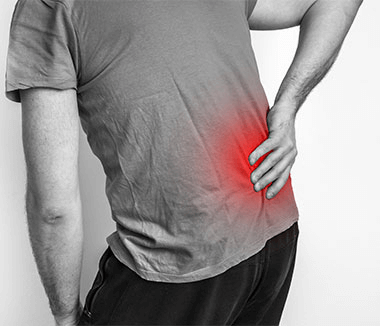
BUCHAREST TEAM

































































CLUJ NAPOCA TEAM


































BRASOV TEAM



















Asiguratori privati





Parteneriate


CENTROKINETIC FLOREASCA
Bucharest, 1st District,
Mircea Eliade Street, no. 18,
Eliade Tower, Entrance A, Floor 3
| Navigation | Explore 3D |
CENTROKINETIC Barbu Vacarescu
Bucharest, 2nd District,
Barbu Vacarescu Street, no. 102,
102 The Address, ground floor.
| Navigation | Explore 3D |
CENTROKINETIC MILITARI
Bucuresti, Sector 6,
Bld. Iuliu Maniu, nr. 15G,
Cladirea PBT, etaj 3.
| Navigation |
CENTROKINETIC CLUJ-NAPOCA
Cluj-Napoca,
Str. Intre Lacuri, nr.1
Intrarea este in spatele cladirii.
| Navigation |
SOCRATES CLINIC TIMISOARA
Timisoara, Calea Martirilor 1989,
nr. 1.
Telefon: 0371 785 374.
| Navigation |
CONTACT
Phone: 0319693
E-mail: programari@centrokinetic.ro
Operating hours:
Monday – Friday: 07:00 – 21:00
Saturday: 09:00 – 14:00
Sunday: closed.
MAKE AN APPOINTMENT