LUMBAR DISCOPATHY



- About lumbar disc disease
- Treating lumbar disc disease
- Tips for preventing lumbar disc disease
This article was written by Dr. Pastrascu Georgiana Domnita, senior physician in medical recovery, with over 15 years of experience in the field of medical rehabilitation.
About lumbar disc disease
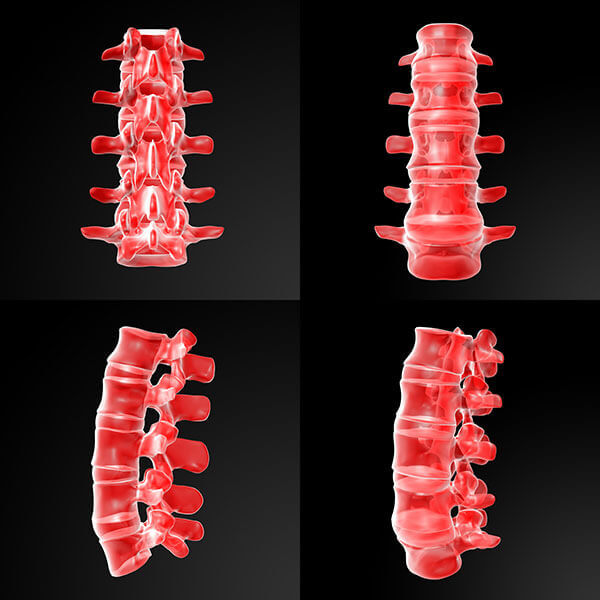
A diagnosis of disc disease suggests an abnormal pathological condition of the lumbar disc. The disc is located between two vertebrae. There are 5 discs in the lumbar vertebral segment. Disc disease suggests that there may be more than one pathological condition of the disc, such as degenerative disc disease and herniated disc.Anatomy of the spine
The spine is made up of 33 individual bones stacked one on top of the other. It provides the main support for your body, allowing you to stand upright, bend, and twist, while protecting the spinal cord from injury. Strong muscles and bones, flexible tendons, ligaments, and sensitive nerves all contribute to a healthy spine. However, any of these structures affected by strain, injury, or disease can cause pain.The vertebrae are numbered and divided into regions: cervical, thoracic, lumbar, sacral, and coccygeal. Only the first 24 bones are mobile; the sacral and coccygeal vertebrae are fused. The vertebrae in each region have unique characteristics that help them perform their main functions.
When viewed from the side, the adult spine has a natural S-shaped curve. The neck (cervical) and lower back (lumbar) regions have a slightly concave curve, while the thoracic and sacral regions have a gentle convex curve. The curves work like a coiled spring to absorb shock, maintain balance, and allow movement in the spine.
What is lumbar disc disease
Disc disease is a general term that defines diseases of the intervertebral discs, regardless of their cause, but it should only be used to mean degenerative disc disease (structural deterioration of the intervertebral disc).Disc disease is the most common disease of the nervous system and ranks second after the common cold as a cause of temporary disability. Disc disease is also the most common surgical disease of the spine, spinal cord, and spinal nerve roots. In most cases, disc disease occurs as a result of physical stress, but sometimes there are congenital abnormalities that favor damage to the spinal cord and nerve roots. It also occurs at a young age. Usually, this is a normal process of wear and premature aging of the spinal structures.
Disc disease can develop at any level of the spine, but it is most common in the cervical and lumbar segments.
Causes and predisposing factors of lumbar disc disease
Although there is a slight genetic component for individuals who suffer from lumbar disc disease, the true cause is probably multifactorial. It can result from simple wear and tear or it can have a traumatic cause. However, it rarely starts from a major trauma, such as a car accident.Degenerative change of the intervertebral disc is favored by physical strain, trauma, obesity, static disorders, a sedentary lifestyle, and, over time, can lead to the occurrence of disc herniations.
Symptoms of lumbar disc disease
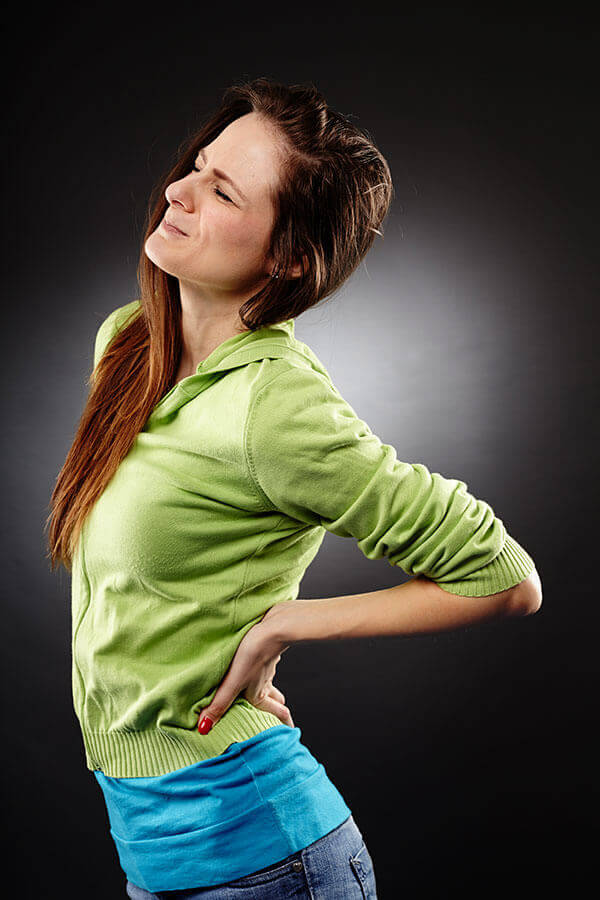
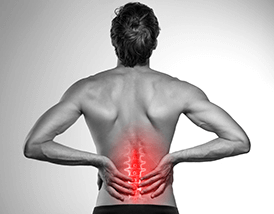
Advanced acute displacement of the intervertebral disc to the side of the spinal canal produces a typical clinical picture - severe pain spreading in the area of the affected nerve root, possibly with motor or sensory disturbances. The onset of the process may be associated with trauma, a sudden movement, or an atypical body position held for a long period of time.In some cases, the onset can be slow, gradual, and unnoticed. During the acute period, the pain decreases or even disappears when you rest, but is worsened when you cough or sneeze. Along with the pain, there is also muscle stiffness on the side of the spine, limited mobility, and curvature of the back - scoliosis.
Decreased sensation in the skin area and weakness of the muscles innervated by the corresponding nerve root are also typical signs. Muscle atrophy (reduced muscle size) indicates greater compression of the roots.
Frontal and front-lateral disc herniations are much rarer, and in the lumbar region they present with back pain that spreads to the groin area and thighs, while in the neck they can cause dysphagia - swallowing disorders.
Lateral disc herniation conditions usually do not cause disorders of the pelvic reservoirs, but, due to severe pain, urination and defecation can be difficult or impossible.
Diagnosing lumbar disc disease
The diagnosis is confirmed by X-ray examination of the spine, CT scan, magnetic resonance imaging, and myelography.Diagnosing the disease is a 3-step process:
- The patient's history, including when the pain started, a description of the pain and other symptoms, and the activities, positions, and treatments that make the pain better or worse.
- Physical examination, in which the doctor examines the patient for physical signs of a symptomatic degenerated disc. This examination may include testing range of motion, muscle strength, local sensitivity, and much more, with a focus on the lower back and legs.
- An MRI scan, which is used when lumbar disc disease is suspected, as well as to rule out other potential causes of the patient's symptoms.
Stages of lumbar disc disease
In stage 1, the spine shows disc instability, which causes chronic lower back pain. This pain usually disappears when the strain stops or when the patient rests.In stage 2, disc injury and rupture of the fibrous ring occur, causing acute lumbago. Lumbosacral pain appears, but it does not radiate down to the lower limbs or below the knee.
The last stage is the radicular one, which in turn has three evolutionary stages: the irritative stage, the compressive stage, and the interruption stage.
Treating lumbar disc disease
The type of treatment for disc disease is one of the most controversial topics in modern medicine. The first manifestation of disc herniation - local pain in the neck or lower back, temporary in nature and of variable duration - can be diagnosed under a variety of conditions and can pass with or without treatment (bed rest for 5-7 days, pain medication, anti-inflammatory drugs, massage, physiotherapy, etc.).Conservative treatment (at home or in hospital) includes rest, a suitable program for motor activity, a physical activity regimen, strengthening the musculature, pain medication, and physiotherapy.
Sufficient time must be given to treatment (at least 10-15 days), and it must be intensive in nature, depending on the severity of symptoms. In over 90% of cases, this treatment is effective. Regarding local injection with analgesics, steroids, and anti-inflammatory drugs, it is currently accepted that the risks outweigh the beneficial effects, and this is not recommended by most experts.
If the pain is uncontrolled or neurological deficits appear, the possibility of surgical treatment should be discussed. The main indications for surgery are under development and planning. Emergency indications are available in the case of acute neurological symptoms - sphincter disorders (urinary incontinence and involuntary defecation), motor deficits (often leg paresis). On a planned basis, patients are operated on if they have severe or persistent pain that does not respond to medication therapy, gradually progressing toward neurological disorders - motor deficits, sensory disorders, scoliosis due to a forced posture.
Kinesiotherapy procedures for treating the symptoms of lumbar disc disease
Through kinesiotherapy procedures, the patient can mobilize their spine by maintaining and developing the muscular system. The preventive kinesiotherapy program must be oriented toward strengthening the basic function of the vertebro-ischio-crural system. In the acute stage, the focus is on general and local relaxation.The exercises are not standard and are recommended depending on the patient and their condition. They can vary depending on the location of the condition, the patient's occupation, and their age.
Elongations and twists
Elongations can be performed in several different ways, targeting either the lumbar spine or the spine as a whole. The traction mechanism can be used to stretch the lower back muscles at reduced force in order to reduce muscle spasms. It can also be used to reduce spinal compression and creates an opening/decoupling between the segments of the spine with a higher traction force.During traction treatment, you will be positioned on the unit with the desired traction force. You will remain in this position for about 10-20 minutes with a timer and a bell. If you do this at home, you must make sure you can effectively release the traction force in case of pain or discomfort.
Assisted manipulation
Spinal manipulations have commonly been used to relieve back pain, but the effects are generally only temporary. HVLA (high velocity, low amplitude) is a manipulation that includes many different techniques and may involve preliminary preparation of the joint and the surrounding tissues, using stretching movement, assistance, and other methods. Forces are applied to the joint and are moved within their voluntary range of motion. An impulse is then applied, the actual load being the sum of the forces applied by the therapist, the inertial forces generated by the movement of the body segments, and the tensions generated internally by the patient's muscular reactions.This technique can immediately improve self-perceived pain, spinal mobility in flexion, and hip flexion during the SLR test. Before spinal manipulation therapy can be considered as a treatment option, patients with lumbar disc disease must be examined for possible serious pathology. There are two reasons for this: certain conditions, such as a fracture, affect the mechanical integrity of the spine and would make assisted manipulation clearly dangerous. In other conditions, failure to recognize the condition delays the start of appropriate care.
Medication treatment for relieving the symptoms of lumbar disc disease
Typical pain medications used to treat lumbar disc disease include acetaminophen, oral steroids, narcotic medications, and muscle relaxants. Each type of medication has strengths, limitations, and risks, and the patient's particular problem and general state of health will determine what kind of pain medication is indicated.Narcotics are used short-term, partly because of their potential for dependency. When back pain is caused by muscle spasms, a muscle relaxant may be prescribed. These medications have sedative effects. Depression can be a factor in reduced chronic back pain. Antidepressant medications have analgesic properties and can improve sleep.
Surgical treatment for lumbar disc disease
Patients who are unable to function due to pain or who are frustrated by their activity limitations may consider lumbar spinal fusion surgery.Depending on the affected level of the spine, the fusion will be somewhat different:
A single-level fusion at the L5-S1 segment is the most common form of fusion, since the L5-S1 segment is the level most prone to breakdown in lumbar disc disease. A fusion at this level of the spine does not significantly change the back's mechanics.
Fusion of the L4-L5 level eliminates normal movement of the spine, because this is a major segment of movement in the lower back (unlike L5-S1, which has limited movement).
Multi-level fusions for the treatment of lumbar disc disease are more problematic than single-level fusion.
A two-level fusion may be considered for patients with severe, immobilizing pain.
Three-level fusions are not recommended, because back movement is too reduced and the change in muscle composition can, in itself, cause pain (this has been called fusion disease).
While a single-level fusion is itself major surgery, a multi-level fusion carries significantly more potential risks and associated complications and should only be considered in rare cases.
While it is major surgery, fusion surgery can be an effective option for patients, to improve their activity level and overall quality of life. This positive outcome is especially true. Less invasive surgical techniques are now available to decrease postoperative discomfort, preserve more of the normal anatomy of the lower back, and achieve higher fusion rates than earlier techniques.
Natural remedies for lumbar disc disease
The body needs balanced nutrition to function properly. Some dietary supplements for spinal health are: shark cartilage, extra virgin olive oil, foods rich in vitamin C (oranges, plums, pineapple, broccoli, lemon, etc.), and spirulina. Plant-based milk, such as almond or rice milk, is rich in nutrients and does not have the fats and toxins found in animal milk. Almond milk is rich in calcium, which supports bone health and vertebral muscle health.Warm baths, whether with Epsom salt (1 cup) or with baking soda or citric acid, can reduce pain and can even help start the healing process. Epsom salt provides magnesium, while a baking soda or citric acid bath helps oxygenate the body since it absorbs CO2 bubbles. Ozone therapy, usually by injection, reduces the pain caused by lumbar disc disease. An oxygenating bath can be an easy at-home solution if ozone therapy is not an option.
Alternative therapies for lumbar disc disease
In addition to heat or ice therapy, acupuncture, behavioral therapy, and other therapies often provide relief from back pain.Chiropractic treatment. Manual manipulation by a chiropractor or another qualified medical professional can provide pain reduction by suppressing sensitive neurological tissue, increasing range of motion, restoring blood flow, reducing muscle tension, and creating a series of chemical reactions in the body, such as the release of endorphins, which act as natural painkillers.
Epidural injections. An epidural injection into the spine delivers steroids that can provide slight pain reduction by decreasing inflammation in the painful area.
Ultrasound. For acute back pain, ultrasound can be used to warm the area, improving blood circulation and bringing healing substances to the affected area.
Massage. Therapeutic back massage helps reduce pain, improve blood flow, reduce muscle stiffness, increase range of motion, and increase endorphin levels in the body.
Tips for preventing lumbar disc disease
Preventing lumbar disc disease is not much different compared to other spinal conditions. The most important rules are correct posture, ergonomics of daily activity, proper ergonomics of the workstation, and healthy physical activity. Here are some tips to keep in mind:- Maintain a healthy body weight. This can reduce the load on your lower back.
- Exercise regularly.
- Quit smoking. Nicotine can damage the discs in your back, since it decreases the discs' ability to absorb the nutrients they need to stay healthy, and could make them become dry and fragile.
- Use proper lifting techniques.
- Adopt good posture while walking or standing. "Good posture" generally means that the ears, shoulders, and hips are in a straight line.
- Keep your back in a neutral position while sleeping. Place a pillow between your knees when sleeping on your side.
Smoking and disc herniation
For patients who smoke, doctors recommend quitting smoking to improve blood circulation and healing. Chronic tobacco use is closely linked to chronic lower back pain.The risk of excess weight for disc herniation
Weight loss can reduce back pain in overweight people, by decreasing stress on the back muscles and ligaments.Excess weight adds stress to the muscles, joints, and bones that support the spine. When it comes to herniated discs, extra weight can facilitate the wear and deterioration of the discs located between the bones of the spine. Even though the damage that can occur to these spongy discs is often gradual, extra weight can limit the range of motion often needed to decrease pressure on adjacent nerves.
Limiting treatment options
Treatment options may be limited in overweight patients. For example, anti-inflammatory medications will not stop the pain resulting from pressure exerted by muscle weight. Doctors may encourage a patient to lose weight before moving on to conservative treatments. If a patient loses weight, such treatments can lead to acceptable management of symptoms.Added risks from weight-related conditions
Patients with weight problems often have conditions such as high blood pressure and diabetes that can make treatment for herniated discs less effective. Weight loss can help control these related conditions to the point where treatments for disc herniation will be more effective.Surgery becomes an option for a herniated disc only if the pain is severe and does not respond to other treatments, or when nerve compression results in loss of function. Otherwise, patients should take time to lose weight through a combination of diet and exercise, which can also help increase spinal stability and reduce inflammation.
Physical exertion and disc herniation
Exercises are performed to reduce pain and to provide stability by strengthening the hip extensors, hip flexors, abdominal muscles, and sacrospinalis muscles. Other important exercises include engaging the pelvic musculature to restore body symmetry, such as the back extensors and abdominal muscles. Stretching the back extensors and strengthening the abdominal muscles is recommended to ease some of the pressure placed on the lumbar intervertebral discs.Exercise will increase blood flow to the discs. Blood brings the nutrients needed for healing. Physical exertion strengthens the back muscles and allows them to do more of the work of supporting the spine. This will require less effort from the compromised discs. A physical therapist should help you find exercises suitable for your age, health, and current situation.
If you are not used to regular physical exercise, seek your doctor's approval before starting a routine. A physical therapist or a fitness trainer can provide safe exercise recommendations. If you feel increased pain during exercises, stop and consult your doctor.
Starting exercises to relieve pain caused by disc herniation include:
- Water-based exercises
- Low-impact aerobics
- Strengthening exercises
Correct posture and disc herniation
A number of factors contribute to the symptoms you experience as a result of disc herniation, including the degree of herniation and the location of the disc. But you should know that situational factors, such as your posture, also play an important role. It doesn't matter whether you are lifting an empty box or a dozen weights, it is always important to practice correct lifting form. Here are some simple instructions to help you do exactly that:- Keep your chest forward. To help you keep a straight back while lifting, bend at the hips - not the lower back - and try to keep your chest out.
- Lead with your hips. When you change direction while lifting an object, use your hips to avoid unnecessary stress on the lower back.
- Keep the object close to your body. Keep the item you are lifting as close to your body as possible.
Here is how to walk with correct posture:
- Don't touch the ground with your toes first. Step first with the middle of the foot and heel, then move the motion toward the toes and push off. This will shorten your steps, because it is hard to roll your foot when it is far from the body.
- Walk slowly. A slower pace often means shorter steps.
- Keep your body upright. Maintain the height of your head and shoulders and try to focus on a spot far ahead of you.
Do not ignore the early signs of any condition. The faster you get to a doctor, the more the chances of healing or controlling the condition increase exponentially. Put your trust in the specialists at Centrokinetic!
IF YOU DON'T ALREADY KNOW ABOUT US
Centrokinetic is the most high-performing medical clinic dedicated to musculoskeletal conditions, organized into several dedicated departments:
- Orthopedics: made up of a highly experienced team of orthopedic doctors, led by Dr. Andrei Ioan Bogdan, senior physician in orthopedics-traumatology with surgical activity at the Floreasca Clinical Emergency Hospital and at the Medlife Orthopedic Hospital, specialized in sports traumatology and in ankle and foot surgery.
- Pediatric orthopedics, where we treat children's sports conditions (ligament and meniscus injuries), spinal deformities (scoliosis, kyphosis, hyperlordosis), and foot deformities (hallux valgus, hallux rigidus, clubfoot, flatfoot, cavus foot).
- Neurology, providing consultations and EMG within the department. The medical team is complemented by Dr. Mardare, who received advanced training at the University of Oxford in spinal surgery.
- Medical recovery, for children and adults, the department being led by one of the most experienced physicians in the field, senior lecturer Dr. Tache Georgiana. The department specializes in the recovery of competitive athletes, spinal conditions, and the recovery of children with neurological and traumatic conditions.
- Medical imaging, the clinic being equipped with ultrasound and MRI, dedicated to musculoskeletal conditions. We are proud of our medical team of radiologists, made up of Dr. Ghiea Sorin, Dr. Pantu Cosmin, and Dr. Florescu Nicoleta, specialized in musculoskeletal imaging.
Find out the latest news about us by following the Centrokinetic clinic's Facebook and YouTube accounts.

MAKE AN APPOINTMENT
CONTACT US
MAKE AN APPOINTMENT
FOR AN EXAMINATION
See here how you can make an appointment and the location of our clinics.
MAKE AN APPOINTMENT
BUCHAREST TEAM




















































CLUJ NAPOCA TEAM


























BRASOV TEAM


















Asiguratori privati





Parteneriate


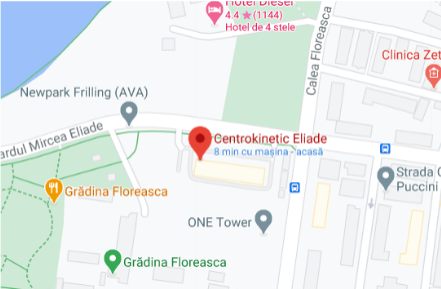
CENTROKINETIC FLOREASCA
Bucharest, 1st District,
Mircea Eliade Street, no. 18,
Eliade Tower, Entrance A, Floor 3
| Navigation | Explore 3D |
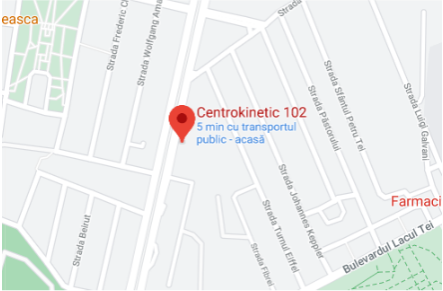
CENTROKINETIC Barbu Vacarescu
Bucharest, 2nd District,
Barbu Vacarescu Street, no. 102,
102 The Address, ground floor.
| Navigation | Explore 3D |
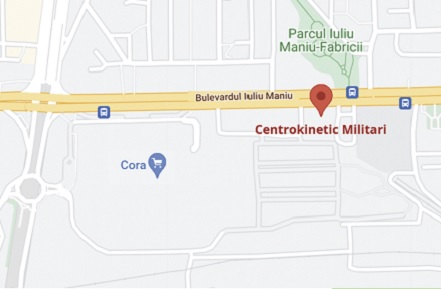
CENTROKINETIC MILITARI
Bucuresti, Sector 6,
Bld. Iuliu Maniu, nr. 15G,
Cladirea PBT, etaj 3.
| Navigation |
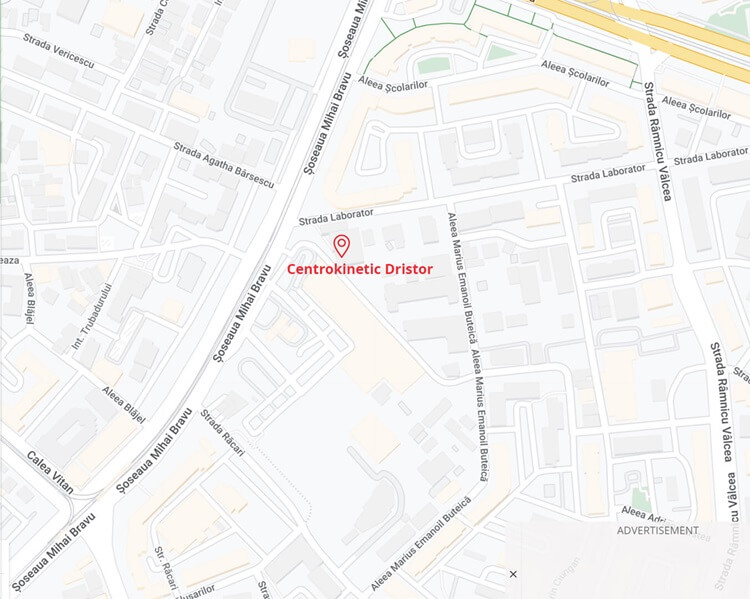
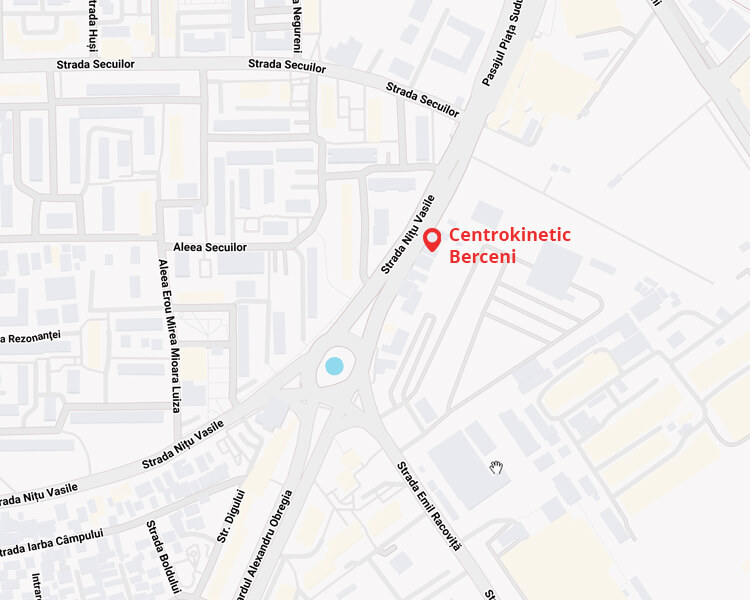
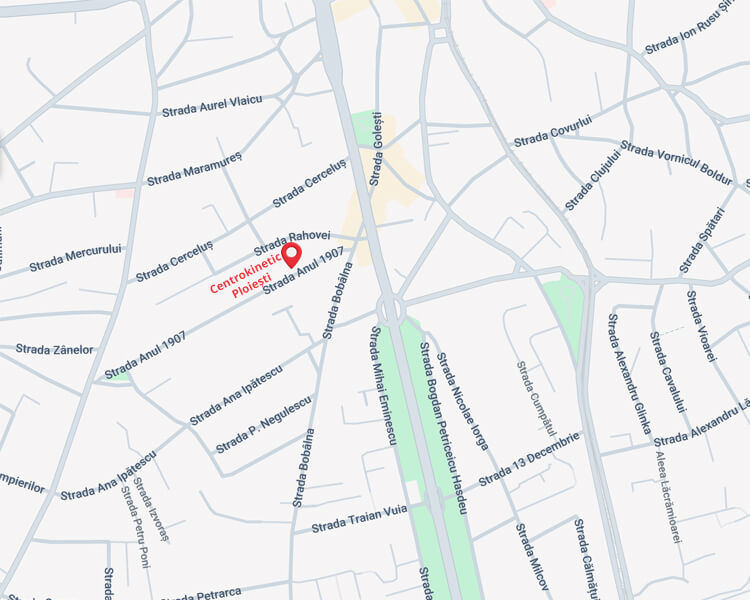
CENTROKINETIC CLUJ-NAPOCA
Cluj-Napoca,
Str. Intre Lacuri, nr.1
Intrarea este in spatele cladirii.
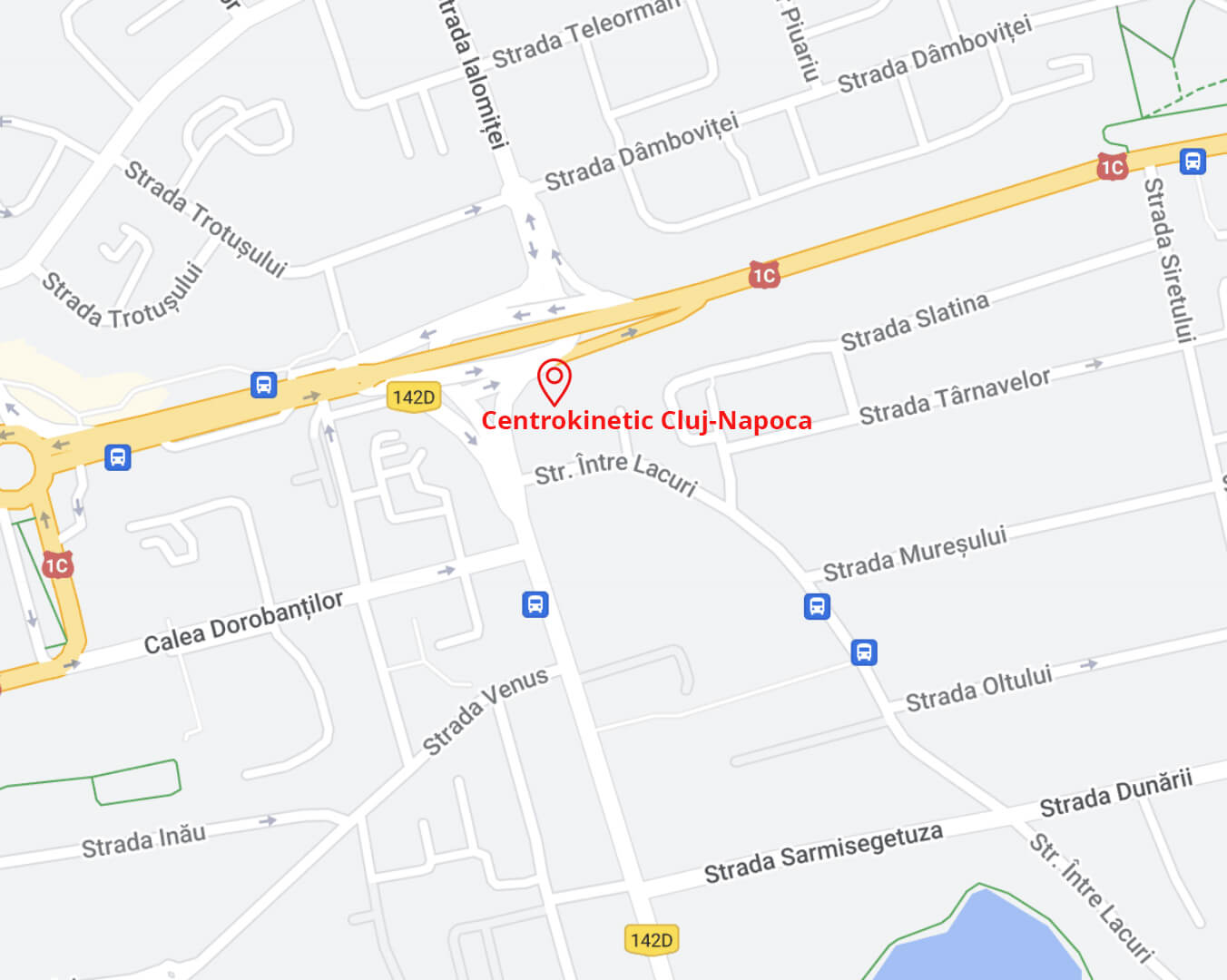
| Navigation |
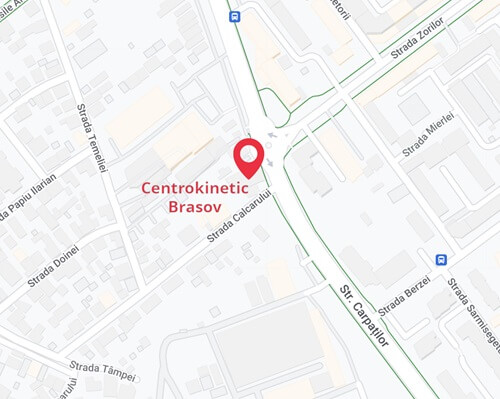
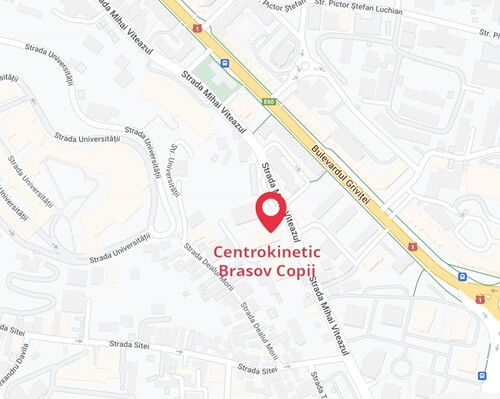
SOCRATES CLINIC TIMISOARA
Timisoara, Calea Martirilor 1989,
nr. 1.
Telefon: 0371 785 374.
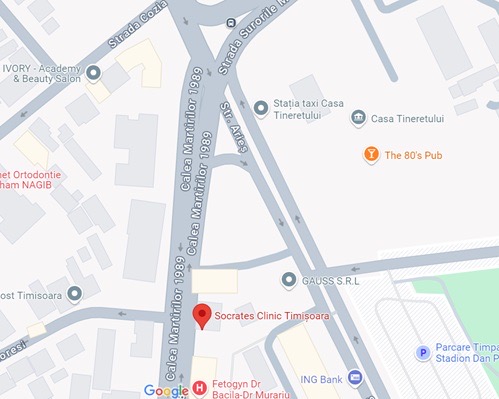
| Navigation |
CONTACT
Phone: 0319693
E-mail: programari@centrokinetic.ro
Operating hours:
Monday – Friday: 07:00 – 21:00
Saturday: 09:00 – 14:00
Sunday: closed.
MAKE AN APPOINTMENT