
See details
READ MORE

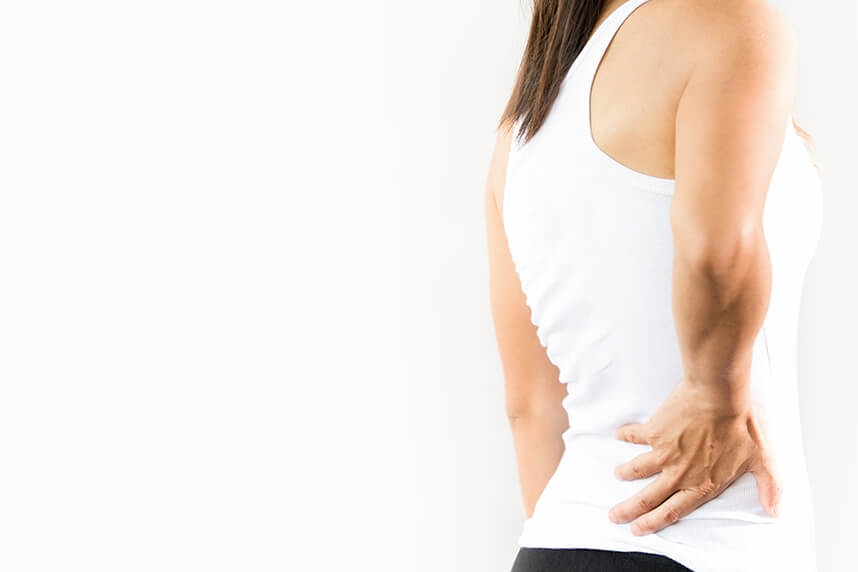
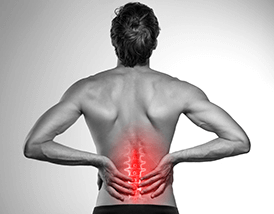
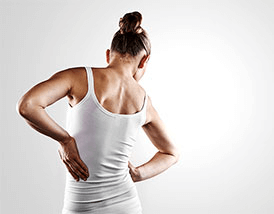
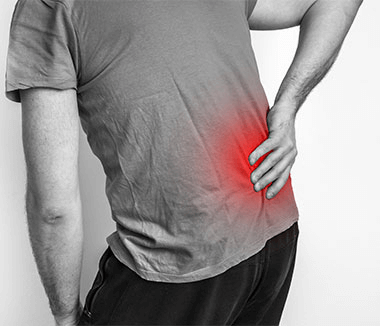
Lower back pain is generally caused by decreased muscle strength, lack of physical exercise, and maintaining poor posture for a long period of time in any type of activity.
These factors lead to a marked increase in pressure on the intervertebral discs, which results in pain.
Lumbar stenosis can be congenital or acquired. The causes of acquired lumbar stenosis include traumatic and degenerative factors, as well as spondylolisthesis or spondylosis. The spinal canal can narrow due to spondylosis, expansion of the intervertebral disc, hypertrophy or ossification of the ligamentum flavum, causing complex neurological symptoms in the lumbar region or the lower limbs. In addition, acquired lumbar stenosis can induce stenosis of the nerve pathways, producing pain in the hips and lower limbs, tingling, paresthesia, and decreased muscle strength.
Typical symptoms of lumbar stenosis include pain in the lumbar area, intermittent claudication, and radicular pain. Most often, these symptoms appear during extension of the lumbar spine induced by walking or standing for a longer period of time, and disappear once the body is relaxed.
Existing treatments for lumbar stenosis can be divided into two categories:
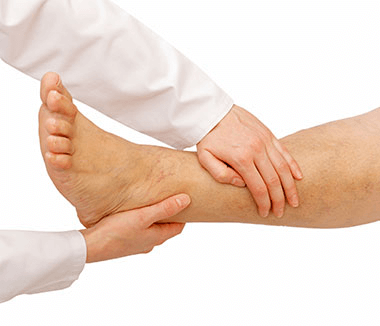
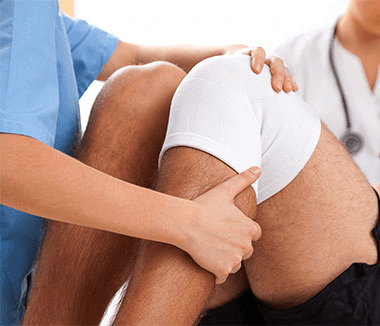
Conservative treatment includes passive and active kinesiotherapy, postural correction, medication, and manual therapy. One type of manual therapy is flexion-distraction manual therapy, which is used for various causes of lower back pain, such as torsion or contusions. This type of manual therapy tends to relieve tension in the space between the vertebrae, where the intervertebral disc is located, thus preventing torsion of the pain-sensitive areas of the annulus fibrosus and pressure on the disc. In this way, with the help of the centripetal force produced, the expansion of the nucleus pulposus will be stopped, causing it to return to the center of the intervertebral disc. By thus easing the displacement of the facet joints relative to one another, a normal range of motion of the lumbar spine will be preserved and pain will be reduced.
Conservative treatment includes exercises to improve mobility and posture. With the help of many studies that investigated the effects of conservative treatment, the natural progression of lumbar stenosis was observed in 32 patients over an average period of 4 years. It was observed that symptoms remained unchanged in 70% of patients, improved in 15% of them, and worsened in 15%. In many studies, flexion-distraction manual therapy was applied to patients with lumbar disc herniation, however, very good results were also reported for lumbar stenosis.
The study we are presenting to you involved 30 patients (9 men and 21 women) who were diagnosed with lumbar stenosis at an orthopedic clinic in Daegu, South Korea. The patients were between 40 and 70 years of age, with the following symptoms: pain in the lumbar region, radicular pain, and intermittent claudication. The patients were divided into 2 groups. The first group received conservative treatment (hot paraffin 20 min, interferential currents 15 min, ultrasound 5 min), while the second group received, in addition to conservative treatment, flexion-distraction manual therapy on the Zenith-Cox Flexion Distraction table. The table stabilizes the upper body, while the lumbar area together with the legs are manually moved by the therapist. The patient is placed in a prone position, with both ankles secured to the table using two straps. During the therapy, the therapist's right hand is placed on the spinous process of the L4 vertebra while the left hand is placed on the ankles. The left hand, pushing the ankles downward, positions the patient's pelvis in a caudal-ventral direction. This position is maintained for 4 seconds, performed 5 times (20 sec), in 3 sets.
In the first group, the average age was 58.2 years, the average height was 162.8 cm, and the average weight was 64 kg. In the second group, the average age was 58.9 years, the average height was 160.3 cm, and the average weight was 63.6 kg. The study was approved by the ethics committee of Youngdong University. All subjects read and signed the form expressing their consent in accordance with the ethical standards of the Declaration of Helsinki. The subjects had no structural abnormalities such as tumors or fractures, no history of surgical interventions, and no infectious diseases.
The Visual Analog Scale (VAS) was used to assess pain intensity, and the Oswestry Disability Index (ODI) was used to measure the level of disability caused by the pain. 10 questions were rated on a scale from 0 to 5, according to functional performance ability, a score of 5 meaning severe disability. To calculate the percentage, the sum of each question was divided by a total score of 45. To measure pain intensity and the level of disability caused by pain, a paired sample t-test was used to compare the subjects within each group, and an independent sample t-test was used to compare the two groups.
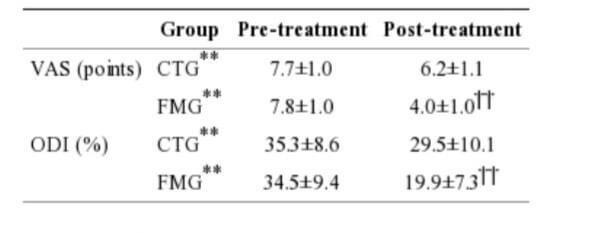
The VAS pain score decreased significantly in both groups. In the comparison between the two groups, the lower score was attributed to the group that received flexion-distraction manual therapy, with a greater improvement being observed. The ODI score decreased significantly for both groups, but more so for the group that received flexion-distraction manual therapy.
The test results can be seen in the table below:
Manual therapies are frequently applied as conservative treatment methods for lumbar stenosis. Among these is flexion-distraction manual therapy, which aims to reduce the volume of the ligamentum flavum to normal limits, reduce pressure on the intervertebral disc, and expand the spinal canal, thus helping the recovery of damaged nerves and the affected surrounding structures.
Schliesser JS., together with other researchers, treated 39 patients diagnosed with cervical disc herniation using flexion-distraction manual therapy and reported that pain intensity decreased significantly. Applying this therapy to patients with chronic back pain for 4 weeks gave good results in reducing the pain threshold.
Cox, together with other researchers, applied this therapy to patients with lower back pain radiating to the lower limbs and observed that 73% of patients had good to very good results. In their study, they observed that 50% of pain intensity was relieved in 50% of patients after an average of 16 days during which, on average, 11 treatment sessions were performed. Cox reported that the VAS score improved in patients with lumbar disc herniation with radiculopathy after applying flexion-distraction manual therapy.
Kim and other researchers prescribed a 4-week exercise program for patients with lumbar stenosis, following which they reported a significant reduction in the score of the questionnaire-based test applied to patients regarding pain intensity. According to the theory of Sasaki and his team of researchers, in patients with lumbar stenosis there is a correlation between active straight leg raising and walking ability, and this correlation is not affected by age. In addition, they believe that patients with degenerative lumbar stenosis have a higher risk of falling following the onset of intermittent claudication.
Centrokinetic is the place where you will find answers and clear solutions for your movement problems. The clinic dedicated to osteoarticular conditions is divided into the following specialized departments:
Find out the latest news by following the Facebook and YouTube accounts of Centrokinetic clinic
See details
READ MORESee details
READ MORESee details
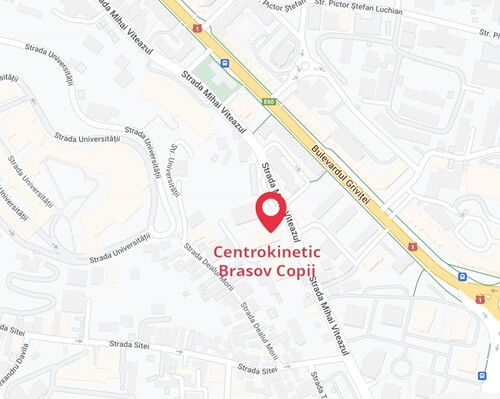
READ MORESee here how you can make an appointment and the location of our clinics.







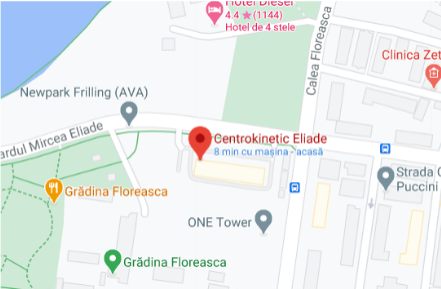
CENTROKINETIC FLOREASCA
Bucharest, 1st District,
Mircea Eliade Street, no. 18,
Eliade Tower, Entrance A, Floor 3
| Navigation | Explore 3D |
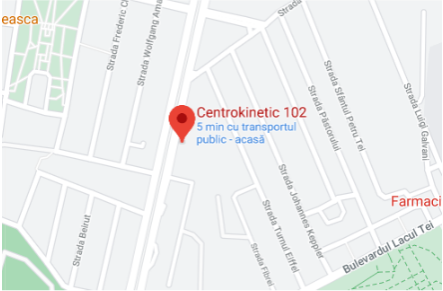
CENTROKINETIC Barbu Vacarescu
Bucharest, 2nd District,
Barbu Vacarescu Street, no. 102,
102 The Address, ground floor.
| Navigation | Explore 3D |
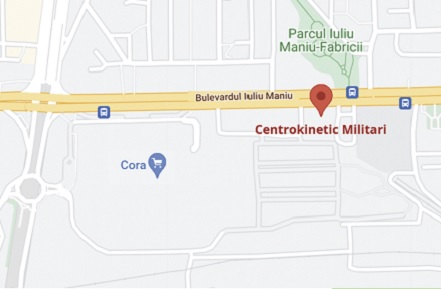
CENTROKINETIC MILITARI
Bucuresti, Sector 6,
Bld. Iuliu Maniu, nr. 15G,
Cladirea PBT, etaj 3.
| Navigation |
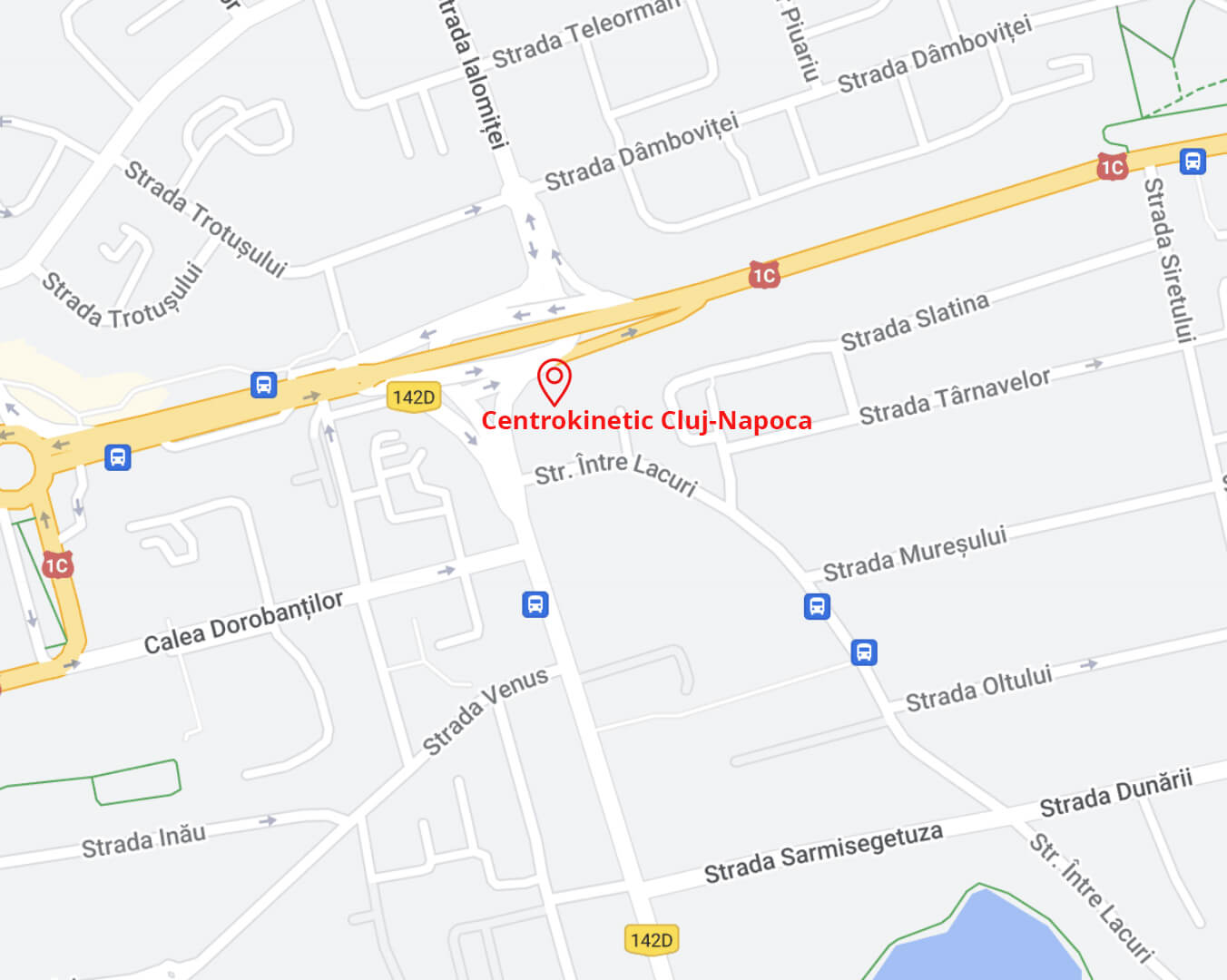
CENTROKINETIC CLUJ-NAPOCA
Cluj-Napoca,
Str. Intre Lacuri, nr.1
Intrarea este in spatele cladirii.
| Navigation |
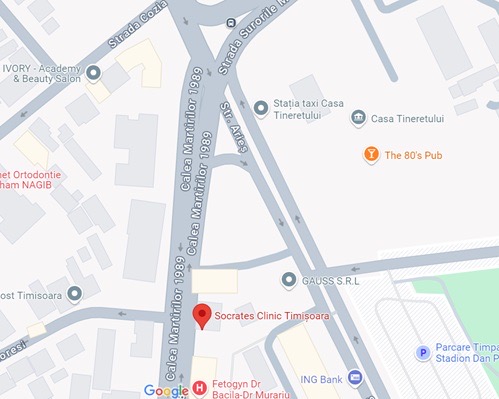
SOCRATES CLINIC TIMISOARA
Timisoara, Calea Martirilor 1989,
nr. 1.
Telefon: 0371 785 374.
| Navigation |
Phone: 0319693
E-mail: programari@centrokinetic.ro
Operating hours:
Monday – Friday: 07:00 – 21:00
Saturday: 09:00 – 14:00
Sunday: closed.
MAKE AN APPOINTMENT