Actualizat: 17-03-2025 / Publicat: 13-02-2018
This article was written by Dr. Pastrascu Georgiana Domnita, senior rehabilitation physician, with over 15 years of experience in the field of medical rehabilitation.
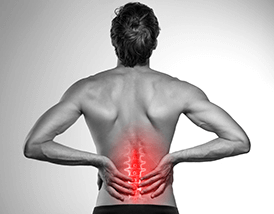
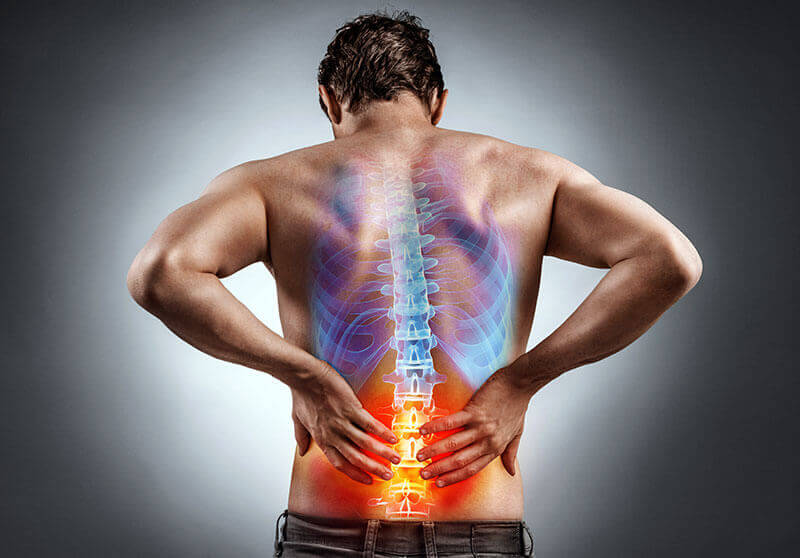
The term sciatica describes the symptoms of leg pain – and, possibly, tingling, numbness, or weakness - that originate in the lower back and travel through the buttocks and down the large sciatic nerve on the back of each leg. Lumbosciatica is not a medical diagnosis in itself - it is a symptom of an underlying medical condition. Common lower back problems that can cause sciatic symptoms include a herniated lumbar disc, degenerative disc disease, spondylolisthesis, spinal stenosis, spinal tumors, sacroiliitis, injuries (fractures), infections.
Several disorders of the lumbar spine (lower back) can cause sciatica. Sciatica is often described as mild to intense pain in the left or right leg. Sciatica is caused by the compression of one or more sets of nerve roots in the lower back. Sometimes, doctors call sciatica a radiculopathy. Radiculopathy is a medical term used to describe pain, numbness, tingling, and weakness of the arms or legs caused by a nerve root problem. If the nerve problem is in the neck, it is called cervical radiculopathy. However, since sciatica affects the lower back, it is called lumbosciatica.
The following back problems are the most common causes of lumbosciatica:
Herniated lumbar disc
A herniated disc occurs when the soft inner material of the disc slips out or herniates through the outer fibrous ring, irritating or pinching the nerve root. Other terms used to refer to a herniated disc are slipped disc, ruptured disc, bulging disc, protruding disc, or pinched nerve. Sciatica is the most common symptom of a herniated lumbar disc.
Degenerative disc disease
Although a certain level of disc degeneration is a natural process that occurs with aging, for some people, one or more degenerated discs in the lower back can also irritate a nerve root and cause lumbosciatica. Degenerative disc disease is diagnosed when a weakened disc results in excessive micro-movement at the spine, and the inflammatory proteins inside the disc become exposed and irritate the nerve roots in the area.
Lumbar spinal stenosis
This condition frequently causes sciatica due to the narrowing of the spinal canal. Lumbar spinal stenosis is related to the natural aging of the spine and is relatively common in adults over 60 years of age. The condition usually results from a combination of one or more of the following: enlarged joints, overgrowth of soft tissue, and a disc pressing on the nerve roots, causing sciatica pain. Lumbar spinal stenosis frequently occurs together with spinal arthritis, and arthritis can cause or contribute to lumbosciatica symptoms.
Sacroiliac joint dysfunction syndrome
Irritation of the sacroiliac joint - located at the base of the spine - can also irritate the L5 nerve, which lies on the upper part of the sacroiliac joint, causing sciatica pain. Again, this is not true radiculopathy, but the leg pain can feel the same as sciatica caused by nerve irritation.
Other conditions that can cause lumbosciatica are:
- Pregnancy. The changes the body goes through during pregnancy, including weight gain, a shifting center of gravity, and hormonal changes, can cause lumbosciatica.
- Scar tissue. If scar tissue - also called epidural fibrosis - compresses a lumbar nerve root, it can cause sciatica.
- Muscle strain. In some cases, inflammation associated with muscle strain or spasm can put pressure on a nerve root and cause lumbosciatica pain.
- Spinal tumors. In rare cases, a tumor of the spine can affect a nerve root in the lower back and cause symptoms of lumbosciatica. Tumors may originate from the spine, but more often spinal tumors develop as cancer from another part of the body metastasizes and spreads to the spine.
- Infection. In rare cases, an infection occurring in the lower back can affect the nerve root and cause sciatica.
- Fracture. If a fracture occurs in a lumbar vertebra, the symptoms may include lumbosciatica. Most fractures occur due to serious trauma (such as a car accident or a fall) or because the bone has become weak due to osteoporosis, or due to another underlying condition or medication.
- Ankylosing spondylitis. This condition is characterized by chronic inflammation in and around the spine. Symptoms often first appear in the sacroiliac joints, causing sacroiliitis, and the symptoms can include lumbosciatica.
For some people, lumbosciatica pain can be severe and debilitating. For others, symptoms might be rare and irritating, but with the potential to worsen. Usually, lumbosciatica affects only one side of the lower body, and the pain radiates from the lower back down through the back of the thigh and into the leg.
Some of the following symptoms are the most common:
- Constant pain on only one side of the buttocks or leg, but rarely on both sides.
- Pain that originates in the lower back or buttocks and continues along the path of the sciatic nerve - down the back of the thigh and into the leg.
- Pain that improves when patients lie down or walk, but worsens when sitting.
- The pain is usually described as sharp.
- A feeling of numbness or weakness, or a tingling sensation in the leg, in some cases.
- Weakness or numbness when moving the leg.
- Severe pain in one leg, making it difficult to stand up or walk.
- Pain and other symptoms in the toes, depending on where the sciatic nerve is affected.
- Lower back pain, which, if experienced, is not as severe as the leg pain.
- Symptoms can intensify during sudden movements, such as sneezing or coughing, or when changing positions.
Certain symptoms are unique depending on the underlying cause of the sciatica. For example, bending the body backward or walking more than a short distance often triggers symptoms when spinal stenosis is the cause. Bending the body forward can trigger symptoms if the problem is a herniated lumbar disc.
Risk factors for lumbosciatica include:
- Age. Age-related changes in the spine, such as herniated discs and bone spurs, are the most common causes of lumbosciatica.
- Obesity. By increasing the stress on the spine, excess body weight can contribute to spinal changes that trigger lumbosciatica.
- Occupation. A job that requires you to twist your back, carry heavy loads, or drive a vehicle for long periods of time could play a role in lumbosciatica, but there is no conclusive evidence of this link.
- Prolonged sitting. People who sit for long periods of time or have a sedentary lifestyle are more likely to develop lumbosciatica than active people.
- Diabetes. This condition, which affects the way the body uses blood sugar, increases the risk of nerve damage.
Many people don't know this, but lumbosciatica is not a disease. It is a symptom of another problem. It is an indication that something else is wrong. You probably have lumbosciatica if you have shooting pain in your legs, buttocks, hips, or back. There is a nerve in the human body called the sciatic nerve, and sciatica is the result of the irritation and compression of this nerve. There are quite a few things that could cause problems with the sciatic nerve, but here are 4 common causes of lumbosciatica.
- Piriformis syndrome - can be difficult to treat or diagnose, because it is a muscular problem and is hard to detect on X-rays. The piriformis muscle connects to the hip and helps rotate the hip. The muscle is located in the lower pelvis. When the muscles are in spasm or become too tense, they develop what is called piriformis syndrome. The piriformis muscle can compress the sciatic nerve and cause significant pain. What happens is that the sciatic nerve lies behind the piriformis muscle and can be easily irritated when the muscle tenses or contracts around it. Piriformis syndrome is actually one of the mildest forms of sciatica, which can be remedied with a few appropriate stretching exercises.
- Herniated disc - a herniated disc is a very common cause of lumbosciatica. When the soft core of a disc breaks through the hard layer of the ring, a herniated disc occurs. It doesn't matter whether the disc bulges or is herniated, this disc can press against the adjacent nerves of the spine and compress them, causing lumbosciatica. Often, there can be inflammation that leads to tingling or numbness.
- Lumbar spinal stenosis - the state of spinal stenosis can lead to the gradual narrowing of the spinal canal. It can cause pressure on the spinal cord and the other spinal nerves. This often leads to pain, which can be relieved by sitting or lying down, which reduces tension on the spinal nerves. Spinal stenosis is often related to age. This type of stenosis condition can cause various elements of the spine to bend or swell from arthritis. The discs, joints, and ligaments are also affected. Changes that can occur with age can have an effect in narrowing the spinal canal and can cause pain.
- Spondylolisthesis - occurs when a vertebra in the spine slips forward of the adjacent vertebra. This often causes the sciatic nerve to become compressed, leading to shooting pain in the leg or lower back. This condition can occur from birth or as a result of a traumatic accident.
These are, of course, only four potential causes of lumbosciatica. There are many other possibilities. Most cases of sciatica can be relieved by correcting muscle imbalances, which are the main cause of most back pain problems.
The doctor will ask you about your symptoms and medical history. A physical examination will be performed. The back, hips, and legs will be tested for strength, flexibility, sensation, and reflexes.
Often, patients in pain may feel an urgent need to have a medical test. Medical tests are not usually necessary for back pain and lumbosciatica. Most episodes of acute back pain resolve on their own over the course of several weeks. In these cases, information obtained from an X-ray or MRI scan cannot change the medical plan, so the tests may be unnecessary. An MRI or X-ray scan is usually ordered if there is a plan to perform a procedure or surgery based on the imaging results. Medical imaging studies have shown that MRI and X-ray scans can be overly sensitive. They can often show abnormalities that are not truly significant, such as degenerated discs in individuals who have no symptoms. An improperly ordered medical test can lead to improper treatment and can considerably increase medical costs. It is important that these tests be ordered appropriately.
Tests may include:
- X-ray imaging can show signs of arthritis, degenerative disc disease, osteoporosis, infections (such as tuberculosis), fractures, dislocations, or evidence of a tumor.
- CT scan - CT scans can show a herniated disc, as well as tumors and other lesions. It is more sensitive than an X-ray.
- MRI scan - an MRI scan can show whether a disc has herniated and whether there are signs of scar tissue around a nerve root. The test can detect other abnormalities, such as bone diseases pressing on a nerve root, and tumors. It is more sensitive than a CT scan.
- Blood tests - Blood tests may include a complete blood count and an erythrocyte sedimentation rate. Blood tests may be ordered to check for signs of infection, metabolic diseases, or inflammation.
- Urine test - These tests check for a urinary infection or blood in the urine.
- Nerve conduction test - To determine the health or disease of a nerve.
- Electromyography - To determine whether the nerve going to a muscle is functioning normally or whether there may be pressure on it. It is often performed together with a nerve conduction study.
- Avoid smoking and excessive alcohol consumption, as these can deplete the body of the vital nutrients needed for bone health. Nicotine especially irritates the sciatic nerve.
- Avoid sugar, especially processed white sugar, which should be eliminated.
- Avoid the insomnia medication Ambien, which has been associated with lumbosciatica in some people. Consult your doctor for alternatives.
- Avoid spicy, fatty, or fried foods, as well as dairy products.
- Avoid stress, worry, and tension, as these emotions irritate the nervous system.
- Avoid poor posture - always sit with your back upright with support in the lumbar area. Do not sit for long periods of time on hard surfaces. Take frequent breaks at work and stretch your back.
For severe conditions or sciatic nerve pain, it is necessary for the condition to be treated so that it does not worsen over time. Over-the-counter remedies and regular physical exercise are effective in relieving pain, for most patients.
For others, when the pain is severe or does not improve on its own, a more structured treatment approach and, possibly, surgery, may be the best option for eliminating the pain and preventing future dysfunction.
Physiotherapy that incorporates a combination of strengthening exercises, stretching, and aerobic conditioning is a central component in almost any treatment plan for lumbosciatica.
When engaging in a consistent program of gentle exercise, patients can recover more quickly from the pain caused by lumbosciatica and are less susceptible to future episodes of pain. Regular movement is important to provide nutrients that heal the injured structures causing the pain.
There are several types of healthcare professionals who specialize in providing physical therapy programs and training for patients with lumbosciatica, including physiotherapists, kinesiotherapists, and chiropractors.
As the pain and inflammation stabilize, the kinesiotherapist will focus their attention on restoring the normal range of motion, the muscle flexibility of the lower limbs, and posture.
The kinesiotherapist will choose the best exercises for your condition. They may recommend performing an ultrasound-guided exercise program, in which you can visualize the muscle contractions on a monitor.
Exercise for lumbosciatica plays a very beneficial role in chronic back pain. Repetition is the key to increasing flexibility, building endurance, and strengthening the specific muscles needed to support the spine.
Lumbar extension exercises have proven to be effective. In general, these exercises try to strengthen the abdomen, improve lower back mobility and endurance, and increase flexibility in the hip, hamstring muscles, and the tendons on the back of the thigh.
Hydrokinesiotherapy
Hydrokinesiotherapy for lumbosciatica describes a variety of treatment methods that can be used to relieve symptoms caused by the sciatic nerve. Although there are many approaches to care, water is the common element that provides the primary therapeutic effect.
Water therapy is used across the entire spectrum of back and neck pain, to provide pain relief, improve circulation, impose anti-inflammatory effects, as well as facilitate exercise, rehabilitation, and relaxation in patients with a variety of diagnoses. Although water therapy cannot and will not act on the internal functioning of the spine, it can still be an important part of a combined care treatment plan for sciatica sufferers.
Warm and cold water pools can provide soft tissue relaxation and can be particularly effective for treating muscular forms of pseudo-sciatica, such as piriformis syndrome.
Ice baths can have almost immediate anti-inflammatory effects. Ice could also help provide relief for patients with all kinds of sciatic nerve pain problems.
Pressurized water sources, such as a hot tub, can be used to provide a soothing or invigorating massage.
Swimming for lumbosciatica is an excellent form of physical exercise that can offer many tangible health effects. Swimming is one of the best forms of physical activity for the entire body.
The Williams program – what it is and how it is applied
Williams flexion exercises are also called Williams lumbar flexion exercises or simply Williams exercises. The program was developed by Dr. Paul Williams. He published this program in 1937 for patients with chronic reduced pain.
Williams exercises are a set or system of related physical exercises designed to increase lumbar flexion and strengthen the abdominal and gluteal muscles in an effort to manage back pain without surgery. The exercises are performed on a floor or another flat surface.
Williams flexion exercises consist of seven movements: pelvic tilt, bringing one knee to the chest, bringing both knees to the chest, partial sit-ups, squats, lunges, and hamstring stretches.
Depending on your particular condition, compression packs that are either warm or cold can help reduce pain in certain areas. There are numerous ways to obtain compresses. You can make them at home or buy commercial versions from the nearest pharmacy. Since the packs work differently for certain people, you can try several types to find the one that works best for you.
Massage therapy is another holistic approach that opens up the muscles, tissues, and energy channels in the body, improving blood flow and combating pain. Massage therapy is associated with a reduction in back pain, muscle relaxation, and even a healthy release of endorphins, the natural feel-good chemicals that act as painkillers.
Medications help relieve the sensation of pain in the body. The most effective remedies in this category include paracetamol, aspirin, ibuprofen, and naproxen. There are prescription relaxants that help reduce muscle tension. Lower back pain will decrease if you use antidepressants. Those who feel that the pain has become too severe can take prescription pain medications. Sometimes, doctors will use steroid medication in liquid form, injecting it into the region of the spinal nerve. When the problem is a detached disc, the medication has the effect of reducing friction.
This procedure takes place only as a last resort. Different treatment options for lumbosciatica will sometimes fail, with the pain becoming progressively worse. At this point, you may need surgery to correct the source of the pain. The nature of each procedure will vary depending on the extent of the pain and the part of the body involved. For example, herniated discs can be corrected to reduce tension on a certain part of the nerve. In most cases, when you have undergone treatment for over 6 weeks without visible changes, your doctor will refer you to a specialist. Keep in mind that it is good to avoid surgery whenever you can. You will need an in-depth conversation to make sure that the professionals have exhausted all other possible remedies. After surgery, there follows a short recovery period. During recovery, strictly follow your doctor's advice and avoid any activity that could put pressure on the incision area.
Microdiscectomy for sciatica
In cases where sciatic pain is caused by a herniated lumbar disc, the most common surgical approach is a microdiscectomy - a small open surgical procedure. In this surgery, only the part of the herniated disc that is pinching the nerve is removed - the rest of the disc is left intact. A microdiscectomy is considered after four to six weeks if severe pain is not relieved by non-surgical means. If the patient's pain and disability are severe, surgery may be considered earlier than four to six weeks. As a general rule, approximately 90% of patients will feel relief from lumbosciatica pain after this type of surgery.
Lumbar laminectomy for sciatica
In cases where sciatic pain is caused by lumbar spinal stenosis, a lumbar laminectomy may be recommended. In this surgery, the small portion of bone and/or disc material that is pinching the nerve root is removed.
Surgical laminectomy may be offered as an option if spinal stenosis causes the patient's activity tolerance to drop to an unacceptable level. The patient's general health may also be a factor in deciding whether or not to have surgery.
An alternative treatment is the practice of acupuncture, a Chinese treatment method that uses knowledge of the body's meridians and inserts needles at pressure points. This helps move an individual's energy toward the center of the body, releasing tension and stress. This type of treatment not only reduces pain, but also improves overall well-being.
Another process for treating lumbosciatica involves the use of biofeedback. During this process, a machine analyzes the body, reporting on the different parts that have gotten out of control. The patient then follows a training program to try to control these processes at a conscious level. The major areas addressed by this process include blood pressure, muscle tension, as well as heart rate.
Electrotherapy
Electrotherapy typically involves the use of a battery-powered device that delivers a current to small electrodes (which attach to the back). This, in turn, sends electrical impulses into the area of the back that shows symptoms. There are numerous types of electrotherapy devices available, but the most popular are transcutaneous electrical nerve stimulation (TENS) units.
TENS works on a principle similar to that of acupuncture. TENS helps the brain focus on the massaging action and the low-voltage electrical stimulation produced by the electrotherapy device, thus helping to reduce pain.
Laser procedures
Laser therapy is a painless procedure used as a treatment to relieve pain caused by lumbosciatica.
The laser's strong anti-inflammatory effect helps heal pinched nerves. It works by improving circulation and encouraging damaged cells and tissues to repair themselves, thus helping to restore normal function. Since it treats the underlying problem, it is possible to restore function and reduce pain in the long term.
Not only can laser therapy reduce inflammation, but it tends to work well in combination with exercise, physiotherapy, and other treatment methods. Some pain reduction can usually be felt immediately after treatment, and the best results are obtained with cumulative treatments.
Advantages of laser therapy as a treatment for lumbosciatica:
- Non-invasive
- Clinically proven results
- Non-toxic
- Reduces the need for medication
- Helps restore the normal range of motion
- Suitable for all ages
- The treatment is painless
- Relieves and eliminates pain
Therapeutic massage
The muscles will frequently show muscle spasms, which respond favorably to therapeutic massage technique. Massage provides a healing treatment that can be gentle or firm, when muscles and tendons become damaged, affected, or tense. Massage provides an effective healing treatment. Massage treats the whole body holistically and traces the discomfort, as much as possible, back to the original cause, healing both the cause of the disorder and the symptoms.
Hydrotherapy and wraps
Performing exercises in a pool of water has several benefits for people suffering from lumbosciatica and other back pain conditions. The natural buoyancy of the water helps you bear your body weight while you stand or move in the water. Movements such as leg raises are much easier in water. The viscosity of the water provides natural resistance to movement, allowing simple exercises to help build endurance. This also reduces the risk of injury that you might encounter with weight lifting.
When used as an adjunct to sciatic neurolysis, wrapping with an acellular dermal matrix for nerves can be a safe and effective method of treating younger patients, preventing the development of sciatic neuropathic pain after chronic hamstring muscle injuries.
Thermotherapy
The first thing you need to know about heat therapy is that the temperature should be warm, not hot. If the temperature is too high, you can suffer serious burns.
In part, the duration of the heat therapy session depends on the severity of the symptoms. If the episode is not severe, a 15-20 minute session may be enough. If your pain is acute, you may benefit from a session lasting 30 minutes to 2 hours. These sessions can be repeated several times throughout the day.
There are several options for heat therapy, including hot water bottles and electric blankets. Whichever option you choose, a barrier should be placed between the skin and the heat source.
As a general rule, cold treatment is usually applied during the first 2 to 7 days after the onset of lumbosciatica symptoms. After the acute pain has gone, you can apply heat therapy. But this is only a general guideline, and it is a good idea to experiment with heat and cold therapy to find out what works best for you.
While heat treatment can help you find relief from symptoms, it is best used as part of a broader treatment plan, which generally includes stretching and other targeted exercises.
![lombosciatica dureri]()
While back pain associated with lumbosciatica and other causes is common, there are a number of measures that can help prevent it from occurring or recurring:
- Maintain correct posture when standing, walking, and sitting.
- Do exercises that maintain aerobic fitness, strength, and flexibility of the abdominal and spinal muscles.
- Practice safe lifting techniques. When lifting, bend your knees and keep your back straight. This way, the stress is borne by the hips and legs, not the back. Keep the object close to your body. The farther the object is from the body, the more effort is placed on the lower back.
- Make sure your back is well supported when sitting. Use chairs that offer good back support and are designed to provide a good sitting position. A contoured pillow can help ensure lower back support.
- Do not smoke.
- Maintain a healthy body weight.
Added sugars are ingredients that contain sweet flavor and calories, but few nutrients. They are also high on the glycemic index, meaning they have a significant impact on blood sugar levels. A diet high in glycemic load can increase inflammation. A diet high in sugar also leaves less room for beneficial, anti-inflammatory foods, such as fresh fruits and vegetables. Foods and drinks with a high sugar content include: soft drinks, candy, pancake syrup, frosting, sweetened cereals, desserts, ice cream and cakes, pies, and cheeses.
Saturated fats can also increase inflammation. For overall health, it is recommended to limit saturated fat content to less than 7% of total daily calories. Common sources include red and processed meat, dark poultry meat, chicken skin, high-fat dairy products, fried foods, and egg yolks. To reduce the risk of pain and inflammation associated with lumbosciatica, replace the saturated fat in your diet with omega-3 fatty acids - healthy fats with anti-inflammatory properties. Top sources include cold-water fish, such as salmon and mackerel, flaxseeds, canola oil, and walnuts.
If you suffer from this condition, you need to exercise regularly. Simple exercises include gentle lifting, stretching, and walking. When performing these exercises, make sure you do not feel pain, since exercises at an advanced stage of the disease can cause more pain and worsen the situation. Even if you feel well, do gentle exercises. Do not push yourself too hard, as this can make you even more vulnerable. During exercise, avoid putting pressure on the lumbar region. Try to gently move the lower back muscles, but do not unnecessarily push their abilities. People who exercise regularly have a lower chance of developing irritation caused by sciatica. It is always good to rest if you suffer from lumbosciatica, but be careful that prolonged bed rest can derail your efforts to feel better. There are people who take time off work to treat this condition. Do not do this unless the condition is advanced, since inactivity will cause more problems.
Do not perform bent-over lifts with weights, as this stresses your back. Also avoid lifting weights overhead; this includes shoulder presses. These exercises put emphasis on the spine and can further damage a herniated or slipped disc. If weight lifting has been suggested as an exercise to help strengthen your muscles and you are a beginner, seek advice from a professional. Consult your doctor, who may recommend a physical therapist or a trainer. They will determine which weight lifting exercises are compatible with the condition causing your lumbosciatica pain.
Adjust the impact of weight training by using smaller weights and doing more repetitions. If you experience the onset of back pain, take a break from strength training until it goes away.
Many types of chronic pain and conditions are caused by poor posture and unbalanced muscle groups, which disrupt the free flow of energy in the body in some cases, but actually affect the nerves in other, more extreme cases. Remedying sciatic nerve pain most likely cannot happen without postural changes and the development of balanced musculature.
If you are dealing with constant pain, weakness, or numbness in the legs, severe or shooting pain, you have probably tried to find the most comfortable position possible.
For sitting, it is advisable to sit on a chair with both soles planted on the floor, and your legs at a 90-degree angle to your torso. Placing a small, rolled towel in the lower back can help. If your job requires you to sit on a chair for most of the day, consider using a back pillow. Placing a box or a small stool under your desk can help you keep your legs and thighs at a 90-degree angle. When sitting becomes too painful, take a break to walk around and stretch your legs.
Proper nutrition is very important, and timely care can contribute to health. Lumbosciatica is a painful condition, and you must include only the right foods in your diet to cope with this situation. Reduce alcohol consumption and smoking, as they can worsen the situation.
Include in your diet all the vital nutrients, and mainly, protein, vitamin B12, vitamin D, and calcium. Eat whole grain foods, leafy green vegetables, lean meat, fish, and eggs. Most importantly, drink plenty of water.
Relax
While every effort is made to relax and strengthen the body, it is important to also pay attention to the emotional aspect. As stress increases, muscles tend to tense up, and this can intensify existing problems.
Lumbosciatica pain that lasts longer can make you feel stressed. Try to relax your mind. Practice a few relaxation techniques for better stress management. The sooner you start, the better you will feel for longer. Think about these simple lifestyle changes, beneficial for lumbosciatica, and enjoy good health.
Do not ignore the early signs of any condition. The faster you see a doctor, the more the chances of healing or controlling the condition increase exponentially. Put yourself in the hands of the specialists at Centrokinetic!
IF YOU DON'T ALREADY KNOW ABOUT US
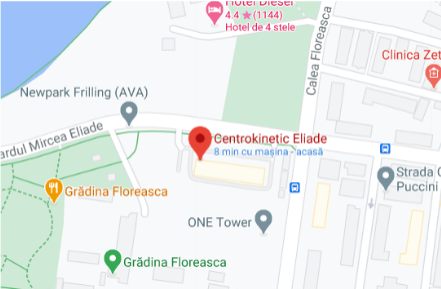
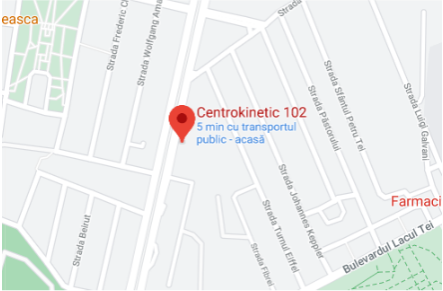
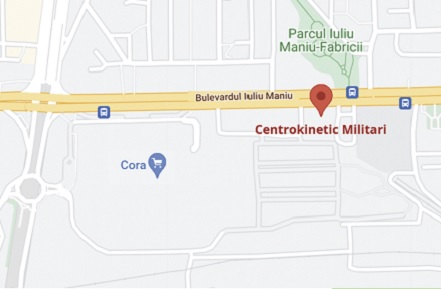
Centrokinetic is the place where you will find clear answers and solutions for your movement issues. The clinic dedicated to osteoarticular conditions is divided into the following specialized departments:
- Orthopedics, a department made up of a highly experienced team of orthopedic doctors, led by Dr. Andrei Ioan Bogdan, senior orthopedics-traumatology physician, with surgical activity at Medlife Orthopedics Hospital, specialized in sports traumatology and in ankle and foot surgery.
- Pediatric orthopedics, where children's sports-related conditions are treated (ligament and meniscus injuries), spine deformities (scoliosis, kyphosis, hyperlordosis) and foot conditions (hallux valgus, hallux rigidus, clubfoot, flatfoot, cavus foot).
- Neurology, which has a high-performance department, where consultations, electroencephalograms (EEG) and electromyography (EMG) are performed.
- Medical rehabilitation for adults and children, a department specialized in the recovery of performance athletes, spinal conditions, and the recovery of children with neurological and traumatic conditions. Our experience is extremely rich, having treated over 5000 performance athletes.
- Medical imaging, the clinic being equipped with an ultrasound and an MRI machine, high-performance equipment dedicated to musculoskeletal conditions, and complemented by an experienced team of radiologists: Dr. Sorin Ghiea and Dr. Cosmin Pantu, specialized in musculoskeletal imaging.
Find out the latest news about us by following the Centrokinetic clinic's Facebook and YouTube accounts.