Lymphedema


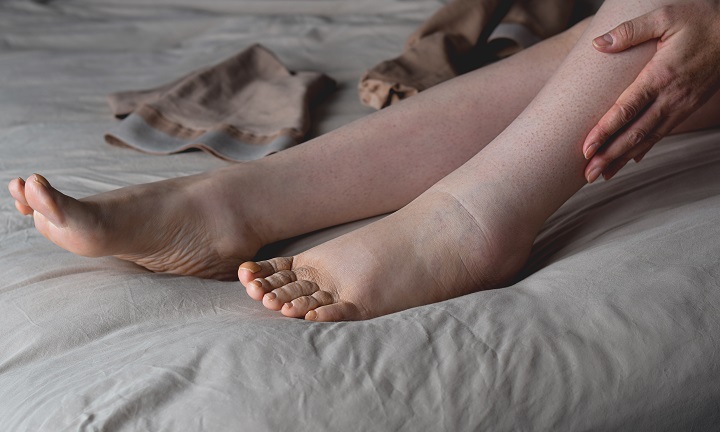
Lymphedema is a chronic condition, characterized by abnormal swelling of the surface tissues of the limbs. It is caused by disorders of the lymphatic vessels, which prevent the lymphatic system from efficiently draining fluids from the tissues.
The lymphatic system functions both as a drainage pathway for interstitial fluid to return to the general circulation, and as a means of cleansing the body by eliminating microbial agents and dead cell debris. These vessels are connected to veins at various locations, which explains the disruption of lymphatic circulation in disorders of the nervous system.
- What is lymphedema?
- Causes of lymphedema
- Symptoms and manifestations
- Stages of lymphedema
- Diagnosis and investigations
- Treatment and management
- Preventing lymphedema
What is lymphedema?
When the lymphatic drainage system is defective, lymphedema occurs, characterized by the irregular accumulation of protein-rich lymphatic fluid.
Lymphedema is a condition that usually affects the limbs, although it can also affect the face, genitals, or trunk. The underlying cause of lymphedema is a compromised lymphatic system, thereby preventing or reducing the drainage of lymphatic fluids. The lymph nodes responsible for lymphatic circulation can also be disrupted in several ways, including surgical removal, radiotherapy, or blockage by cancer cells.
Lymphedema affects the physical and psychosocial well-being of individuals, being a progressive chronic condition. Timely diagnosis and starting interventions in the early stages of the condition lead to favorable outcomes. However, there are complications that can occur and can increase morbidity, including the development of recurrent cellulitis, bacterial or fungal infections, and lymphangioadenitis.
Causes of lymphedema
Lymphedema can originate from other conditions as a side effect, or it can simply be classified as primary when the underlying cause is not immediately evident. The condition can be hereditary in nature or can manifest as a result of disorders related to the venous circulation system. Moreover, it can also occur as a consequence of other medical conditions.
Thus, two main types of lymphedema are distinguished:
- primary lymphedema: this is a condition caused by a genetic mutation that has consequences on the development of the lymphatic system; three subcategories of this type of lymphedema are also distinguished:
- congenital lymphatic edema, which is present from birth or begins before the age of two;
- lymphedema praecox, which appears after puberty or around the age of 30;
- late-onset lymphedema, which develops after the age of 35;
- secondary lymphedema: this type of lymphedema is caused by damage to the lymphatic system, following an infection, the occurrence of trauma, a disease, or a surgical intervention, and can occur at any age.

Symptoms and manifestations
The manifestation of the condition can vary depending on the underlying cause. Primary lymphedema can affect several areas of the body, including the lower limbs, upper limbs, neck, and face. On the other hand, secondary lymphedema usually affects only one limb (either an arm or a leg) and is often associated with a history of surgery, radiotherapy, neoplasm, or local infection that triggered the onset of the edema.
The most frequently encountered clinical picture is represented by:
- a sensation of heaviness and pain, for example heavy and tired legs;
- difficulty moving;
- thickened, stretched skin;
- the formation of skin folds;
- the appearance of wart-like growths;
- repeated skin infections.
Stages of lymphedema
The chronic state of lymphedema results in the cracking and subsequent infection of the epidermis, providing a pathway for bacterial colonization of the affected area. This condition also leads to the development of verrucous elephantiasis.
Taking into account the severity of the symptoms, certain stages of lymphedema are considered, namely:
Stage 0
-at this stage, the affected area is not yet swollen, but subtle symptoms appear, such as a sensation of heaviness.
Stage I – reversible
-in this case, the affected area swells, is larger and firmer compared to its normal appearance; with regard to the hands and feet, symptoms are relieved when they are positioned higher than the rest of the body.
Stage II – spontaneously irreversible
-in stage II of lymphedema, symptoms are more pronounced, and in this case changing the position of the limbs no longer leads to their improvement.
Stage III – advanced lymphedema or elephantiasis
-the affected area increases significantly in size; the area may come to require assistance with mobilization, the skin becomes very rough and thick, with blisters appearing on its surface.
Diagnosis and investigations
The evaluation of lymphedema is a process that involves various components. The doctor will begin by considering the patient's medical history, followed by an inspection of the affected limb.
Palpation and measurement of the limb are also performed to further assess the extent of the lymphedema. The doctor then determines the stage of the lymphedema and a psycho-emotional evaluation is performed, focusing in particular on the impact of the altered body image.
In addition to the clinical examination and detailed history taken by the doctor, additional investigations may be necessary, such as:
- medical imaging: lymphoscintigraphy, ultrasonography, magnetic resonance imaging (MRI);
- biopsy, when necessary.
Treatment and management
The main goal of treating lymphatic edema is managing and regulating the most prominent symptom associated with this condition: swelling of the affected area. Moreover, it aims to prevent other possible complications that may arise due to the condition. Treatment and management of lymphedema include manual lymphatic drainage therapy; compression therapy; specific exercises; prevention and treatment of infections.
Manual lymphatic drainage therapy
Manual lymphatic drainage therapy involves the use of gentle techniques in the area presenting lymphatic edema, in order to activate the natural movement of the lymphatic vessels and encourage the movement of lymph toward the root of the limb. What differentiates MLD is that the lymphatic vessels closest to the heart are stimulated first, followed by the distal ones. This is based on the principle that fluid will always move toward the area with lower pressure. MLD is a complex treatment and it is essential that only therapists with specialized training perform it.
Compression therapy: bandaging, compression stockings
The use of a multi-layer bandage facilitates maintaining the volume of the limb, whether the limb is at rest or in motion. The edema is managed by using bandages that have limited elasticity, as this prevents the edema from regaining its volume. During movement, the bandages exert a pressure that favors drainage.
Another effective compression therapy is wearing compression stockings. These maintain the best possible level of decongestion after the use of compression bandages. Compression stockings exert an effective therapeutic pressure on the tissues and lymphatic vessels as well as blood vessels.
Specific exercises
The lymphatic system differs from the blood system in that it does not have an active mechanism for moving lymphatic fluid back into the circulatory system. The smooth and efficient transport of lymphatic fluid relies on sufficient muscular activity, especially when the lymphatic system is affected. A well-structured exercise regimen is therefore vital in the prevention and treatment of lymphedema.
Prevention and treatment of infections
Although the occurrence of lymphedema cannot be completely avoided, there are certain behaviors that can minimize the likelihood of its development. The most effective measures are proper skin hydration and the prevention of infections, especially fungal infections of the nails, and walking barefoot, regardless of conditions.
Surgical approaches
When non-surgical interventions fail to produce the desired results, surgical options may be considered. It is important to note, however, that surgery is not always the recommended course of action. It is recommended only for certain patients whose symptoms can be alleviated through surgical means.
Currently, ablative techniques are reserved for cases of lymphedema at a more advanced stage, where visible changes in soft tissue structure occur, and traditional methods of intervention have not been successful.
- lymph node transfer: The surgical procedure known as vascularized lymph node transfer surgery involves collecting lymph nodes and their vascular supply from a donor site. This harvested tissue is then transferred to the affected extremity as free tissue using specialized instruments, sutures, and a high-powered microscope;
- liposuction: liposuction is performed in cases of circumscribed lymphedema, if the long-term effects of lymphedema have led to the storage of excess adipose tissue;
- creating bypass channels for lymphatic fluid: lymphovenous anastomosis or lymphovenous bypass is a surgical procedure in which the lymphatic vessels in a lymphedematous limb are connected to nearby veins and capillaries using microsurgical and super-microsurgical techniques.
Quality of life and patient support
The visual manifestation of lymphedema can have a profound psychological effect, especially for people struggling with cancer. The presence of lymphatic edema has been identified as a factor that contributes significantly to the onset of depression.
In this regard, it is very important for affected people to follow specialist advice and, in particular, to integrate into support groups, which include specialists and people who have gone through the same experience, and who can help them psychologically.
Preventing lymphedema
To prevent lymphatic edema, it is necessary to avoid any risk factors that can lead to the development of this condition. Prevention measures include:
- avoiding weight gain;
- performing regular physical exercise to improve lymphatic drainage;
- avoiding tight clothing and footwear;
- preventing trauma and infections;
- performing massage and self-drainage techniques.
Conclusion
When lymphatic edema manifests, it becomes a persistent edema, which can only be alleviated, rather than cured. The edema is constantly generated, so that even when treatment is pursued and recovery is achieved, the edema can return.
Therefore, it is absolutely essential to consult the specialist doctor from the very first signs of lymphedema, and also to be involved in condition-prevention techniques and self-care techniques.
References
- NHS Choices. Overview - Lymphoedema. 2022
- "What Is Lymphedema? | American Cancer Society." Cancer.org, 2020
- Bryan C. Sleigh; Biagio Manna – Lymphodema. 2023
- Gruppo San Donato – Chirurgia sistemului limfatic.
MAKE AN APPOINTMENT
FOR AN EXAMINATION
See here how you can make an appointment and the location of our clinics.
MAKE AN APPOINTMENT
BUCHAREST TEAM


































































CLUJ NAPOCA TEAM

































BRASOV TEAM


















Asiguratori privati





Parteneriate



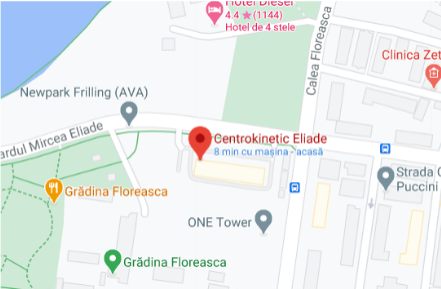
CENTROKINETIC FLOREASCA
Bucharest, 1st District,
Mircea Eliade Street, no. 18,
Eliade Tower, Entrance A, Floor 3
| Navigation | Explore 3D |
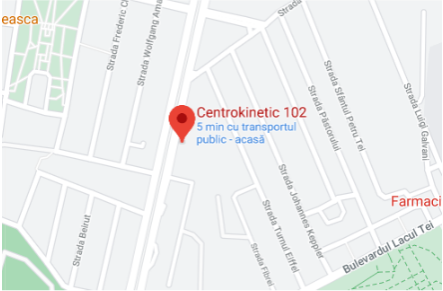
CENTROKINETIC Barbu Vacarescu
Bucharest, 2nd District,
Barbu Vacarescu Street, no. 102,
102 The Address, ground floor.
| Navigation | Explore 3D |
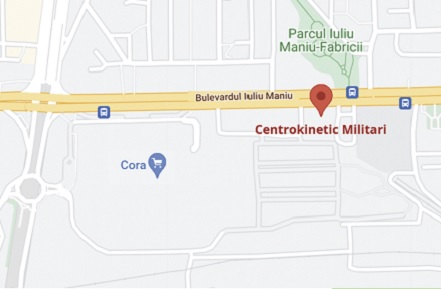
CENTROKINETIC MILITARI
Bucuresti, Sector 6,
Bld. Iuliu Maniu, nr. 15G,
Cladirea PBT, etaj 3.
| Navigation |
CENTROKINETIC CLUJ-NAPOCA
Cluj-Napoca,
Str. Intre Lacuri, nr.1
Intrarea este in spatele cladirii.
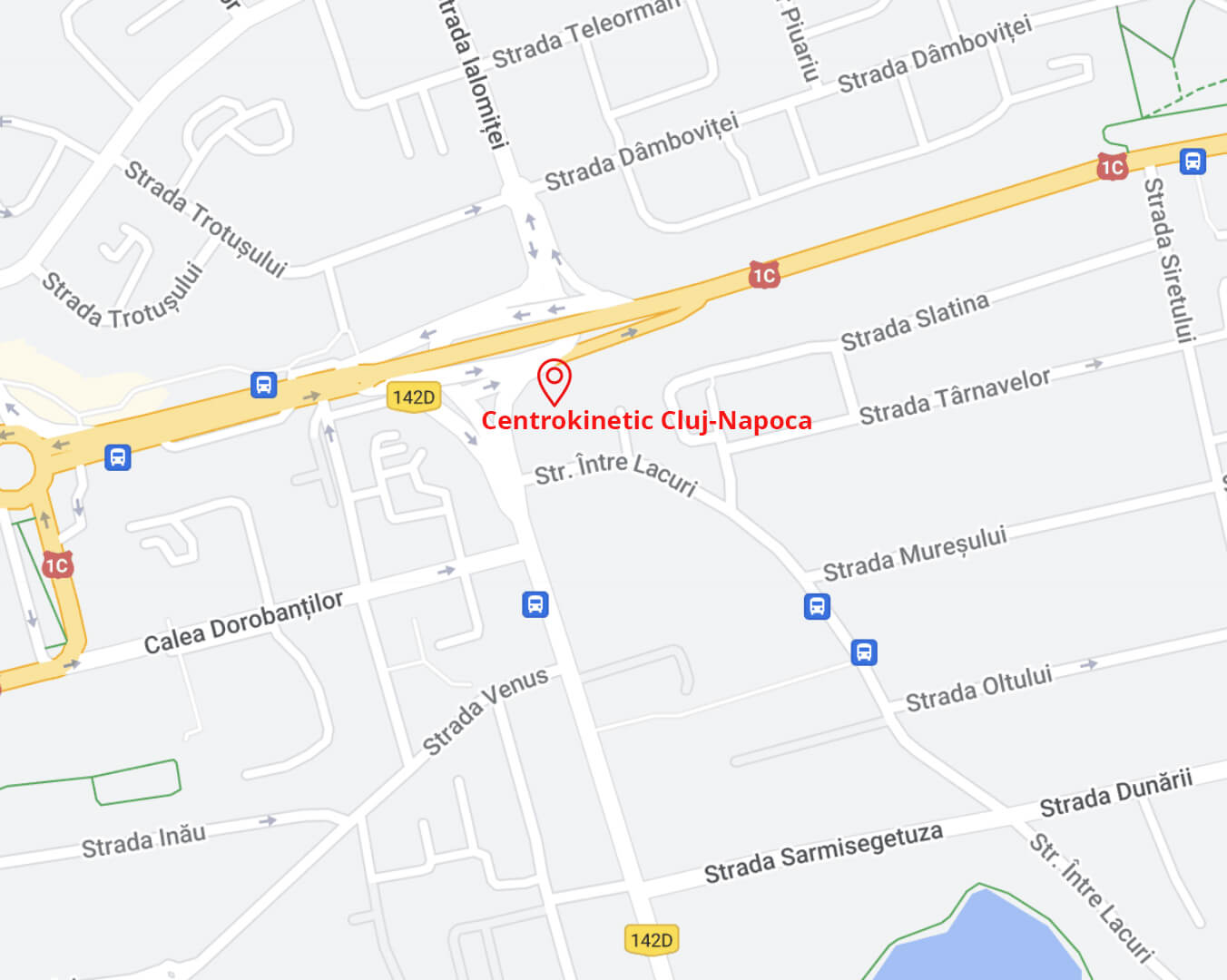
| Navigation |
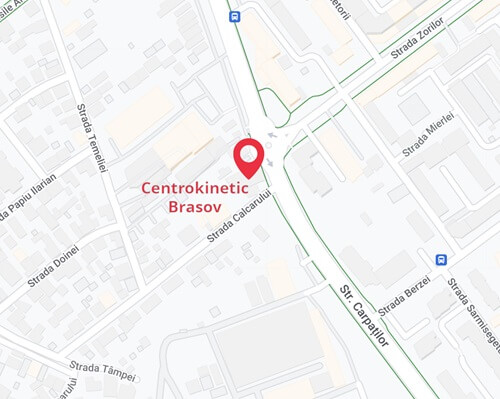
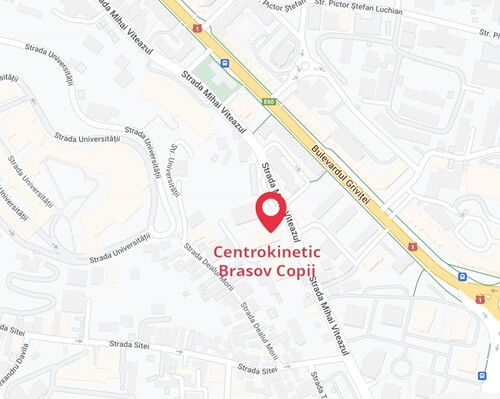
SOCRATES CLINIC TIMISOARA
Timisoara, Calea Martirilor 1989,
nr. 1.
Telefon: 0371 785 374.
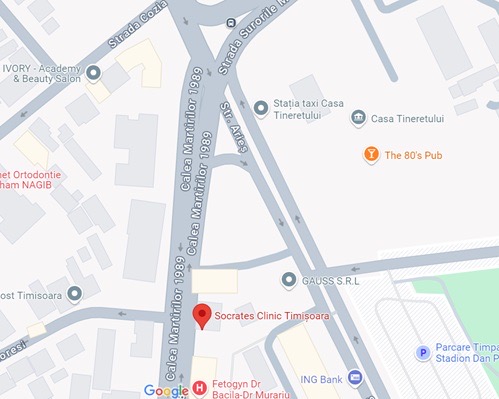
| Navigation |
CONTACT
Phone: 0319693
E-mail: programari@centrokinetic.ro
Operating hours:
Monday – Friday: 07:00 – 21:00
Saturday: 09:00 – 14:00
Sunday: closed.
MAKE AN APPOINTMENT