
See details
READ MORE

.jpg)
Lymphatic edema is an accumulation of lymph in the body, resulting from morpho-functional damage to the lymphatic vessels. Oncological surgical procedures that require excision of regional lymph nodes or lymphatic vessels can lead to the development of secondary lymphedema, with the risk of its occurrence being ongoing. The specialized literature states that approximately 20% of women treated for breast cancer develop lymphedema.
This therapy is intended for patients with primary and/or secondary lymphedema, with the aim of promoting lymphatic drainage, reducing the volume of the edema, improving the functionality and elasticity of the limb, and limiting complications. The treatment is tailored to each patient and is carried out daily, over a period of 1-6 weeks. The therapy aims to restore the patient's best possible autonomy. Based on extensive experience, CDT has proven to be safe and effective, as the standard therapy for lymphedema. It includes several methods, among which: manual lymphatic drainage (MLD), intermittent pneumatic compression (IPC), compression bandaging, adapted physical activity under compression, and, last but not least, educating the patient in learning self-care rules (hygiene, self-bandaging, self-drainage) and providing psychological support.
* carried out for a few weeks until the limb dimensions reach a new plateau
* an ongoing self-care process that helps maintain the results obtained in the initial phase
This aims to reduce the volume of the lymphedema (decreasing the volume by 30-60%). Therapeutic interventions continue until a plateau is reached in the reduction of the lymphedema. As a general rule, this plateau is reached after 2-4 weeks of regular treatment. The main therapeutic interventions used in this phase consist of manual lymphatic drainage performed by a specialized physical therapist, compression bandaging, intermittent pneumatic compression, and physical exercises.
The goal is to maintain the volume achieved or, in certain cases, to continue reducing the volume and to prevent the occurrence of other problems. It is the patient's responsibility to follow a home care program, with the physical therapist's role being to make them aware of the importance of practical daily habits and to support them throughout this period. The essential therapeutic element of this phase is wearing compression garments, which improve lymphatic circulation and venous return and protect the limb from trauma. Elastic compression is worn for as much of the day as possible and can be combined with self lymphatic drainage. Certain patients may need more intensive treatment, so they may continue to wear multi-layer bandages (but less frequently than during intensive treatment) and will benefit from manual lymphatic drainage or the use of an intermittent pneumatic compression device to maintain the reduction of the edema. In both phases of complete decongestive treatment, skin care and specific physical exercises should not be neglected, the latter playing an important role in lymphatic drainage.
In the treatment of lymphedema, special attention is paid to skin care. This category includes:
MLD consists of applying gentle maneuvers in the region with lymphatic edema, with the aim of stimulating the intrinsic motricity of the lymphatic vessels and mobilizing the lymph proximally (toward the root of the limb). What is specific to MLD is that the proximal lymphatic vessels (near the heart) are "opened" before the distal ones, based on the principle that fluid will flow toward the area where the pressure is lower. Being a complex therapy, it is very important that MLD be performed by a therapist with specific training.
This is a form of drainage performed using a pressotherapy device, which has a pneumatic sleeve (similar to that of a blood pressure monitor). It is applied to the region of the limb that needs to be drained, inflating from distal to proximal in order to facilitate veno-lymphatic circulation.
IPC should not be used as monotherapy, but as an adjuvant therapy. The International Society of Lymphology indicates the use of IPC with the aim of maintaining the reduction of lymphatic edema after a complete decongestive therapy. Unlike MLD, where lymphatic pressure is applied centripetally from the proximal parts of the extremity, the IPC wave in sequential compression (also directed centripetally) starts from the distal parts of the extremity. If there is a lymphatic blockage, pressure applied toward the proximal parts of the extremity can impede lymphatic drainage, if the drainage is not preceded by emptying the proximal vessels. IPC can be performed after an MLD session and followed by wearing compression bandages (intensive phase) or a compression sleeve (maintenance phase).
This refers to bandaging performed using different types of bandages (small finger bandages, short-stretch bandages of various sizes). This compression will allow the volume of the limb to be maintained, both at rest and during movement. The edema is controlled by short-stretch bandages, which stretch very little and prevent the edema from regaining its volume. During movement, the compression will allow a drainage action. When the muscles work, they increase in volume against the non-elastic bandage, which exerts a resistance force; this working pressure promotes lymphatic drainage. This compression must be worn 24 hours a day, for a period of several days or weeks, depending on effectiveness and tolerance.
Unlike the blood circulatory system, the lymphatic system does not have an active pump to propel lymphatic fluid back into the circulatory system. Efficient lymphatic flow depends on adequate muscular activity, all the more so when the functionality of the lymphatic system is compromised. A well-balanced exercise program is perhaps the most important component in the prevention and management of lymphedema. Among the benefits of regular physical activity, we can mention:
Exercise protocols are adapted by the physical therapist to the needs and abilities of each patient. The goals of the exercise programs are determined by taking into account the stage and type of lymphedema, specific restrictions, and mobility limitations of articular or muscular origin, as well as other additional medical aspects. Activities involving high speed (such as golf, tennis) are not suggested, as they can increase lymphedema. Instead, activities such as walking, swimming, light-weight exercises, or cycling are generally safe. When choosing the physical activity to practice, it is important to find an activity that helps reduce lymphedema and that is also enjoyable for the patient.
Performing exercises with multi-layer compression or a compression sleeve allows for additional dynamic drainage. However, wearing the sleeve is not mandatory, depending on how the patient experiences it. Deep, diaphragmatic breathing exercises are very useful, promoting both relaxation and lymphatic drainage.
Manual lymphatic drainage
II. Precautions:
Centrokinetic is the place where you will find answers and clear solutions for your movement problems. The clinic dedicated to osteoarticular conditions is divided into the following specialized departments:
Find out the latest news by following the Facebook and YouTube accounts of Centrokinetic clinic
See details
READ MORESee details
READ MORESee details
READ MORESee here how you can make an appointment and the location of our clinics.





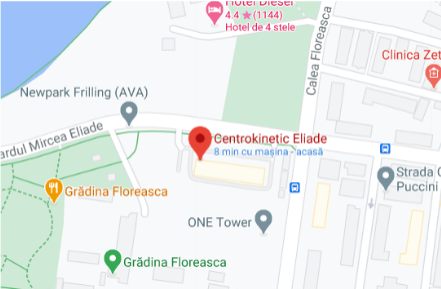
CENTROKINETIC FLOREASCA
Bucharest, 1st District,
Mircea Eliade Street, no. 18,
Eliade Tower, Entrance A, Floor 3
| Navigation | Explore 3D |
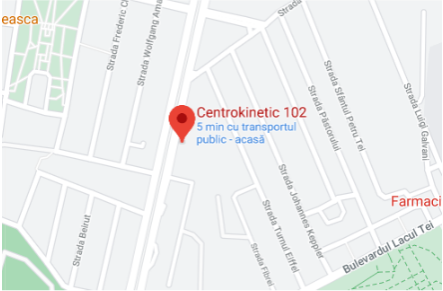
CENTROKINETIC Barbu Vacarescu
Bucharest, 2nd District,
Barbu Vacarescu Street, no. 102,
102 The Address, ground floor.
| Navigation | Explore 3D |
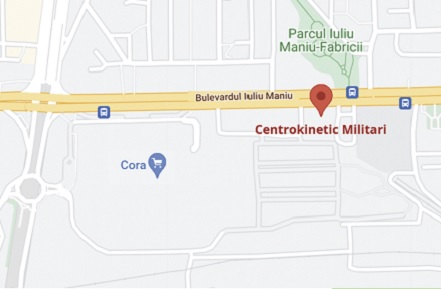
CENTROKINETIC MILITARI
Bucuresti, Sector 6,
Bld. Iuliu Maniu, nr. 15G,
Cladirea PBT, etaj 3.
| Navigation |
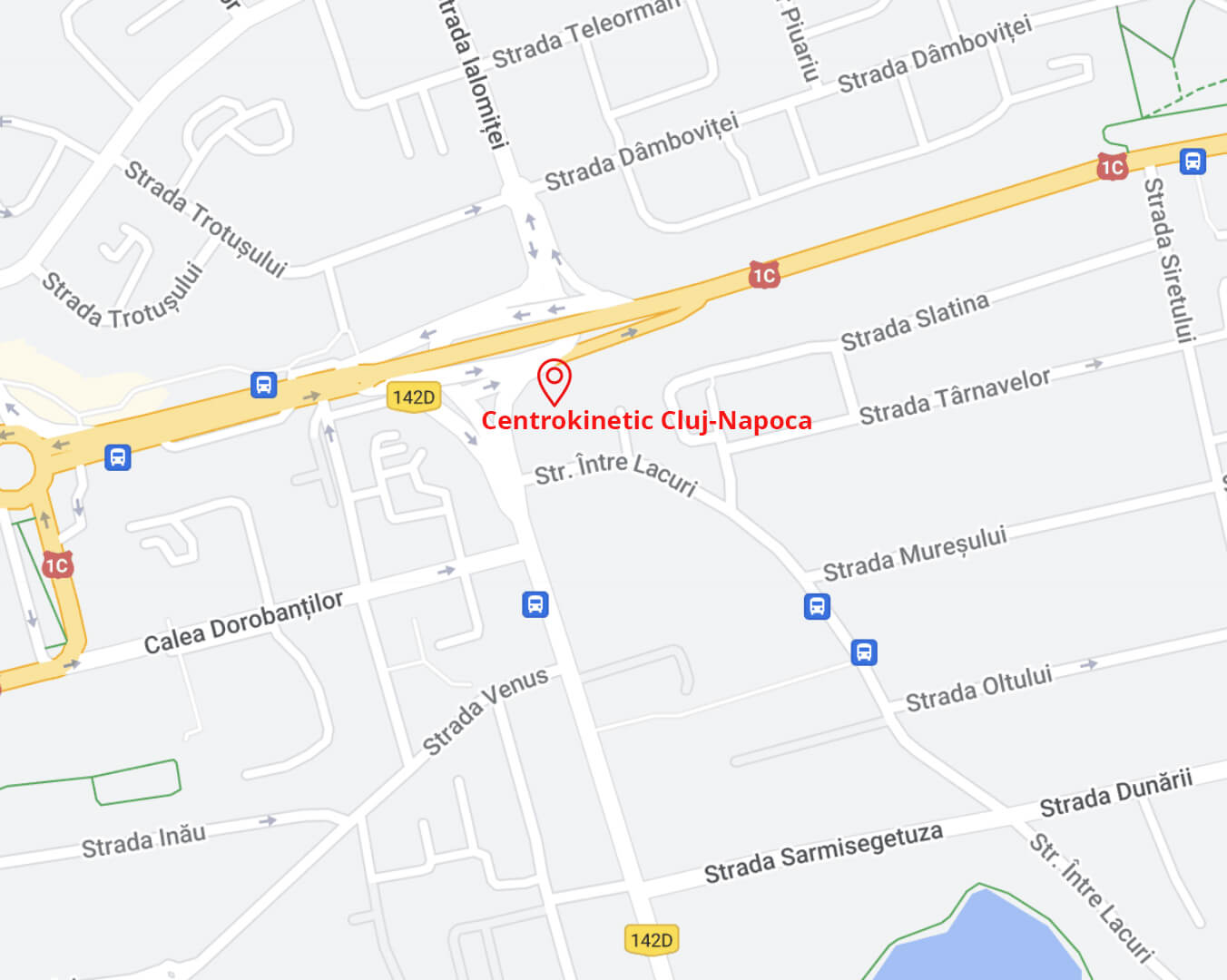
CENTROKINETIC CLUJ-NAPOCA
Cluj-Napoca,
Str. Intre Lacuri, nr.1
Intrarea este in spatele cladirii.
| Navigation |
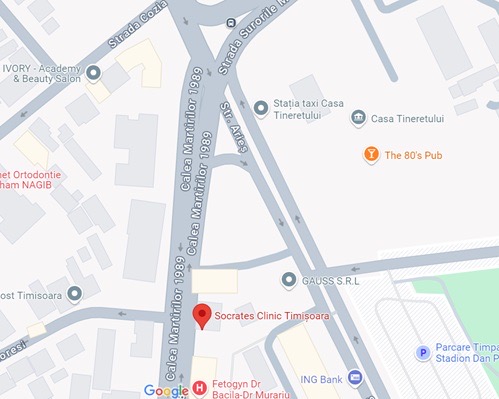
SOCRATES CLINIC TIMISOARA
Timisoara, Calea Martirilor 1989,
nr. 1.
Telefon: 0371 785 374.
| Navigation |
Phone: 0319693
E-mail: programari@centrokinetic.ro
Operating hours:
Monday – Friday: 07:00 – 21:00
Saturday: 09:00 – 14:00
Sunday: closed.
MAKE AN APPOINTMENT