
See details
READ MORE

Most people looking for modern solutions for medical recovery and neurological treatment seek clear, up-to-date, and scientifically validated information. In the following sections, we discuss what transcranial magnetic stimulation involves, when it is recommended, and how it integrates into a personalized treatment plan. You will learn details about effectiveness, precautions, stages of medical evaluation, and how you can benefit from professional services provided by experienced medical teams.
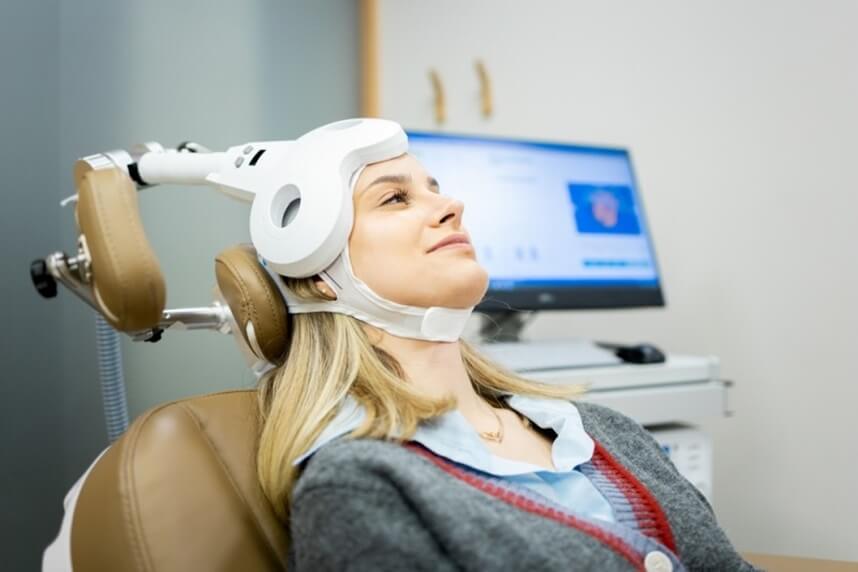
Repetitive transcranial magnetic stimulation (rTMS) is a technique that uses magnetic impulses to influence neuronal activity in specific areas of the brain. The rTMS device places a coil on the scalp and delivers short impulses at a controlled frequency. These impulses stimulate or inhibit cortical activity depending on the frequency used.
Unlike other methods, rTMS does not require anesthesia and does not involve invasive procedures. Most patients remain fully conscious during the session [1].
rTMS is recommended for:
For example, after a stroke, a patient may receive rTMS sessions to improve recovery of motor function in the affected limbs [1][2].
Transcranial magnetic stimulation is not recommended for:
Risks may include:
Always consult a specialist doctor before starting this type of therapy [1][2][3].
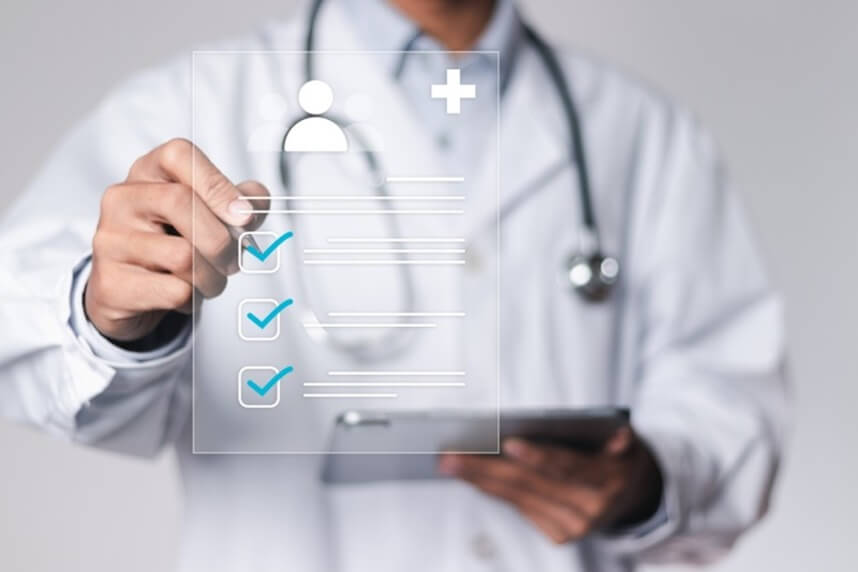
A proper evaluation ensures that rTMS treatment suits your medical condition. During the evaluation:
A thorough evaluation prevents risks and optimizes the chances of treatment success. Choose clinics experienced in developing personalized treatment plans. A well-trained medical team can guide you throughout the treatment process and adapt the protocol according to your progress [1][2].
A session lasts between 20 and 40 minutes, depending on the established protocol. The basic steps include:
Treatment generally involves 20–30 sessions, performed 3–5 times per week, depending on the condition and medical recommendations [1][2].
The integration of magnetic stimulation into modern medical recovery programs is part of increasingly complex treatment protocols. Specialized teams follow international recommendations and use certified equipment.
At Centrokinetic, every case is approached through detailed evaluation and adaptation to the patient’s real needs. Depending on the case, programs may include:
See here the main types of transcranial electrical stimulation.
Clinicians often recommend combining magnetic stimulation with physiokinetotherapy to increase the chances of recovering functions lost due to accidents, injuries, or chronic conditions.
For example, an amateur athlete diagnosed with shoulder pain and partial loss of functionality may undergo both rTMS sessions and specialized physiokinetotherapy sessions within the same clinic. Learn more about the services available at Centrokinetic!
Within our clinics, you can schedule:
Study results show that when therapy is accessed early and the recommendations of a specialist team are followed, the chances of regaining mobility and quality of life increase. Early evaluation supports treatment plan adaptation and reduces the risk of complications.
The medical team carefully analyzes each case, determines the most effective treatment options, whether physiokinetotherapy or rTMS, and continuously monitors your progress.
Therefore, transcranial magnetic stimulation offers many benefits in neurological and orthopedic recovery, but it must be adapted according to the specialist doctor’s evaluation. Early medical intervention increases the chances of restoring lost functions and prevents worsening of conditions. Schedule a specialist consultation now. The Centrokinetic expert team develops personalized treatment plans for each patient and closely monitors treatment progress.
Mild headaches or scalp discomfort may occur, but they usually disappear quickly. Rare adverse reactions include seizures in high-risk individuals. Risks are carefully analyzed during the medical evaluation and can be discussed with your treating physician.
The effects may vary depending on the condition and the number of sessions. Many patients report improvements after a few weeks, but treatment may need to be repeated periodically or combined with other therapies to maintain results.
Do not stop any medication without your doctor’s approval. rTMS may be used as a complementary therapy and does not replace medication unless your doctor decides otherwise.
This article is for informational purposes only and does not replace a specialist medical consultation. Always consult your doctor before starting any neurological or orthopedic treatment.
See details
READ MORESee details
READ MORESee details
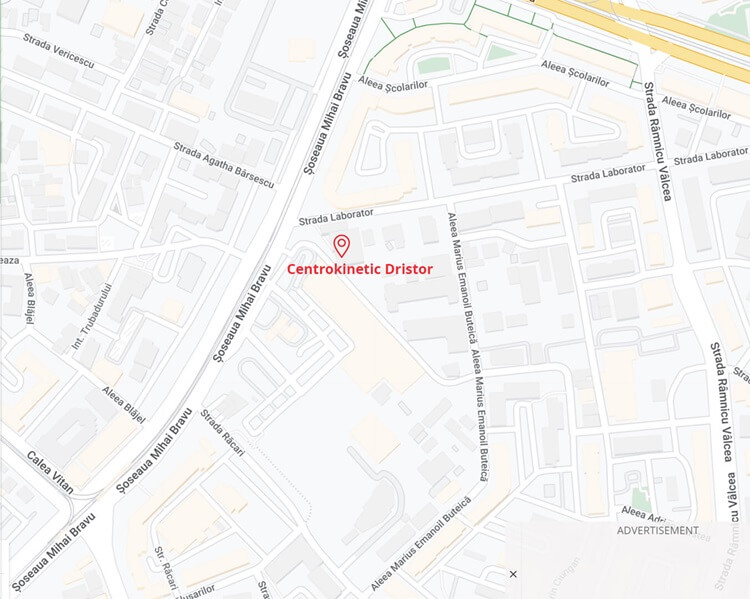
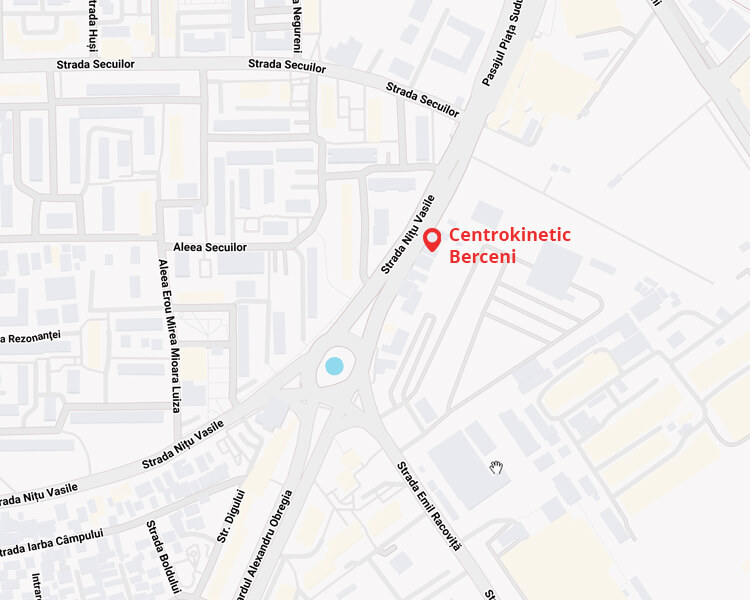
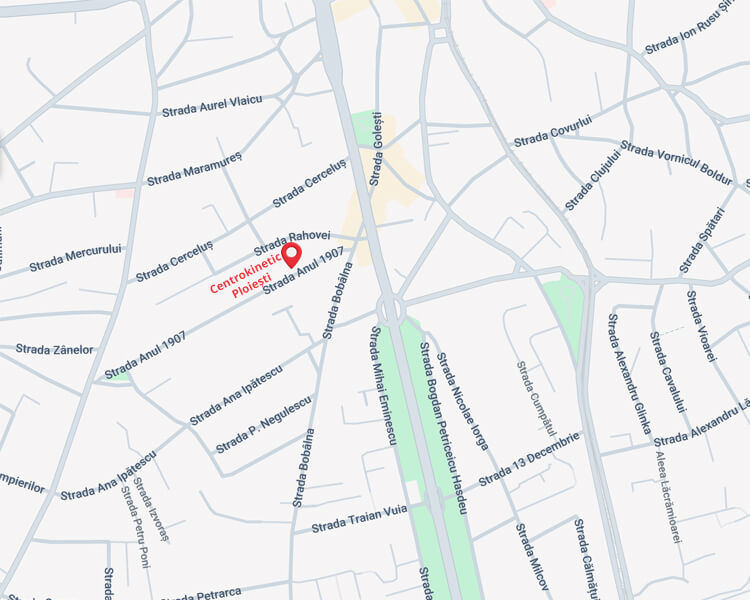
READ MORESee here how you can make an appointment and the location of our clinics.

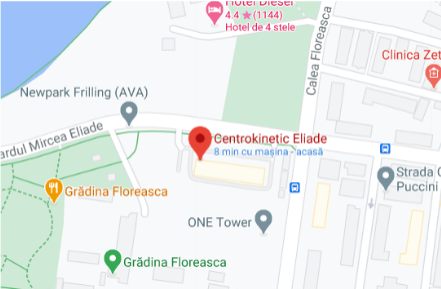
CENTROKINETIC FLOREASCA
Bucharest, 1st District,
Mircea Eliade Street, no. 18,
Eliade Tower, Entrance A, Floor 3
| Navigation | Explore 3D |
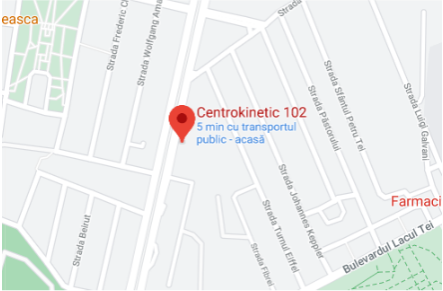
CENTROKINETIC Barbu Vacarescu
Bucharest, 2nd District,
Barbu Vacarescu Street, no. 102,
102 The Address, ground floor.
| Navigation | Explore 3D |
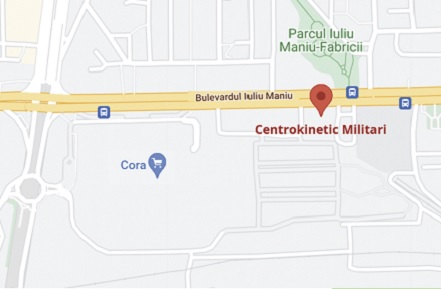
CENTROKINETIC MILITARI
Bucuresti, Sector 6,
Bld. Iuliu Maniu, nr. 15G,
Cladirea PBT, etaj 3.
| Navigation |
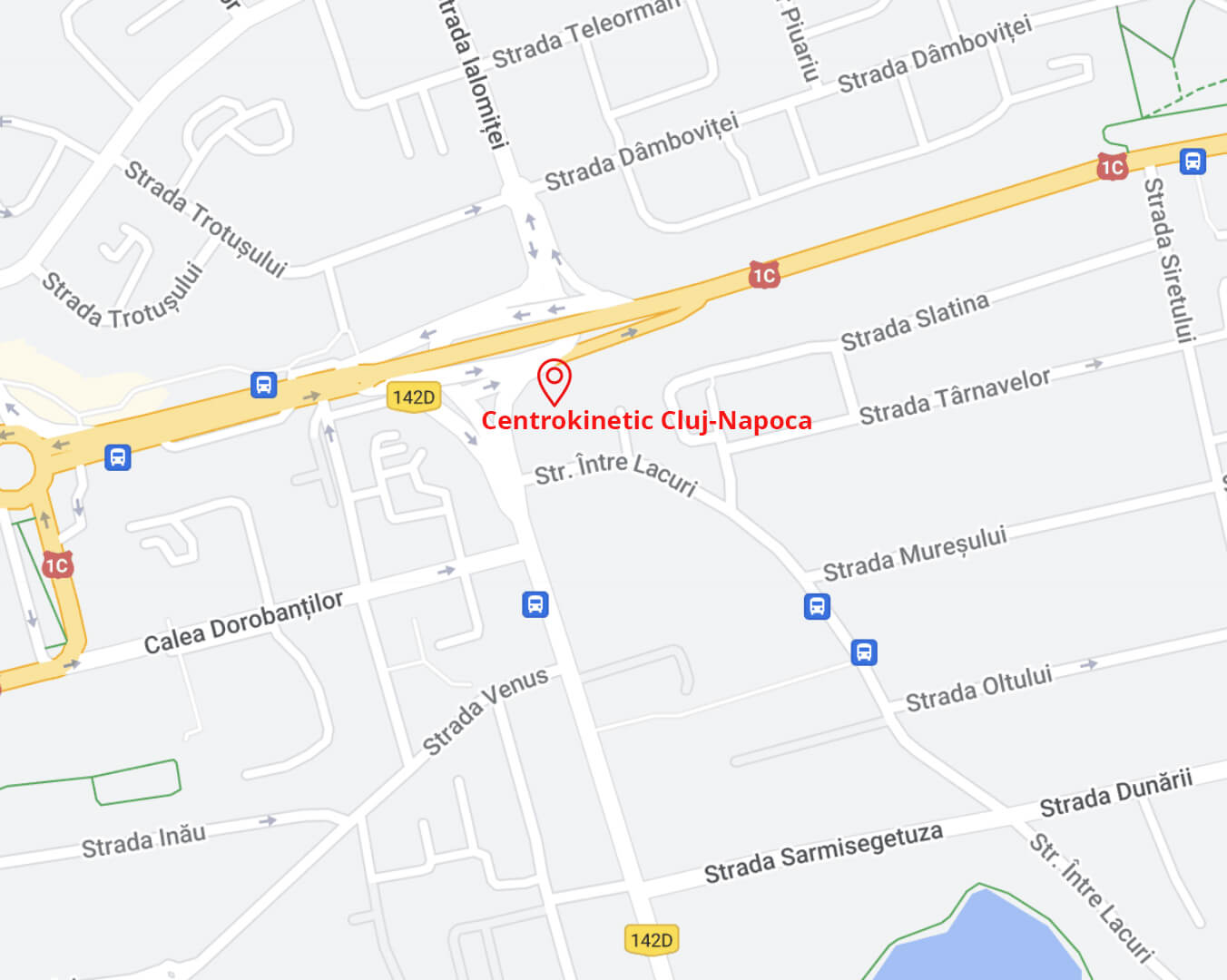
CENTROKINETIC CLUJ-NAPOCA
Cluj-Napoca,
Str. Intre Lacuri, nr.1
Intrarea este in spatele cladirii.
| Navigation |
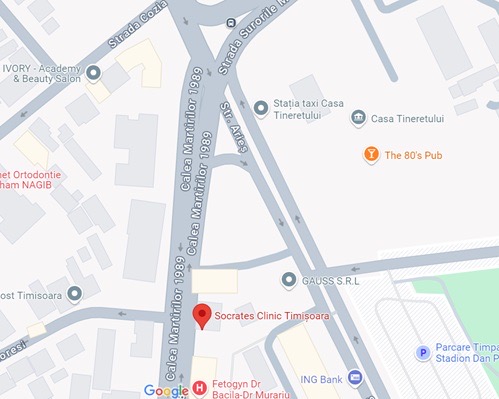
SOCRATES CLINIC TIMISOARA
Timisoara, Calea Martirilor 1989,
nr. 1.
Telefon: 0371 785 374.
| Navigation |
Phone: 0319693
E-mail: programari@centrokinetic.ro
Operating hours:
Monday – Friday: 07:00 – 21:00
Saturday: 09:00 – 14:00
Sunday: closed.
MAKE AN APPOINTMENT