How does a manual therapy session at Centrokinetic work? The steps explained by specialists.


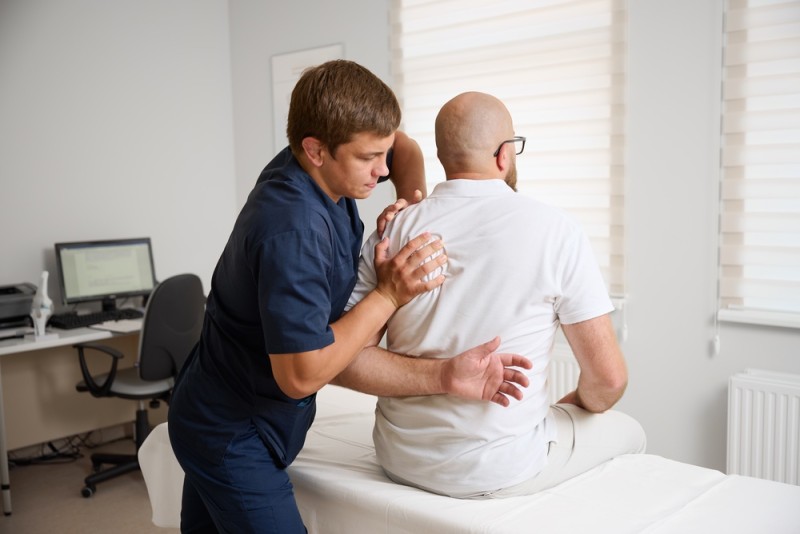 How does a manual therapy session at Centrokinetic work? The steps explained by specialists
Do you have back pain after hours spent at the office? Do you feel neck tension or limited arm elevation during your workouts? A manual therapy session can be part of your recovery plan, but it is natural to want to know exactly what happens.
At Centrokinetic, manual therapy means structured medical intervention, carried out by physiotherapists with specific training. Every treatment plan follows clear steps: assessment, establishing a functional diagnosis, applying the appropriate techniques, and reassessment. The approach is personalized, adapted to your goals — whether you want to return to sport, reduce pain, or regain mobility after surgery. Below you will find the complete guide, so that you are well prepared and informed.
Scheduling and the initial consultation
The first step is scheduling. You can follow manual therapy sessions on the recommendation of an orthopedic doctor, neurologist, or rheumatologist, or you can directly request an assessment within the medical recovery specialty. At the initial consultation, the doctor discusses with you about:
- the type of pain and when it appeared;
- the activities that aggravate or relieve it;
- previous injuries, surgeries, chronic conditions;
- investigations already carried out (MRI, X-ray, ultrasound).
In most cases, details related to the onset of the pain or to a repetitive movement (for example, intense running or prolonged work at the laptop) correctly guide the assessment.
A correct assessment reduces the risk of applying inappropriate techniques and increases the effectiveness of the medical recovery plan. Early intervention, especially in recent pain, delivers better results, as current data show.
The detailed functional assessment
After the initial discussion, the physical assessment follows. The specialist analyzes:
- joint mobility (how much you can flex, rotate, or extend an area);
- muscle strength and any asymmetries;
- the presence of contractures or trigger points;
- posture and the way you perform certain movements.
For example, if you present with lower back pain, the specialist may also test the mobility of the hips or of the sacroiliac joint. Studies show that the source of the pain does not always coincide with the area where you feel the discomfort. A dysfunction at the level of the pelvis can generate persistent lower back pain.
At this stage, any contraindications are also identified: recent fractures, advanced osteoporosis, active infections, unstable neurological conditions. Your safety remains the main priority.
Establishing a personalized treatment plan 
After the assessment, the specialist explains to you what they have identified and what comes next. The discussion is direct and adapted to your needs. You will find out:
- which techniques are suitable in your case;
- how many sessions are recommended for optimal results;
- whether you need to combine other procedures.
In many situations, manual therapy works best together with physiotherapy exercises.
For soft tissues affected by sports overload or post-operative scars, the IASTM technique can also be integrated. If joint manipulations are used, you may hear a specific sound. This appears through the release of gases from the joint fluid and does not indicate an injury.
Ask questions. Tell the doctor if you feel anxious or if you have had unpleasant experiences before. Open communication improves the collaboration and the results.
Applying manual therapy techniques
The therapist adapts the intensity and the rhythm to your response. The techniques can include:
- Soft tissue techniques — relaxing contractures, working on trigger points, myofascial techniques to reduce tension.
- Joint mobilizations — slow and controlled movements that increase the range of motion and reduce stiffness. These are frequently used in back pain or neck pain.
- Joint manipulations — fast, small-amplitude movements, applied only if the assessment indicates them.
- Neuromobilizations — techniques dedicated to the peripheral nerves, useful in sciatica or carpal tunnel syndrome.
During the session, the therapist asks you for constant feedback. If a technique causes excessive discomfort, it is adjusted immediately.
Reassessment at the end of the session
At the end, the specialist checks mobility and pain intensity again. They may ask you to redo a movement that was initially limited: bending, turning the head, raising the arm.
This objective comparison shows whether the intervention produced immediate changes. In most cases, patients notice either a decrease in pain or an increase in the range of motion.
If the response is not the expected one, the plan is adjusted. Sometimes additional investigations or collaboration with the orthopedic doctor are necessary.
Recommendations after the session
After therapy, you may feel:
- slight muscle soreness;
- fatigue;
- local tenderness for 24–48 hours.
These reactions are frequent and transient. The mild inflammatory response after musculoskeletal interventions can be part of the adaptation process. The therapist usually recommends:
- adequate hydration;
- simple exercises for home;
- avoiding intense effort immediately after the session;
- following the complete recovery program.
Do not self-medicate without medical advice. If the pain intensifies or unusual symptoms appear, notify the medical team!
The number of sessions varies depending on the diagnosis, the age of the symptoms, and your goals. An amateur athlete with a recent sprain may need a few sessions, while a person with chronic pain may follow a longer program.
The therapeutic path at Centrokinetic
Why do early intervention and correct assessment matter?
Pain ignored for months on end can lead to compensations and functional limitations. Early assessment identifies the dysfunction before it becomes chronic. The benefits of a correct assessment include:
- establishing a precise functional diagnosis;
- choosing the appropriate techniques;
- reducing the risk of recurrence;
- optimizing the recovery time.
The Centrokinetic team works in an integrated way, alongside orthopedic doctors and imaging specialists. This collaboration allows a personalized approach, adapted to each patient — active adult, athlete, child, or post-operative patient. Schedule now for a specialist consultation and benefit from a correct assessment for your health!
Frequently asked questions
Is manual therapy painful?
In most cases, the session causes only moderate discomfort in the tense areas. Intense pain is not normal. Communicate constantly with the therapist in order to adjust the techniques.
Do I need a medical referral?
It is not mandatory, but it is recommended that you have an established diagnosis. The initial assessment clarifies whether manual therapy is suitable for you or whether additional investigations are necessary.
How many sessions are needed for optimal results?
It depends on the condition and on how quickly your body responds. Some acute problems improve within a few sessions, while chronic conditions require a more extensive program, combined with exercises done at home.
Disclaimer: This material is for informational purposes and does not replace medical consultation. For a plan adapted to your situation, an initial assessment is necessary.
Sources of information:
- "Manual Therapy." Physiopedia, 2018. Accessed on 28 Apr. 2026.
- Bialosky, Joel E., et al. "The Mechanisms of Manual Therapy in the Treatment of Musculoskeletal Pain: A Comprehensive Model." Manual Therapy, vol. 14, no. 5, Oct. 2009, pp. 531–538, 10.1016/j.math.2008.09.001. Accessed on 28 Apr. 2026.
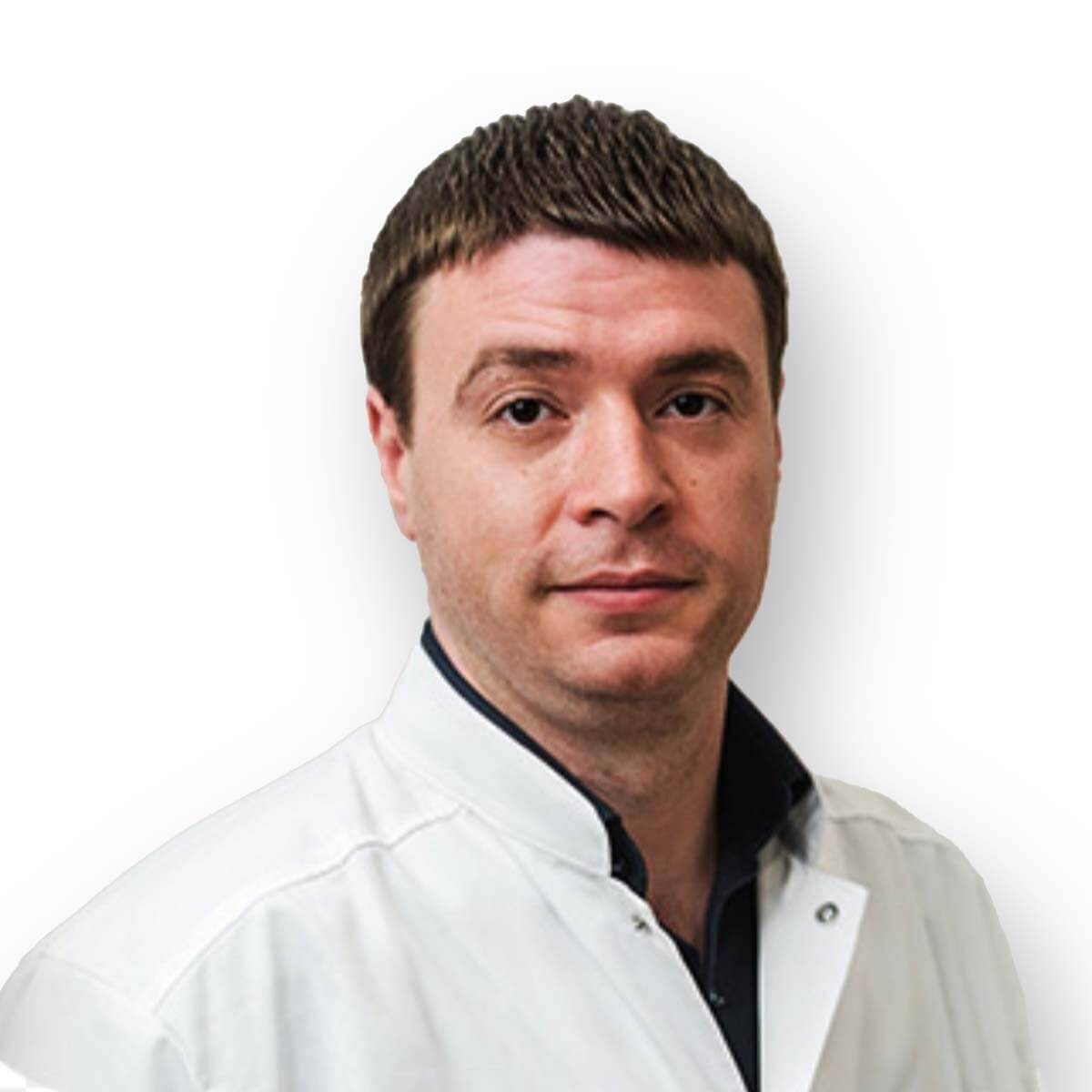
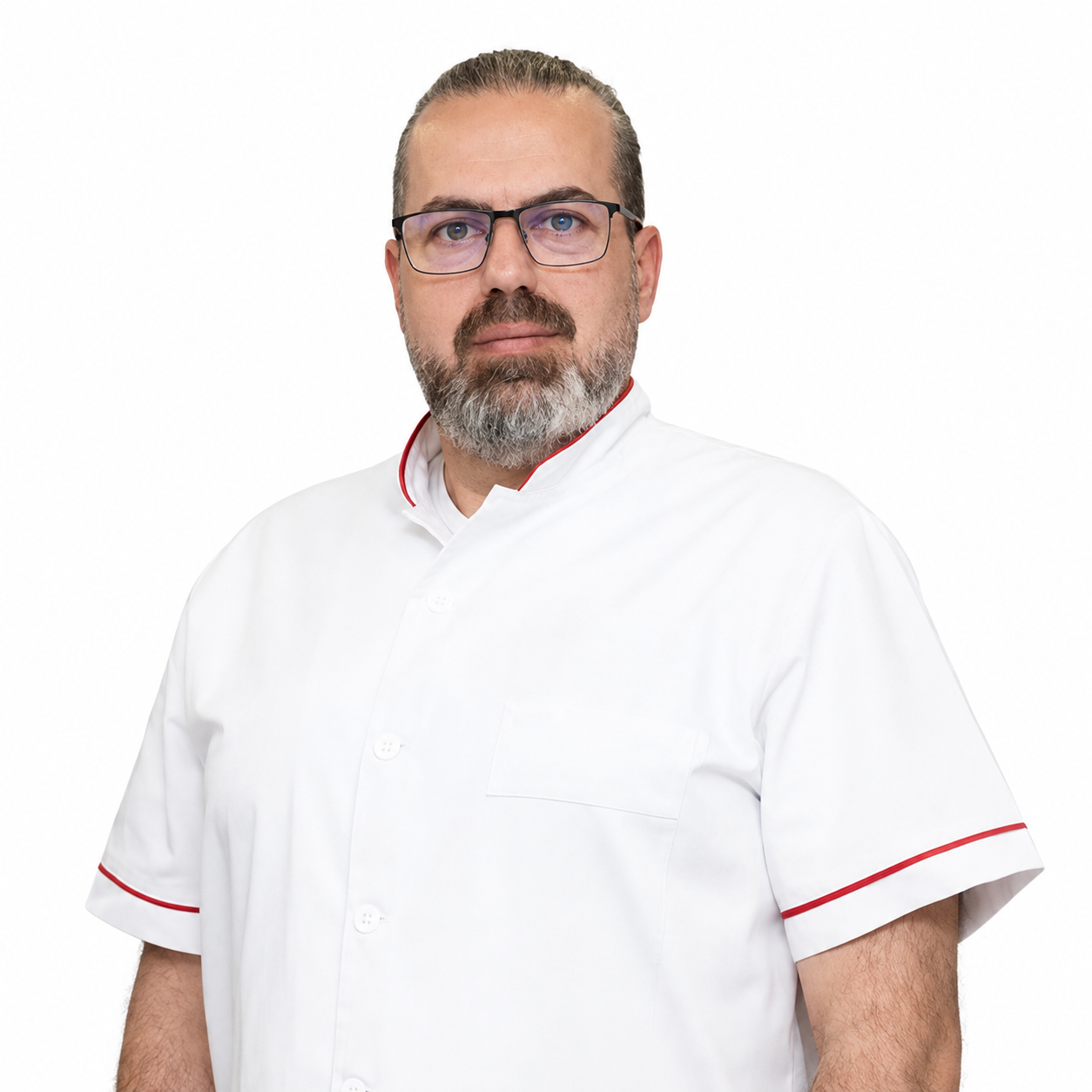
BUCHAREST TEAM
























CLUJ NAPOCA TEAM
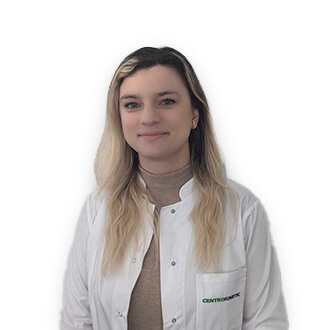
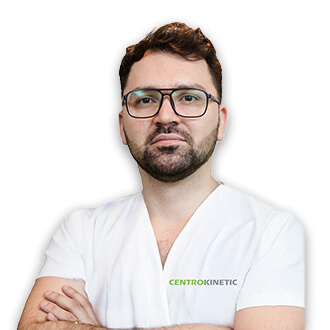
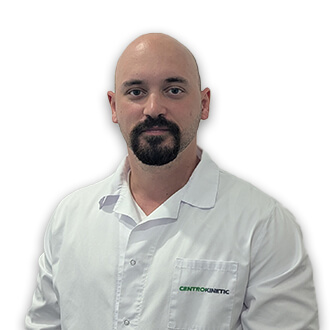



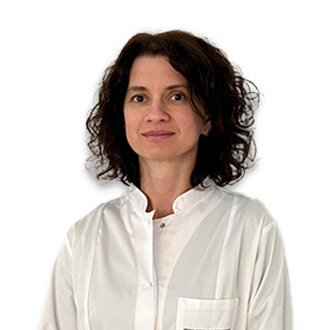







BRASOV TEAM






MAKE AN APPOINTMENT
FOR AN EXAMINATION
See here how you can make an appointment and the location of our clinics.
MAKE AN APPOINTMENT
Asiguratori privati




Parteneriate


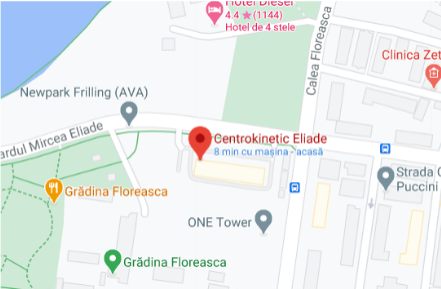
CENTROKINETIC FLOREASCA
Bucharest, 1st District,
Mircea Eliade Street, no. 18,
Eliade Tower, Entrance A, Floor 3
| Navigation | Explore 3D |
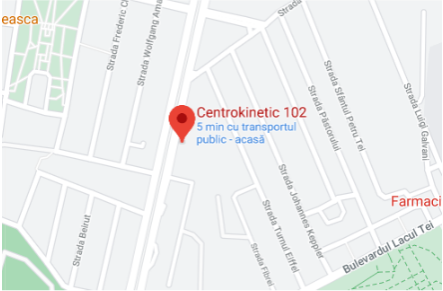
CENTROKINETIC Barbu Vacarescu
Bucharest, 2nd District,
Barbu Vacarescu Street, no. 102,
102 The Address, ground floor.
| Navigation | Explore 3D |
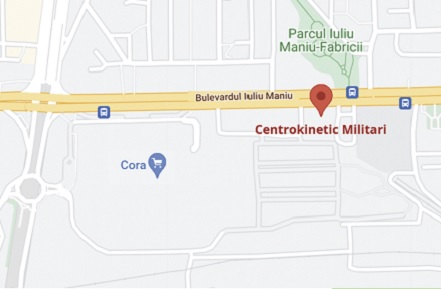
CENTROKINETIC MILITARI
Bucuresti, Sector 6,
Bld. Iuliu Maniu, nr. 15G,
Cladirea PBT, etaj 3.
| Navigation |
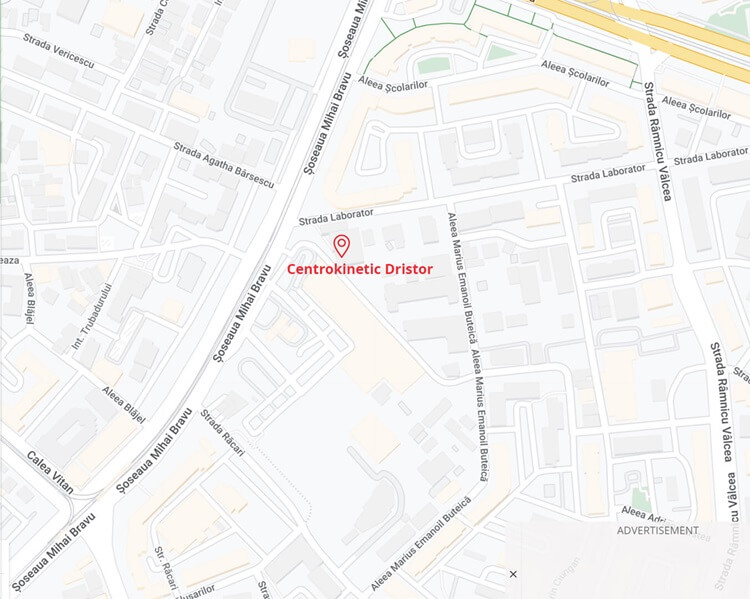
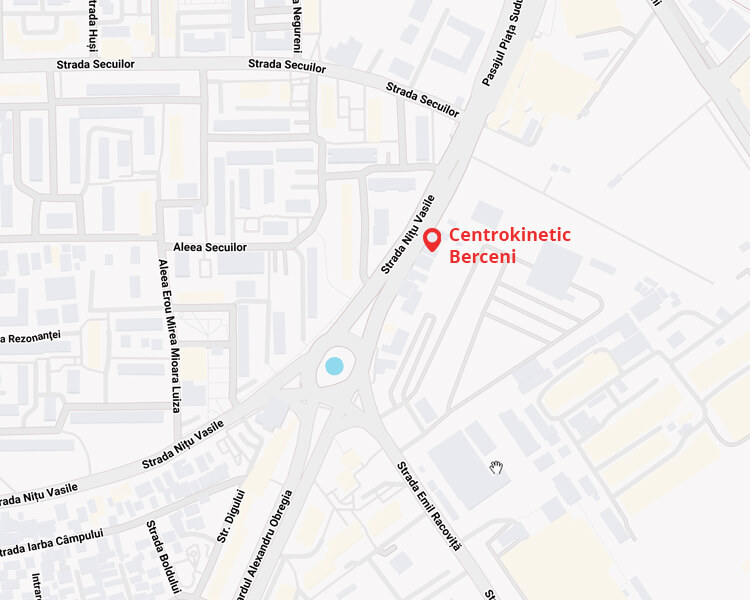
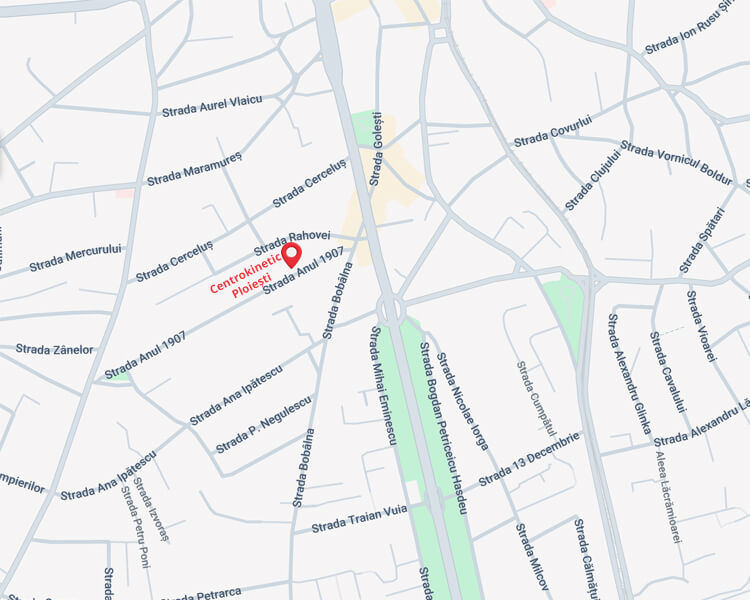
CENTROKINETIC CLUJ-NAPOCA
Cluj-Napoca,
Str. Intre Lacuri, nr.1
Intrarea este in spatele cladirii.
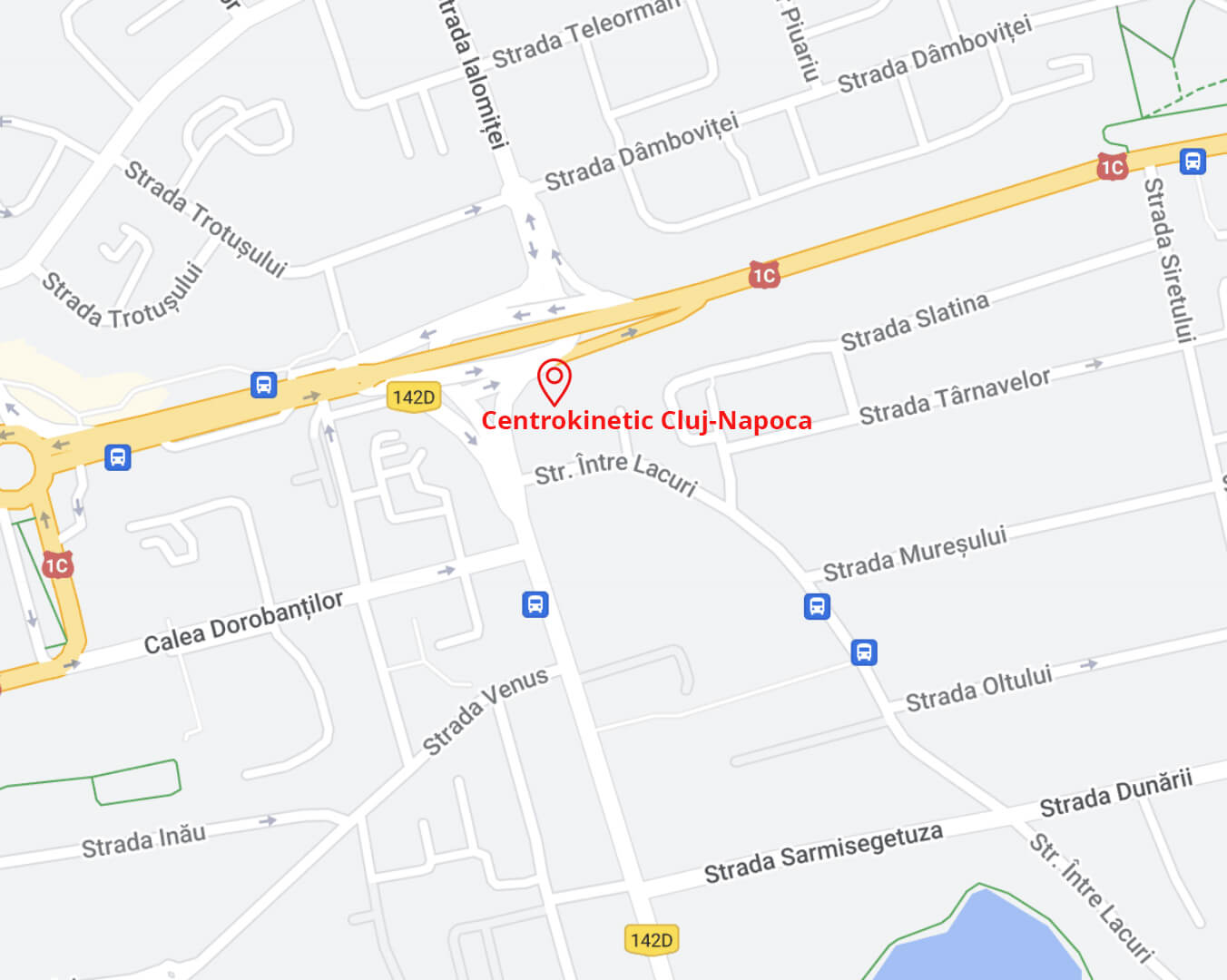
| Navigation |
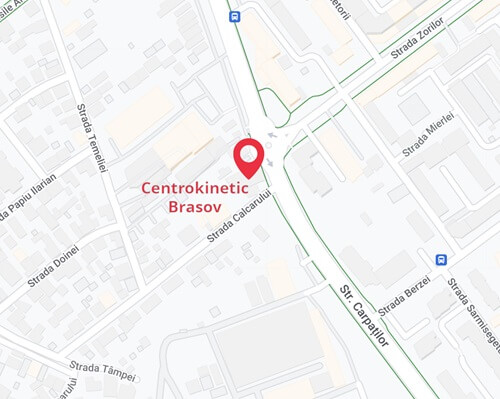
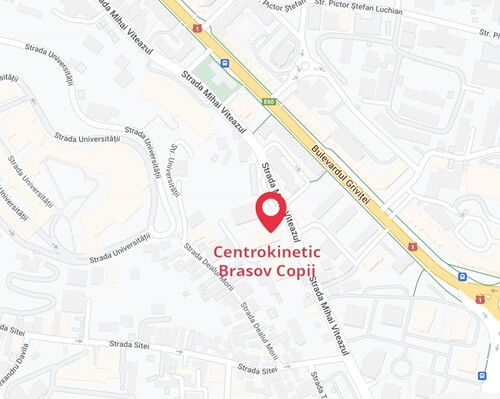
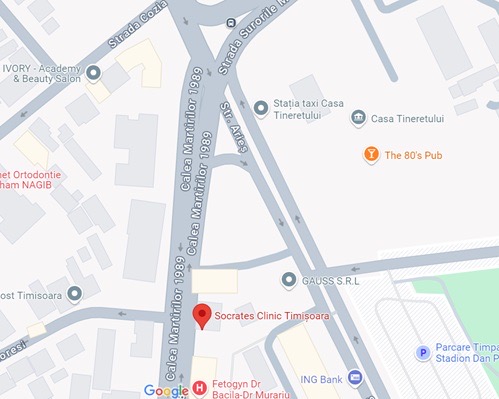
SOCRATES CLINIC TIMISOARA
Timisoara, Calea Martirilor 1989,
nr. 1.
Telefon: 0371 785 374.
| Navigation |
CONTACT
Phone: 0319693
E-mail: programari@centrokinetic.ro
Operating hours:
Monday – Friday: 07:00 – 21:00
Saturday: 09:00 – 14:00
Sunday: closed.
MAKE AN APPOINTMENT