Manual therapy vs. assisted physiotherapy


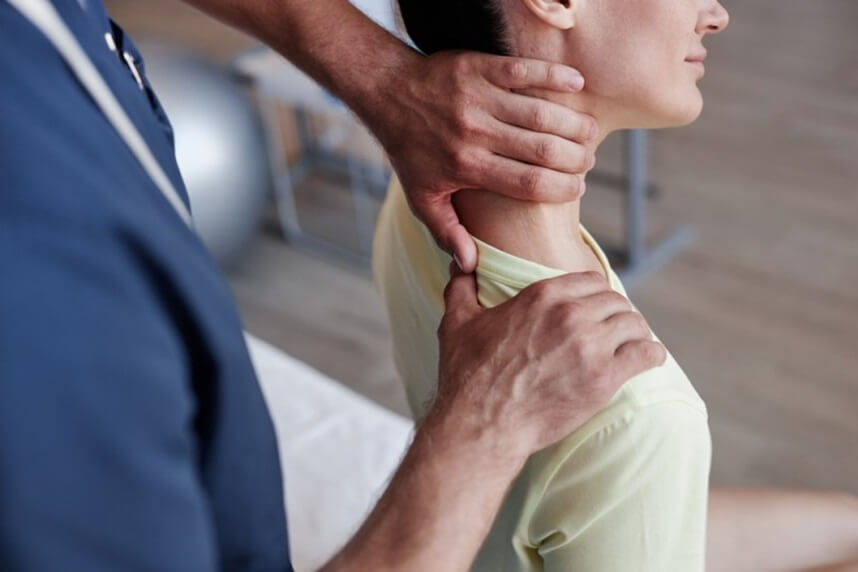
When you arrive at a medical rehabilitation center with pain, stiffness, or limited mobility, your treatment plan may include one or more therapeutic methods. Among the most commonly recommended are manual therapy and device-assisted physiotherapy. Although both are used in clinical practice, they rely on different mechanisms and address distinct objectives.
Below, we present the essential differences between manual therapy and assisted physiotherapy and explain how Centrokinetic specialists integrate them into rehabilitation plans. This will help you better understand what each approach involves, in which situations it is recommended, and why the correct choice is always based on medical evaluation.
What is manual therapy and how does it work on the body?
Manual therapy involves the direct intervention of the physiotherapist on the joints, muscles, and soft tissues. The specialist uses their hands to guide movement, reduce tension, and improve mobility. Each technique is based on a functional assessment and is continuously adapted to your response. At Centrokinetic, manual therapy includes manipulations, joint mobilizations, and therapeutic massage.
What differentiates manual therapy from relaxation massage?
Relaxation massage focuses on general comfort. Manual therapy focuses on correcting specific dysfunctions. The therapist applies precise movements, with controlled intensity, to influence clearly identified structures during the evaluation. The objective remains functional: increased mobility, reduced pain, and better movement control.
Situations in which specialists recommend manual therapy
In routine clinical practice, manual therapy is particularly suitable for:
- joint blockages that limit range of motion;
- persistent muscle contractures;
- cervical or lumbar pain with a mechanical component;
- stiffness after prolonged sedentary periods;
- certain forms of chronic pain where fine movement control is important.
Manual therapy requires active involvement and continuous communication. Temporary discomfort may sometimes occur, especially during the first sessions, but the therapist adjusts intensity according to your tolerance.
What is assisted physiotherapy and what procedures does it involve?
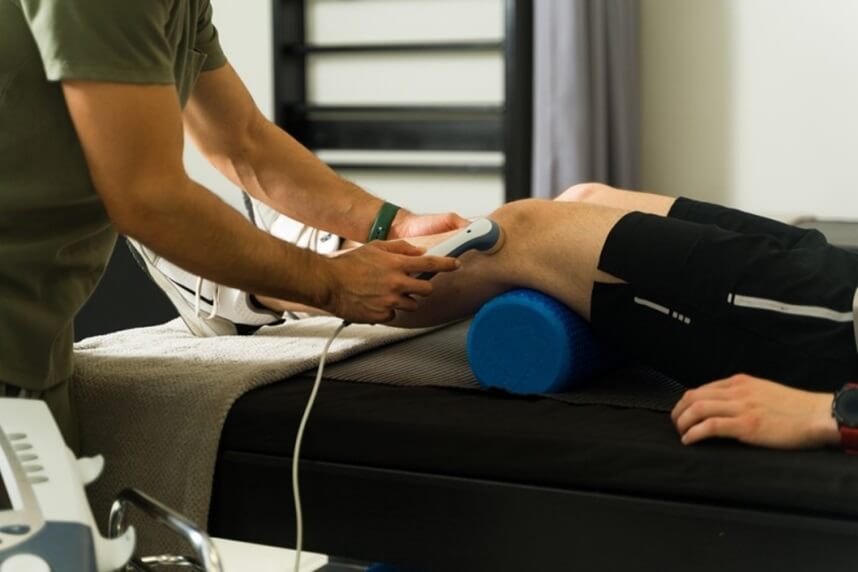
Assisted physiotherapy uses physical agents and medical equipment to act on tissues. Instead of direct hands-on intervention, electrical currents, mechanical waves, heat, or high-frequency energy are used. The goal remains pain reduction, inflammation control, and preparation of the affected area for active movement.
The complete list of procedures is available on the physiotherapy page, where you can see what types of treatments are used in Centrokinetic clinics.
Common procedures used in rehabilitation
In clinical practice, assisted physiotherapy frequently includes:
- electrotherapy and TENS for pain control;
- ultrasound therapy for action in deeper tissues;
- therapeutic laser for stimulating healing processes;
- shockwave therapy for localized chronic pain;
- TECAR therapy, based on high-frequency currents.
When assisted physiotherapy becomes the first option
Specialists frequently recommend assisted physiotherapy in situations such as:
- pain with a pronounced inflammatory component;
- edema following trauma or surgical interventions;
- increased sensitivity that does not allow manual techniques;
- the need for deep stimulation without active movement;
- acute phases, where patient comfort is the priority.
Many procedures are passive. You remain relaxed while the equipment acts on the treated area under the therapist’s supervision.
Advantages and limitations of each approach
No method works the same for all patients. The medical context, stage of the condition, and rehabilitation objectives influence outcomes.
Advantages of manual therapy:
- excellent movement control;
- immediate adaptation to your response;
- rapid effect on mobility;
- direct communication between patient and therapist.
Limitations of manual therapy:
- results depend on the therapist’s experience;
- may cause temporary discomfort;
- not recommended in severe instability.
Advantages of assisted physiotherapy:
- reduces pain without direct manipulation;
- acts in deeper tissues;
- well tolerated in acute stages;
- useful during the postoperative period.
Limitations of assisted physiotherapy:
- limited effect without subsequent movement;
- reduced impact on mechanical stiffness;
- specific contraindications for certain devices.
Manual therapy vs. assisted physiotherapy – practical comparison criteria
For a clear overview, specialists analyze several functional and medical criteria. The table below provides a general comparison:
| Criterion | Manual therapy | Assisted physiotherapy |
|---|---|---|
| Type of intervention | Active, therapist-assisted | Passive, equipment-assisted |
| Movement control | High | Reduced |
| Use in acute pain | Limited | Frequent |
| Effectiveness in stiffness | Direct | Indirect |
| Tolerability | Variable | Good |
| Main objective | Correction of dysfunction | Analgesic and anti-inflammatory |
These differences help build a coherent plan adapted to your needs.
How do Centrokinetic specialists choose the optimal method depending on the condition?
At Centrokinetic, the choice of method starts with medical and functional evaluation. Specialists analyze mobility, strength, pain, medical history, and your personal objectives.
Common examples from clinical practice
For low back pain, the approach varies significantly depending on the cause. If pain has a mechanical component with stiffness and contractures, manual therapy can restore mobility. If inflammation dominates the clinical picture, assisted physiotherapy helps control symptoms.
In the case of knee pain, assisted physiotherapy reduces edema and pain, especially after trauma. Manual therapy complements the process by mobilizing the joint and relaxing periarticular structures.
Why do specialists frequently combine the two methods?
In modern rehabilitation, a single technique is rarely used on its own. Centrokinetic specialists frequently combine manual therapy with assisted physiotherapy for stable results.
Assisted physiotherapy reduces pain and inflammation. Manual therapy improves mobility and movement control. This combination prepares the body for physiotherapy exercises and active rehabilitation, the stage that consolidates results. The combined approach shortens symptom duration and supports return to daily activities.
Risks, contraindications, and limitations
Manual therapy is not recommended in recent fractures, severe instability, or local infections. Assisted physiotherapy has specific contraindications, such as pregnancy, sensory disorders, or certain oncological conditions, depending on the procedure used.
Communicate openly with your specialist and mention any associated conditions. Proper evaluation reduces risks and increases treatment effectiveness.
Frequently asked questions
Does manual therapy cause pain?
You may feel controlled discomfort, especially at the beginning. The therapist adjusts intensity according to your response.
Does assisted physiotherapy work without exercises?
It reduces pain, but without exercises the results are maintained only in the short term. Movement consolidates progress.
Can I start treatment without a medical consultation?
No. Medical evaluation guides the correct choice and reduces risks.
How many sessions are necessary?
The number varies depending on the condition, stage, and your response to treatment.
Can both methods be included in the same treatment plan?
Yes. In most cases, specialists combine them for stable results.
Therefore, it is important to remember that at Centrokinetic, specialists create a personalized plan adapted to your real needs. Schedule an evaluation and discuss the available options to receive treatment appropriate to your medical context.
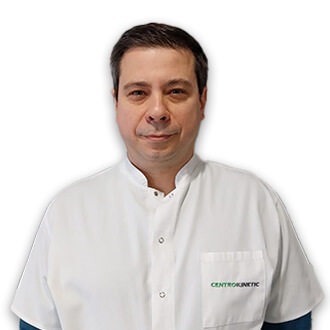
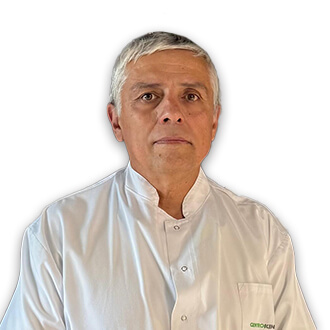
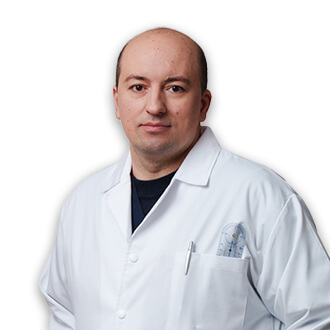
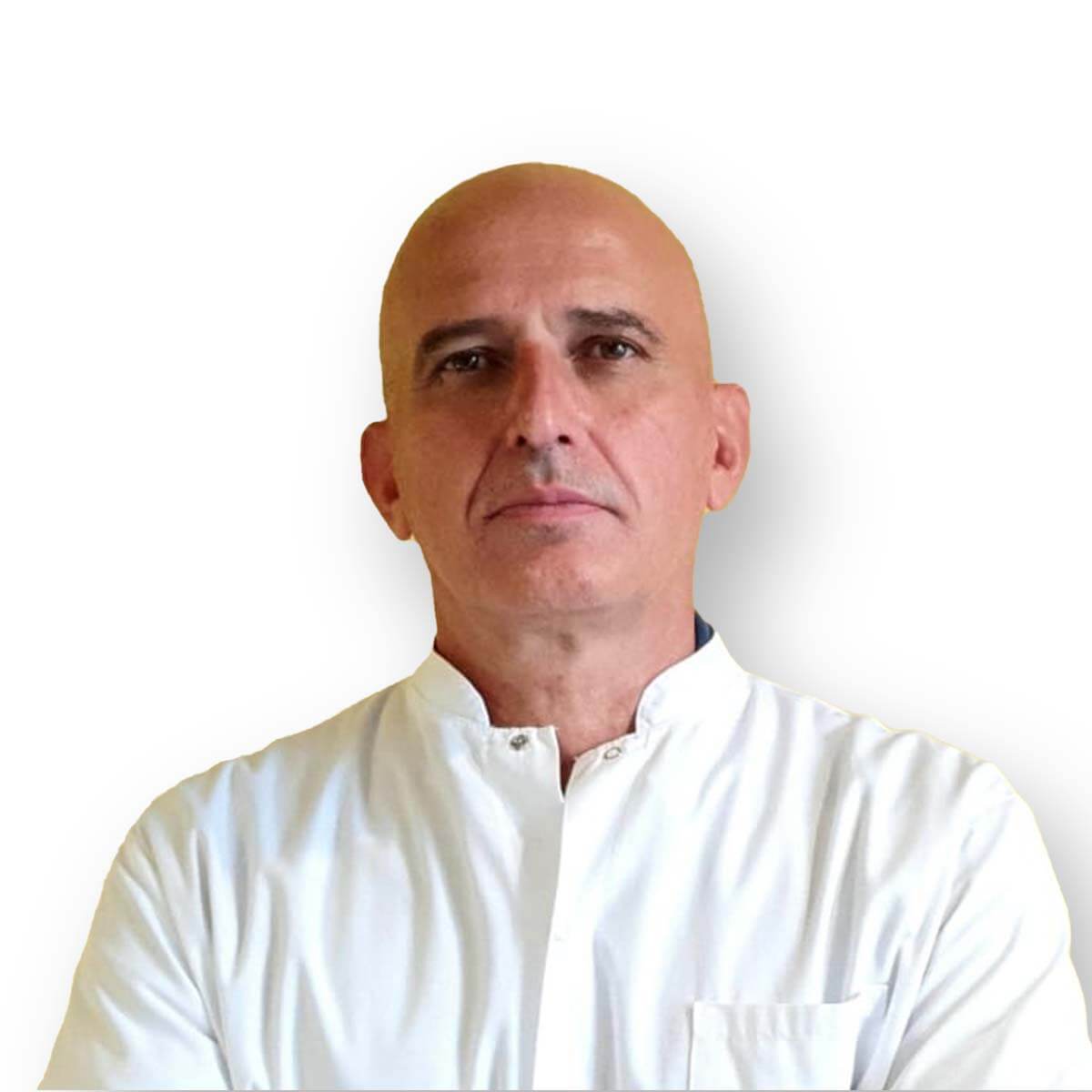
BUCHAREST TEAM





















































CLUJ NAPOCA TEAM























BRASOV TEAM













MAKE AN APPOINTMENT
FOR AN EXAMINATION
See here how you can make an appointment and the location of our clinics.
MAKE AN APPOINTMENT
Asiguratori privati




Parteneriate


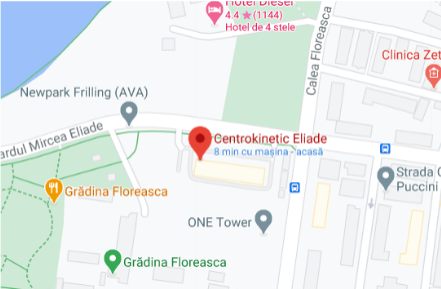
CENTROKINETIC FLOREASCA
Bucharest, 1st District,
Mircea Eliade Street, no. 18,
Eliade Tower, Entrance A, Floor 3
| Navigation | Explore 3D |
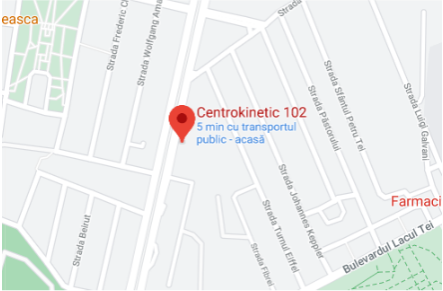
CENTROKINETIC Barbu Vacarescu
Bucharest, 2nd District,
Barbu Vacarescu Street, no. 102,
102 The Address, ground floor.
| Navigation | Explore 3D |
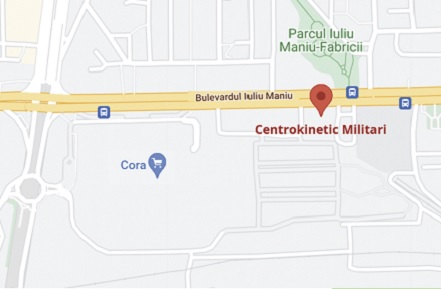
CENTROKINETIC MILITARI
Bucuresti, Sector 6,
Bld. Iuliu Maniu, nr. 15G,
Cladirea PBT, etaj 3.
| Navigation |
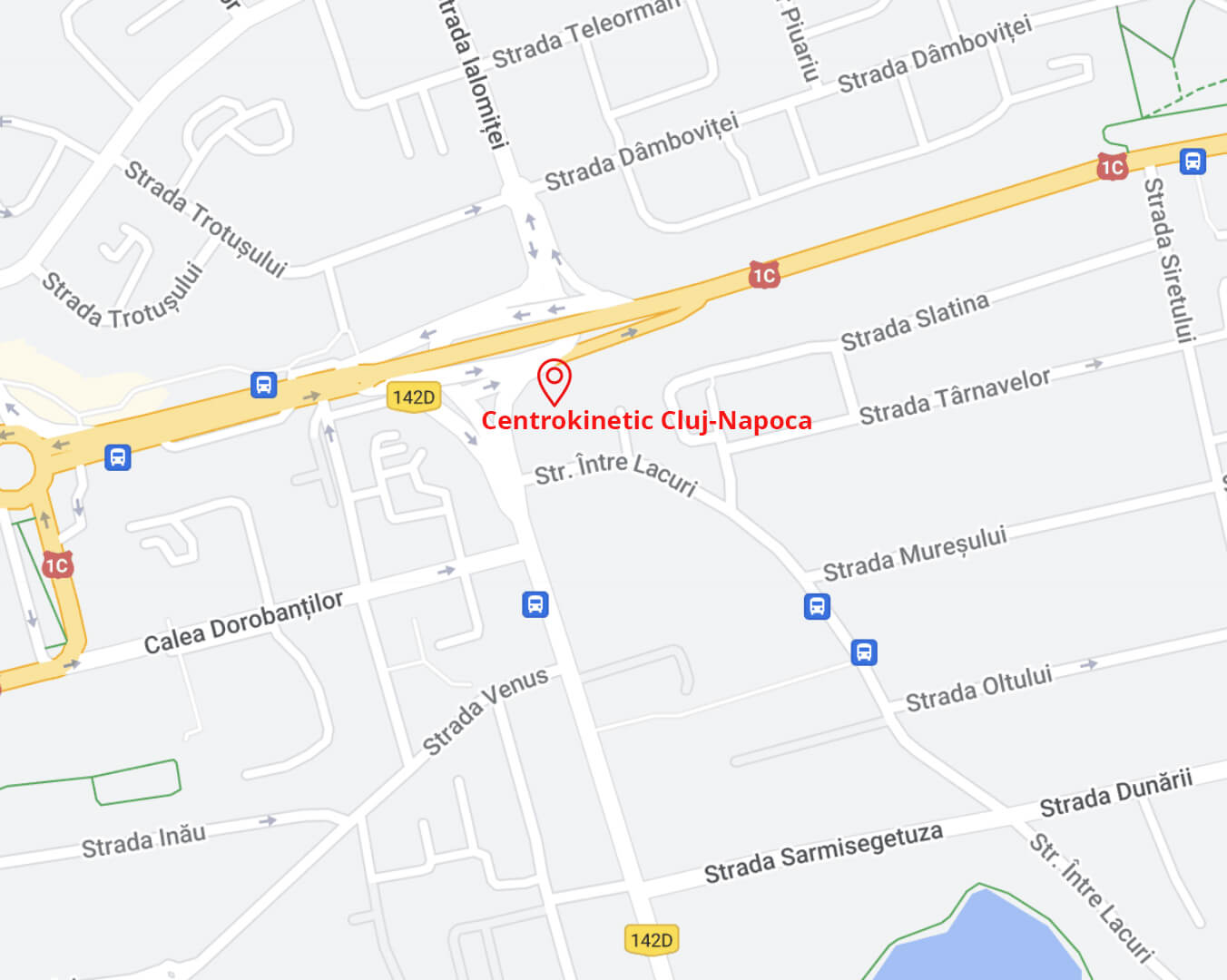
CENTROKINETIC CLUJ-NAPOCA
Cluj-Napoca,
Str. Intre Lacuri, nr.1
Intrarea este in spatele cladirii.
| Navigation |
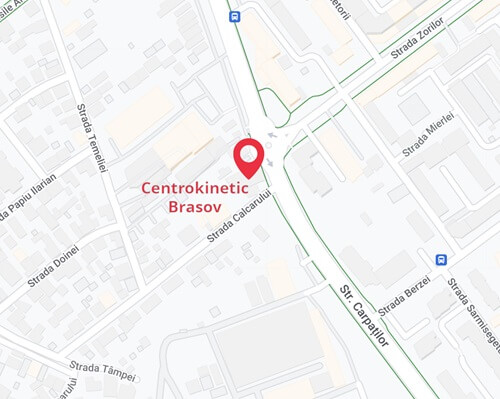
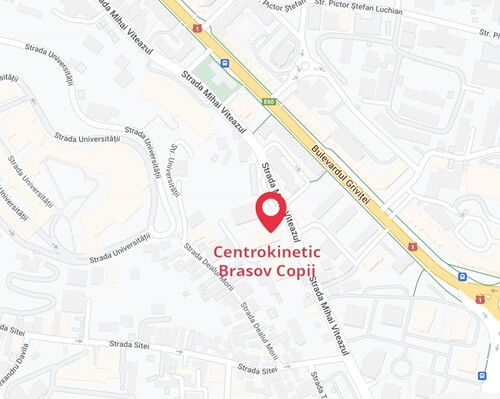
SOCRATES CLINIC TIMISOARA
Timisoara, Calea Martirilor 1989,
nr. 1.
Telefon: 0371 785 374.
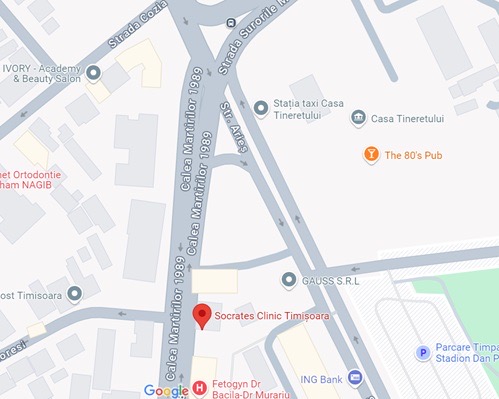
| Navigation |
CONTACT
Phone: 0319693
E-mail: programari@centrokinetic.ro
Operating hours:
Monday – Friday: 07:00 – 21:00
Saturday: 09:00 – 14:00
Sunday: closed.
MAKE AN APPOINTMENT