How long does medical recovery take?


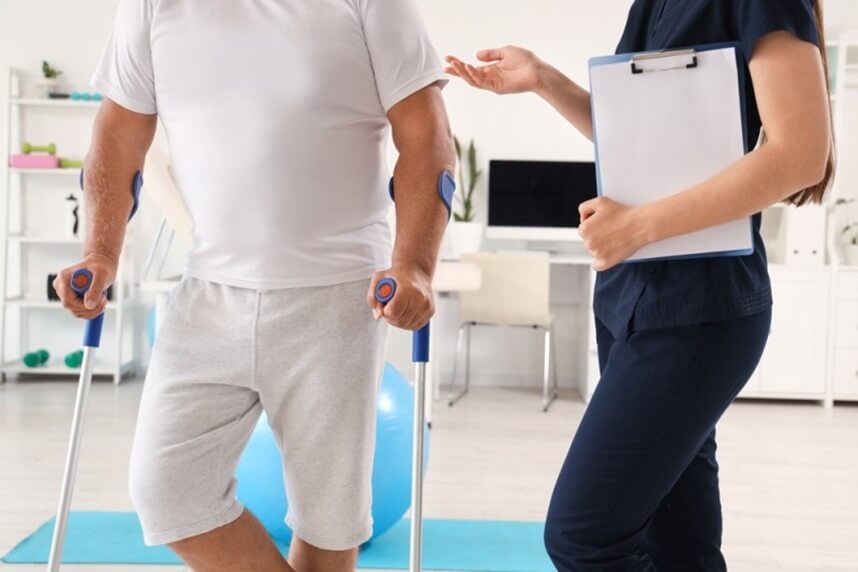
After an injury, one of the most common questions concerns recovery time. Many patients want a precise answer expressed in days or weeks, but the medical recovery process does not follow a standard timeline. The pace of recovery differs from one person to another and depends on the type of injury, the structures involved, age, activity level, and how well medical recommendations are followed.
This article provides a clear perspective on the real duration of medical recovery after an injury and explains the stages the body goes through, as well as the factors that may influence progress. The information is based on routine clinical practice at Centrokinetic and is intended for informational purposes only, without replacing individual medical evaluation.
What does medical recovery mean beyond the disappearance of pain?
Many people associate recovery with the moment when pain decreases or disappears. In practice, pain may improve long before the affected structures recover sufficiently to tolerate physical effort.
Medical rehabilitation follows several concrete objectives:
- restoring joint mobility;
- increasing muscle strength;
- improving stability and movement control;
- returning safely to daily activities.
For example, after an ankle sprain, you may be able to walk without pain after two to three weeks. This does not mean the ligaments have regained the resistance required for running or sports. If you resume activity too early, the risk of recurrence increases. Gradual and guided movement supports healing. Prolonged rest often leads to stiffness, loss of strength, and delayed progress.
Biological stages of healing after an injury
The body goes through specific stages after any injury. You cannot skip them, but you can support them through appropriate decisions.
Acute phase: hemostasis and inflammation
This stage begins immediately after injury and usually lasts between 3 and 7 days.
What happens in the body:
- pain, swelling, and local warmth appear;
- blood vessels react to limit bleeding;
- inflammatory cells clean the affected area.
Inflammation is part of the normal healing process. Reducing it without medical recommendation may delay tissue recovery.
Signs that require prompt medical evaluation:
- severe pain that does not decrease;
- inability to bear weight on the limb;
- numbness, tingling, or sudden loss of strength.
Subacute phase: proliferation and tissue repair
This stage begins after the first week and may last between two and six weeks, depending on the injury.
During this period:
- the body produces new tissue, especially immature collagen;
- light and controlled movement helps align the fibers;
- excessive immobilization promotes stiffness.
Appropriately timed exercises support recovery and reduce the risk of persistent pain.
Remodeling and maturation phase
This stage may continue for several months.
What happens:
- new tissue becomes stronger;
- the body gradually adapts to increased demands;
- movement coordination improves.
Even if pain is absent, the structure is not automatically ready for intense effort. A sudden return to sports explains many recurrences.
How long does recovery take depending on the affected tissue?
Recovery time varies depending on the structure involved and the severity of the injury.
Muscles
Muscle injuries heal relatively quickly due to good blood supply.
Approximate timeframes:
- mild strain: 2–4 weeks;
- partial tear: 4–8 weeks;
- extensive tear: 3–6 months.
A common example is a muscle strain that occurs during sports or occasional physical effort. The correct approach involves progressive movement rather than complete rest.
Ligaments and tendons
These structures have reduced blood supply, which explains slower healing.
Typical timeframes:
- mild sprains: 4–6 weeks;
- moderate sprains: 6–8 weeks;
- severe sprains: 3–6 months or more.
Ankle or knee sprains frequently occur during daily or sports activities. More details about recovery stages can be found in our dedicated article on sprains.
Bones and joints
After a fracture:
- bone healing usually occurs within 6–8 weeks;
- full functional recovery may take 3–6 months.
After cast removal, the joint often remains stiff and muscles are weakened. Without appropriate exercises, returning to normal activities takes longer.
Factors that influence recovery time
Two people with the same injury may recover differently. Several factors explain these differences.
Age and general health status
An active body without associated conditions recovers faster. Diabetes, excess body weight, or a sedentary lifestyle may slow healing.
Severity and duration of the injury
Ignored or incompletely treated injuries tend to become chronic. Tissues adapt incorrectly, and recovery takes longer.
Lifestyle and involvement in treatment
Recovery depends greatly on:
- respecting the recommended therapy schedule;
- sleep quality;
- adequate nutrition;
- avoiding smoking;
- following medical guidance.
Physiotherapy and rehabilitation at Centrokinetic

Guided rehabilitation supports functional recovery and reduces the risk of recurrence.
- Physiotherapy exercises use controlled movement to improve mobility, strength, and coordination;
- Physical therapy modalities use physical agents to reduce pain, inflammation, and edema, preparing the body for exercise.
Common mistakes that prolong recovery
Many delays result from seemingly minor decisions:
- resuming activity as soon as pain decreases;
- ignoring the sensation of instability;
- long gaps between therapy sessions;
- performing exercises without evaluation or recommendation.
Tolerable pain does not mean the tissue is ready for loading.
When is evaluation at Centrokinetic recommended?
It is advisable to consult a Centrokinetic specialist if:
- pain persists for several weeks;
- instability or joint locking occurs;
- function does not gradually improve.
A proper evaluation allows the recovery plan to be adapted to your actual needs.
How long does it take to return to normal activities?
Recovery does not have a fixed deadline. Functional return does not automatically mean complete healing. Comparisons with other people may create unrealistic expectations.
Indicative recovery timeline table
| Type of injury | Approximate timeframe |
|---|---|
| Muscle strain | 2–6 weeks |
| Mild sprain | 4–6 weeks |
| Severe sprain | 3–6 months |
| Fracture | 3–6 months |
| Complex injuries | 6–12 months |
These timeframes are indicative. Actual recovery depends on individual evaluation.
What can you do after an injury?
For stable results:
- avoid self-diagnosis;
- request a medical evaluation;
- follow a personalized treatment plan;
- respect the body’s biological recovery pace.
Frequently asked questions about recovery time
How long should I continue exercises if I no longer feel pain?
In most cases, exercises continue even after pain disappears in order to improve stability and movement control. Stopping too early increases the risk of recurrence.
Is it normal for pain to reappear during recovery?
Yes, mild episodes of discomfort may occur, especially when activity levels increase. Intense or persistent pain requires reassessment.
Can I do rehabilitation only at home?
Home exercises may be part of the plan, but evaluation and supervision by a specialist help ensure proper adjustment of effort.
When can I return to sports after an injury?
Return depends on the type of injury and functional progress. The physician or physiotherapist determines the appropriate timing based on evaluation.
What signs require stopping exercises and seeking medical advice?
Severe pain, significant swelling, numbness, or sudden loss of strength require stopping activity and medical evaluation.
Disclaimer: This material is for informational purposes only and does not replace medical consultation. For an evaluation adapted to your situation, consult a Centrokinetic specialist.
Sources
[1] “Injury and Recovery Time: The Importance of Rehabilitation - Hunimed.” Hunimed, 12 Dec. 2016, www.hunimed.eu/news/injury-recovery-time-importance-rehabilitation/.
[2] “Victorian Bone & Joint Specialists.” Victorian Bone & Joint Specialists, 16 Sept. 2025, www.vbjs.com.au/blog/navigating-recovery-after-a-major-orthopaedic-injury-timeline-and-tips.
BUCHAREST TEAM



























































CLUJ NAPOCA TEAM


































BRASOV TEAM
















MAKE AN APPOINTMENT
FOR AN EXAMINATION
See here how you can make an appointment and the location of our clinics.
MAKE AN APPOINTMENT
Asiguratori privati




Parteneriate


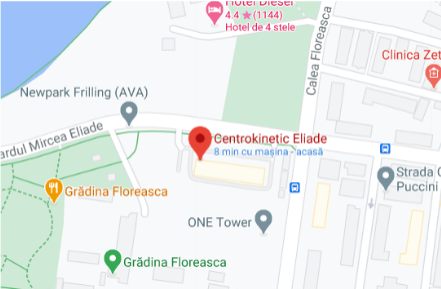
CENTROKINETIC FLOREASCA
Bucharest, 1st District,
Mircea Eliade Street, no. 18,
Eliade Tower, Entrance A, Floor 3
| Navigation | Explore 3D |
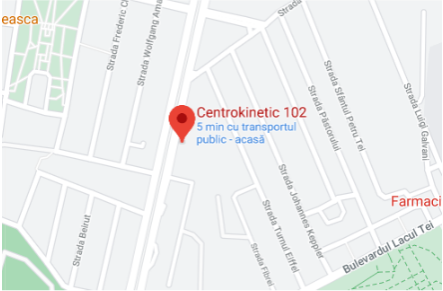
CENTROKINETIC Barbu Vacarescu
Bucharest, 2nd District,
Barbu Vacarescu Street, no. 102,
102 The Address, ground floor.
| Navigation | Explore 3D |
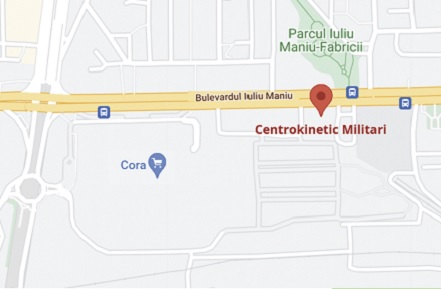
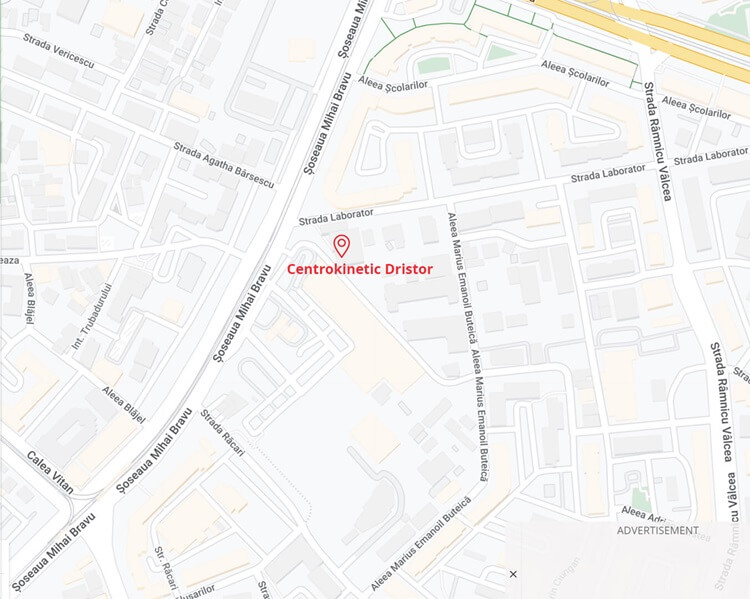
CENTROKINETIC MILITARI
Bucuresti, Sector 6,
Bld. Iuliu Maniu, nr. 15G,
Cladirea PBT, etaj 3.
| Navigation |
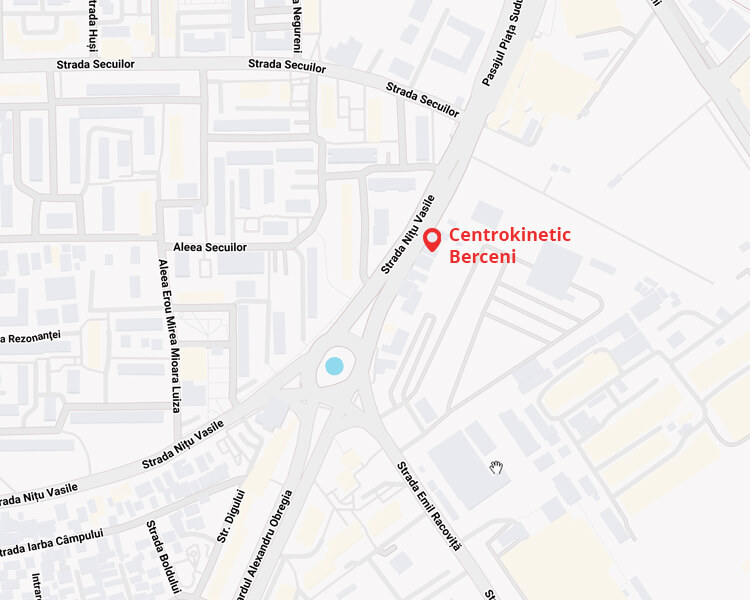
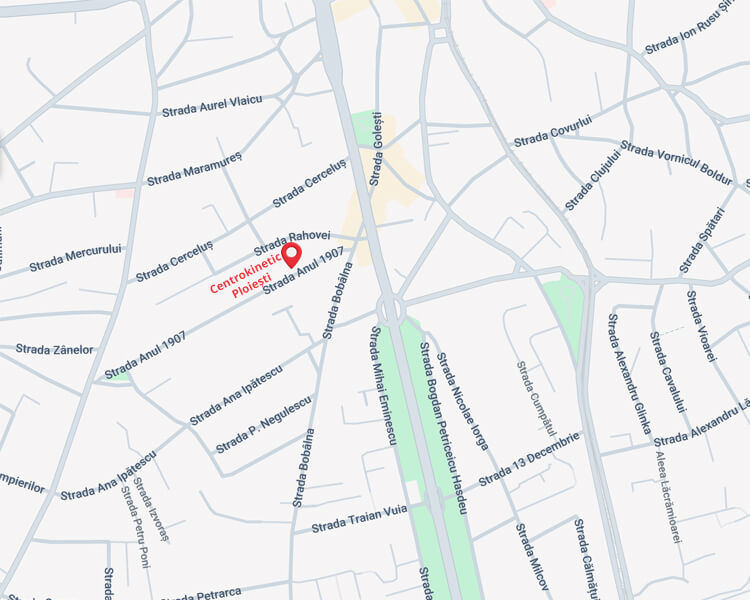
CENTROKINETIC CLUJ-NAPOCA
Cluj-Napoca,
Str. Intre Lacuri, nr.1
Intrarea este in spatele cladirii.
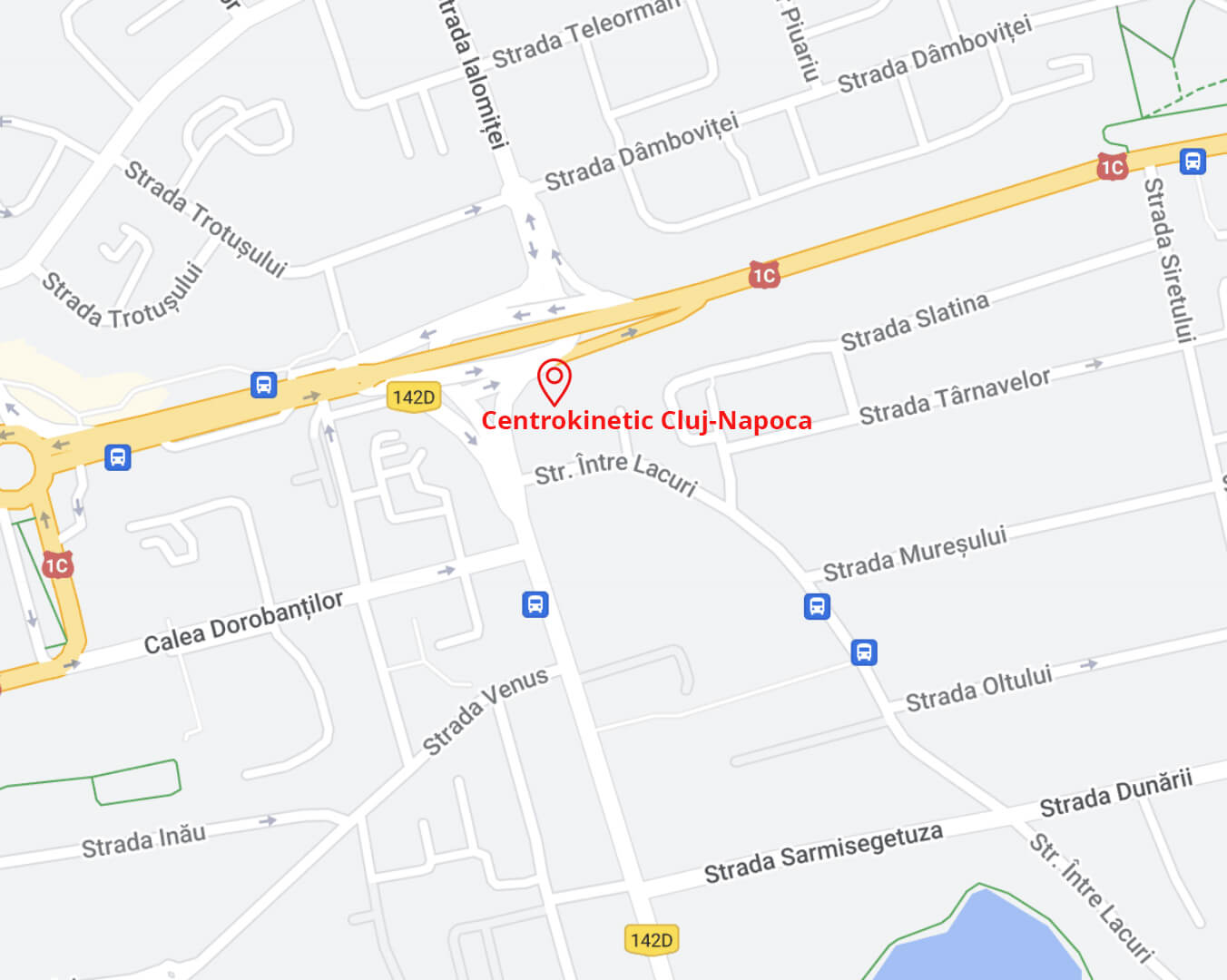
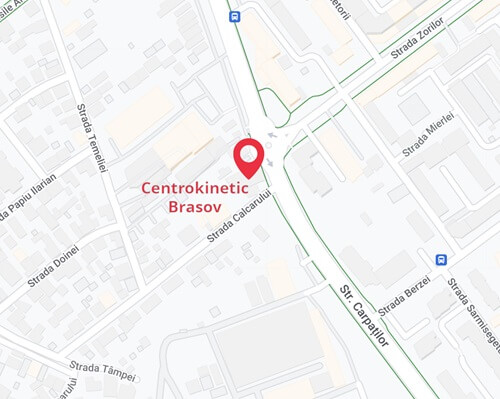
| Navigation |
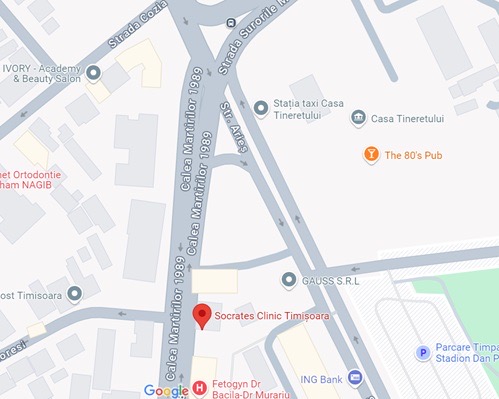
SOCRATES CLINIC TIMISOARA
Timisoara, Calea Martirilor 1989,
nr. 1.
Telefon: 0371 785 374.
| Navigation |
CONTACT
Phone: 0319693
E-mail: programari@centrokinetic.ro
Operating hours:
Monday – Friday: 07:00 – 21:00
Saturday: 09:00 – 14:00
Sunday: closed.
MAKE AN APPOINTMENT