Medical recovery for muscle tears


.jpg)
Have you experienced a sudden pain in your thigh during a sprint, a sharp sting in your calf while playing football, or a “tearing” sensation in your shoulder after lifting a weight? Muscle tears frequently occur both in athletes and active adults, people recovering after surgery, or even those who engage in occasional physical effort.
The difference between proper healing and recurrence lies in how you manage the first few days and in the recovery plan you follow. In general, most muscle injuries recover well if they benefit from proper evaluation and early intervention.
What is a muscle tear and how can you recognize it?
A muscle tear represents damage to the muscle fibers or the muscle-tendon junction. It is different from a simple muscle strain. In practice, doctors classify tears into three grades:
- Grade I – minor fiber damage, moderate pain, strength largely preserved;
- Grade II – partial tear, visible swelling and hematoma, clear loss of strength;
- Grade III – complete tear, inability to contract the muscle, sometimes requiring surgery.
Similar injuries frequently occur in people who practice sports. You can find detailed examples in the material about muscle injuries in athletes. Typical signs include:
- sudden sharp pain;
- rapid swelling;
- bruising in the following hours;
- difficulty or inability to move the affected area.
If you notice these symptoms, schedule an evaluation. A correct diagnosis provides the right treatment direction and reduces the risk of complications.
The POLICE protocol: the first stage of intervention
During the first 48–72 hours, specialists recommend the POLICE protocol (Protection, Optimal Loading, Ice, Compression, Elevation). The concept of “optimal loading” has replaced complete rest. Studies show that controlled mobilization, within pain limits, stimulates regeneration and prevents atrophy. In practice, it looks like this:
- Protection – protect the affected area. Avoid movements that increase pain. Use a brace or crutches if recommended by your doctor. Do not force the injured muscle;
- Optimal Loading – perform light, controlled movements that do not cause significant pain. For example, in a mild calf tear, you may perform gentle isometric contractions under medical supervision;
- Ice – apply ice for 15–20 minutes, 3–5 times per day. Use a cloth between the skin and the ice pack;
- Compression – an elastic bandage helps reduce swelling. Do not tighten excessively; check circulation;
- Elevation – keep the affected limb above heart level to limit inflammation.
Avoid applying heat during this phase and do not begin intense exercises without medical recommendation.
Medical evaluation and necessary investigations

A proper evaluation shows exactly what type of injury you have. The orthopedic doctor or rehabilitation specialist:
- performs a detailed clinical examination;
- conducts strength and mobility tests;
- recommends musculoskeletal ultrasound or MRI in complex cases.
Imaging helps differentiate between partial and complete tears and guides therapeutic decisions. The major benefit of early evaluation is preventing the formation of rigid and poorly functional scar tissue. Rapid intervention increases the chances of stable recovery, especially in athletes or patients who want to quickly return to daily activities.
Stages of guided medical rehabilitation
Recovery does not only target pain relief, but also restoring strength, elasticity, and neuromuscular control. The program is adapted according to the severity of the tear, age, and activity level.
Pain and inflammation control (days 1–5)
During this phase, the specialist may recommend:
- light isometric contractions;
- manual lymphatic drainage;
- physiotherapy procedures.
For example, TECAR physiotherapy uses high-frequency currents to stimulate circulation and regeneration processes. Studies show that this therapy may support pain reduction and accelerate healing in musculoskeletal injuries when used correctly.
Regaining mobility (days 6–14)
Once inflammation decreases, you may begin progressive mobilization:
- controlled stretching without severe pain;
- assisted active exercises;
- concentric exercises with low resistance.
The program is personalized. The team may recommend a dedicated physical therapy program for muscle tears, adapted to clinical progression.
Restoring strength and control (weeks 3–6)
This stage includes:
- controlled eccentric exercises;
- progressive training with light weights;
- balance and stability exercises.
Eccentric exercises, in which the muscle contracts while lengthening, reduce the risk of recurrence. A complete physical therapy program aims to restore strength to at least 90% compared to the healthy side.
Return to activity
The doctor and physical therapist perform functional tests to determine the optimal time for returning to activity. The process takes place gradually.
Scientifically validated complementary therapies
In certain cases, the doctor may recommend:
- shockwave therapy;
- platelet-rich plasma (PRP) injections;
- kinesio taping.
PRP may support healing in selected injuries, but the indication is established individually. Not all tears require such procedures. Avoid self-medication. Prolonged use of nonsteroidal anti-inflammatory drugs may slow regeneration.
Common mistakes that delay healing
Many patients rush their return to sports or the gym. This decision increases the risk of reinjury.
Other common mistakes:
- ignoring the recovery program;
- aggressive stretching during the acute phase;
- lack of warm-up when resuming training;
- missing periodic medical follow-ups.
Prevention begins with regular evaluations, especially if you have a history of muscle injuries.
When is surgery necessary?
Surgery is considered in situations such as:
- complete rupture with retraction of the muscle ends;
- tendon avulsions;
- lack of progress after properly conducted conservative treatment.
Surgery followed by proper rehabilitation (physiotherapy + physical therapy) provides good results but requires discipline and monitoring.
Recovery time
The duration varies:
| Grade of muscle tear | Short description | Estimated recovery duration |
|---|---|---|
| Grade I (Mild) | Stretching or tearing of a few muscle fibers. | 2–3 weeks |
| Grade II (Moderate) | Partial fiber tear, with pain and swelling. | 4–8 weeks |
| Grade III (Severe) | Complete muscle tear; may require surgery. | 3–6 months (or more) |
Age, overall health, and adherence to the program influence recovery. Early intervention and a personalized approach increase the chances of a stable return. Schedule a specialist consultation at Centrokinetic now!
Frequently asked questions
How long should I wait before returning to sports?
Return depends on the severity of the tear and the results of functional tests. In most cases, the doctor recommends resuming activity after strength reaches at least 90% compared to the healthy side and no pain appears during specific effort.
Can I treat a muscle tear only at home?
Mild injuries may benefit from initial home measures, but medical evaluation is recommended for a correct diagnosis. Moderate and severe tears require specialized supervision.
Does massage help during the acute phase?
During the first days, deep massage is not indicated because it may worsen inflammation. Manual therapies are introduced progressively under specialist supervision.
Disclaimer: this material is for informational purposes only and does not replace medical consultation. If you have suffered a muscle tear or suspect such an injury, schedule a specialized evaluation. The medical team can create a plan adapted to your needs.
Sources of information:
- SantAnna, João Paulo Cortez, et al. “Lesão Muscular: Fisiopatologia, Diagnóstico E Tratamento.” Revista Brasileira de Ortopedia, vol. 57, no. 01, 20 Jan. 2022, pp. 001-013, pmc.ncbi.nlm.nih.gov/articles/PMC8856841/, https://doi.org/10.1055/s-0041-1731417.
- Tero AH Järvinen, et al. “Regeneration of Injured Skeletal Muscle after the Injury.” Muscles, Ligaments and Tendons Journal, vol. 3, no. 4, 24 Feb. 2014, p. 337, pmc.ncbi.nlm.nih.gov/articles/PMC3940509/.
BUCHAREST TEAM















































CLUJ NAPOCA TEAM

























BRASOV TEAM










MAKE AN APPOINTMENT
FOR AN EXAMINATION
See here how you can make an appointment and the location of our clinics.
MAKE AN APPOINTMENT
Asiguratori privati



Parteneriate


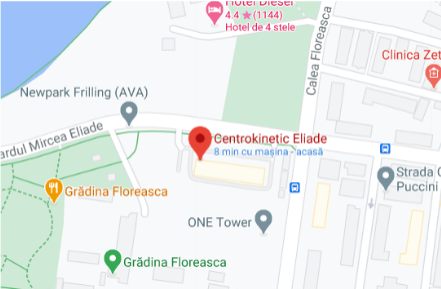
CENTROKINETIC FLOREASCA
Bucharest, 1st District,
Mircea Eliade Street, no. 18,
Eliade Tower, Entrance A, Floor 3
| Navigation | Explore 3D |
CENTROKINETIC Barbu Vacarescu
Bucharest, 2nd District,
Barbu Vacarescu Street, no. 102,
102 The Address, ground floor.
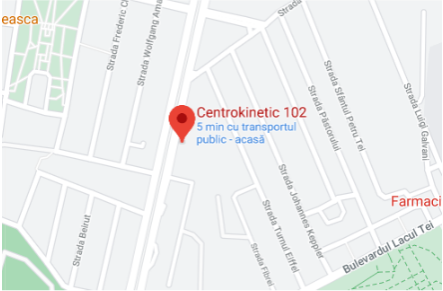
| Navigation | Explore 3D |
CENTROKINETIC MILITARI
Bucuresti, Sector 6,
Bld. Iuliu Maniu, nr. 15G,
Cladirea PBT, etaj 3.
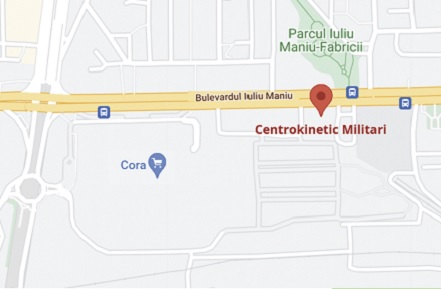
| Navigation |
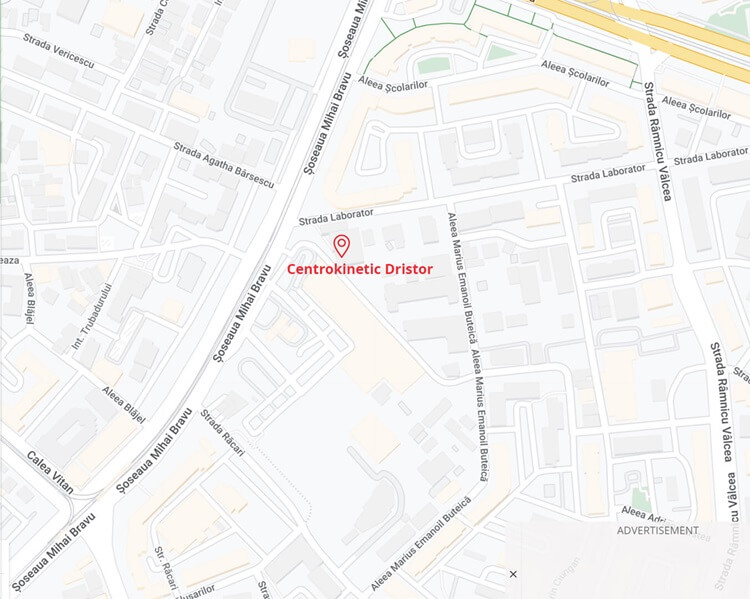
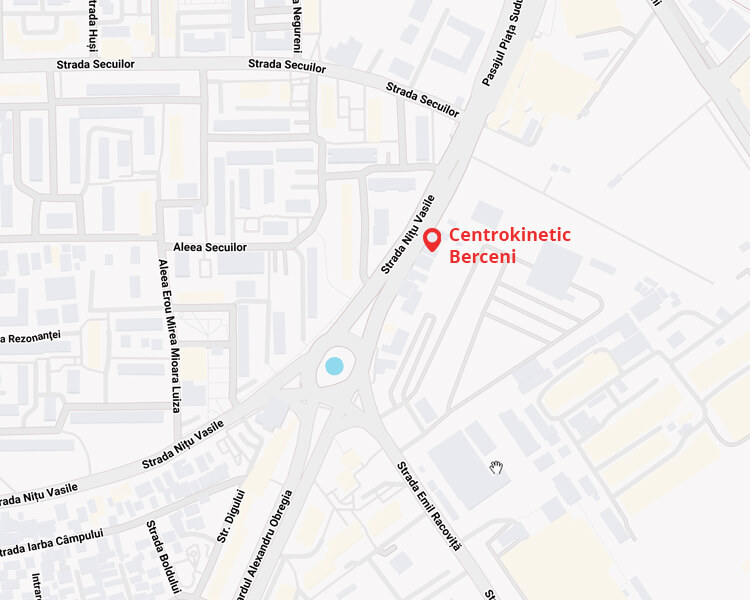
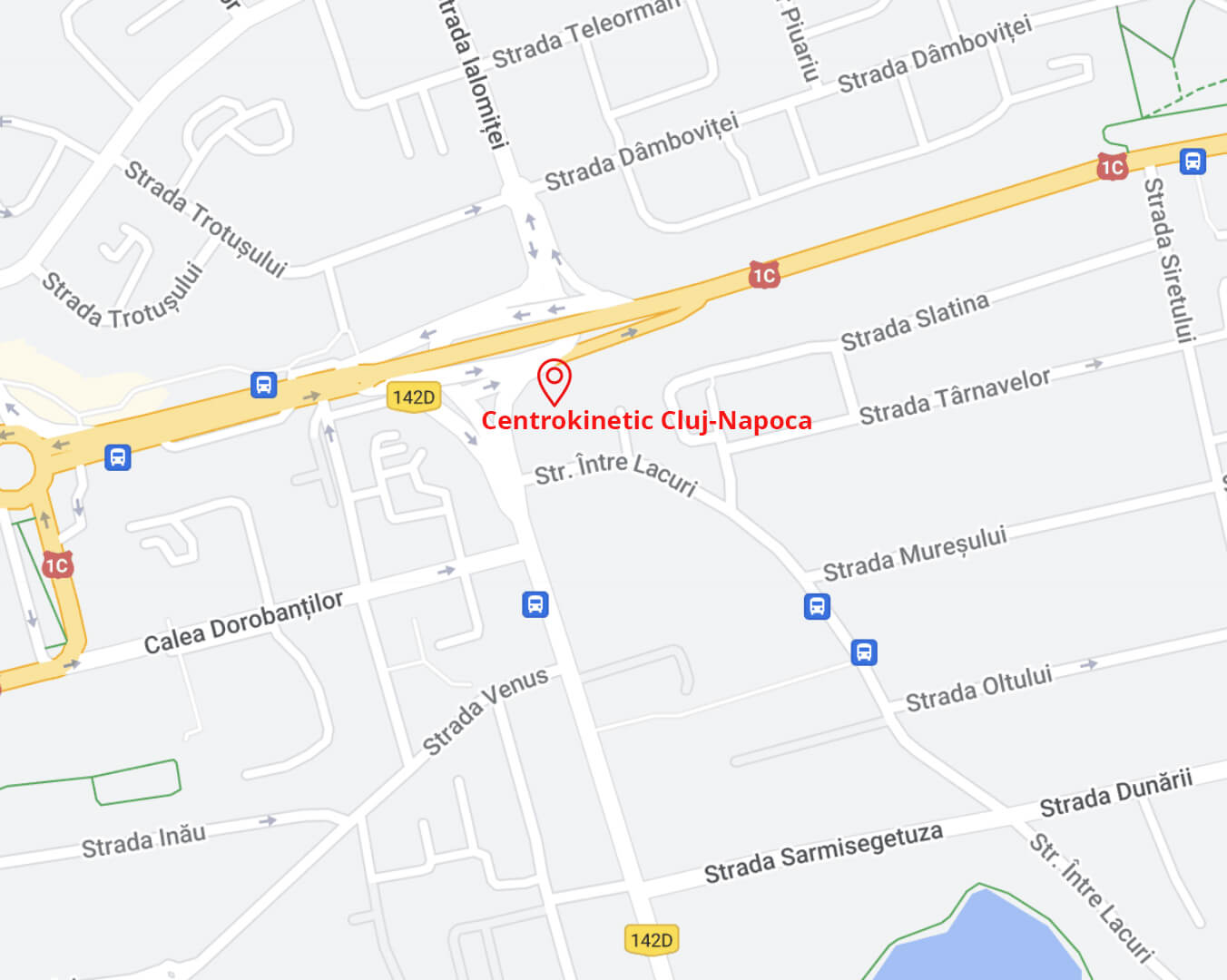
CENTROKINETIC CLUJ-NAPOCA
Cluj-Napoca,
Str. Intre Lacuri, nr.1
Intrarea este in spatele cladirii.
| Navigation |
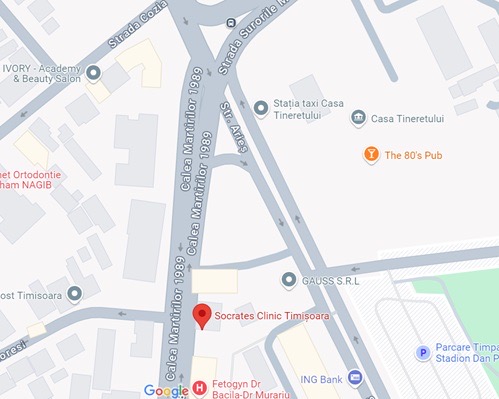
SOCRATES CLINIC TIMISOARA
Timisoara, Calea Martirilor 1989,
nr. 1.
Telefon: 0371 785 374.
| Navigation |
CONTACT
Phone: 0319693
E-mail: programari@centrokinetic.ro
Operating hours:
Monday – Friday: 07:00 – 21:00
Saturday: 09:00 – 14:00
Sunday: closed.
MAKE AN APPOINTMENT