How do you know if you need medical recovery and not just rest?


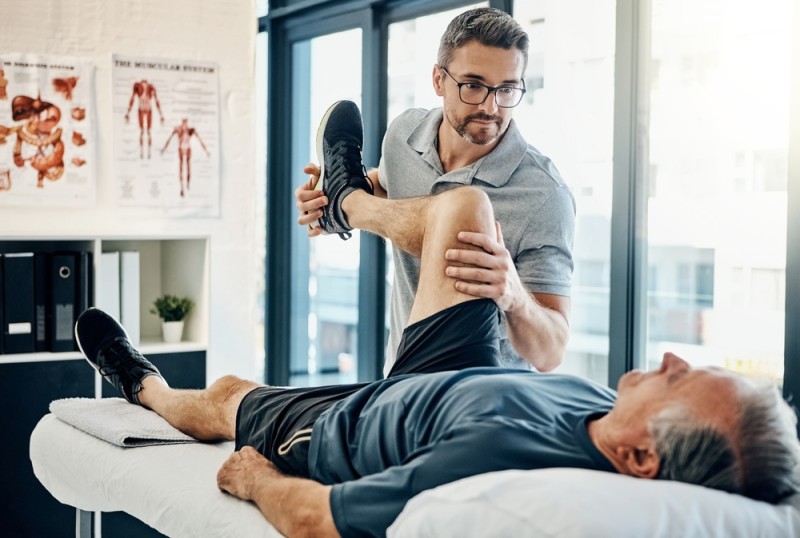
After an injury, a surgical procedure, or an episode of intense pain, it's natural to take a break from your usual activities and wait for the symptoms to improve. In some situations, a few days of relative rest are enough. In others, the pain persists, and returning to your daily activities takes longer than expected.
This guide helps you understand when rest can be enough and when a medical recovery program is indicated. You'll learn what signs to watch for, why evaluation matters, and how timely intervention can speed up recovery and reduce the risk of complications.
What does medical recovery mean?
Medical recovery is a process that pursues three clear goals: reducing pain, regaining mobility, and returning to your usual activities, whether we're talking about office work, sports, or childcare. The medical team assesses the cause of the pain, your level of function, and your goals, then builds a plan tailored to your situation.
A complete program can include:
- a specialist consultation and detailed functional assessment;
- sessions of kinetotherapy that include personalized exercises;
- sessions of physiotherapy for pain and inflammation control;
- recommendations for daily activity and a gradual return to effort;
- periodic monitoring and plan adjustments.
If you want to better understand how these methods combine, you can read about what physiokinetotherapy means and how it works in practice.
The difference between rest and medical recovery
When is rest enough?
In most cases, rest helps if:
- you have a mild muscle strain after an intense workout;
- you have muscle soreness after unusual exertion;
- the pain visibly decreases within 3-5 days;
- you can resume movement without significant limitations.
For example, if you ran more than usual and feel discomfort in your calves, a few days of rest and a gradual return to effort may be enough.
Why can prolonged rest slow down healing?
If you avoid movement for too long, unwanted effects can appear:
- muscle strength decreases;
- joints become stiff;
- coordination deteriorates;
- the risk of re-injury increases.
A patient who keeps their knee immobilized for weeks after a mild sprain may end up with more stiffness than at the start. Controlled movement, guided by a specialist, helps the tissues heal correctly and regain their function.
Clear signs that you need medical recovery
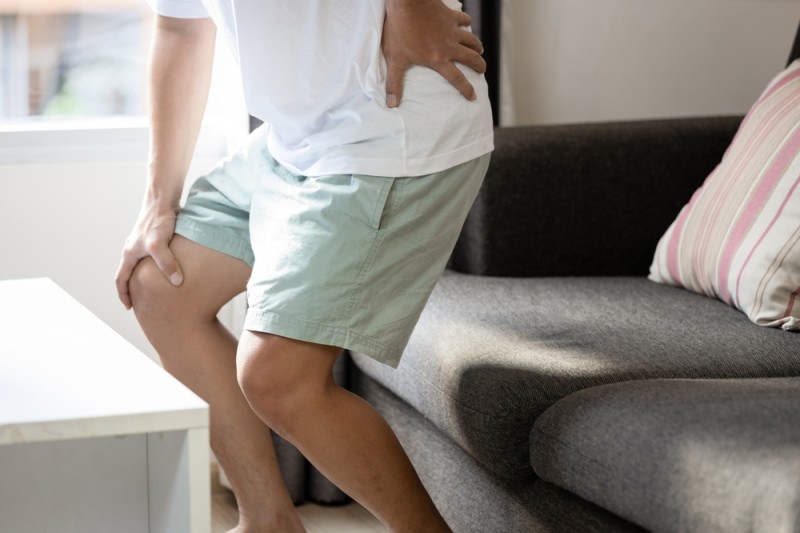
Track how your symptoms evolve. If you notice one or more of the situations below, seek an evaluation.
The pain persists for more than 7-10 days
If the pain doesn't progressively decrease or returns as soon as you resume activity, your body is sending a clear signal. In these cases, it's important to know when to see a doctor for pain that doesn't go away.
Your range of motion is reduced
You notice that:
- you can't fully bend your knee;
- you can't raise your arm above your head;
- turning your neck is limited.
Limited range of motion indicates that the joint or surrounding tissues are affected. Without intervention, the stiffness can worsen.
You feel weakness or instability
Muscle weakness commonly occurs after trauma or immobilization. You may feel that:
- your knee "gives way" going down stairs;
- your ankle gives out on uneven ground;
- you get tired quickly with minimal effort.
These signs indicate the need for muscle re-education and stability training.
You've had a surgical procedure
After ligament reconstruction, hip or knee replacement, shoulder or spine surgery, recovery is part of the treatment. In the first weeks after surgery, early intervention supports mobility, limits stiffness, and helps with a gradual return to daily activities.
The pain affects your daily activities
If you can't sit for more than 30 minutes or if your sleep is interrupted by pain, your function is already affected. Medical recovery aims to restore your usual activities.
The symptoms keep coming back
Repeated episodes of lower back pain, tendinitis, or a sprain show that the problem hasn't fully resolved. Many patients delay evaluation and repeat the same mistakes. Find out about the main mistakes in medical recovery and try to avoid them.
Situations where early intervention makes a difference
| Situation | Why is early recovery recommended? |
|---|---|
| After orthopedic procedures | Reduces the risk of stiffness and helps restore correct walking |
| After fractures or cast immobilization | Fights muscle atrophy and helps regain joint mobility |
| Acute lower back pain | Lowers the risk of the condition becoming chronic |
| Chronic conditions (arthritis, tendinitis) | Supports maintaining function and slows down degradation |
In most cases, the earlier you start, the better controlled the recovery period is.
How does the evaluation work at Centrokinetic?
The evaluation is the foundation of an effective plan. The doctor analyzes:
- joint mobility;
- muscle strength;
- posture and gait;
- medical history and your activity level.
Based on this data, the specialist sets clear goals: reducing pain, increasing mobility, returning to running, or resuming professional activity.
The benefits of a correct evaluation are clear:
- identifying the real cause of the pain;
- avoiding unsuitable treatments;
- establishing recommendations tailored to age and lifestyle;
- monitoring progress.
The Centrokinetic specialists' personalized approach takes into account that an amateur athlete, a recently operated patient, and a child with posture issues have different needs.
What risks appear if you choose rest alone?
If you ignore the symptoms and choose rest alone, the following can occur:
- the pain becoming chronic;
- progressive loss of strength;
- limited mobility;
- postural compensations that generate other pains.
For example, persistent shoulder pain can make you overuse your other hand. Over time, overload appears on the healthy side as well.
When should you take action?
Request a consultation if:
- the pain persists beyond 7-10 days;
- your mobility is reduced;
- you've had a surgical procedure;
- the symptoms return with the same activities;
- you feel instability or weakness.
Early intervention reduces the risk of complications and shortens the period of functional limitation. Act early and choose the right evaluation. Schedule your consultation now at Centrokinetic with a specialist!
Frequently asked questions
How long is it normal to wait before seeing a doctor?
If mild pain improves within 3-5 days, you can gradually resume activity. If symptoms persist beyond 7-10 days, worsen, or limit your movement, seek a medical evaluation.
Can I do medical recovery if I haven't had surgery?
Yes. Recovery also addresses people with muscle pain, joint pain, or chronic conditions, even if they haven't had a surgical procedure.
Does total rest help healing?
Short rest can reduce initial inflammation. Prolonged immobilization decreases muscle strength and stiffens the joints. The specialist determines the right level of activity.
How long does a recovery program last?
The duration varies depending on the diagnosis and goals. Some mild conditions require just a few sessions, while post-surgical recovery can take several weeks or months, with periodic reassessments.
Disclaimer: This article is for informational purposes only and does not replace medical consultation.
Sources:
- Muscle Atrophy: Causes, Symptoms & Treatment. Cleveland Clinic, Sept. 2023. Accessed June 25, 2026.
- Nonuniform Loss of Muscle Strength and Atrophy during Bed Rest: A Systematic Review. Journal of Applied Physiology, vol. 131, no. 1, 1 July 2021, pp. 194–206. Accessed June 25, 2026.
MAKE AN APPOINTMENT
FOR AN EXAMINATION
See here how you can make an appointment and the location of our clinics.
MAKE AN APPOINTMENT
BUCHAREST TEAM































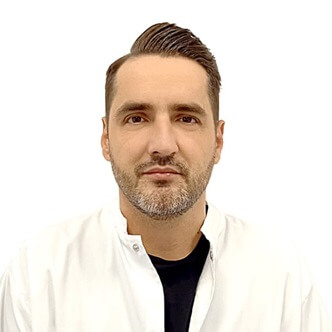







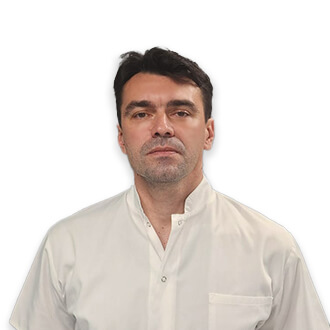

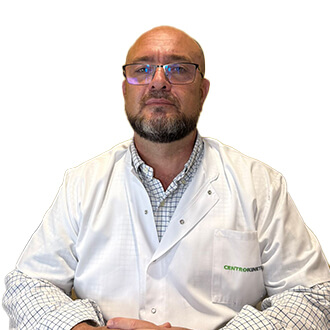















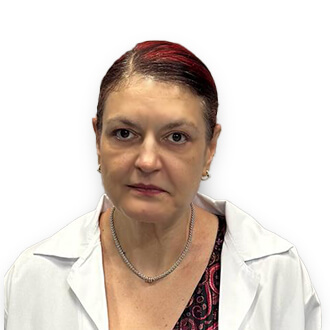


CLUJ NAPOCA TEAM
































BRASOV TEAM














Asiguratori privati




Parteneriate


CENTROKINETIC FLOREASCA
Bucharest, 1st District,
Mircea Eliade Street, no. 18,
Eliade Tower, Entrance A, Floor 3
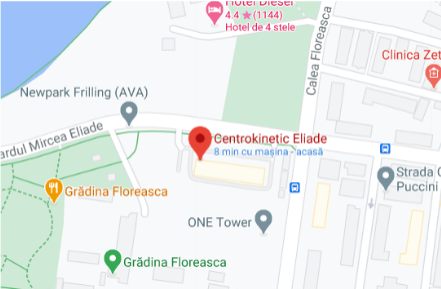
| Navigation | Explore 3D |
CENTROKINETIC Barbu Vacarescu
Bucharest, 2nd District,
Barbu Vacarescu Street, no. 102,
102 The Address, ground floor.
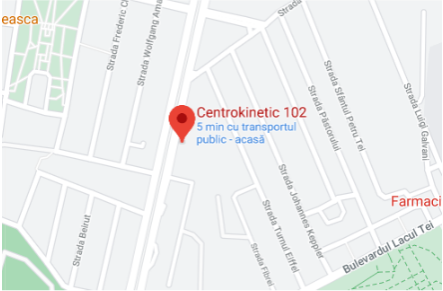
| Navigation | Explore 3D |
CENTROKINETIC MILITARI
Bucuresti, Sector 6,
Bld. Iuliu Maniu, nr. 15G,
Cladirea PBT, etaj 3.
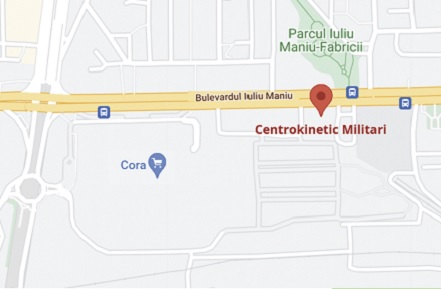
| Navigation |
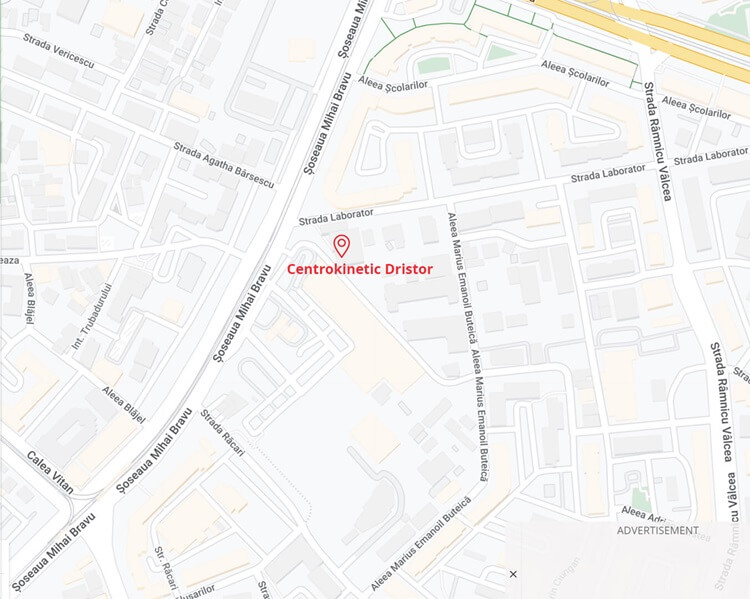
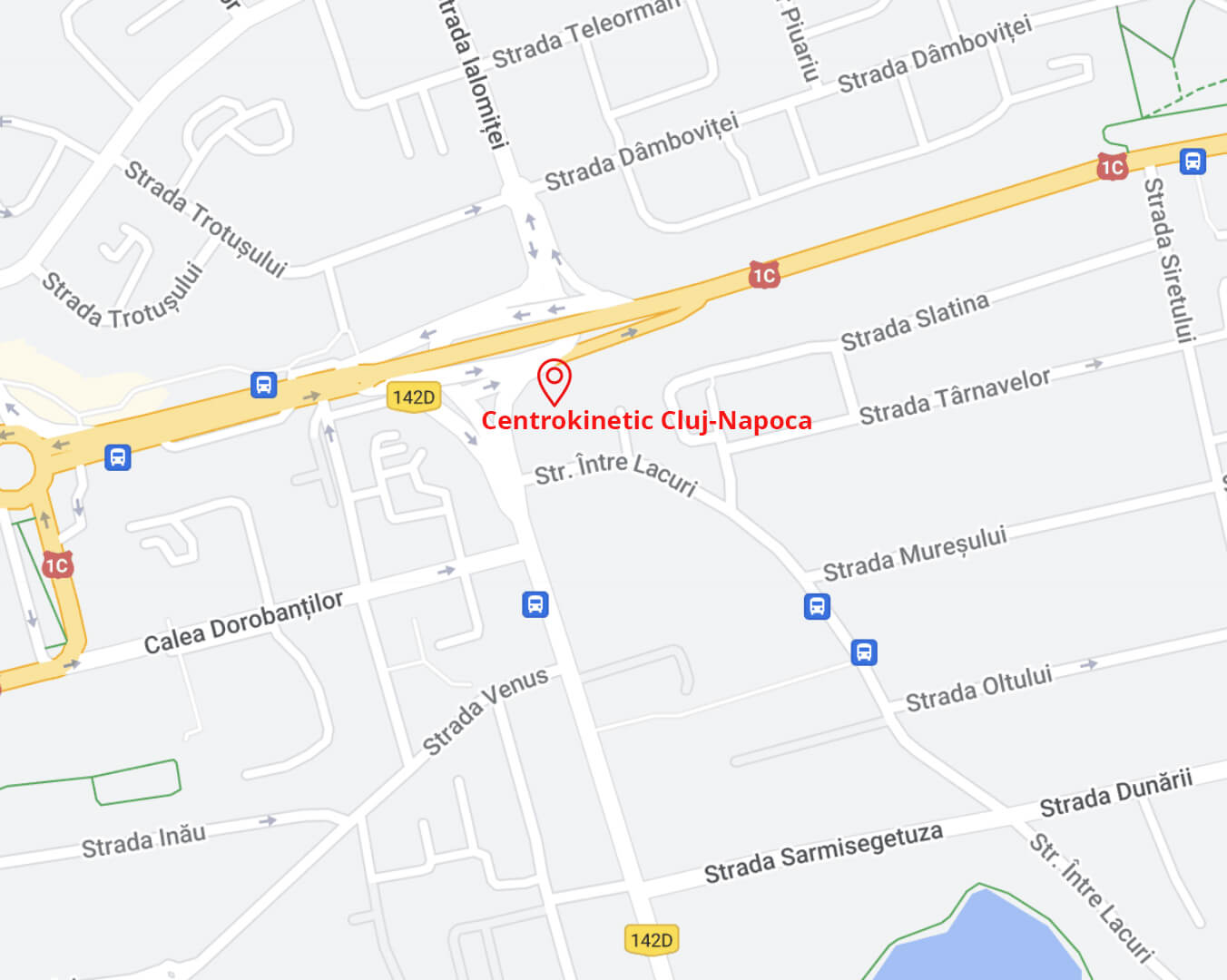
CENTROKINETIC CLUJ-NAPOCA
Cluj-Napoca,
Str. Intre Lacuri, nr.1
Intrarea este in spatele cladirii.
| Navigation |
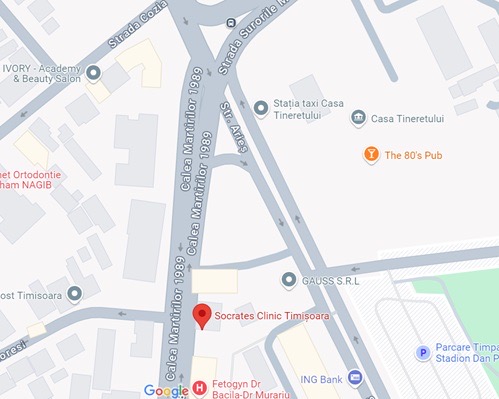
SOCRATES CLINIC TIMISOARA
Timisoara, Calea Martirilor 1989,
nr. 1.
Telefon: 0371 785 374.
| Navigation |
CONTACT
Phone: 0319693
E-mail: programari@centrokinetic.ro
Operating hours:
Monday – Friday: 07:00 – 21:00
Saturday: 09:00 – 14:00
Sunday: closed.
MAKE AN APPOINTMENT