Metatarsus adductus


Metatarsus adductus, foot deformity: causes, symptoms, recommended therapies
.jpg "Metatarsus adductus, deformarea talpii: cauze, simptome, terapii recomandate")
The metatarsus is a group of bones in the middle section of the foot. Each foot has five metatarsal bones, each bone being connected to the phalanges of the toes.
Metatarsus adductus is a condition some babies are born with, and it means that the bones and tissue in the front part of the foot and the toes curve inward. It is therefore a visible deformity of both feet (most often). One can live with metatarsus adductus, but orthopedic doctors can treat the condition through stretching exercises and corrective shoes. In the most severe cases, surgery can correct the condition.
In this article, we explain what metatarsus adductus is, what the causes of the foot deformity are, how it manifests, and what the recommended treatment options are.
- Metatarsus adductus, foot deformity: causes, symptoms, recommended therapies
- What metatarsus adductus means
- Classification of metatarsus adductus deviation
- How metatarsus adductus affects the child
- Symptoms of metatarsus adductus
- Causes of metatarsus adductus
- Diagnosing metatarsus adductus
- Treatment options for metatarsus adductus
- How metatarsus adductus is prevented
- Prognosis of metatarsus adductus
- Metatarsus adductus. Summary
What metatarsus adductus means
.jpg "Ce inseamna metatarsus adductus")
Metatarsus adductus is a congenital condition (babies come into the world with this malformation which causes an inward curve from the middle of the foot to the toes). If an adult has metatarsus adductus, it means the condition has been present since birth.
Classification of metatarsus adductus deviation
The medical literature mentions three types of deviation:
- mild;
- moderate;
- severe.
Treatment is established depending on the severity of the condition.
How metatarsus adductus affects the child
Metatarsus adductus is one of the most common foot deformities in babies. If left untreated, the condition can lead to hip dysplasia.
Symptoms of metatarsus adductus
The manifestations of metatarsus adductus turn the outer edge of the foot and the toes of the lower limbs inward. This curving of the foot can be mild or severe. In some cases, the child's feet become rigid.
Causes of metatarsus adductus
Orthopedic doctors are not sure what causes the development of metatarsus adductus. No correlation has been found with gestational age at birth or maternal age. There is a theory suggesting that the condition results from the way the baby lies in the uterus during uterine development. This position can lead to abnormal posture and a deformity of the foot.
The condition can occur genetically (a genetic disorder), but there are also other causes of the condition, such as:
- compression in the uterus during fetal development;
- insufficient amniotic fluid.
Diagnosing metatarsus adductus
.jpg "Diagnosticarea metatarsus adductus")
In very many cases, the pediatrician notices the curve of the child's foot during a routine visit. If this does not happen, signs of metatarsus adductus will be noticed when the child starts to walk.
The diagnosis of metatarsus adductus is established through a physical examination, with the doctor able to assess the degree of metatarsus adductus by testing the range of motion of the foot. There are two types of this condition: flexible and non-flexible. If it is a flexible metatarsus, the foot can be straightened manually. If it is a non-flexible metatarsus, the foot is rigid and cannot be returned to the normal position manually. To confirm the diagnosis, the doctor may request an X-ray, especially if the child's foot is rigid.
Treatment options for metatarsus adductus
(1).jpg "Optiuni de tratament pentru metatarsus adductus")
Treatment for metatarsus adductus is established depending on the severity of the foot deformity. Most cases are resolved by the age at which the child starts to walk, and this is achieved through conservative methods. The doctor may recommend movement exercises with the child's feet. Stretching exercises may also be recommended, in some cases.
Kinesiotherapy plays a very important role in treating moderate cases of metatarsus adductus (in these cases, the joints are flexible, and the position of the foot can be corrected manually). Kinesiotherapy for children involves exercises that are performed at home, by the parents, according to the kinesiotherapist's instructions. Recovery through this method can take from a few weeks to a few months.
Massage can also help a great deal.
Many children end up not being diagnosed with metatarsus adductus until they start to walk. If the child's feet are rigid or the curve of the foot is severe, the pediatrician may recommend consulting a specialist doctor in orthopedics, that is, in treating problems of the skeletal system (which includes bones, ligaments, tendons).
The pediatrician or orthopedic doctor may recommend treatment for the child if the curve of the foot is evident or if the baby's feet are rigid. To straighten the child's feet, the doctor may recommend:
- splints that doctors need to change weekly;
- shoes that help reshape the tissues and bones of the foot.
In some cases, the condition may disappear on its own by around the age of 1-2 years (if it is flexible metatarsus adductus). If metatarsus adductus does not resolve by the age of 10, then the possibility of surgery should be discussed. There are also situations in which surgery is needed, and this may be recommended for children at least 4 years old who have a severe deformity. The intervention also involves a recovery period, not only kinesiotherapy. There are cases in which wearing special shoes is necessary.
Important to remember
Surgery is rarely necessary and may be recommended for children at least 4 years old with a severe deformity. There are different surgical procedures that can be used to reshape the foot, but all of them involve cutting certain bones (osteotomy) and then fixing them with plates or screws in a correct position.
Metatarsus adductus in adults: how it is treated
This medical condition is rare in adults, but such cases exist. The inward curving of the feet in adults prevents normal walking. The orthopedic doctor may recommend wearing special shoes to help correct metatarsus adductus.
How metatarsus adductus is prevented
Being a medical problem that manifests from birth, metatarsus adductus cannot be prevented. When the child has curved feet or walks abnormally, they should be taken to the doctor to find the cause.
If the baby has hip dysplasia or torticollis, the risk of metatarsus adductus is higher. You should discuss with the pediatrician the measures that can prevent the development of the condition.
Prognosis of metatarsus adductus
Several visits to the doctor may be needed to check the child's feet. Babies need to be taken for a consultation whenever the doctor requests it, to see whether the metatarsus adductus is resolving or whether additional treatment is needed.
It is very important that parents follow all the doctor's instructions regarding the child's condition. There is no need to limit the child's physical activities or follow other treatments unless the doctor specifically recommends it.
On the other hand, it should be said that despite the good prognosis, blisters, bruises, or calluses may occur; therefore, cases of metatarsus adductus need to be resolved medically by specialist doctors (through casts, kinesiotherapy, or surgery in the most severe cases).
Metatarsus adductus. Summary
- Some children are born with metatarsus adductus, a condition due to which the front part of the foot and the toes twist inward.
- Metatarsus adductus is one of the most common foot deformities and is characterized by medial (inward) deviation of the metatarsals. The middle part of the foot forms the letter C. A gap may also appear between the big toe and the next toe.
- Many children frequently grow out of this condition.
- There are treatments for straightening the feet, recommended by the specialist doctor.
- Children with metatarsus adductus can lead a healthy and active life.
- Cast immobilization, kinesiotherapy, and bracing are the most commonly used methods for correcting this deformity.
- Early diagnosis and treatment lead to very good results for cases of mild and moderate severity.
- Regular checkups with the pediatric orthopedic doctor and following medical instructions help prevent recurrences.
Disclaimer
If you have medical questions or concerns, please talk to your doctor. Our medical articles contain important medical information and research, provided by reputable medical entities. However, they do not represent a substitute for the advice, diagnosis, or treatment recommended by a specialist doctor.
Centrokinetic is the place where you will find clear answers and effective solutions for musculoskeletal conditions. Our clinic, dedicated to musculoskeletal disorders, is organized into the following specialized departments:
- Orthopedics, a department composed of a highly experienced team of orthopedic surgeons specializing in sports traumatology.
- Pediatric Orthopedics, where sports injuries in children (ligament and meniscus injuries), spinal deformities (scoliosis, kyphosis, hyperlordosis), and foot deformities (hallux valgus, hallux rigidus, equinovarus foot, flatfoot, cavus foot) are treated.
- Neurology, featuring a state-of-the-art department where consultations, electroencephalograms (EEG), and electromyography (EMG) examinations are performed.
- Medical Rehabilitation for adults and children, a department specialized in the rehabilitation of professional athletes, spinal disorders, and children with neurological and traumatic conditions. Our extensive experience includes treating more than 5,000 professional athletes.
- Medical Imaging, with the clinic equipped with ultrasound and MRI systems dedicated to musculoskeletal conditions, complemented by an experienced radiologist, Dr. Cosmin Pantu, specialized in musculoskeletal imaging.
- Rheumatology, a comprehensive department dedicated to the diagnosis, treatment, and rehabilitation of patients with non-surgical musculoskeletal disorders.
- Vascular Surgery, a highly specialized department focused on the diagnosis and treatment of vascular diseases affecting arteries, veins, and lymphatic vessels.
- Psychology and Speech Therapy. Neurological and musculoskeletal conditions can have a psychological impact on patients, which is why we believe complete recovery requires addressing both the physical condition and its psychological consequences.
- Neurofeedback. This innovative method helps improve concentration, reduce anxiety, and achieve emotional balance through a simple and interactive process.
Stay up to date by following Centrokinetic on Facebook, Instagram, and YouTube.
This article was created based on information taken from the following sources:
Cleveland Clinic, "Metatarsus Adductus": https://my.clevelandclinic.org/health/diseases/22911-metatarsus-adductus
Children's Hospital of Philadelphia, "Metatarsus Adductus": https://www.chop.edu/conditions-diseases/metatarsus-adductus
Boston Children's Hospital, "Metatarsus Adductus": https://www.childrenshospital.org/conditions/metatarsus-adductus
Stanford Medicine, "Metatarsus Adductus in Children": https://
[www.stanfordchildrens.org/en/topic/default?id=metatarsus-adductus-90-P02770](https://www.stanfordchildrens.org/en/topic/default?id=metatarsus-adductus-90-P02770)
POSNA, Pediatric Orthopaedic Society of North America, "Metatarsus Adductus": https://posna.org/Physician-Education/Study-Guide/Metatarsus-Adductus
MedlinePlus, "Metatarsus adductus": https://medlineplus.gov/ency/article/001601.htm MAKE AN APPOINTMENT
FOR AN EXAMINATION
See here how you can make an appointment and the location of our clinics.
MAKE AN APPOINTMENT
BUCHAREST TEAM






















































CLUJ NAPOCA TEAM




























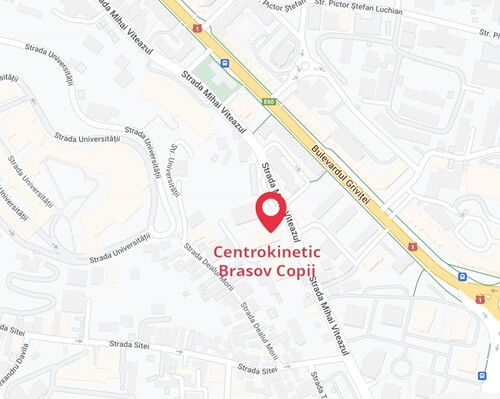
BRASOV TEAM

















Asiguratori privati





Parteneriate


CENTROKINETIC FLOREASCA
Bucharest, 1st District,
Mircea Eliade Street, no. 18,
Eliade Tower, Entrance A, Floor 3
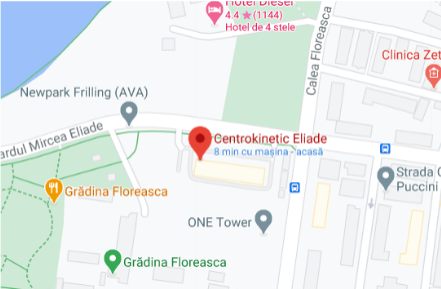
| Navigation | Explore 3D |
CENTROKINETIC Barbu Vacarescu
Bucharest, 2nd District,
Barbu Vacarescu Street, no. 102,
102 The Address, ground floor.
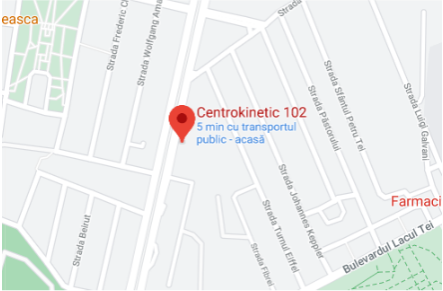
| Navigation | Explore 3D |
CENTROKINETIC MILITARI
Bucuresti, Sector 6,
Bld. Iuliu Maniu, nr. 15G,
Cladirea PBT, etaj 3.
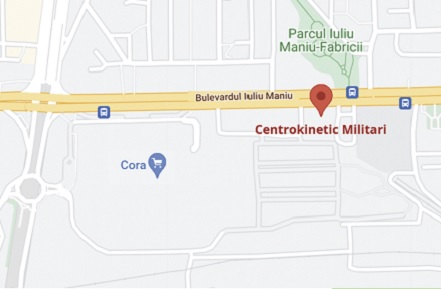
| Navigation |
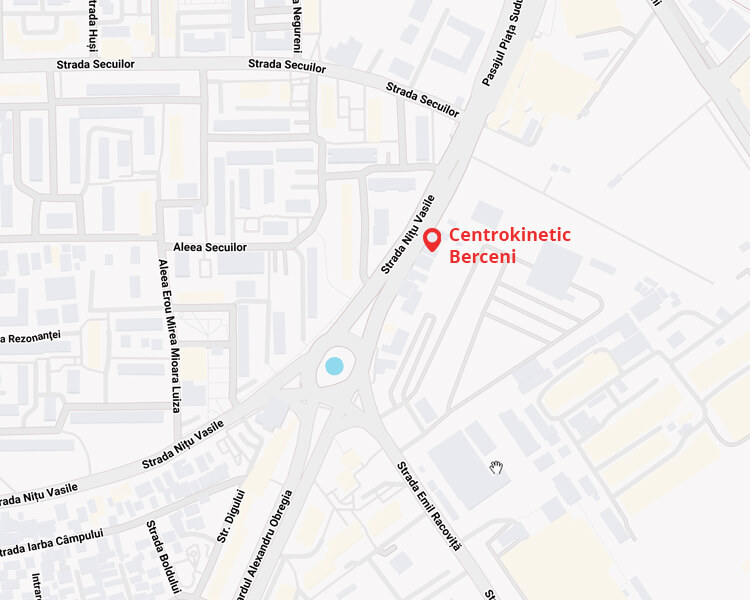
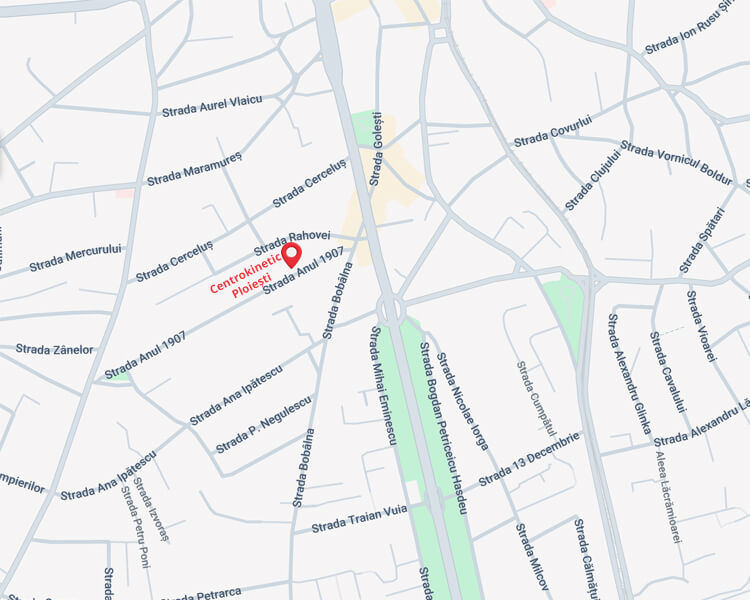
CENTROKINETIC CLUJ-NAPOCA
Cluj-Napoca,
Str. Intre Lacuri, nr.1
Intrarea este in spatele cladirii.
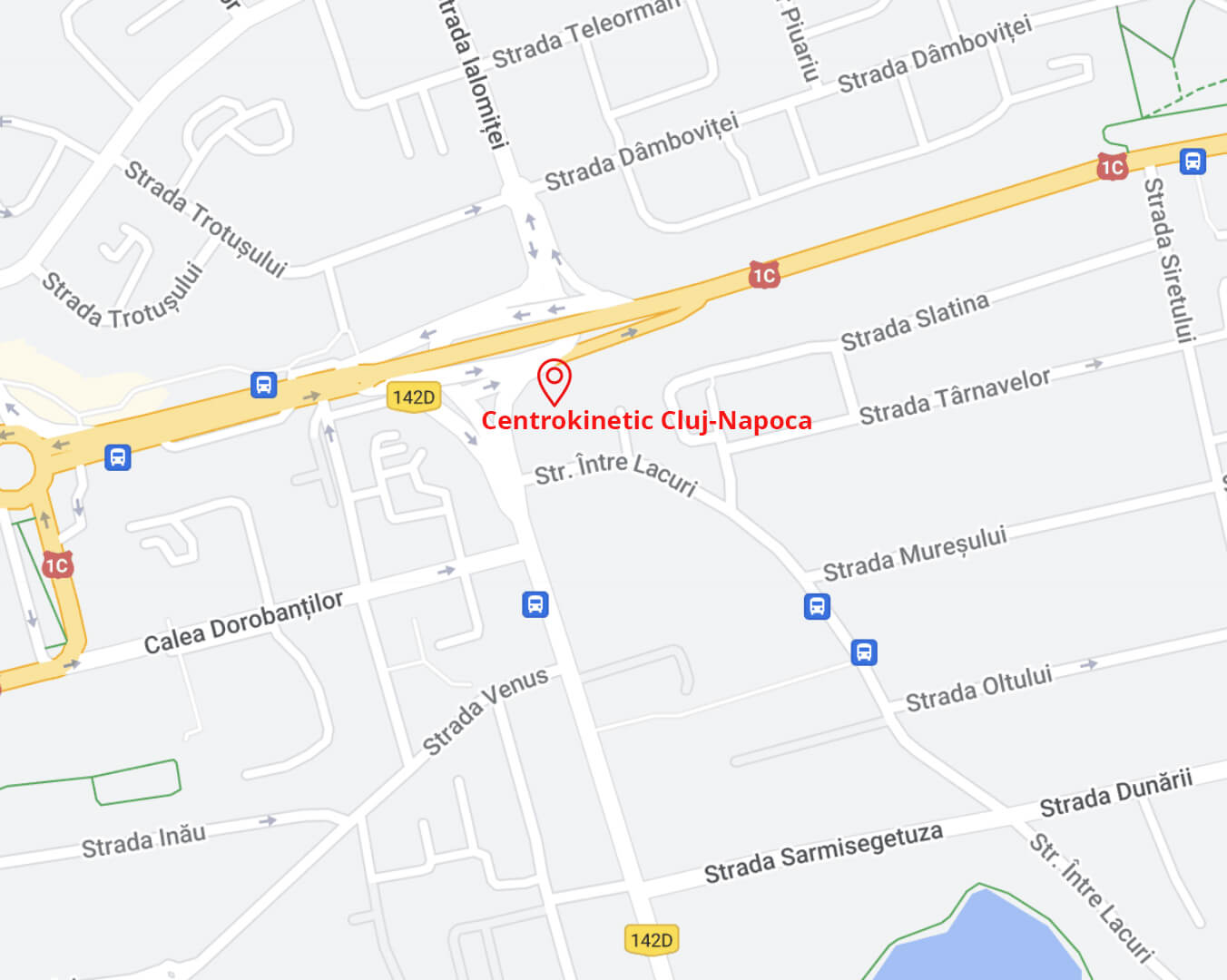
| Navigation |
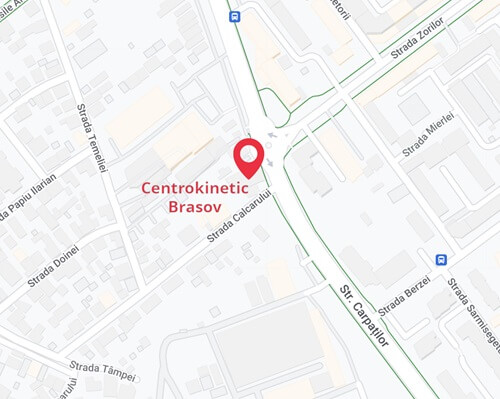
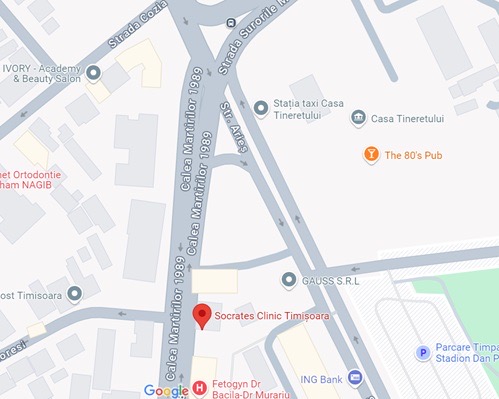
SOCRATES CLINIC TIMISOARA
Timisoara, Calea Martirilor 1989,
nr. 1.
Telefon: 0371 785 374.
| Navigation |
CONTACT
Phone: 0319693
E-mail: programari@centrokinetic.ro
Operating hours:
Monday – Friday: 07:00 – 21:00
Saturday: 09:00 – 14:00
Sunday: closed.
MAKE AN APPOINTMENT