
See details
READ MORE

This article was written by Dr. Aursulesei Ruxandra, specialist pediatric neurologist with extensive experience in diagnosing and treating neurological conditions. Pediatric neurology plays an important role in the periodic neurological evaluation of premature babies, as well as of all newborns at risk of developing neurological sequelae, with the goal of early detection and treatment of any impairment of the nervous system.
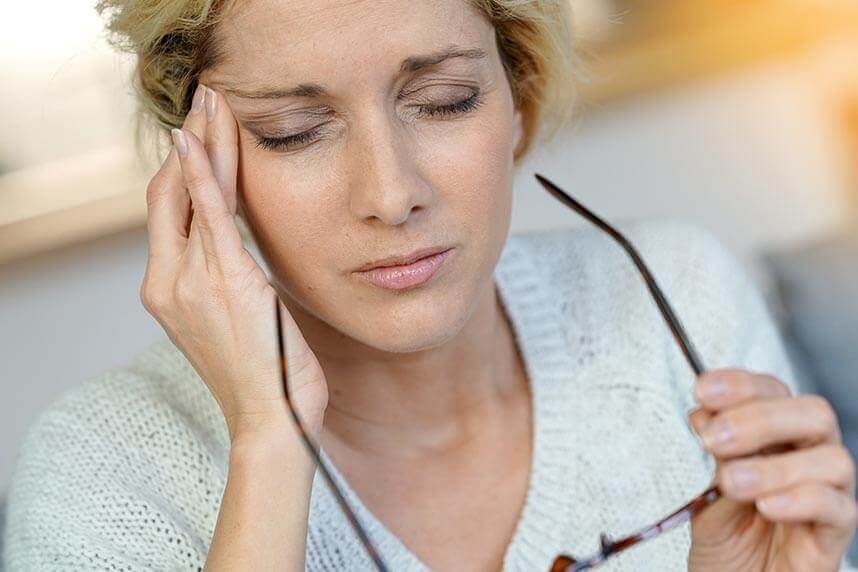
Migraines are severe, recurrent headaches that can persist for a long time. They may be preceded or accompanied by warning sensory signs and other symptoms. Migraines can cause severe, throbbing pain, usually on one side of the head. Migraines are often accompanied by vomiting and nausea, and sensitivity to light and sound. A migraine can last from a few hours to a few days, and the pain can be so severe that it interferes with daily activities. It can occur once or twice a year, or several times a month.
For some people, a warning symptom known as aura appears before or during the headache. An aura can include visual disturbances or tingling on one side of the face, in an arm or leg, and difficulty speaking. Some medications help prevent some migraines and can make them less painful. The right medications combined with lifestyle changes could help.
If you are dealing with migraines, read this article or schedule an appointment here to determine the exact cause.
The two major categories are migraine with aura (once called "classic migraine") and migraine without aura (known as "common migraine"). Some people have both types. Most people with migraines experience headaches without aura. Migraine usually occurs with: headaches, nausea, diarrhea, and sensitivity to light and sound.
Most commonly, a person will have a migraine without sensory disturbances that warn of the attack. Between 70 and 90% of migraines occur without aura. Migraines are more common in the morning; people often wake up with headaches. Some people have migraines at predictable times, such as before menstruation or on weekends, after a stressful work week.
A few hours before the headache begins, you may have vague symptoms, including:
A migraine without aura is more than just a headache. The pain felt is enough to prevent you from carrying out your daily activities. And then there is nausea, possibly vomiting, and many other symptoms.
Migraines frequently run in families, which is why researchers believe there is a genetic link to this condition. Other things can trigger migraine attacks for some people, such as certain foods, smells, stress, and things in the environment.
Most people feel migraine pain in the front of the head, on one or both sides of the temples. The pain can be constant or throbbing. The headache can last between 4 and 72 hours.
You may have any of these other symptoms:
Migraine with aura
For many people who suffer from migraine, the aura acts as a warning, telling them that a headache is about to come. The effects of a migraine with aura can include:
When migraines with aura affect vision, patients may see things that are not there, such as transparent strings of objects. They may also be unable to see parts of the object in front of them, or even feel as if part of their field of vision disappears and then returns. People who suffer from aura may describe the visual disturbance as being similar to the sensation that follows exposure to a very bright flash.
Migraines often begin in childhood and worsen during adolescence. Although more boys than girls have migraines, more adult women than men have migraines. Over time, migraines occur less often and become less frequent after the age of 50.
Many people are affected by migraine, a severe headache, sometimes accompanied by vision problems, nausea, vomiting, and dizziness. Rarely, however, migraines can cause symptoms and complications in other parts of the body.
These migraine variants are named according to the part of the body that is affected. Most of these migraine variants are very rare. Your doctor can tell you whether your symptoms indicate that you have one of these rare or extreme types of migraine.
Hemiplegic migraines
Hemiplegic migraines affect a very small percentage of people. People with hemiplegic migraines have paralysis or weakness on one side of the body, speech and vision disturbances, and other symptoms that often mimic a stroke. The paralysis is usually temporary, but can last several days.
There are two types of hemiplegic migraine:
Ophthalmic migraine
Ophthalmic migraines (sometimes called ocular or retinal migraines) are rare migraine variants characterized by repeated episodes of visual disturbances, such as black spots or blindness in one part of the visual field. These disturbances usually last between one minute and one hour, and usually occur before the onset of a migraine.
Ophthalmoplegic migraine
An ophthalmoplegic migraine is a rare migraine variant that is most common in adults and young children. This type of migraine begins as intense pain behind the eye and includes double vision or paralysis of the eye muscles, which causes the eyelid to droop. Patients may also experience vomiting and convulsions during this type of migraine. Your doctor may want to check for an aneurysm, a localized bulge in the wall of a blood vessel in the brain, to see if it can explain the symptoms.
Menstrual migraine
As the name suggests, these migraines are linked to a woman's menstrual cycle and the hormonal fluctuations that precede it. More than half of women who have migraines report symptoms appearing before their menstrual period. Migraines caused by menstruation are usually more severe and last longer than migraines that occur at other times of the month.
Basilar migraine
Basilar migraine, also known as Bickerstaff syndrome, usually produces dizziness and vertigo before the headaches. However, this migraine variant can also cause ringing in the ears, slurred speech, loss of balance, fainting, and even loss of consciousness before a headache. This type of headache is most commonly found in teenage girls and young women, so researchers believe it is likely related to hormonal changes that primarily affect women at these ages.
Abdominal migraine
Children are usually the most affected by abdominal migraines. Symptoms generally last one to 72 hours and include nausea, vomiting, and facial flushing. For children who have struggled with this migraine variant for a longer period of time, symptoms may also include attention deficit problems or delayed development. This variant is more common in children who have a family history of migraines.
Chronic migraine
Patients who have repeated episodes of migraine may have a variant called chronic migraine. It is also sometimes called transformed migraine. People who have this variant usually have headaches on at least half the days in a month; many will have migraines daily or almost daily. This type of migraine usually begins in the teens, at the age of twenty, and the frequency of migraines will increase over time.
Vertebrobasilar migraine
Migraines preceded by vertigo can be a sign of vertebrobasilar migraine. Vertigo is a common complaint for many people with migraine, but frequent and recurrent episodes of vertigo can be caused by a problem in the lower part of the brain.
Status migrainosus
This very serious and very rare migraine variant usually causes migraines that are so severe and prolonged (usually lasting more than 72 hours) that the affected person must be hospitalized. Most of the complications associated with this migraine variant occur due to prolonged vomiting and nausea. Over time, you will become dehydrated and will need intravenous treatment to stay hydrated.
Acephalgic migraine
Acephalgic migraine is also known as migraine without headache, aura without headache, silent migraine, and visual migraine without headache. These migraines occur when a person has an aura but no headache. This type of migraine is not unusual in people who begin to have migraines after the age of 40.
Visual aura symptoms are the most common. With this type of migraine, the aura can appear gradually, with symptoms spreading over a few minutes, and changing from one symptom to another. After the visual symptoms, people may have numbness, speech problems, and then feel weak and unable to move a part of their body normally.
The exact cause of migraine is not known, but it is believed to be the result of abnormal brain activity, which temporarily affects nerve signals, chemicals, and blood vessels in the brain. It is not clear what causes this change in brain activity, but it is possible that your genes make you more prone to experiencing migraines, as a result of a specific trigger.
There are numerous migraine triggers, including hormonal, emotional, physical, dietary, environmental, and medication factors. These triggers are very individual, but it can help if you keep a journal to see if you can identify a consistent trigger. It can also sometimes be difficult to figure out whether something is really a trigger or whether what you are experiencing is an early symptom of a migraine attack.
Hormonal changes
Some women experience migraines during their menstrual period, possibly due to changes in hormone levels, such as estrogen. These types of migraines usually occur 2 days before the start of the menstrual period, up to 3 days after. Some women experience migraine only at this time, which is known as pure menstrual migraine.
Emotional triggers:
Physical triggers:
Dietary triggers:
Also, foods that have been stored at room temperature, instead of being refrigerated or frozen, may have increased levels of tyramine.
Environmental triggers:
Medications:
Very many people experience migraines. They can affect anyone, but you are more likely to have them if:
Other risk factors for migraines:
The main symptom of a migraine is usually an intense headache on one side of the head.
The pain is usually moderate or severe, with a throbbing sensation, which worsens when you move, and prevents you from carrying out normal activities. In some cases, the pain can occur on both sides of the head and can affect the face or neck.
Other symptoms frequently associated with a migraine include: feeling unwell, increased sensitivity to light and sound, which is why many people who suffer from migraine want to rest in a quiet, dark room.
Some people occasionally experience other symptoms, including:
Not everyone who suffers from migraine experiences these additional symptoms, and some people may experience them without having a headache. The symptoms of a migraine usually last between 4 hours and 3 days, although you may feel very tired for up to a week after the migraine has gone away.
A prodromal phase (warning phase) can occur a few hours or days before the headache. Warning symptoms may continue into the headache phase. Along with nausea, vomiting, and sensitivity to stimuli, common warning symptoms include confusion (cognitive dysfunction), blurred vision, mood changes, fatigue, food cravings, yawning, stiffness, and/or pain in the neck. These symptoms can also occur in migraine with aura.
Changes that warn of the onset of a migraine the following day or two:
Migraines with aura account for about a quarter of all migraines. Even if you have aura, it may not occur with every migraine. Some children and older adults may have aura without a subsequent headache. Aura often appears about an hour before the headache. However, aura is not just distorted vision. It can affect any of your senses.
Examples of migraine aura include:
If the following symptoms are unusual for the person with migraine, they should not be ignored:
Aura usually lasts less than an hour. Some symptoms may continue into the headache phase. Migraine pain is constant or throbbing. You usually feel the pain in the front or side of the head, around the eyes. Adults are more likely to feel pain on only one side. The headache lasts from one hour to three days.
In addition to the pain, other headache symptoms may include:
The attack itself is the most debilitating part of the migraine. The headache often appears on one side of the head and can move to other parts during the migraine. The intensity of the headache can often be aggravated by daily activities and certain physical activities. The headache can last up to 72 hours and some common symptoms include:
The postdrome phase, or "migraine hangover," occurs almost immediately after the headache. It may take some patients who suffer from migraines several hours or days to recover from the actual headache. The symptoms of this phase are often attributed to the medications taken to relieve the migraine. Some common symptoms of the postdrome phase include:
There is no specific test to diagnose migraines. For an accurate diagnosis to be made, the doctor must identify a pattern of recurrent headaches, along with the associated symptoms. Migraines can be unpredictable, sometimes occurring without the other symptoms. Getting an accurate diagnosis can sometimes take time. At the first visit, the doctor may perform a physical exam and check vision, coordination, reflexes, and sensations. These will help rule out other possible causes underlying the symptoms.
The doctor will ask whether the headache is:
Brain imaging
An important part of diagnosing migraines is ruling out other medical conditions that can cause the symptoms. Blood tests, MRI or CT scans, or other tests may also be performed.
CT scan. This is a test in which X-rays and computers are used to produce an image of a cross-section of the body. A CT scan of the head may be recommended to rule out other conditions if you have headaches daily or almost daily.
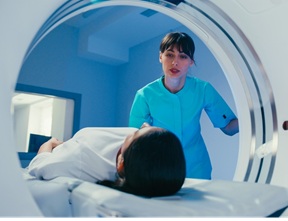
MRI. This test produces very clear images of the brain without using X-rays. MRI uses a large magnet, radio frequency, and a computer to produce these images. An MRI may be recommended if you have headaches daily or almost daily. It may also be recommended if a CT scan does not show definitive results. In addition, MRI scanning is used to evaluate certain parts of the brain that are not as easily visualized with CT scans, such as the spine at the neck level and the back of the brain.
Centrokinetic has a state-of-the-art MRI machine, dedicated to musculoskeletal conditions of the upper and lower limbs. The MRI machine is open, so people who suffer from claustrophobia can also undergo this investigation. The examination time is on average 20 minutes, and the patient receives the investigation result the day after the investigation.
Sinus X-ray. Although CT and MRI scans provide more detail, your doctor may use this test if your symptoms seem to indicate sinus problems.
Other examinations and tests:
After taking your medical history, the doctor will perform a complete physical and neurological exam. The doctor will look for signs and symptoms of an illness that could cause headaches, such as:
Neurological tests focus on ruling out diseases of the brain or nerves that can also cause headaches and migraines. The vast majority of headaches turn out to be benign in nature. Some of the tests look for a physical or structural abnormality in the brain that could cause unbearable headaches, such as:
Additional tests may be needed to look for other medical conditions that can cause severe headaches or migraines. These tests include:
There are two main branches of treatment for migraine. Acute treatments try to stop a headache, or reduce its severity or duration while it is happening. Preventive treatments try to avoid the occurrence of migraines. They also aim to reduce the frequency and severity of attacks. When the headache is ongoing, stopping or reducing the pain and other symptoms is of primary importance.
Lifestyle changes that could help reduce the frequency of migraines include:
There are natural ways to treat headaches at home, and adding certain foods to your diet can help. Some headaches are caused by inflammation. Anti-inflammatory agents are foods that will reduce inflammation in the body and improve circulation. These anti-inflammatory foods include:
Numerous medications are available for treating migraine, including analgesics. Over-the-counter medications, such as aspirin, ibuprofen, and acetaminophen, are often combined with caffeine to fight mild to moderate migraine episodes. The doctor may prescribe a stronger painkiller and headache pills, which are administered with caution.
Over-the-counter analgesics, such as paracetamol, aspirin, and ibuprofen, can help reduce their symptoms. They tend to be most effective if taken at the first signs of a migraine attack, so they have time to be absorbed and ease your symptoms. It is not recommended to wait until the headache worsens before taking analgesics, as it is often too late for the medication to work.
Tablets that you dissolve in a glass of water (soluble analgesics) are a good alternative because they are absorbed quickly by your body.
Doctors may also prescribe other medications. Examples include:
Triptans, a class of medications based on tryptamine, have proven quite effective in relieving migraine headache pain. Some herbal remedies appear to be effective in treating migraine.
Preventing migraine starts with avoiding triggers. There are several medications and supplements that help prevent migraine attacks, including:
Many supplements can be purchased online, including vitamin B-12. Before buying, make sure it is safe to take these supplements alongside other medications.
Try to avoid trigger factors:
Migraine prevention aims to reduce the frequency, suffering, and disability associated with migraine attacks. Paying attention to your diet is one of the best defenses against migraines. You must establish a daily routine with regular sleep patterns and regular meals, incorporate foods that help prevent headaches into your diet, and eliminate foods that are migraine triggers.
Natural foods that do not contain preservatives or artificial flavors are a good choice when it comes to changing your diet. Vitamin B-2 or riboflavin can help decrease the frequency of migraines. Vitamin B-2 can be found in animal products, such as salmon and red meat. It is also present in cereals and mushrooms.
Regular exercise can reduce the frequency and intensity of headaches and migraines. When you exercise, your body releases endorphins, which are the body's natural painkillers. Exercise reduces stress and helps people sleep at night. Stress and inadequate sleep are two migraine triggers.
At Centrokinetic, the best doctors and therapists are available to help with any problem, from the initial consultation and complete investigations within the clinic, to treatment and complete medical recovery for spinal, traumatic, or post-surgical conditions.
Find out the latest news about us by following the Centrokinetic clinic's Facebook and YouTube accounts.
See details
READ MORESee details
READ MORESee details
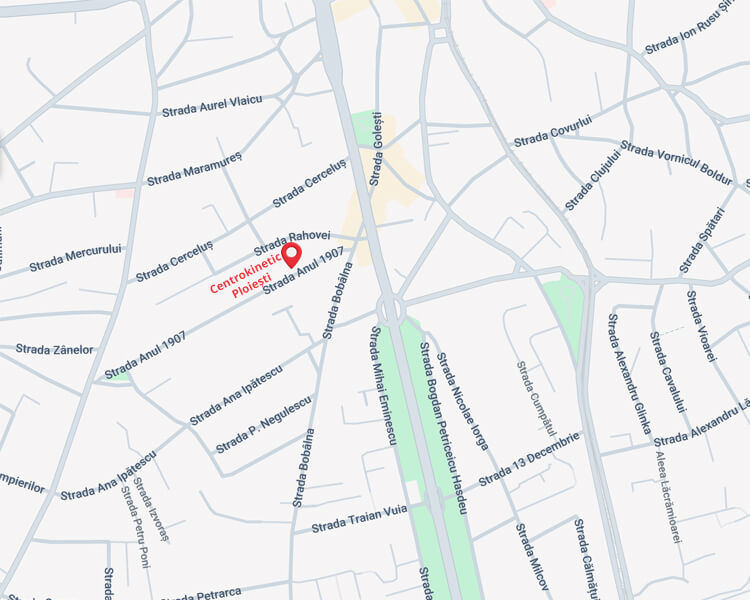
READ MORESee here how you can make an appointment and the location of our clinics.








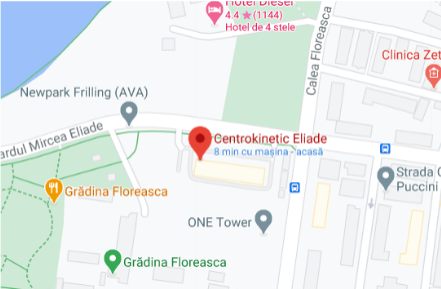
CENTROKINETIC FLOREASCA
Bucharest, 1st District,
Mircea Eliade Street, no. 18,
Eliade Tower, Entrance A, Floor 3
| Navigation | Explore 3D |
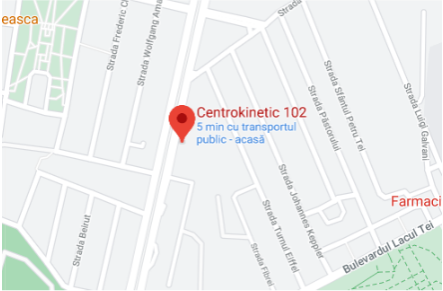
CENTROKINETIC Barbu Vacarescu
Bucharest, 2nd District,
Barbu Vacarescu Street, no. 102,
102 The Address, ground floor.
| Navigation | Explore 3D |
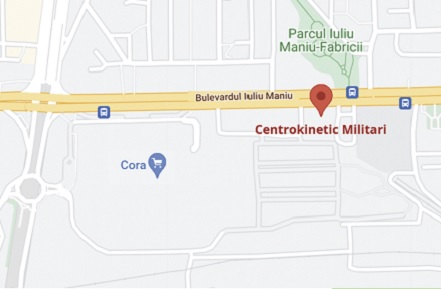
CENTROKINETIC MILITARI
Bucuresti, Sector 6,
Bld. Iuliu Maniu, nr. 15G,
Cladirea PBT, etaj 3.
| Navigation |
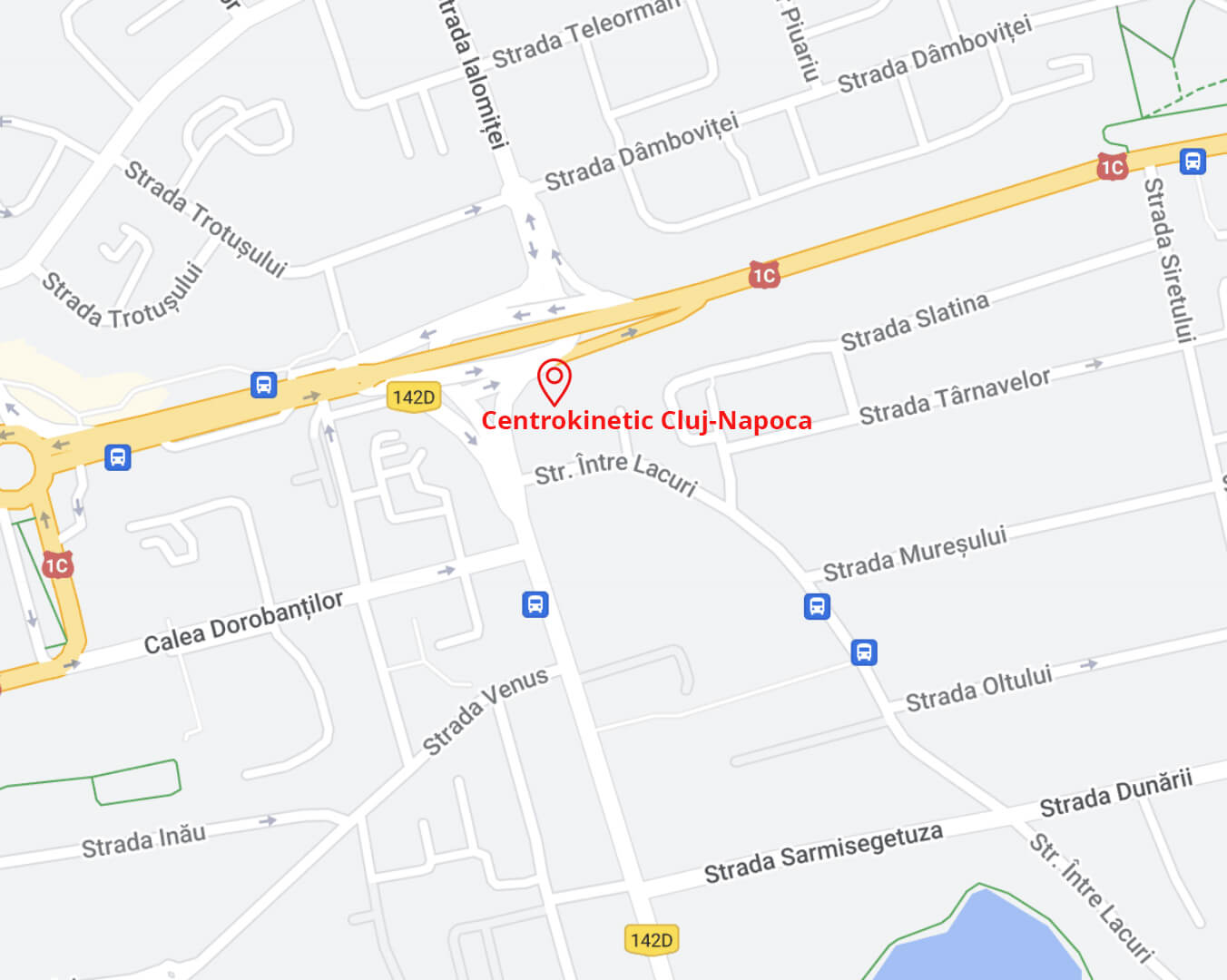
CENTROKINETIC CLUJ-NAPOCA
Cluj-Napoca,
Str. Intre Lacuri, nr.1
Intrarea este in spatele cladirii.
| Navigation |
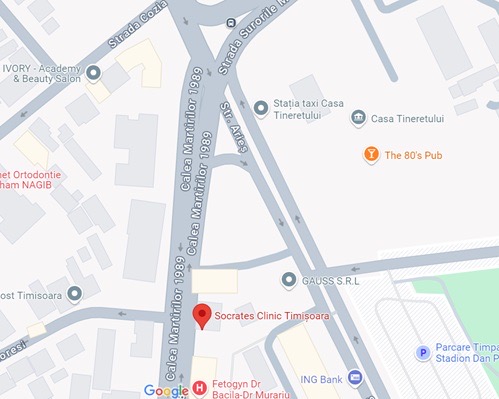
SOCRATES CLINIC TIMISOARA
Timisoara, Calea Martirilor 1989,
nr. 1.
Telefon: 0371 785 374.
| Navigation |
Phone: 0319693
E-mail: programari@centrokinetic.ro
Operating hours:
Monday – Friday: 07:00 – 21:00
Saturday: 09:00 – 14:00
Sunday: closed.
MAKE AN APPOINTMENT