MRI Results Show Changes But No Symptoms: Should I Worry?


An MRI (Magnetic Resonance Imaging) is a detailed imaging investigation that shows the internal structures of the body: brain, spine, joints, muscles. Sometimes the result mentions "degenerative changes," "disc protrusions," or "minor lesions," even though you have no pain, numbness, or limited movement.
This situation is common. In most cases, incidentally discovered changes do not indicate an active condition and do not require immediate treatment. However, correct interpretation helps you avoid both unnecessary worry and ignoring signs that might need monitoring.
What Do "Changes" on an MRI Result Mean?
MRI detects fine differences between tissues. Modern equipment captures even small changes that produce no symptoms and do not affect the function of the investigated area. Doctors call these findings "incidental" — meaning they appear by chance, without a direct connection to a clinical problem. For example:
- an intervertebral disc may show a mild protrusion without compressing a nerve;
- a meniscus may have a small tear without pain or joint locking;
- small white matter lesions may appear in the brain, common after age 40, without neurological impact.
It's important to distinguish between:
- imaging change (what the machine sees);
- active disease (what produces symptoms and affects function).
Not every image that differs from the "ideal normal" means a pathology that requires treatment.
Common Examples from MRI Reports and What They Indicate
Many patients worry because of the medical terms in the report. Here are some frequently encountered phrases and their usual interpretation:
- "minor disc protrusions" — mild bulging of the discs between the vertebrae; common even in people without lower back pain;
- "early degenerative changes" — signs of natural wear of the joints or spine;
- "simple cyst" — a fluid-filled, benign formation, usually stable;
- "nerve root contact without compression" — the disc touches the nerve root but does not compress it;
- "nonspecific lesions" — small areas that do not indicate a specific disease.
For example, many patients discover lumbar protrusions on MRI even though they have never had episodes of pain. If you want to better understand how back pain occurs and how it manifests, you can read more about lower back pain and its causes.
How Common Are MRI Changes Without Symptoms?
These situations are common:
- many adults over the age of 40 have degenerative changes in the spine without pain;
- approximately 30-50% of people without symptoms may have visible hernias or protrusions on MRI;
- in the knee, degenerative meniscal tears frequently occur in active people, without locking or instability.
In amateur or performance athletes, structural changes sometimes appear as adaptations to repetitive strain. For example, a runner may have minor changes in the knee without experiencing functional limitations.
When Should You See a Doctor Quickly?
The image alone is not enough to establish the severity of a condition. However, there are situations where rapid evaluation is recommended:
- muscle weakness that appears suddenly;
- loss of sensation or persistent numbness;
- gait or balance disturbances;
- intense pain that does not respond to simple measures;
- sphincter control disturbances.
Also, if the report mentions:
- evident nerve compression,
- mass effect,
- extensive inflammation or suspicious lesions,
do not delay the consultation.
The absence of symptoms most often suggests a stable condition. However, a proper evaluation confirms this and gives you a clear monitoring plan.
Why Does Clinical Evaluation Matter, Not Just the Image?
The radiologist describes what they observe on the images. The specialist physician — orthopedist, neurologist, or rehabilitation doctor — determines whether that change explains your symptoms or not.
The clinical examination includes:
- testing muscle strength,
- evaluating reflexes,
- measuring mobility,
- identifying painful areas.
This step brings clear benefits, namely it allows:
- avoiding unnecessary interventions;
- early identification of real problems;
- timely intervention, when necessary;
- establishing a personalized plan.
Spine MRI: Hernias and Protrusions Without Pain
The spine is one of the most frequently investigated areas. Many active adults discover hernias or protrusions without ever having had pain. A hernia becomes relevant if it:
- compresses the nerve root;
- produces pain that radiates down the leg;
- causes muscle weakness.
If the report mentions "protrusion without radicular conflict," and you move normally without discomfort, the doctor may recommend only monitoring and maintenance exercises.
In such situations, a tailored kinesiotherapy program can support spine stability and prevent painful episodes. Early intervention through correct exercises reduces the risk of worsening and improves muscle control.
What Steps Should You Follow After an MRI Result With Changes?
Review the report without rushing
Note down terms you don't understand. Avoid jumping to conclusions.
Schedule a consultation
Choose the specialist appropriate to the investigated area. A correct evaluation provides clarity and reduces uncertainty.
Correlate the result with your symptoms
Ask yourself:
- Do I have pain?
- Do I have functional limitations?
- Has my athletic performance changed?
Even the absence of symptoms is useful information for the doctor.
Discuss monitoring or treatment
The doctor may recommend:
- periodic monitoring;
- specific exercises;
- physiotherapy sessions to control inflammation.
For optimal results, therapy must be tailored to your situation. Find out what physio-kinesiotherapy means and how it combines active and passive techniques in recovery.
The Role of Early Intervention and a Personalized Approach
Even if you have no symptoms, some changes can benefit from preventive measures. For example:
- strengthening the paravertebral muscles;
- correcting postural imbalances;
- adjusting the training program.
A personalized plan reduces the risk of overload and helps maintain mobility in the long term.
Depending on the case, the doctor may recommend physiotherapy sessions to control inflammation or reduce muscle tension.
In certain situations, modern technologies such as TECAR therapy can accelerate natural tissue regeneration processes and reduce local discomfort. The Centrokinetic medical team analyzes each case individually. There is no universal protocol. The right solution depends on age, activity level, medical history, and your goals.
The Opposite Situation: I Have Symptoms, But the MRI Is Normal
Sometimes patients have pain, but the MRI shows no relevant changes. This does not mean the pain is not real. MRI captures structure, not always function. Muscle spasms, biomechanical dysfunctions, or overload can cause pain without visible changes.
In these cases:
- detailed clinical evaluation becomes a priority;
- treatment is based on symptoms and functionality;
- rehabilitation programs aim to restore muscle control.
It's important not to ignore symptoms, even if the investigation is normal.
Key Takeaways
Changes on an MRI without associated symptoms occur frequently, especially in active adults and athletes. In most cases, they do not indicate a condition requiring immediate intervention.
A correct evaluation:
- clarifies whether the change has clinical relevance;
- prevents unnecessary treatments;
- allows for timely intervention when needed;
- establishes a personalized plan.
If you received an MRI result and don't know what it means for you, choose a complete evaluation performed by an experienced medical team. Book your appointment now at Centrokinetic for a specialist consultation.
Frequently Asked Questions About MRI Results
Is a disc herniation without pain common?
Yes. Many people have hernias or protrusions discovered incidentally, without symptoms. A hernia becomes relevant only if it produces nerve compression and clinical manifestations.
Do I need to repeat the MRI if I have no symptoms?
Not always. The doctor decides the monitoring interval based on the type of change. Some lesions remain stable for a long time and do not require frequent checks.
Can I do sports if I have changes on my MRI?
In most cases, yes. Adapted physical activity helps maintain mobility and muscle strength. Discuss with your doctor about possible adjustments to your training.
Are there risks if I completely ignore the result?
Ignoring it without an evaluation is not recommended. Even if the changes are benign, a consultation confirms this and gives you clear prevention guidance.
Disclaimer: This article is for informational purposes only and does not replace medical consultation. If you have an MRI result and don't know how to interpret it, schedule a specialist evaluation.
Sources:
- "MRI Scan." Nhs.Uk, 8 June 2026. Accessed July 7, 2026.
- Jensen MC;Brant-Zawadzki MN;Obuchowski N;Modic MT;Malkasian D;Ross JS. "Magnetic Resonance Imaging of the Lumbar Spine in People without Back Pain." The New England Journal of Medicine, vol. 331, no. 2, 2026, 10.1056/NEJM199407143310201. Accessed July 7, 2026.
- "The Spine and MRI Scanning." Spinesurgeons.Ac.Uk, 2026. Accessed July 7, 2026.
BUCHAREST TEAM

































































CLUJ NAPOCA TEAM


































BRASOV TEAM























MAKE AN APPOINTMENT
FOR AN EXAMINATION
See here how you can make an appointment and the location of our clinics.
MAKE AN APPOINTMENT
Asiguratori privati





Parteneriate


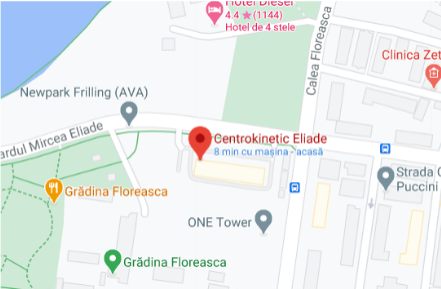
CENTROKINETIC FLOREASCA
Bucharest, 1st District,
Mircea Eliade Street, no. 18,
Eliade Tower, Entrance A, Floor 3
| Navigation | Explore 3D |
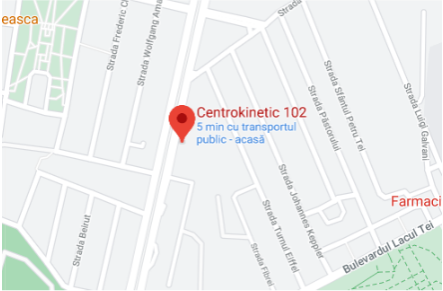
CENTROKINETIC Barbu Vacarescu
Bucharest, 2nd District,
Barbu Vacarescu Street, no. 102,
102 The Address, ground floor.
| Navigation | Explore 3D |
CENTROKINETIC MILITARI
Bucuresti, Sector 6,
Bld. Iuliu Maniu, nr. 15G,
Cladirea PBT, etaj 3.
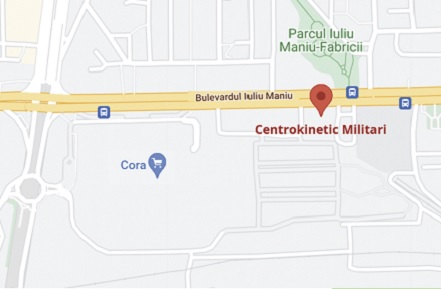
| Navigation |
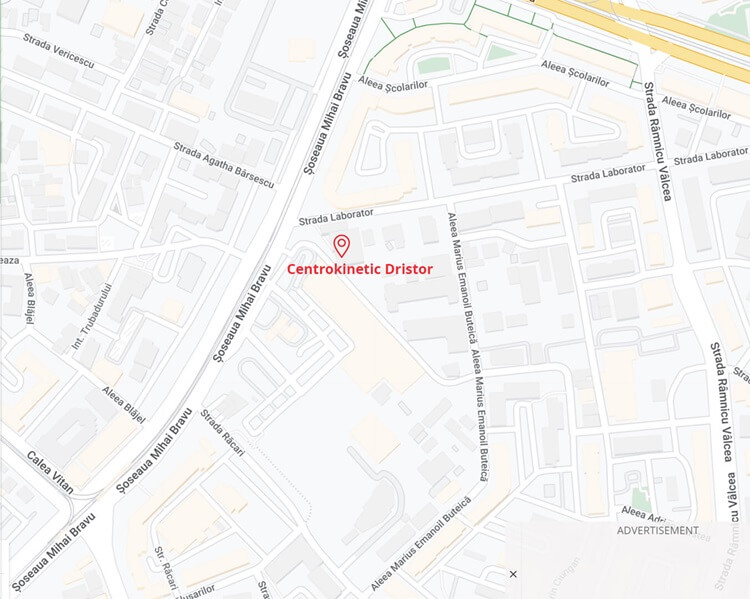
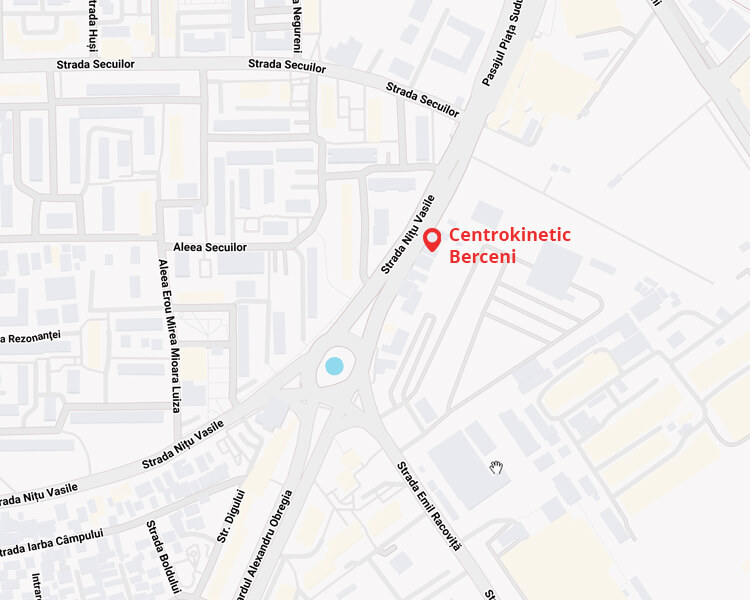
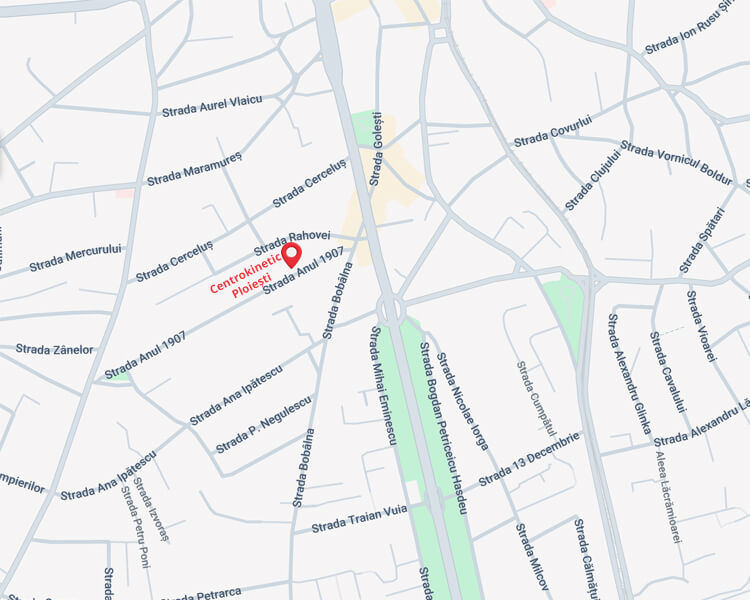
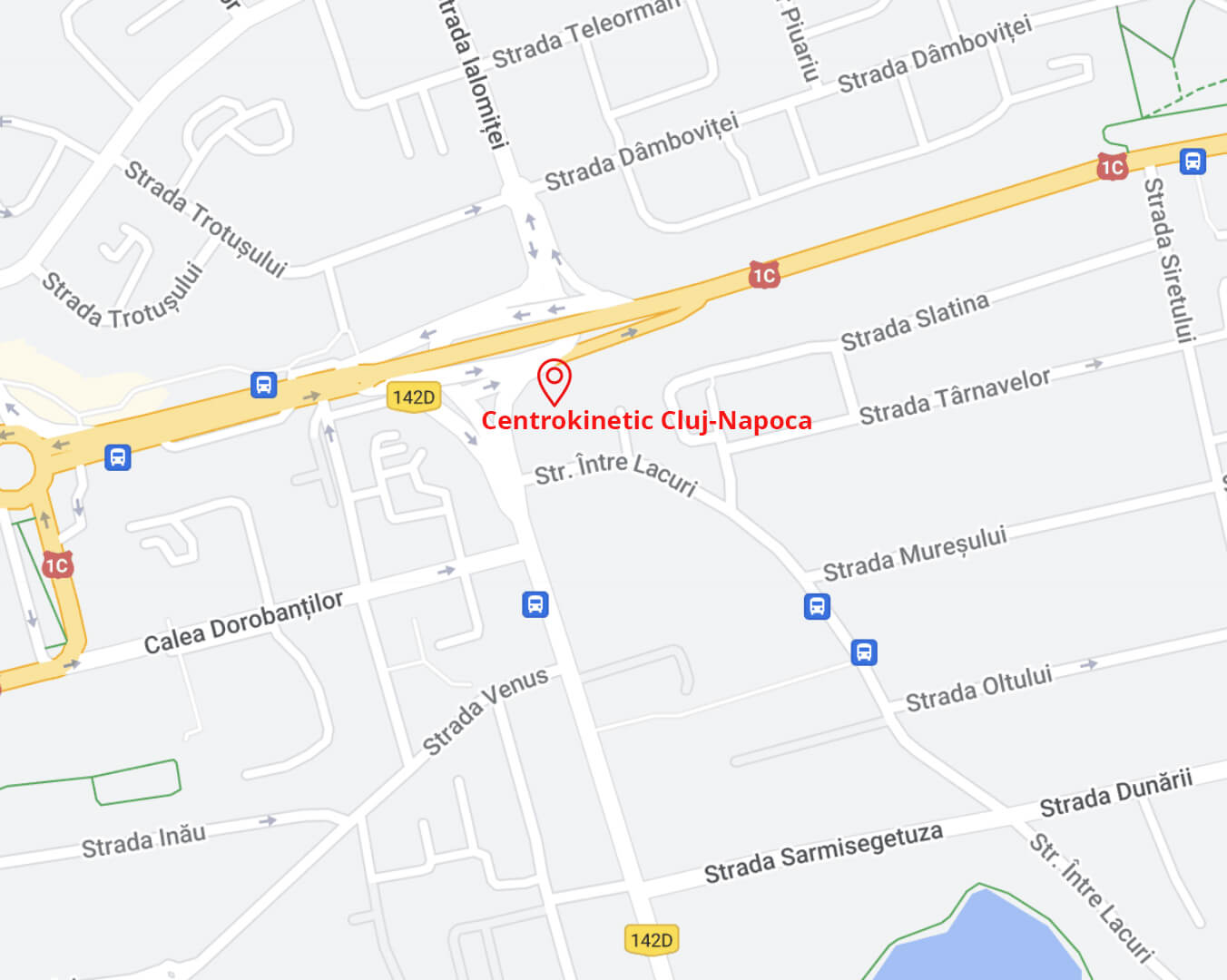
CENTROKINETIC CLUJ-NAPOCA
Cluj-Napoca,
Str. Intre Lacuri, nr.1
Intrarea este in spatele cladirii.
| Navigation |
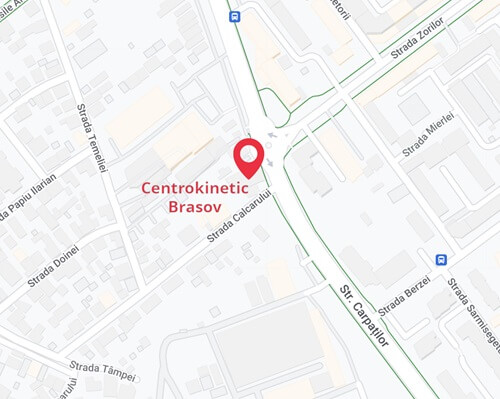
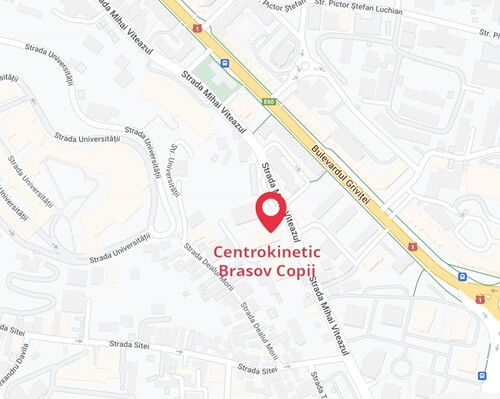
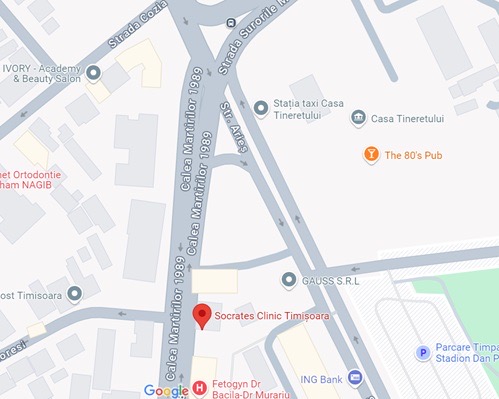
SOCRATES CLINIC TIMISOARA
Timisoara, Calea Martirilor 1989,
nr. 1.
Telefon: 0371 785 374.
| Navigation |
CONTACT
Phone: 0319693
E-mail: programari@centrokinetic.ro
Operating hours:
Monday – Friday: 07:00 – 21:00
Saturday: 09:00 – 14:00
Sunday: closed.
MAKE AN APPOINTMENT