How Does Multidisciplinary Pediatric Rehabilitation Work at Centrokinetic?


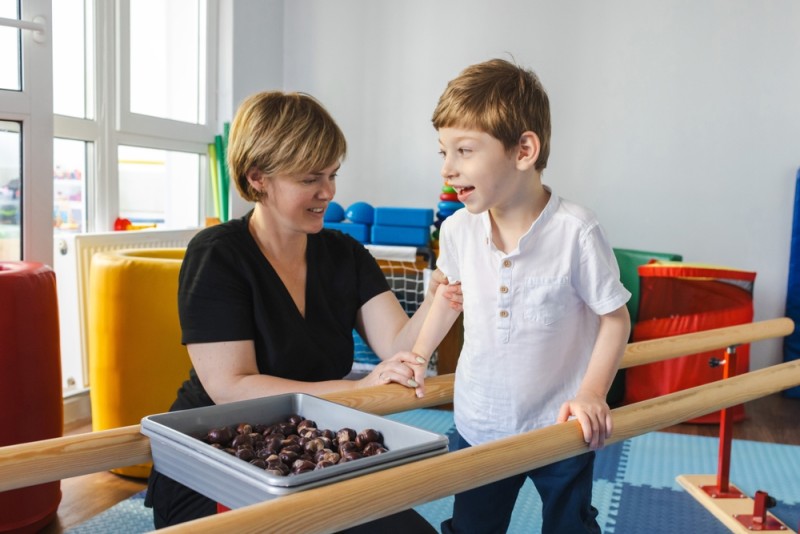 How Does Multidisciplinary Pediatric Rehabilitation Work at Centrokinetic?
Multidisciplinary pediatric rehabilitation means the coordinated collaboration of several medical specialists to support the child's proper development. It is not a succession of isolated sessions, but a coherent plan, built on the basis of a complete evaluation and permanently adapted according to progress.
If you are a parent and notice developmental delays, posture problems, or walking difficulties, it is normal to look for clear answers. You need a correct diagnosis, a well-structured plan, and a team that communicates effectively. At Centrokinetic, pediatric rehabilitation follows this integrated model, based on recommendations from international guidelines and on practical experience accumulated in thousands of cases. Here are more details!
What exactly does multidisciplinary pediatric rehabilitation involve?
Multidisciplinary pediatric rehabilitation brings together doctors and therapists from different specialties, who jointly establish the direction of treatment. They all work toward the same objective: increasing the level of autonomy and improving motor, neurological and, if applicable, language function. In practice, the team can include:
- a pediatric orthopedic doctor;
- a pediatric neurologist;
- a medical rehabilitation doctor;
- a physical therapist specialized in pediatrics;
- a speech therapist;
- a psychologist.
Each specialist evaluates the child from the perspective of their own area of competence, and then the information is centralized. The final plan does not belong to a single doctor, but to the entire team. Studies show that the multidisciplinary approach in pediatrics increases the effectiveness of interventions and improves long-term functional outcomes, especially in neuromotor and orthopedic conditions. This approach reduces the risk of fragmented treatments and contradictory recommendations.
At Centrokinetic, you can access complete pediatric rehabilitation services in one place. This way, you avoid traveling between different clinics and losing time between appointments.
Why is physical therapy not always enough?
Physical therapy is an important component in children's rehabilitation. However, in many situations, it is not enough. For example:
- A child with scoliosis needs an orthopedic evaluation, Cobb angle measurement, and radiological monitoring, not just exercises.
- A child with delayed walking may have an associated neurological problem, which requires a specialist consultation.
- A child with cerebral palsy may also present language disorders, which require speech therapy.
Neuromotor disorders in children frequently have multiple causes and require an interdisciplinary evaluation for optimal results. Without a complete analysis, only the visible effect is treated. A correct evaluation identifies the underlying mechanism and allows targeted treatment.
Early intervention has a major influence on the prognosis. Research has shown that therapies started in the first years of life stimulate neuroplasticity – the brain's ability to create new connections – and increase the chances of functional progress. Do not postpone the evaluation if you have doubts.
The first step: the complete medical evaluation 
Any rehabilitation program begins with a detailed evaluation. The doctor discusses the history of the pregnancy and birth, the APGAR score, any complications, episodes of hypoxia, or prematurity. This data can guide the diagnosis. The clinical examination includes:
- analysis of muscle tone (hypotonia or hypertonia);
- evaluation of primitive and postural reflexes;
- testing joint mobility;
- analysis of spinal alignment;
- checking motor development milestones.
In certain cases, the team recommends additional investigations. For example:
- gait analysis to identify asymmetries;
- surface EMG to evaluate muscle activity;
- a thyroid ultrasound or other tests, in the case of growth and development disorders.
For infants at neurological risk, specialists can use the general movements assessment (the Prechtl method). Studies show that this method has high accuracy in the early identification of cerebral palsy risk. A correct evaluation brings clear benefits:
- it establishes a precise diagnosis;
- it avoids unnecessary therapies;
- it reduces the risk of complications;
- it allows realistic objectives to be set.
After the consultation, the doctor explains the results and recommendations. Ask questions and request clarifications. Understanding the plan helps you get actively involved.
How is the personalized treatment plan built at Centrokinetic?
The treatment plan does not follow a fixed template. The Centrokinetic team adapts it depending on:
- the child's age;
- the severity of the condition;
- the current level of development;
- any associated conditions.
The objectives are established in stages. In the short term, the aim is to reduce discomfort, increase mobility, and improve postural control. In the medium term, the child develops strength and coordination. In the long term, the aim is autonomy and the prevention of recurrences.
Therapeutic combinations can include:
- physical therapy + Vojta or Bobath therapy for neuromotor disorders;
- physical therapy + a specific program for scoliosis;
- physical therapy + speech therapy for language disorders;
- neurological rehabilitation coordinated by a specialist.
The frequency of the sessions varies. Some cases require 3–5 sessions per week, others 1 or 2. The doctor adjusts the program depending on the response to therapy. Reevaluations at 4–6 weeks allow the plan to be modified. If progress is rapid, the intensity can gradually decrease. If the evolution is slow, the team looks for explanations and adapts the techniques.
The role of each specialist in the Centrokinetic team
Understanding the roles of each specialist helps you see the complete picture.
The pediatric orthopedic doctor
The orthopedist diagnoses and monitors conditions of the locomotor system: scoliosis, kyphosis, hip dysplasia, genu valgum or varum. The specialist determines whether the treatment remains conservative or whether surgery is necessary. Regular monitoring prevents the worsening of deformities during the growth period.
The pediatric neurologist
The neurologist evaluates the development of the nervous system and identifies disorders such as cerebral palsy, epilepsy, or genetic neuromuscular conditions. They coordinate the plan for complex cases and recommend additional investigations when needed.
The medical rehabilitation doctor
This doctor correlates the diagnosis with the therapy program. In addition, they establish the objectives, monitor the evolution, and stay in contact with the other members of the team. This is the person who explains the therapeutic path to you and adjusts the direction when changes occur.
The physical therapist
The physical therapist applies the specific exercises and techniques. The specialist works directly with the child and adapts the session to their condition and needs. In addition, the physical therapist teaches you exercises for home and shows you how to perform them correctly. Your involvement consolidates the results obtained in the office.
The speech therapist and the psychologist
The speech therapist intervenes in pronunciation disorders, language delays, or communication difficulties. Early intervention reduces the risk of school integration problems. The psychologist supports the child and the family in managing the emotions associated with the diagnosis and therapy. Emotional support sustains adherence to treatment.
Which conditions can benefit from a multidisciplinary approach
Multidisciplinary rehabilitation applies to a wide spectrum of situations.
Neuromotor disorders
Delays in walking, coordination difficulties, or altered muscle tone require prompt evaluation. Cerebral palsy benefits from intensive therapy and constant monitoring. Early interventions improve the level of functional independence in children with neurological conditions.
In the case of genetic conditions, such as spinal muscular atrophy, the plan must be permanently adapted.
Orthopedic conditions
Idiopathic scoliosis affects approximately 2–3% of children, according to current data. Monitoring and specific exercises can limit the progression of the curvature. Hip dysplasia, flat feet, or limb length differences require an orthopedic evaluation and a personalized program.
Post-traumatic rehabilitation
Fractures, sprains, or orthopedic surgical procedures require a carefully dosed rehabilitation plan. Without adequate therapy, stiffness or decreased muscle strength can occur.
How does a rehabilitation session at Centrokinetic unfold?
The therapist begins by checking the child's condition and any recently appeared symptoms. For small children, the exercises are integrated into playful activities. Play facilitates cooperation and reduces anxiety. For older children, the exercises are clearly explained and adapted to their level of understanding.
The parent participates actively. They observe the techniques and learn the exercises for home. Daily continuity sustains the results obtained in the office. Minor discomfort can occur with certain techniques, but intense pain is not a goal of the therapy. Communicate any unusual reaction.
Monitoring progress
The team tracks the evolution through standardized tests and periodic evaluations.
The following are measured:
- muscle strength;
- balance and coordination;
- range of motion;
- spinal alignment.
Do not compare your child with other children. Each one develops at their own pace.
The structure of the rehabilitation process at Centrokinetic, in short
| Stage | Responsible | Specific Objective | Expected Result |
|---|---|---|---|
| Primary evaluation | Doctor (Orthopedist / Neurologist) | Clinical diagnosis and identification of the underlying cause. | Establishing the starting point and the need for investigations (e.g. EMG, Ultrasound). |
| Interdisciplinary synthesis | The multidisciplinary team | Corroborating the information from all the specialists involved. | Creating a unified treatment plan, without contradictory recommendations. |
| Therapeutic intervention | Physical therapist / Speech therapist / Psychologist | Applying specific techniques (Vojta, Bobath, language therapies). | Improving strength, coordination, mobility, or communication. |
| Monitoring & adaptation | Rehabilitation doctor | Periodic reevaluation (every 4-6 weeks). | Adjusting the intensity or techniques according to the child's progress. |
| Family training | The entire team | Transferring knowledge to parents for home. | Continuity of therapy in the family environment and consolidation of results. |
Frequently asked questions
At what age can pediatric rehabilitation begin?
Rehabilitation can begin in the first months of life, if risk factors exist. Early evaluation increases the chances of functional progress. If you have suspicions related to development, request a consultation without waiting for the symptoms to worsen.
How long does a rehabilitation program last?
The duration varies depending on the diagnosis and objectives. Some conditions require a few weeks, others months or years of monitoring. The doctor establishes the stages and periodically reevaluates the progress.
Is parental involvement necessary?
Yes. The exercises performed at home consolidate the progress achieved in the sessions. The therapist shows you the correct techniques and explains the recommended frequency.
Multidisciplinary pediatric rehabilitation means correct evaluation, early intervention, and real collaboration between specialists. Choosing a team with experience and a personalized approach offers your child the best conditions for development.
Book an appointment now for a specialist consultation at Centrokinetic!
Sources:
- Chang, Min Cheol. "Pediatric Physical Medicine and Rehabilitation." Children, vol. 9, no. 7, 25 June 2022, p. 954, 10.3390/children9070954. Accessed 27 Apr. 2026.
- Bosques, Glendaliz, et al. "Pediatric Rehabilitation" Pediatric Clinics of North America, vol. 70, no. 3, June 2023, pp. 371–384, 10.1016/j.pcl.2023.01.001. Accessed 27 Apr. 2026.
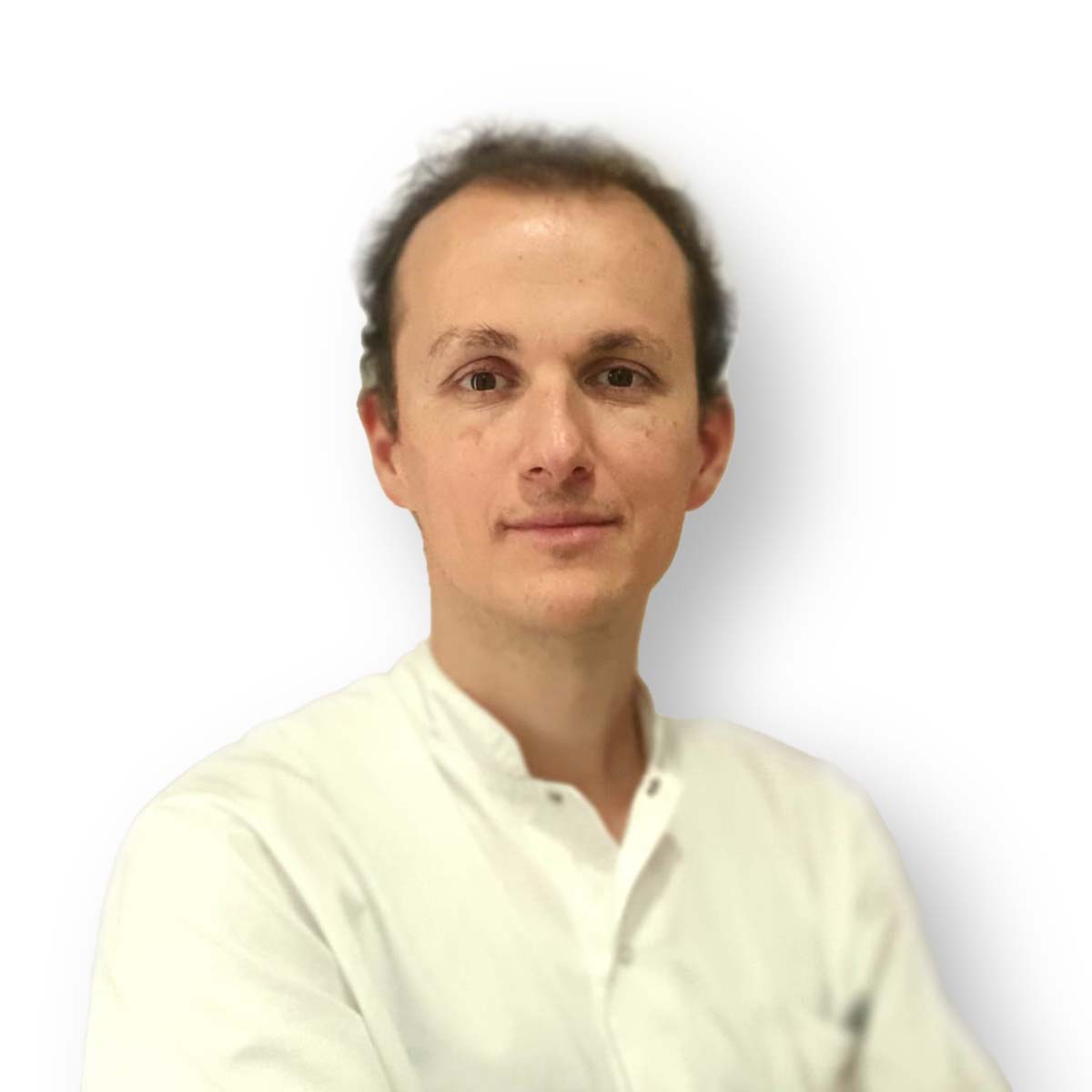
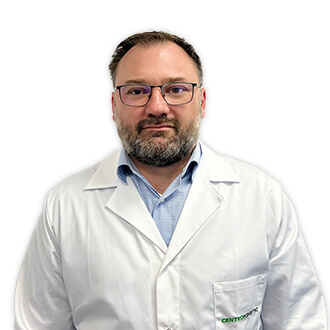
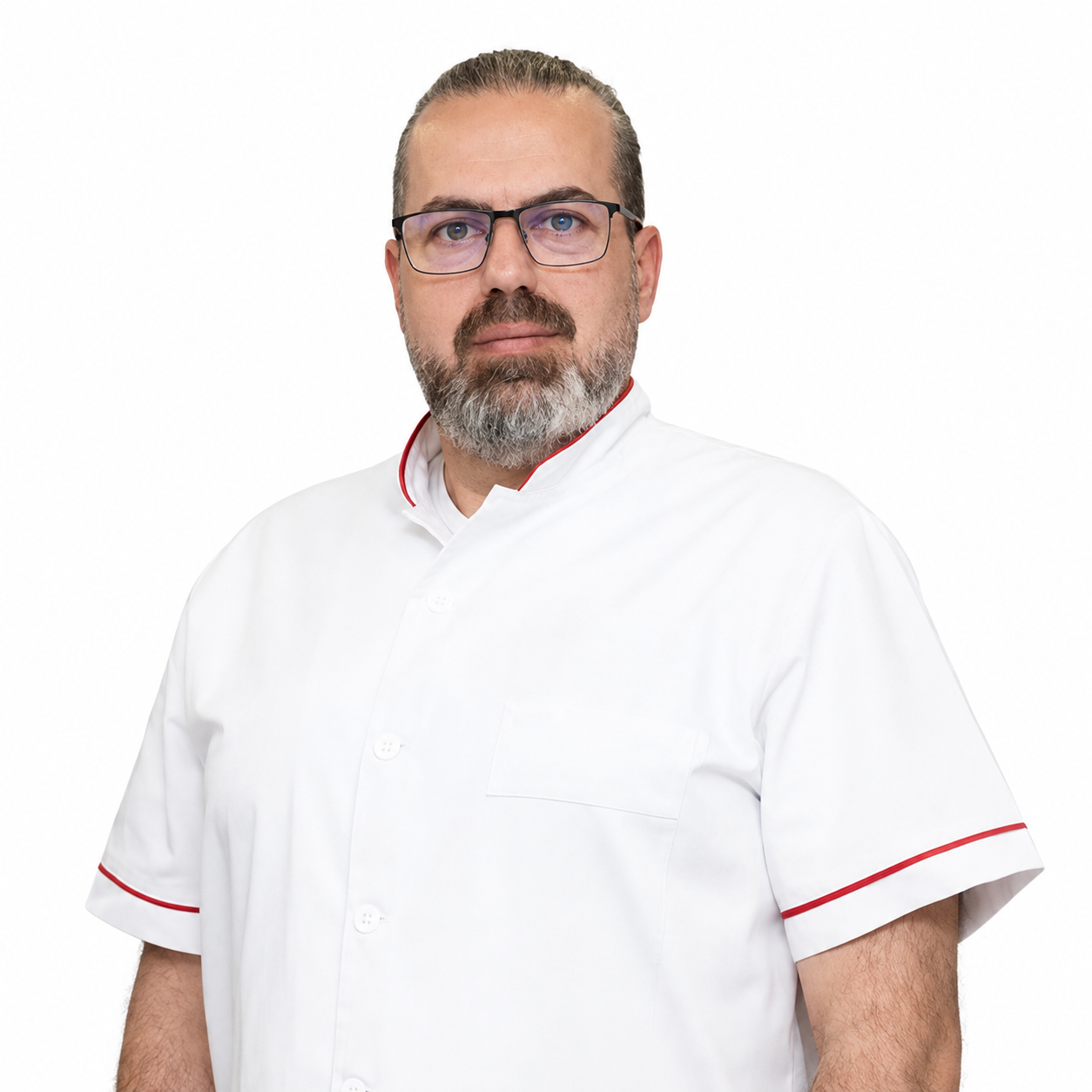
BUCHAREST TEAM
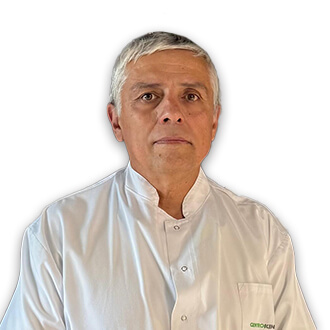
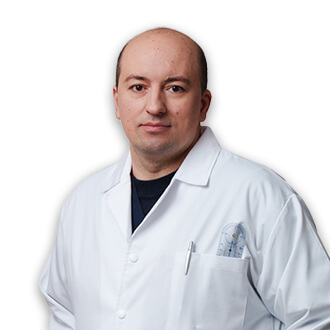

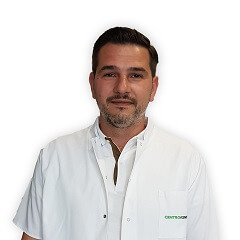
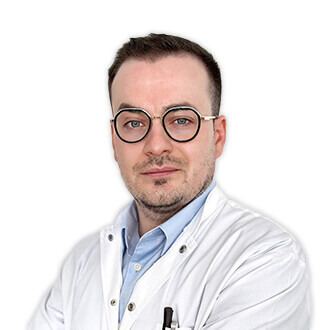





















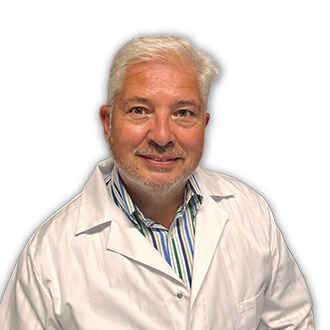
CLUJ NAPOCA TEAM










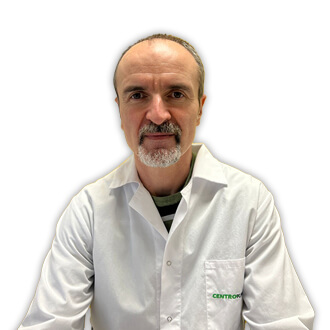
BRASOV TEAM







MAKE AN APPOINTMENT
FOR AN EXAMINATION
See here how you can make an appointment and the location of our clinics.
MAKE AN APPOINTMENT
Asiguratori privati




Parteneriate


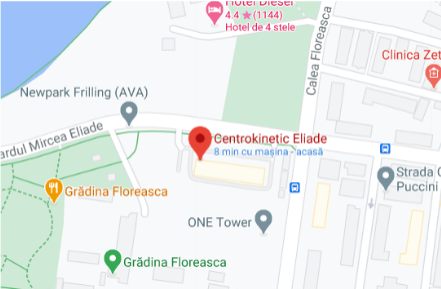
CENTROKINETIC FLOREASCA
Bucharest, 1st District,
Mircea Eliade Street, no. 18,
Eliade Tower, Entrance A, Floor 3
| Navigation | Explore 3D |
CENTROKINETIC Barbu Vacarescu
Bucharest, 2nd District,
Barbu Vacarescu Street, no. 102,
102 The Address, ground floor.
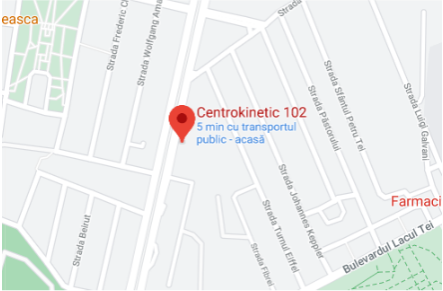
| Navigation | Explore 3D |
CENTROKINETIC MILITARI
Bucuresti, Sector 6,
Bld. Iuliu Maniu, nr. 15G,
Cladirea PBT, etaj 3.
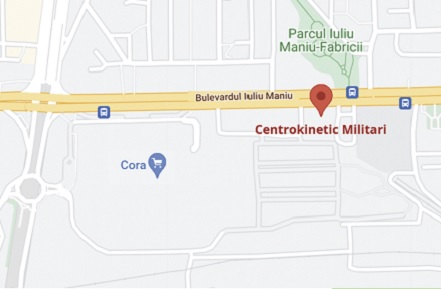
| Navigation |
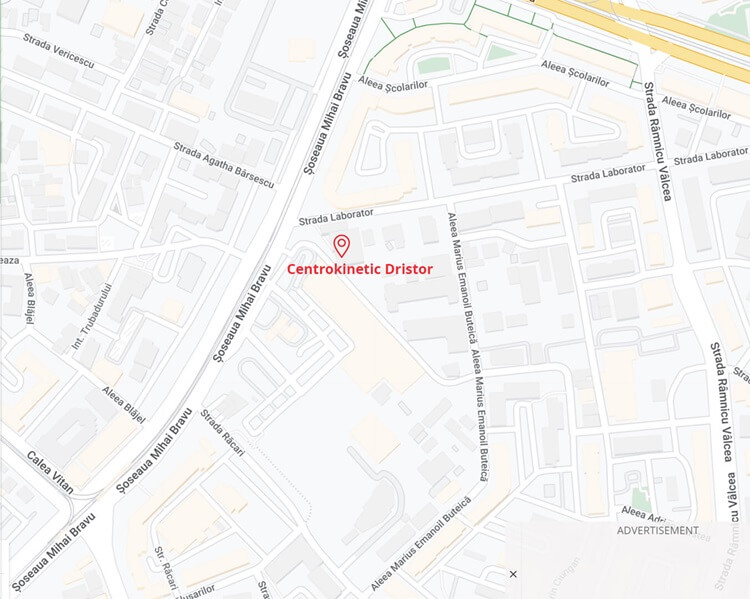
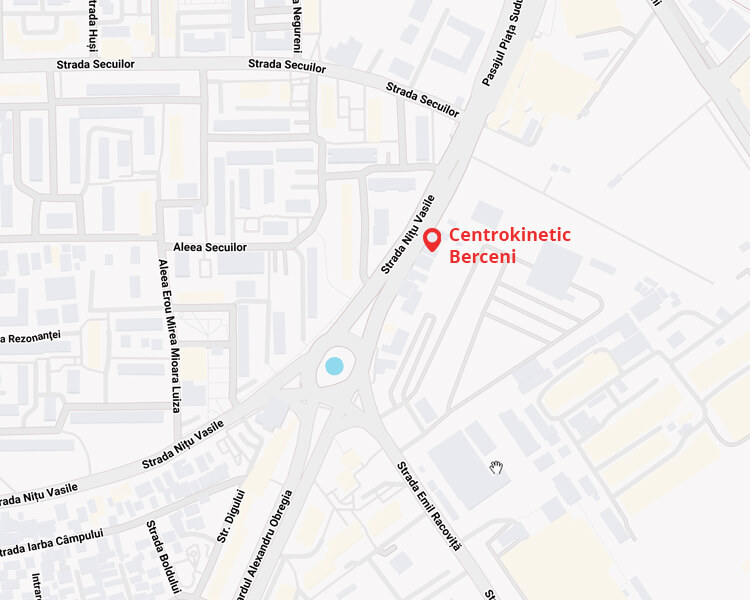
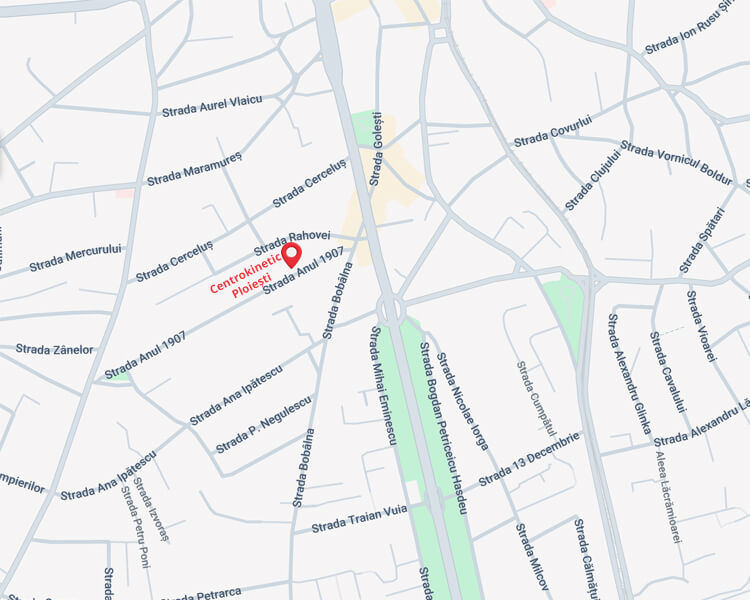
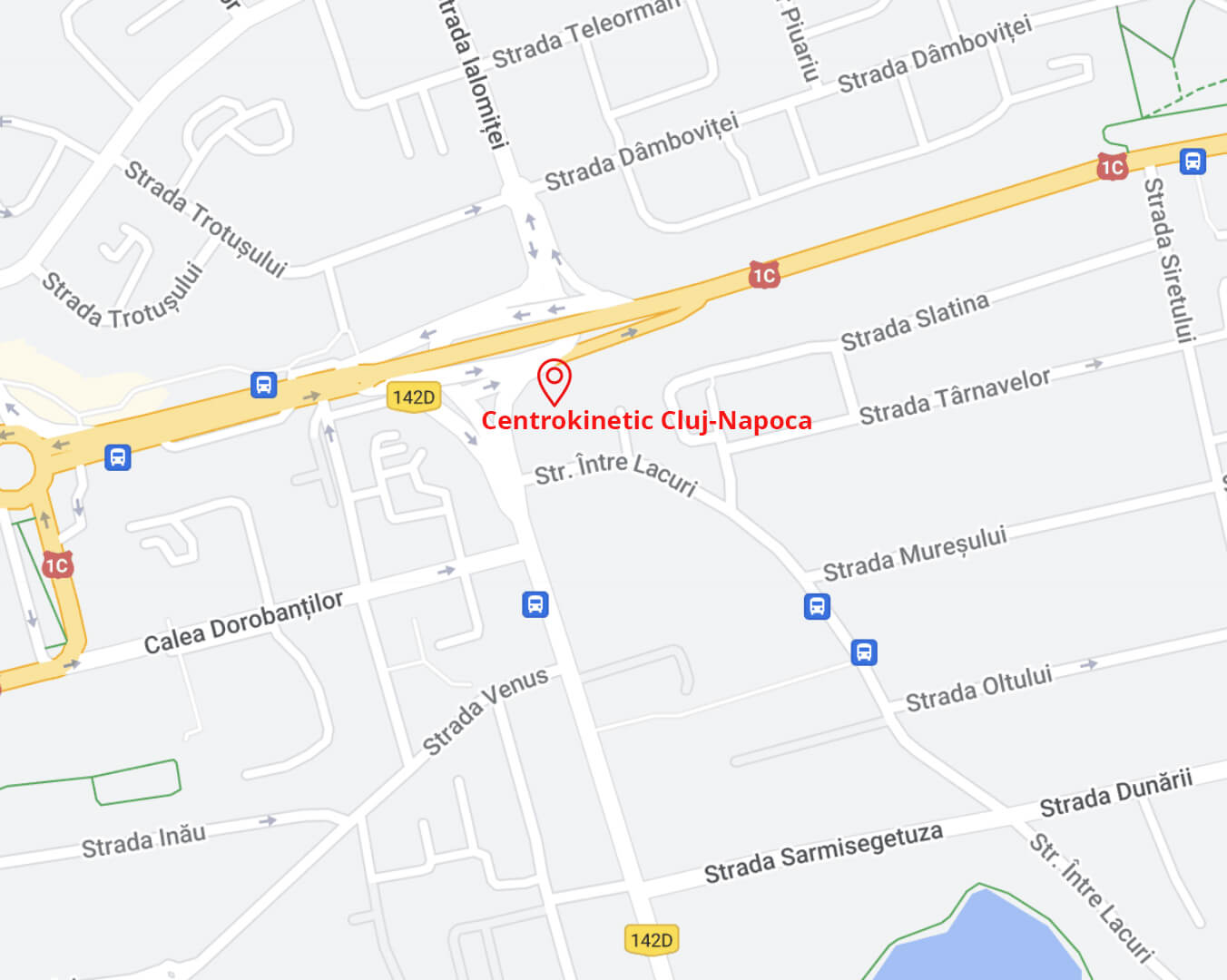
CENTROKINETIC CLUJ-NAPOCA
Cluj-Napoca,
Str. Intre Lacuri, nr.1
Intrarea este in spatele cladirii.
| Navigation |
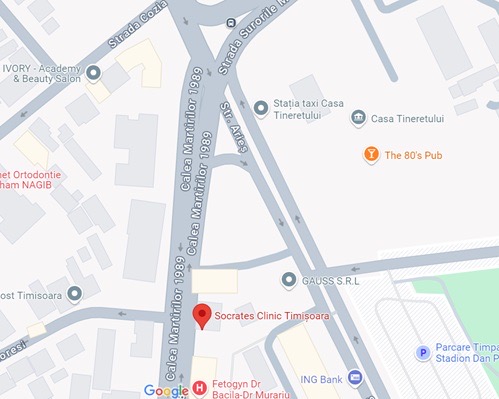
SOCRATES CLINIC TIMISOARA
Timisoara, Calea Martirilor 1989,
nr. 1.
Telefon: 0371 785 374.
| Navigation |
CONTACT
Phone: 0319693
E-mail: programari@centrokinetic.ro
Operating hours:
Monday – Friday: 07:00 – 21:00
Saturday: 09:00 – 14:00
Sunday: closed.
MAKE AN APPOINTMENT