Muscle strain: symptoms, prevention, and recovery


.jpg)
A muscle strain is an injury to a muscle or a tendon - the fibrous tissue that connects muscles to bones. Muscle strain usually occurs as a result of excessive or improper use of a muscle. Strains can affect any muscle, but they are most commonly found in the lower back, the neck, the shoulder, and the thigh. Read on for more details about muscle strain: what it is, what causes it, how it manifests, how it is diagnosed, how you can treat it, and how you can prevent it.
- What is muscle strain?
- Muscle anatomy and physiology
- Types of muscle strain
- Causes of muscle strain
- Symptoms and recognition of muscle strain
- Diagnosis of muscle strain
- Treatment and recovery from muscle strain
- Preventing muscle strains
What is muscle strain?
Muscle strain is an injury that usually occurs for two reasons: either the muscle was stretched beyond its limits, or it was forced to contract too strongly. In mild cases, only a few muscle fibers are stretched or torn, and the muscle remains intact and strong. In severe cases, however, the affected muscle can be torn and can no longer function properly.

Muscle strain is a common problem faced by those who practice various sports and physical activities. This happens either because of overuse of the same muscle or the same muscle groups, or because of a lack of warm-up or performing physical exercises too quickly. Almost all types of sporting activity carry a certain risk of muscle strains, but these injuries tend to occur most often among those who play soccer, for example, and in sports that require quick starts, such as basketball and tennis.
Muscle anatomy and physiology
Muscle is a group of muscle tissues that contract together to produce force. It is made up of muscle cell fibers surrounded by a protective tissue. A muscle uses adenosine triphosphate (ATP), the molecule that transmits energy to the body's cells, to contract. A muscle is made up of several muscle tissues grouped together and surrounded by the epimysium, a tough connective tissue similar to cartilage. Each muscle functions in a similar way. A signal is sent from the brain along a bundle of nerves. The message is transmitted quickly from one nerve cell to another and eventually reaches the motor end plate. This interface between the muscle and the nerve cells releases a chemical signal, acetylcholine, which tells the muscle fiber to contract. This message is distributed to all the cells in the fiber connected to the nerve.
Types of muscle strain
There are three types of muscle strain:
- Mild muscle strain or grade 1. This involves slight damage to the muscle fibers. It manifests through a minimal loss of strength or range of motion.
- Moderate muscle strain or grade 2. This type of strain affects more muscle fibers than a grade 1 muscle strain. It is usually more painful, with a greater loss of range of motion.
- Severe muscle strain or grade 3. This can mean a complete rupture of a muscle or a tendon. Some muscle strains of this type may require surgery.
Muscle strain occurs when a muscle or tendon is overstretched, while a muscle tear occurs when a muscle or tendon is overstretched and ruptures. The diagnosis is made following a medical history review, a clinical examination, and an ultrasound.
Causes of muscle strain
The main causes of muscle strains are:
- Physical exercise without warming up. Those who skip the warm-up stage are more likely to experience muscle strains. It is important to note that warming up too quickly can also cause a muscle strain.
- Overloading the muscles (for example, while lifting weights).
- Sudden or improper movements.
- Other causes (injuries, falls, etc.).
Symptoms and recognition of muscle strain
Symptoms of muscle strain include:
- Pain and muscle tenderness, especially after an activity that strongly stretches or contracts the muscle - the pain usually increases when you move the muscle, but improves with rest.
- Swelling and bruising.
- Muscle spasms.
- Muscle weakness.
- Restricted range of motion.
Diagnosis of muscle strain
The specialist doctor will ask you what type of activity triggered the muscle pain and what sensations you had while performing that activity. You will also be asked what symptoms you are experiencing, whether there is a feeling of numbness in the legs, or any other symptoms that may indicate a more serious medical problem.
Then, the doctor will examine you, checking for muscle tenderness, spasms, weakness, or decreased muscle flexibility. If this examination indicates a mild or moderate muscle strain, you probably will not need additional tests. However, if there is uncertainty about the diagnosis, imaging tests may be needed (ultrasound, MRI).
To differentiate muscle strain from other musculoskeletal conditions, specific laboratory tests may be requested. For example, the erythrocyte sedimentation rate (ESR) test measures the rate at which red blood cells settle in a blood sample. When the values are elevated, inflammation is usually present. Also, a blood test to identify rheumatoid factor or anti-cyclic citrullinated peptide antibodies (anti-CCP) is useful in establishing a diagnosis of rheumatoid arthritis.
Treatment and recovery from muscle strain
If you have a grade I or II muscle strain, your doctor may recommend that you:
- Take a temporary break from physical exertion.
- Apply ice to the injured area to reduce inflammation.
- Take anti-inflammatory and pain medications.
- If you have a grade II or III strain:
- Physiotherapy and rehabilitation exercises may be recommended.
- The doctor may put the injured muscle in a cast for a few weeks.
- The doctor may determine that surgery is needed.
Preventing muscle strains
Here is what you can do to prevent muscle strains:
- Warm up before engaging in sports and various physical activities, using proper warm-up techniques.
- Follow an exercise program for stretching, flexibility, and muscle strengthening.
- Gradually increase the intensity of your training program.
- Maintain a healthy body weight. Obesity puts additional pressure on the muscles, especially in the legs and back.
- Listen to your body's signals and never push yourself too hard during physical exertion.
Conclusion
It is important to keep in mind that intense exertion can cause a muscle strain when it is not accompanied by a few preventive actions, such as warm-up exercises, stretching and flexibility, or gradually increasing training intensity. It is also important to maintain a normal body weight and an active, balanced lifestyle. In addition, if pain or muscle weakness, swelling, or acute pain occurs in the case of intense exertion or an injury, it is essential to see a specialist doctor, who will establish the diagnosis and treatment.
References
MAKE AN APPOINTMENT
FOR AN EXAMINATION
See here how you can make an appointment and the location of our clinics.
MAKE AN APPOINTMENT
BUCHAREST TEAM

































































CLUJ NAPOCA TEAM


































BRASOV TEAM


















Asiguratori privati





Parteneriate
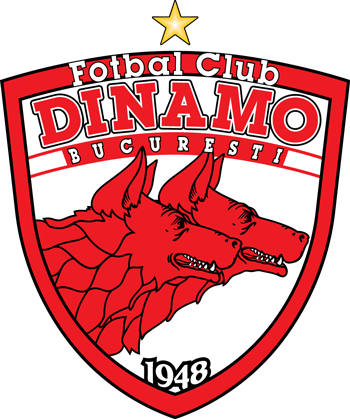


CENTROKINETIC FLOREASCA
Bucharest, 1st District,
Mircea Eliade Street, no. 18,
Eliade Tower, Entrance A, Floor 3

| Navigation | Explore 3D |
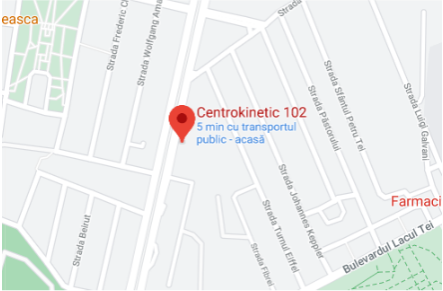
CENTROKINETIC Barbu Vacarescu
Bucharest, 2nd District,
Barbu Vacarescu Street, no. 102,
102 The Address, ground floor.
| Navigation | Explore 3D |
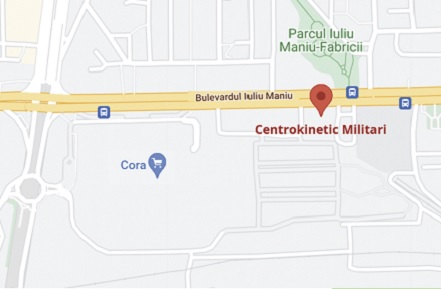
CENTROKINETIC MILITARI
Bucuresti, Sector 6,
Bld. Iuliu Maniu, nr. 15G,
Cladirea PBT, etaj 3.
| Navigation |
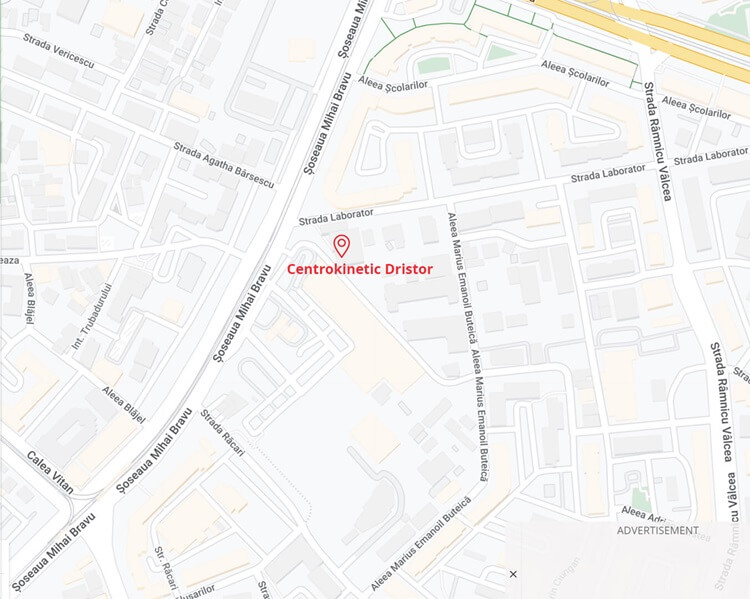
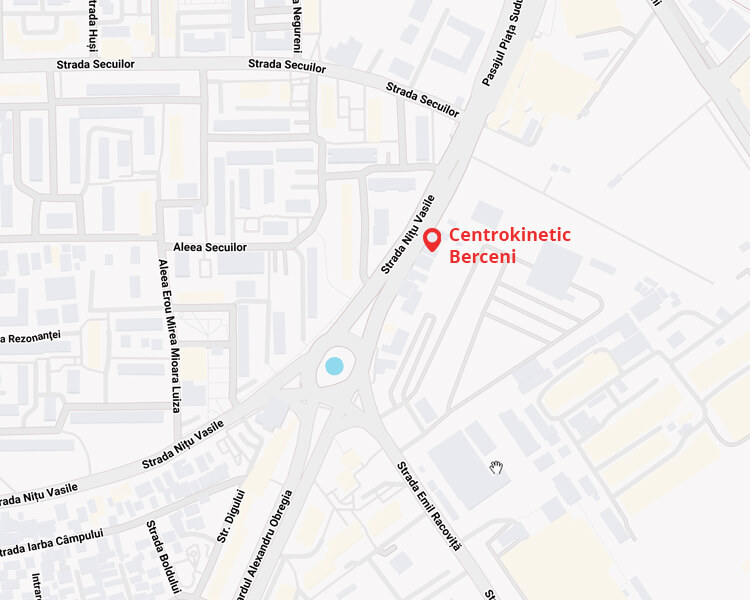
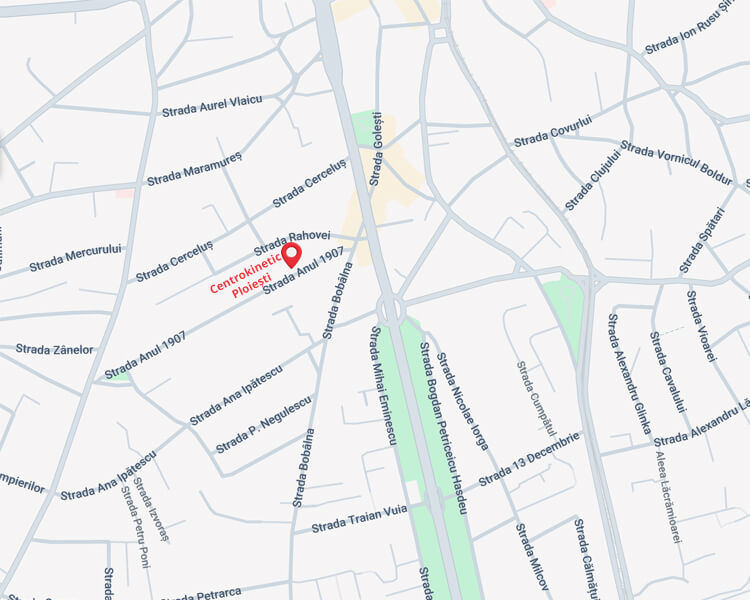
CENTROKINETIC CLUJ-NAPOCA
Cluj-Napoca,
Str. Intre Lacuri, nr.1
Intrarea este in spatele cladirii.
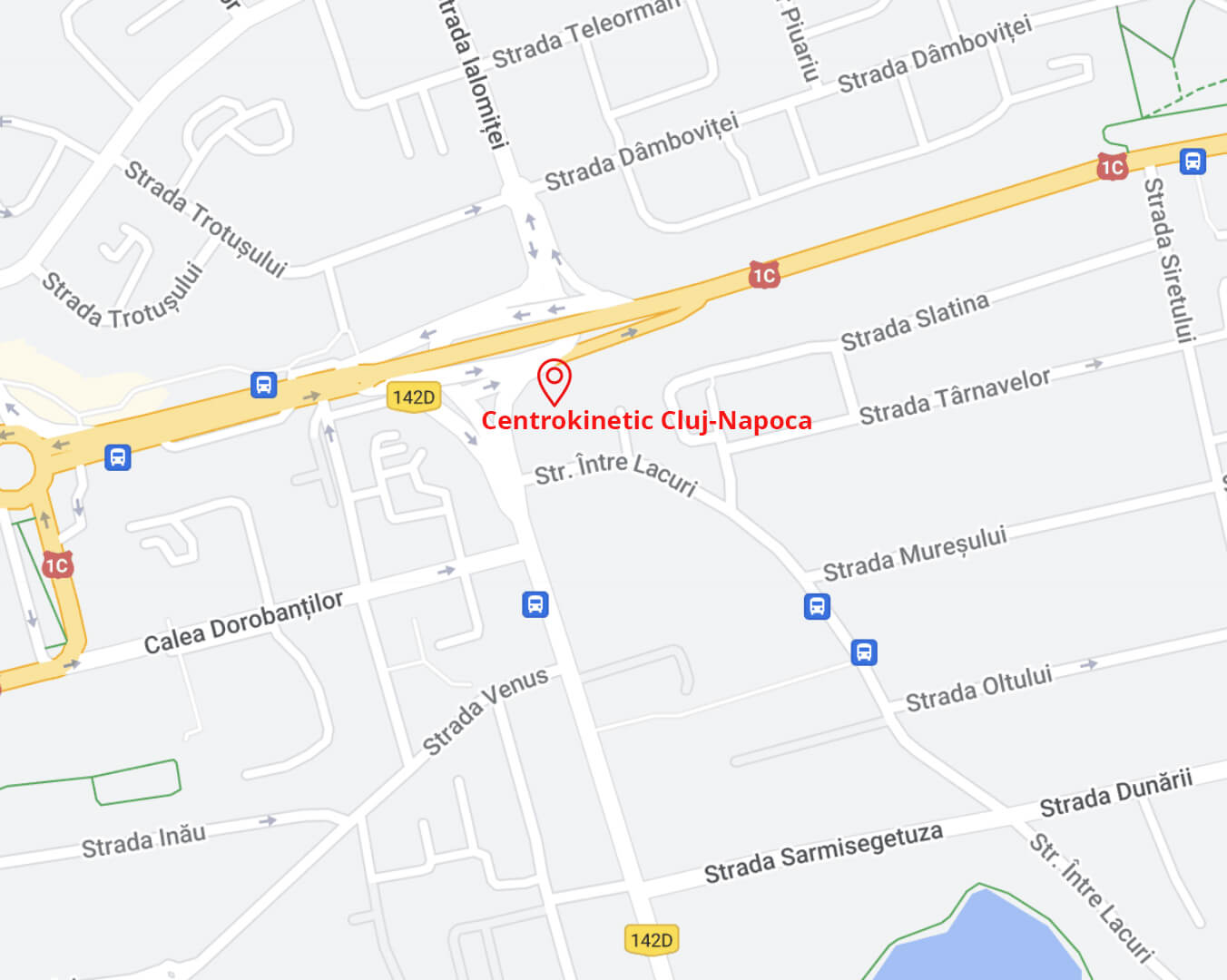
| Navigation |
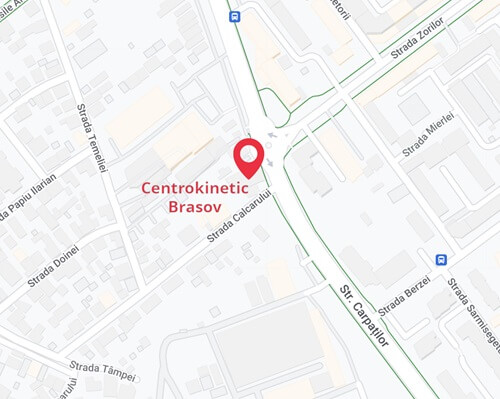
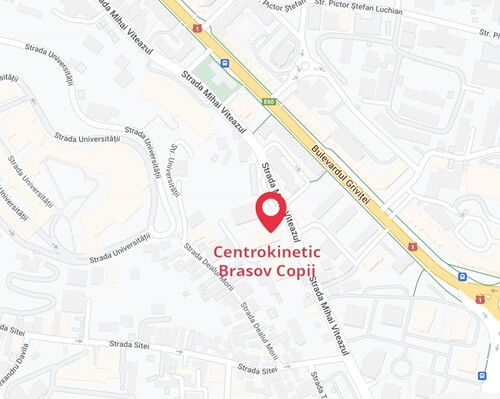
SOCRATES CLINIC TIMISOARA
Timisoara, Calea Martirilor 1989,
nr. 1.
Telefon: 0371 785 374.
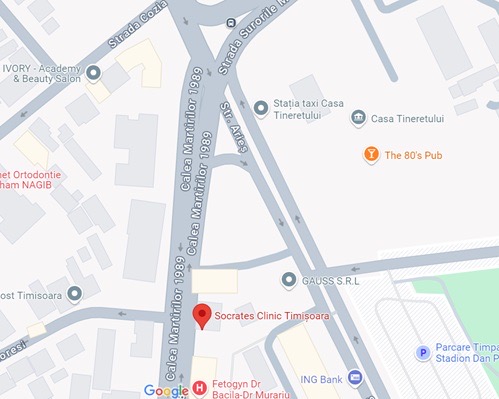
| Navigation |
CONTACT
Phone: 0319693
E-mail: programari@centrokinetic.ro
Operating hours:
Monday – Friday: 07:00 – 21:00
Saturday: 09:00 – 14:00
Sunday: closed.
MAKE AN APPOINTMENT