
See details
READ MORE


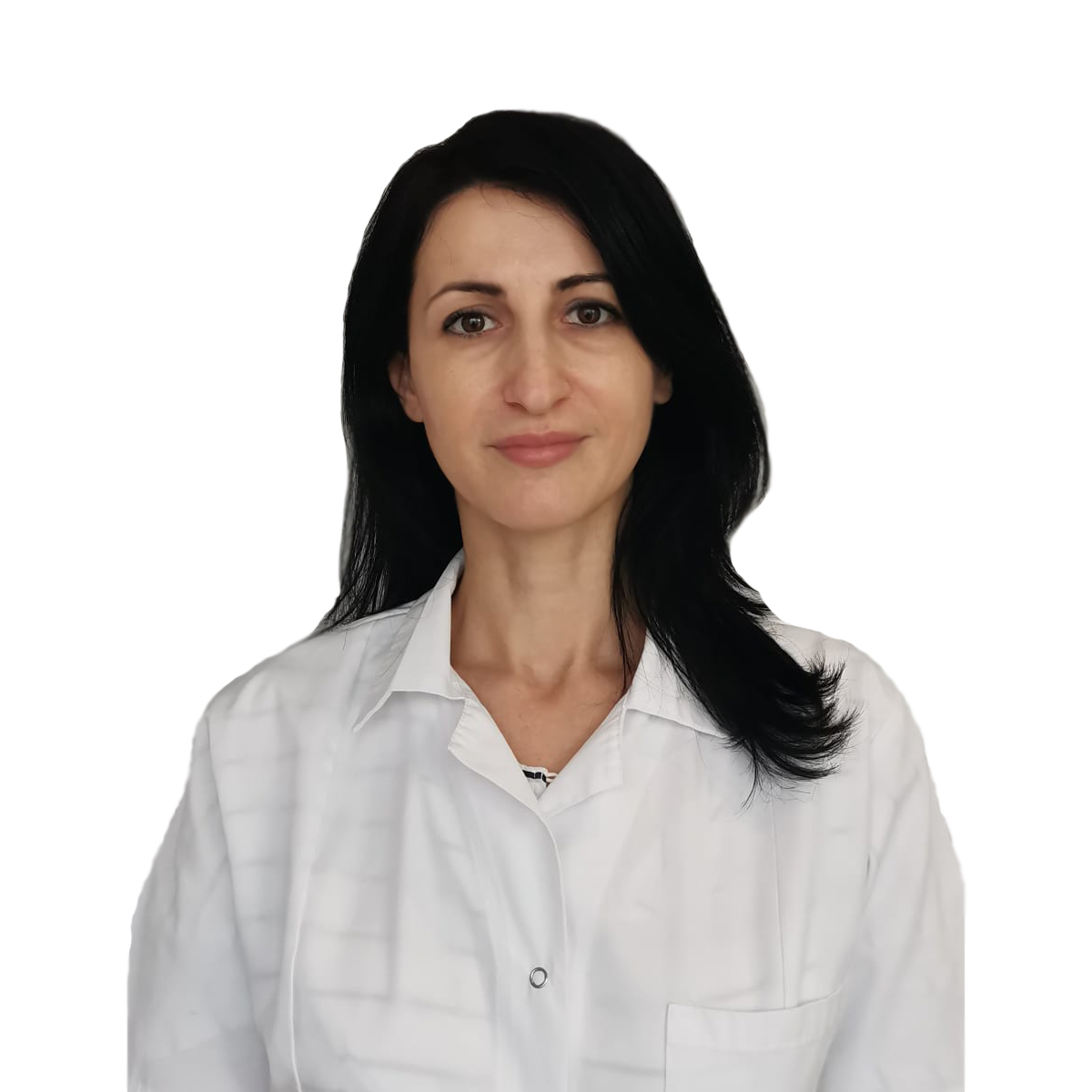
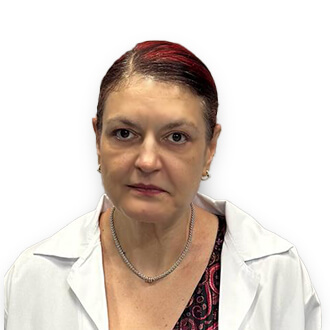
This article was written by Dr. Aursulesei Ruxandra, specialist pediatric neurologist with extensive experience in diagnosing and treating neurological conditions. Pediatric neurology plays an important role in the periodic neurological evaluation of premature babies, as well as of all newborns at risk of developing neurological sequelae, with the goal of early detection and treatment of any impairment of the nervous system.
Myasthenia gravis is a relatively rare neuromuscular disease, in which the voluntary muscles become easily fatigued and weak, because there is a problem with the way the nerves stimulate muscle contraction. It is an autoimmune disorder. Myasthenia gravis literally means "grave muscle weakness," but many cases are mild, and life expectancy is normal.
The muscles around the eyes tend to be affected first, causing the eyelids to droop. Patients may experience double vision, weakness in the arms and legs, and difficulty chewing, swallowing, speaking, and breathing. Involuntary muscles, such as the heart muscle, are not affected. Symptoms often worsen with physical activity and improve after rest or a good night's sleep. There is no cure, but treatment can improve and even eliminate symptoms.
It can occur at any age, but is more likely to affect women before the age of 40 and men after the age of 60.
Centrokinetic is prepared for this specialty with a team of experienced physicians and the equipment necessary for diagnosis, monitoring, and treatment. Find out more about pediatric neurology and book an appointment at Centrokinetic here.
Myasthenia gravis is usually divided into five types: congenital myasthenia gravis, generalized myasthenia gravis, ocular myasthenia gravis, transient neonatal myasthenia gravis, and juvenile myasthenia gravis, depending on the time of disease onset, the cause of the neuromuscular dysfunction, and the muscle groups affected. Some patients may be classified as having more than one type.
Congenital myasthenia gravis is defined by its cause: a genetic defect usually inherited from both parents, rather than an autoimmune disease in which the immune system attacks and damages communication between nerves and muscles - the cause of other forms of this disease.
Congenital myasthenia gravis appears to stem from changes in the genes involved in neuromuscular communication, or communication between nerve and muscle cells. In some cases, the genes that code for the acetylcholine receptor itself may be affected.
The condition is usually inherited in an autosomal recessive manner (one defective gene from each parent), and more rarely in an autosomal dominant pattern. The different types of congenital myasthenia gravis are defined by the location and type of the genetic defect that causes poor neuromuscular signaling.
Infants born to mothers with myasthenia gravis may develop symptoms of the disease at about 48 hours after birth. Symptoms may include uncontrolled sucking and swallowing, a weak cry, and respiratory failure. While serious, the symptoms usually disappear within a few days or weeks.
Most people with myasthenia gravis have no family history, and the disorder appears to occur spontaneously. However, 3-5% of patients may have a family member with myasthenia gravis or other autoimmune disorders, but the inheritance pattern is unknown.
There is also a distinct type of myasthenia, called congenital myasthenic syndrome. In this rare, hereditary form of myasthenia, muscle weakness usually begins in childhood, but can also appear in adolescence or adulthood. The condition is caused by a genetic mutation rather than an autoimmune response.
Antibodies as a cause of myasthenia gravis - Myasthenia gravis is caused by problems related to the transmission of nerve impulses to the muscles. It occurs when normal communication between nerve and muscle is disrupted at the neuromuscular junction - the place where nerve cells end and connect with the muscles they control.
Normally, when impulses travel down the nerve, the nerve endings release a chemical called acetylcholine. Acetylcholine travels from the nerve ending and binds to the acetylcholine receptors on the surface of the muscle cells, which are activated and generate a muscle contraction. Myasthenia gravis is caused mainly by antibodies that attack the acetylcholine receptor itself.
The body's immune system produces antibodies that normally help fight infections and threats. In patients with myasthenia gravis, antibodies mistakenly block, alter, or destroy the receptors for acetylcholine at the neuromuscular junction. With fewer available receptor sites, the muscles cannot contract properly and can become easily fatigued and weak.
The thymus gland - The exact origin of the autoimmune response in myasthenia gravis is not known, but researchers believe that abnormalities of the thymus gland, a part of the immune system, almost certainly play a role. In children, the thymus gland is large, but in healthy adults it is reduced in size. However, in some adults with myasthenia gravis, the thymus gland is abnormally large.
Research has shown that, in most cases, patients with myasthenia gravis have an increased number of cells in the thymus, and about 10-15% of affected people have thymomas (tumors) in the thymus. Researchers suggest that the thymus of a patient with myasthenia gravis may trigger or maintain the production of antibodies that block the transmission of nerve signals.
Symptoms can vary, with symptoms localized to certain muscles or affecting several muscle groups. In some affected individuals, the disease process may be limited to certain eye muscles, often described as "ocular myasthenia gravis." In those with the generalized disease, or "generalized myasthenia gravis," the affected muscles may include the muscles of the eyes, the jaw and neck area, the arms and legs (limbs), and the muscles involved in breathing (respiratory muscles).
The main symptom of myasthenia gravis is weakness in the voluntary muscles, which are the muscles under your control. The muscles can no longer contract, because they cannot respond to nerve impulses. Without proper transmission of the impulse, communication between nerve and muscle is blocked and weakness results. Weakness associated with myasthenia gravis usually worsens with more activity, and improves with rest. Symptoms may include:
Not everyone will have all the symptoms, and the degree of muscle weakness can change from day to day. The severity of symptoms usually increases over time if the disease is left untreated.
The disorder often begins with weakness of the muscles that control the eyes, leading to drooping of the upper eyelids (ptosis), double vision (diplopia), or both. Affected people may also develop weakness of the facial, jaw, and neck muscles. In such cases, associated symptoms may include speech difficulties (dysarthria), which cause the voice to sound weak, hoarse, or nasal, and generate difficulty chewing and swallowing (dysphagia) during meals, leading to choking, coughing, or inhaling (aspirating) food or liquids. Some people may also develop limb weakness and mild fatigability of the arm and leg muscles. In about 10% of patients, myasthenic crisis occurs, meaning sudden severe weakness of the jaw and neck (oropharyngeal) or respiratory muscles, requiring respiratory assistance. Sudden worsening of weakness can be triggered by infections, severe stress, surgery, or a sudden reduction or increase in prednisone. Some patients may develop muscle atrophy, especially in the face and tongue muscles.
Some people may develop weakness of the chest wall, which could lead to life-threatening breathing difficulties. Respiratory muscle weakness that produces acute respiratory failure is a genuine neuromuscular emergency, and immediate intubation may be necessary.
Weak spots in the intercostal muscles and diaphragm can lead to carbon dioxide retention as a result of hypoventilation. Respiratory failure usually occurs around the time of surgery (for example, after thymectomy) or in the later stages of the disease. However, it can be a feature present in about 14-18% of patients with myasthenia gravis. Weak pharyngeal muscles can collapse into the upper airway. Careful monitoring of respiratory status is necessary in the acute phase of myasthenia gravis.
Complications of myasthenia gravis are treatable, but some can be life-threatening.
Myasthenic crisis - Myasthenic crisis is a life-threatening condition that occurs when the muscles that control breathing become too weak to do their job. Emergency treatment is needed to provide mechanical breathing assistance. Medications and blood-filtering therapies help patients breathe on their own again.
Thymus gland tumors - Some people with myasthenia gravis have a tumor in the thymus gland, a gland that is involved in the immune system. Most of these tumors, called thymomas, are not cancerous (malignant).
People with myasthenia gravis are more likely to have the following conditions:
An underactive or overactive thyroid. The thyroid gland, located in the neck, secretes hormones that regulate metabolism. If the thyroid is underactive, you might have trouble tolerating cold, weight gain, and other problems. An overactive thyroid can cause difficulty tolerating heat, weight loss, and other problems.
Autoimmune conditions. People with myasthenia gravis may be more likely to have autoimmune conditions, such as rheumatoid arthritis or lupus.
To diagnose the condition, a doctor will examine the patient's symptoms, ask for a medical history, and perform a physical and neurological examination. Tests to confirm the diagnosis include blood, nerve, muscle, and imaging tests. With these tests, the doctor will determine the degree of muscle weakness by checking reflexes, muscle strength and tone, coordination, sense of touch, and impairment of eye movements.
Myasthenia gravis may be suspected based on a characteristic distribution of muscle weakness and fatigue, without affecting other neurological functions.
This test, commonly used to test for weakness of the eye muscles, uses injections of edrophonium chloride to improve muscle strength. Edrophonium chloride blocks an enzyme that breaks down acetylcholine, the chemical that transmits signals from nerve endings to muscle receptors, activating the muscle and causing it to contract. Patients with myasthenia gravis have a reduced number of acetylcholine receptors, so increased levels of acetylcholine can improve their symptoms. If patients have a sudden, but temporary, improvement in muscle strength after injection of edrophonium chloride, they may have myasthenia gravis.
During this test, the doctor places a bag filled with ice on the patient's eyelid. After two minutes, the ice is removed and the eyelids are examined for signs of improvement. A temporary improvement in eyelid weakness indicates the presence of myasthenia gravis. This is because cold decreases the activity of the acetylcholinesterase enzyme, which breaks down acetylcholine, meaning that more acetylcholine can bind to the receptors on the surface of the muscle cells, allowing nerve signals to pass through, thus increasing muscle contraction.
The blood test is the main test for diagnosing myasthenia gravis. It can reveal the presence of high levels of abnormal antibodies that destroy the acetylcholine receptors on the surface of the muscle cells.
Acetylcholine receptor antibodies can be detected in the blood in up to 90% of patients with generalized myasthenia gravis, and up to 50% of those with ocular myasthenia gravis.
A blood test can also detect another type of antibody, called MuSK antibodies (antibodies against muscle-specific tyrosine kinase receptors), which have been associated with some forms of myasthenia gravis. Patients who test positive for MuSK antibodies often have symptoms involving the facial muscles, swallowing, speech, and breathing.
In a small proportion of patients, with so-called seronegative myasthenia gravis, abnormal antibodies cannot be detected with a blood test.
A single-fiber electromyography is considered the most sensitive test for myasthenia gravis, measuring the electrical activity that flows between the brain and the muscles. During this test, single muscle fibers are electrically stimulated by inserting a fine wire electrode through the skin and into a muscle.
The muscle fibers of people with myasthenia gravis do not respond to repeated electrical stimulation the way normally functioning muscles do.
Electromyography can be very useful in diagnosing mild cases of myasthenia gravis, when other tests fail to demonstrate abnormalities.
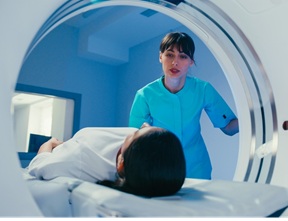
Centrokinetic has a state-of-the-art MRI machine, dedicated to musculoskeletal conditions of the upper and lower limbs. The MRI machine is open, so that even people who suffer from claustrophobia can undergo this investigation. The examination time is on average 20 minutes, and the patient receives the result of the investigation the next day after the investigation.
Various treatments, alone or in combination, can improve the symptoms of myasthenia gravis. Treatment will depend on your age, how severe your disease is, and how quickly it progresses. Certain medications may be recommended for the treatment of myasthenia gravis:
The following therapies are usually used short-term, to treat a sudden worsening of symptoms or before surgery or other therapies.
Some people with myasthenia gravis have a tumor in the thymus gland. If you have a tumor, called a thymoma, doctors will surgically remove the thymus gland (thymectomy). Even if you don't have a tumor in the thymus gland, removing the gland can improve the symptoms of myasthenia gravis. However, the benefits of thymectomy may appear after several years.
A thymectomy can be performed as open surgery or as minimally invasive surgery. In open surgery, the doctor divides the central sternum to open the chest and remove the thymus gland.
Minimally invasive surgery to remove the thymus gland uses smaller incisions. It could also involve:
These procedures could result in less blood loss, decreased pain, lower mortality rates, and shorter hospital stays, compared to open surgery.
Myasthenic crises (increased symptoms leading to breathing difficulties) can occur during pregnancy. In other women, the disease may go into remission (complete or partial absence of symptoms). Pregnancy does not appear to speed up the progression of the disease.
Pregnant women who suffer from myasthenia gravis often feel more weakness and fatigue due to the increased weight and effort of pregnancy. Some pregnancy complications may be more common in women with myasthenia gravis. Premature labor (before 37 weeks of pregnancy) is more likely. Anticholinesterase medications used to treat myasthenia gravis are believed to be able to cause uterine contractions. Myasthenic crisis may be more likely during the stress caused by labor.
Delivery may be more difficult for women with myasthenia gravis. While pregnancy itself is not affected by myasthenia (the uterus is a smooth muscle), the muscles needed for pushing may be affected. This can mean that delivery is assisted with forceps.
A medication called magnesium sulfate, which is frequently used to treat high blood pressure and premature labor, should not be used in women with myasthenia gravis. This medication blocks nerve connections and can worsen muscle weakness.
Between 12 and 20% of babies born to patients with myasthenia gravis may have neonatal myasthenia gravis. This happens when the antibodies typical in myasthenia gravis cross the placenta and reach the developing fetus. These babies may be weak and may have breathing difficulties. Neonatal myasthenia gravis is usually temporary, lasting only a few weeks.
Most people with myasthenia gravis visit their care team every few months, depending on the severity of symptoms and the stage of treatment. If you are able to control your symptoms with medication, for example, you may visit the neurologist every two to three months, so that the doctor can monitor symptoms and response to medication. But if you are being treated with plasma exchange (also called plasmapheresis) or immunotherapy, you may consult your care team weekly for treatment.
There are a few things you can do at home to help ease symptoms:
Patients with myasthenia gravis should find an optimal balance between physical activity and rest. It is not possible to cure the weakness through active physical training. However, most patients with myasthenia gravis are more passive than they need to be. Low to moderate intensity physical activity and physical training are recommended.
These treatments cannot cure myasthenia gravis. However, you will usually see improvements in symptoms. Some individuals may enter remission, during which treatment is not needed.
Rest and sleep can help avoid the recurrence of symptoms. Also try to avoid stress and exposure to heat. Make sure your doctor is aware of your condition, and discuss with them before taking medications that can trigger the symptoms of myasthenia gravis.
By avoiding the following triggers, you can prevent the recurrence of symptoms:
At Centrokinetic, some of the best doctors and therapists are available to help with any joint or musculoskeletal problem, from the initial consultation and complete investigations within the clinic, to treatment and complete medical recovery for spinal, traumatic, or post-surgical conditions.
Find out the latest news about us by following the Centrokinetic clinic's Facebook and YouTube accounts.
See details
READ MORESee details
READ MORESee details
READ MORESee here how you can make an appointment and the location of our clinics.








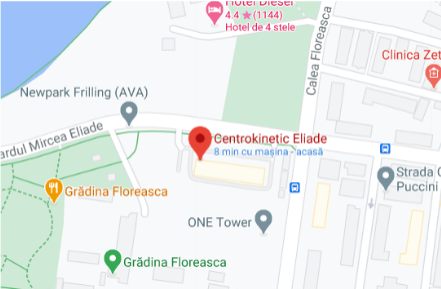
CENTROKINETIC FLOREASCA
Bucharest, 1st District,
Mircea Eliade Street, no. 18,
Eliade Tower, Entrance A, Floor 3
| Navigation | Explore 3D |
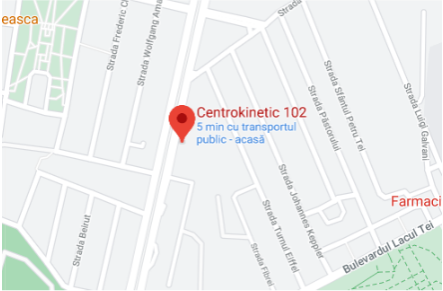
CENTROKINETIC Barbu Vacarescu
Bucharest, 2nd District,
Barbu Vacarescu Street, no. 102,
102 The Address, ground floor.
| Navigation | Explore 3D |
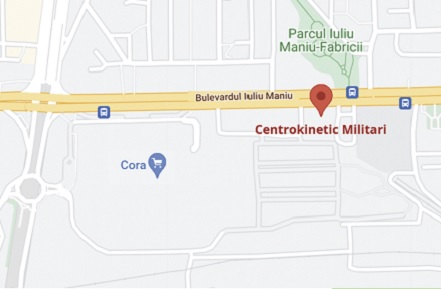
CENTROKINETIC MILITARI
Bucuresti, Sector 6,
Bld. Iuliu Maniu, nr. 15G,
Cladirea PBT, etaj 3.
| Navigation |
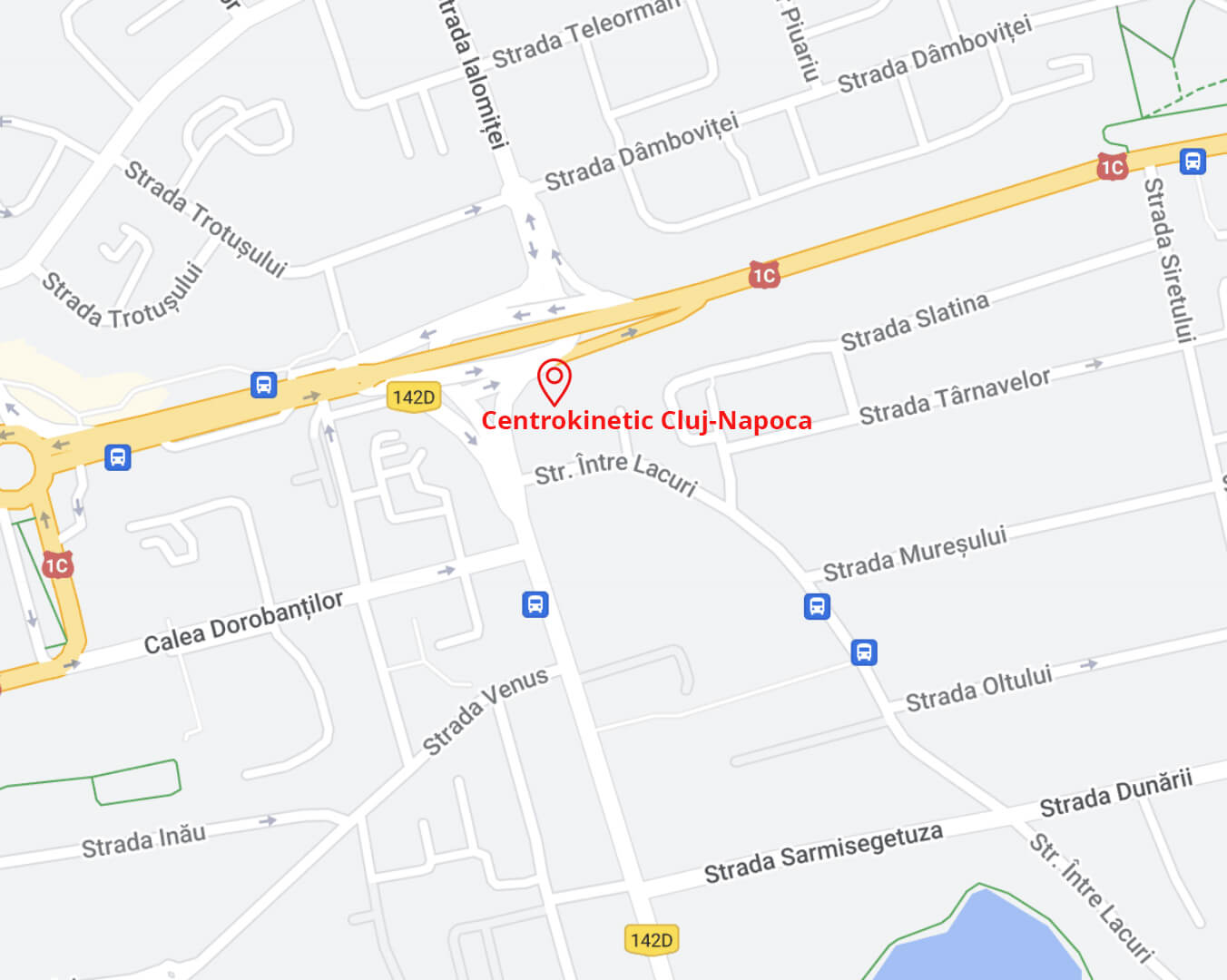
CENTROKINETIC CLUJ-NAPOCA
Cluj-Napoca,
Str. Intre Lacuri, nr.1
Intrarea este in spatele cladirii.
| Navigation |
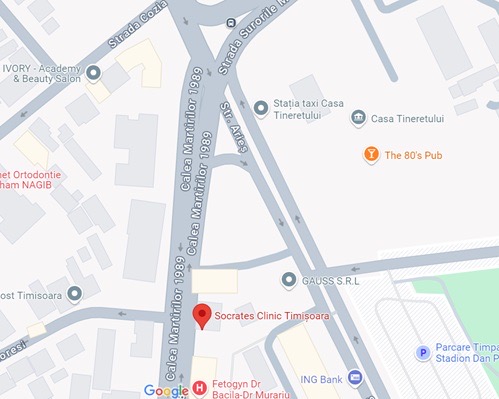
SOCRATES CLINIC TIMISOARA
Timisoara, Calea Martirilor 1989,
nr. 1.
Telefon: 0371 785 374.
| Navigation |
Phone: 0319693
E-mail: programari@centrokinetic.ro
Operating hours:
Monday – Friday: 07:00 – 21:00
Saturday: 09:00 – 14:00
Sunday: closed.
MAKE AN APPOINTMENT