
See details
READ MORE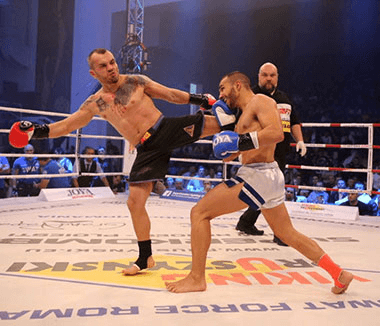

What is about to be said in this article will change quite a bit the way of thinking that therapists have had until now. Probably, many of you will not accept what we are about to say, given that, for a long time, we all "lived a lie."
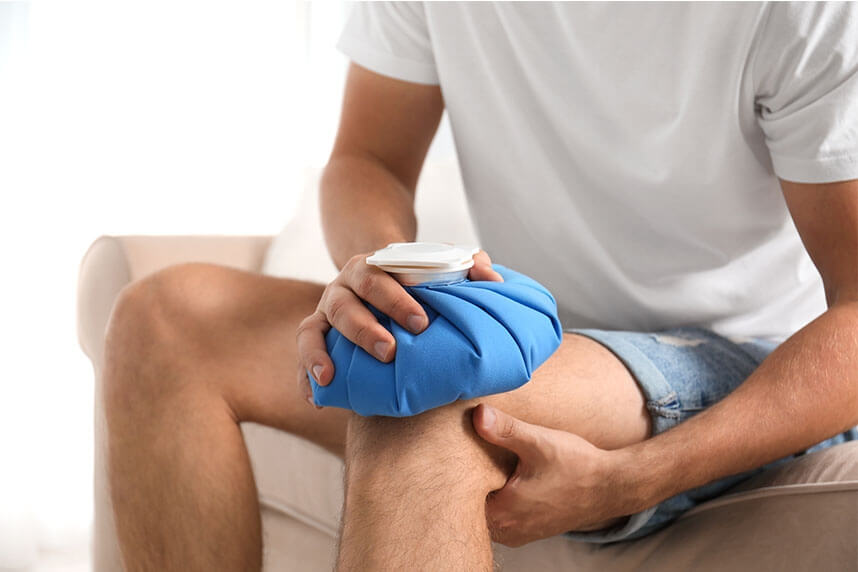
To begin with, let's start saying "stop" to using ice after injuries or muscle fatigue.
We have all been taught that ice is used to help the healing process after an injury. In fact, it's exactly the opposite: following many studies, it has been proven that ice does nothing more than relieve pain for a short period of time and slows down the recovery process. Let's go back a little in time, to see where all these "beliefs" started.
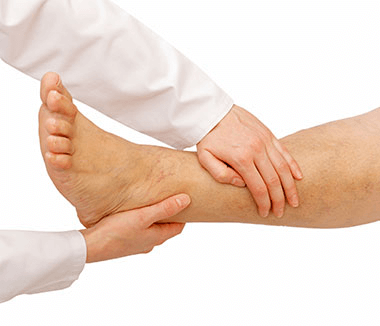
For any kind of pain, we are told to put on ice. For example, following an ankle sprain, athletes would wrap the affected area in a bag of ice to get rid of the pain. This was done for the simple reason that we all knew ice helps reduce inflammation and that it is very effective in helping an athlete recover after an intense workout.
We always see elite athletes, after games, wrapped in ice at the level of the knees or shoulders. Weightlifters do exactly the same, just because they know it's a "normal" recovery procedure in strength training. In every clinic, every day, therapists and trainers use ice applications at the end of every recovery session.
In an article published in 1940, it is said that doctors used ice applications to reduce the risk of infections, to stop pain, and to reduce deaths in operating rooms, during amputations. These things are due to the fact that ice slows down cellular metabolism, allowing doctors to preserve as much functional muscle tissue as possible - while the main reason ice was used, in fact, was to preserve amputated limbs and reduce complications in operating rooms, and from this, ice application came to be used for all injuries.
Dr. Gabe Mirkin, a physician at Harvard, created the concept of R.I.C.E. - REST. ICE. COMPRESSION. ELEVATION. in 1978, in the landmark work "The Sports Medicine Book," intended for the treatment of sports injuries. Since then, the medical community has fully integrated it into the treatment protocol for all acute injuries.
Any doctor's explanation regarding why ice is used for a simple ankle sprain is: because it reduces inflammation and eliminates pain. This is the reason why many surgeons insist that patients use ice for a long period after surgery.
Indeed, ice applications temporarily and very quickly reduce pain, and this is precisely why the number one benefit of cryotherapy is pain reduction. However, if the pain has disappeared, it doesn't mean the problem has disappeared - in fact, we are doing more harm than good.
In 2013, the same Dr. Gabe Mirkin, who invented the RICE protocol, retracted his original statement in the book "Iced! The Illusionary Treatment Option" - Gary Reinl, saying that research has shown that ice can actually slow down the recovery process. Light movement helps tissue repair itself faster, whereas applying ice suppresses the immune response that starts and speeds up recovery. Ice helps suppress pain, but athletes are much more interested in returning to the field as quickly as possible, and so, nowadays, RICE is not the preferred treatment for an acute injury.
Another myth is that inflammation and swelling at the site of the injury are serious things that must be stopped as quickly as possible. In fact, these are two completely normal processes that occur as a response following an injury.
From a medical standpoint, the three phases of healing are: inflammation, repair, and remodeling. Inflammation is the first stage of the healing process, regardless of the location or severity of the trauma. This raises the next question: If it is a normal response to trauma, why do we want to prevent it?
When trauma occurs, for example an ankle sprain, white blood cells, or inflammatory cells, normally go directly to the site of pain to begin the healing process. More specifically, some small cells, called neutrophils, go to destroy bacteria (if it is an open wound), and macrophages come to remove the damaged tissue cells caused by the initial trauma. Macrophages come and consume the cells that died as part of the initial trauma. At the same time, these cells release an anabolic hormone called insulin-like growth factor (IGF), near the area, which marks the next phase in the healing, muscle repair, and regeneration process.
So, it's simple: repair requires inflammation, and it is an essential biological response following trauma. It's not a negative thing at all, as we were taught from the very beginning. While the level of chronic inflammation can play quite an important role in some diseases such as autoimmune conditions - rheumatoid arthritis or lupus - inflammation is extremely beneficial for direct muscle regeneration after a muscle injury. In fact, the absence of the inflammatory process minimizes the healing process and contributes to poor muscle regeneration. This minimization of the healing process also occurs when we use ice.
Applying ice to an injury blocks the white blood cells that are trying to reach the injured area and stops the inflammatory process that is about to be created. We believe that by putting ice on the injured area, we are helping the healing process, when in fact we are slowing down the body's repair mechanisms.
We can compare this situation to that of a car accident in which car parts are scattered everywhere. Police cars and ambulances are on their way. Suddenly, a barricade is placed in the middle of the road to stop the traffic that might build up. What will happen in this case to the people involved in the accident and to all the car parts scattered on the road? In this way, the white blood cells whose purpose is to clean up the injured area will not arrive in time to start the IGF process, a process meant to regenerate and repair muscle, thus being slowed down. And to make matters even worse, by also pausing movement, blood flow to the healthy areas around the injury is restricted, thus leading to additional cellular damage on top of the initial trauma.
In principle, most doctors use ice applications when it comes to external inflammation because any excessive inflammation can lead to increased pain, decreased mobility, and prolonged recovery time. This is entirely true. If inflammation is left to sit in the joint, it can have negative effects. At the same time, inflammation itself is not a good thing or a bad thing. It is only the final response of the inflammatory cycle. What we do about it - that's what makes the difference.
Following trauma, the surrounding blood vessels dilate as part of the inflammatory response, and the small capillaries surrounding the injured area "open up" to allow white blood cells to reach the area. The rush of these white blood cells out of the capillaries also draws additional fluid around the injury, fluid that represents the "swelling" in the area where the trauma occurred.
Even so, the "swelling" is there for a reason. It contains the secondary waste from the initial injury. In the comparison above, the firefighters, police, and ambulance have arrived, have started cleaning up the destroyed area, and need a method to remove the "mess" from the road. Unfortunately, the additional fluid that contains waste cannot return the way it came, that is, through the circulatory system. It must be evacuated through a complicated network of vessels in the human body, called the lymphatic system.
The human body has different ways of moving fluids from one place to another. The circulatory system, made up of arteries and veins, pumps blood and fluid to and from the heart all day long. This continuous transport works day and night, when we move and when we rest.
The lymphatic system is also a system that circulates throughout the body, except that it doesn't have an "engine," the way the heart transports fluids. This lymphatic system is completely passive, which means we have to make it work. When a muscle contraction occurs, the deep lymphatic vessels inside the body are squeezed and the fluid is forced to move.
So, "swelling" represents only the accumulation of waste around the injured area that needs to be evacuated through the lymphatic system. It is a natural response following trauma that becomes a problem the moment it is left to accumulate. When we see an athlete who has just had an ankle sprain and their leg is three times bigger than it was the day before, they have an evacuation problem.
Ice application does not facilitate the elimination of inflammation through the lymphatic system. Even though resting and ice applications feel good for a short time, all it does is trap the debris around the injured area and block the natural healing process that was about to occur.
In 2011, a study was conducted on the effect of applying ice after a muscle injury: one group received ice for 20 minutes after the injury, and the other group did not. Over the following 28 days, their progress was closely monitored, and the results were not at all what you would expect.
In the first few hours after trauma, it is normal to see macrophages (the cleanup crew) swarming the area. Researchers found some in the group treated without ice, while in the group treated with ice, they found no signs of macrophages present.
Three days after the trauma, the group that did not receive ice had already begun to show signs of muscle regeneration, while in the group that received ice, macrophage cells had not yet appeared. Four days later, the cells responsible for muscle regeneration were found in both groups, with the note that those in the group without ice were much larger than those with ice.
At 28 days after the trauma, muscle regeneration was 65% greater in the group without ice compared to the group with ice. In addition, researchers found significantly larger scarring compared to untreated muscles. Given these findings, it is preferable to avoid ice application, even though it has been used on a wide scale in sports medicine. Despite the fact that "conventional wisdom" tells us that using ice applications is a good idea, studies have shown that ice slows down the muscle repair process after an injury and directly shows us that it can cause increased scarring.
To make things sound even worse, the way we use ice has the potential to decrease muscle strength and muscle size. Let's remember R.I.C.E (REST. ICE. COMPRESSION. ELEVATION). When we have an injury, we know that we have to wrap the area in ice and not move. And we do this because we've always been told that if we move, we'll do even more harm. In fact, by doing this, we will do more harm than good.
When we stop moving for a long period of time, the body's response is to halt the essential process that regulates muscle mass. For example, previous studies estimate muscle mass loss of 0.5% per day and up to 5% within a week. This decrease in muscle mass is one of the biggest complications that occurs following trauma that requires surgery.
Studies on healing with the help of ice applications have shown that they are not beneficial at all.
In 2005, researchers launched a meta-analysis (a study of all available studies) on the use of cryotherapy directly after ligament reconstruction. The only conclusion reached was that it only helps to reduce pain. Ice did not lead to improved knee movement or a decrease in "swelling."
"Swelling" is without a doubt a significant concern after any surgery. When it "builds up" around the injured area and stays there, it can lead to a cascade of problems: decreased mobility, decreased strength, increased intensity of pain, etc. But ice does not help facilitate the pumping action or the action of the lymphatic system either, which is actually the only way to reduce "swelling."
To understand the situation more easily, we can make an analogy: if you know it will snow 5 cm every hour for the next 12 hours, how will you proceed? Most likely you will open the front door and shovel the snow every hour. If you sit and wait until the next day, you will open the door and find a pile of snow 60 cm high. You can imagine how hard it will be to shovel 60 cm of snow all at once.
The same thing happens with fluid accumulation in the joint because we stop moving, since we do nothing to facilitate the lymphatic drainage whose purpose is to withdraw the "swelling." Instead of blocking the "swelling" from accumulating in the first place through ice applications (which is detrimental to the healing process anyway), we must activate and improve the evacuation of the fluid and waste that accumulates. It doesn't matter whether you had a mild injury, such as an ankle sprain, or you just came out of knee surgery to repair a torn meniscus, you need to focus on evacuating the fluid that collects in the joint, not on prevention.
It is advisable that, every time after an injury, movement should not be interrupted entirely and should continue at a lower level of intensity, so that the active recovery process can begin. Continuing activity through aggressive training can worsen the situation.
Exercises performed without pain not only accelerate the process of reducing inflammation through muscle contractions, but also optimize the healing process without causing further trauma. Loading the injured tissue with specific exercises as soon as possible after the injury accelerates the healing process of the muscles and bones. The last thing you want to do is wait until the next day to see how you feel.
Performing pain-free exercises after an injury has many benefits.
To begin with, muscle contraction boosts the inflammatory process by improving the functioning of macrophages (the cleanup cells) and allows white blood cells to remove damaged cells. Moreover, it also accelerates muscle repair and regeneration and limits scar formation in the tissue by activating stem cells.
Immediately after an injury, the goal of exercises is to facilitate healing without causing other problems. By doing exercises with far too much load and overloading the joint, we do nothing but make the situation worse. That is why it is not advisable, for example, to do heavy-weight squats after an ankle sprain, or to run 4 weeks after ACL reconstruction surgery.
By loading the body with pain-free exercises, we manage to find a middle ground between efficiency and safe recovery. One of the safest muscle contractions for acute or postoperative trauma is isometrics.
Isometric contraction is a muscular action in which there is no movement at the joint. For example, if we stand in front of a wall with our arm extended and our hand on the wall, and we push into the wall while keeping the elbow straight for 10 seconds, that means we are performing an isometric contraction: the joint does not move but the muscle is working. In the first month after ACL surgery, for example, isometric quadriceps contractions are recommended precisely to increase muscle strength, decrease pain, and clear inflammation.
A small amount of muscle contraction can help remove inflammation through the passive lymphatic system, muscle atrophy through increased protein synthesis, and decreased pain. That is why light exercises like toe raises after an ankle sprain are very useful. As the pain begins to decrease, the progressive loading of exercises facilitates optimal healing. For someone with knee pain, that might mean performing progressive squats from 90 degrees toward a full squat, then adding weight.
There are also people who, after a certain surgical procedure, cannot perform a contraction due to weak musculature. In this case, neuromuscular electrical stimulation devices are used, which work on the principle of stimulating muscle contraction through electricity. The electrodes are positioned on the atrophied area, and following the impulses, the musculature will contract.
This electrostimulation device is also useful in recovery after an injury, and one of its best-known abilities is reducing inflammation. By involuntarily stimulating muscle contraction, the electrostimulation device helps pump excess fluid or waste out of the area through the lymphatic system and dilates blood vessels to bring in nutrients and other white blood cells useful in boosting the healing process. Because the inflammation that occurs can generate pain and lead to muscle atrophy (since most people don't want to move because of the pain in the area), electrostimulation has the ability to decrease symptoms and avoid loss of muscle mass in the early stages of recovery.
Furthermore, studies have shown that a single session of electrostimulation can increase muscle protein synthesis by 27%.
Another benefit of electrostimulation is that it has the ability to eliminate pain through sensory modification. This allows athletes to recover after serious injuries or postoperatively, without pain and without needing to resort to medication. In other words, after an injury we want to continue movement in order to optimize healing and a safe return to the sport being practiced.
So, we have seen how ice applications hinder the natural healing process, but let's see what happens with the use of ice after an intense workout?
Athletes around the world are always looking for the best techniques to speed up recovery and to break through a threshold in their competition. Most adopt the technique of an ice bath or wrapping the legs in ice after a hard workout. There are many weightlifters who say that the only effective recovery method for them is the ice bath, a method that allows them to get through the large volume of weight they use for a squat circuit. Let's see what scientific studies say about this.
When an athlete performs a heavy workout, with a large load, the muscles suffer a lot of micro-injuries. This type of trauma triggers inflammation similar to what happens after an acute injury. The rush of inflammatory cells toward the injured area helps start the repair process by removing damaged cells. It then recruits stem cells from the surrounding tissues to help repair and regenerate new muscle cells.
If we look at the scientific information regarding the use of ice after an intense workout, we will see that ice baths do nothing more than decrease the sensation of muscle fatigue by changing the perception of pain. Regarding the effect of ice baths on recovery after training for the next session, opinions are divided. Some studies show that 5-10 minutes of immersion can help performance for the next session, others say it has no effect, and other studies show that it is actually detrimental to performance.
Using ice baths can help some athletes recover quickly between workouts on the same competition day. In the long term, regular use can harm the natural adaptation process needed to develop muscle strength and hypertrophy. Let's see why.
Muscle fatigue and muscle soreness are not the same thing. Even if less muscle pain is felt after applying ice, it doesn't necessarily mean that physiological recovery is faster. Let's remember that there is a reason why muscle pain occurs. It is a normal reaction after an intense workout, just like inflammation after trauma. The more accustomed an athlete is to a certain type of training, the faster their natural recovery will be between training sessions, and the muscle soreness will no longer be as intense.
That is why, after a workout with a high volume, the feeling of heaviness in any movement is normal the following day. However, after two weeks with the same type of training, the feeling of muscle soreness the next day begins to decrease. The human body learns to adapt to training stimuli, and that is why most research on performance athletes has shown that ice baths do not help at all with recovery and performance.
In fact, multiple studies have shown that ice interferes with the normal adaptive response to exercise that helps with recovery and strength gains. As long as an instant return after a competition is not the goal, great care must be taken with the long-term problems that ice can cause for recovery. If we look at studies conducted over time, using ice after a workout can negatively influence the process of muscle growth and muscle strength.
Instead of ice baths, it is rather advisable to do an active recovery after training: a 10-15 minute walk, a few light bodyweight exercises, or swimming, or cycling. If muscle soreness appears the day after an intense workout, it is advisable to do a series of mobilizations on a foam roller for a few minutes. This can greatly reduce the feeling of muscle soreness. If you don't have time for active recovery, you can use electrostimulation as a secondary method, and in this way lymphatic drainage is stimulated to begin removing the damaged cells that appear after an intense workout, and it stimulates efficient blood circulation in the recovery and repair process.
Every year, a group of authors who are experts in treating acute injuries gather to review the current scientific literature and to draft statements for the National Athletic Trainers' Association. In 2013, they released a statement on the recommended treatments for ankle sprains. After evaluating all the available options in the literature for possible treatments, they created a grading scale from A (the best) to C (the worst). In this case, ice application received the lowest grade, C, even saying that the clinical evidence supporting cryotherapy is limited, while the highest grade, A, was received by functional rehabilitation. Through this statement, it was shown that applying ice does not do as much good as we thought, and that the best post-injury treatment is still through exercise, progressively loading the affected area.
In conclusion, treating injuries and muscle soreness after training is simple. We want to bring the good things in, meaning white blood cells, and get rid of the bad things, meaning the inflammation that contains cells breaking away from the damaged tissue. In this case, ice does not help in the healing process.
Centrokinetic is the place where you will find clear answers and solutions for your movement problems. The clinic dedicated to musculoskeletal conditions is divided into the following specialized departments:
Find out the latest news by following the Centrokinetic clinic's Facebook and YouTube accounts.
This article is adapted from: [www.squatuniversity.com/2020/03/23/dont-ice-walk-it-off/](https://www.squatuniversity.com/2020/03/23/dont-ice-walk-it-off/)
See details
READ MORESee details
READ MORESee details
READ MORESee here how you can make an appointment and the location of our clinics.








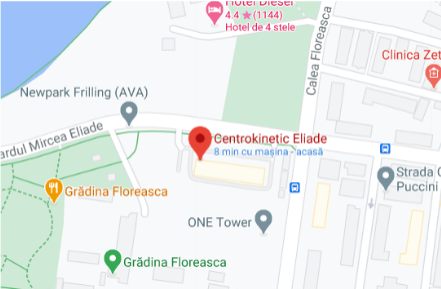
CENTROKINETIC FLOREASCA
Bucharest, 1st District,
Mircea Eliade Street, no. 18,
Eliade Tower, Entrance A, Floor 3
| Navigation | Explore 3D |
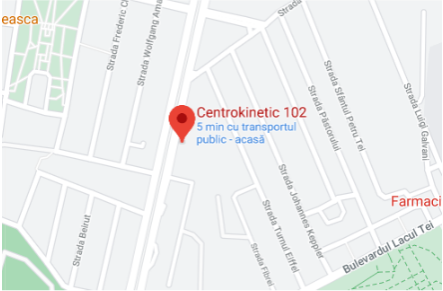
CENTROKINETIC Barbu Vacarescu
Bucharest, 2nd District,
Barbu Vacarescu Street, no. 102,
102 The Address, ground floor.
| Navigation | Explore 3D |
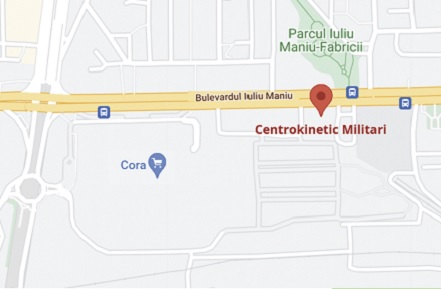
CENTROKINETIC MILITARI
Bucuresti, Sector 6,
Bld. Iuliu Maniu, nr. 15G,
Cladirea PBT, etaj 3.
| Navigation |
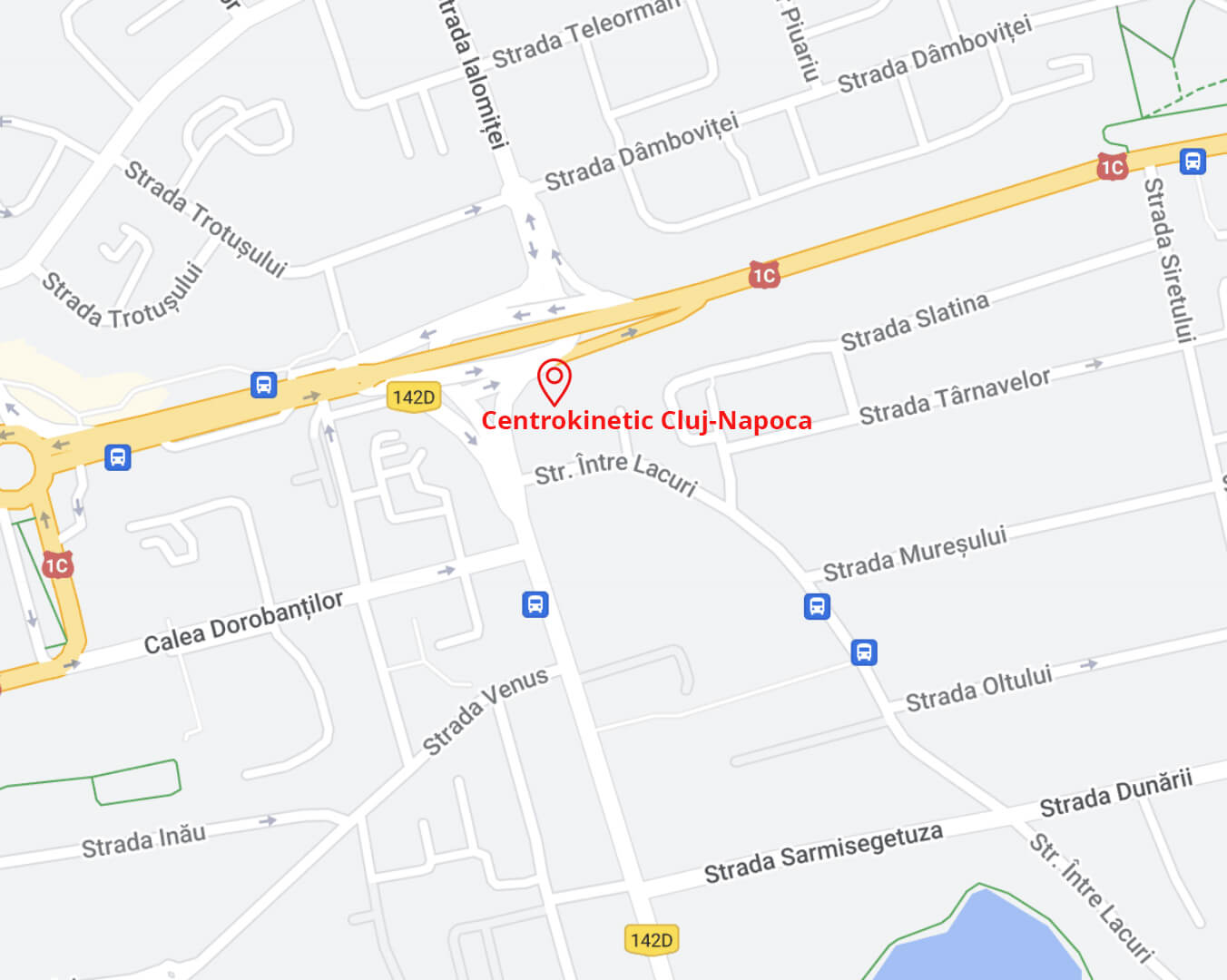
CENTROKINETIC CLUJ-NAPOCA
Cluj-Napoca,
Str. Intre Lacuri, nr.1
Intrarea este in spatele cladirii.
| Navigation |
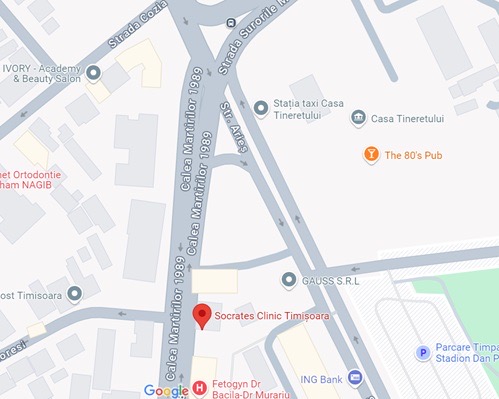
SOCRATES CLINIC TIMISOARA
Timisoara, Calea Martirilor 1989,
nr. 1.
Telefon: 0371 785 374.
| Navigation |
Phone: 0319693
E-mail: programari@centrokinetic.ro
Operating hours:
Monday – Friday: 07:00 – 21:00
Saturday: 09:00 – 14:00
Sunday: closed.
MAKE AN APPOINTMENT