CERVICAL PAIN


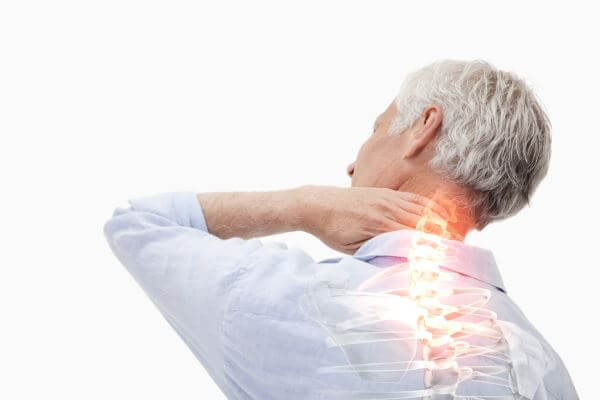
Cervical disc disease and neck pain are common problems that can affect quality of life, mobility, and even the ability to work. From incorrect postures and overexertion to degenerative conditions or trauma, the causes of neck pain are diverse and sometimes difficult to identify. In this article you will find out what cervical disc disease is, what the main causes and manifestations of neck pain are, how the diagnosis is established, the treatment options (conservative, drug-based, or surgical), and also what prevention methods can help you maintain the health of your cervical spine in the long term.
- What is cervical disc disease
- General information about neck pain
- Treating neck pain
- Preventing cervical disc disease
What is cervical disc disease
Cervical disc disease means the deterioration of one or more intervertebral discs. Symptoms of this diagnosis can include: arm pain, shoulder pain, or shoulder pain. It is important for this diagnosis to be treated with a well-established plan to avoid complications such as degenerative disc disease.
Cervical disc disease occurs when the cells of the intervertebral disc stop regenerating. The main cause is an insufficient amount of oxygen, nutrients, and water, which leads to the aging of those cells. Another factor that could underlie cervical disc disease may be a previous neck injury. A blow, a strain, or another type of prior stress on the neck can be a decisive turning point in the progression of this disease.
Cervical disc disease generally occurs with advancing age, starting from around 45 years old, up to 55 years old. Both women and men can be affected.
General information about neck pain
The neck is made up of vertebrae that extend from the skull to the upper torso. The cervical discs absorb the shock between the bones. The bones, ligaments, and muscles of the neck support the head and allow movement. Any abnormalities, inflammation, or injuries can cause pain or stiffness in the neck.Many people occasionally suffer from pain or stiffness in the neck. In many cases, the pain is due to poor posture or overexertion. Sometimes, neck pain is caused by injuries resulting from a fall, sports contact, or an accident. Most of the time, neck pain is not a serious condition and can be relieved within a few days. In some cases, neck pain can indicate serious injuries or illnesses and requires medical attention.
Causes of neck pain
The most common causes of neck pain are dislocations and sprains, and these heal within a few days or weeks. A dislocation or sprain occurs when a muscle or tendon has been irritated by overuse or overextension.Common causes of neck pain include:
- Sleeping in the wrong position. A person may wake up in the morning with neck pain due to sleeping in an uncomfortable or unusual position that strains the neck.
- Sports injury. If a person moves their neck suddenly or is hit by another player in a given sport, the nerves in the neck may be affected, and pain, numbness, and weakness may occur that can radiate to the shoulder and arm.
- Repetitive movements. Turning the head repeatedly, such as from side to side while dancing or swimming, can lead to overuse of the muscles, tendons, and ligaments of the neck.
Cervical trauma, sudden movements
Through a sudden movement, the head and neck are forcefully thrown backward and then immediately forward with great force. The soft tissues along and near the cervical spine can be torn or injured as a result. This type of injury frequently occurs in a car accident involving a rear-end collision. Sudden movement can also include injuries to the intervertebral joints, discs, ligaments, cervical muscles, and nerve roots.Most people suffer from neck pain either immediately after the injury or a few days later. Other symptoms of cervical trauma may include the following:
- Neck stiffness
- Injuries to the muscles and ligaments
- Headache and dizziness (concussion symptoms)
- Difficulty swallowing, chewing, and hoarseness (could indicate injury to the esophagus and larynx)
- Abnormal sensations, such as burning or stinging (this is called paresthesia)
- Shoulder pain
- Back pain
Incorrect positions of the cervical spine
Whether you are at work, at home, or driving, an incorrect position can lead to neck problems. If a person's head is often tilted forward for long periods of time, then the muscles, tendons, and ligaments of the neck have to work harder. Poor posture can be problematic during any activity, including working at a computer, watching TV, horseback riding, reading a book, gardening, and many others. Neck pain is an increasingly common problem that can occur in anyone who spends hours looking down at their phone while texting.Conditions that can include neck pain:
- Arthritis
- Cervical osteoarthritis: degradation of the joint cartilage → pain, inflammation, osteophytes (bone spurs). Associated terms: cervical spondylosis, neck arthritis;
- Rheumatoid polyarthritis: an autoimmune disease that symmetrically affects the joints; at the cervical level it can cause atlantoaxial instability, cranial settling, and subaxial subluxation.
- Spondylitis
- Chronic inflammation of the spine and pelvis, associated with pain and stiffness;
- Ankylosing spondylitis: affects the sacroiliac joints and the entire spine; can lead to ankylosis (fusion of the vertebrae, loss of mobility).
- Spondylosis
- Degenerative wear of the cervical discs, common after age 60;
- Symptoms: cervical pain and stiffness; sometimes asymptomatic;
- Complications: narrowing of the spinal canal and nerve compression → numbness, weakness, gait disturbances, bladder/bowel control disturbances.
- Herniated disc
- Protrusion of the nucleus pulposus through the fibrous ring.
- Cervical hernia → pain radiating into the arm, cervical spasms, stiffness;
- Large hernia → bilateral nerve compression, severe pain, weakness, incontinence (cauda equina syndrome).
- Osteomyelitis
- Bone infection (children → long bones; adults → spine, pelvis);
- Routes of onset: bacteremia, infection spreading from other organs, open fractures;
- Symptoms: fever, fatigue, nausea, local tenderness and swelling, severe nighttime pain (if vertebral), reduced mobility.
- Meningitis
- Inflammation of the meninges caused by viruses, bacteria, or autoimmune diseases;
- Classic symptoms: headache, fever, neck stiffness, photophobia;
- Other manifestations: nausea, vomiting, confusion, drowsiness;
- In infants: irritability, poor feeding, fever, nonspecific symptoms (flu-like).
It can be fatal if not treated promptly.
Diseases associated with neck pain
Beyond physical trauma, neck pain can also occur as a symptom of an illness. Medical disorders related to neck pain can lead to severe chronic pain and long-term disability in some cases. Orthopedic physicians are specially trained in treating neck disorders, such as:- Osteoarthritis or rheumatoid arthritis
- Congenital torticollis (twisted neck)
- Spondylosis (cervical disc degeneration)
- Degenerative disc disease
- Herniated disc
- Tumors
- Infection (meningitis)
Degenerative disc conditions occur when the discs between your vertebrae break down due to age, genetics, wear and tear, and injuries. Spondylosis is the specific degeneration of the disc, found in the cervical discs of the neck. Discs do not repair themselves, so this condition can result in neck pain that radiates into the hands and worsens when you sit, bend, lift, or twist. Cervical discs can also start to bulge out and press against the spinal cord or the nerves of the vertebrae, leading to a herniated disc.
"Twisted neck" refers to a congenital condition of the neck found in infants who may be born with a tight muscle on one side of the neck. Congenital torticollis leads to the tense neck pulling the head down and to one side, sometimes even causing a small lump that gradually disappears. A twisted neck can be corrected with neck exercises and stretching.
The patient's mental state
Stress has a physical effect on the body. When you suffer from anxiety, you subject your body to long-term stress. The body is in fight mode, which means it releases hormones that tense the muscles and create a general feeling of discomfort, which, in many ways, contributes to anxiety. Pain is a symptom caused by persistent anxiety. It does not happen to everyone, but many experience a degree of neck pain, ranging from mildly irritating to severe, all as a result of their anxiety symptoms.The main cause of neck pain is tension. During periods of intense anxiety, the muscles tense dramatically. Muscle tension tightens the muscles, especially in the shoulders, back, and neck. The more anxiety you have, the more your muscle tension can cause significant pain and discomfort.
What medications can have neck pain as a side effect?
Side effects can occur from almost any medication.Unfortunately, some commonly used medications can cause pain, even those available without a prescription. Some cause head and neck pain, others cause leg pain. If there is ever pain, a medication could be the main cause of it.
It is important to know that there are a few common medications, two of which can be purchased without a prescription, that are among those most frequently associated with the occurrence of neck pain. Below you will find the list of these medications and the corresponding explanations.
Medications that can cause secondary pain:
- Medications containing caffeine (Excedrin, Midol, Anacin):
- If you use them more than 2-3 times a week, headaches may occur.
- Reason: when the effect of caffeine wears off, the brain "demands" more, leading to withdrawal-type pain.
- Non-steroidal anti-inflammatory medications:
- Used frequently or in large doses, they can cause stomach pain.
- The risk increases up to the occurrence of serious complications, such as digestive bleeding.
- Although they are available without a prescription, their responsible use is essential.
The following three medications that can cause pain are available only by prescription, but this does not necessarily mean that your doctor will realize that the pain could be associated with one of these medications.
Other medications that can cause secondary pain:
- Chemotherapy medications
- Can cause peripheral neuropathy (nerve damage in the hands and feet).
- Neuropathy manifests as pain, tingling, and weakness.
- The adverse reaction can limit the duration and dose of cancer treatment.
- Cholesterol-lowering medications (statins)
- Can cause muscle pain and weakness.
- This pain can be mistaken for other conditions (e.g., fibromyalgia).
- If the pain occurs after starting treatment, it is important to discuss it with your doctor.
- Opioids (hydrocodone, oxycodone, morphine, etc.)
- Used long-term, they can lead to opioid-induced hyperalgesia - excessive sensitization of the nervous system.
- The result: the pain becomes more intense instead of decreasing.
- Symptoms such as anxiety, restlessness, and sleep disturbances may also occur.
How neck pain manifests
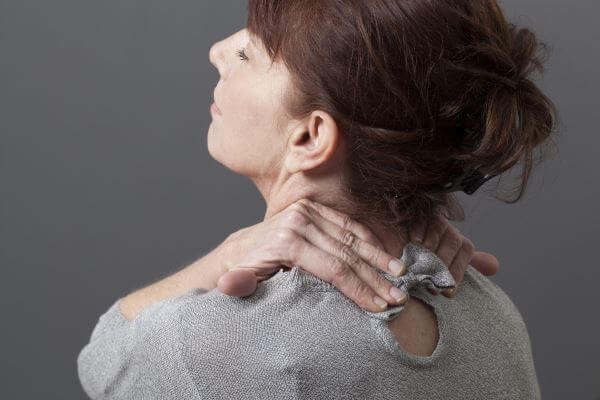
Symptoms of neck pain can vary greatly. The pain can be just a mild discomfort, or it could be so intense that a person has to avoid any excessive movement. Often, neck pain is localized in one spot and goes away on its own within a few days or weeks. But in some cases, the pain becomes constant or radiates to other parts of the body, such as the shoulder and arms.Common symptoms associated with neck pain usually involve one or more of the following:
- Stiff neck. Pain and difficulty moving the neck, especially when trying to turn the head from side to side.
- Sharp pain. This symptom can be pain localized in one spot that may feel like a stabbing or stinging sensation. Often, this type of pain occurs at the lower part of the neck.
- General pain. The pain is mostly in one spot or area of the neck and is described as unpleasant.
- Radiating pain. The pain can radiate along a nerve from the neck into the shoulders and arms. The intensity can vary and this nerve pain might feel like a burning sensation.
- Disturbances, numbness, or weakness. These sensations can extend beyond the neck and can radiate into the shoulder, arm, or fingers. There may be a tingling sensation. Usually, pain radiating into the arm is felt in only one arm, not both.
- Problems gripping or lifting objects. This can happen if tingling, numbness, or weakness of the fingers is present.
- Headaches. Sometimes neck irritation can also affect the muscles and nerves connected to the head. This could be a tension headache, which arises from tightening of the neck muscles, or occipital neuralgia, in which a pinched occipital nerve in the neck causes pain that radiates up to parts of the head and scalp.
Possible manifestations of neck pain
- Local or radiating pain - may remain in the neck or extend to the shoulder, arm, hand.
- Headache - head pain generated by dysfunctions in the joints and muscles of the neck.
- Obstruction of movement - stiff neck, reduced mobility, pain increasing with movement.
- Numbness and tingling in the limbs - sensations of numbness or weakness in the arm, hand, fingers, sometimes associated with compressed cervical nerves.
- Dizziness - frequently linked to involvement of the upper cervical region.
- Hearing and vision disturbances - ringing, partial hearing loss, blurred vision, or vertigo, sometimes due to involvement of cervical vessels/nerves.
- Irritability, psychological sensitivity, depression - chronic cervical pain correlates with anxiety and depression.
- Other symptoms - weakness in the arms/legs, loss of bladder or bowel control, fever, unplanned weight loss - possible signs of serious conditions requiring urgent evaluation.
Types of neck pain
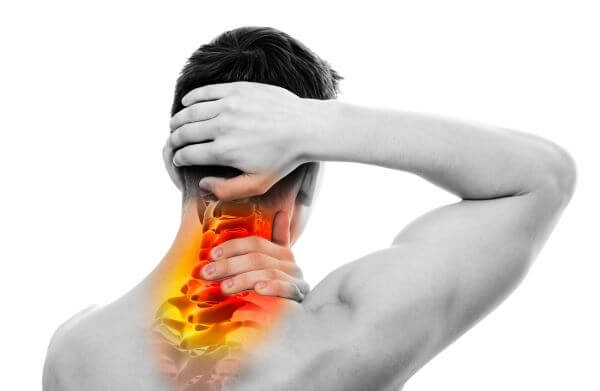
Neck pain includes general pain and stiffness in the neck region, which can include the neck, shoulder, arms, or head. Muscles can be sore and tense. Patients often present with mild or severe headaches. Most pain is due to the aging of the spine. As the spine ages, the discs can degenerate and herniate. The joints can become arthritic, stenosis (narrowing of the spinal canal) can occur, and instability can develop.There are three types or classifications of neck pain:
- Axial neck pain: Axial pain is musculoskeletal and is pain in the neck or soft tissues.
- Radiculopathy: cervical radiculopathy refers to neck and arm pain that occurs following nerve root compression. Symptoms include arm pain, numbness, or weakness.
- Myelopathy: refers to pressure on the spinal cord, which also refers to spinal cord compression. Symptoms include: neck pain with weakness in the arm and/or leg, numbness, or gait problems.
Acute neck pain
Most episodes of acute neck pain are due to a muscle strain or a soft tissue sprain (ligaments, tendons). This type of injury can be caused by a sudden force resulting from a car accident or from straining the neck (such as a stiff neck from sleeping in the wrong positions).Most minor injuries to the ligaments, tendons, and muscles in the neck usually heal over time (a few days or weeks), because these soft tissues have a good blood supply that brings the necessary nutrients and proteins for healing. Non-surgical care, such as ice and/or heat, medications, physical therapy, and/or chiropractic or osteopathic manipulation, can help ease the painful condition during healing.
In patients with neck pain persisting for more than two weeks up to three months, or with predominant arm pain, numbness, or tingling, there is often a specific anatomical abnormality causing the symptoms.
Chronic neck pain
Typically, there are a number of problems that cause neck pain. In addition, irritation of the nerve pathways can cause pain in the shoulder, head, arm, and hand. Irritation of the spinal cord can cause pain in the legs and other areas below the neck. Most cases of neck pain will resolve within a few days or weeks, but pain that persists for months could signal a medical cause that needs to be addressed - in some cases early intervention may be necessary to achieve the best results.Chronic neck pain means stiffness and obvious pain in the neck, probably with decreased mobility, that lasts. The pain can be mild or severe; what makes it "chronic" is that it persists.
Other causes of chronic pain include:
- Herniated cervical disc
- Misaligned facet joint
- Degeneration of the cervical spine discs
- Bone spurs
Risk factors for neck pain
There are many factors associated with neck pain, and many procedures, such as injections and surgeries, can cause anxiety. With over 70% of the population suffering from neck pain at some point, it is wise to know some of the risks associated with neck pain.Risk factors for neck pain include:
Risks associated with the workplace: poor workstation design, awkward neck postures, neck flexion, arm posture, duration of sitting, twisting or bending of the body, vibration to the hands or arms.
- Excessive use of pillows.
- Psychosocial factors that may indicate an increased risk of chronic pain and disability.
- Excessive worry related to neck pain.
- Unrealistic expectations regarding treatment.
- Injury compensation issues.
- Psychosocial problems, including work or family issues.
How the diagnosis of neck pain is established
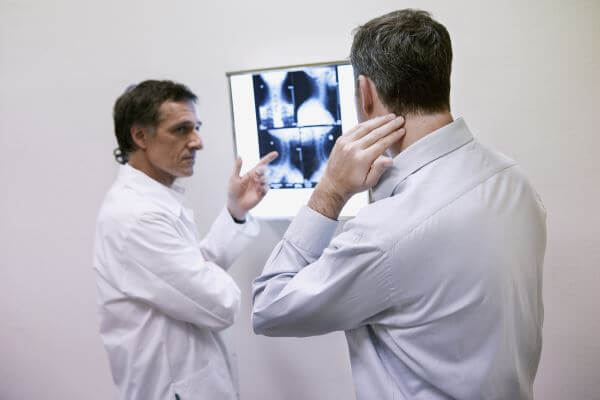
In diagnosing the cause of neck pain, it is important to review the history of symptoms. In reviewing the history, the doctor will note the location, intensity, duration, and radiation of the pain. Is the pain worsened or improved by turning or repositioning the head? Any past injuries suffered to the neck and treatments followed over time are noted. Positions or movements that aggravate and/or relieve symptoms are also recorded. The neck is examined at rest and in motion. Tenderness is detected during palpation of the neck. An examination of the nervous system is performed to determine whether or not there is nerve involvement.Further testing of undiagnosed neck pain may include X-ray evaluation, CT scan, bone scan, MRI scan, myelogram, and electrical tests, such as electromyography (EMG) and nerve conduction velocity testing.
Clinical examination
After learning the patient's history, the doctor will perform a physical examination. This usually involves:- Observation. The person's posture is examined, especially the neck and shoulders, and the neck is inspected for any injuries or abnormalities.
- Palpation. The doctor palpates along the soft tissue of the neck for signs of muscle spasms, tightness, or tenderness.
- Range of motion test. It is checked how the person's neck moves side to side, up and down, and rotates compared to what is considered normal. Even if the person has a full range of motion, the doctor will note whether this is achieved easily or whether certain movements cause pain or difficulty. If the doctor suspects any chance of nerve compression, the following physical examinations might also be performed to assess neurological status:
- Reflexes. Simple tests performed with a rubber hammer can examine reflexes in the biceps, triceps, and forearm, which can show whether the nerves in the neck are transmitting signals as they should.
- Muscle strength. Testing various muscles for any signs of weakness, such as in the shoulders, arms, or hands.
- Sensation. Any unusual sensations are checked, such as tingling extending into the shoulders, arms, or fingers. By obtaining a thorough history and performing a detailed physical examination, the doctor can narrow down the list of probable diagnoses and indicate the next course of action.
Medical history
As a first step in diagnosing the specific cause of neck pain, a doctor will usually ask for a thorough patient history. In addition to learning about the person's medical background, the doctor will ask the person about the following:- Description of the neck pain. When did the pain start? Does it come and go? Is the pain in one spot, or does it radiate into the shoulders, arms, or fingers? Are there other symptoms in addition to the neck pain?
- Occupation. What type of work does the person do? Does the person do manual labor or sit at a computer all day? What does the commute to work involve?
- Lifestyle. What type of hobbies or activities does the patient have? Does the person tend to be more active or more sedentary - for example, do their hobbies include gardening, watching TV, or swimming?
- Posture. Does the person often tilt their head forward? What type of chairs are used?
- Sleep habits. Does the patient usually sleep on their side, stomach, or back? What type of mattress and pillows are used?
- Recent accidents. Has the person done or felt anything unusual recently that could have led to this neck pain? Could the person have had an accident or a fall? Or perhaps the neck was strained while lifting something.
- Old injuries. There may have been an old sports injury, a car accident, or a fall that was particularly severe or frightening.
The doctor takes the complete history to better understand the nature of the patient's pain, such as whether the pain is worse at certain times of day or worsened by certain activities.
Imaging tests
If the neck pain is the result of trauma or if it keeps returning despite treatment efforts, then a doctor will probably request imaging tests for more information to find the medical cause. Testing options may include:- X-rays. Using electromagnetic radiation, an X-ray provides a good image of the bones. This can be used to identify spinal degeneration, fractures, or even tumors.
- Tomography. This scanning method uses X-rays together with a computer to create better images. A CT scan provides a series of cross-sectional images, which allow for better visualization of the bones than a regular X-ray. CT scans are better than MRIs for identifying subtle bone changes.
- Myelogram. This test involves injecting a dye, which allows for better visualization of the spinal canal, discs, and neural foramina. When checking the cause of neck pain, a CT scan is often combined with a myelogram to get a picture of what is happening with the bones, discs, and nerves.
- MRI examination. Using radio waves and a powerful magnet, an MRI detects variations in the anatomical structures of different tissues to create a series of detailed cross-sections of soft tissues and bones. Unlike an X-ray or CT scan, an MRI can show soft tissues and does not use radiation.
- Electrodiagnostic testing. A nerve conduction velocity test might be performed to test the electrical activity of the nerves in the arms and legs; this test is usually immediately followed by an electromyogram, which tests the electrical activity of the muscles. These tests measure the speed at which electrical signals are sent along the nerves and can give clues as to the location where a nerve might have a problem. Electrodiagnostic testing has a few operator-dependent factors that can make the results less reliable than other forms of testing.
- Bone scan. Using a radioactive marker, a bone scan can identify areas of increased bone activity. This can identify subtle fractures, as well as areas of bone degeneration or areas affected by cancer. Although it is a useful study, there is a significant dose of radiation associated with bone scans. Doctors are becoming increasingly cautious in using this study due to concerns about the long-term effects of radiation.
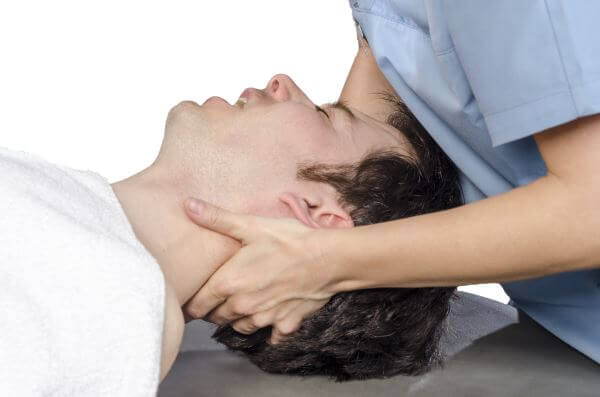
Treating neck pain
Neck pain frequently occurs as a result of muscle strains, sprains, or incorrect postures, and most of the time responds well to conservative treatments such as pain medication, warm or cold compresses, massage, physical therapy, and ergonomic adjustments. In chronic or severe cases, when symptoms persist despite these measures, a more complex or interventional medical approach may be necessary.
Remedies for reducing pain
Hydrotherapy or water therapy exercises can greatly reduce neck pain, especially if you suffer from osteoarthritis. Aquatic exercises, such as water aerobics, are an easier way to increase range of motion and relieve pain compared to exercises on land.You can also add Epsom salts to your bath to help treat neck pain. This is because the magnesium found in Epsom salts decreases inflammation and muscle pain. Simply add two cups of Epsom salt to a warm bath and sit in the tub as you relax your muscles.
Apply ice or heat depending on the cause of the pain: for acute injuries, ice is recommended, while for muscle strains or spasms, heat is more effective.
- Hydration: water helps the spinal discs stay healthy and reduces pressure on the neck
- Ice: recommended for acute injuries
- Heat: useful in case of muscle strains or spasms
- Rest and correct posture: helps relax the neck and prevents recurring pain
Moderate and regular physical exercise
Neck exercisesare a common part of almost any treatment plan for neck pain. A typical neck exercise program will consist of a combination of stretching and strengthening exercises, aerobic conditioning, and possibly trigger point exercises.Flexibility and stretching exercisescan extend or maintain the range of motion and elasticity in the affected cervical joints, thus reducing the stiffness that accompanies pain. As a general rule, neck stretching is best done every day, and some stretches can be done several times a day.
Aerobic exercise, commonly referred to as "cardio", is fueled by a steady intake of oxygen and keeps the heart rate and breathing levels elevated throughout the workout. Aerobic exercise increases blood flow to the muscles and soft tissues of the neck and upper back, which can help relax the muscles and increase range of motion. In addition, after about 30 minutes or more of aerobic exercise, the body's natural painkillers - called endorphins - are released and can help reduce neck pain. Aerobic exercise can be done daily. Some good options include using a treadmill, a stationary bike, or an elliptical machine. People who haven't done aerobic exercise in a long time are advised to start with a brisk walk.
A study published in the Journal of Bodywork and Movement Therapies found that patients with chronic neck pain found significant improvement after a six-week Pilates program. Pilates movements help stretch the neck and spine, increasing endurance throughout the spine, neck, and abdominal muscles. Pilates will help you realize that everything in your body is connected, and even small movements can become significant when they help strengthen and lengthen the neck and surrounding muscles to ease pain.
Kinesiotherapy
Kinesiotherapy treatmentconsists of a medical recovery exercise program and acts on the cause of the disease, helping to rehydrate the intervertebral discs. The exercises consist of corrective medical gymnastics, work with appropriate equipment, and a series of floor exercises.This type of therapy helps improve muscle tone, increase muscle elasticity, and improve the overall condition of the body. Most of the time, kinesiotherapy treatment is combined with massage to achieve the best results.
Physiotherapy
Physiotherapy treatmentcan take several forms: hands-on treatment, such as manual therapy and acupuncture, exercises in the form of a personalized exercise program, as well as advice on how to manage pain and prevent recurrence.Physical therapy includes both passive and active treatments. Passive treatments help you relax your body. They also prepare the body for therapeutic exercises, which are actually the active part of physical therapy.
The physical therapist can offer passive treatments such as:
- Tissue massage - releases muscle tension in the neck
- Hot and cold therapies - heat increases circulation, ice reduces inflammation
- Electrical stimulation (TENS) - reduces spasms and pain
- Traction - stretches and mobilizes the cervical spine
- Ultrasound - improves circulation and healing
- Physical exercises - for flexibility, strength, and stability
- Posture correction - preventing habits that lead to neck pain
Massage
Massage involves applying pressure to the muscles and soft tissues to reduce pain and promote relaxation. It can improve circulation, flexibility, and posture, helping to reduce stress and prevent recurring pain.
Acupuncture
Acupuncture is a traditional Chinese practice that uses very thin needles placed at specific points on the body to reduce pain and promote relaxation. It can be useful for chronic neck or back pain, and the effects vary from person to person. Usually several sessions are needed for relief.
Drug treatment
Medications can relieve neck pain and reduce soft tissue inflammation. Pain relief will allow you to move your neck easily, so you can start gentle exercises and begin the healing process.Although pain relief medications, muscle relaxants, and antidepressants are commonly used for neck pain, none of them are well-proven treatments.
Over-the-counter medications include:
- Creams or gels, such as Bengay, which are massaged onto the neck.
- Acetaminophen, such as Tylenol, which reduces pain.
- Non-steroidal anti-inflammatory drugs, including ibuprofen (such as Advil) or naproxen (such as Aleve), which can help relieve pain and reduce inflammation.
- Muscle relaxants, which are used to treat severe neck pain and spasms when neck pain begins (acute neck pain).
- Narcotic pain pills, which are used to treat severe (acute) neck pain.
- Antidepressants, which are used to treat long-term (chronic) pain.
- Corticosteroid injections. These are rarely used for neck pain. But they may be tried if you also have symptoms such as pain or numbness in the arm suggesting that a nerve root is pinched or irritated (radiculopathy).
- Non-steroidal anti-inflammatory drugs (NSAIDs) - reduce pain and inflammation. They can affect the stomach, kidneys, and heart with long-term use.
- COX-2 inhibitors - newer anti-inflammatories (e.g., celecoxib) with lower stomach risk, but may increase cardiac risk.
- Paracetamol (acetaminophen) - relieves pain, has no anti-inflammatory effect, can be combined with NSAIDs.
- Opioids (narcotics) - for moderate to severe pain; effective, but with risk of dependence and side effects.
- Muscle relaxants and adjuvants - used in case of muscle spasms or sleep disturbances associated with pain.
Surgical treatment
Surgery for neck pain
It is rare and is recommended only in severe cases (fractures, instability, pressure on the nerves or spinal cord, persistent severe pain, loss of bladder or bowel control).
Surgical options:
- Discectomy - removal of a problematic disc (anterior or posterior, with or without fusion).
- Cervical spine fusion - joining the bones together for stabilization.
- Spinal decompression - reducing pressure on the nerves or spinal cord.
- Artificial disc replacement - a newer alternative to fusion, aimed at preserving neck flexibility.
Complementary therapies
- Acupressure - uses finger pressure on strategic points; can also be done at home.
- Tai chi - slow, controlled movement combined with breathing; improves strength, flexibility, and balance.
- Yoga - postures and breathing techniques that reduce muscle tension and increase flexibility.
- Hydrotherapy - the use of water (warm or cold) for muscle relaxation, reducing inflammation, and gently strengthening the muscles.

Preventing cervical disc disease
To try to prevent neck pain, you should take care of your body and practice healthy habits.To prevent neck pain, you should:
- Reduce stress and tension: Tense muscles in the neck and shoulder can lead to neck pain. Find a few effective ways to reduce stress and use them when you feel stress starting to build up.
- Stand and sit properly: Poor posture (slouching) can quickly lead to neck pain.
- Exercise your neck and body regularly: Aerobic exercise is especially good, and you should aim for a 30-minute cardio workout 5 times a week.
- Maintain a healthy weight: this is good advice for a healthy lifestyle, but since the spine is responsible for carrying the body's weight, a healthy weight will help you take care of your spine and not overload it.
- Eat healthy foods: keeping a healthy meal plan will help you maintain a healthy weight.
- Quit smoking: another health tip, smoking can affect the bones and muscles in the cervical spine.
- Lift heavy objects safely: you risk injuring your neck (or any part of your back) if you don't move slowly and carefully when lifting something.
- Use appropriate sports equipment: protect your neck while playing sports, especially sports that can lead to neck injuries (for example, football).
- Taking care of your neck is a lifelong effort. Lifestyle changes are the best path to health, and making these changes will bring benefits not only for your neck.
Correcting body posture
Improper posture is a major factor in neck pain. Think about your posture every time you stand or sit. Always try to keep your head and neck straight and make sure your back is supported. Avoid leaning forward. Sit up straight in your chair with your lower back supported, feet flat on the floor, and shoulders relaxed. Do not sit for long periods of time without getting up or changing positions. Take short breaks several times an hour to stretch your neck muscles.What is the correct posture at your desk?
When sitting at your desk, your computer should be at eye level, and your chair should support your back. Your mouse should be positioned so that you don't have to constantly reach for it.What is the correct position while driving?
Adjust your car seat to a more upright position that supports your head and lower back. Make sure you don't have to reach for the steering wheel while driving. Your arms should be in a slightly bent, comfortable position.What is the correct posture when reading?
Over time, the added stress on the joints, ligaments, and discs in the neck can lead to premature degenerative changes in the neck. Tips to avoid neck damage while reading include holding the book at eye level, minimizing reading time, resting your hands on a pillow, and taking frequent breaks.What is the correct sleeping position, so you don't have pain?
In general, sleeping on your back is the best position to let the entire spine rest comfortably. As for comfort and neck support while sleeping, there are many options, and you may need some trial and error to find what works best for you. As a general rule, it is best to use a pillow that keeps your spine in neutral alignment, meaning the natural curve of the neck is supported and maintained.Physical exercises for preventing neck pain
Keep your neck muscles strong by doing short sets of strengthening and stretching exercises throughout the day. One of the simplest exercises to do is the chin tuck exercise. This exercise helps strengthen the muscles that pull the head back into alignment with the shoulders (upper thoracic extensors) and also stretches the scalene and suboccipital muscles.Flexibility and stretching exercises can extend or maintain the range of motion and elasticity in the cervical joints, thus preventing the stiffness that accompanies pain. As a general rule, neck stretching is best done every day, and some stretches can be done several times a day.
Preventing conditions that can lead to neck pain
To prevent osteoarthritis, spondylitis, disc degeneration, and other conditions that can lead to neck pain, it is important to:- develop a daily exercise routine. Try to incorporate aerobic and flexibility exercises into your movement program.
- lose weight if necessary. Being overweight or obese adds stress and pressure on the joints of the spine.
- try to eat healthy and nutritious foods. Base your diet on fruits and vegetables, and whole grains.
- take frequent breaks during the day. This is especially important if you work at a desk all day. Get up and stretch every 30 minutes to give your back a chance to recover.
- maintain good posture. Proper standing and walking promotes good back health.
- learn how to lift weights correctly. Proper lifting technique will help you avoid excess stress on your back.
- get enough rest. Try to sleep 8 hours a night.
- quit smoking. Smoking can accelerate the aging process, which means bad news for your spine.
- avoid excessive alcohol consumption. Too much alcohol can lead to dehydration.
- Cohen SP, Hooten WM. Advances in the diagnosis and management of neck pain. BMJ, 2017. https://www.bmj.com/content/358/bmj.j3221
- Binder AI. Cervical spondylosis and neck pain. BMJ Clinical Evidence, 2014. https://pubmed.ncbi.nlm.nih.gov/25218897/
- Fejer R, Kyvik KO, Hartvigsen J. The prevalence of neck pain in the world population: a systematic critical review of the literature. European Spine Journal, 2006. https://doi.org/10.1007/s00586-004-0864-4
- Gross A, Paquin JP, Dupont G, et al. Exercises for mechanical neck disorders. Cochrane Database of Systematic Reviews, 2016. https://doi.org/10.1002/14651858.CD004250.pub5
- Hurwitz EL, Carragee EJ, van der Velde G, et al. Treatment of neck pain: Noninvasive interventions. Spine Journal, 2008. https://doi.org/10.1097/BRS.0b013e3181644b1d
- Guzman J, Haldeman S, Carroll LJ, et al. Clinical practice implications of the Bone and Joint Decade 2000–2010 Task Force on Neck Pain and Its Associated Disorders. Spine Journal, 2008. https://doi.org/10.1097/BRS.0b013e3181644b64
- Orthopedics, a department composed of an extremely experienced team of orthopedic doctors, led by Dr. Andrei Ioan Bogdan, primary care physician in orthopedics-traumatology, with surgical activity at Medlife Orthopedic Hospital, specialized in sports traumatology and ankle and foot surgery.
- Pediatric orthopedics, where children's sports conditions are treated (ligament and meniscus injuries), spinal deformities (scoliosis, kyphosis, hyperlordosis) and those of the feet (hallux valgus, hallux rigidus, equine larynx, flat valgus, hollow foot).
- Neurology, which has an ultra-performing department, where consultations, electroencephalograms (EEG) and electromyography (EMG) are performed.
- Medical recovery for adults and children, department specialized in the recovery of performance athletes, in spinal disorders, in the recovery of children with neurological and traumatic diseases. Our experience is extremely rich, treating over 5000 performance athletes.
- Medical imaging, the clinic being equipped with ultrasound and MRI, high-performance devices dedicated to musculoskeletal disorders, and complemented by an experienced team of radiologists: Dr. Sorin Ghiea and Dr. Cosmin Pantu, specialized in musculoskeletal imaging.
About Centrokinetic
Centrokinetic clinic offers all services necessary for a complete rehabilitation process, from the first consultation to the medical specialist to establish the correct diagnosis, to treatment and recovery.
Centrokinetic is the place where you will find clear answers and solutions for your motricity problems. The clinic is dedicated to osteoarticular conditions and is divided into the following departments:
Find the latest news by following the Facebook, Instagram and YouTube accounts of the Centrokinetic clinic.

MAKE AN APPOINTMENT
CONTACT US
MAKE AN APPOINTMENT
FOR AN EXAMINATION
See here how you can make an appointment and the location of our clinics.
MAKE AN APPOINTMENT


BUCHAREST TEAM


































































CLUJ NAPOCA TEAM


































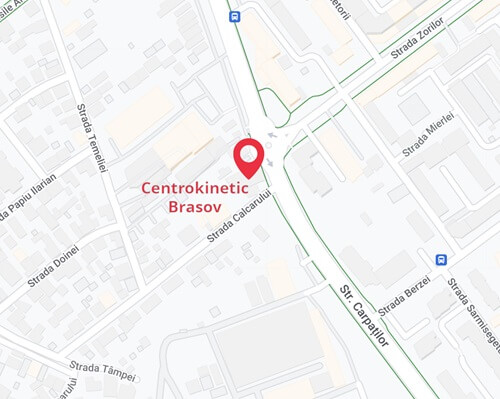
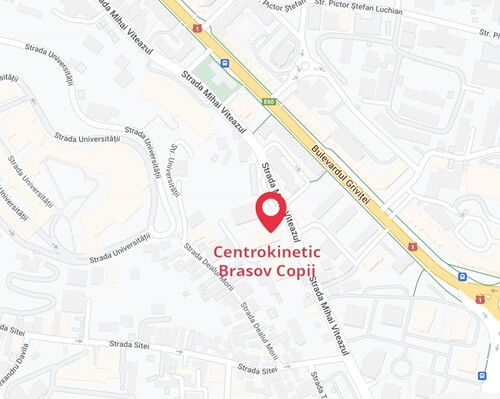
BRASOV TEAM























Asiguratori privati





Parteneriate



CENTROKINETIC FLOREASCA
Bucharest, 1st District,
Mircea Eliade Street, no. 18,
Eliade Tower, Entrance A, Floor 3
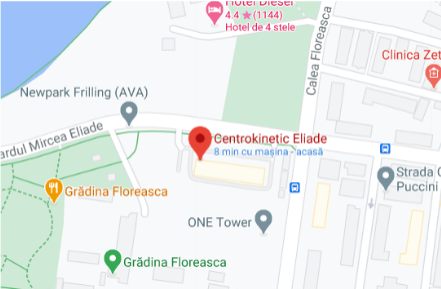
| Navigation | Explore 3D |
CENTROKINETIC Barbu Vacarescu
Bucharest, 2nd District,
Barbu Vacarescu Street, no. 102,
102 The Address, ground floor.
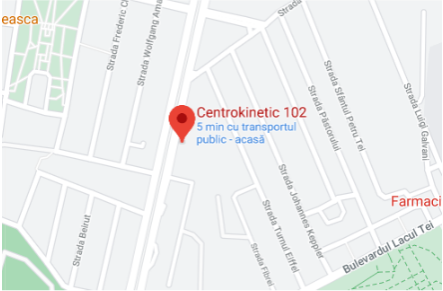
| Navigation | Explore 3D |
CENTROKINETIC MILITARI
Bucuresti, Sector 6,
Bld. Iuliu Maniu, nr. 15G,
Cladirea PBT, etaj 3.
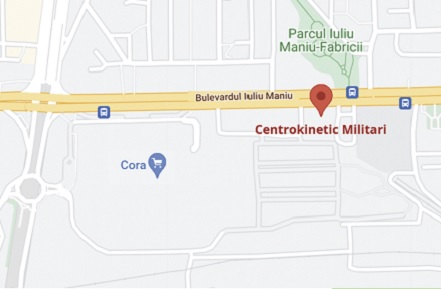
| Navigation |
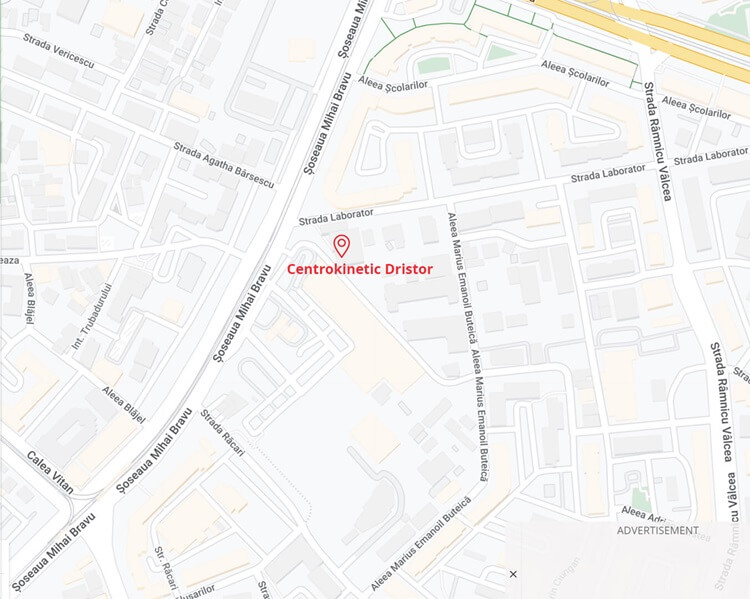
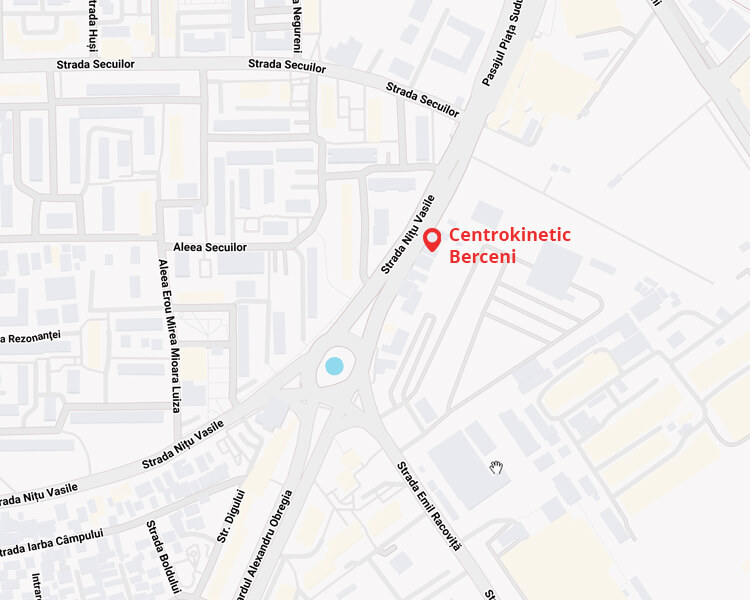
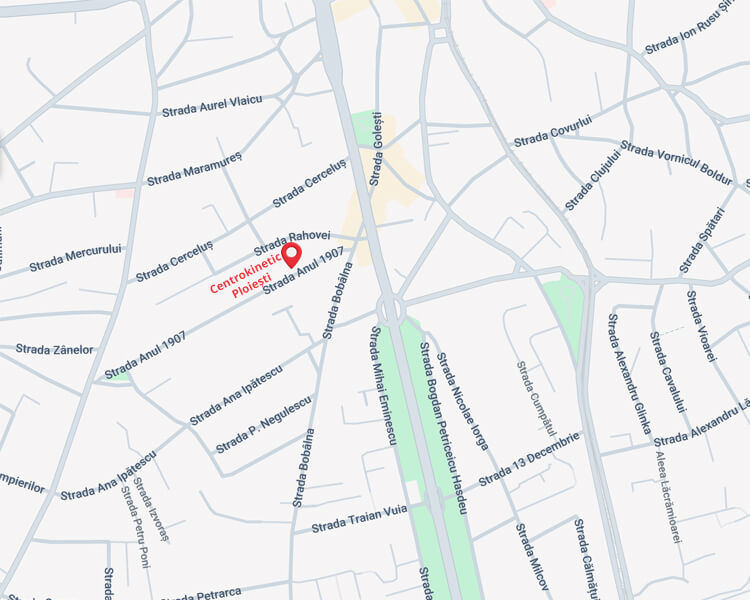
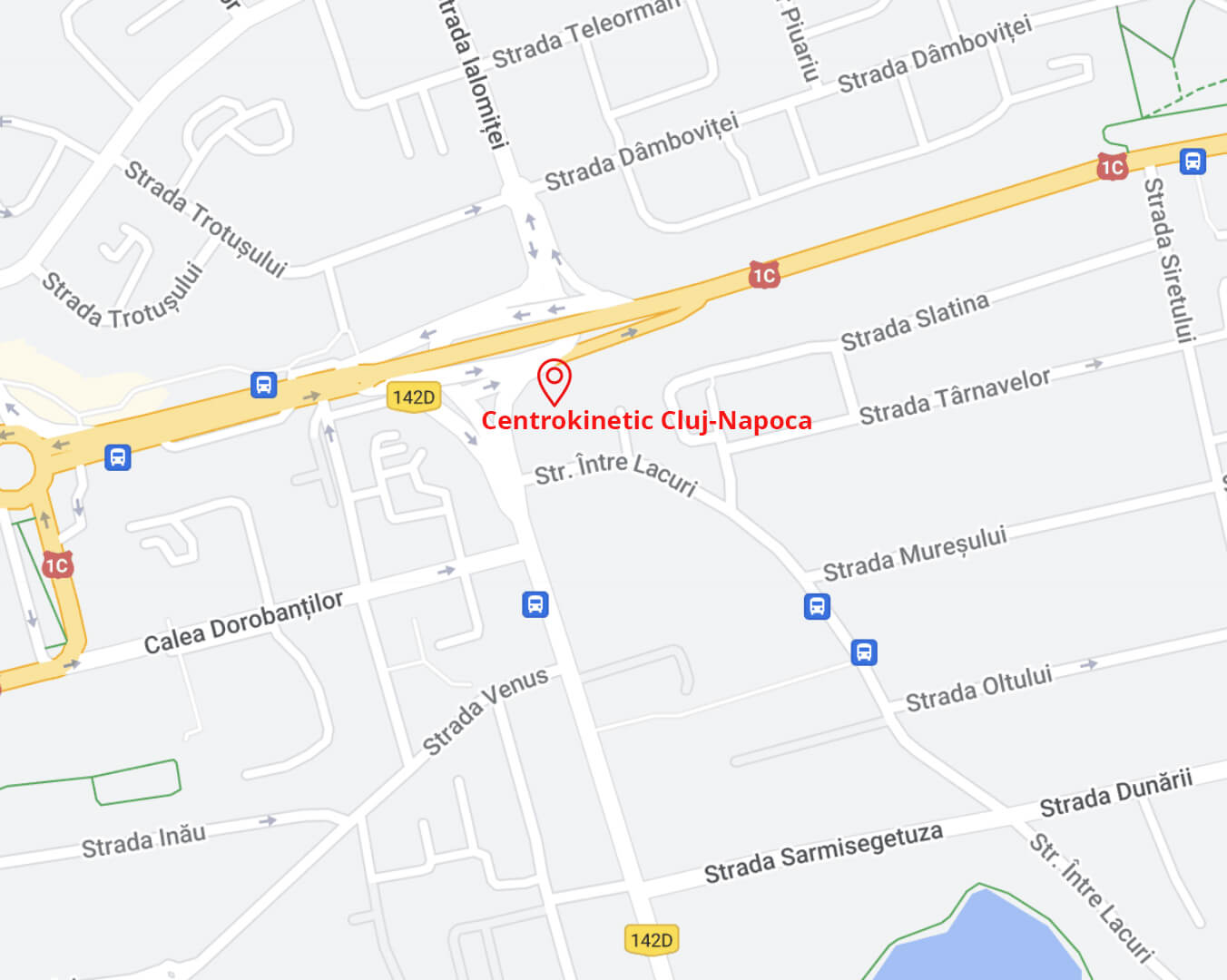
CENTROKINETIC CLUJ-NAPOCA
Cluj-Napoca,
Str. Intre Lacuri, nr.1
Intrarea este in spatele cladirii.
| Navigation |
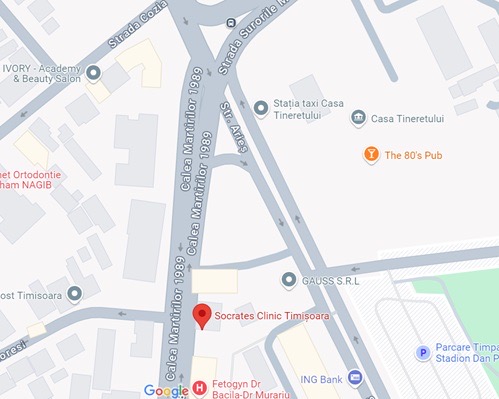
SOCRATES CLINIC TIMISOARA
Timisoara, Calea Martirilor 1989,
nr. 1.
Telefon: 0371 785 374.
| Navigation |
CONTACT
Phone: 0319693
E-mail: programari@centrokinetic.ro
Operating hours:
Monday – Friday: 07:00 – 21:00
Saturday: 09:00 – 14:00
Sunday: closed.
MAKE AN APPOINTMENT