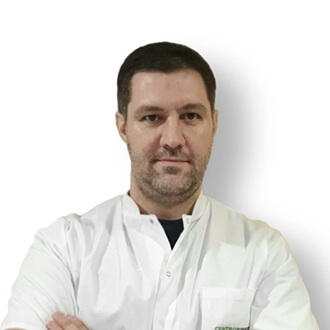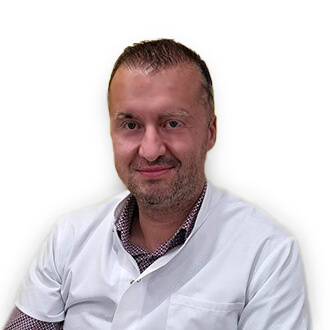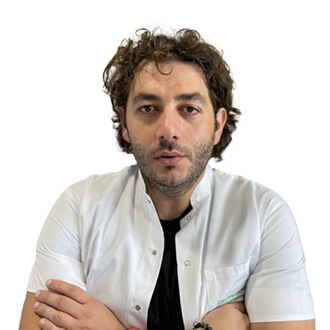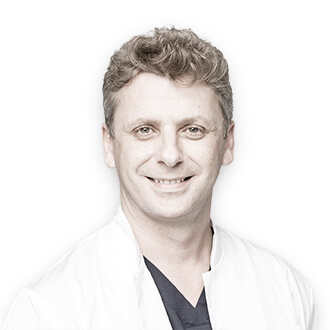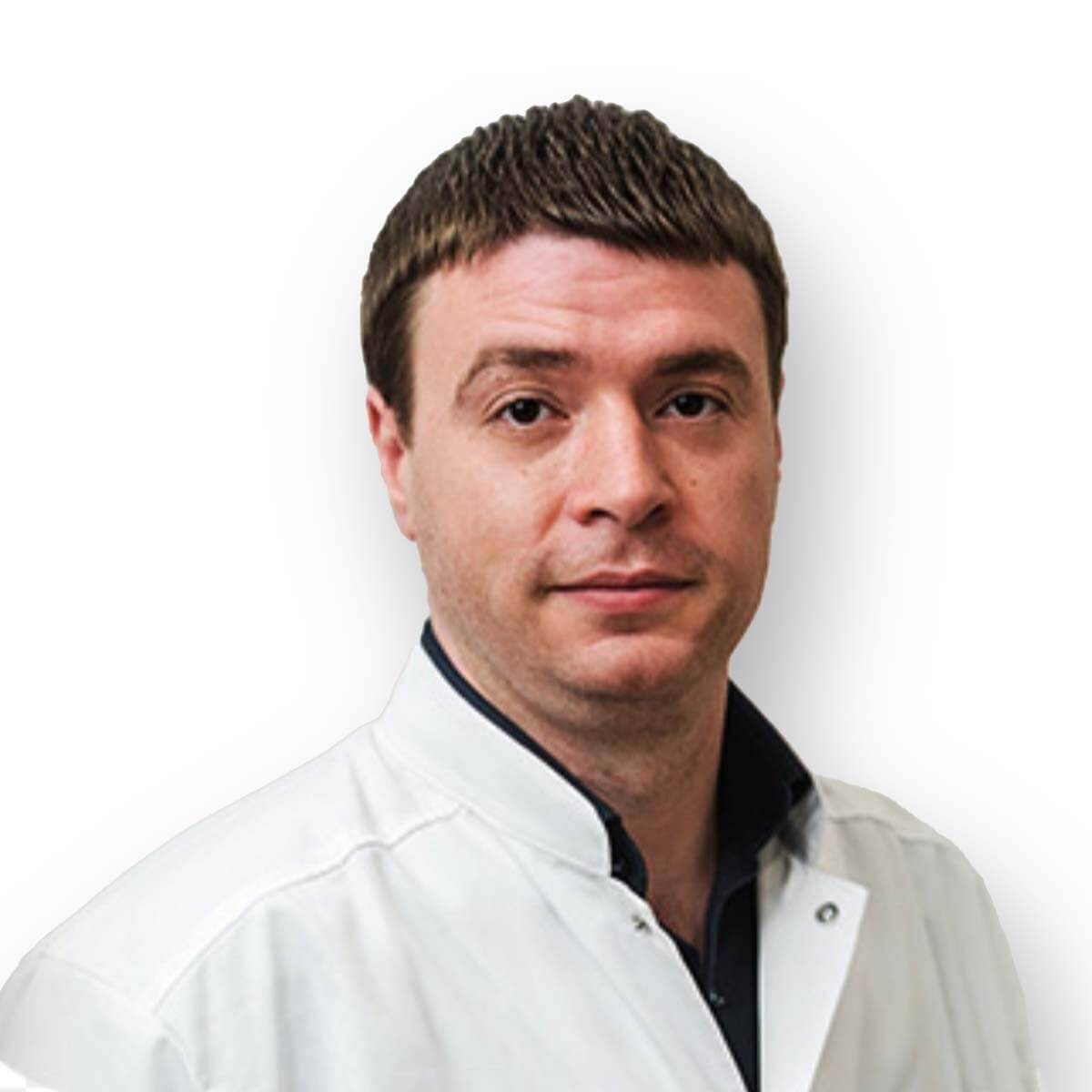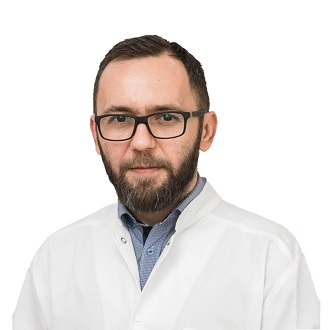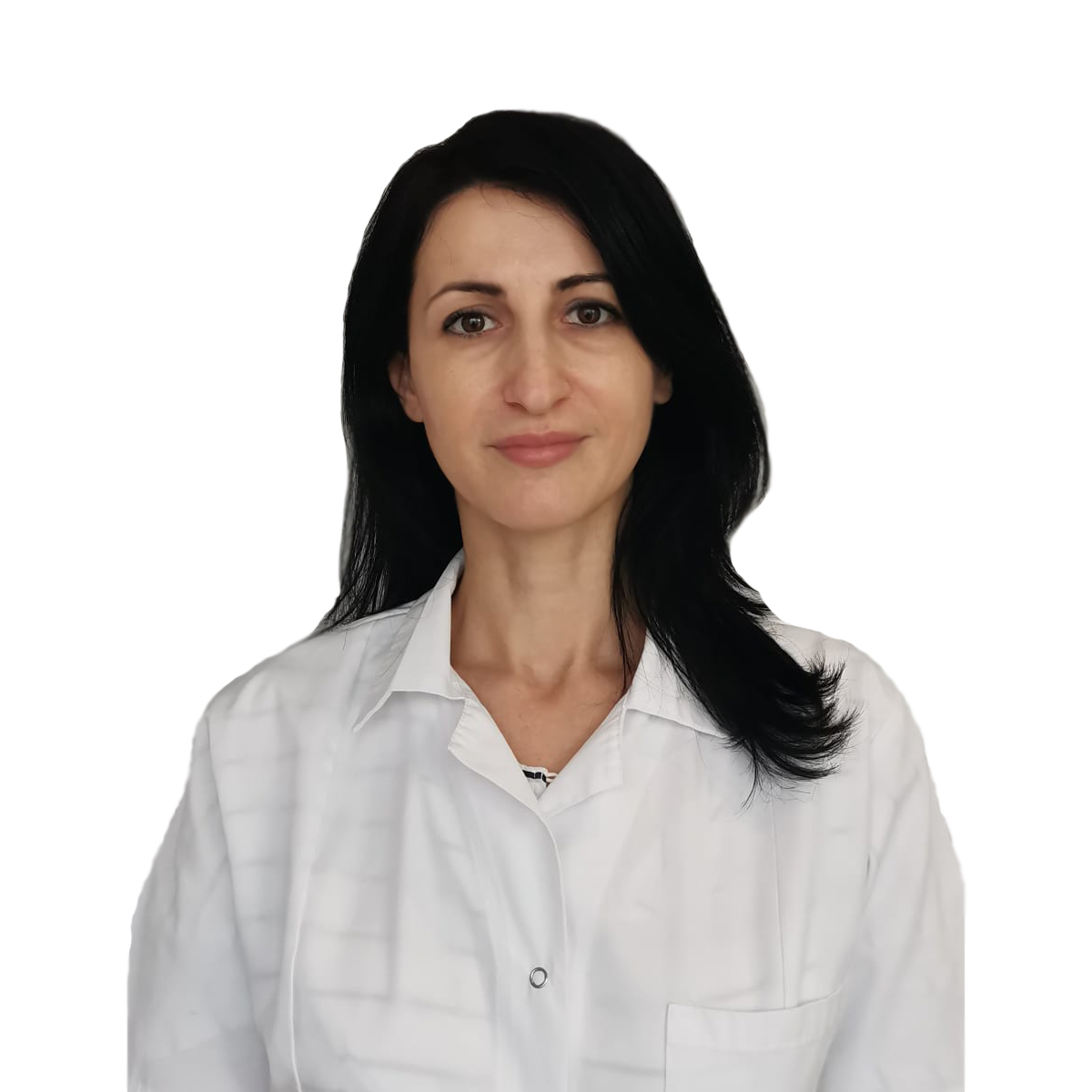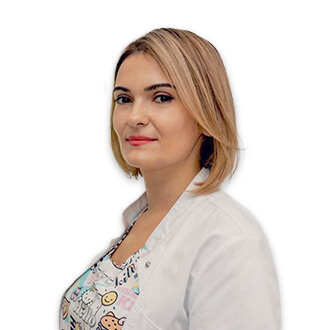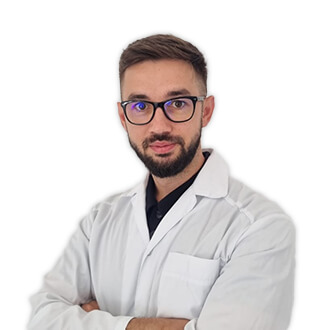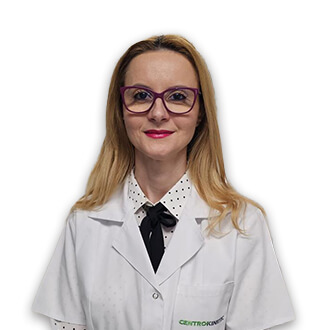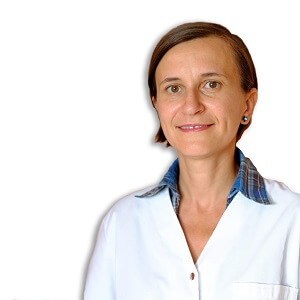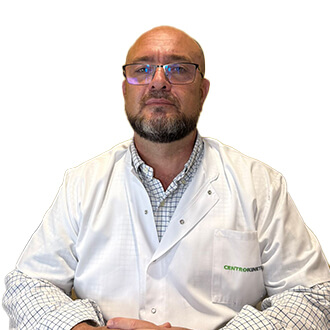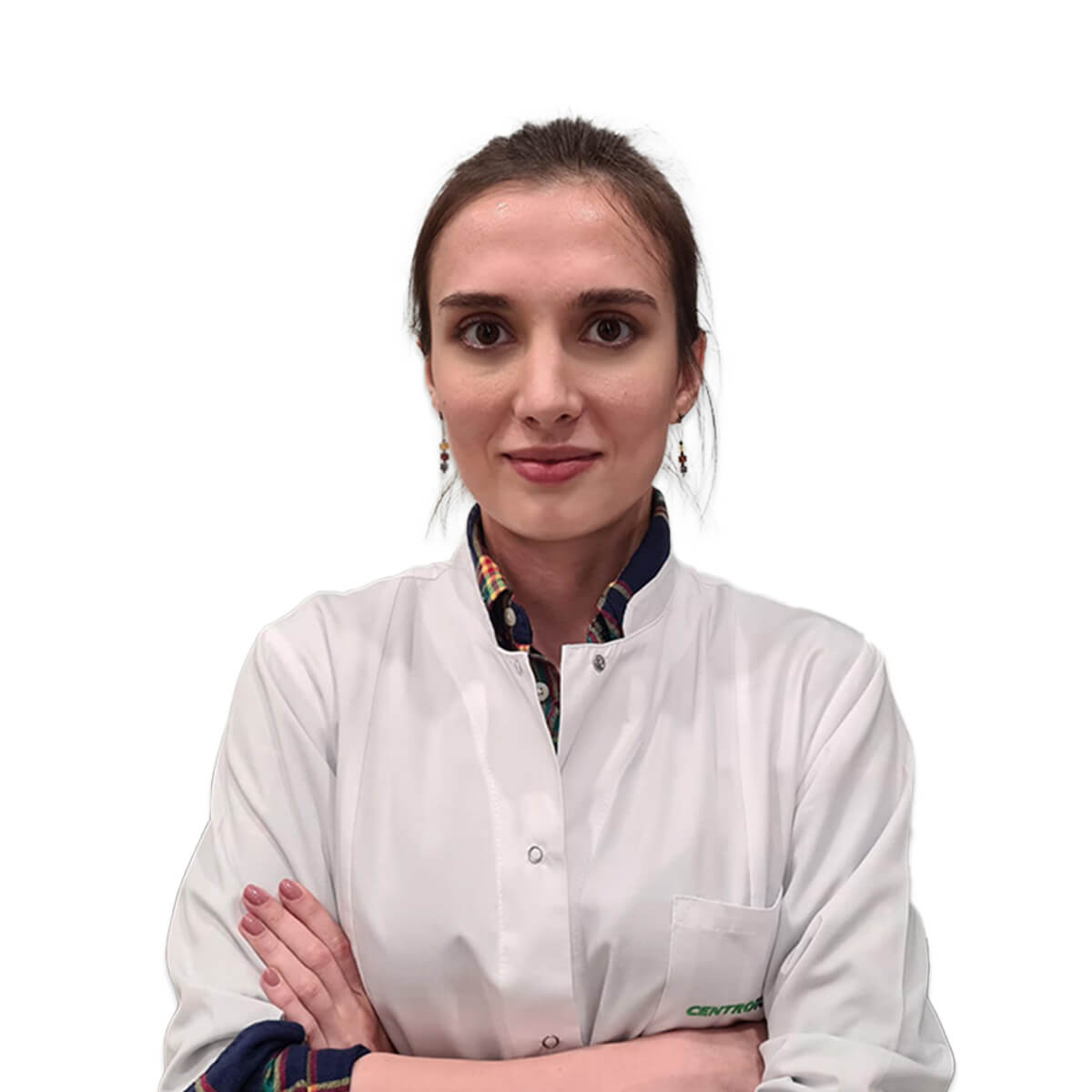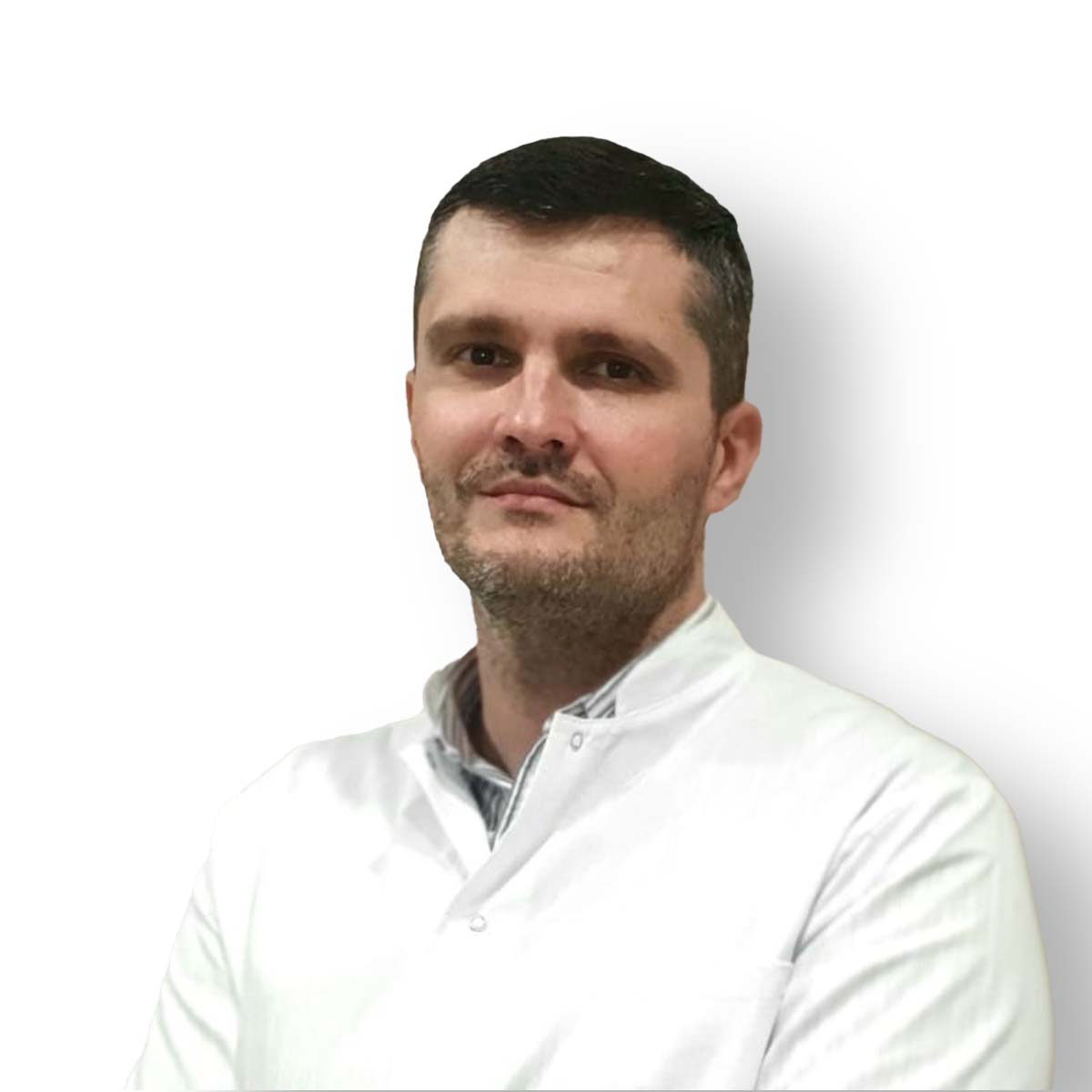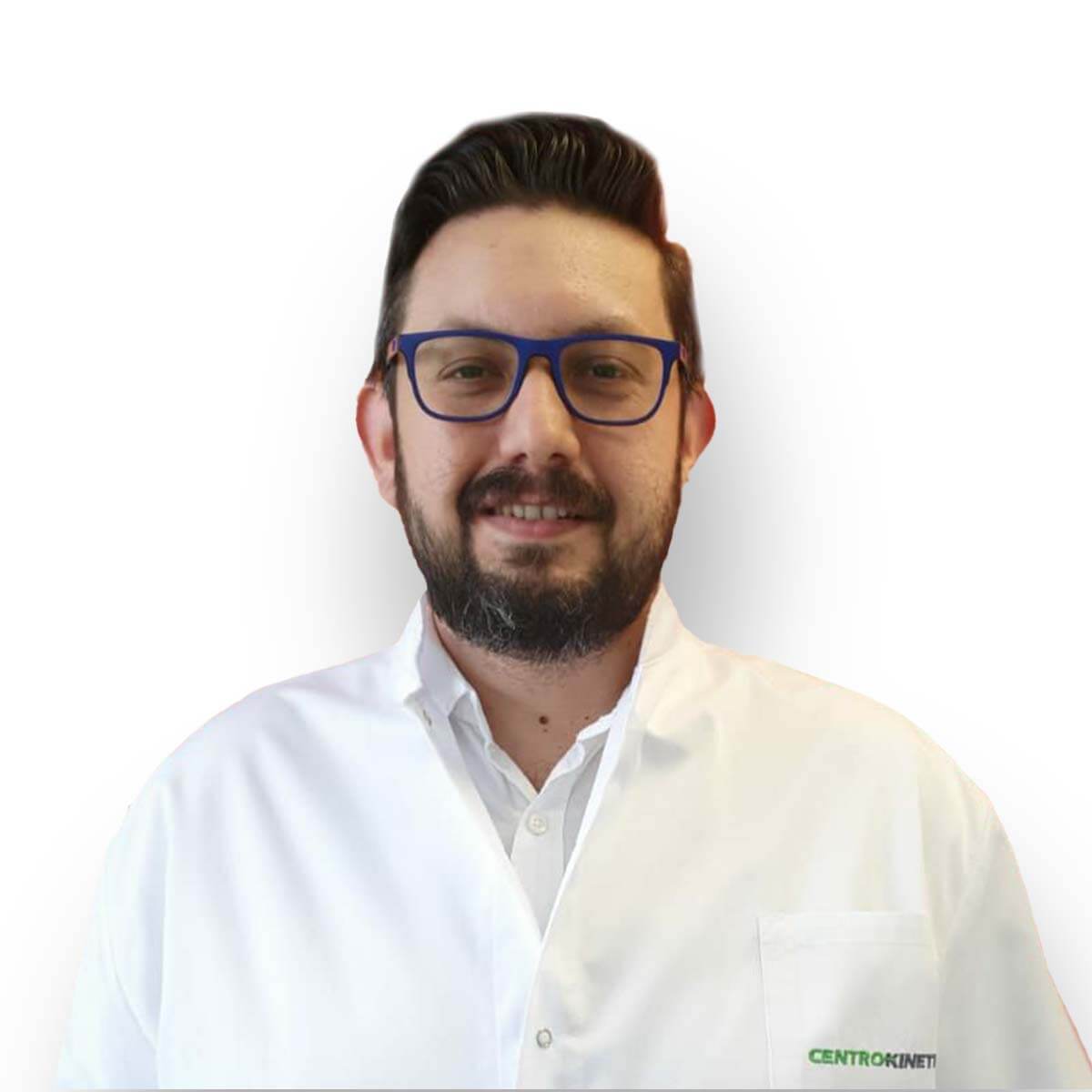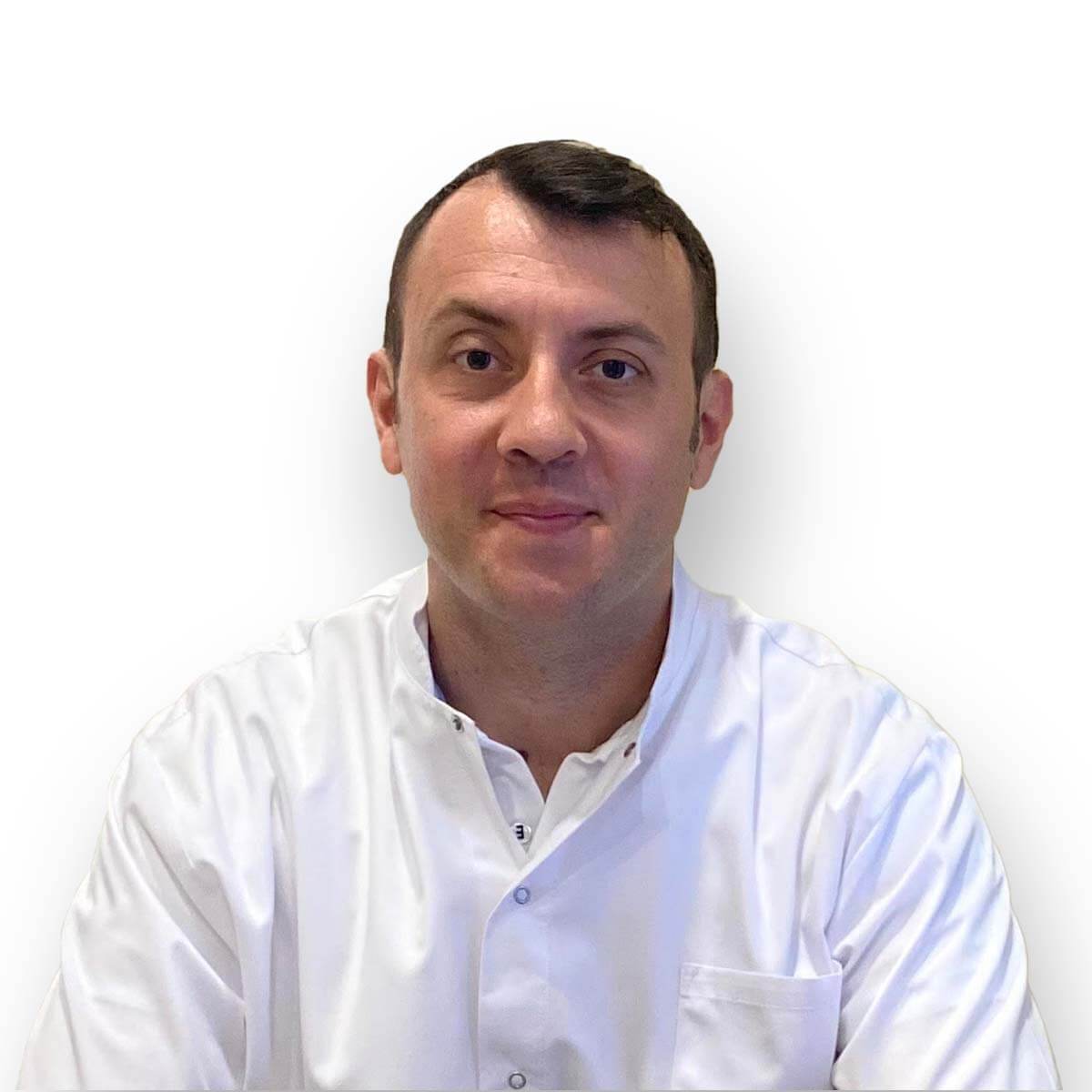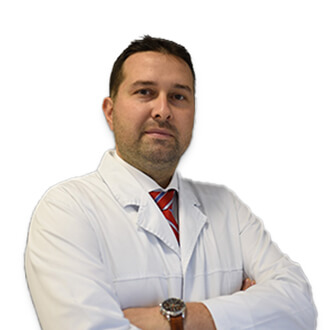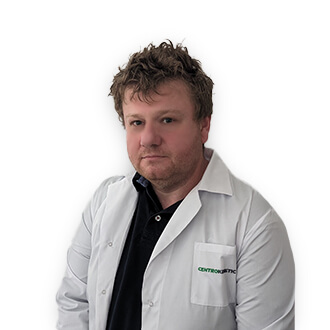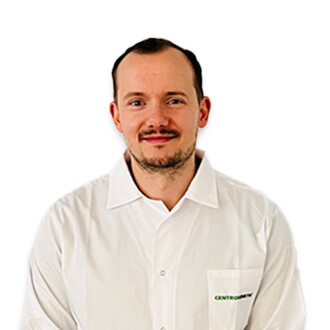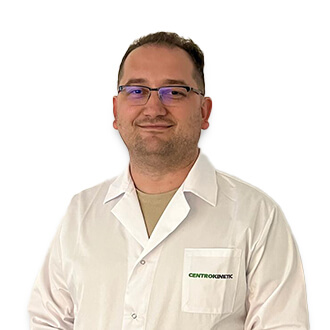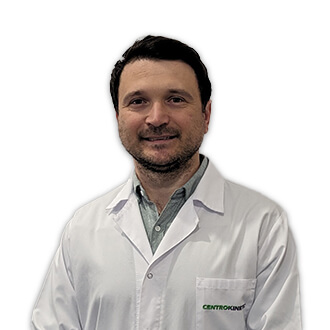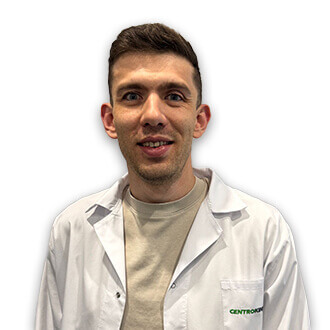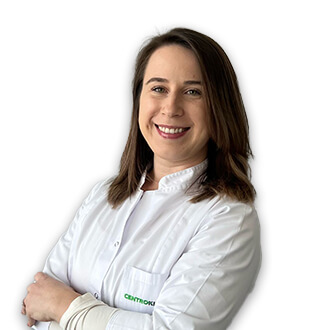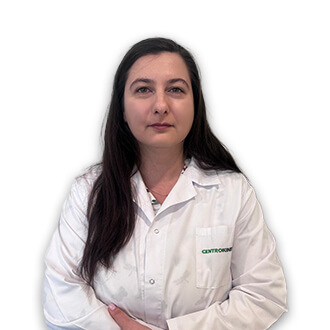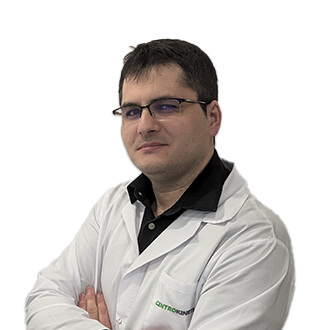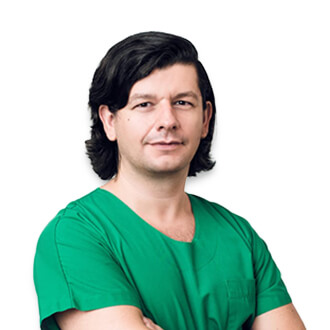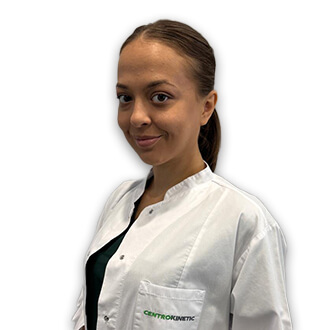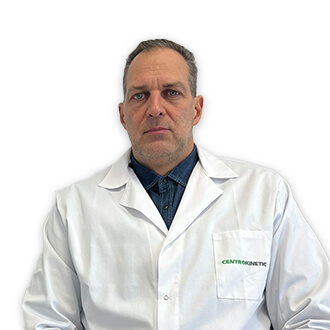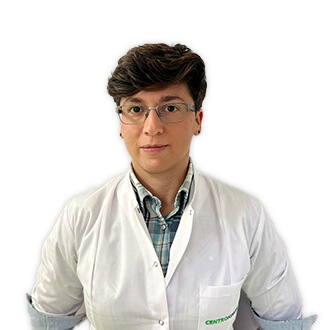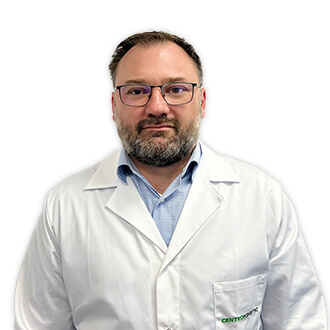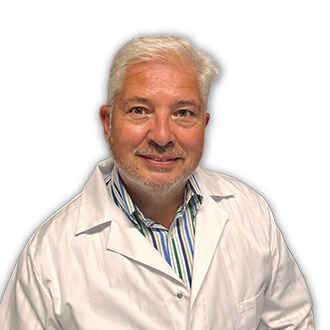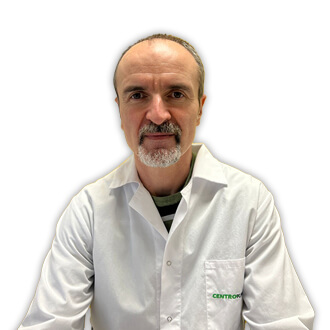

Spasticity is one of the most common and disabling consequences of neurological diseases. At Centrokinetic, patients with spasticity benefit from a comprehensive evaluation and treatment program led by an interdisciplinary team that includes a neurosurgeon specialized in functional neurosurgery, a physiotherapist, and a neurological rehabilitation specialist.
What is spasticity?
Spasticity represents the hyperexcitability of the muscle stretch reflex, resulting in involuntary muscle stiffness and contracture. It occurs as a consequence of any lesion affecting the pyramidal tract (brain or spinal cord): stroke, spinal cord injury, multiple sclerosis, cerebral palsy, severe traumatic brain injury.
Who is this service intended for?
Our spasticity treatment program is intended for patients with:
- Post-stroke hemiplegia/hemiparesis with limb spasticity
- Post-traumatic paraplegia or tetraplegia (spinal cord injuries)
- Multiple sclerosis with spinal spasticity
- Cerebral palsy in children
- Severe traumatic brain injury with cerebral spasticity
- Spasticity of any neurological origin causing functional impairment or pain
Evaluation and therapeutic decision protocol
Spasticity treatment at Centrokinetic follows an internationally validated clinical algorithm, individually adapted for each patient:
Step 1 – Complete clinical evaluation
Neurological examination, assessment of spasticity severity (Ashworth scale), functional impact assessment (Millet scale), gait analysis, and posture evaluation.
Step 2 – Interdisciplinary assessment
Consultation with a neurological rehabilitation specialist, electrophysiologist (EMG), and neurosurgeon. Therapeutic decisions are made collaboratively.
Step 3 – Conservative / minimally invasive treatment
Medication (baclofen, tizanidine), specialized physiotherapy, botulinum toxin injections for focal spasticity — used either as first-line treatment or as a pre-surgical test.
Step 4 – Neurosurgical indication (when appropriate)
Recommended exclusively in cases of conservative treatment failure, neurologically stable spasticity, and after specific preoperative testing. The surgical technique is selected according to the type and localization of spasticity.
Step 5 – Postoperative rehabilitation
Structured neuromotor rehabilitation program with clear functional objectives established preoperatively.
Available neurosurgical techniques
Our neurosurgeon specialized in functional spasticity surgery uses modern techniques with intraoperative neurophysiological monitoring:
Partial Peripheral Neurotomy (PPN)
Partial, selective sectioning of the nerve fascicles responsible for spasticity. The procedure is performed under an operating microscope, with intraoperative EMG guidance for maximum precision and preservation of residual motor function.
Common indications:
- ✓ Spastic equinus and/or varus foot (PPN of the tibial nerve) — in post-stroke hemiplegic patients
- ✓ Spastic thigh adduction (PPN of the obturator nerve) — in paraplegic or hemiplegic patients
- ✓ Spastic knee flexion (PPN of sciatic nerve branches)
- ✓ Spasticity of the hand and forearm (PPN of the median, radial, musculocutaneous nerves)
- ✓ Spastic elbow flexion (PPN of the musculocutaneous nerve)
Selective Posterior Rhizotomy (SPR)
Selective sectioning of the dorsal nerve roots responsible for diffuse lower limb spasticity. It is the treatment of choice for children with cerebral palsy and excessive spasticity who retain functional potential.
Documented benefits:
- ✓ Significant reduction in lower limb spasticity
- ✓ Improvement in gait and postural quality
- ✓ Beneficial effects on urinary function
- ✓ In 3 out of 4 cases: improvement in speech and swallowing
Micro-DREZotomy
Surgical intervention at the dorsal root entry zone (DREZ) — thoracolumbar or cervical. Indicated in spastic paraplegia with severe painful spasms, irreducible hemiplegic spasticity, or spasticity associated with neurogenic bladder.
Implantable intrathecal baclofen pump
A programmable subcutaneous implantable device that delivers small doses of baclofen directly into the cerebrospinal fluid. Indicated in diffuse spasticity of spinal or cerebral origin refractory to oral treatment.
Advantages: Ashworth score reduction by approximately 3 grades, decreased spasm frequency, significantly lower doses compared to oral administration (avoiding drowsiness)
Main indications: Multiple sclerosis, spinal cord injuries, severe brain injuries — including bedridden patients after traumatic brain injury
Follow-up: The pump is refilled every 3–6 months; dosage is adjusted non-invasively through programmable settings
Treatment objectives
Functional
Improvement of gait, hand function, and independence in daily activities
Comfort
Pain reduction, easier patient care, improved sleep quality
Preventive
Prevention of irreversible orthopedic deformities, ankylosis, and subluxations
Cosmetic
Correction of abnormal limb postures
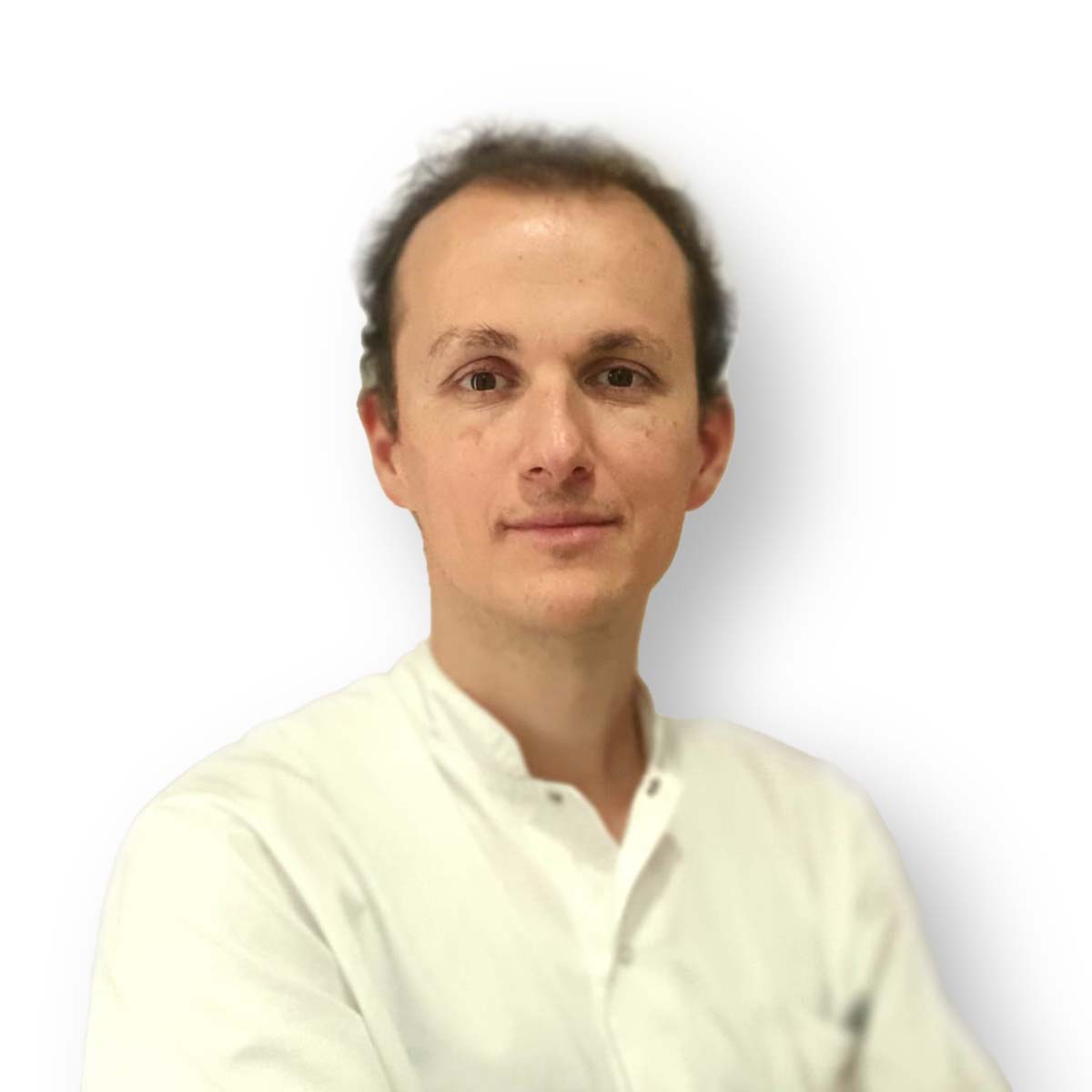
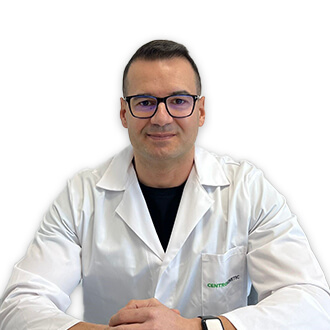
Specialist physician: Dr. Alin Rasina
Dr. Alin Dumitru Rasina
Senior Consultant Neurosurgeon | PhD in Medical Sciences
Principal Scientific Researcher Grade III | Master’s Degree in Healthcare Services Management
Specialization: Functional and Stereotactic Neurosurgery
Dr. Rasina is part of the Clinical Neurosurgery Department V (Stereotactic and Functional Neurosurgery) at the "Bagdasar-Arseni" Emergency Clinical Hospital — the only stereotactic and functional neurosurgery department in Romania, recognized as a continental regional reference center.
This department is the center where Romania’s first deep brain stimulation implants for Parkinson’s disease and the first chronic intrathecal baclofen infusion pumps were performed. Areas of expertise include spasticity surgery, surgery for drug-resistant epilepsy, Parkinson’s disease, dystonia, and chronic neuropathic pain.
Clinical competencies relevant to spasticity treatment:
- ✓ Partial peripheral neurotomy (PPN) — upper and lower limbs, under operating microscope with intraoperative EMG monitoring
- ✓ Selective posterior rhizotomy (SPR) — for children with cerebral palsy, with neurophysiological monitoring
- ✓ Micro-DREZotomy — for painful spastic paraplegia and irreducible spasticity
- ✓ Intrathecal baclofen pump implantation — programmable, with prior intrathecal testing
- ✓ Direct collaboration with neurological rehabilitation and electrophysiology specialists within the Centrokinetic team
Patients who consulted Dr. Rasina describe him as “a highly trained, calm, attentive physician with great respect for patients” — able to explain complex diagnoses in accessible language and provide support both to patients and their families.
Why Centrokinetic?
- ✓ Neurosurgeon specialized in spasticity — Dr. Alin Rasina — senior consultant, PhD in medical sciences, specialized in functional and stereotactic neurosurgery
- ✓ Genuine multidisciplinary approach — therapeutic decisions are made collaboratively by neurosurgeon, rehabilitation specialist, electrophysiologist, and physiotherapist
- ✓ Individualized protocol — each patient receives a plan adapted to the type and severity of spasticity, functional goals, and overall medical condition
- ✓ Therapeutic continuity — from evaluation to intervention and postoperative rehabilitation, everything coordinated within the same clinic
- ✓ Expertise in neurological rehabilitation — Centrokinetic is a clinic recognized for its specialization in neurological patient recovery