What Does a Complete Orthopedic Evaluation Mean for Knee Pain That Keeps Coming Back?


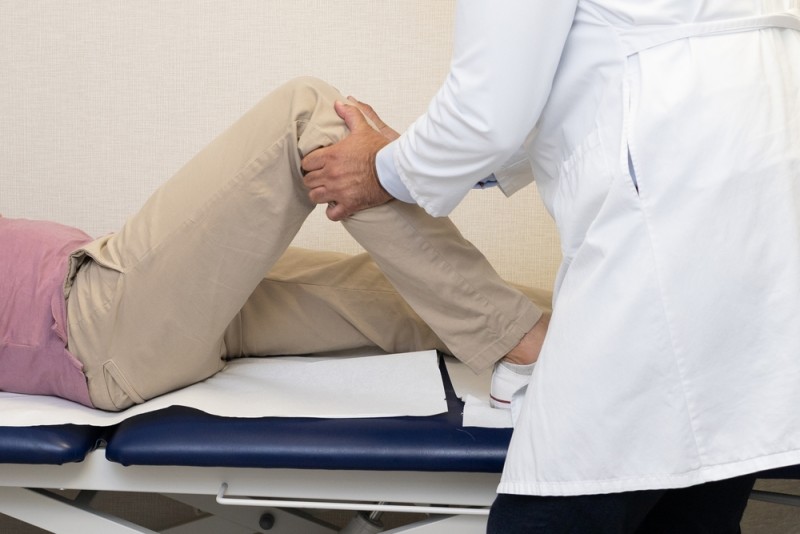
A complete orthopedic evaluation for knee pain that keeps coming back is a structured medical process through which the doctor identifies the exact cause of the pain, establishes the correct diagnosis, and proposes a treatment plan adapted to your lifestyle. It's not a simple consultation, but a detailed analysis of the joint and your medical history.
If the pain appears when climbing stairs, when running, or after periods of rest, and then disappears for a while, your knee is sending you a clear signal. In most cases, these repeated episodes indicate a structural or inflammatory problem that requires early evaluation. Here's what a complete orthopedic evaluation involves, what investigations may be necessary, what the most common causes of the pain are, and how a personalized plan can help you prevent the condition from worsening.
When should you see an orthopedist for recurring knee pain?
Occasional pain after intense effort can be normal. Pain that reappears periodically, even if it isn't constant, needs to be investigated. Many active adults continue their workouts or daily activities while ignoring mild symptoms; amateur athletes often blame the discomfort on overexertion. It's important to take action when you notice:
- pain when bending the knee, doing squats, or climbing stairs;
- pain on the inner or outer side of the knee;
- repeated episodes of swelling or fluid buildup;
- a feeling of instability, as if the knee is "giving way";
- temporary locking of the joint;
- pain returning after resuming sports.
If you take anti-inflammatories and the pain subsides temporarily, that doesn't mean the problem has been solved. Medication can reduce inflammation, but it doesn't repair a meniscus tear or a ligament rupture. A consultation with an orthopedics specialist gives you a clear picture of the situation and helps you prevent complications.
What does a complete orthopedic evaluation actually involve?
A complete orthopedic evaluation follows several well-defined steps. The doctor gathers information, examines the knee, recommends investigations if needed, and builds a plan tailored to your goals: returning to sport, walking without pain again, or recovering after surgery.
Detailed history-taking – the discussion with the doctor
The consultation begins with an in-depth discussion. The doctor asks you:
- when the pain first appeared;
- how often it recurs and how long each episode lasts;
- what activities trigger the symptoms;
- whether you've had any trauma, sprains, or surgical procedures;
- what investigations you've had before.
Clinical examination of the knee
After the discussion, the doctor examines the joint: checking the position of the knees, checking the alignment of the lower limbs, and noting any differences between the two sides.
Then they test:
- mobility (flexion and extension);
- ligament stability;
- tenderness on palpation along the meniscus lines;
- the presence of fluid within the joint.
Clinical tests can reveal a meniscus tear, ligament instability, or signs of cartilage wear. This step provides valuable information and helps in selecting the right investigations.
What investigations are needed for a complete evaluation?
The doctor recommends examinations based on the clinical suspicion and your history.
Knee X-ray
The X-ray provides information about the bone structures. With it, the doctor can observe:
- narrowing of the joint space, suggestive of osteoarthritis (gonarthrosis);
- osteophytes (bone spurs);
- axis deformities;
- fractures or signs of old trauma.
The X-ray doesn't allow visualization of the ligaments or menisci, but it helps identify or rule out important bone issues.
Musculoskeletal ultrasound
Ultrasound allows evaluation of the superficial soft tissues. The doctor can identify:
- tendon inflammation;
- bursitis;
- fluid buildup;
- muscle injuries.
In routine practice, ultrasound also helps guide injections, so that the substance is administered precisely into the joint.
Magnetic resonance imaging (MRI)
MRI provides detailed images of the ligaments, menisci, and cartilage. It's useful for diagnosing:
- meniscus tears;
- partial or complete ligament ruptures;
- cartilage lesions;
- bone edema.
For example, if a rupture is suspected, the doctor may recommend additional investigations and explain the available options to you. Read more about anterior cruciate ligament injuries in our dedicated article.
Blood tests
The doctor may recommend blood tests when an inflammatory or metabolic condition is suspected, such as:
- rheumatoid arthritis;
- gout;
- joint infections.
These tests complete the clinical picture.
What are the most common causes of recurring knee pain?
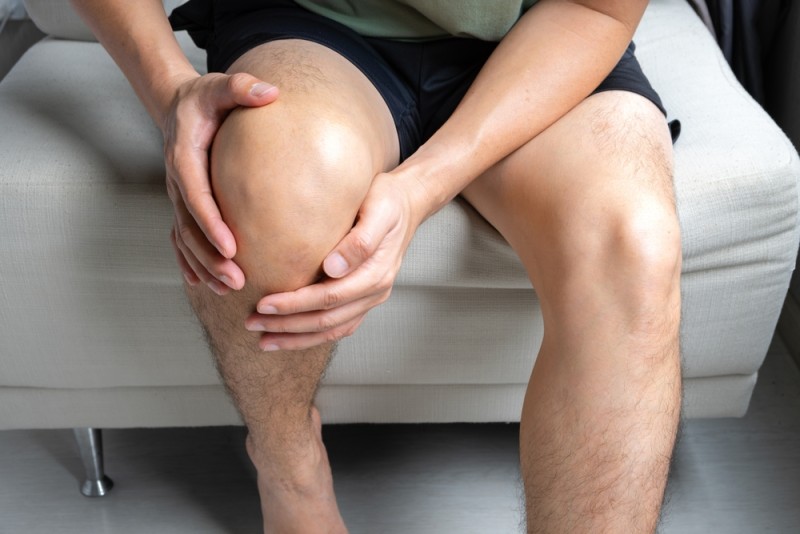
Recurring pain can have various causes. A complete evaluation makes it possible to differentiate between traumatic, degenerative, or inflammatory conditions.
Meniscus tears
The meniscus acts as a shock absorber between the femur and tibia. Tears occur after sudden twisting movements or through progressive wear. Patients often describe pain localized in the knee and a feeling of locking. Depending on the type of tear, the doctor may recommend rehabilitation or arthroscopy.
Patellofemoral pain syndrome
The pain appears at the front of the knee, especially after sitting for long periods or when climbing stairs. Patellofemoral pain syndrome is common among active young people and people who spend many hours at a desk. Physical therapy helps correct muscle imbalances and improve patellar alignment.
Ligament ruptures
A partial rupture may initially go unnoticed. In such cases, the knee becomes unstable during quick changes of direction. A correct diagnosis prevents further injury.
Osteoarthritis (gonarthrosis)
Gonarthrosis means progressive wear of the cartilage. The pain intensifies with walking and decreases with rest. Morning stiffness may occur, usually lasting a few minutes.
For more information about inflammatory joint conditions, also check out our material on arthritis.
Tendinitis and overuse
The patellar or quadriceps tendon can become inflamed after repeated effort. Athletes who suddenly increase their training intensity frequently face this problem. Adjusting the training program and guided rehabilitation reduce the risk of recurrence.
Why aren't ointments and self-medication enough?
Anti-inflammatories and creams can temporarily reduce pain. However, they don't correct ligament instability and don't repair a torn meniscus.
Prolonged use of anti-inflammatories can cause digestive or kidney side effects. That's why you shouldn't rely on self-medication. See a doctor for a complete evaluation.
What happens after the diagnosis is established?
After the evaluation, the doctor presents your treatment options. The plan is personalized and takes into account your age, activity level, and goals.
Medical recovery through physical therapy
For many conditions, physical therapy is the foundation of treatment. Exercises increase stability, improve muscle control, and reduce pain.
Physiotherapy
Physiotherapy procedures reduce inflammation and support the recovery process. The doctor recommends the appropriate therapy based on the diagnosis.
Intra-articular injections
In certain cases, the doctor may recommend injections with hyaluronic acid, PRP, or corticosteroids. These can reduce pain and improve mobility, but they don't replace rehabilitation exercises.
Surgical interventions
If the injury is complex, the doctor discusses the surgical option. The decision is based on the complete evaluation, your activity level, and your expectations regarding recovery.
What does a complete orthopedic evaluation at Centrokinetic involve?
At Centrokinetic, the first step is the consultation and diagnosis established by a doctor specialized in joint pathology. You benefit from:
- detailed clinical examination;
- musculoskeletal ultrasound, if necessary;
- quick access to imaging investigations;
- collaboration between the orthopedist and the rehabilitation team;
- an integrated plan: diagnosis, treatment, monitoring.
This close collaboration allows for quick adjustment of treatment and optimal results.
The benefits of a correct evaluation
A complete evaluation gives you:
- an accurate diagnosis;
- treatment adapted to your lifestyle;
- reduced risk of complications;
- a clear recovery plan;
- medium- and long-term monitoring.
If your knee pain keeps coming back periodically, schedule a specialist consultation at Centrokinetic now.
Frequently asked questions about the complete orthopedic evaluation
How long does a complete orthopedic evaluation take?
The consultation generally takes between 30 and 45 minutes, depending on the complexity of the case. If the doctor considers additional investigations necessary, the plan is established after reviewing them.
Is an MRI mandatory for any recurring pain?
No. The doctor recommends an MRI only if a structural injury is suspected that cannot be confirmed through clinical examination or X-ray.
Can I continue playing sports until the diagnosis is established?
It's advisable to reduce intensity and avoid movements that cause pain. The doctor will tell you clearly whether you can continue training or need a break.
Can recurring pain also occur in children or teenagers?
Yes. Active children can develop overuse pain or growth-related conditions. Pediatric orthopedic evaluation makes it possible to identify the cause and determine the right course of action.
Does an orthopedic evaluation replace a rheumatology consultation?
No. If the doctor suspects a systemic inflammatory condition, they will refer you to a rheumatologist for further investigations.
Disclaimer: This article is for informational purposes only and does not replace a medical consultation.
Sources:
- "Chronic Knee Pain." Holland, Kimberly. Healthline, Healthline Media, 13 Feb. 2015. Accessed July 7, 2026.
- "Knee Pain: What It Is, Causes, Treatment & Relief." Cleveland Clinic, 6 Sept. 2023. Accessed July 7, 2026.
- "9. Chronic Knee Pain." Vanneste, Thibaut, et al. Pain Practice, vol. 25, no. 1, Sept. 2024, p. e13408. Accessed July 7, 2026.
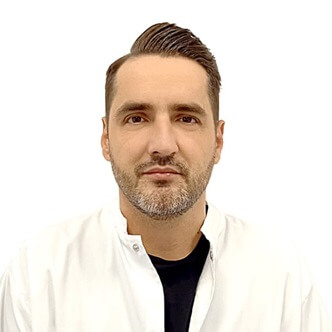
BUCHAREST TEAM































































CLUJ NAPOCA TEAM


































BRASOV TEAM



















MAKE AN APPOINTMENT
FOR AN EXAMINATION
See here how you can make an appointment and the location of our clinics.
MAKE AN APPOINTMENT
Asiguratori privati





Parteneriate



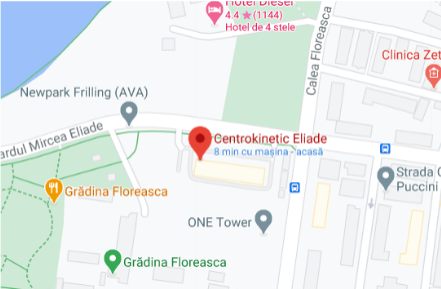
CENTROKINETIC FLOREASCA
Bucharest, 1st District,
Mircea Eliade Street, no. 18,
Eliade Tower, Entrance A, Floor 3
| Navigation | Explore 3D |
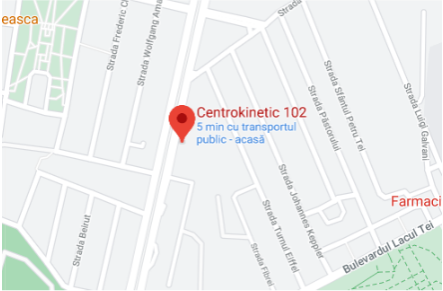
CENTROKINETIC Barbu Vacarescu
Bucharest, 2nd District,
Barbu Vacarescu Street, no. 102,
102 The Address, ground floor.
| Navigation | Explore 3D |
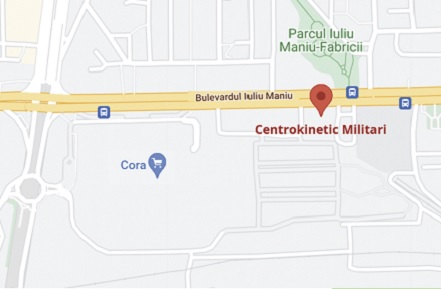
CENTROKINETIC MILITARI
Bucuresti, Sector 6,
Bld. Iuliu Maniu, nr. 15G,
Cladirea PBT, etaj 3.
| Navigation |
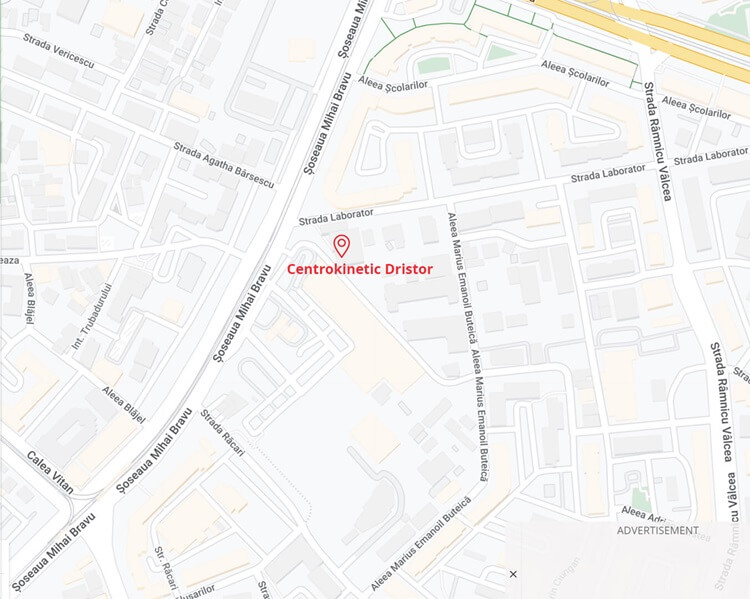
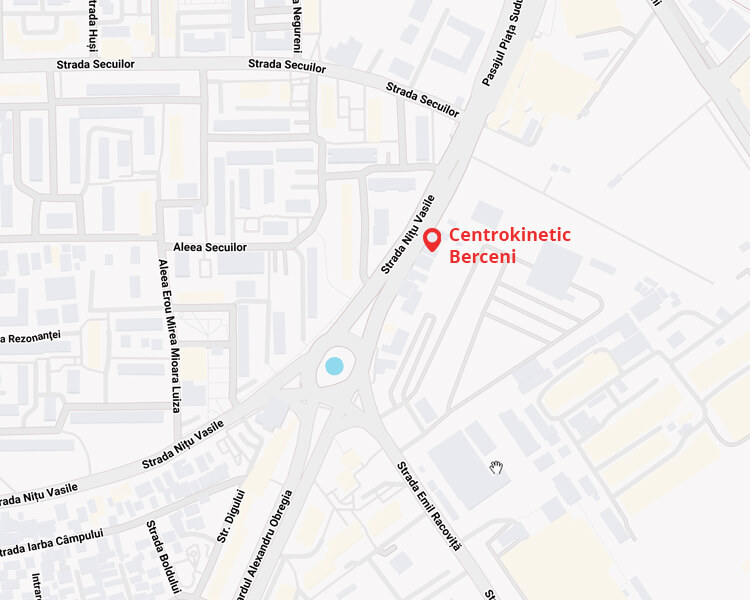
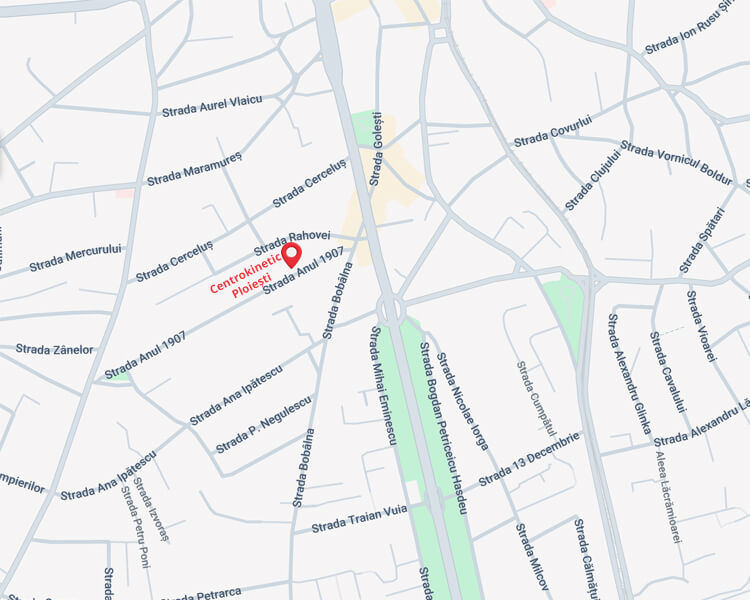
CENTROKINETIC CLUJ-NAPOCA
Cluj-Napoca,
Str. Intre Lacuri, nr.1
Intrarea este in spatele cladirii.
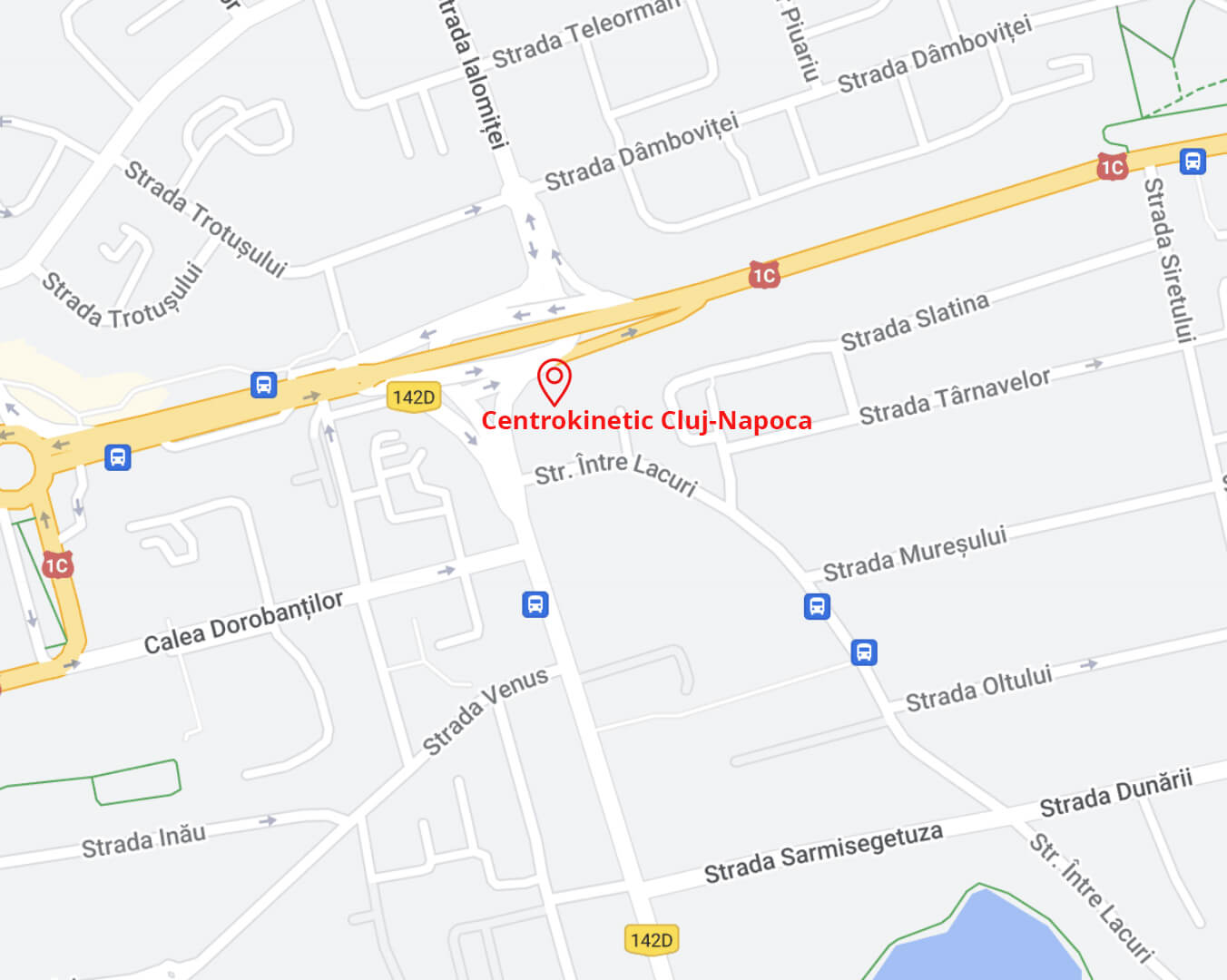
| Navigation |
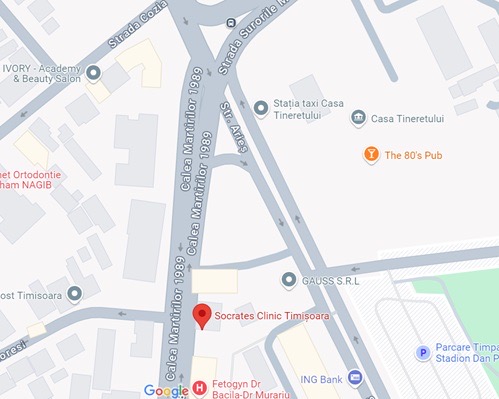
SOCRATES CLINIC TIMISOARA
Timisoara, Calea Martirilor 1989,
nr. 1.
Telefon: 0371 785 374.
| Navigation |
CONTACT
Phone: 0319693
E-mail: programari@centrokinetic.ro
Operating hours:
Monday – Friday: 07:00 – 21:00
Saturday: 09:00 – 14:00
Sunday: closed.
MAKE AN APPOINTMENT