Osgood-Schlatter Disease


- What is Osgood-Schlatter disease?
- What are the causes of this disease?
- What are the symptoms of Osgood-Schlatter disease?
- How is this disease diagnosed?
- What treatment exists for Osgood Schlatter disease?
What is Osgood-Schlatter disease?
Osgood-Schlatter disease, also called growing tibial tubercle, is a condition caused by consecutive microtrauma to the anterior tibial tubercle, which develops during its ossification.
This happens especially in adolescents who regularly play sports.
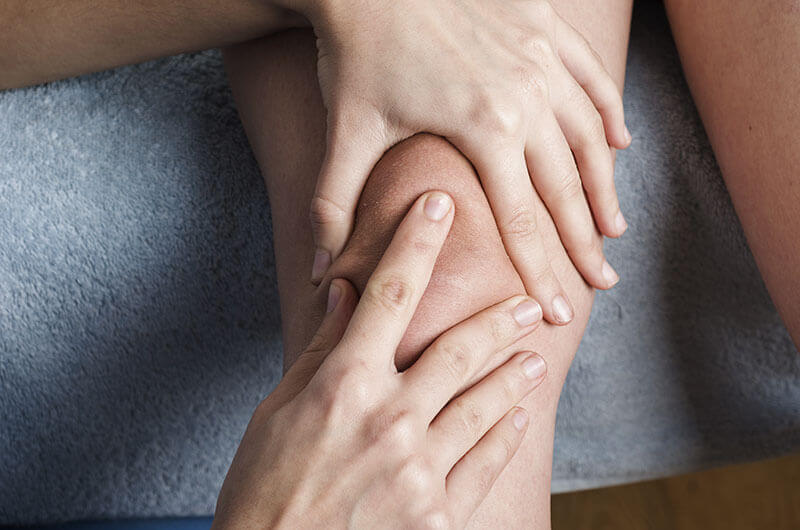
Osgood-Schlatter disease is a knee diagnosis, causing pain and inflammation starting from below the kneecap up to inside the tibia.
This disease occurs at the junction where the patellar tendon connects to the bony process of the knee, called the tibial tubercle. The diagnosis is often abbreviated as "slatters" or "schlatters".
The pain caused switches on and off - this should be expected along with the child's growth and during their stressful periods.
To be sure that the knee pain is caused by Osgood-Schlatter disease, you can consult one of the orthopedic doctors at Centrokinetic clinic, thus benefiting from a correct diagnosis and appropriate treatment.
What are the causes of this disease?
According to what was mentioned earlier, Osgood-Schlatter disease acts directly on the anterior tibial tubercle, which is anchored in the quadriceps muscle.
This type of overload is more likely to occur during the developmental period, specifically among children and adolescents.
Certain sports activities are also identified as a basis for this condition - activities that involve jumping and running are particularly mentioned.
The consecutive moments of stress exerted by large muscle groups, such as the quadriceps, can reduce the resistance structure of the tubercle and can affect the anchoring of the growth plate.
In severe cases, this deterioration of the localized bone tissue leads to fractures of the growth plate.
A number of risk factors that can determine the occurrence of growing tibial apophysitis can also be listed, as follows:
- 1. Age - this condition can occur during puberty; Osgood-Schlatter disease occurs around the age of 10-15 in boys, and around the age of 8-14 in girls;
- 2. Sex - the growing tibial tubercle is more commonly encountered in boys; however, taking into account that girls' involvement in sports activities is increasing, this difference is diminishing;
- 3. Rapid development of long bones - the accelerated lengthening of the femur, as well as of the tibia, is not accompanied by the concomitant lengthening of the regional musculature, which causes the occurrence of additional tension at the insertions of these muscle groups;
- 4. Sport - physical activities that include running, jumping and landing exercises, or changes of direction and kicking the ball;
- 5. Previous disease history.
What are the symptoms of Osgood-Schlatter disease?
Pain is the main symptom that may suggest the presence of tibial osteomyelitis. It becomes evident upon direct contact with the tubercle (palpation), before, during, and after physical activity that involves sudden and consecutive contractions of the quadriceps.
Pain can also be caused by knee extension (stretching) movements, which increase tibial resistance.

Sometimes, these previously mentioned symptoms can be more intense during rest and diminished during effort, due to muscular warming.
In addition, the pain detected at the level of the anterior tibial apophysis can radiate slightly, while the subcutaneous tissue above the tibial tubercle can become red.
This pain caused by Osgood-Schlatter disease can also be felt in the subpatellar tendon.
Another symptom can be represented by inflammation and an increase in the volume of the tibial prominence. As a consequence, it can be very sensitive to touch or movement.
It should be noted that the most common symptoms that may indicate the presence of this condition are as follows:
- mild inflammation or a sensation of coolness below the knee, at the upper part of the tibia;
- pain that intensifies with physical exertion or movement;
- pain or pressure at the front of the knee.
If one or more of the previously mentioned symptoms are present, confidently reach out to an orthopedic doctor at Centrokinetic clinic, to confirm or rule out the presence of Osgood-Schlatter disease.
How is this disease diagnosed?
The diagnosis of the tibial prominence is made after a medical history and a clinical examination by an orthopedic doctor or by sports medicine.
In some cases, imaging tests can complement the diagnosis. Therefore, a structural evaluation of the tibial tubercle is performed with the help of a knee X-ray with an appropriate incidence angle.
The diagnosis is made through medical history and clinical examination. Often, an X-ray is not needed to make a diagnosis, because it is very characteristic.
Imaging is used only to possibly rule out other diagnoses that can cause knee pain.
At Centrokinetic clinic, you benefit from all the necessary investigations regarding the diagnosis of Osgood-Schlatter disease and appropriate treatment recommendations, so that recovery is as efficient and as quick as possible.
What treatment exists for Osgood Schlatter disease?
Various possible treatments for Osgood-Schlatter can be listed, but as mentioned earlier, the most important thing is that the supporting muscles can withstand the stress.
If the supporting muscles are strong enough to keep the knee away from stress, this may be enough to bypass the presence of the condition or to prevent its further development, but this requires individual effort and regular, specific training.
A temporary break from challenging sports/activities may be appropriate, but quitting is not recommended, as it is negative both socially and psychologically.
Orthopedic surgeons recommend addressing growing tibial osteoprotrusions.
The recommended treatments are as follows:
- ice compresses - applied several times a day, to reduce inflammation;
- rest or modification of activities within the training program - reduce tension at the level of the affected tendon;
- physio-kinesiotherapy program;
- ESWT therapy - involves transmitting shock waves to the affected tissues, to reduce pain and enhance healing;
- subpatellar band in the form of a transverse strap, which takes on some of the tension of the affected tendon;
- cryotherapy - the use of cold agents for the purpose of relieving the disease's symptoms, respectively reducing inflammation;
- surgery.
For a suitable treatment and recovery program, schedule a consultation with one of the orthopedic doctors at Centrokinetic clinic and benefit from a specialized clinical examination and the drawing up of a recovery plan suited to your needs.
Centrokinetic is the place where you will find clear answers and effective solutions for musculoskeletal conditions. Our clinic, dedicated to musculoskeletal disorders, is organized into the following specialized departments:
- Orthopedics, a department composed of a highly experienced team of orthopedic surgeons specializing in sports traumatology.
- Pediatric Orthopedics, where sports injuries in children (ligament and meniscus injuries), spinal deformities (scoliosis, kyphosis, hyperlordosis), and foot deformities (hallux valgus, hallux rigidus, equinovarus foot, flatfoot, cavus foot) are treated.
- Neurology, featuring a state-of-the-art department where consultations, electroencephalograms (EEG), and electromyography (EMG) examinations are performed.
- Medical Rehabilitation for adults and children, a department specialized in the rehabilitation of professional athletes, spinal disorders, and children with neurological and traumatic conditions. Our extensive experience includes treating more than 5,000 professional athletes.
- Medical Imaging, with the clinic equipped with ultrasound and MRI systems dedicated to musculoskeletal conditions, complemented by an experienced radiologist, Dr. Cosmin Pantu, specialized in musculoskeletal imaging.
- Rheumatology, a comprehensive department dedicated to the diagnosis, treatment, and rehabilitation of patients with non-surgical musculoskeletal disorders.
- Vascular Surgery, a highly specialized department focused on the diagnosis and treatment of vascular diseases affecting arteries, veins, and lymphatic vessels.
- Psychology and Speech Therapy. Neurological and musculoskeletal conditions can have a psychological impact on patients, which is why we believe complete recovery requires addressing both the physical condition and its psychological consequences.
- Neurofeedback. This innovative method helps improve concentration, reduce anxiety, and achieve emotional balance through a simple and interactive process.
Stay up to date by following Centrokinetic on Facebook, Instagram, and YouTube.
MAKE AN APPOINTMENT
FOR AN EXAMINATION
See here how you can make an appointment and the location of our clinics.
MAKE AN APPOINTMENT
BUCHAREST TEAM


















CLUJ NAPOCA TEAM









BRASOV TEAM







Asiguratori privati





Parteneriate


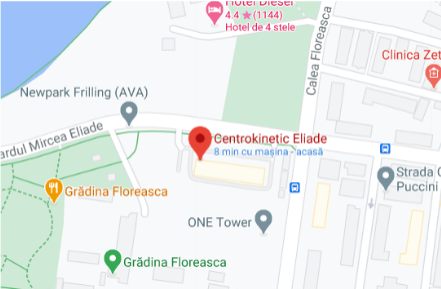
CENTROKINETIC FLOREASCA
Bucharest, 1st District,
Mircea Eliade Street, no. 18,
Eliade Tower, Entrance A, Floor 3
| Navigation | Explore 3D |
CENTROKINETIC Barbu Vacarescu
Bucharest, 2nd District,
Barbu Vacarescu Street, no. 102,
102 The Address, ground floor.
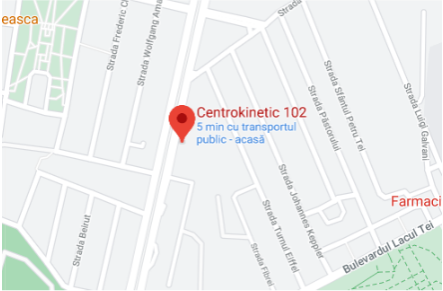
| Navigation | Explore 3D |
CENTROKINETIC MILITARI
Bucuresti, Sector 6,
Bld. Iuliu Maniu, nr. 15G,
Cladirea PBT, etaj 3.
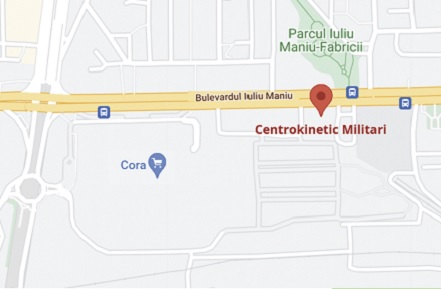
| Navigation |
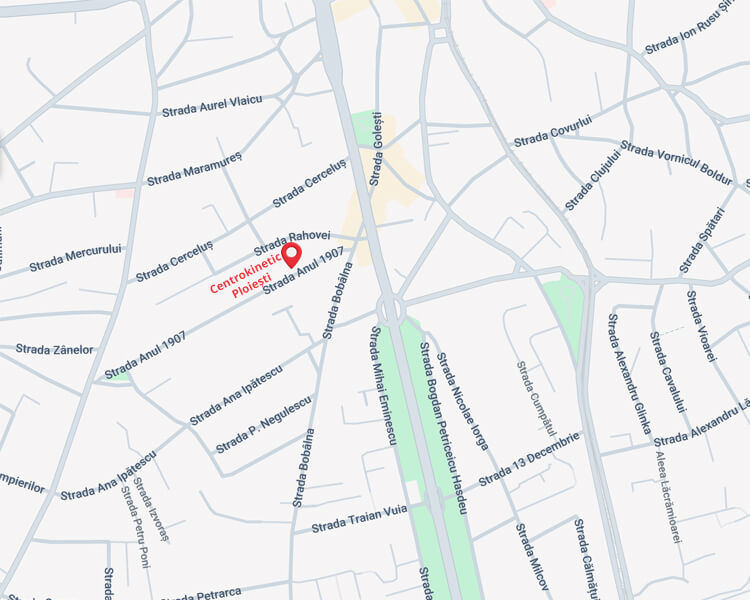
CENTROKINETIC CLUJ-NAPOCA
Cluj-Napoca,
Str. Intre Lacuri, nr.1
Intrarea este in spatele cladirii.
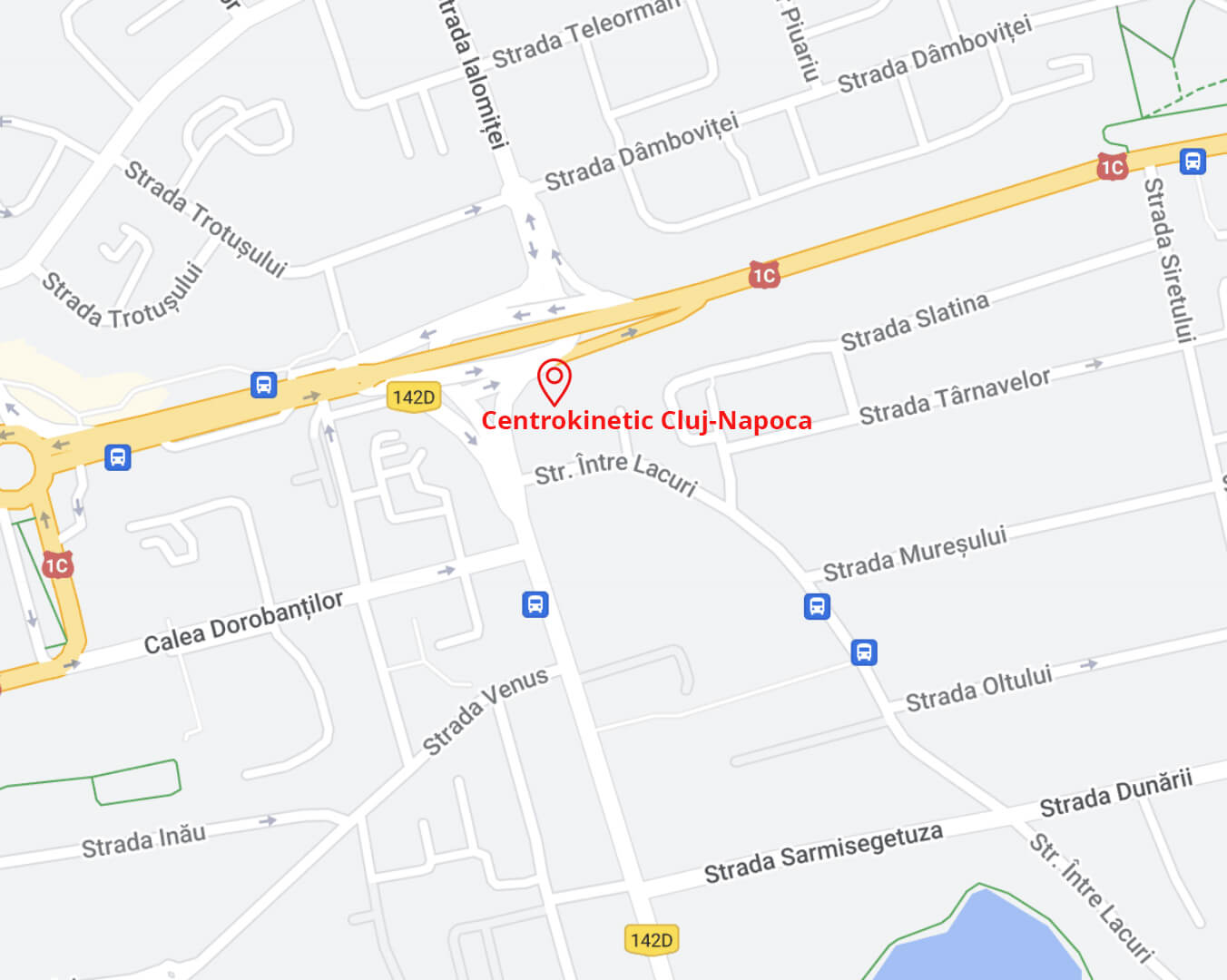
| Navigation |
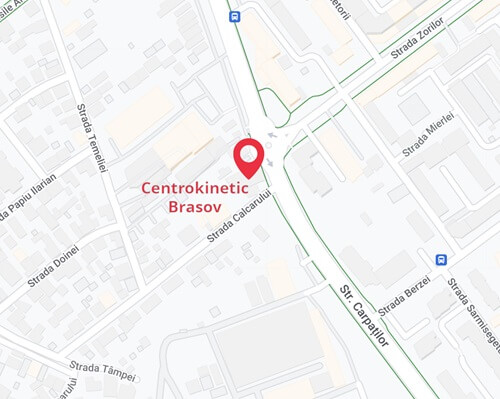
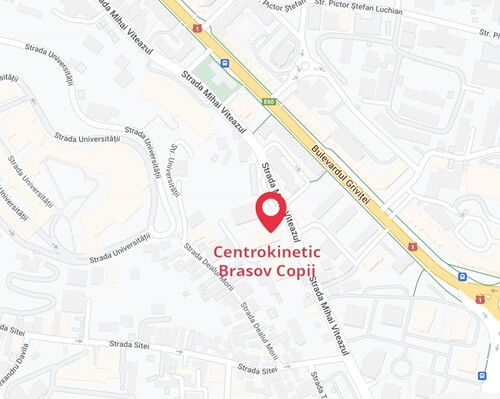
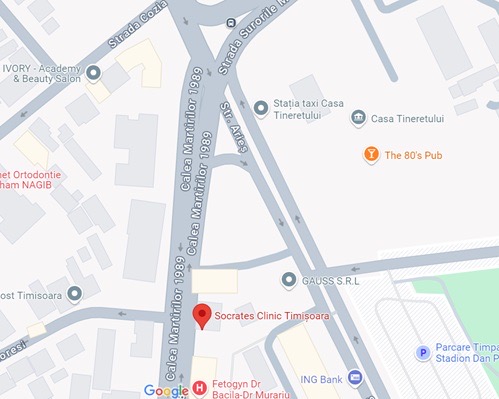
SOCRATES CLINIC TIMISOARA
Timisoara, Calea Martirilor 1989,
nr. 1.
Telefon: 0371 785 374.
| Navigation |
CONTACT
Phone: 0319693
E-mail: programari@centrokinetic.ro
Operating hours:
Monday – Friday: 07:00 – 21:00
Saturday: 09:00 – 14:00
Sunday: closed.
MAKE AN APPOINTMENT