Osteonecrosis


Osteonecrosis. Causes, symptoms, and recommended treatments
.jpg "Osteonecroza. Cauze, simptome si tratamente recomandate")
Osteonecrosis, or avascular necrosis, is the death of bone tissue due to an interruption of blood flow to it. A broken bone or a dislocated joint can stop blood flow to a section of the bone. Osteonecrosis is associated with long-term, high-dose use of steroid medications and alcohol.
Over time, the disease can cause small collapses in the bone and its destruction.
Contents:
- What is osteonecrosis?
- Causes of osteonecrosis
- Diagnosing osteonecrosis
- How is osteonecrosis treated?
- Preventing osteonecrosis
What is osteonecrosis?
Osteonecrosis is triggered by the blockage of blood flow to the bone tissue. Bones are constantly changing because the skeletal system produces new tissue to replace old tissue, which eventually breaks down and dies.
This flow must proceed under normal conditions to keep the bones strong. Blood carries nutrients and oxygen to the bones so they stay healthy and regenerate. Without normal blood flow, the skeletal system cannot produce new tissue fast enough. The affected bone begins to deteriorate and, eventually, is destroyed. The condition is more common in people aged between 30 and 50 [1].
Osteonecrosis can affect bone tissue in any joint, but especially the hip.
Other joints that can develop osteonecrosis include: the ankles, the jaw, the knees, and the shoulders. So, the disease can be of several types depending on the joint affected, such as: mandibular osteonecrosis, osteonecrosis of the humeral head, aseptic osteonecrosis of the femoral head, and osteonecrosis of the knee.
Causes of osteonecrosis
Bone fractures or diseases that prevent blood flow to the bone tissue cause osteonecrosis. About 20% of cases occur with no obvious cause [2].
Among the main known causes of avascular necrosis are [2]:
- traumatic avascular necrosis - this can occur if you have a broken bone or a dislocated joint;
- nontraumatic avascular necrosis - can occur if you have a disease that prevents blood from reaching the bone tissue; nontraumatic avascular necrosis often affects the same bones on both sides of the body.
Joint or bone trauma
Injuries such as hip fractures and dislocations can damage blood vessels and reduce blood flow to the bones. About 20% of people who dislocate their hip, meaning it is no longer aligned in the joint as it normally would be, develop the disease [2].

Medical treatments
Cancer treatments that involve radiation can weaken bones and damage blood vessels.
Fat deposits in the blood vessels
Accumulated fat can block small blood vessels since it can reduce blood flow in the bones.
Medical conditions
Other medical conditions that can lead to osteonecrosis are [2]:
- blood problems, such as anemia: can reduce blood flow to the bone;
- osteoporosis: the condition can occur in women over the age of 50, who sometimes suffer from spontaneous avascular necrosis of the knee;
- diabetes;
- decompression sickness, also known as diver's disease;
- pancreatitis;
- Gaucher's disease;
- HIV/AIDS;
- systemic lupus erythematosus;
- organ transplant, especially kidney transplant.
Risk factors
Risk factors for developing osteonecrosis include [1]:
- steroid use; the use of high-dose corticosteroids is a common cause of the disease. The reason is unknown, but it is believed that steroids can increase blood lipid levels, reducing blood flow.
- alcohol consumption; long-term excessive alcohol consumption can cause fat deposits to accumulate in the blood vessels.
- bisphosphonate use; long-term use of medications for increasing bone density could contribute to the development of osteonecrosis of the jaw. This rare complication has occurred in some people treated with high doses of medications for treating cancer.
How osteonecrosis presents: symptoms
Some people have no symptoms in the early stages of osteonecrosis.
As the disease progresses, it presents with pain that can be mild or severe. Pain associated with hip osteonecrosis might be centered on the groin, thigh, or buttock area. In addition to the hip, the shoulder, knee, hand, and foot can be affected. Some people develop osteonecrosis on both sides, such as in both hips or both knees.
Here are some symptoms that appear over time and could represent signs of osteonecrosis [2]:
- intermittent pain that appears and lessens when you put pressure on the bone and then release the pressure;
- increasing joint pain;
- inflamed gums, if the condition occurs in the jaw;
- stiff joints;
- swelling of the knees;
- limited range of motion;
- a limping gait, if the condition occurs in the hips or knees;
- difficulty climbing stairs, standing, or walking.
Diagnosing osteonecrosis
.jpg "Diagnosticul osteonecrozei")
The disease is diagnosed following a specialist medical examination and after performing imaging tests.
Many conditions can cause joint pain. Imaging tests can help identify the source of the pain. Tests may include [3]:
- X-rays - can reveal bone changes that occur in the later stages of osteonecrosis;
- MRI and CT - produce detailed images that can signal early bone changes that could indicate osteonecrosis;
- bone scintigraphy;
How is osteonecrosis treated?
Medications
In the early stages of the disease, certain medications can help relieve symptoms [3], [4]:
- nonsteroidal anti-inflammatory drugs (NSAIDs) could help relieve the pain associated with osteonecrosis;
- medications for treating osteoporosis could slow the progression of the disease;
- cholesterol-lowering medications; reducing the amount of cholesterol and fat in the blood could help prevent blockages in the vessels that can cause osteonecrosis.
- vasodilator medications could increase blood flow to the affected bone;
- for clotting disorders, blood thinners could prevent clot formation in the vessels that feed the bones.
Therapy
Therapy is needed to ensure proper medical recovery and may include [1]:
- rest; restricting physical activity, reducing body weight, or using crutches for a few months to keep weight off the joint can help slow the development of bone lesions.
- medical exercises - a physiotherapy technician can teach a series of exercises that can help maintain or improve the range of motion in the joint;
- electrical stimulation - electric currents could help the body develop new bone tissue to replace the damaged bone.
- hyperbaric therapy - hyperbaric oxygen therapy is an accredited form of medical treatment that aims to increase the oxygen concentration in the plasma in order to enhance the body's natural healing process. The therapy has a number of contraindications, and is not recommended for people who suffer from conditions such as diabetes or for those who are pregnant. It is also used as an adjuvant therapy for athletes, helping to prevent injuries and speed up recovery. It can be used for medical recovery in knee osteonecrosis or in the treatment of osteonecrosis of the femoral head.
Surgical procedures and other procedures
While non-invasive treatments can slow the progression of osteonecrosis, most people do not develop symptoms until advanced stages of the disease. In these cases, the doctor may recommend surgery.
Surgical options include [1],[3]:
- bone grafts - involve removing healthy bone from one part of the body and using it to replace the damaged bone.
- bone reshaping (osteotomy) - cutting the bone and changing its alignment is done to ease stress on the bone or joint. Bone reshaping could help delay joint replacement.
- total joint replacement (arthroplasty) - is an operation to remove the damaged joint and replace it with a synthetic joint. If the affected bone has deteriorated or other treatments do not offer solutions, surgery can replace the damaged parts of the joint with plastic or metal parts.
- bone decompression - involves removing part of the inside of the bone to relieve pressure and allow the formation of new blood vessels. A surgeon removes part of the inner layer of the bone. In addition to reducing pain, the extra space inside the bone triggers the production of healthy bone tissue and new blood vessels.
- bone transplant (bone graft) - this procedure can help strengthen the affected bone area; the graft is a section of healthy bone taken from another part of the body. The patient's own tissue is used to reconstruct the damaged hip joints. The surgeon first removes the affected bone, then replaces it with vascularized bone from another part of the body.
- regenerative medicine - the procedure could help in treating hip osteonecrosis in its early stages; during surgery, the doctor removes a sample of damaged tissue from the hip and introduces stem cells taken from the bone marrow in its place to help the bone grow again.
Preventing osteonecrosis
To reduce the risk of avascular necrosis and to improve your overall health [1]-[3]:
- limit alcohol consumption - excessive alcohol consumption is one of the main risk factors for developing avascular necrosis;
- keep cholesterol levels low - accumulated fat is the most common substance that blocks the blood supply to the bones;
- monitor steroid use - steroids can worsen bone damage as a result of repeated high-dose treatments.
- quit tobacco use - smoking narrows the blood vessels, which can reduce blood flow.
Warning! This article is for informational purposes only and does not replace a specialist medical consultation.
Osteonecrosis is a common condition that can especially affect people at mature ages. If you have symptoms of the disease, urgently consult a doctor and follow their medical advice.
Centrokinetic is the place where you will find clear answers and effective solutions for musculoskeletal conditions. Our clinic, dedicated to musculoskeletal disorders, is organized into the following specialized departments:
- Orthopedics, a department composed of a highly experienced team of orthopedic surgeons specializing in sports traumatology.
- Pediatric Orthopedics, where sports injuries in children (ligament and meniscus injuries), spinal deformities (scoliosis, kyphosis, hyperlordosis), and foot deformities (hallux valgus, hallux rigidus, equinovarus foot, flatfoot, cavus foot) are treated.
- Neurology, featuring a state-of-the-art department where consultations, electroencephalograms (EEG), and electromyography (EMG) examinations are performed.
- Medical Rehabilitation for adults and children, a department specialized in the rehabilitation of professional athletes, spinal disorders, and children with neurological and traumatic conditions. Our extensive experience includes treating more than 5,000 professional athletes.
- Medical Imaging, with the clinic equipped with ultrasound and MRI systems dedicated to musculoskeletal conditions, complemented by an experienced radiologist, Dr. Cosmin Pantu, specialized in musculoskeletal imaging.
- Rheumatology, a comprehensive department dedicated to the diagnosis, treatment, and rehabilitation of patients with non-surgical musculoskeletal disorders.
- Vascular Surgery, a highly specialized department focused on the diagnosis and treatment of vascular diseases affecting arteries, veins, and lymphatic vessels.
- Psychology and Speech Therapy. Neurological and musculoskeletal conditions can have a psychological impact on patients, which is why we believe complete recovery requires addressing both the physical condition and its psychological consequences.
- Neurofeedback. This innovative method helps improve concentration, reduce anxiety, and achieve emotional balance through a simple and interactive process.
Stay up to date by following Centrokinetic on Facebook, Instagram, and YouTube.
Sources of information:
[1] Mayo Clinic. "Avascular necrosis (osteonecrosis).", Mayo Clinic, 2022,
https://www.mayoclinic.org/diseases-conditions/avascular-necrosis/symptoms-causes/syc-20369859 Accessed on 16.11.2022.
[2] Cleveland Clinic. "Avascular necrosis (osteonecrosis).", Cleveland Clinic, 2022,
https://my.clevelandclinic.org/health/diseases/14205-avascular-necrosis-osteonecrosis Accessed on 16.11.2022.
[3] Dunkin, Marie Anne, "Avascular Necrosis (AVN or Osteonecrosis)", Webmd, 2022,https://www.webmd.com/arthritis/avascular-necrosis-osteonecrosis-symptoms-treatments Accessed on 16.11.2022.
[4] MerckManual. "Osteonecrosis.", MerckManual, 2022,
https://www.merckmanuals.com/en-ca/home/quick-facts-bone,-joint,-and-muscle-disorders/osteonecrosis/osteonecrosis Accessed on 16.11.2022.
MAKE AN APPOINTMENT
FOR AN EXAMINATION
See here how you can make an appointment and the location of our clinics.
MAKE AN APPOINTMENT
BUCHAREST TEAM















































CLUJ NAPOCA TEAM



















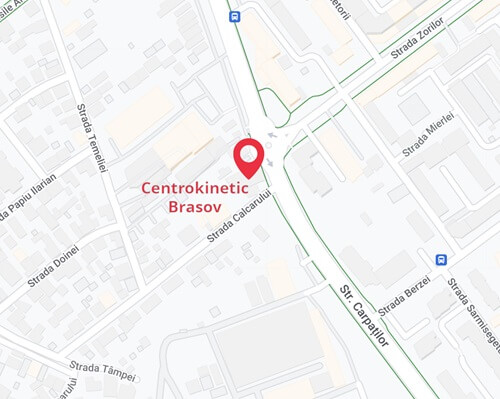
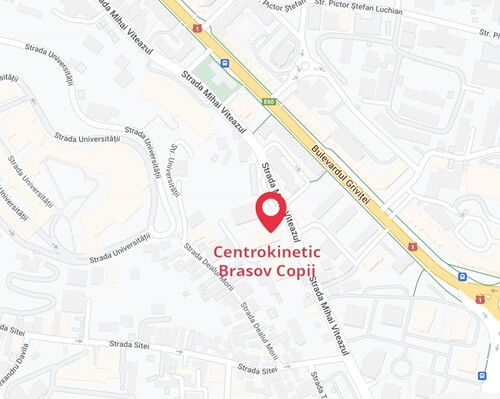
BRASOV TEAM









Asiguratori privati




Parteneriate


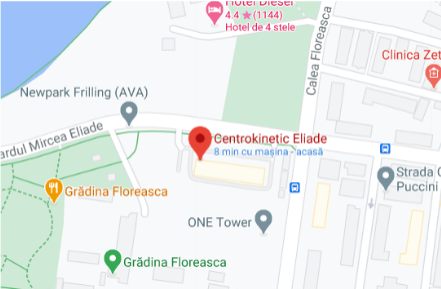
CENTROKINETIC FLOREASCA
Bucharest, 1st District,
Mircea Eliade Street, no. 18,
Eliade Tower, Entrance A, Floor 3
| Navigation | Explore 3D |
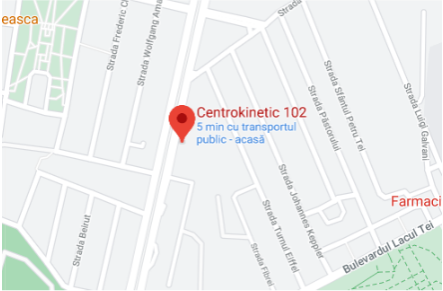
CENTROKINETIC Barbu Vacarescu
Bucharest, 2nd District,
Barbu Vacarescu Street, no. 102,
102 The Address, ground floor.
| Navigation | Explore 3D |
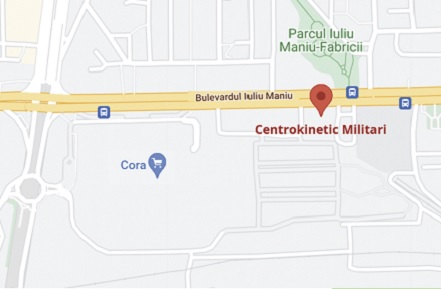
CENTROKINETIC MILITARI
Bucuresti, Sector 6,
Bld. Iuliu Maniu, nr. 15G,
Cladirea PBT, etaj 3.
| Navigation |
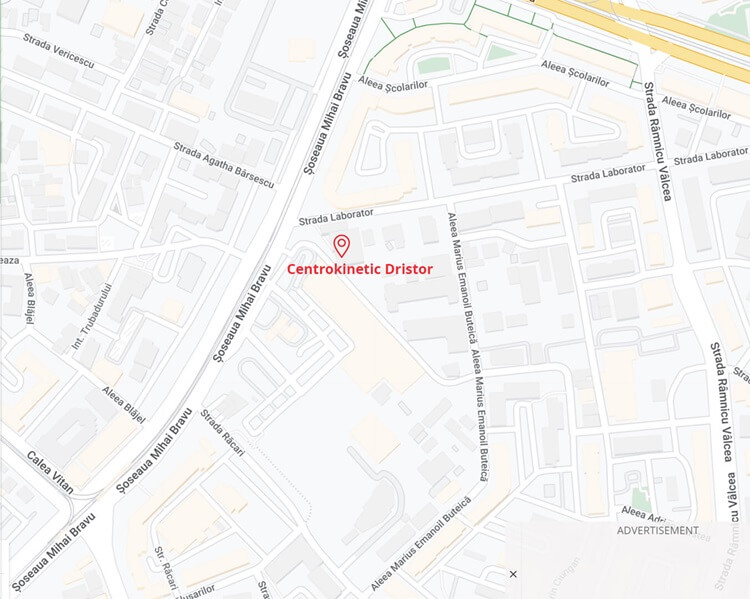
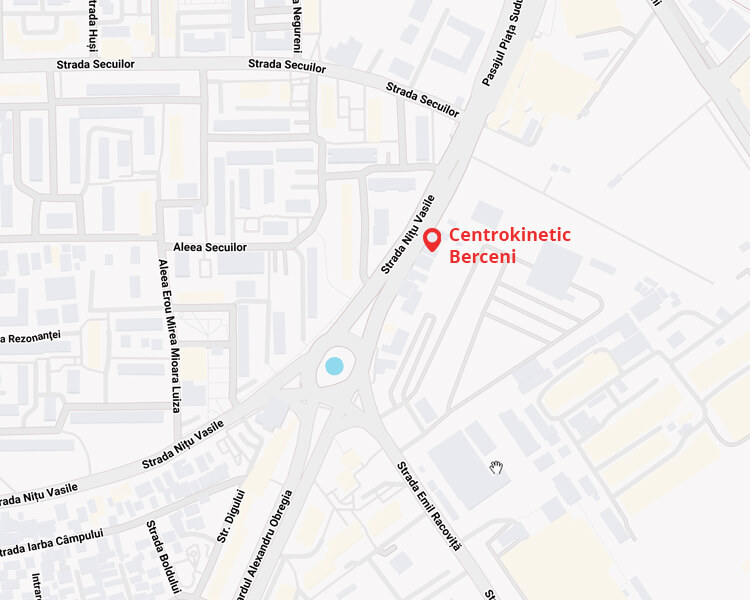
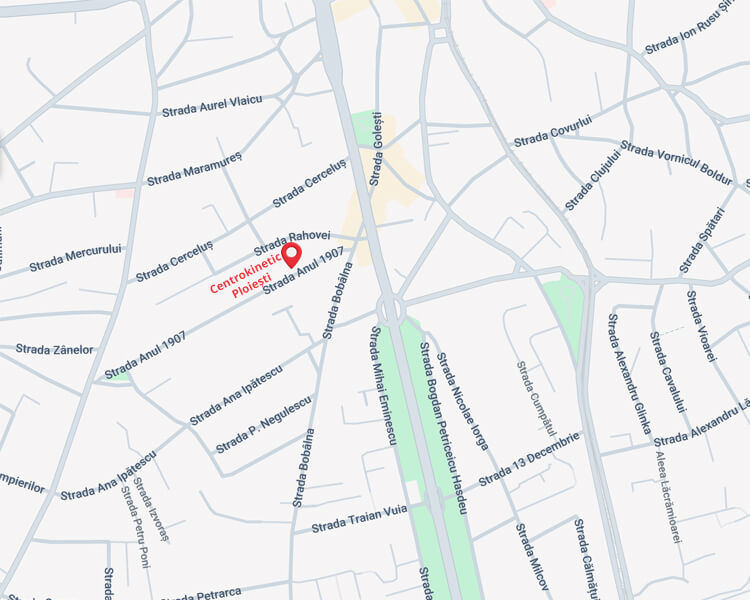
CENTROKINETIC CLUJ-NAPOCA
Cluj-Napoca,
Str. Intre Lacuri, nr.1
Intrarea este in spatele cladirii.
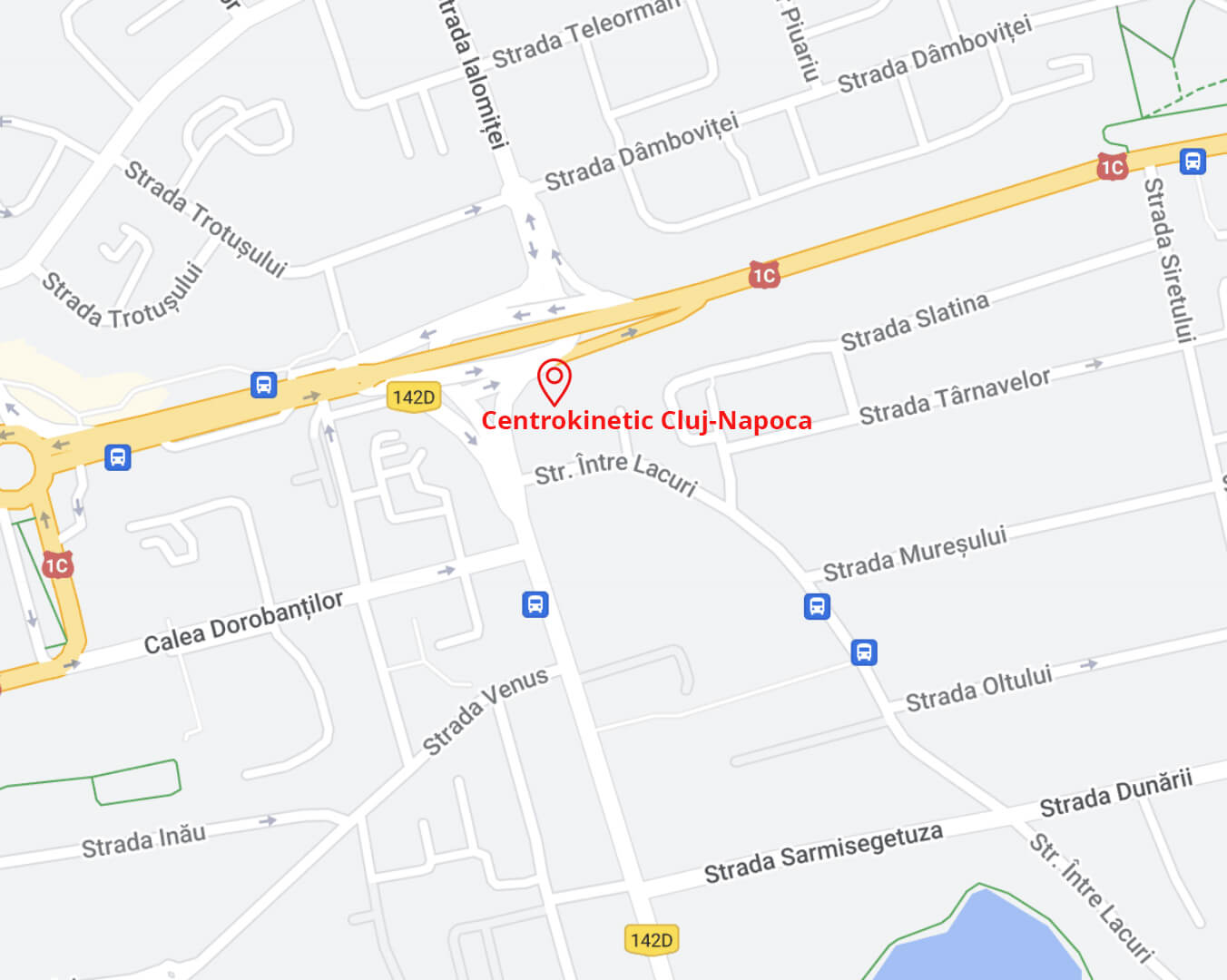
| Navigation |
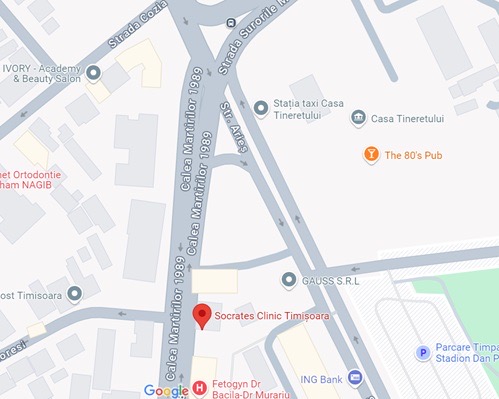
SOCRATES CLINIC TIMISOARA
Timisoara, Calea Martirilor 1989,
nr. 1.
Telefon: 0371 785 374.
| Navigation |
CONTACT
Phone: 0319693
E-mail: programari@centrokinetic.ro
Operating hours:
Monday – Friday: 07:00 – 21:00
Saturday: 09:00 – 14:00
Sunday: closed.
MAKE AN APPOINTMENT