Osteophytes


Osteophytosis: causes, symptoms and therapy, recovery procedures.jpg "Osteofitoza: cauze, simptome si terapie, proceduri de recuperare")
Osteophytosis is a common condition after age 60 that involves the formation of smooth bony growths, also called bone spurs (osteophytes). It's not just seniors who can face the development of these formations, but also younger people, especially if the patient has risk factors. Also, people who suffer from osteoarthritis have a higher risk of developing osteophytosis.
In this article, we explain what osteophytosis is, how it manifests, what the risk factors are, and the treatment options.
- Osteophytosis: causes, symptoms and therapy, recovery procedures
- What is osteophytosis?
- Types of osteophytes
- Causes
- Osteoarthritis
- Diffuse idiopathic skeletal hyperostosis
- Ankylosing spondylitis
- Risk factors
- Symptoms
- Diagnosis
- Treatment
- Pain management tips
- Recovery procedures
- Prevention
What is osteophytosis?
Bone spurs are smooth bony projections that develop over long periods of time and form near joints (where two or more bones meet), especially in patients who suffer from arthritis or joint damage. Most often, they develop in the feet, hands, knees, and spine. They are painful and are responsible for limiting joint movement. A healthy lifestyle can delay the onset of symptoms: pain, stiffness, limited movement. In the case of developing osteophytosis, medication treatments, kinesiotherapy, physiotherapy, and surgery can help. Bone spurs do not go away except through surgery that removes them. On the other hand, although bone spurs do not recur after surgery, they can develop in other parts of the body.
Types of osteophytes
(2).jpg "Tipuri de osteofite")
Osteophytes can develop on any bone, but are more common in the:
- foot: heel, big toe, ankle;
- hand or fingers;
- hip;
- knee;
- shoulder;
- spine.
Thus, the specialist doctor is the one who determines the type of condition (marginal osteophytosis, calcaneal osteophytosis). When it comes to the spine, osteophytes can appear along its entire length (for example, lumbar osteophytes, cervical osteophytes).

Causes
The main cause of osteophytosis is joint degradation, due to conditions such as:
Osteoarthritis is the most important cause of osteophytosis. Osteoarthritis occurs especially in people over 60 years of age, but can also develop earlier, if the patient's joints are affected by trauma or injuries. In the case of cartilage wear, the body tries to repair it by forming new bone material (the bone spur) based on the calcium deposits in the body. The same thing happens in the case of the spine, in the area where bone spurs form. Thus, the osteophyte appears as a result of the body's effort to increase the surface of a joint, in order to better distribute the impact on it. Except the effect is the opposite, joint mobility decreases over time.
Diffuse idiopathic skeletal hyperostosis
Diffuse idiopathic skeletal hyperostosis is a condition whose cause is not known. What is known is that many people diagnosed with this condition experience pain and stiffness as a result of bone spur formation, especially in the spine.
Ankylosing spondylitis
Ankylosing spondylitis is a rare form of arthritis that can also lead to the formation of osteophytes. Over time, ankylosing spondylitis fuses or connects the small bones in the spine, and the body responds by forming spinal osteophytes.
Risk factors
There are four important risk factors for osteophytosis:
- aging: all joints undergo wear over time, to a greater or lesser degree;
- structural deficiencies at birth: such as scoliosis (curved spine);
- poor posture: can lead to a higher risk of osteophyte formation;
- heredity: there is a high risk of developing osteophytosis if a parent has had this condition;
Symptoms
.jpg "Simptome")
In most cases, osteophytes are small and do not cause painful symptoms. Research indicates that only about 40% of people over 60 have problems with pain caused by osteophytes and require medical care.
If osteophytes form in the knee, the patient will have trouble straightening the leg. If they form in the shoulder, they can cause pain and inflammation. If they form in the hip, movement will also be limited and painful. Most often, osteophytes form in the spine; in such cases, they press on the spinal cord or nerve roots, leading to pain, numbness in the back, arms, and legs. Therefore, it is recommended that, in case of pain or stiffness in a joint that lasts more than 1-2 days and does not go away with rest and ice packs, a doctor should be consulted, since it could be osteophytosis.
The most common symptoms are:
- pain: because osteophytes put pressure on nearby nerves;
- restricted movement;
- numbness;
- weakness;
- tendinitis (inflammation of a nearby tendon).
Diagnosis
Most likely, the patient dealing with joint pain and limited movement first goes to their family doctor, and from there is referred to the doctor specialized in the diagnosis and treatment of joint conditions (rheumatologist).
It is recommended that the patient inform the doctor about:
- the symptoms they have and when they appeared;
- the medications and dietary supplements they are taking;
- the injuries that have affected the joints over time;
The patient can also ask the doctor/physiotherapist questions in order to better understand this condition:
- What is the most likely cause of the symptoms?
- What tests are needed?
- What treatment for osteophytes can be followed? Is physiotherapy needed?
- Are there other health problems, and how can they be managed together?
- Is surgery an option for the patient?
- How can the patient take care of themselves for better symptom management?
Treatment
.jpg "Tratament")
The specialist doctor recommends treatment for osteophytosis to the extent that the osteophytes cause pain and discomfort. Depending on the severity of the symptoms, the doctor may recommend:
- home remedies: rest, ice packs, lifestyle changes, weight loss;
- mild painkillers for pain;
- treating bone spurs with nonsteroidal anti-inflammatory drugs and muscle relaxants to reduce inflammation and pain; long-term use of these medications is not recommended due to side effects.
- physiotherapy: using new equipment and technologies to relieve symptoms;
- kinesiotherapy: helps strengthen the muscles around the affected joint, including the spine. Also, kinesiotherapy can help with movement in a way that avoids nerve pressure.
- surgery: if the osteophytes are pressing on a nerve and the patient's symptoms do not improve with medication and kinesiotherapy, surgery may be considered. In most cases, this is an arthroscopic procedure, reaching the joint through very small incisions. Surgery is usually considered if symptoms continue even after a year of medication, physiotherapy, and kinesiotherapy treatment.
Pain management tips
The patient may be recommended the following measures to best manage the pain:
- losing weight, if overweight or obese, to reduce pressure on the joints;
- wearing shoes that provide good support for the feet and joints, during movement;
- kinesiotherapy, to strengthen the muscles around the joint and stabilize it;
- maintaining correct back posture;
- using mild painkillers, in case of inflammation and pain; it is advisable to consult a doctor before using anti-inflammatory drugs.
Recovery procedures
- rest: short periods of rest help relieve inflammation;
- kinesiotherapy: physical exercises can ease the pain associated with osteophytes; rehabilitation therapies (exercises for heel pain, for example) help restore flexibility and endurance. These exercises can be done especially for the spine and aim to improve posture and reduce pressure on the nerve root affected by osteophytosis.
There are numerous recovery protocols, with the specialist doctor choosing the best treatment options depending on the severity of the symptoms and the patient's state of health.
Prevention
How can you reduce the risk of osteophytosis? There is no specific way to prevent osteophytes. The risk of developing them can be reduced if the patient follows a healthy lifestyle that involves:
- regular movement: appropriate footwear is necessary; warm-up exercises are also recommended.
- a balanced and healthy diet;
- maintaining a normal body weight;
- maintaining correct posture;
Osteophytes (bone spurs) may not cause any pain at all, or they may affect quality of life. There are treatment options to relieve symptoms, or to delay them.
Disclaimer
The information in this article does not replace, under any circumstances, a consultation at the doctor's office. Treatments for osteophytosis can only be followed on the recommendation of a specialist doctor. The manifestations of the condition differ depending on the location of the bone spurs, as well as other factors. Do not hesitate to see your family doctor, or a specialist doctor, for a consultation and treatment, whenever you have a health problem or a joint mobility problem.
Additional sources of information:
Healthline, „Bone Spurs: What you should know about osteophytosis”:
https://www.healthline.com/health/bone-spurs-osteophytosis
Spine-health, „Treatment options for bone spurs”:
https://www.spine-health.com/conditions/arthritis/treatment-options-bone-spurs
Verywell Health, „Causes and treatments of bone spurs”:
https://www.verywellhealth.com/bone-spurs-osteophyte-definition-2548492
Mayo Clinic, „Bone spurs”:
https://www.mayoclinic.org/diseases-conditions/bone-spurs/diagnosis-treatment/drc-20370216
Cleveland Clinic, „Bone spurs (osteophytes)”:
https://my.clevelandclinic.org/health/diseases/10395-bone-spurs-osteophytes
Find out the latest news about us by following the Centrokinetic clinic's Facebook and YouTube accounts.
Centrokinetic is the place where you will find clear answers and effective solutions for musculoskeletal conditions. Our clinic, dedicated to musculoskeletal disorders, is organized into the following specialized departments: Stay up to date by following Centrokinetic on Facebook, Instagram, and YouTube.
MAKE AN APPOINTMENT
FOR AN EXAMINATION
See here how you can make an appointment and the location of our clinics.
MAKE AN APPOINTMENT
BUCHAREST TEAM









































CLUJ NAPOCA TEAM




















BRASOV TEAM










Asiguratori privati





Parteneriate


CENTROKINETIC FLOREASCA
Bucharest, 1st District,
Mircea Eliade Street, no. 18,
Eliade Tower, Entrance A, Floor 3
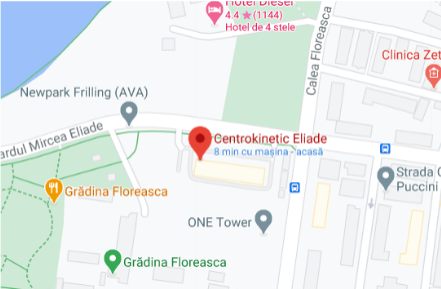
| Navigation | Explore 3D |
CENTROKINETIC Barbu Vacarescu
Bucharest, 2nd District,
Barbu Vacarescu Street, no. 102,
102 The Address, ground floor.
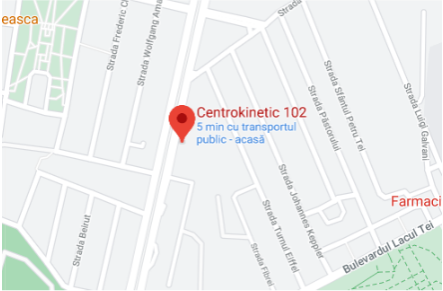
| Navigation | Explore 3D |
CENTROKINETIC MILITARI
Bucuresti, Sector 6,
Bld. Iuliu Maniu, nr. 15G,
Cladirea PBT, etaj 3.
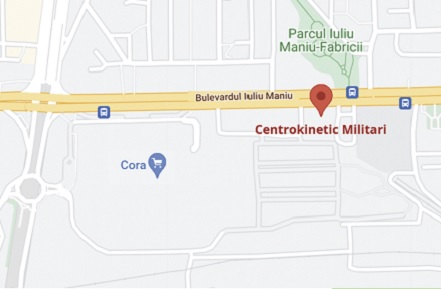
| Navigation |
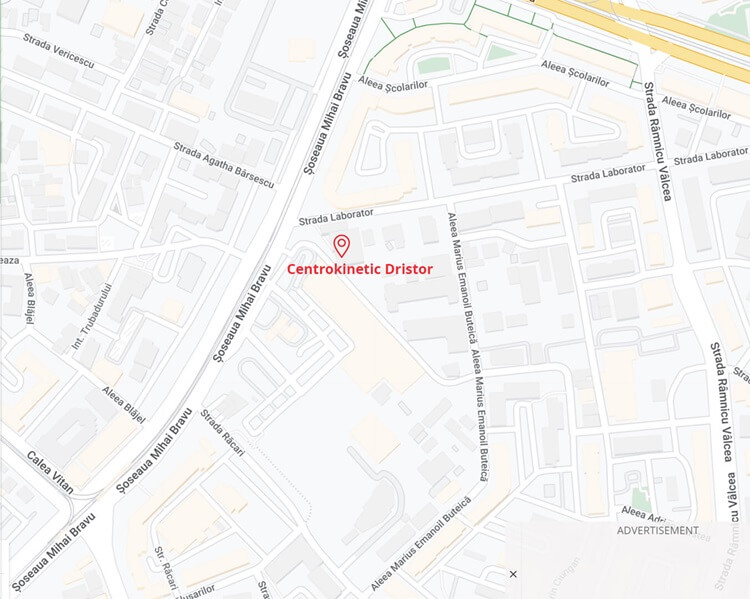
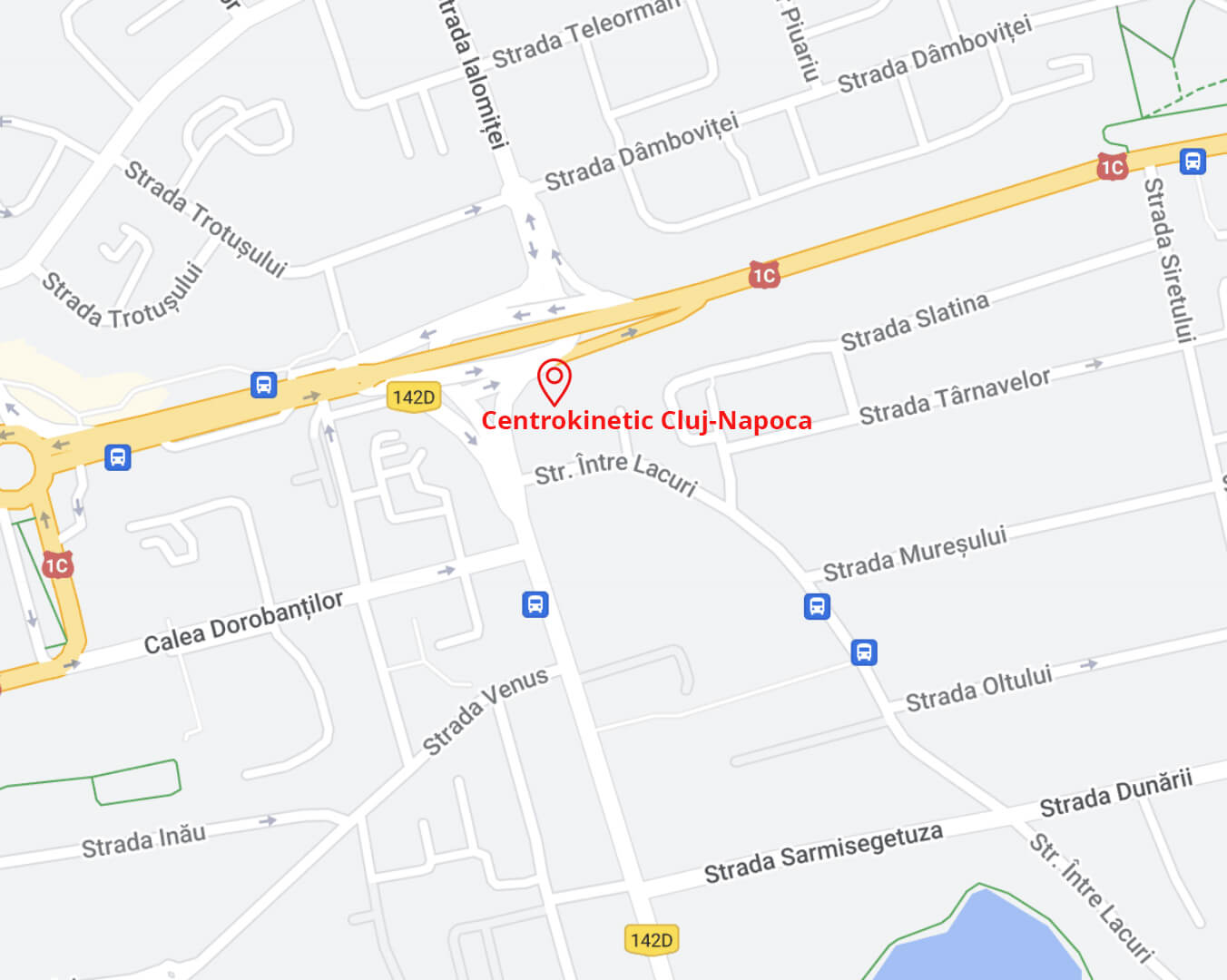
CENTROKINETIC CLUJ-NAPOCA
Cluj-Napoca,
Str. Intre Lacuri, nr.1
Intrarea este in spatele cladirii.
| Navigation |
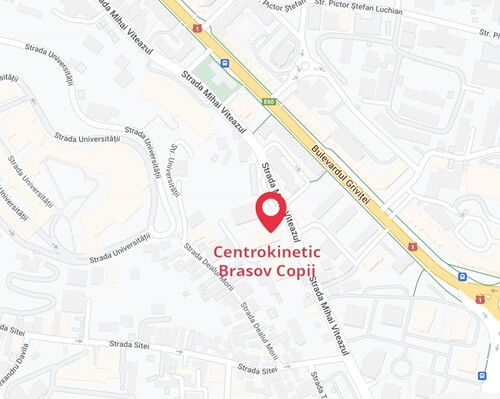
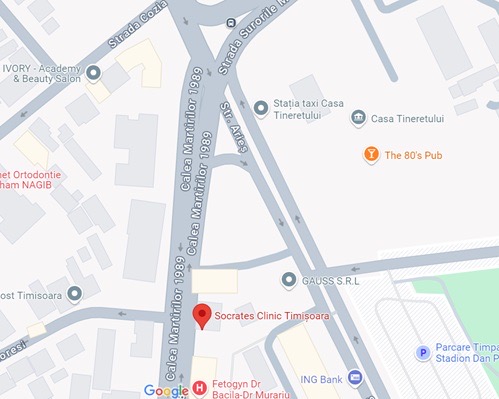
SOCRATES CLINIC TIMISOARA
Timisoara, Calea Martirilor 1989,
nr. 1.
Telefon: 0371 785 374.
| Navigation |
CONTACT
Phone: 0319693
E-mail: programari@centrokinetic.ro
Operating hours:
Monday – Friday: 07:00 – 21:00
Saturday: 09:00 – 14:00
Sunday: closed.
MAKE AN APPOINTMENT